EN
EN

Next time you twist open a bottle of water, take a moment to look at the milky-white threads around the neck. That is the mark left by its former life as a “little test tube” – proof that it has completed a high-temperature journey.
You pick up a bottle of water, twist off the cap, and take a sip. It is clear, clean, and odorless. You take it for granted – water is just water, filled into a bottle at the source, right?
But you may never have thought about it: the bottle itself was transformed from a small, test-tube-like object.
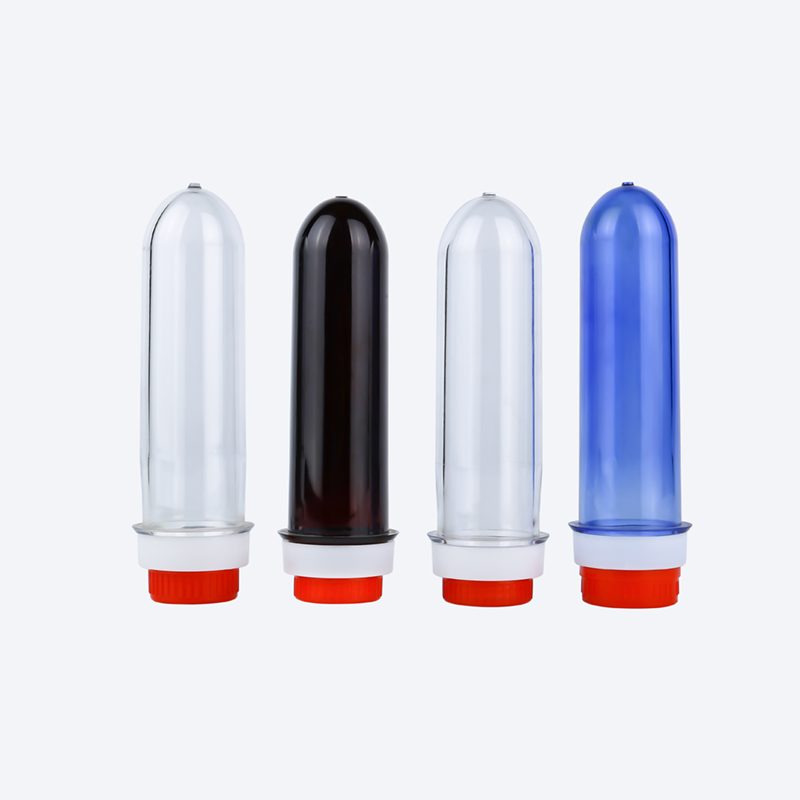
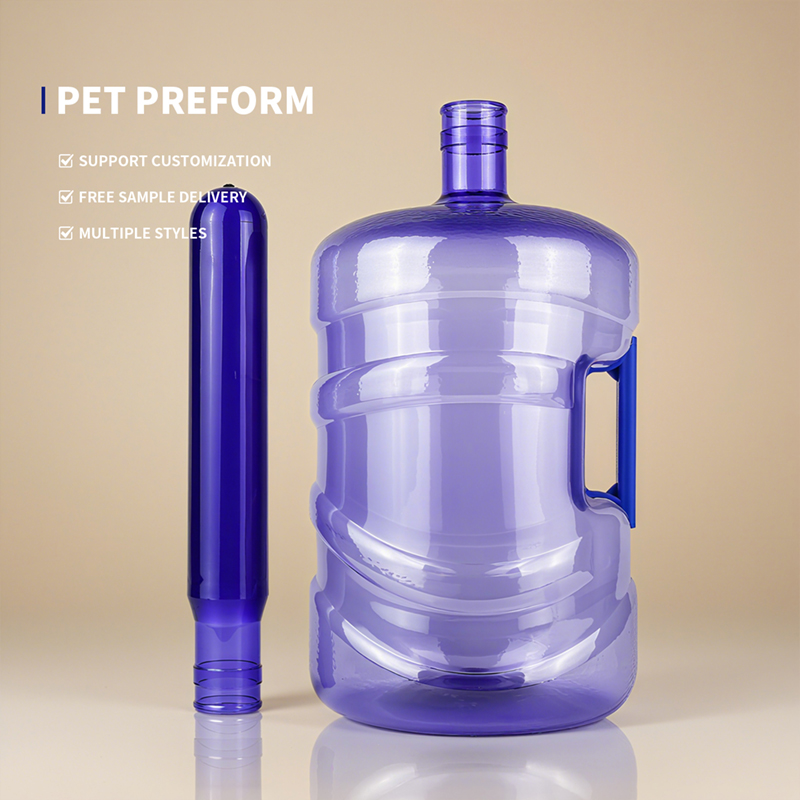
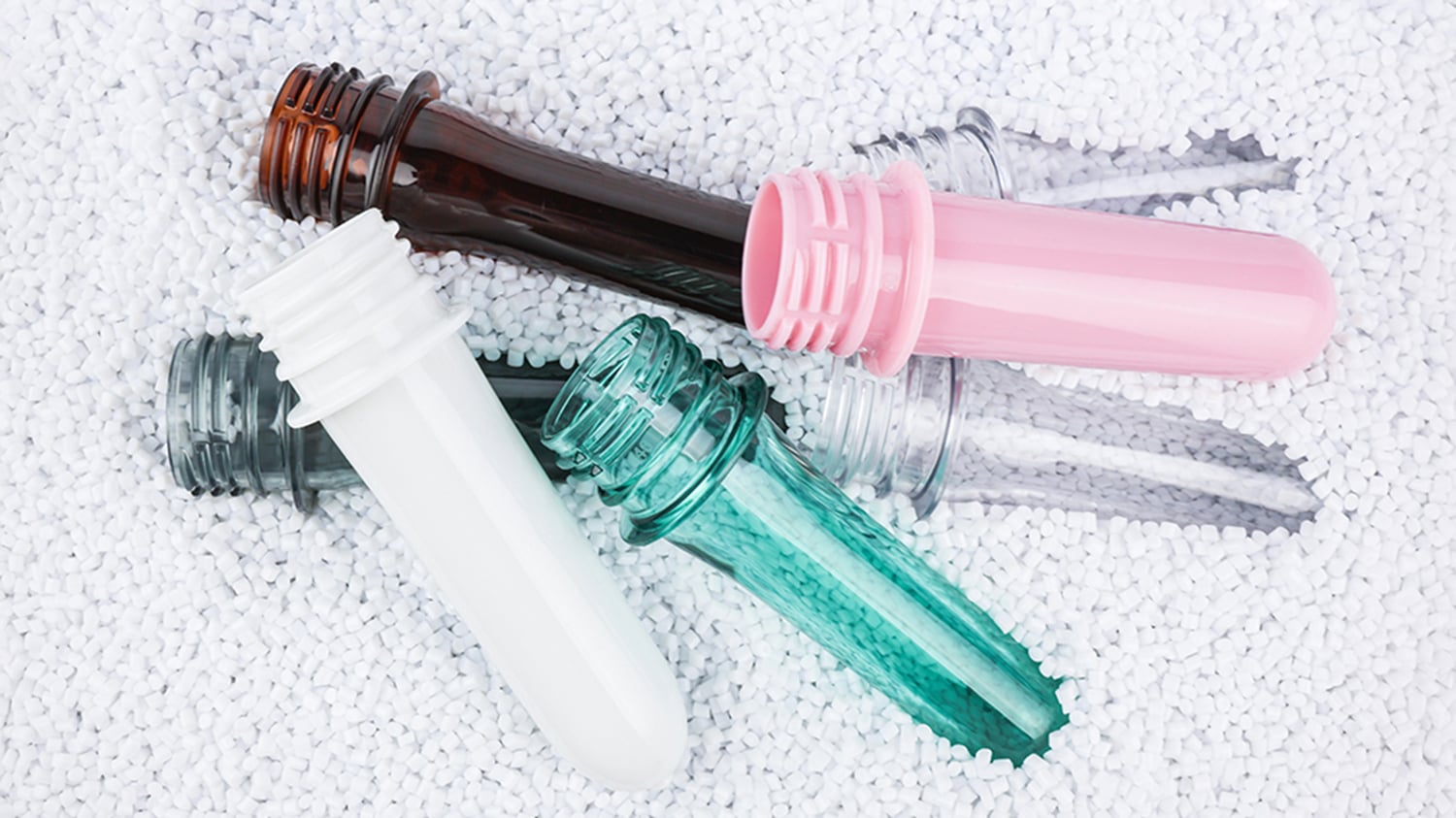
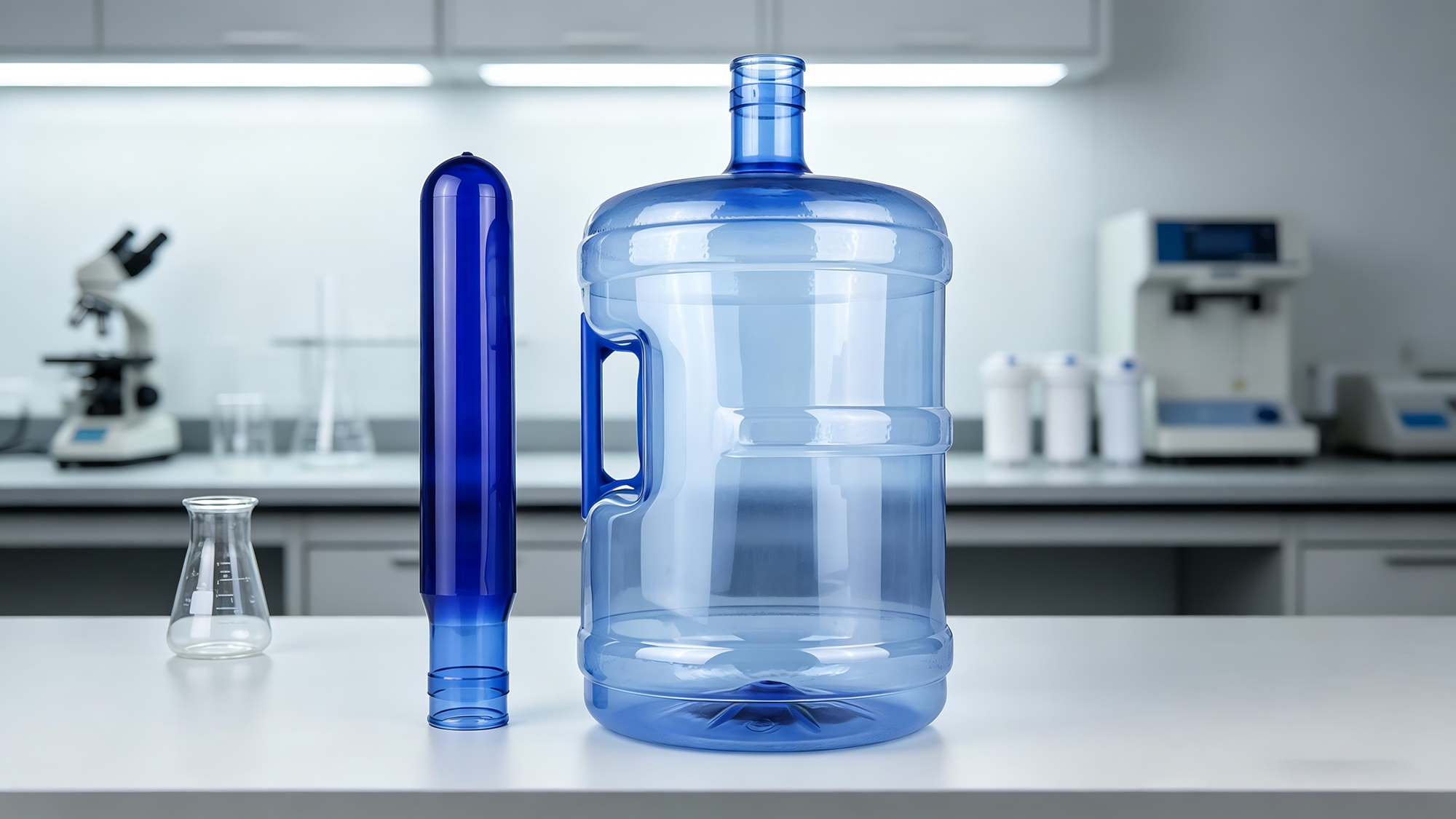
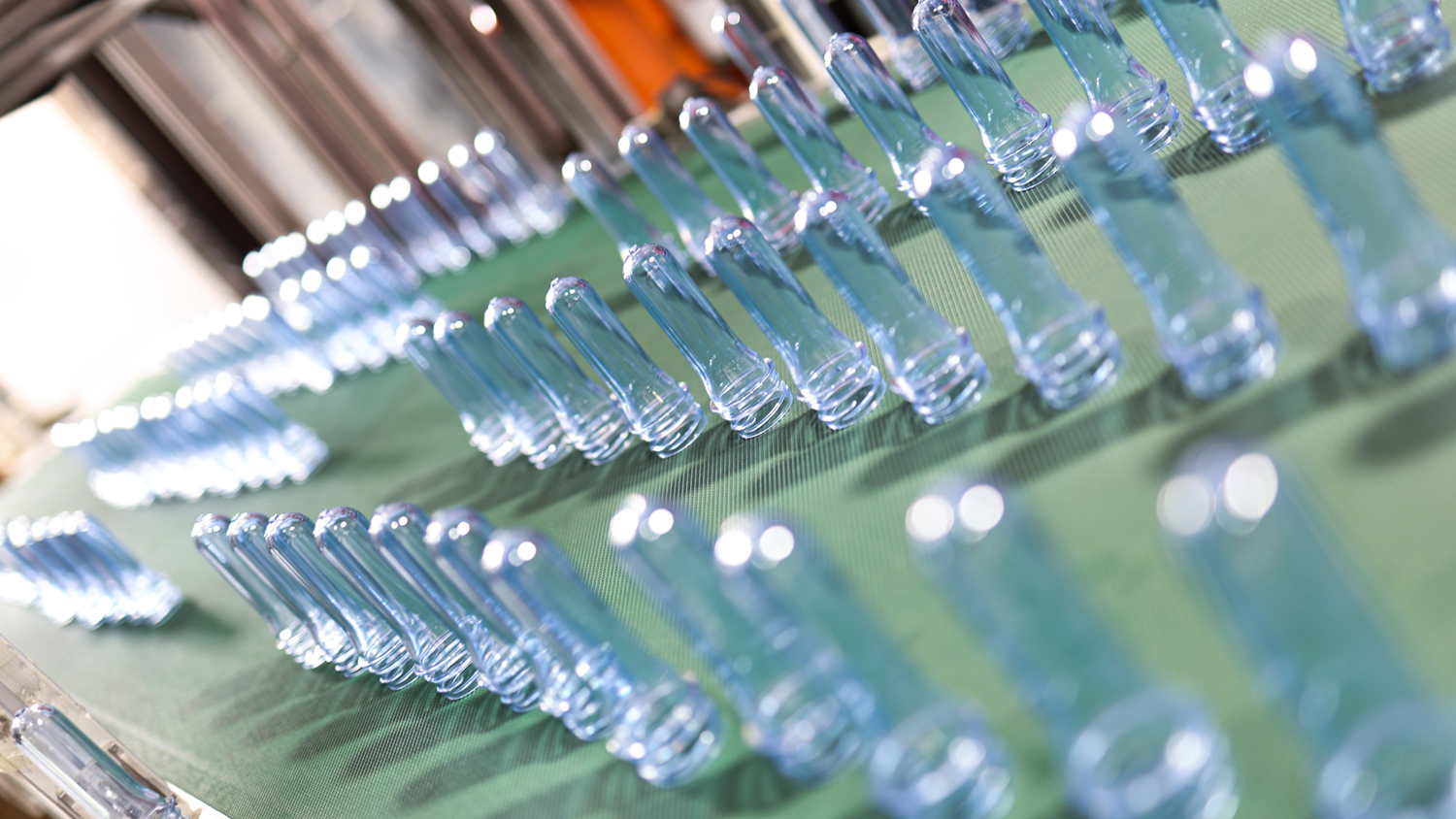
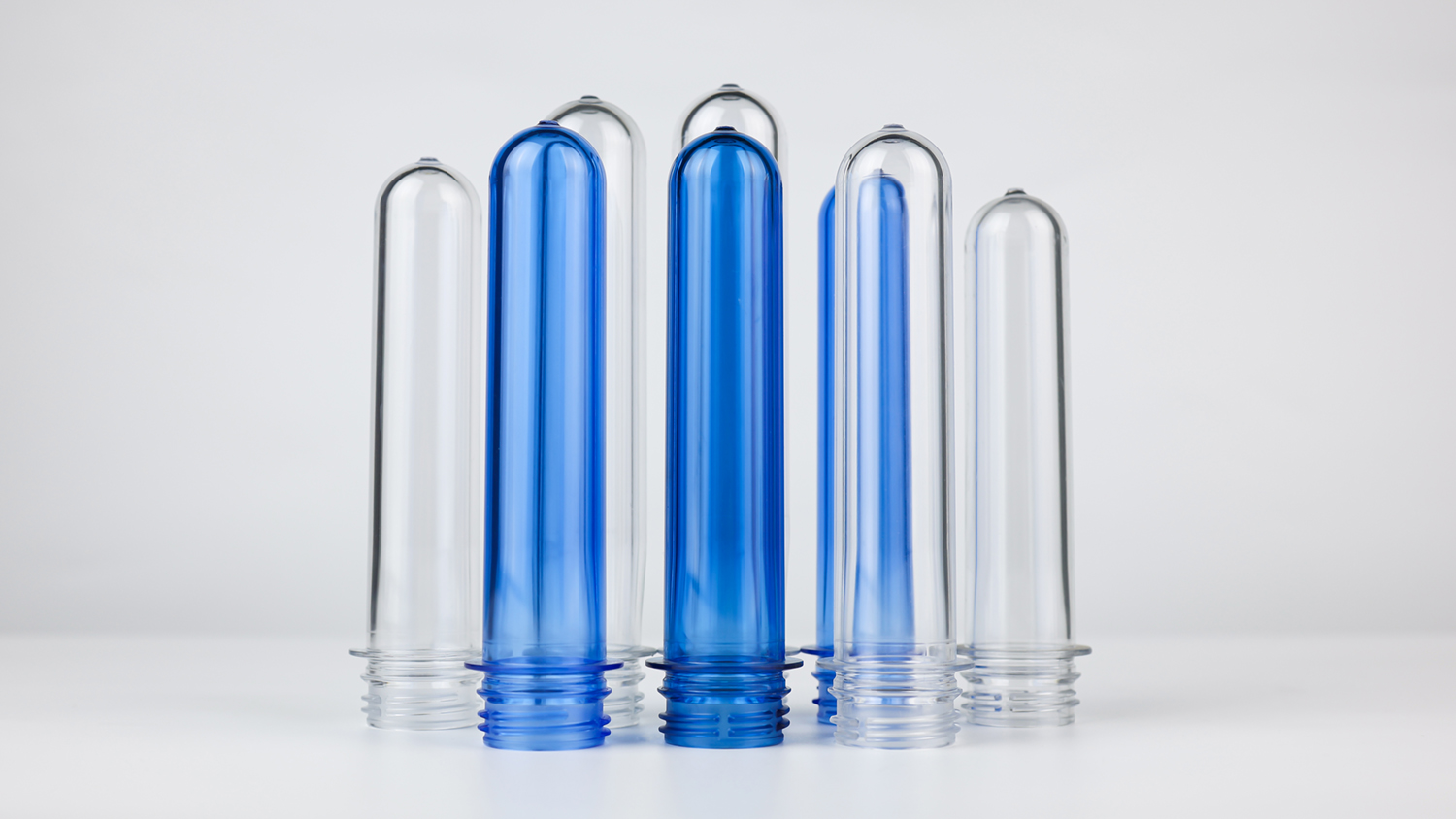
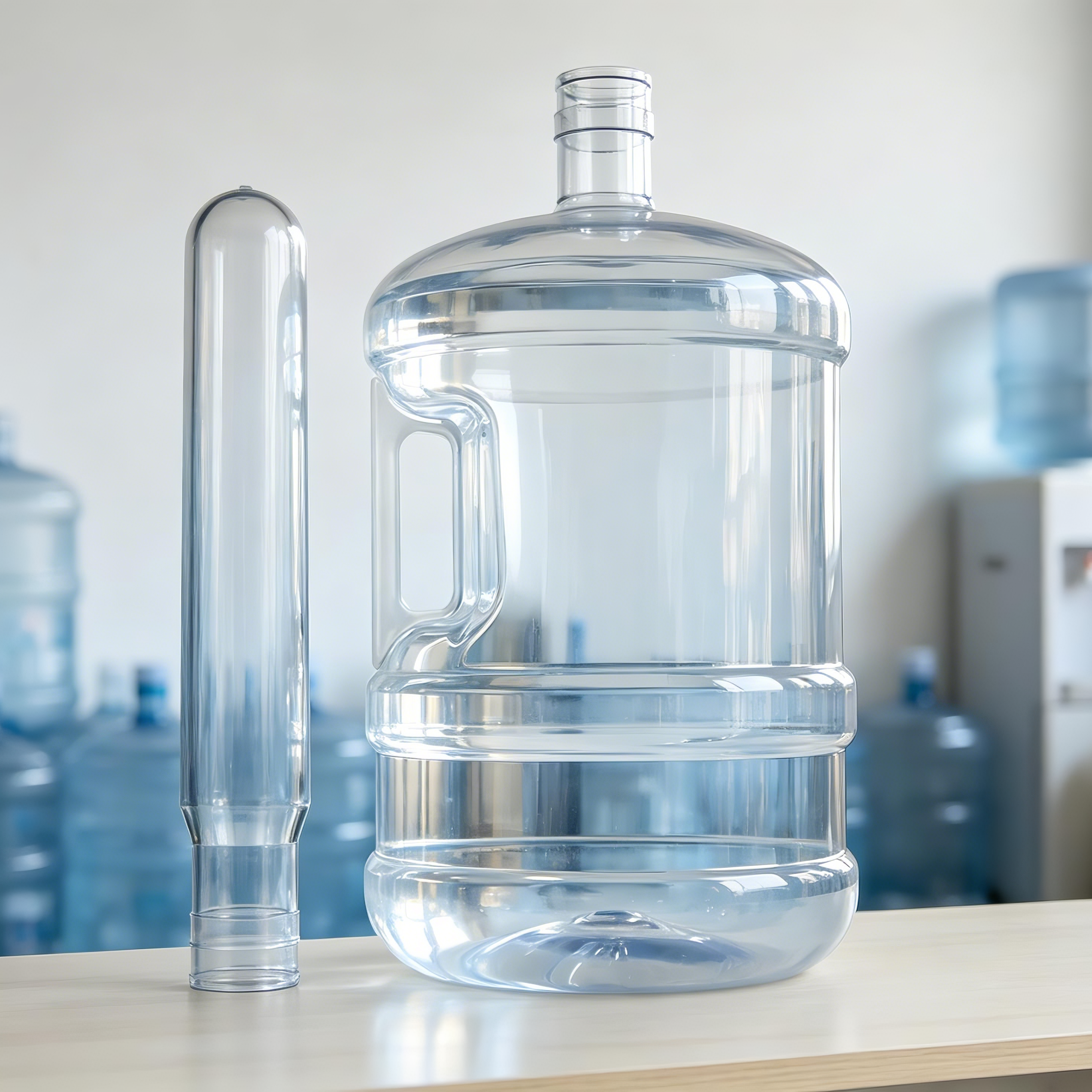
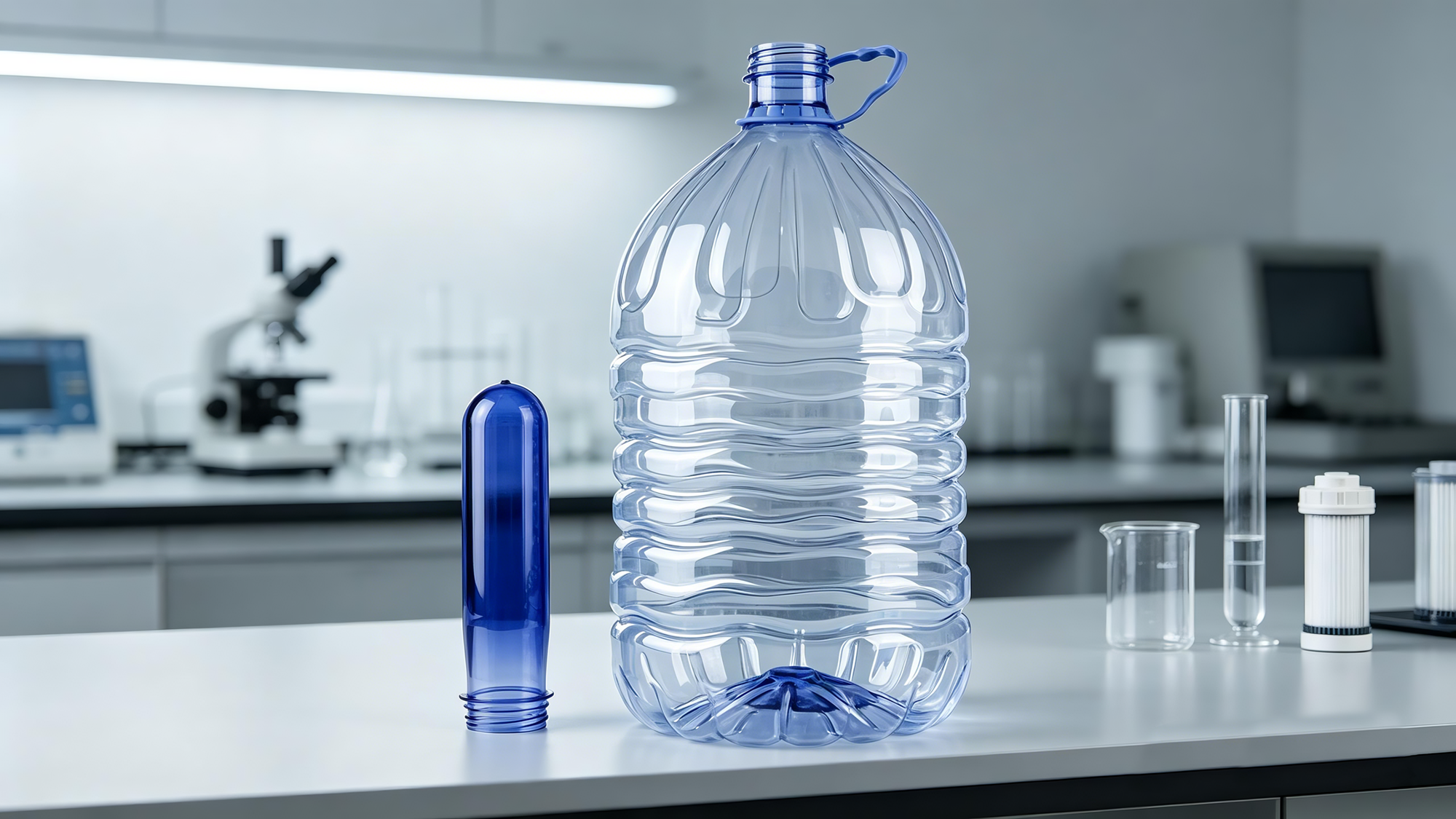
It is called a PET preform. No more than a few centimeters long, weighing only a dozen grams or so, with thick walls, transparent, and a threaded top – it looks just like a small test tube in a chemistry lab. It never appears in your hand because it hides at the very beginning of the bottle’s life. Every bottle of water you drink starts with this little test tube.
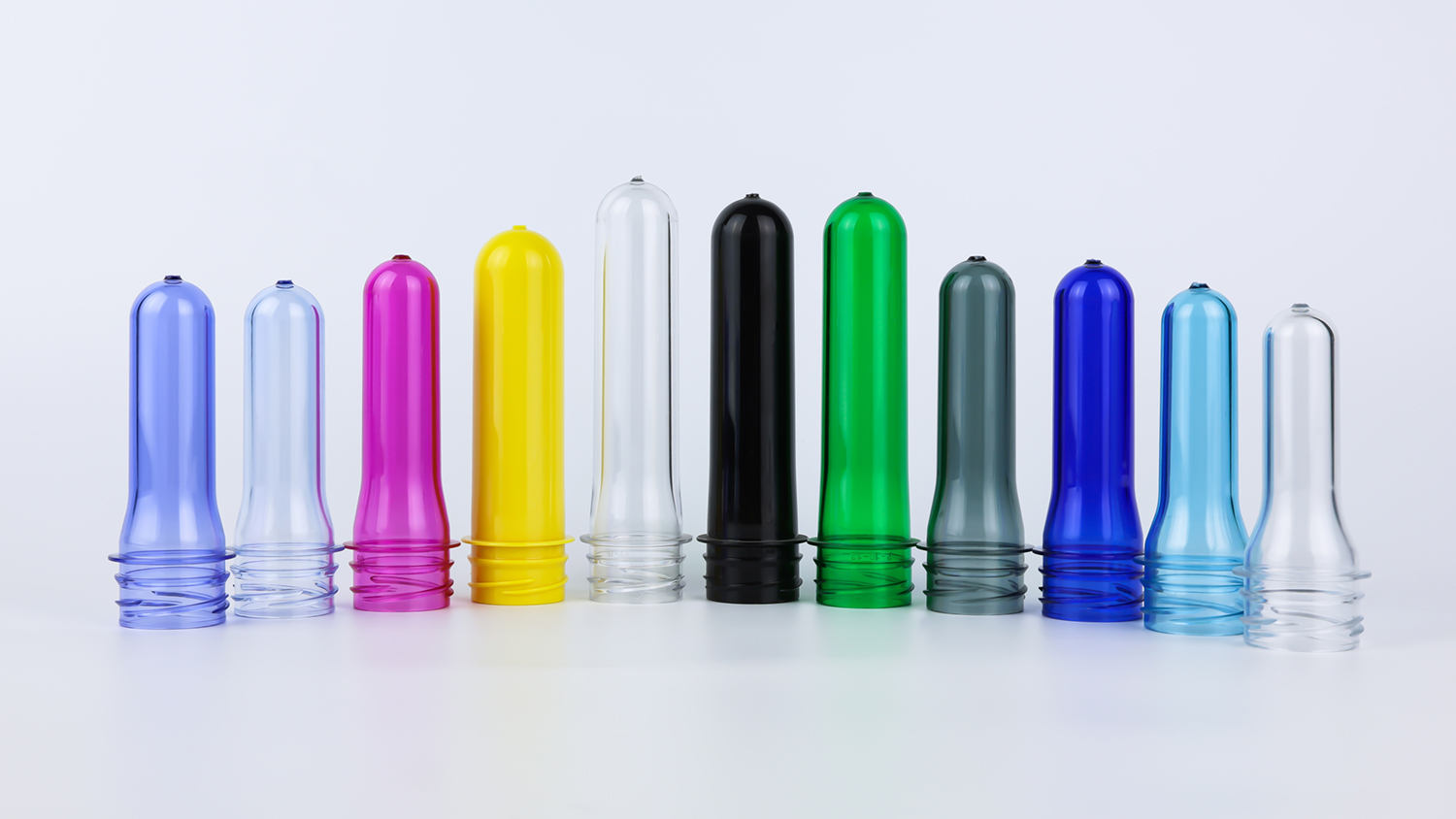
A PET preform is the “embryo” of a PET plastic bottle.
Its raw material is PET resin – a polymer made from terephthalic acid and ethylene glycol. This material is non-toxic, odorless, highly transparent, and strong, and is globally recognized as a safe food-contact material. The vast majority of bottled water, beverages, juices, and teas you have drunk use it.
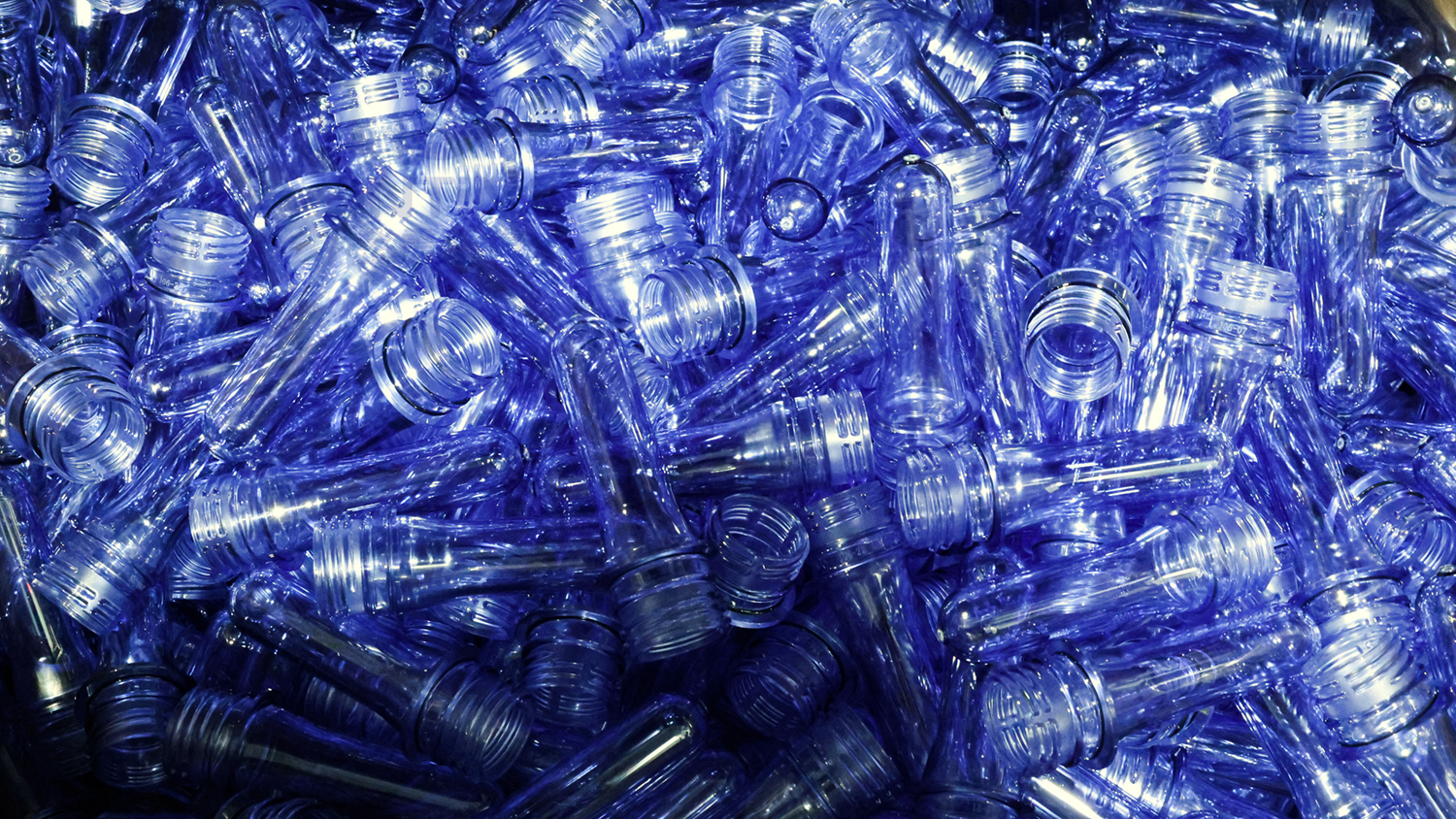
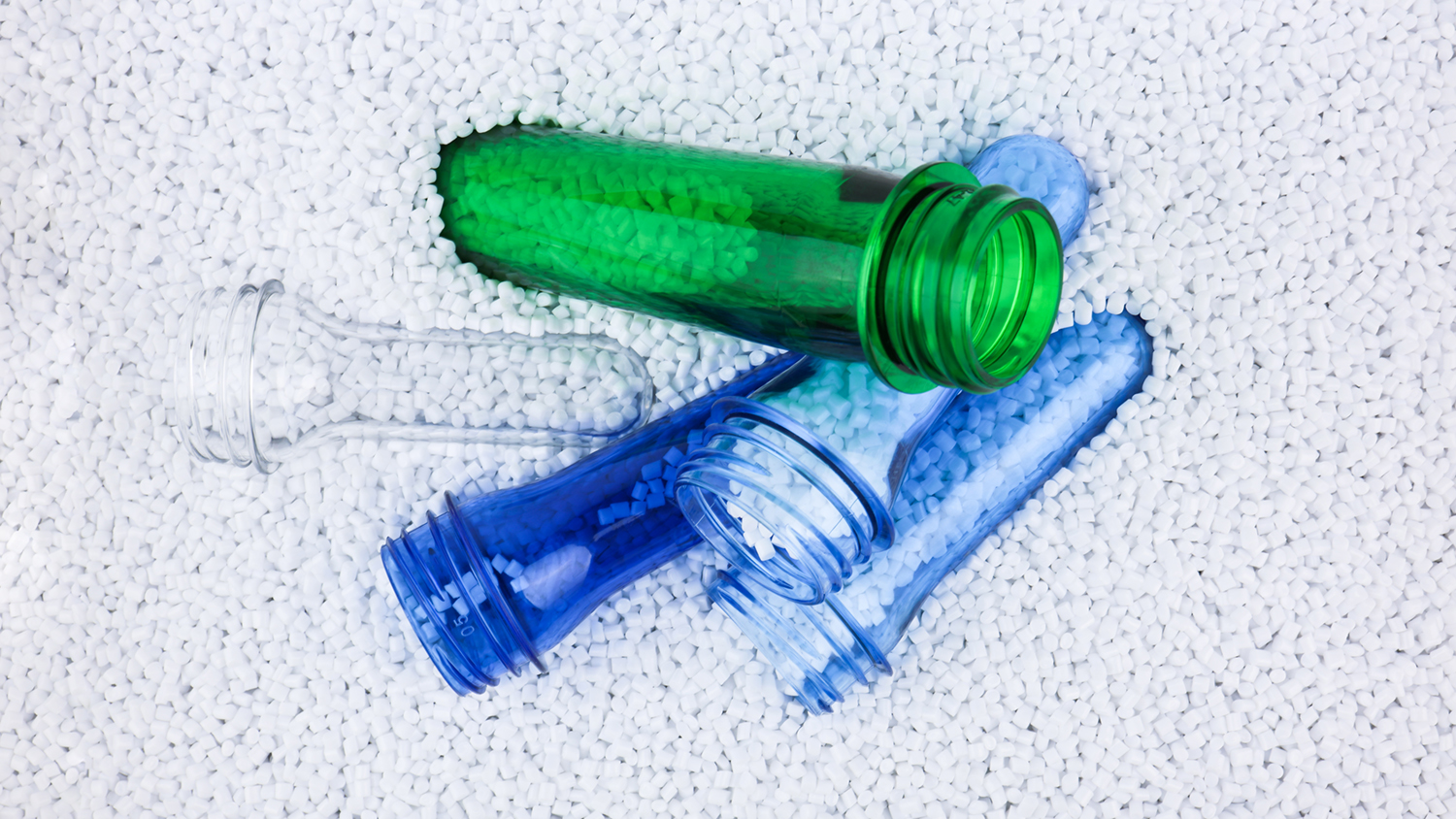
But PET resin itself is just transparent pellets the size of rice grains. To become a bottle, the first step is injection molding.
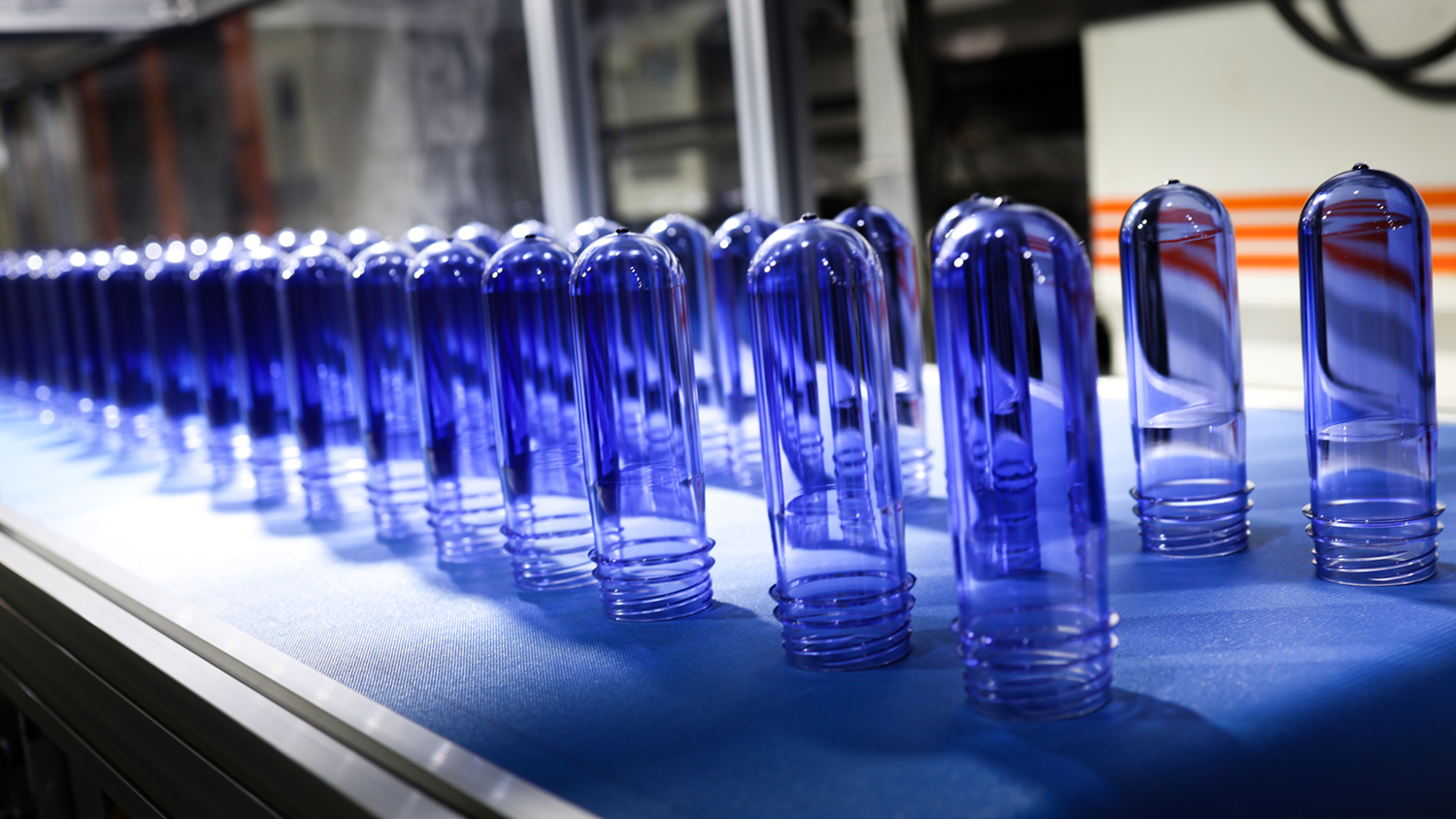
PET pellets are dried at 160–180°C for 4–6 hours to remove moisture, then fed into an injection molding machine and heated to 270–290°C to become molten. The molten PET is injected under high pressure into a multi-cavity mold (commonly 48, 72, or even 144 cavities), where it cools and solidifies. The mold opens, the parts are ejected – and out come little test-tube-shaped objects.
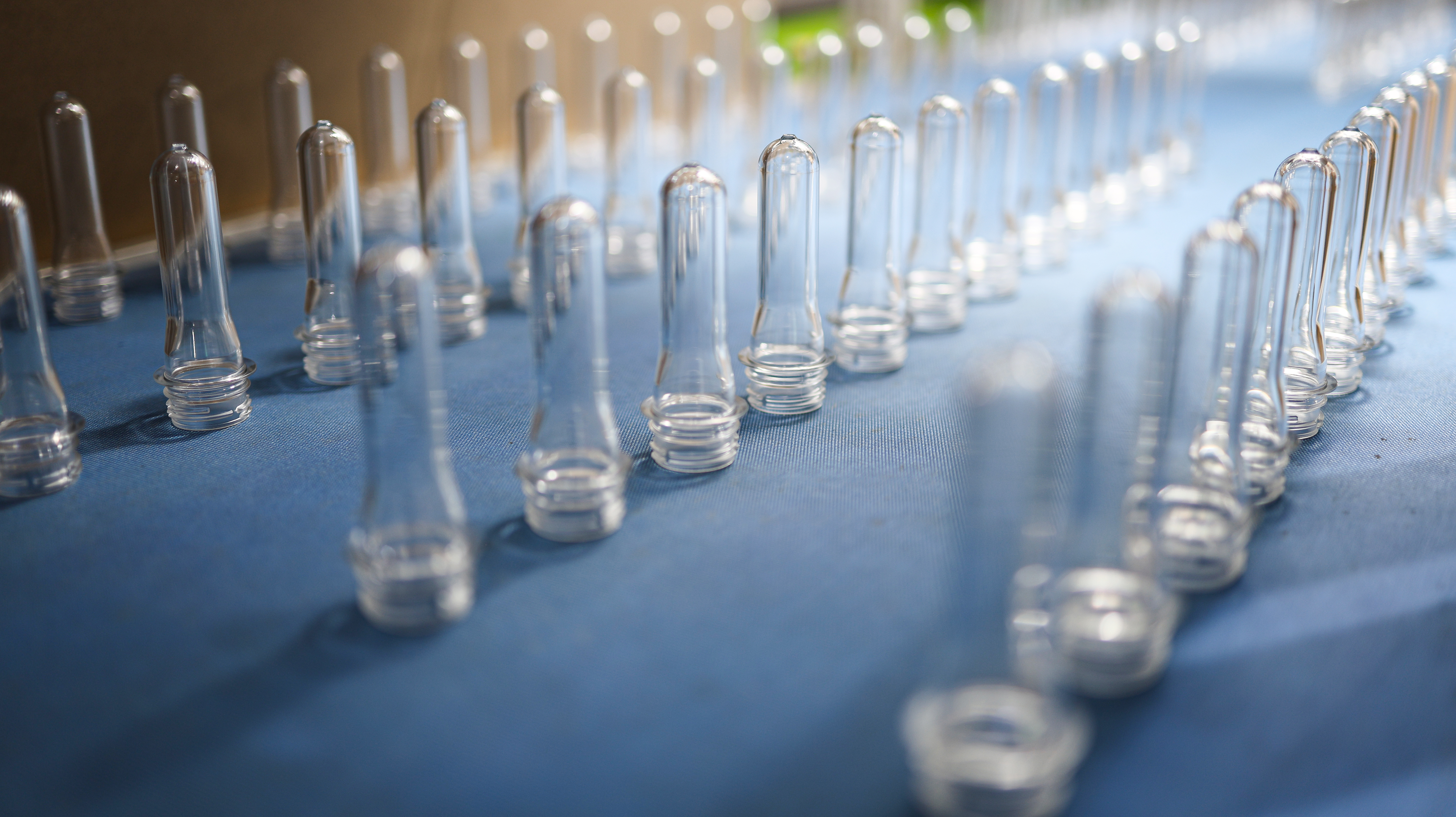
These are preforms.
They are thick, transparent, and stubby – seemingly nothing like the slender, smooth bottle they will become. Yet they are everything: the neck threads, support ring, body wall thickness distribution, and base structure are all already fixed at the preform stage.
In other words: as the preform is, so the bottle will be.
| Parameter | Typical value | Description |
|---|---|---|
| Length | 50–150 mm | Depends on bottle capacity |
| Outer diameter | 20–50 mm | Neck diameter usually 28 mm, 30 mm, 38 mm, etc. |
| Weight | 8–100 g | Water preforms typically 8–20 g; large preforms can exceed 50 g |
| Wall thickness | 2–8 mm | Much thicker than final bottle wall (0.2–0.5 mm) |
| Neck threads | Standard specifications | Matches cap, common 28 mm PCO, 30/25 mm, etc. |
| IV value | 0.72–0.84 dL/g | Varies by application |
| Acetaldehyde content | ≤3.0 μg/g | Food-grade requirement; premium water ≤1.5 μg/g |
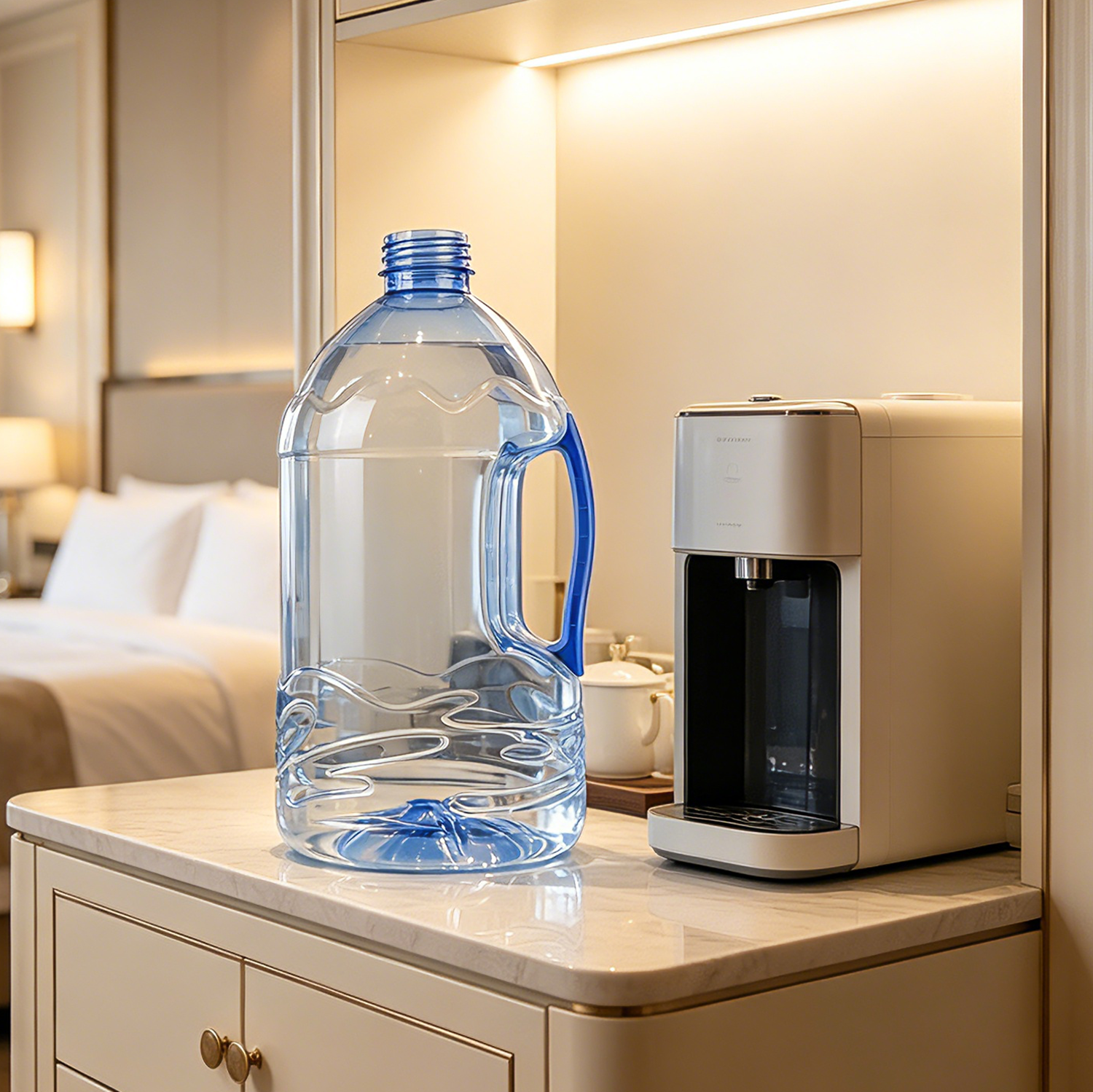
There is not just one type of preform. Depending on the end use, preforms are divided into several types:
Water preforms: most common, used for mineral water and purified water. IV value about 0.72–0.76, light weight, low cost.
Carbonated preforms: used for cola, Sprite, and other carbonated drinks. Higher IV value (0.76–0.80), petal-shaped base, resistant to internal pressure.
Hot-fill preforms: used for tea drinks and juices. Neck requires crystallization treatment, resistant to 85–95°C hot filling.
Oil preforms: used for cooking oil and condiments. Usually heavier, thicker walls, good drop resistance.
Wide-mouth preforms: used for jam, honey, nuts, etc. Large neck diameter (38 mm+), easy to dispense.
Cosmetic preforms: used for shampoo, body wash, etc. Extremely high requirements for transparency and gloss.
 |
 |
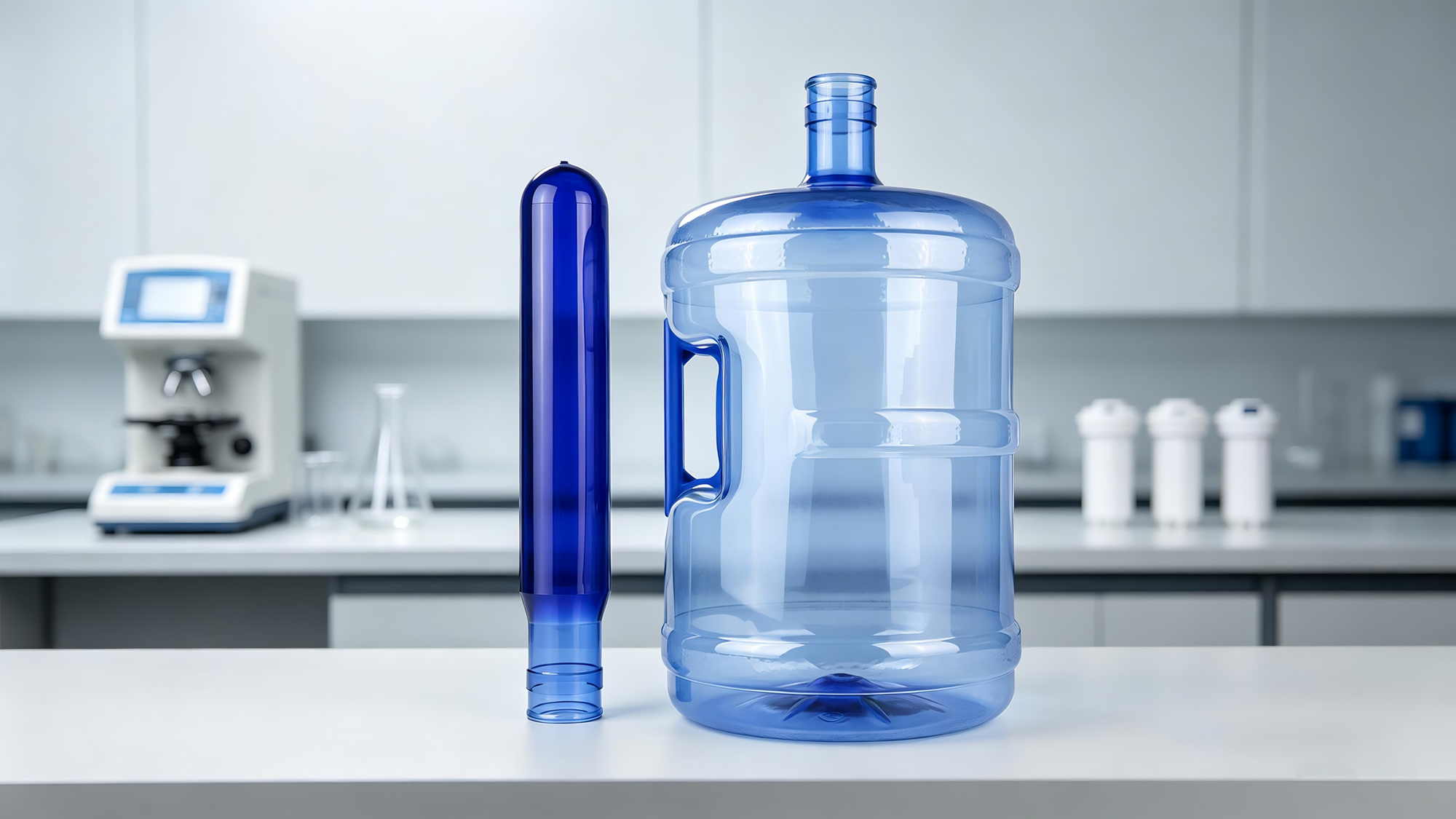
A preform does not directly become a bottle. It must go through a high-temperature journey.
The preform is fed into the blow molding machine’s oven and heated by far-infrared lamps to 90–120°C. This temperature range is critical – below 90°C, PET is too hard to blow; above 120°C, PET over-crystallizes and the bottle becomes white and hazy. The window is only 30°C wide; a deviation of a few degrees can cause defects.
Heating is not simply “baking.” Inside the oven, the preform continuously rotates while moving axially through multiple heating zones (modern blow molding machines typically have 6–9 zones). The power of each zone can be independently adjusted to ensure different parts of the preform reach different temperatures – the shoulder needs enough heat to expand, the body needs uniform heating, and the base needs precise temperature control.
The heated preform is transferred into the blow mold. A stretch rod enters through the neck and pushes against the bottom of the preform. The preform is stretched axially – like stretching a rubber band.
The stretch rod’s speed, stroke, and clearance from the base mold must precisely match the preform temperature. When temperature is low, stretch speed should be slower to prevent cracking; when temperature is high, it can be increased appropriately.
High-pressure air (typically 25–38 bar) is injected through the neck, expanding the already stretched preform outward against the mold walls. The preform instantly expands into the shape of a bottle – body, shoulder, and base formed in one step.
Blowing is divided into pre-blow and high-pressure blow stages. Pre-blow pressure is lower (0.8–1 MPa), initially expanding the preform; high-pressure blow is higher (2.5–3.8 MPa), pressing the bottle tightly against the mold to form clear contours and details.
Cooling water (10–30°C) is circulated through the mold, rapidly cooling and setting the bottle. The molecular chains, straightened during stretching and blowing, are “frozen” in place, making the bottle rigid, transparent, and tough.
Cooling water temperature control is critical. Body temperature is typically controlled at 20–45°C, while the base requires lower temperatures of 5–8°C. Insufficient cooling makes the bottle hazy; too rapid cooling can make it brittle.
The entire process usually takes only 2–3 seconds. A little test-tube-shaped object becomes a crystal-clear water bottle.
In the process from preform to bottle, there is a key parameter called the stretch ratio.
Axial stretch ratio: preform length → bottle height
Radial stretch ratio: preform diameter → bottle diameter
Total stretch ratio: typically 8:1 to 12:1
The larger the stretch ratio, the straighter and more oriented the PET molecular chains become, and the higher the bottle’s strength and stiffness. This is why some bottles have thin walls yet feel very firm – the stretch ratio is properly designed and the molecular chains are fully oriented.
Conversely, if the preform design is unreasonable (stretch ratio too small), molecular orientation is insufficient, and the bottle will be soft and floppy even if the walls are not thin.
Because the preform determines all the performance of the bottle.
A 10 g preform produces a bottle of roughly 10 g (with minor losses during blowing). Whether the bottle feels thick or light is first determined by preform weight.
Common 500 ml water bottles on the market range from 8 g to 15 g. Lightweight bottles use less material but require more precise preform design and blow molding to ensure strength.
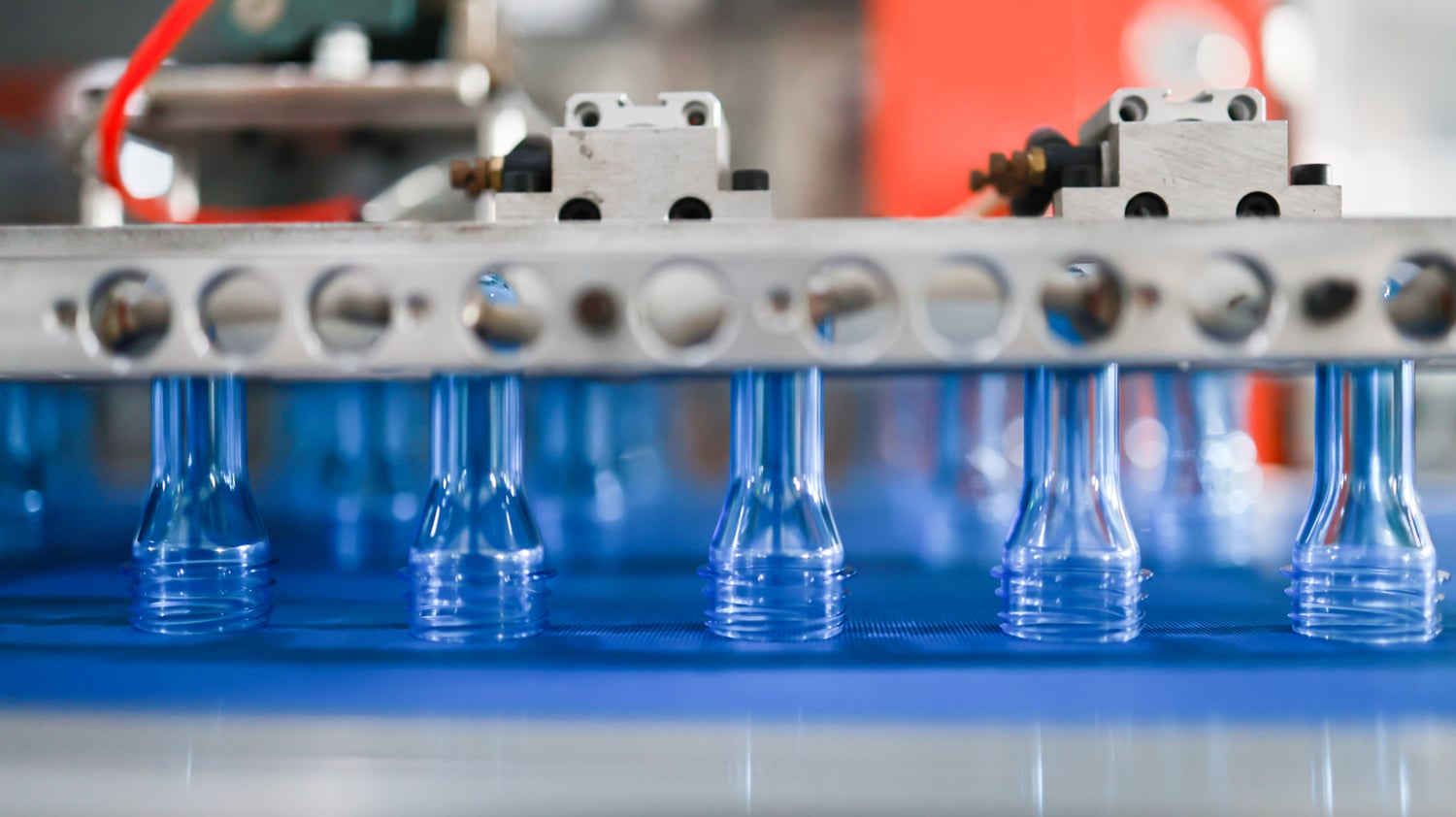
If the preform wall thickness is uneven, the blown bottle will be thick on one side and thin on the other, or even have an off-center base. It may shrink and deform after filling, or burst during transport.
For high-quality preforms, wall thickness tolerance from the same cavity can be controlled within ±0.1 mm, and weight variation between different cavities can be controlled within ±0.2 g.
IV value (intrinsic viscosity) represents the length of PET molecular chains. High IV means good toughness and high compressive strength; low IV means a soft, floppy bottle that collapses when squeezed and may break with a light drop.
Water preforms typically require IV ≥0.72 dL/g. If too much regrind is added, IV may fall below 0.68, and the blown bottle will have “no backbone.”
Acetaldehyde is a small molecule produced during high-temperature PET processing, with a pungent fruity odor. If preform acetaldehyde content is high, the filled water will develop a “plastic taste” within days. The human nose is extremely sensitive to acetaldehyde – it can be detected at concentrations as low as 0.05–0.1 ppm.
Food-grade preforms typically require acetaldehyde content ≤3.0 μg/g; premium water requires ≤1.5 μg/g. The FDA standard is stricter, requiring acetaldehyde content <0.5 ppm when in contact with food.
The preform neck (the threaded area) undergoes special crystallization treatment, turning milky white. If crystallinity is insufficient, the neck deforms during capping and does not seal properly – air and bacteria may enter, and water may leak during transport.
Neck crystallization is a precision process. Inside the mold, the preform is rapidly heated to about 180°C by a “neck crystallization sleeve,” forming a uniform crystalline layer in the neck region. This takes only 1–2 seconds, but temperature control requirements are extremely high.
During injection molding and cooling, if cooling is uneven, residual stress becomes “locked” inside the preform. After blowing, the stress does not disappear but lies hidden in the bottle wall. A slight impact or temperature change can release it suddenly, causing the bottle to burst.
Reputable factories use polarized stress gauges to inspect residual stress in preforms, ensuring it remains within safe limits.
The preform is the foundation of the bottle. If the foundation is unstable, the taller the building, the more dangerous it is.
| Comparison | Water preform | Carbonated preform |
|---|---|---|
| IV value | 0.72–0.76 dL/g | 0.76–0.80 dL/g |
| Base design | Flat or shallow concave | Petal base (five-petal) |
| Wall thickness | Relatively thin | Relatively thick |
| Weight | Light (8–15 g/500 ml) | Heavy (18–25 g/500 ml) |
| Pressure resistance | Low | High (4–5 bar) |
| Body structure | Simple | Reinforcing ribs, lines |
Carbonated beverage bottles must withstand internal pressure (about 4 bar), so their preforms have higher IV, more complex base designs, and more reinforcing ribs. Water bottles do not need to withstand internal pressure, so they can be lighter and thinner.
If you have bought iced tea or green tea, you may have noticed those bottles are extremely hard – impossible to squeeze. That is not because they use more material, but because they are hot-fill bottles.
During hot filling (85–90°C), PET bottles shrink and deform at high temperatures. To solve this, hot-fill bottles require:
Higher IV raw material (≥0.78 dL/g)
More complex reinforcing ribs and heat-set panels
A “heat-setting” process after blowing (mold heated to 120–140°C, holding the bottle in the hot mold for seconds to eliminate internal stress and raise crystallinity to about 35%)
The result: hot-fill bottles are exceptionally stiff, and more expensive.
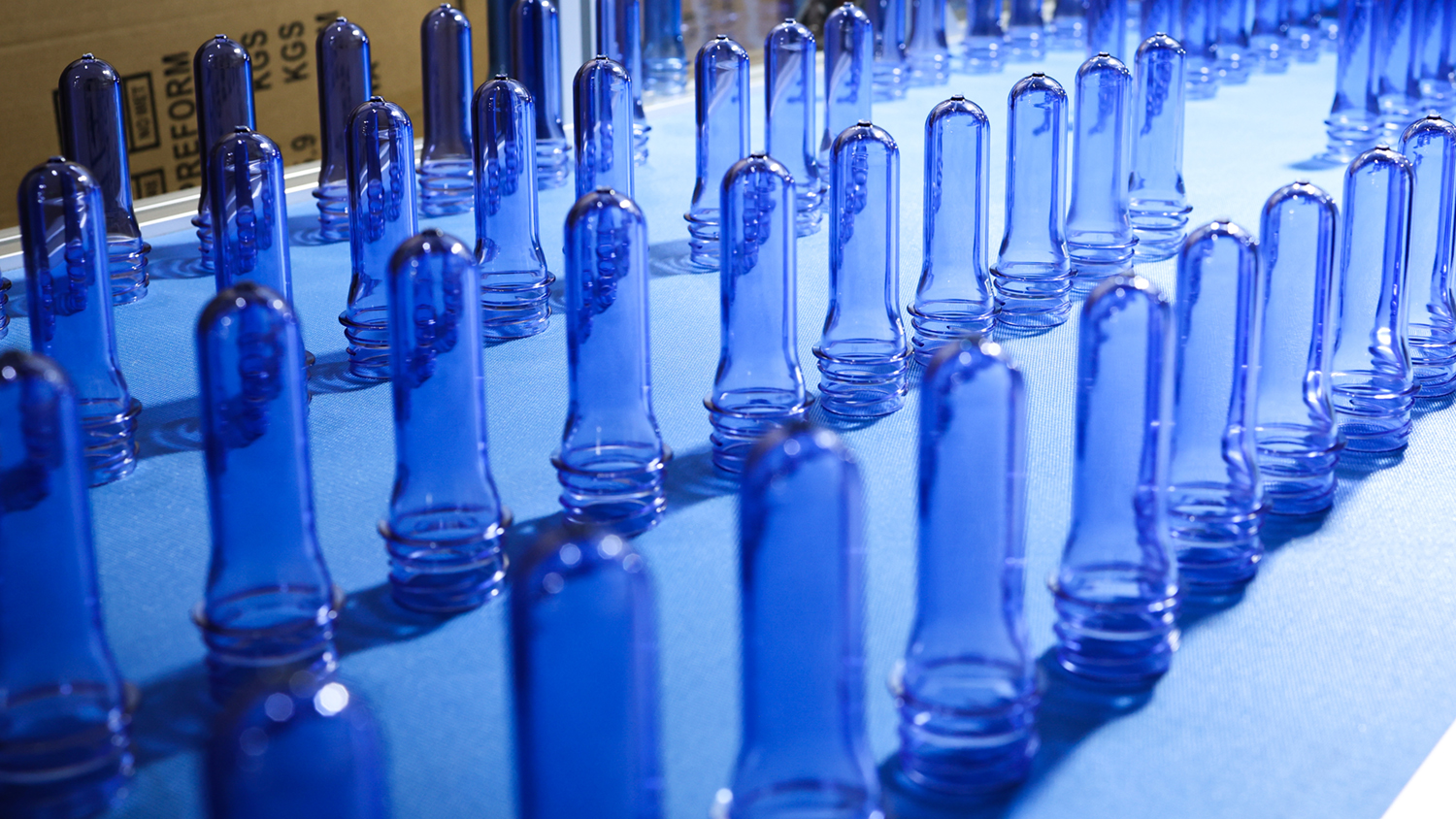
More and more brands are pursuing packaging differentiation – light blue water, pale green soda, amber energy drinks. These colored bottles are tinted starting from the preform stage.
There are two main ways to color PET preforms:
Masterbatch: solid pellets, addition ratio 2%–5%, low equipment barrier, suitable for large-scale continuous production.
Liquid colorant: liquid pigment, addition ratio 0.1%–0.5%, more uniform dispersion, more vivid colors, faster color changes, but requires a dedicated dosing pump.
Regardless of the method, food-grade compliance is the bottom line. Colorants must comply with GB 9685; non-food-grade pigments must not be used.
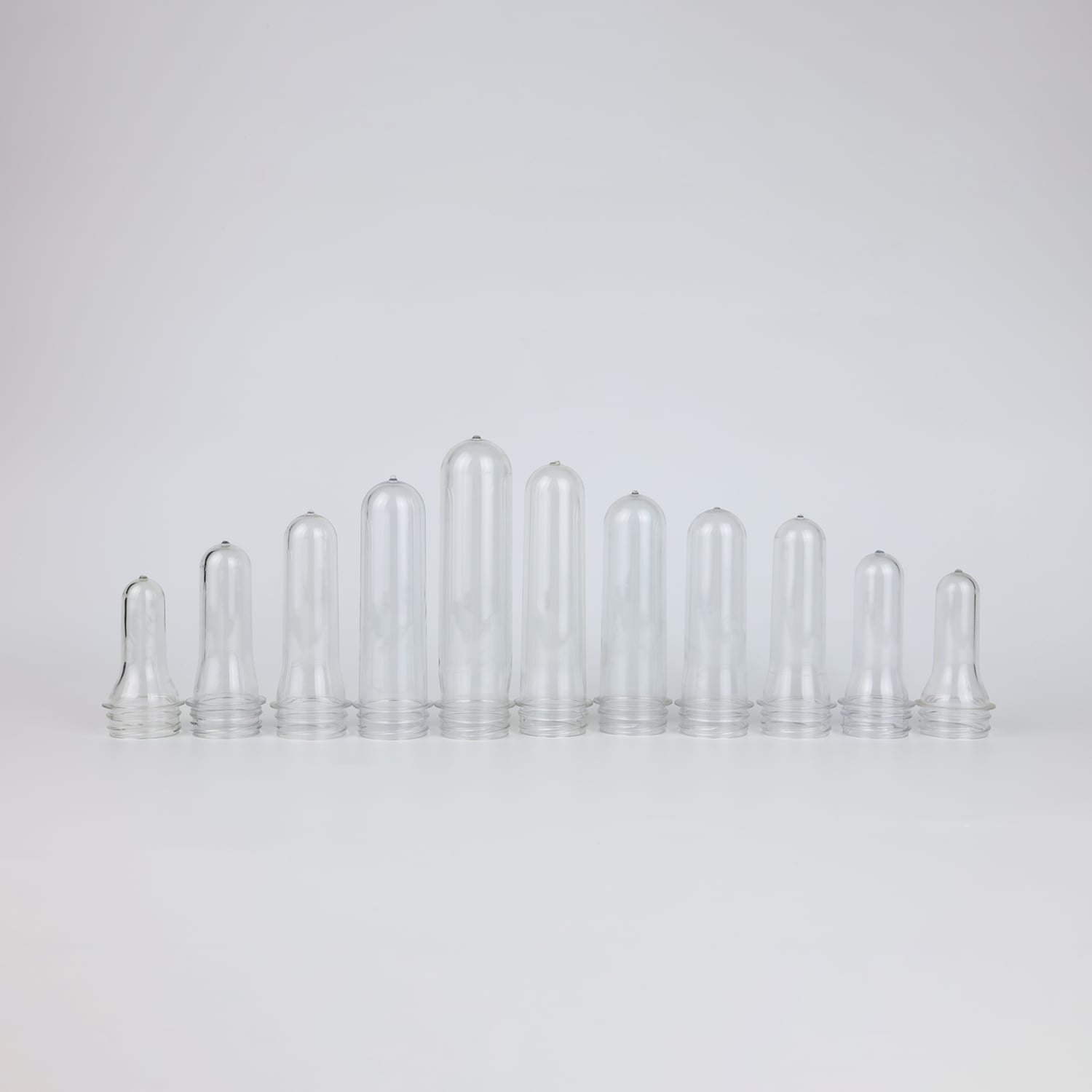
From raw material to shipment, a preform must pass through many checkpoints.
Food-grade PET resin must comply with GB 4806.7. Heavy metals: lead ≤1 mg/kg, cadmium ≤0.6 mg/kg. Potassium permanganate consumption ≤10 mg/kg. Evaporation residue ≤30 mg/L. Behind these numbers lies the bottom line of consumer health.
After raw materials arrive, they undergo sampling tests – IV value, melting point, moisture content, color, etc. Non-compliant materials are returned directly and never put into production.
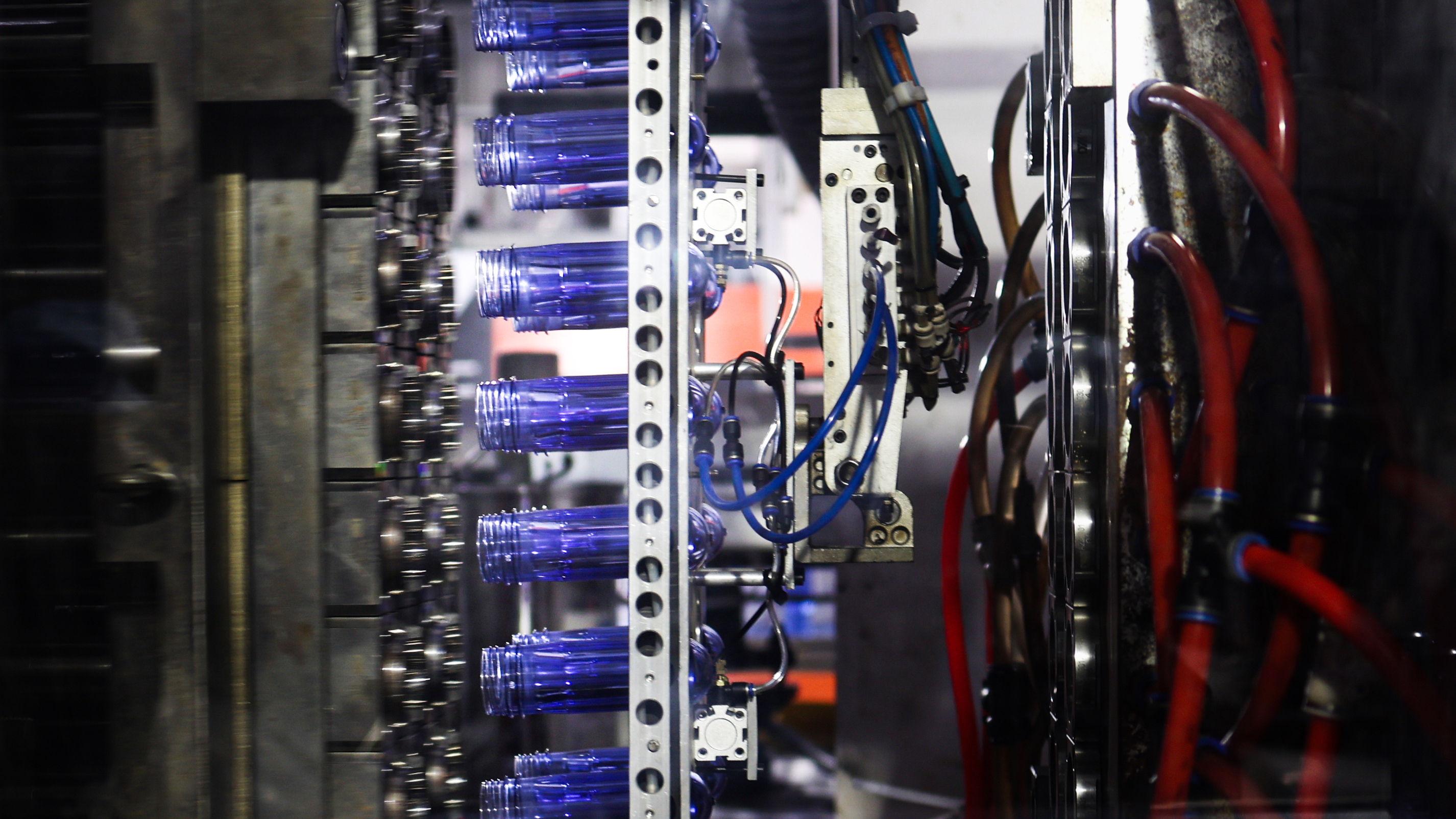
PET is hygroscopic. If moisture is not thoroughly removed, PET hydrolyzes during injection molding – molecular chains break, IV drops, and acetaldehyde soars. Drying temperature, time, and dew point must all be precisely controlled.
Typical drying conditions: 160–180°C, 4–6 hours, dew point ≤-40°C. After drying, PET moisture content should be below 50 ppm (0.005%). How dry is that? Dozens of times drier than desert air.
Melt temperature, mold temperature, injection speed, holding pressure, cooling time – dozens of parameters act simultaneously. Too high a temperature means excessive acetaldehyde; too low means brittle preforms. A short cycle means insufficient cooling; a long cycle means lower output.
A good injection molding process engineer needs years or even decades of experience to find the optimal balance among all these parameters.
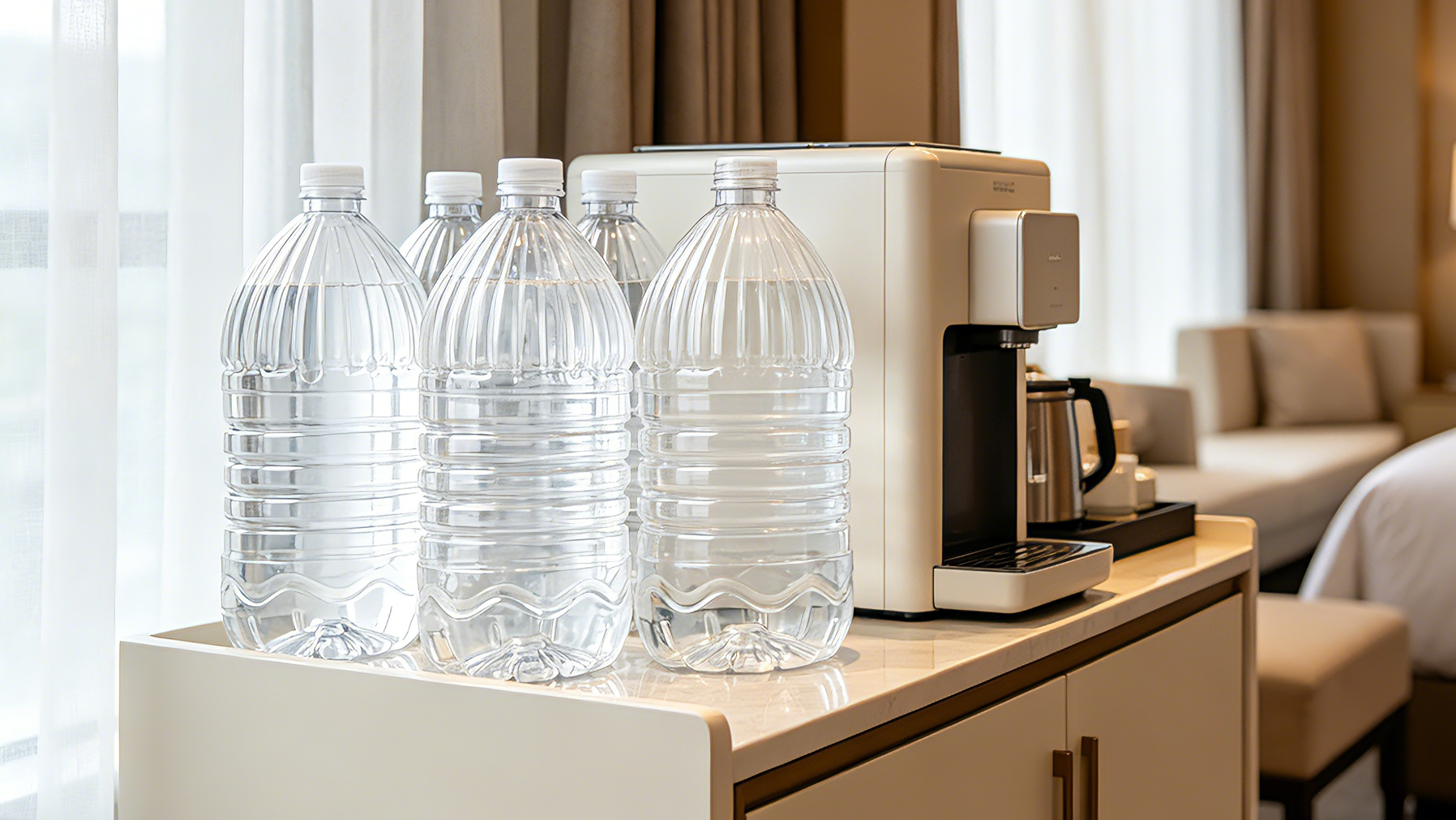
Weight is sampled every 2–4 hours; IV and acetaldehyde are tested per batch; residual stress is checked regularly with a polarized stress gauge; wall thickness uniformity is checked by light transmission. In a reputable factory, inspection records can fill several filing cabinets.
Typical pre-shipment inspection items for preforms:
| Inspection item | Frequency | Method | Acceptance criteria |
|---|---|---|---|
| Weight | Every 2 hours | Electronic scale | Tolerance ±0.2 g (20 g preform) |
| IV value | Per batch | Capillary viscometer | ≥0.72 dL/g |
| Acetaldehyde | Per batch/quarterly | Gas chromatography | ≤3.0 μg/g |
| Wall thickness uniformity | Every 4 hours | Light transmission/ultrasonic | No visible deviation |
| Stress | Every 4 hours | Polarized stress gauge | No dense bright streaks |
| Appearance | Every 2 hours | Visual | No black spots, bubbles, yellowing |
| Neck dimensions | Per batch | Caliper/projector | Meets drawing tolerance |
Preforms must be stored in a temperature- and humidity-controlled warehouse, with temperature below 28°C and humidity below 70%. In summer, prevent hydrolysis caused by high temperature and humidity; in winter, prevent embrittlement caused by low temperature. The temperature difference from warehouse to workshop should be kept within 2°C.
All this “invisible” rigor ultimately becomes the action of twisting open the cap – easy, smooth, odorless. You feel nothing unusual because everything that should be done well has already been done well.
I once visited a preform factory that supplies a major domestic drinking water brand.
A slogan was posted in the workshop: “Every preform you produce may be drunk by a child.”
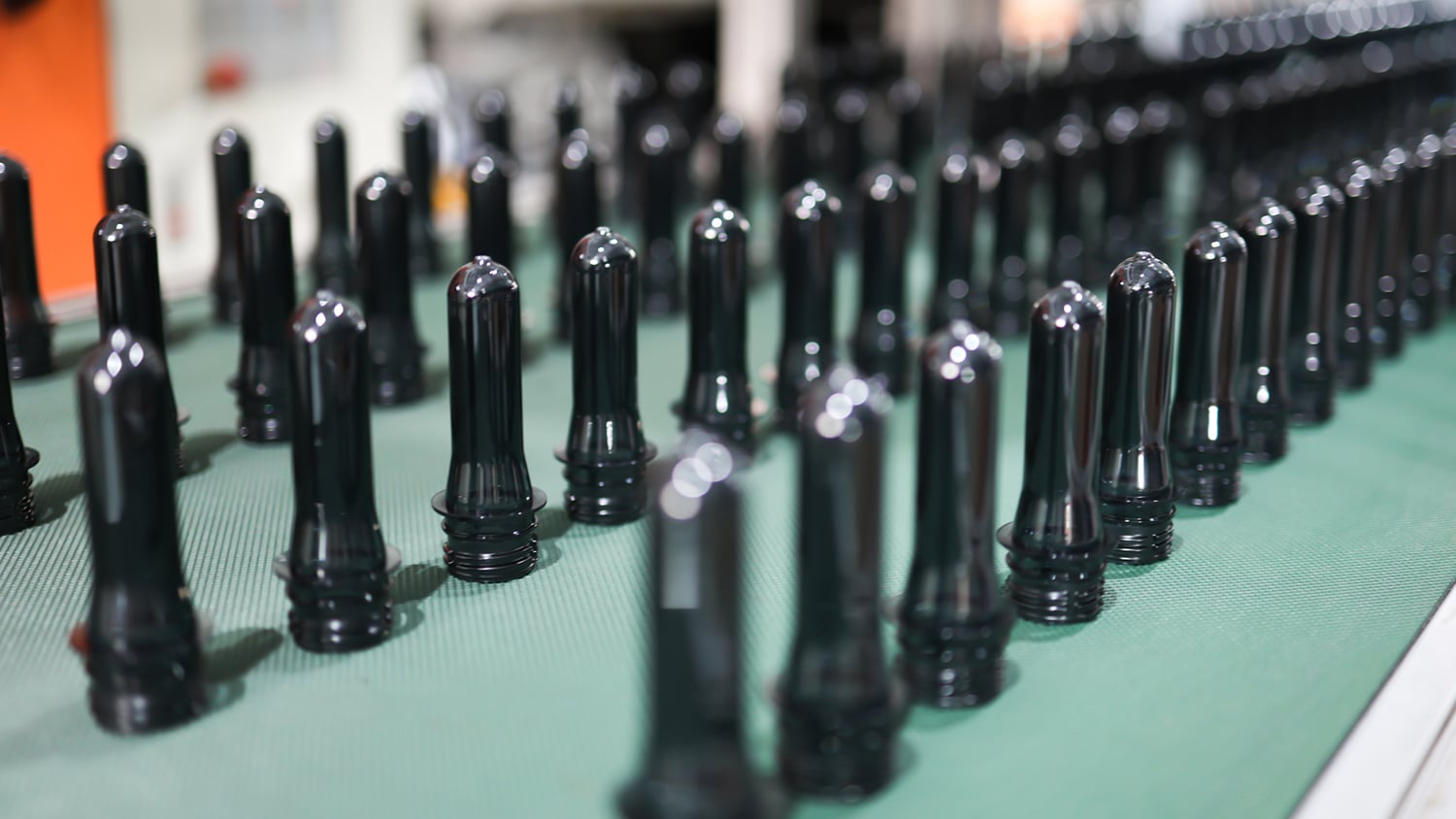
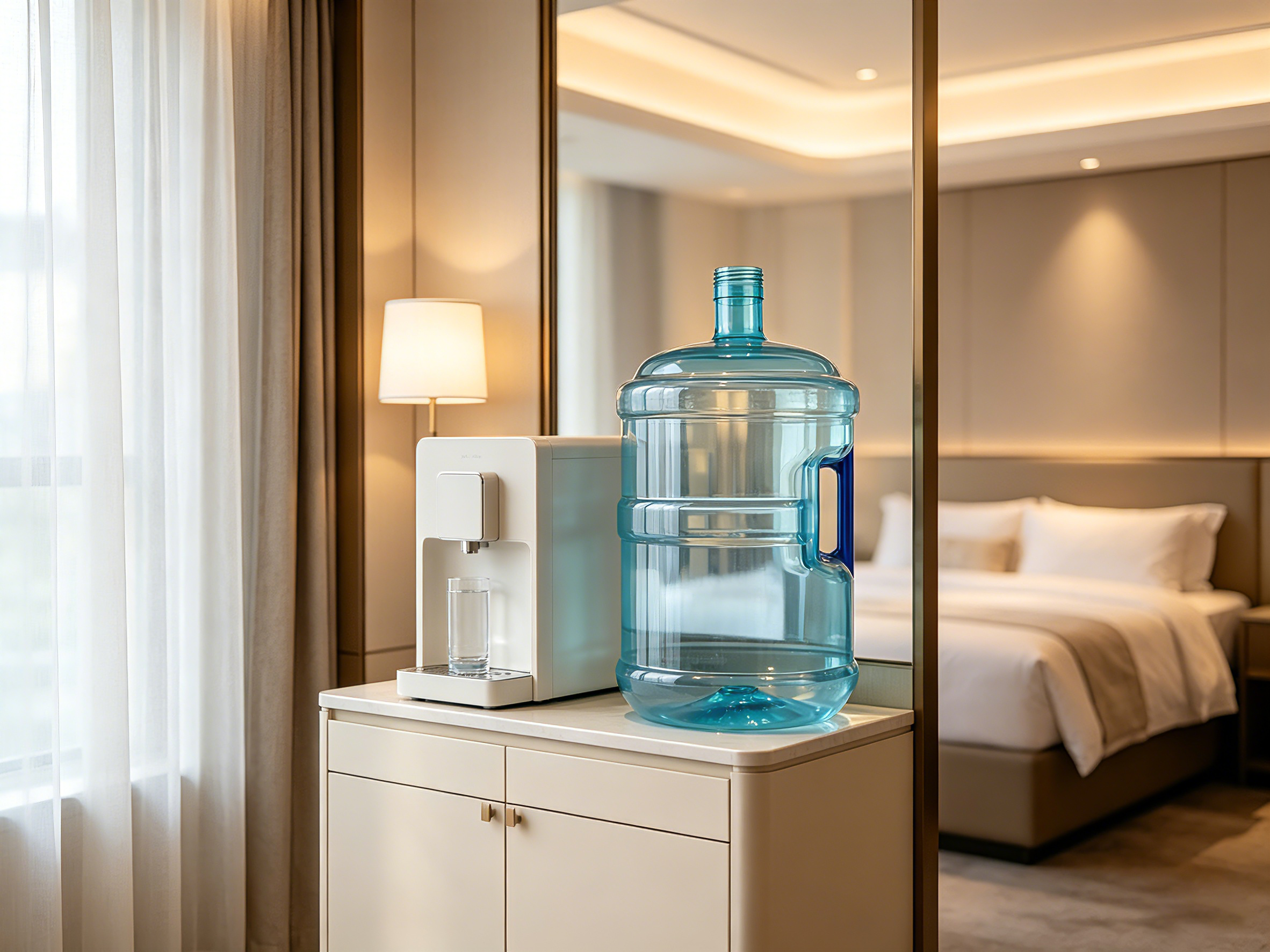
The workshop was quiet, with only the rhythmic opening and closing of injection molding machines. Rows of preforms were ejected from the molds, falling onto a conveyor belt and lining up neatly like soldiers awaiting inspection. Every two hours, a quality inspector would come over, randomly pick a few, weigh them on an electronic scale, record the data, then hold them up to the light to check transparency and use a polarizing film to check stress.
“Do you ever feel numb, making so many every day?” I asked.
“No,” the inspector said. “Every time I see news about a water brand having problems, I think, thank goodness it wasn’t our preforms. That feeling is more satisfying than a bonus.”
Behind every safe bottle of water, there is a group of people who are rigorous about the quality of a little test tube.
The raw material of preforms, PET, comes from the petrochemical industry chain.
Petroleum → Paraxylene (PX) → Terephthalic acid (PTA) + Ethylene glycol (EG) → PET resin → Preform → Bottle → Recycling
This supply chain spans thousands of kilometers and involves dozens of processes. From crude oil underground, to pellets in the factory, to the water bottle in your hand – every step requires precise control to ensure the safety of the final product.
In recent years, this chain has been undergoing a transformation. The rise of food-grade recycled PET (rPET) allows discarded PET bottles to be turned back into food-grade preforms, achieving “bottle-to-bottle” recycling.
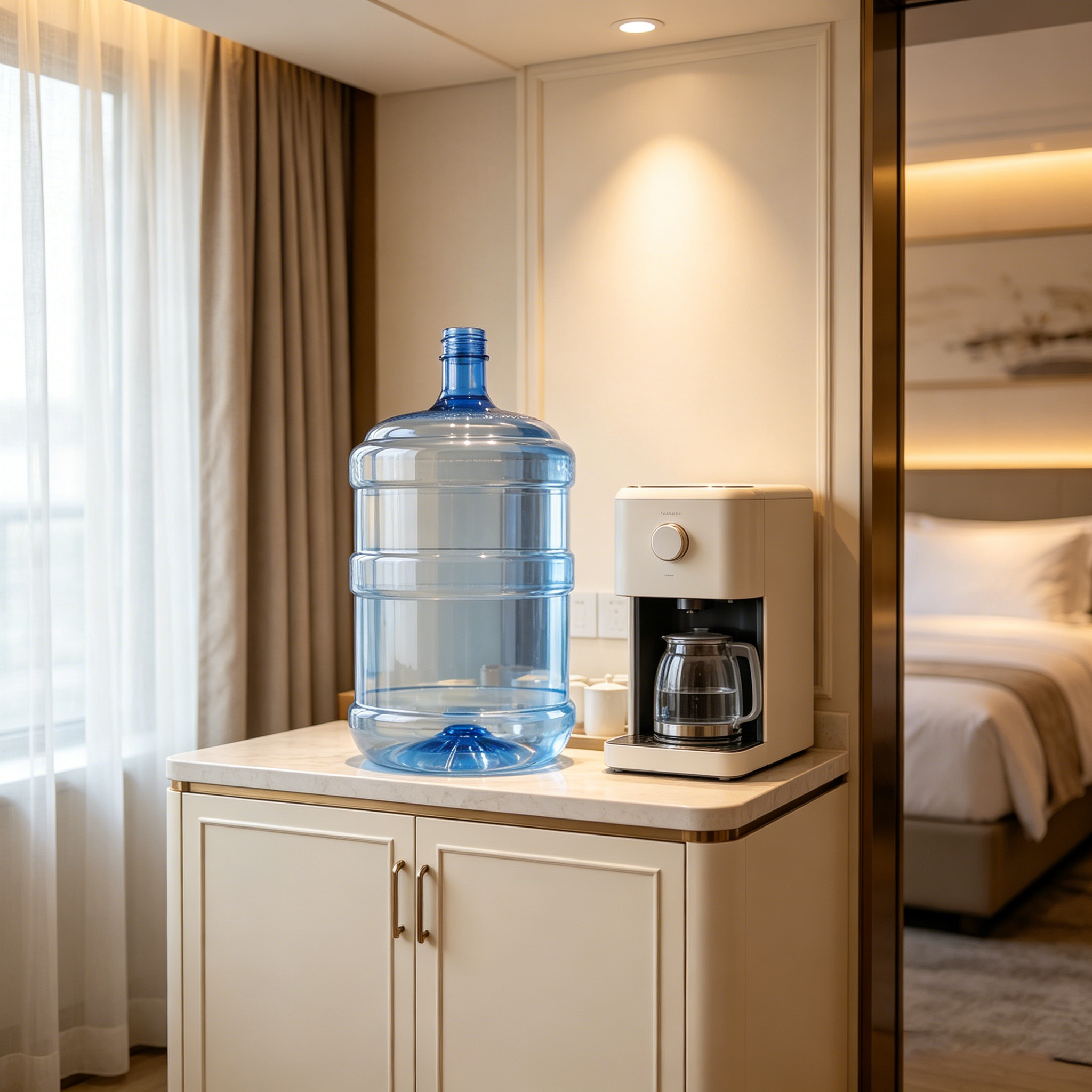
Through advanced technologies such as deep cleaning, high-temperature vacuum devolatilization, and solid-state polymerization (SSP), recycled PET can achieve the same food safety standards as virgin PET. The EU has mandated that by 2030, all PET beverage bottles must contain at least 30% recycled material.
The water bottle in your hand may one day become the starting point of another water bottle. This little test tube is participating in a global circular economy transformation.
Truth: Preform wall thickness is designed according to the required bottle weight and strength after blowing – thicker is not always better. Too thick increases material cost and may cause uneven stretching during blowing. What matters is uniformity of wall thickness, not absolute thickness.
Truth: Transparent ≠ safe. Non-food-grade preforms may also look transparent, but their raw materials may contain excessive heavy metals, non-compliant additives, or recycled materials of unknown origin. Food-grade preforms require complete compliance documentation and test reports – not just “looking clean.”
Truth: Vivid color does not equal good quality. Food-grade preform colorants must comply with GB 9685, using food-grade masterbatch or liquid colorant. Inferior pigments may release heavy metals or aromatic amines, posing health risks. When choosing colored preforms, always require the supplier to provide colorant compliance documentation.
Truth: Ordinary water preforms are not heat-resistant. PET’s glass transition temperature is about 75–80°C; above this, it softens and deforms. Only hot-fill preforms that have undergone special crystallization and heat-setting can withstand 85–95°C filling temperatures. Using an ordinary water bottle for hot water not only deforms the bottle but may also accelerate the migration of harmful substances.
Truth: They can. Through advanced purification technologies, recycled PET can meet food-grade standards. Major global regulators (FDA, EFSA, Health Canada, etc.) have approved food-grade rPET for food contact applications. The key lies in the source of the recycled material and whether the purification process meets standards.
Next time you twist open a bottle of water, take a moment to look at the milky-white threads around the neck.
That is the mark left by the crystallization process. It has undergone precise temperature control to make the neck hard, heat-resistant, and sealing. It never appears in advertisements and goes unnoticed by consumers, yet it determines whether the moment you twist off the cap is smooth or stiff, sealed or leaking.
That little test tube never appears in your hand. But it determines whether the bottle of water in your hand is safe, tastes good, and is worthy of trust.
Every bottle of water you drink starts with this “little test tube.

And behind every “little test tube” lies pure raw materials, precise processes, rigorous testing, and a group of people who respect their work.
Next time you drink water, take a moment to think about it.
 Hot News
2026-09-13
2026-06-04
2026-05-05
2026-01-20
2025-11-12
2025-11-11

Taizhou Huangyan Jinting Plastic Mould.,LTD is a professional PET preform manufacturer with 25+ years’ expertise. ISO9001/ISO22000 certified, custom necks (28–55mm), colors, weights & molds for water/beverage brands. Contact us today.
Puhui Industrial Zone, Toutuo Town, Huangyan District, Taizhou City, Zhejiang Province, China
Copyright © 2026 Taizhou Huangyan Jinting Plastic Mould.,LTD.All rights reserved. Privacy Policy