EN
EN

A preform determines the entire performance of a bottle; and the safety of the bottle determines the consumer‘s complete trust in the brand.
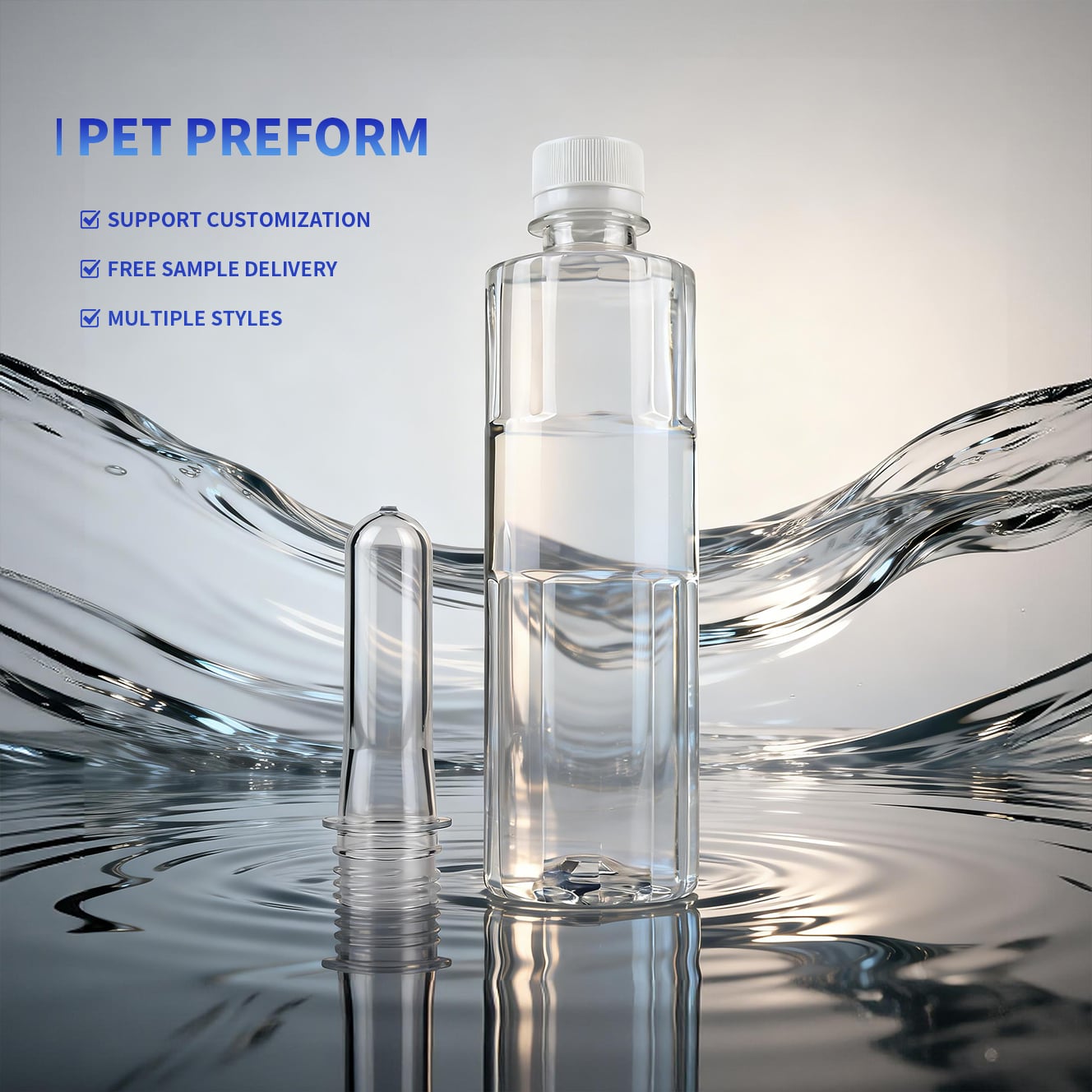
In the packaging of bottled water, beverages, cooking oils, condiments, and even cosmetics, the PET preform is the most critical packaging semi-finished product. Yet, the difference between “food-grade” and “non-food-grade” preforms goes far beyond a certificate. Choosing food-grade PET preforms is not an option—it is a bottom line.
|
 |
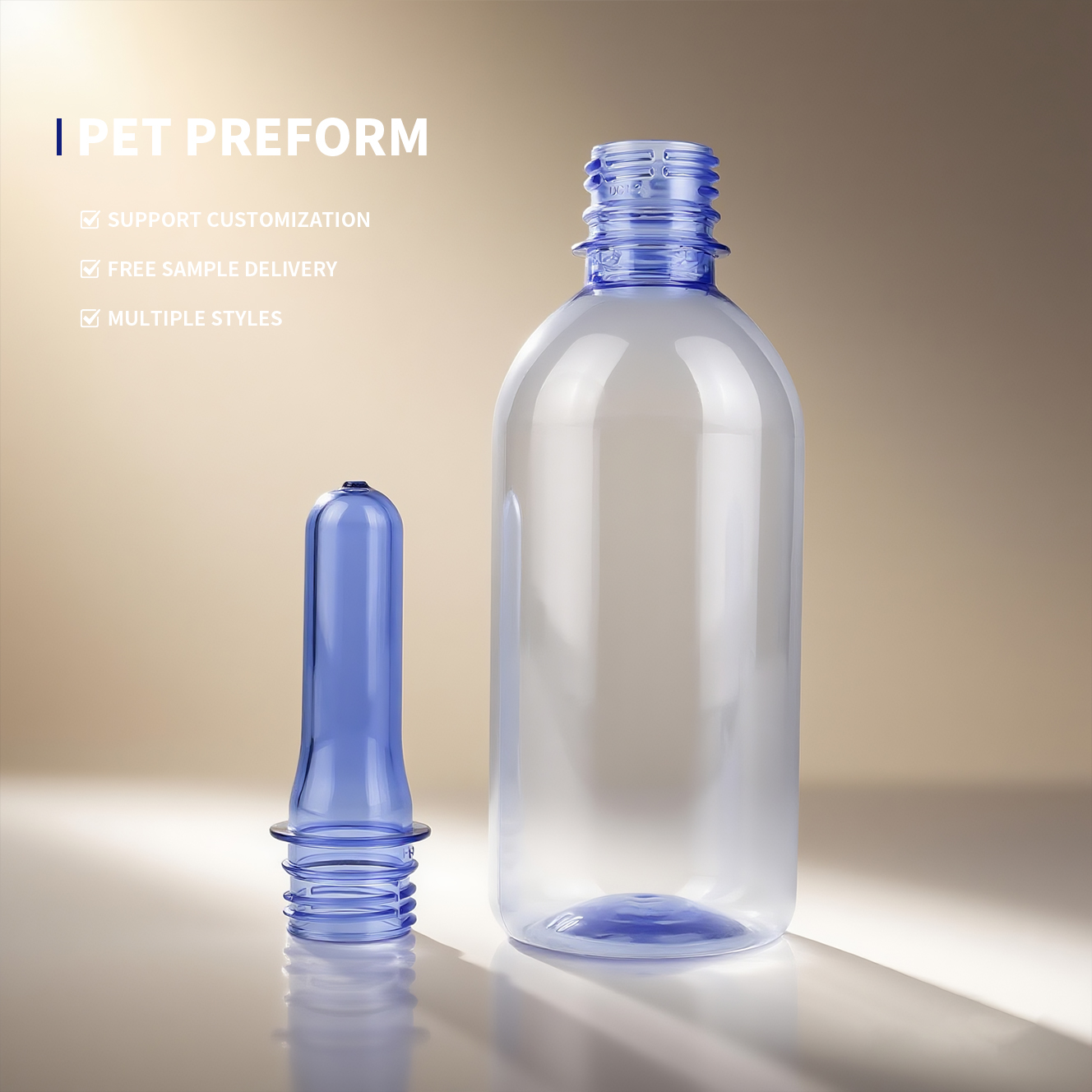 |
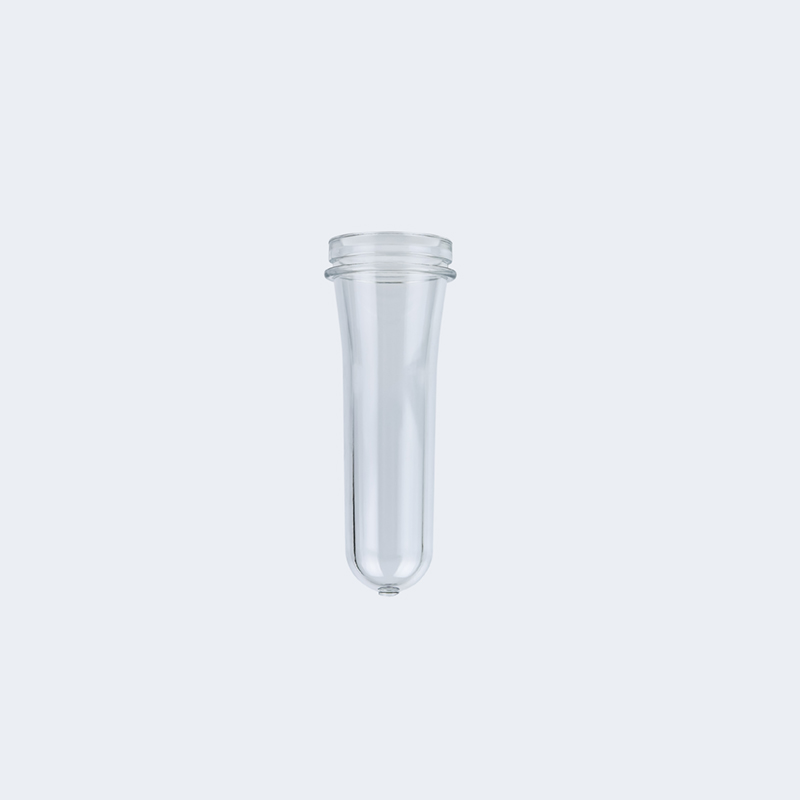
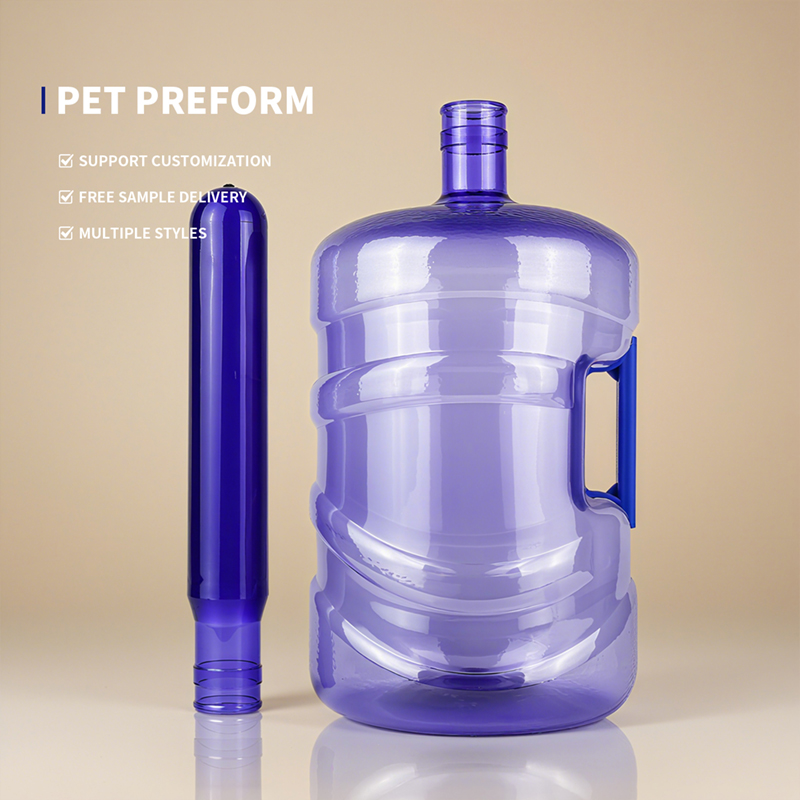
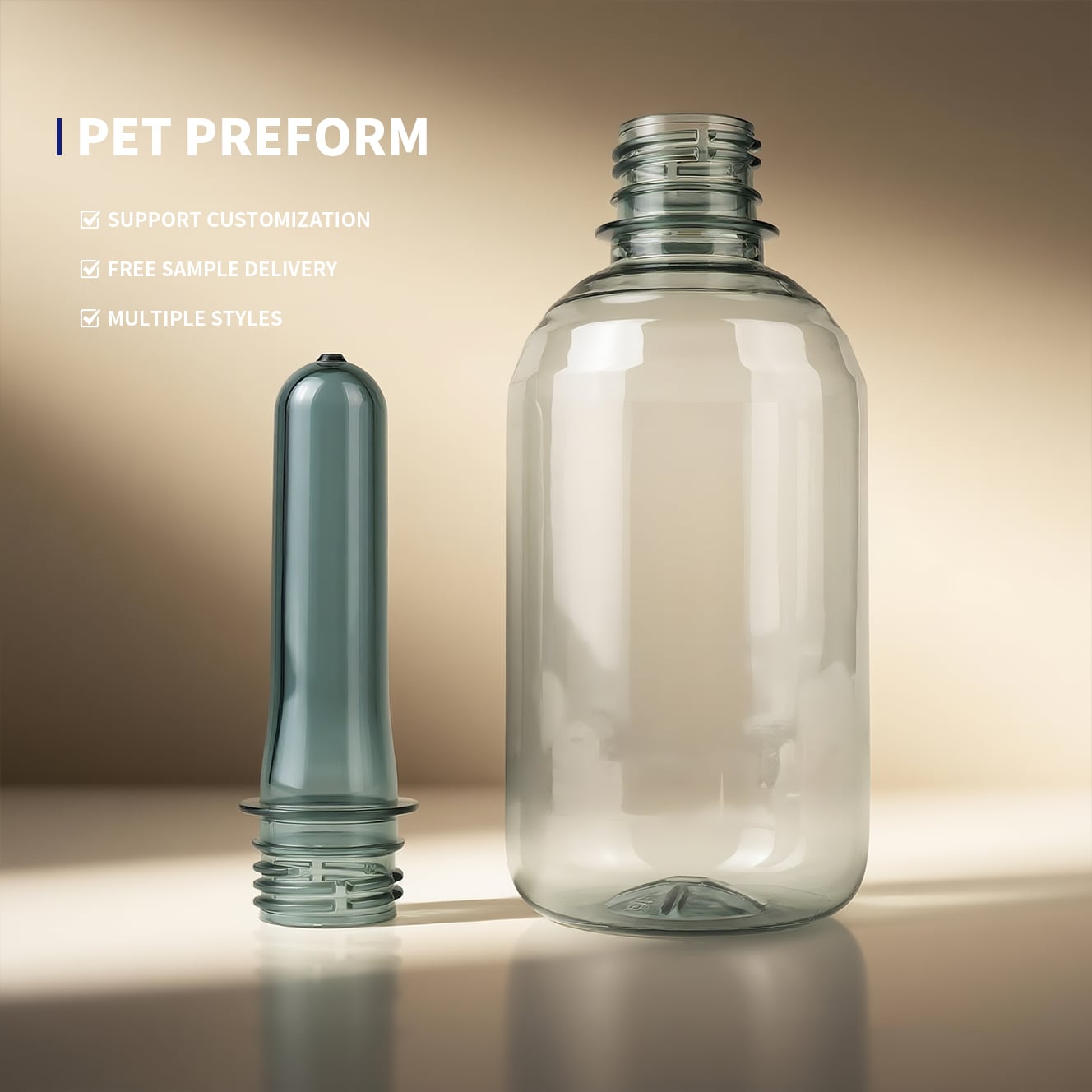
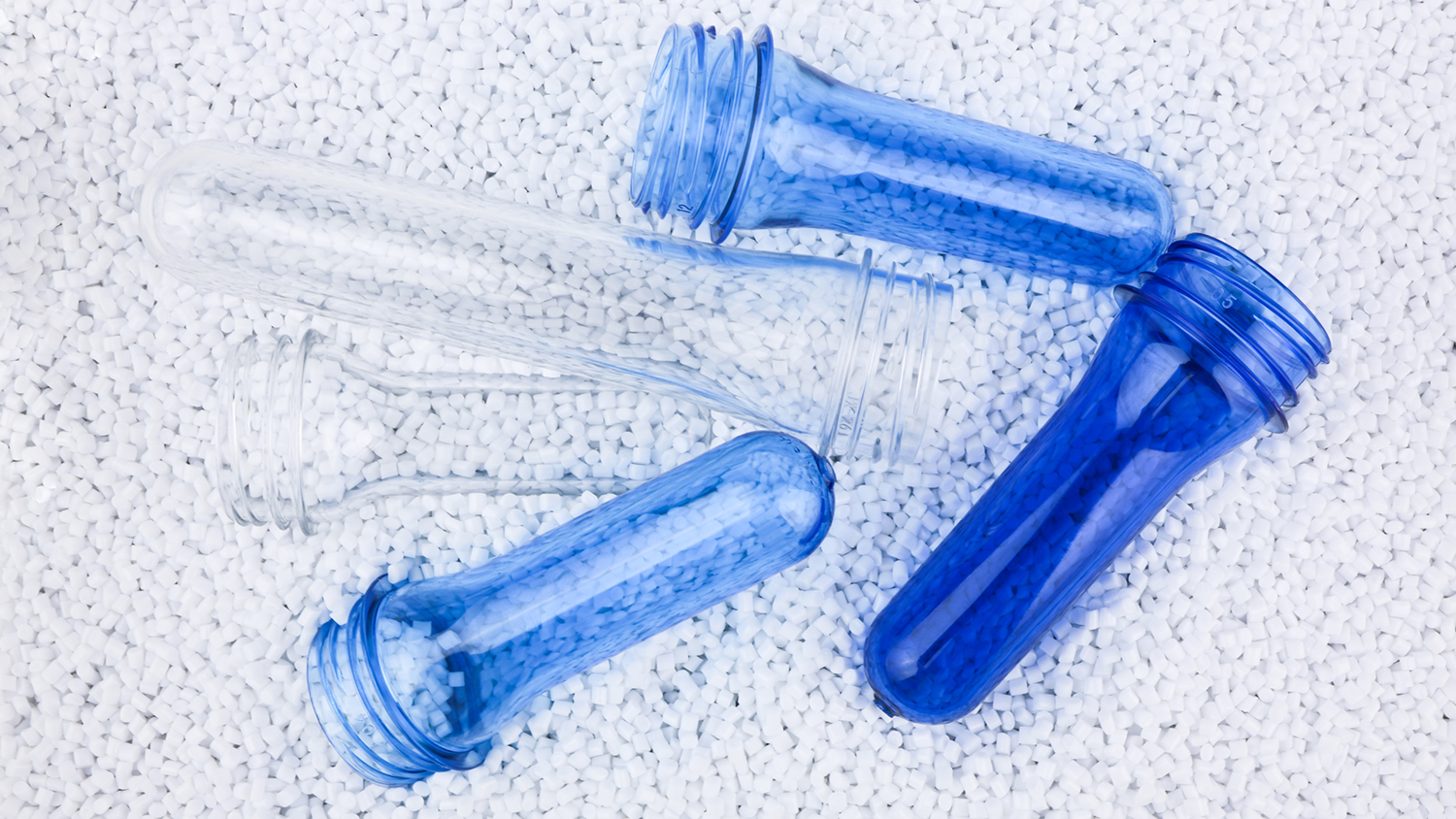
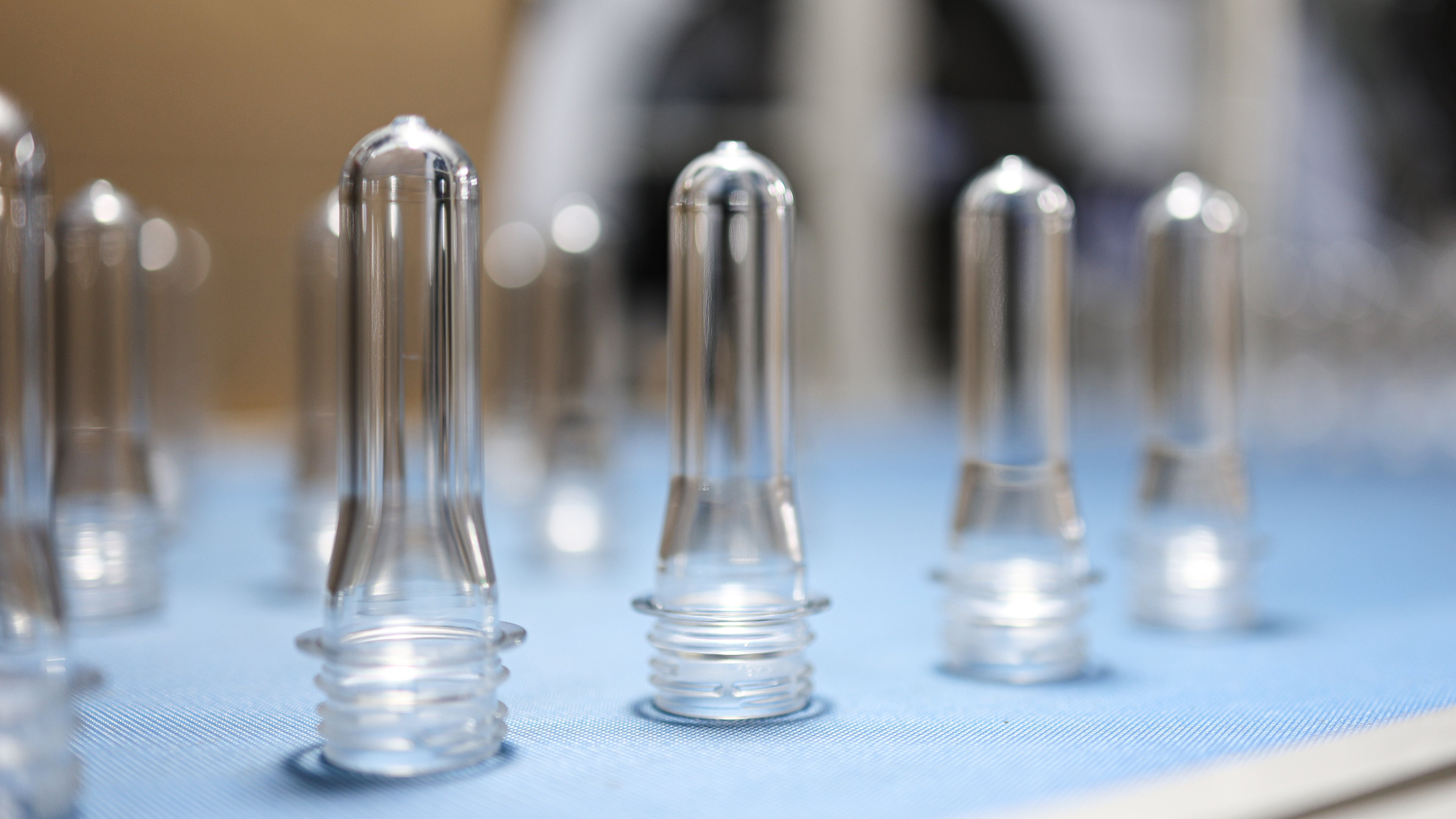
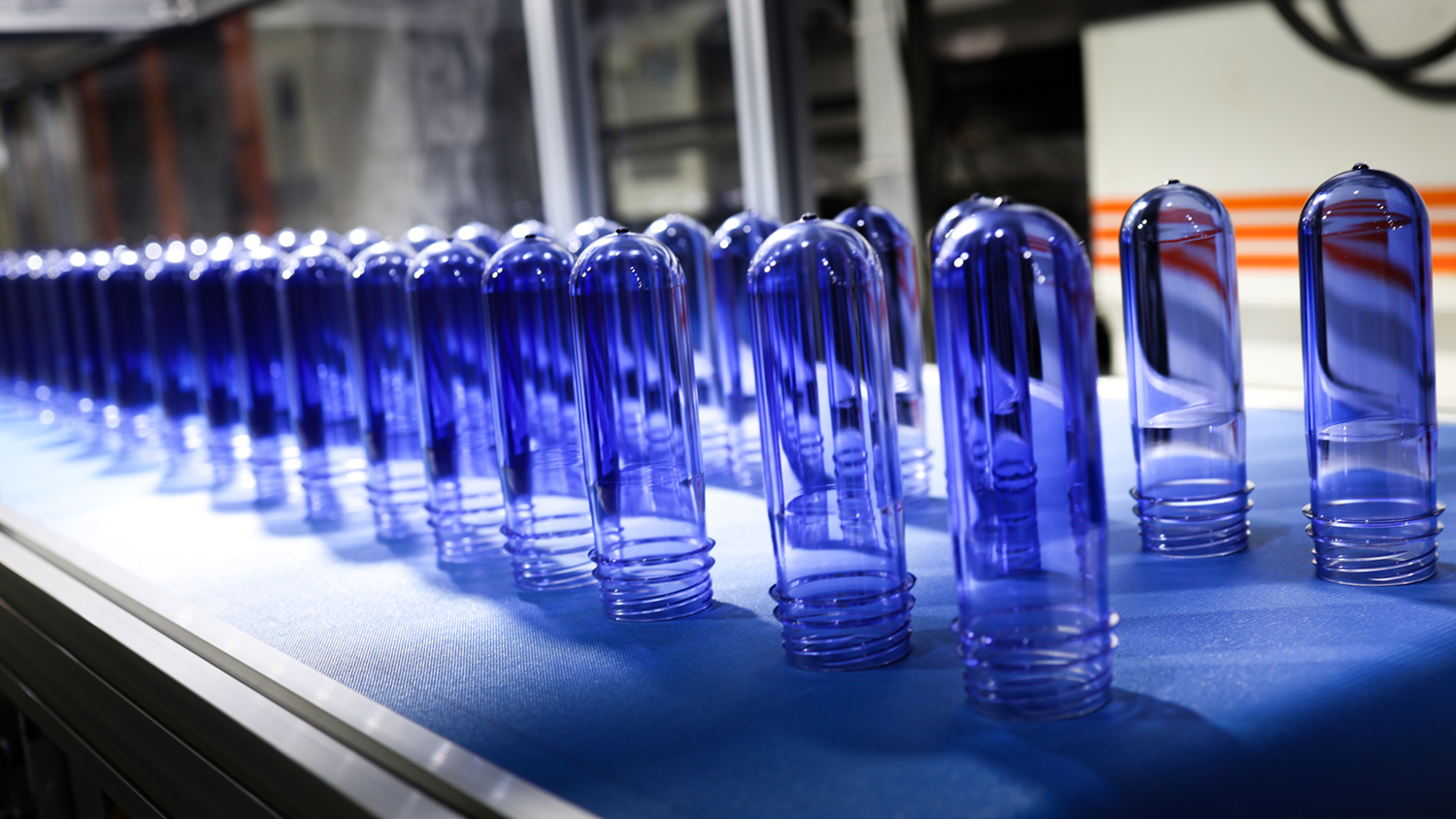
A food-grade PET preform is a preform product manufactured from PET resin that complies with food contact material standards, under strictly controlled processing conditions, suitable for direct contact with food or beverages.
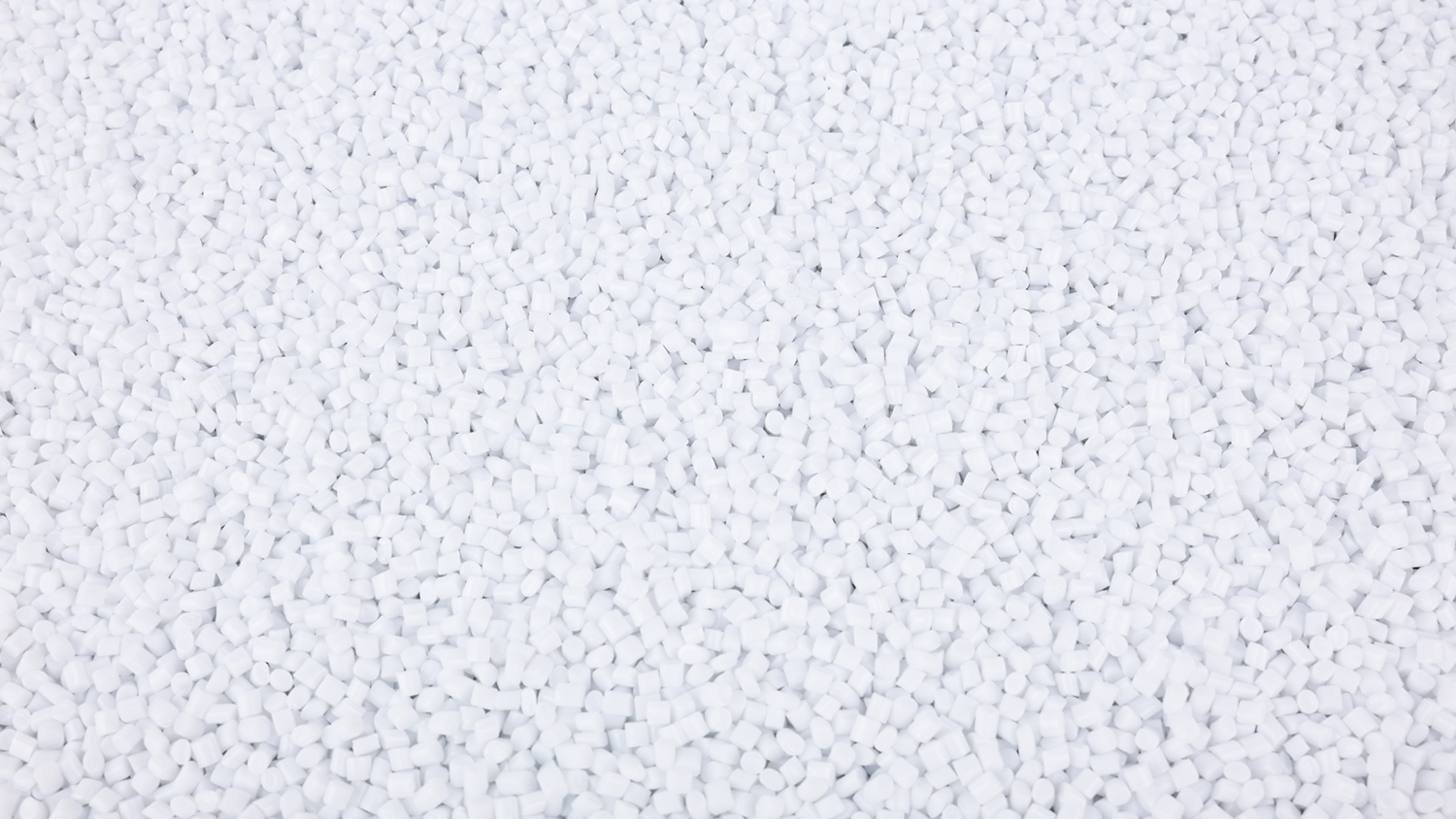
PET (Polyethylene Terephthalate) is a linear thermoplastic polyester formed by the polycondensation of terephthalic acid (PTA) and ethylene glycol (EG). It is inherently non-toxic, odorless, has good hygienic safety, and can be directly used for food packaging. However, “PET itself is safe” does not mean “all PET preforms are safe” – raw material sources, additives, production processes, and hygiene conditions can turn “safe” into “unsafe” at every step.
The core of food-grade PET preforms lies in end-to-end chain control: from resin procurement to warehouse management, from injection molding to packaging and transportation, every step operates according to food-grade standards, eliminating any risk of contamination. In the field of food contact materials, PET is widely recognized as one of the safest packaging materials, with advantages including excellent mechanical properties, transparency, and recyclability.
In China, PET preforms for food contact primarily follow these standards:
GB 4806.6-2016: “National Food Safety Standard – Plastic Resins for Food Contact” – specifies technical requirements for plastic resins used in food contact.
GB/T 17931-2018: “Technical Requirements for PET Resins for Bottles” – specifies physical property indicators for bottle-grade PET resins.
QB/T 2665-2017: Temperature resistance standard for hot-fill PET bottles.
In terms of key indicators, food-grade PET preforms have extremely strict heavy metal limits: lead ≤1mg/kg, cadmium ≤0.6mg/kg. Potassium permanganate consumption ≤10mg/kg, evaporation residue (water, 4% acetic acid, n-hexane) all ≤30mg/L, and decolorization tests (ethanol, vegetable oil) must be negative. Overall migration has clear limits in different food simulants including 4% acetic acid, 20% ethanol, and 95% ethanol. Additionally, preforms must meet sensory requirements – normal color, no off-odor, no foreign matter, etc.
For export products, food-grade PET preforms must also meet regulatory requirements of the target markets:
US FDA 21 CFR 177.1630: Specific regulation for food-contact PET, clearly specifying technical requirements including intrinsic viscosity, melting point, density, and other physical properties. FDA requires that acetaldehyde content be controlled below 0.5ppm when PET preforms come into contact with food.
EU (EU) No. 10/2011: Regulation on plastic materials and articles for food contact, covering comprehensive requirements. Overall migration limit ≤10mg/dm², with specific migration limits varying by substance. The regulation also specifies comprehensive migration test conditions, including contact time and temperature with food simulants.
EU EFSA standard: Acetaldehyde migration limit ≤6μg/kg.
German LFGB: Adds stricter sensory testing requirements on top of EU regulations – must pass odor and taste tests in three food simulants (water, alcohol, and fatty foods), ensuring that no perceptible odor or taste migrates from the plastic to the food.
Both virgin PET and recycled PET (rPET) have been approved for food contact use by major health regulatory agencies worldwide, including Health Canada, the US FDA, the European Food Safety Authority (EFSA), and others.
| Comparison dimension | Food-grade PET preform | Non-food-grade/Industrial PET preform |
|---|---|---|
| Raw material source | Virgin food-grade PET resin or certified food-grade rPET | Recycled material of unknown origin, mixed materials |
| Heavy metal control | Lead ≤1mg/kg, Cadmium ≤0.6mg/kg | No strict limits or exceeds limits |
| Acetaldehyde content | ≤0.5ppm (FDA standard) | May exceed limits, causing plastic odor |
| Migration testing | Full food simulant migration testing | Not tested or fails |
| Production environment | Clean workshop, strict hygiene control | Ordinary workshop, no special control |
| Compliance documentation | Provides GB/FDA/EU compliance declarations and test reports | Cannot provide or incomplete documentation |
| Sensory testing | Passes odor, taste sensory evaluation | Not tested or fails |
The most essential difference is: every indicator of food-grade preforms is verifiable, and every batch is traceable.
Food-grade PET preforms undergo a series of rigorous tests before shipment – from raw material physical and chemical indicators to finished product migration testing, from sensory evaluation to microbiological testing. Every step has clear standards and records. Non-food-grade preforms often lack a systematic testing system and may never have undergone any food safety-related testing.
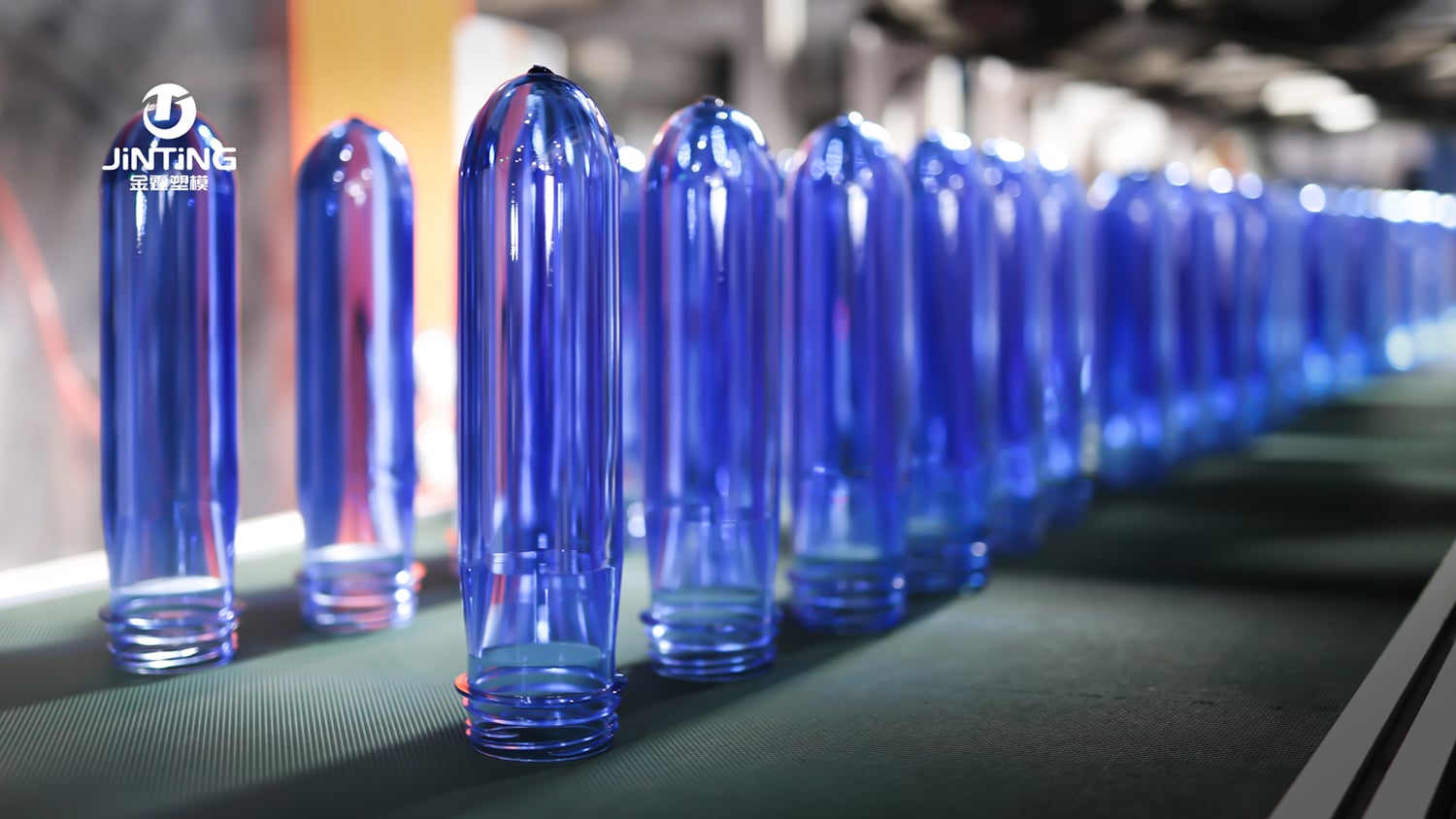
PET itself is a safe food contact material. However, if non-food-grade recycled materials, inferior colorants, or non-compliant additives are mixed into the raw material, harmful substances such as heavy metals (lead, cadmium, antimony), plasticizers, and aromatic amines may be introduced.
Hazards of heavy metals:
Lead: Long-term ingestion damages the nervous system, kidneys, and hematopoietic system, with particularly severe effects on children‘s intellectual development.
Cadmium: Mainly accumulates in kidneys and bones; long-term ingestion can cause kidney damage and osteomalacia.
Antimony: Antimony trioxide is commonly used as a catalyst in PET polymerization. While antimony residue in qualified PET is extremely low, it may accumulate in inferior recycled materials; long-term ingestion affects respiratory system and skin health.
These substances may migrate into the contents when in contact with food or beverages. Food-grade PET preforms eliminate these risks at the source – produced from virgin materials or strictly certified food-grade recycled materials, with all additives complying with the GB 9685 positive list, ensuring no harmful substances are released when the preform contacts food.
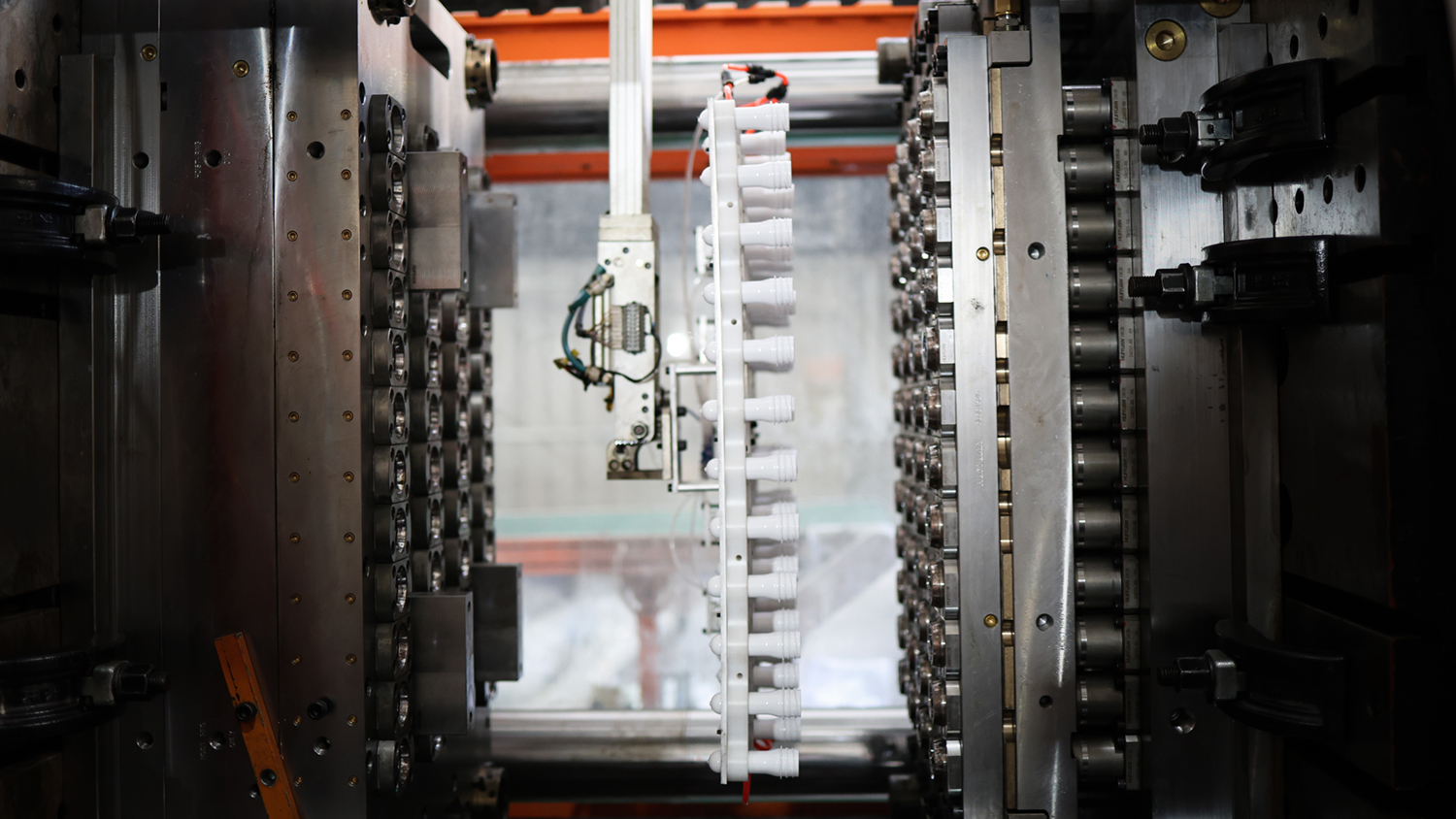
Have you ever drunk bottled water with a “plastic odor”? The problem most likely lies in the acetaldehyde (AA) content of the preform.
PET generates acetaldehyde during high-temperature processing – a small molecule with a pungent fruity odor. The human sense of smell is extremely sensitive to it – even at concentrations as low as 0.05–0.1ppm, it can be detected. Food-grade PET preforms strictly control processing temperature and residence time, keeping acetaldehyde content within standards (FDA requires <0.5ppm), ensuring that filled water or beverages are odor-free and pure in taste.
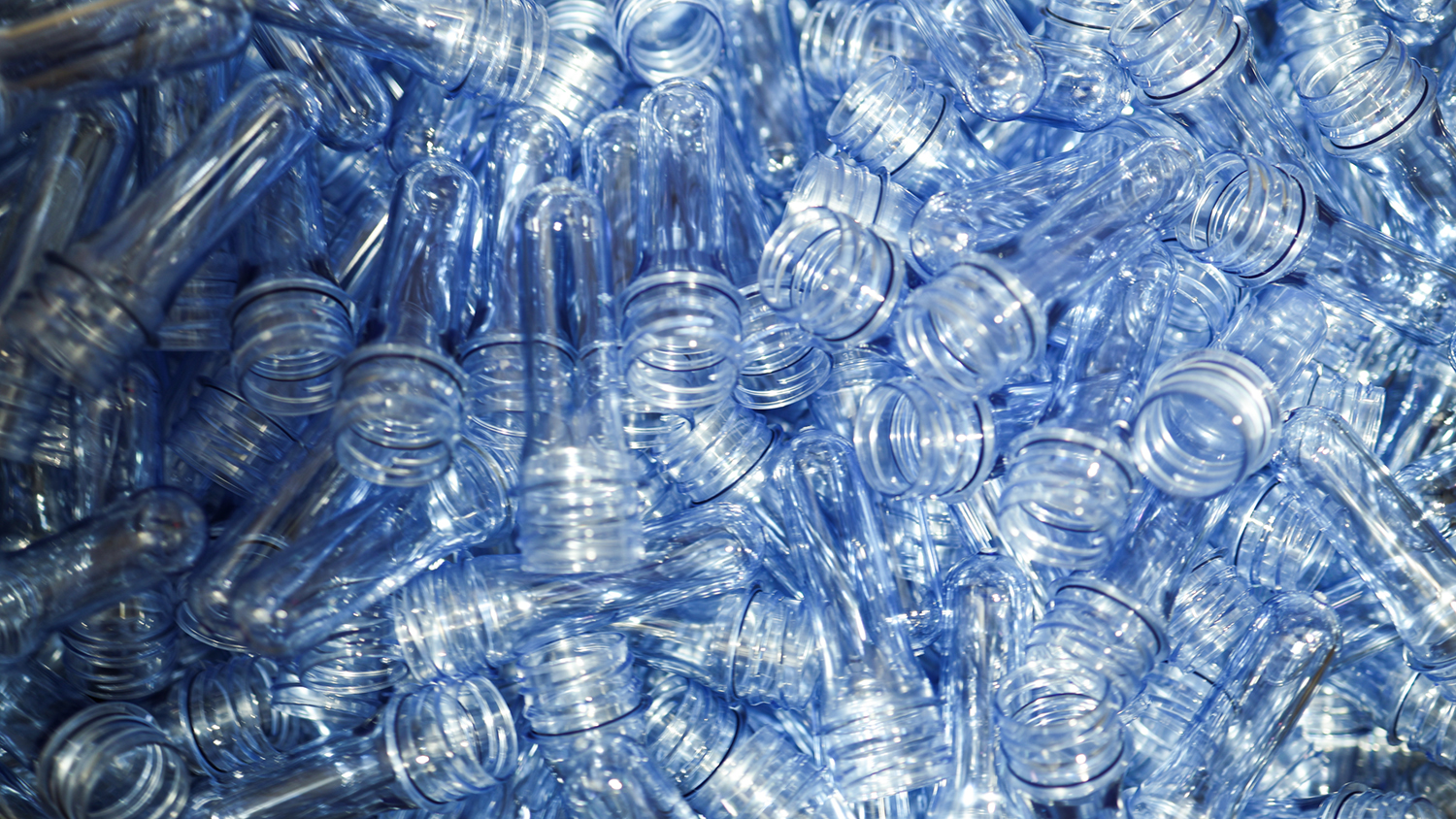
Non-food-grade preforms, in order to save electricity and increase output, often raise injection temperature and shorten cycle time. Studies show that for every 10°C increase in injection temperature, acetaldehyde generation can increase by 30%–50%. These preforms’ acetaldehyde content may exceed limits by several times – every penny saved eventually becomes the “plastic odor” in consumers’ mouths.
Acetaldehyde not only affects taste but also involves safety. Acetaldehyde is classified as a Group 2B carcinogen by IARC (possibly carcinogenic to humans). Although acetaldehyde levels in bottled water are far below hazardous doses, long-term intake is still not recommended. Food-grade standards exist precisely to minimize this risk.
Whether in the domestic market or for export, food contact materials are subject to strict regulatory oversight.
| Target market | Applicable regulation | Core requirements |
|---|---|---|
| China | GB 4806.7-2016 | Heavy metals, evaporation residue, decolorization test, etc. |
| USA | FDA 21 CFR 177.1630 | Acetaldehyde <0.5ppm, physical performance compliance |
| EU | (EU) No. 10/2011 | Overall migration ≤10mg/dm² |
| Germany | LFGB | EU requirements + sensory testing |
Choosing food-grade PET preforms means the supplier can provide complete compliance declarations and test reports. In the event of customs inspections or market supervision, these documents serve as the product‘s “legal ID.” Conversely, if non-food-grade preforms are used, the consequences range from returns and fines to complete collapse of brand reputation.
A real cautionary tale: An exporting company used PET preforms that did not meet FDA standards. The entire shipment was detained by US Customs, and testing revealed excessive acetaldehyde content. Not only was the entire shipment destroyed, but the company was also placed on the FDA “Import Alert” list. Thereafter, all export shipments faced “batch-by-batch” inspection – losses far exceeding the raw material costs originally saved.
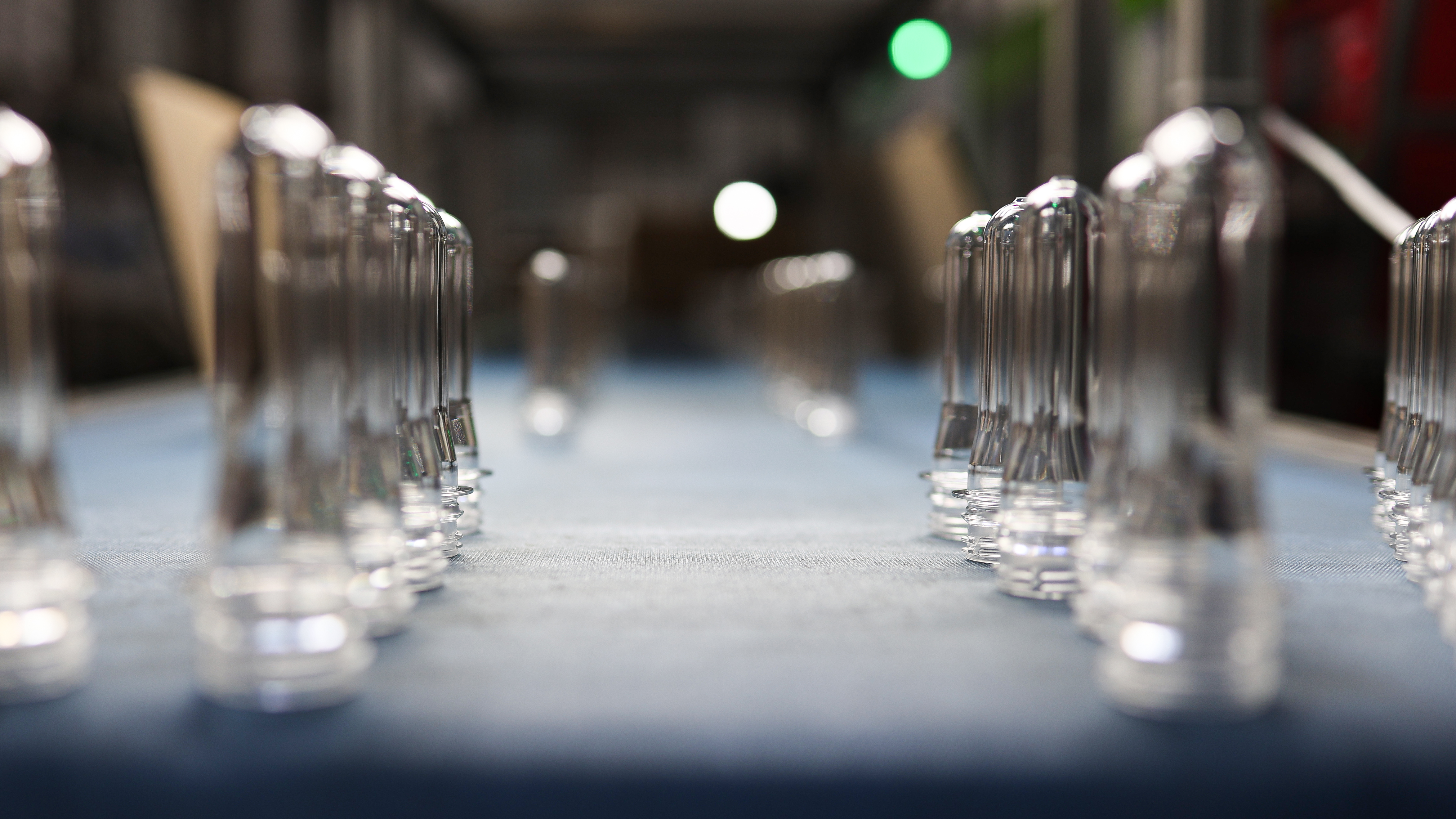
In today‘s environment of frequent food safety incidents, consumers are paying increasing attention to packaging safety. Whether a brand’s preform source is reliable and whether it meets food-grade standards directly relates to consumer trust in the brand.
Food-grade PET preforms are not just a technical choice – they are a brand commitment. The signal it sends to consumers is: we take every detail seriously and take full responsibility for the safety of every bottle of water.
In the bottled water market, major brands (such as Nongfu Spring, C‘estbon, Master Kong, Wahaha, etc.) all require their preform suppliers to pass strict food-grade audits, provide complete test reports for each batch, and regularly accept unannounced inspections from the brand owner. This strict control over the supply chain is precisely the foundation for these brands to earn long-term consumer trust.
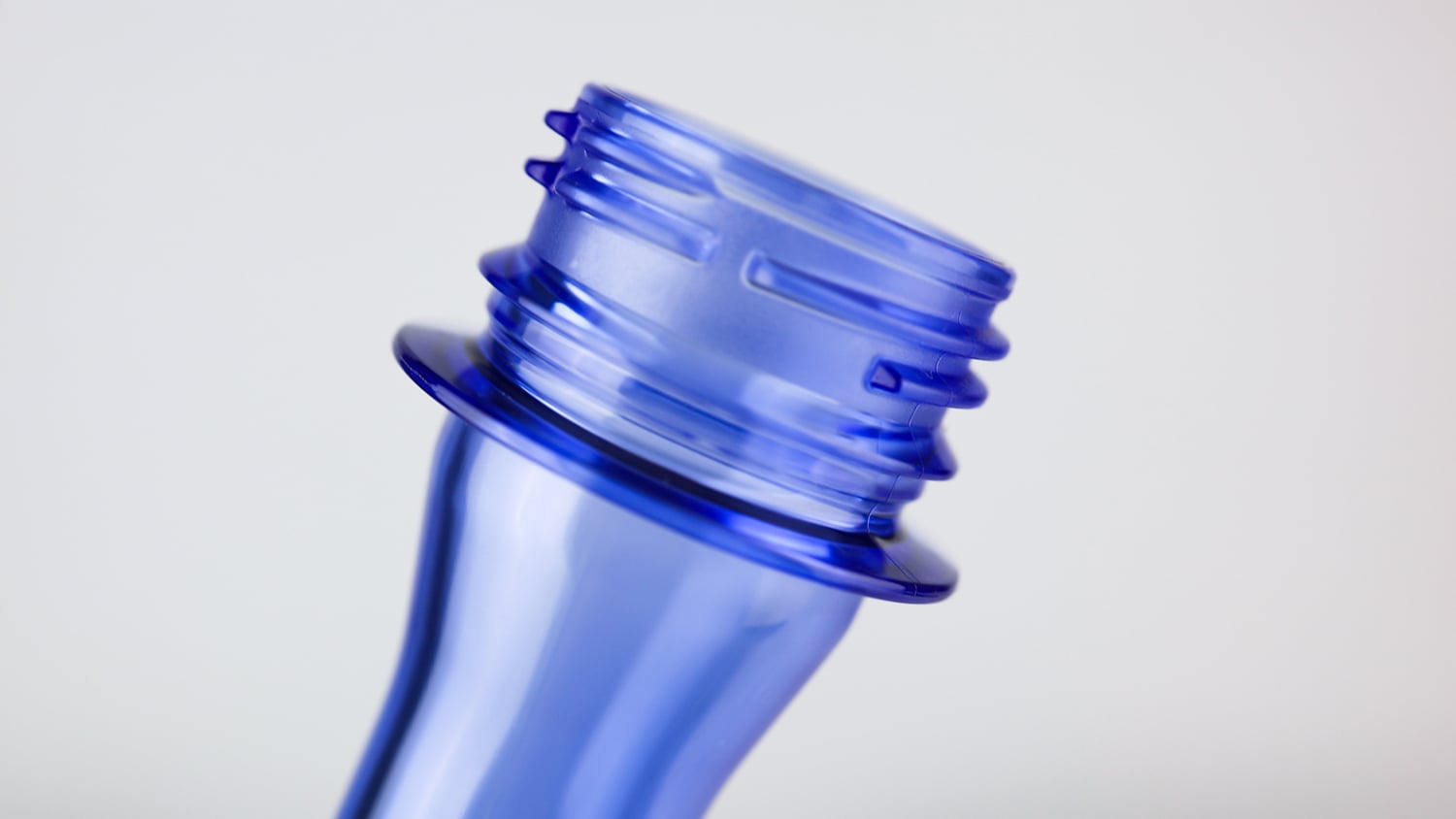
With growing global emphasis on the circular economy, food-grade recycled PET (rPET) is becoming a new industry trend.
Traditional PET recycling mainly flows to non-food applications (such as textiles, industrial products). Through advanced purification technologies – including deep cleaning, high-temperature vacuum devolatilization, and solid-state polymerization (SSP) – recycled PET can achieve the same food safety standards as virgin PET.
Advantages of food-grade rPET:
Reduced carbon footprint: Carbon emissions from producing 1 ton of rPET are only about 1/3 of virgin PET.
Reduced plastic waste: Converting discarded PET bottles back into food-grade packaging, achieving “bottle-to-bottle” recycling.
Meeting consumer expectations: More and more consumers are willing to pay a premium for sustainable packaging.
Currently, the EU has mandated that by 2030, all PET beverage bottles must contain at least 30% recycled material. Choosing certified food-grade rPET preforms ensures both food safety and alignment with the global trend of sustainable development – a path that achieves both “safety” and “sustainability.”
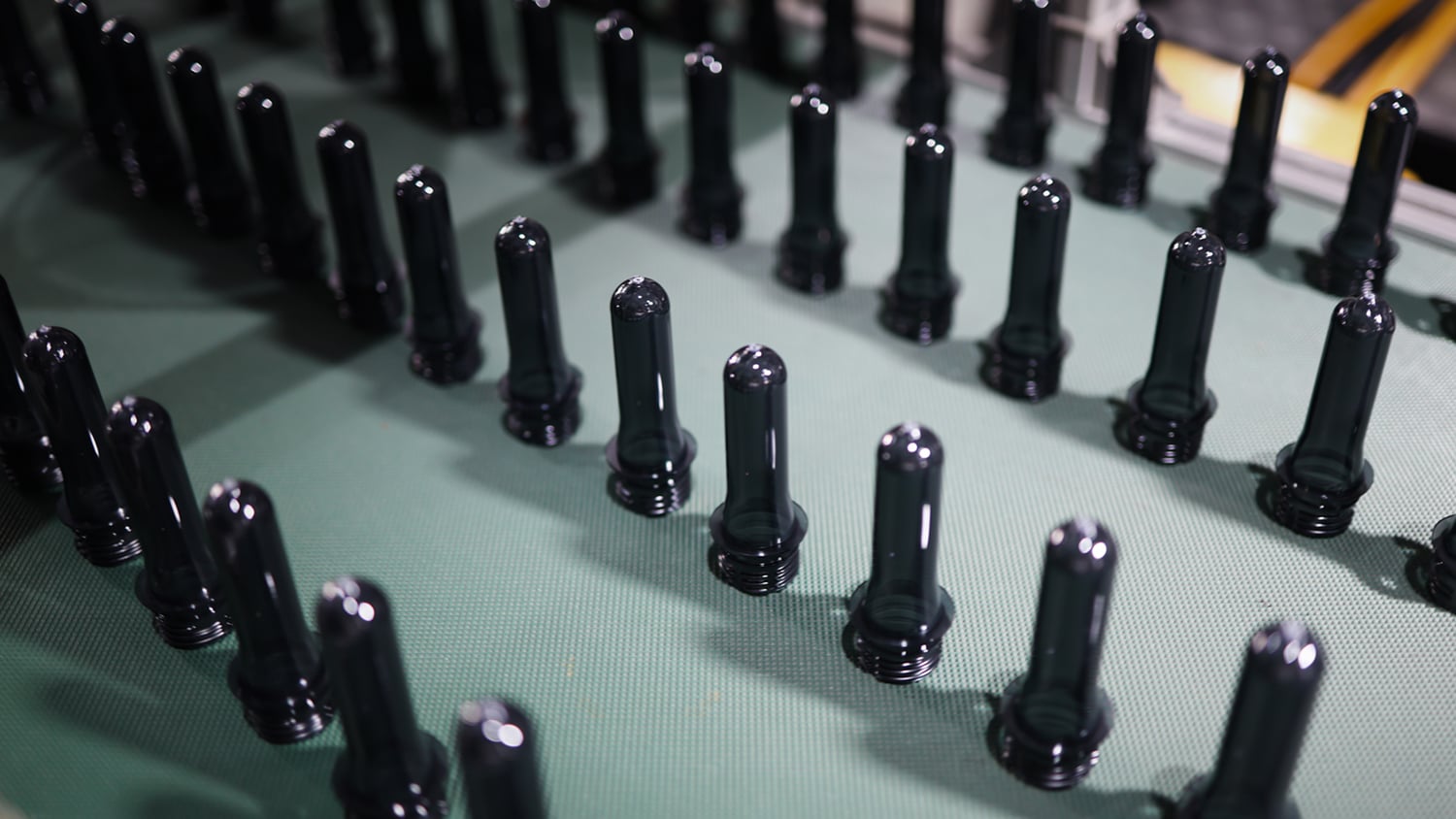
As a buyer or brand owner, when selecting a preform supplier, we recommend verifying the following aspects:
1. Request compliance documentation
Require the supplier to provide compliance declarations for GB 4806.7-2016, FDA 21 CFR 177.1630, or (EU) No. 10/2011, as well as test reports from third-party testing institutions (such as SGS, CTI, Intertek, etc.). Verify the authenticity and timeliness of the reports.
2. Check raw material source
Confirm whether virgin PET resin (such as China Resources, Sanfangxiang, Yuanfang, and other major domestic brands) or certified food-grade rPET is used. Require the supplier to provide raw material procurement records and COA (Certificate of Analysis).
3. Focus on key indicators
Pay special attention to the following data:
Heavy metal content (lead, cadmium, antimony, etc.)
Acetaldehyde content (FDA requires <0.5ppm)
Evaporation residue (water, 4% acetic acid, n-hexane)
Decolorization test (ethanol, vegetable oil)
Overall migration (for export to EU)
4. Inspect the production environment
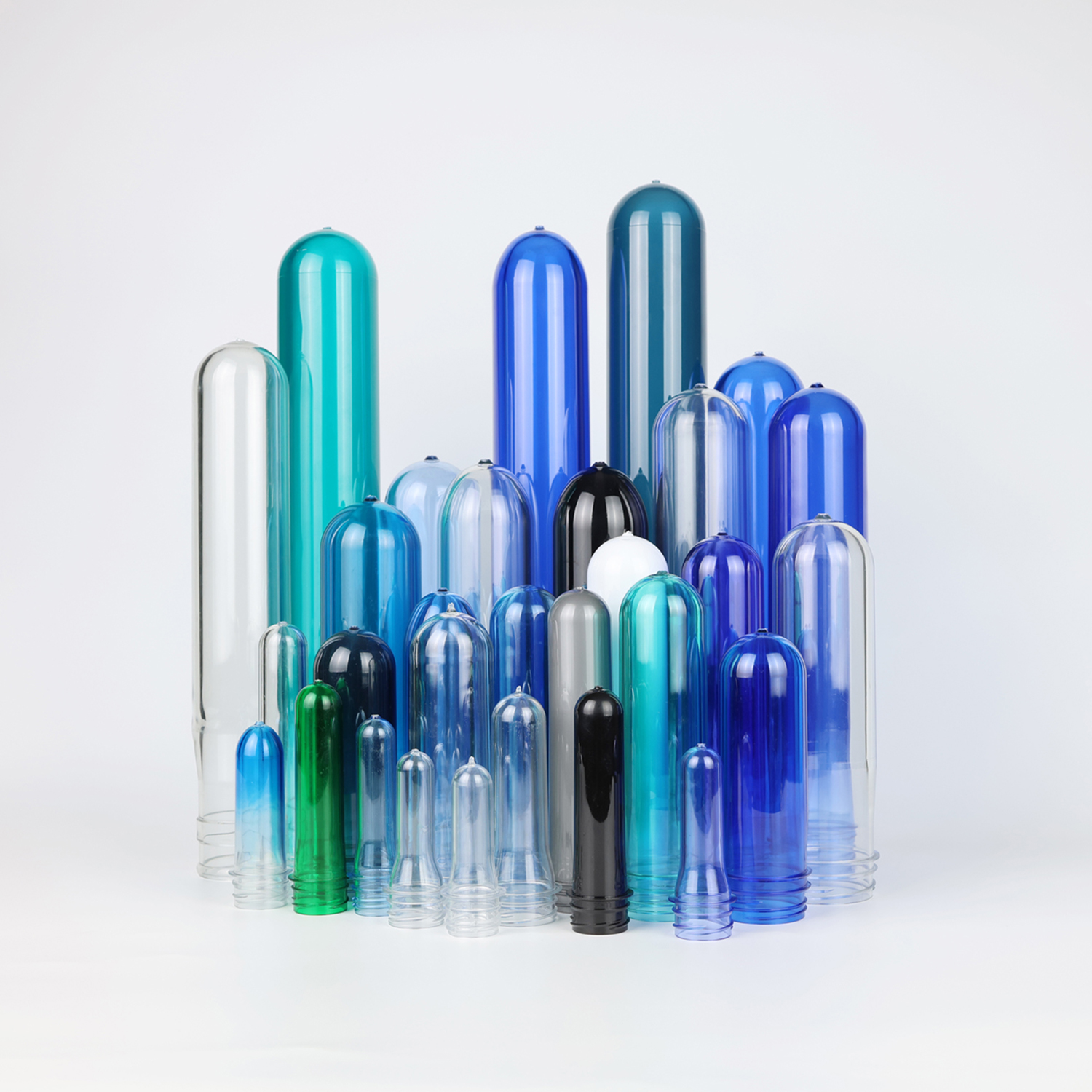
Food-grade preforms should be produced in clean workshops with a comprehensive hygiene control system. During site visits, note whether the workshop is zoned, whether workers wear cleanroom garments, whether materials are stored off the floor, and whether pest control facilities are in place.
5. Require batch traceability
Each batch should be traceable to raw material batch number, production date, and test records. The supplier should have a comprehensive traceability system to ensure rapid identification and recall in case of quality issues.
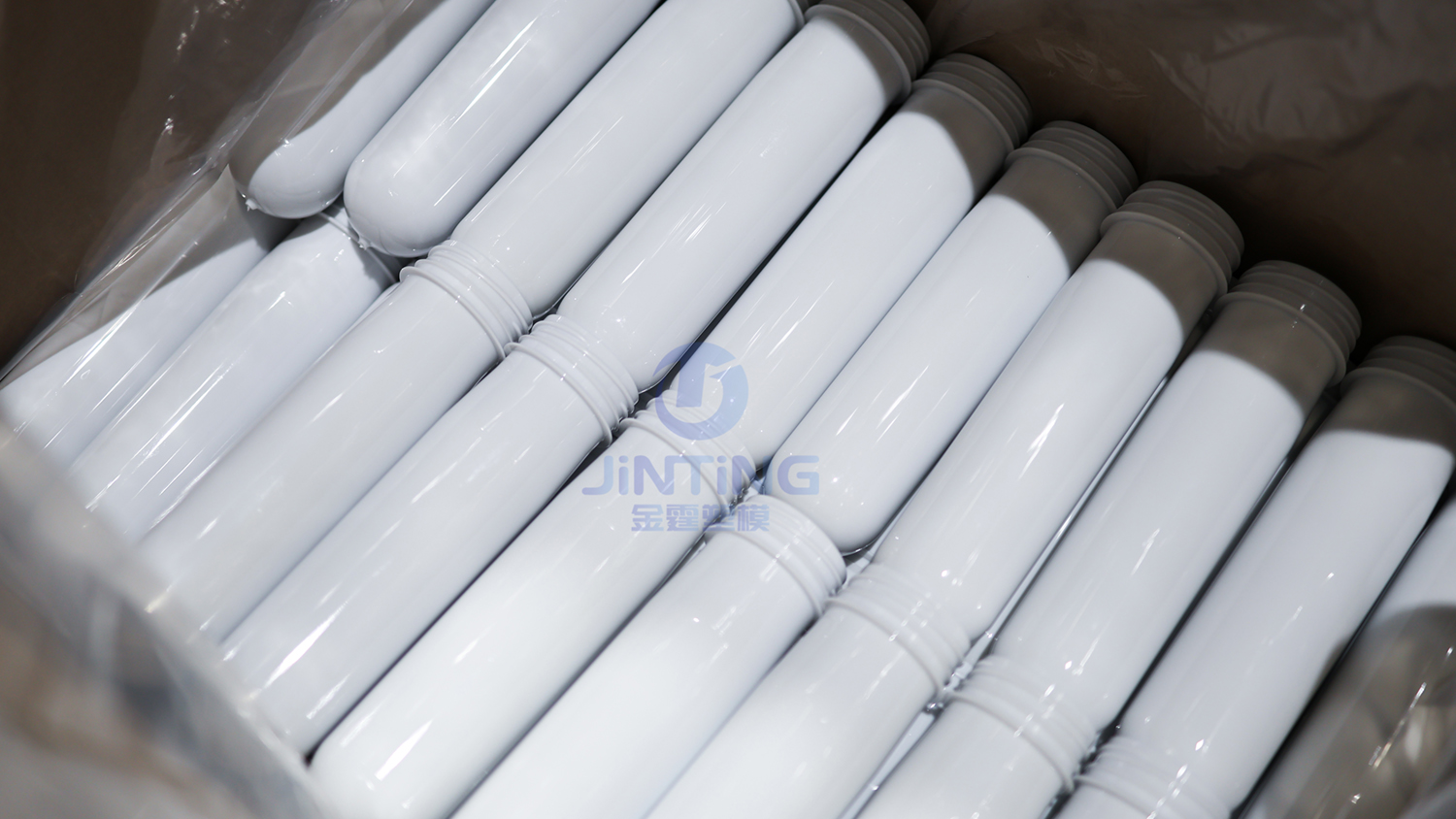
Food-grade PET preforms look no different from ordinary ones – equally transparent, equally smooth. But the real dividing line lies in what cannot be seen: whether the raw materials are pure, whether additives are compliant, whether the production environment is clean, and whether every batch has passed rigorous testing.
These “invisible” differences ultimately translate into a safe bottle of water, a pure cup of tea, or a reassuring container of cooking oil in the hands of consumers.
Choosing food-grade PET preforms is not about passing inspections – it is a commitment to consumer health; not about obtaining an extra certificate – it is about upholding the brand’s bottom line.
In food safety, there is no “close enough” – only “compliant” and “non-compliant.” Choosing food-grade PET preforms is not choosing a product – it is choosing an attitude.
Should you have any inquiries regarding PET preforms, you are welcome to consult us.
 Hot News
2026-09-13
2026-06-04
2026-05-05
2026-01-20
2025-11-12
2025-11-11

Taizhou Huangyan Jinting Plastic Mould.,LTD is a professional PET preform manufacturer with 25+ years’ expertise. ISO9001/ISO22000 certified, custom necks (28–55mm), colors, weights & molds for water/beverage brands. Contact us today.
Puhui Industrial Zone, Toutuo Town, Huangyan District, Taizhou City, Zhejiang Province, China
Copyright © 2026 Taizhou Huangyan Jinting Plastic Mould.,LTD.All rights reserved. Privacy Policy