EN
EN

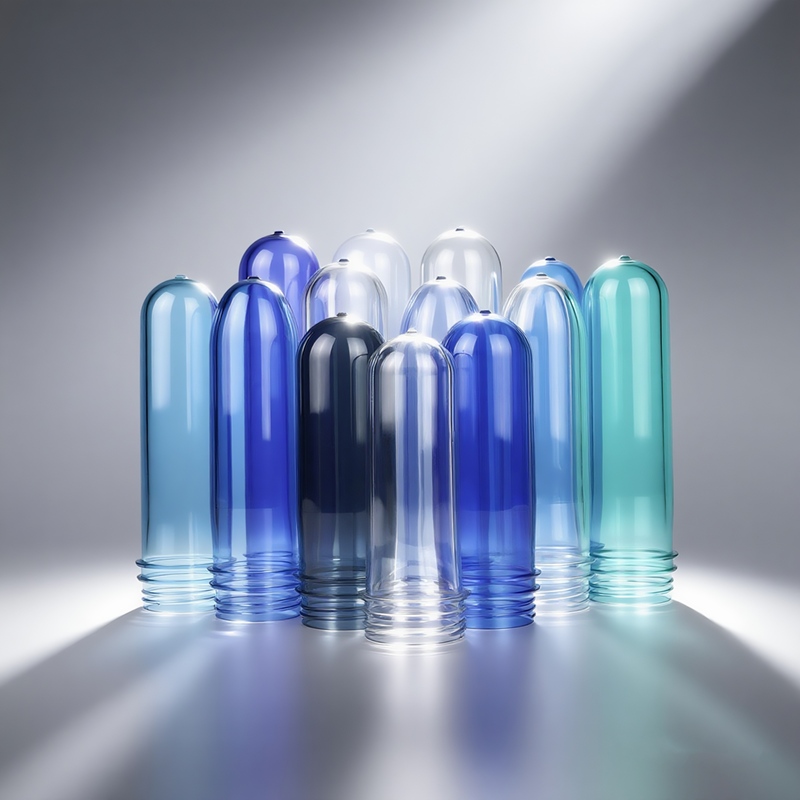
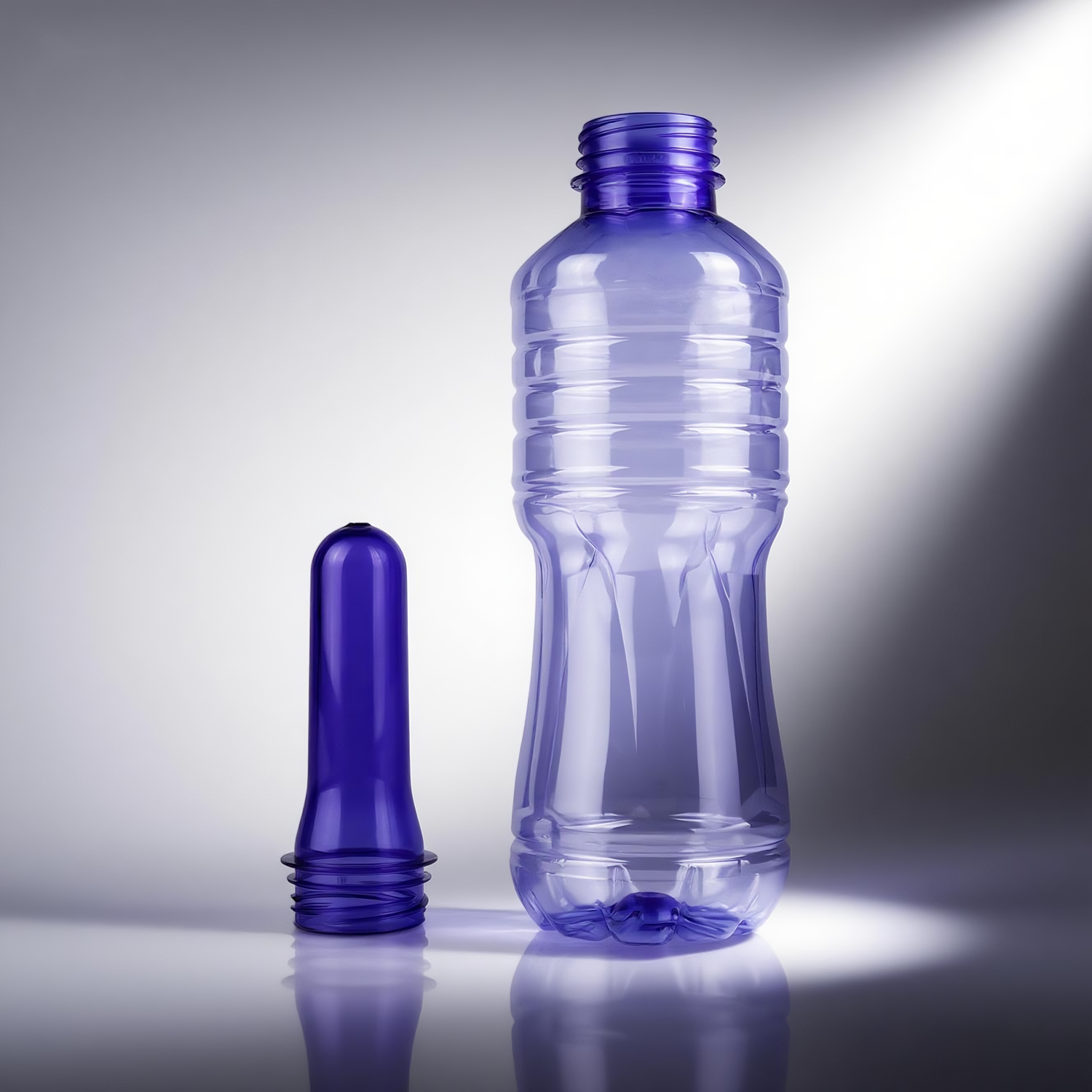
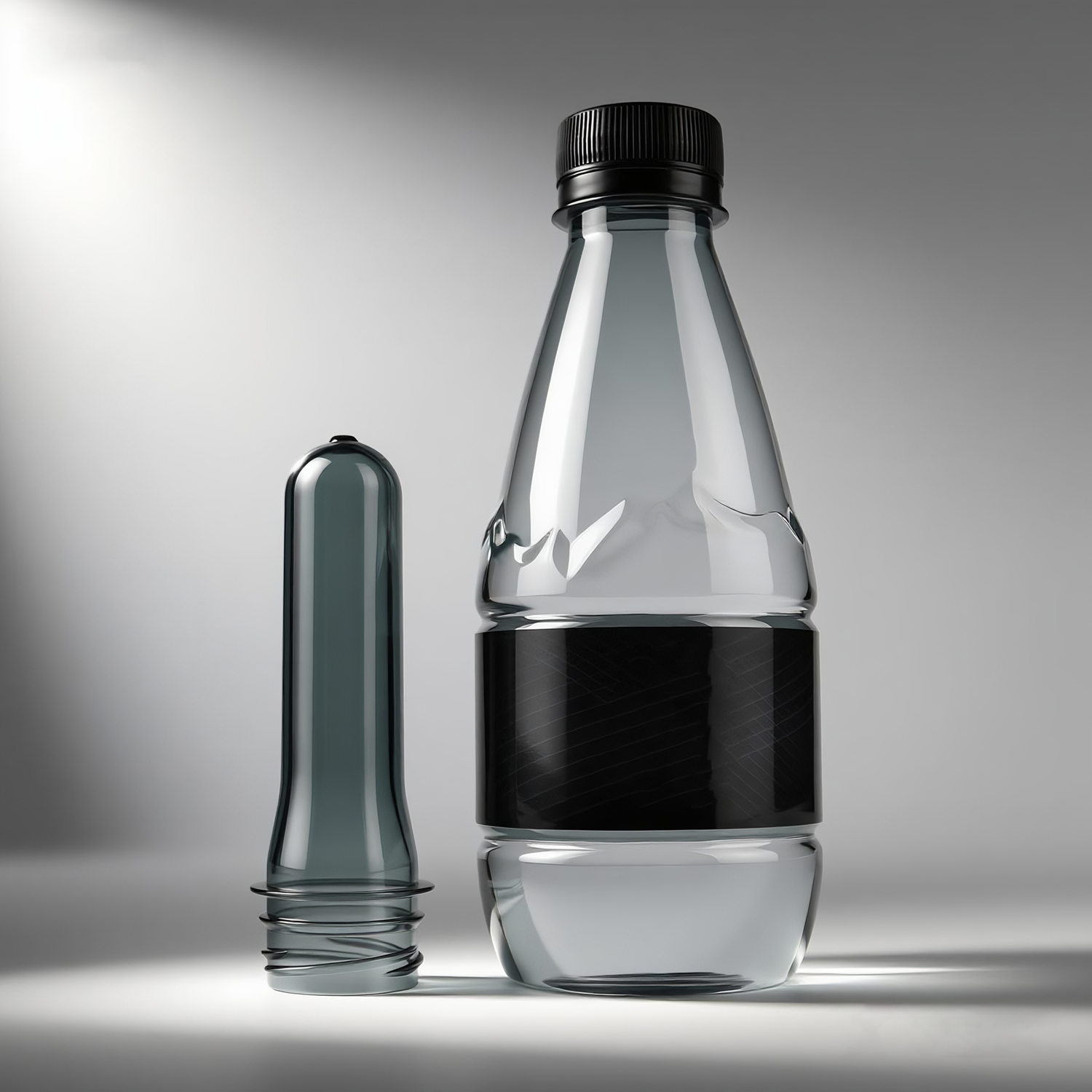
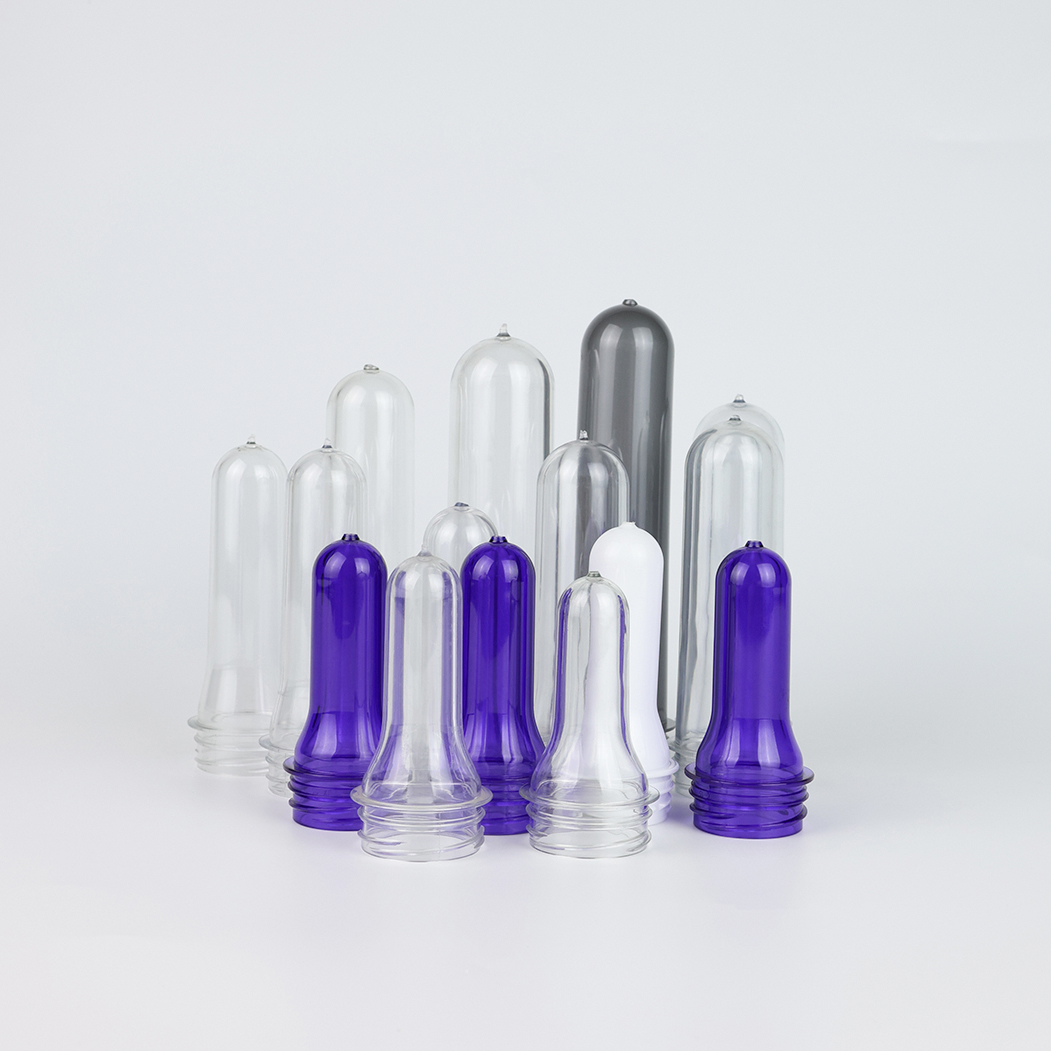
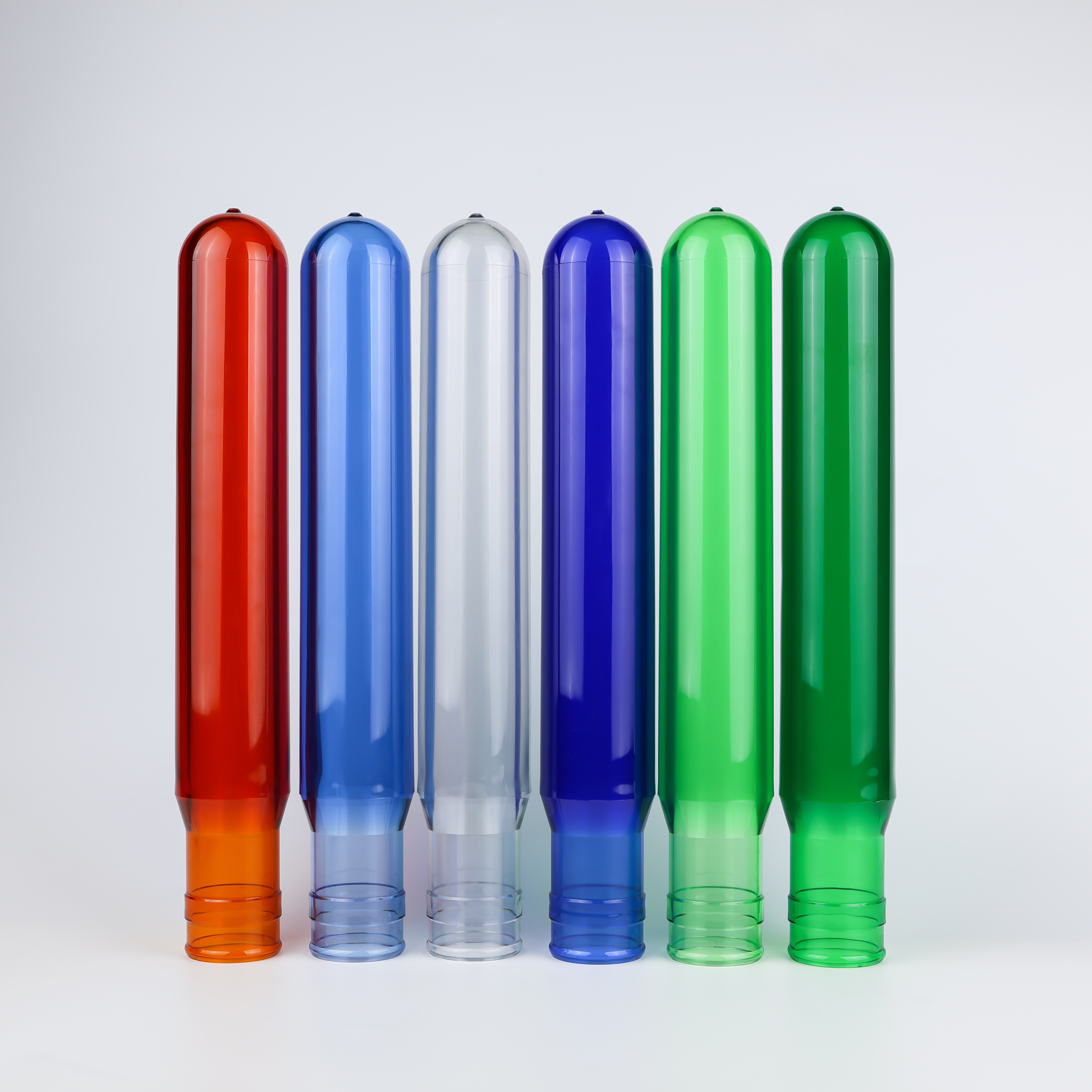
How does a clear PET preform turn into a colored bottle? Why are some colored bottles vivid and uniform, while others have spots, streaks, or even discoloration? The key often lies in the choice of colorant.
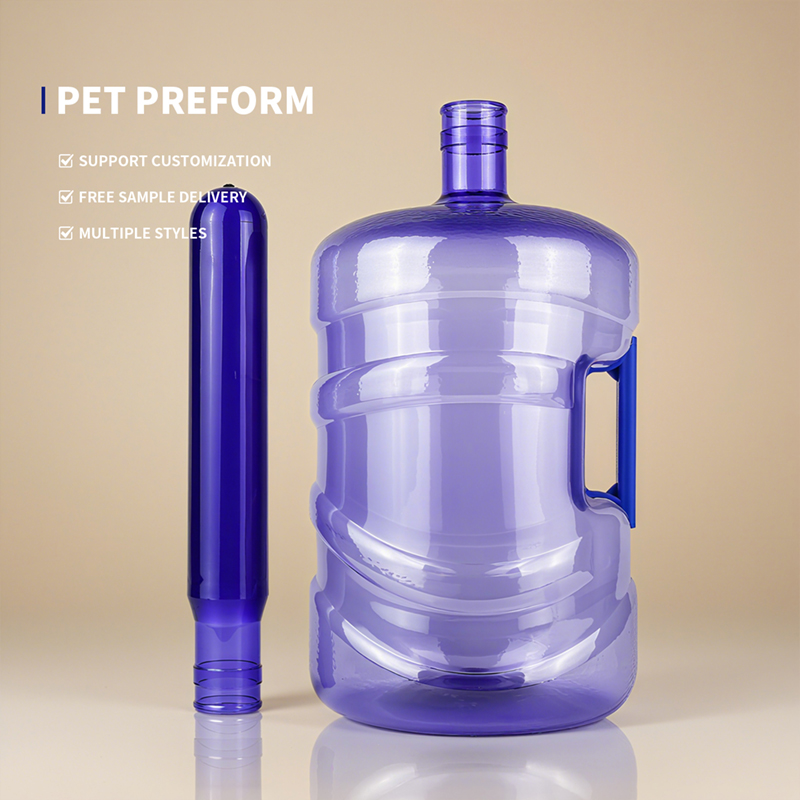
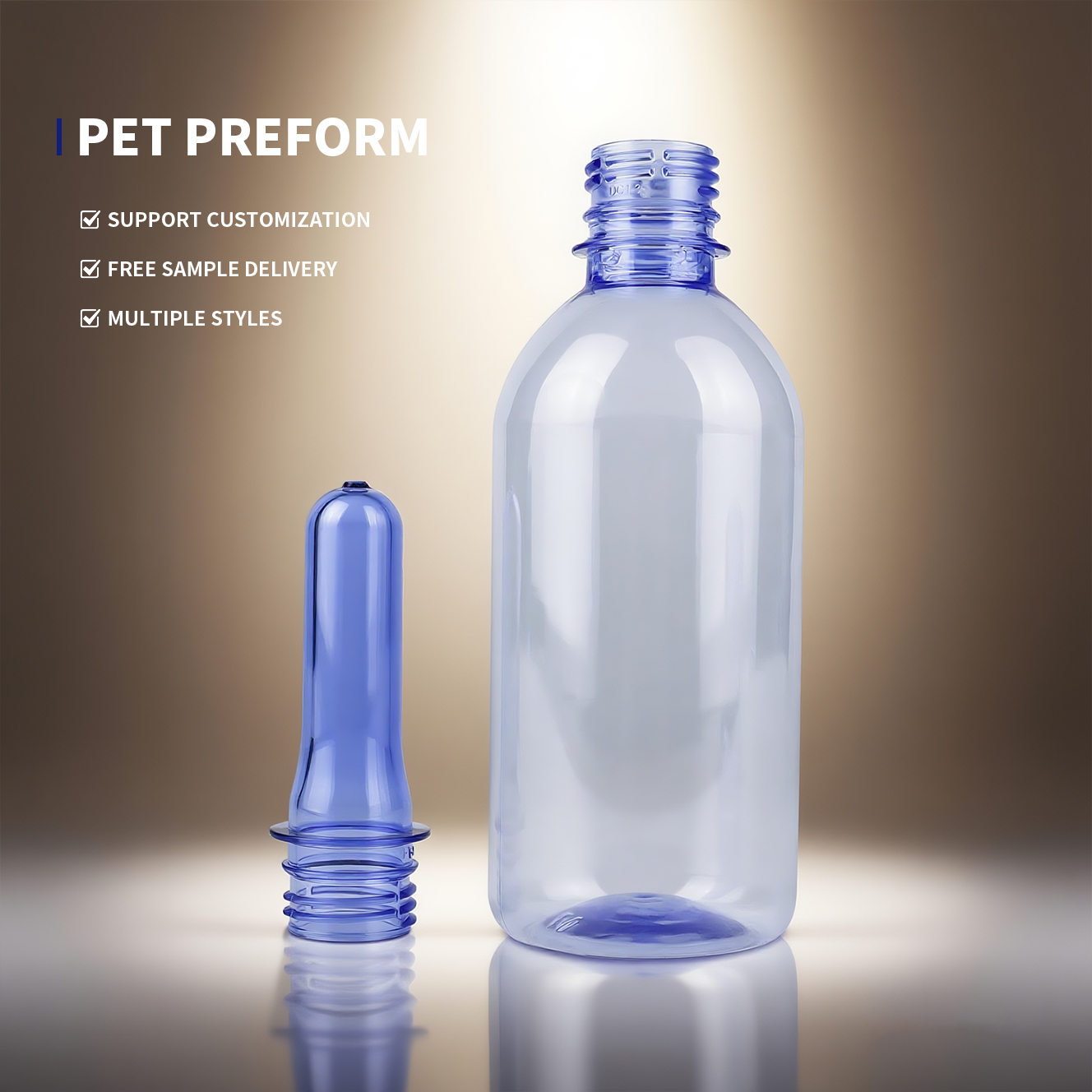
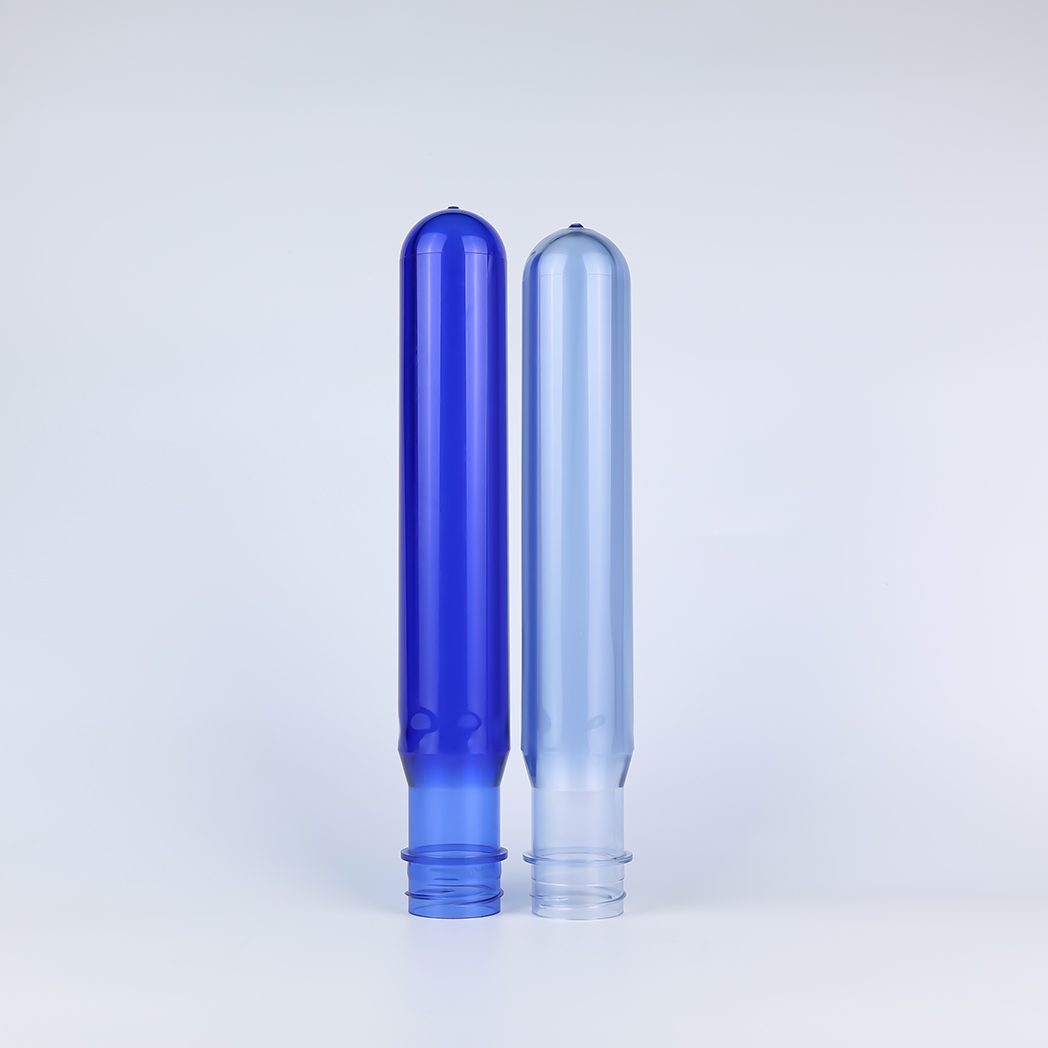
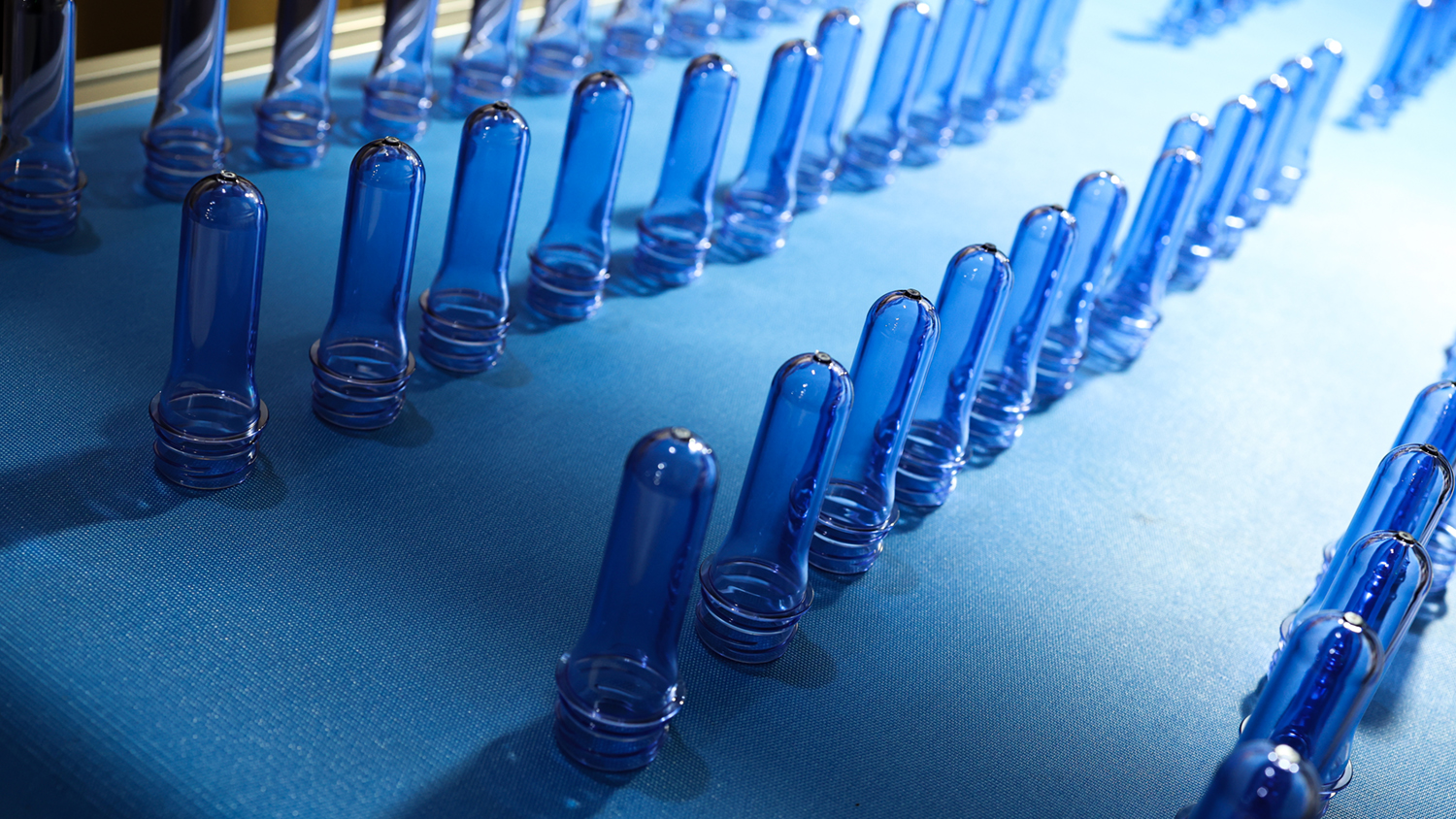
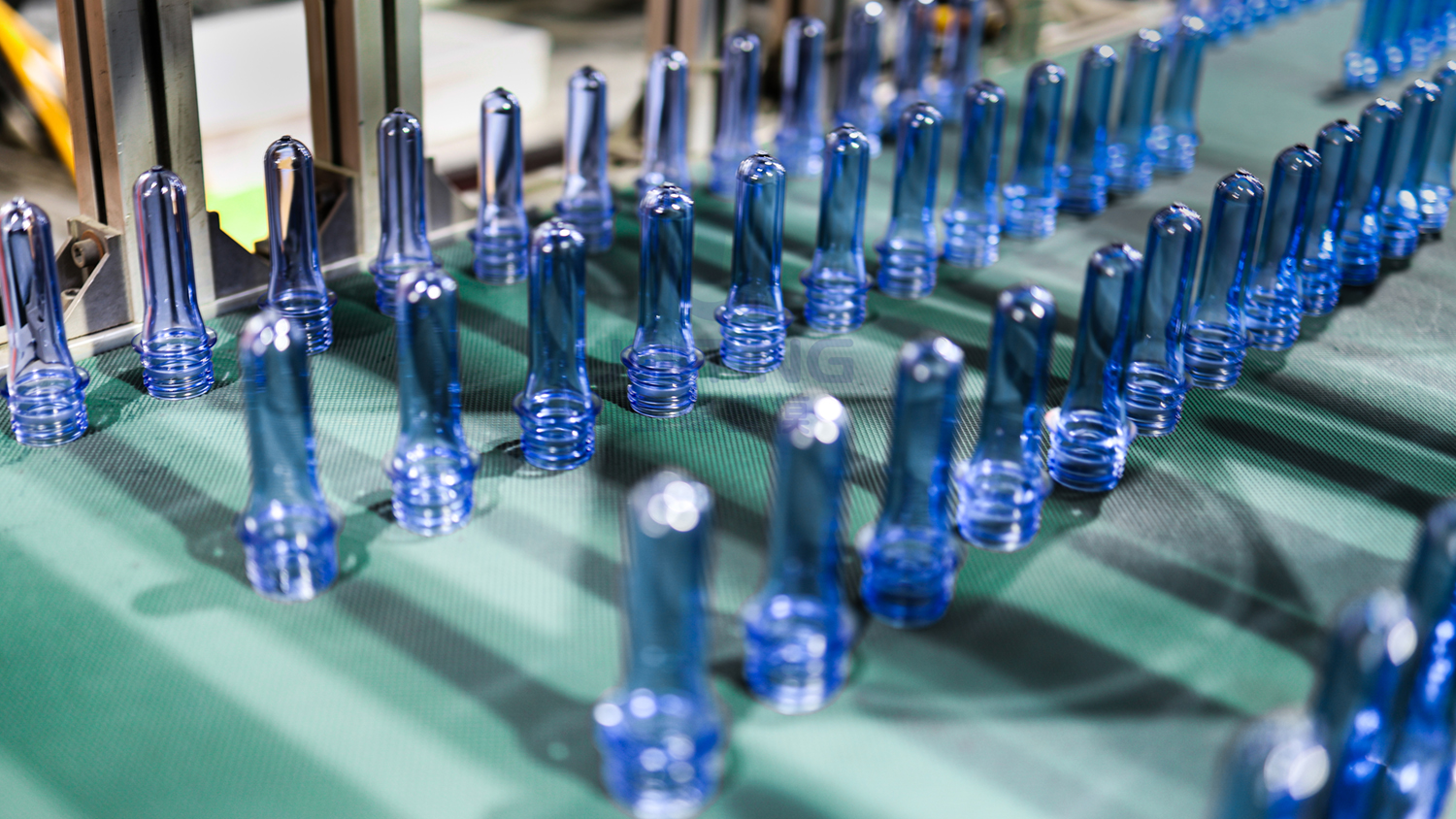
More and more brands are pursuing packaging differentiation – light blue water, pale green soda, amber energy drinks, pink sports drinks… These colored bottles are all tinted starting from the PET preform stage. There are two main ways to color PET preforms: masterbatch and liquid colorant.
 |
 |
 |
What are the differences between these two coloring methods? How to choose for food-grade applications? This article compares them from six dimensions: principle, cost, quality, efficiency, safety, and practical operation, helping you understand the logic behind the choice and providing actionable recommendations.
Masterbatch is a solid colorant. Its production process involves: mixing pigments or dyes with a carrier resin, then heating, plasticizing, mixing, and shearing to fully disperse the pigment into the carrier resin, followed by extrusion and pelletizing to produce granules similar in size to PET chips.
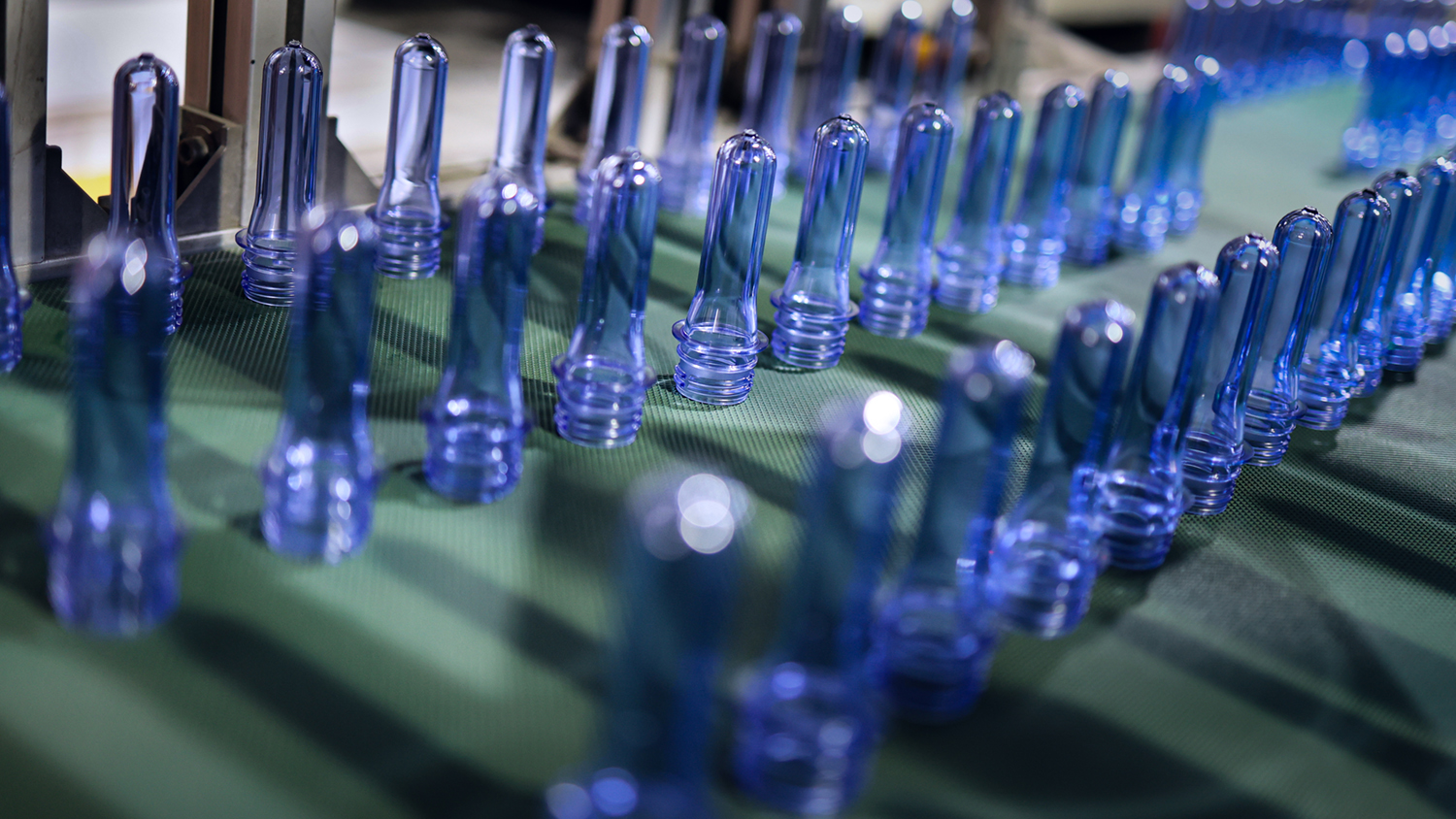
Simply put, it is “making pigments into plastic pellets that look just like the base resin.” Masterbatch is one of the most widely used coloring methods in the plastics industry.
Typical composition of masterbatch:
Pigment/Dye: provides color, typically 10%–50% by weight.
Carrier resin: compatible with the base resin (for PET preforms, the carrier should be PET or a resin with good compatibility with PET).
Dispersant: helps disperse the pigment uniformly.
Other additives: antioxidants, UV absorbers, etc. (added as needed).
Liquid colorant is a resin-free liquid pigment concentrate, also known as “liquid masterbatch.” During production, the pigment undergoes multiple stages of fine grinding and high-intensity shearing, progressively reducing particle size and crushing large particles to ensure uniform dispersion. The final product is a liquid suspension with a certain viscosity. Currently, liquid colorants are mainly used for coloring PET preforms in China.
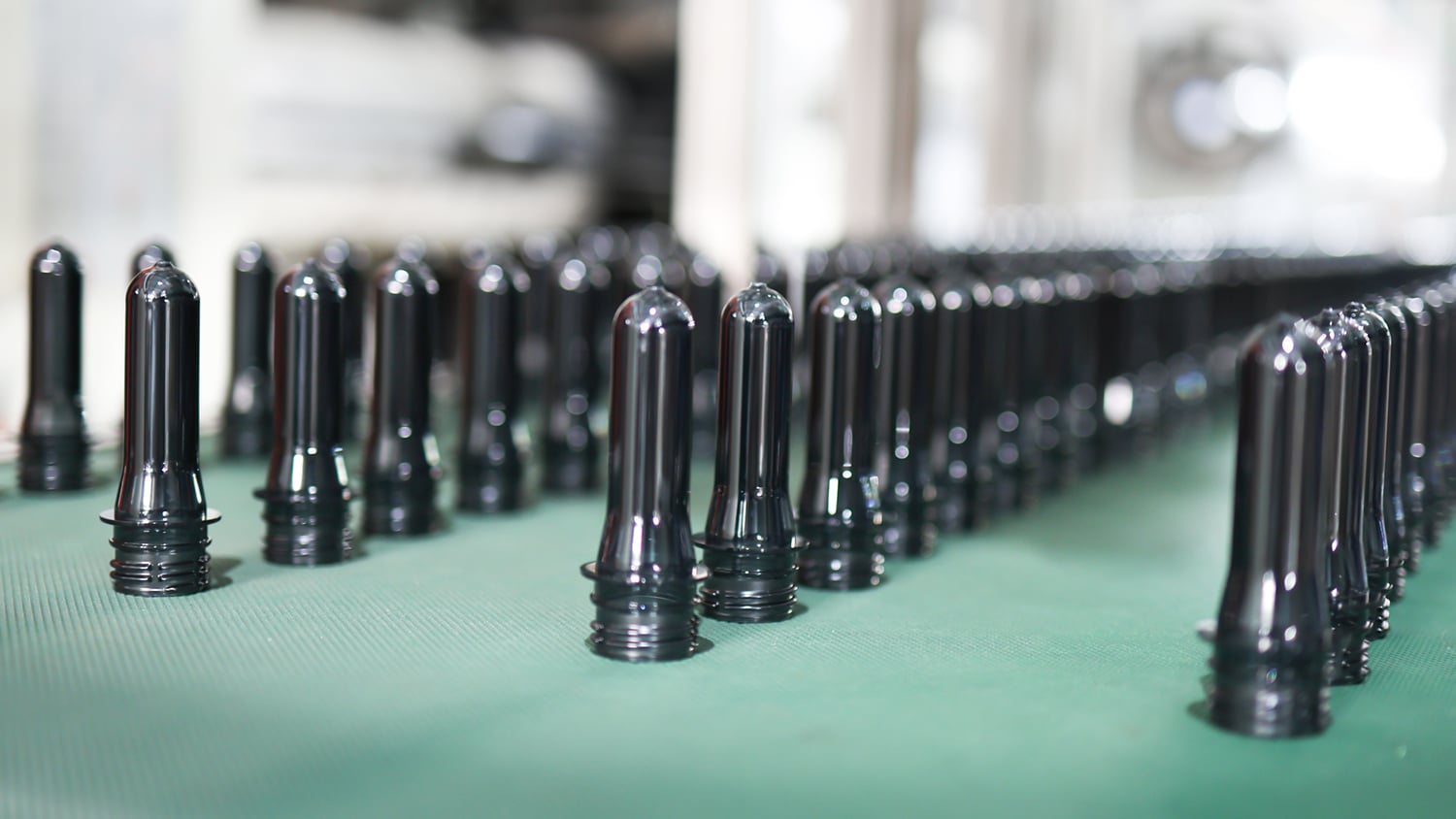
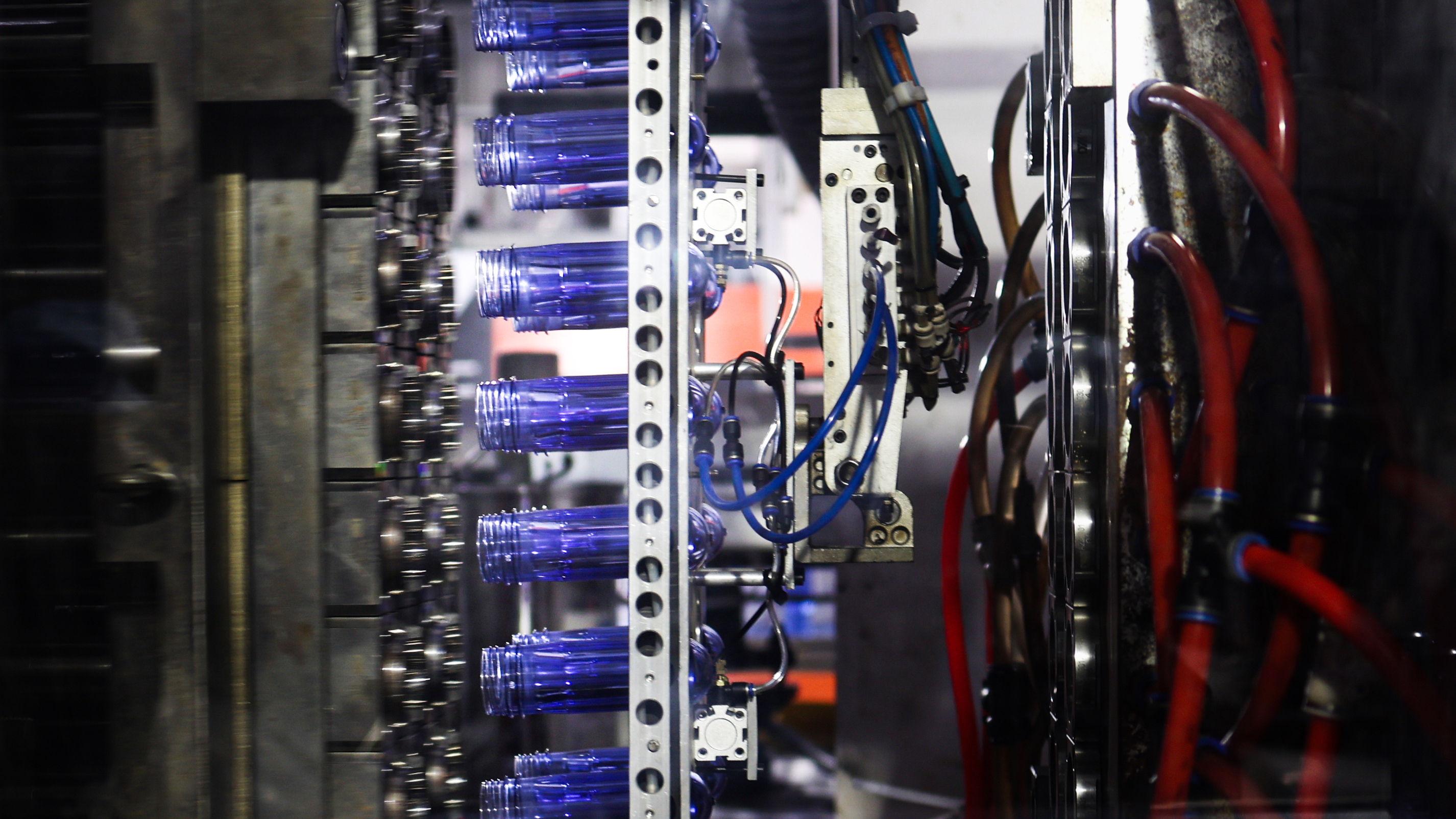
Liquid colorant is typically metered by a dedicated dosing pump and mixed with PET pellets at the injection molding machine’s feed throat to produce colored preforms.
Typical composition of liquid colorant:
Pigment/Dye: provides color, typically 30%–70% by weight – much higher than typical masterbatch concentrations.
Liquid carrier: usually a plasticizer or oligomer compatible with PET, sometimes food-grade mineral oil or synthetic oil.
Dispersant/Stabilizer: prevents pigment settling and maintains suspension stability.
If masterbatch is like “pre-mixed solid pigment pellets,” then liquid colorant is like “directly injected high-concentration liquid pigment.”
This is the most difference between the two.
Typical addition ratios:
| Colorant type | Light transparent (light blue, light green) | Medium shade | Dark/solid (amber, off-white) |
|---|---|---|---|
| Masterbatch | 1%–2% | 2%–3% | 3%–5% |
| Liquid colorant | 0.1%–0.3% | 0.2%–0.6% | 0.5%–2.0% |
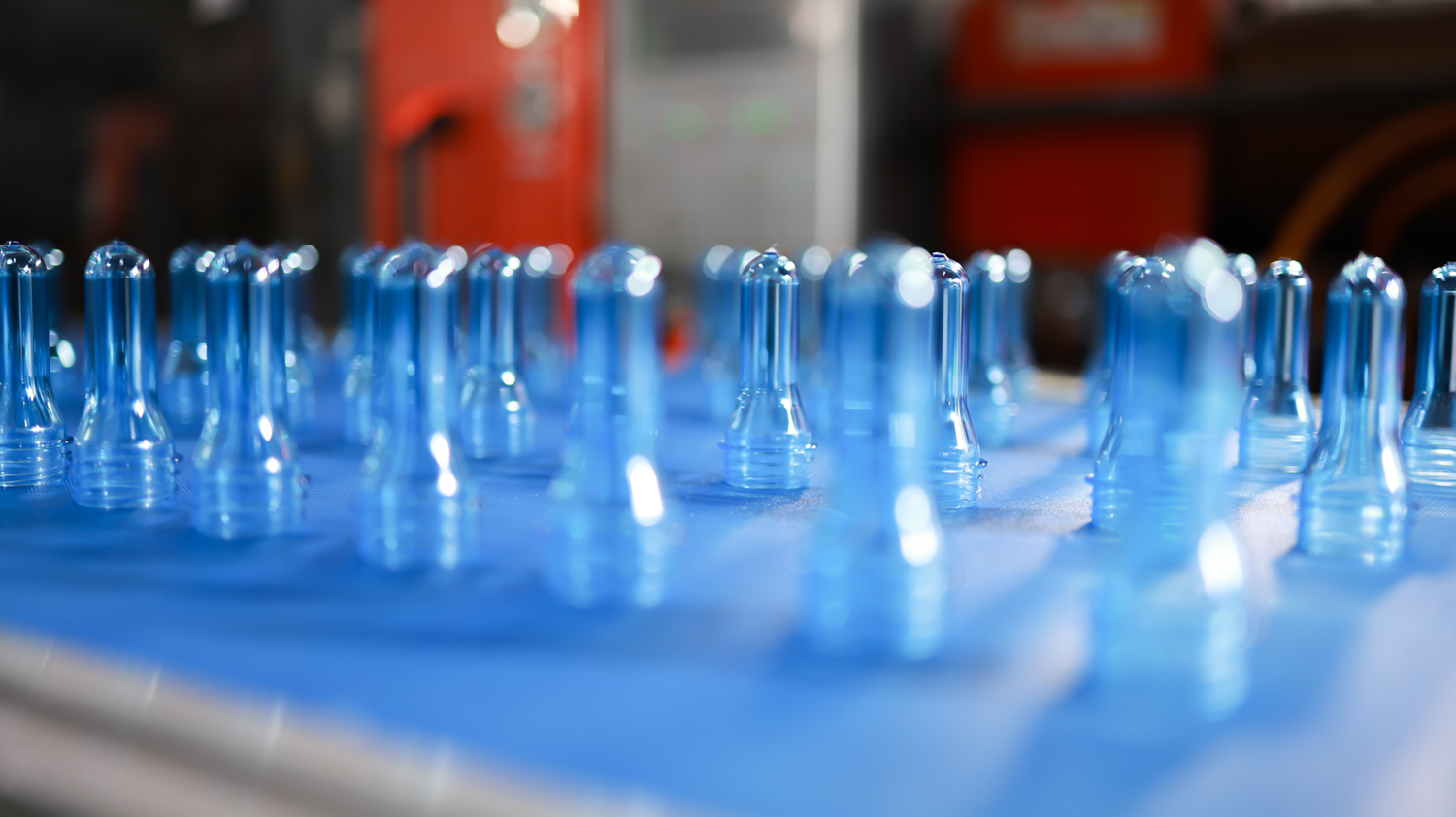
The addition ratio of liquid colorant is significantly lower than that of masterbatch – typically 20%–50% of the masterbatch dosage for the same color.
Cost calculation example:
Assume a water brand needs to produce 1 million light blue preforms, each weighing 20g – total PET consumption of 20 metric tons.
Masterbatch solution: assume masterbatch price ¥60/kg, addition ratio 1.5%, then masterbatch consumption = 20,000kg × 1.5% = 300kg, cost = 300 × 60 = ¥18,000.
Liquid colorant solution: assume liquid colorant price ¥150/kg, addition ratio 0.2%, then consumption = 20,000kg × 0.2% = 40kg, cost = 40 × 150 = ¥6,000.
Result: The raw material cost for liquid colorant is only one-third that of masterbatch.
But note: Liquid colorant requires dedicated dosing pump equipment, costing about ¥50,000–150,000 depending on the number of injection molding machines. Also, the price of liquid colorant varies by color and pigment type. Therefore, there is no absolute winner in total cost – a detailed calculation based on your specific product line and volume is necessary.
In a word: Liquid colorant uses less material and has a higher unit price, but its total cost is often lower; masterbatch uses more material and has a lower unit price, but its overall cost is usually higher, especially in large-scale production.
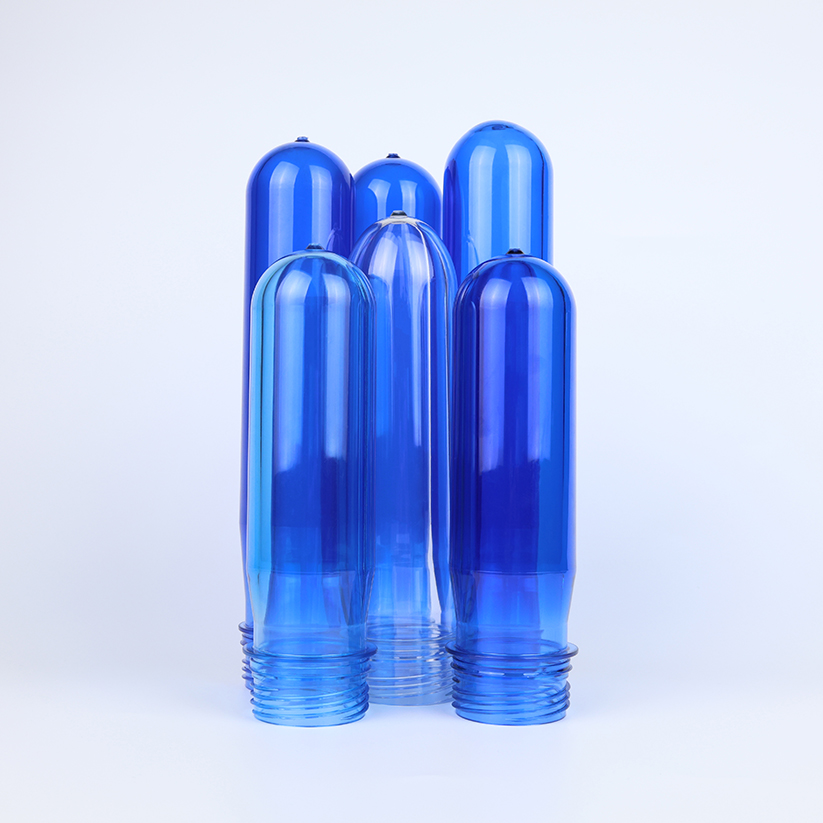
Pigments in liquid colorant are finely ground to sub-500 nanometer sizes – fifty times finer than typical masterbatch pigments – achieving an effect of “completely no specks or black spots.” Masterbatch, being solid pellets, relies on screw shearing for dispersion; if equipment or process conditions are not ideal, undispersed pigment agglomerates can appear as “color specks,” “color spots,” or “streaks.”
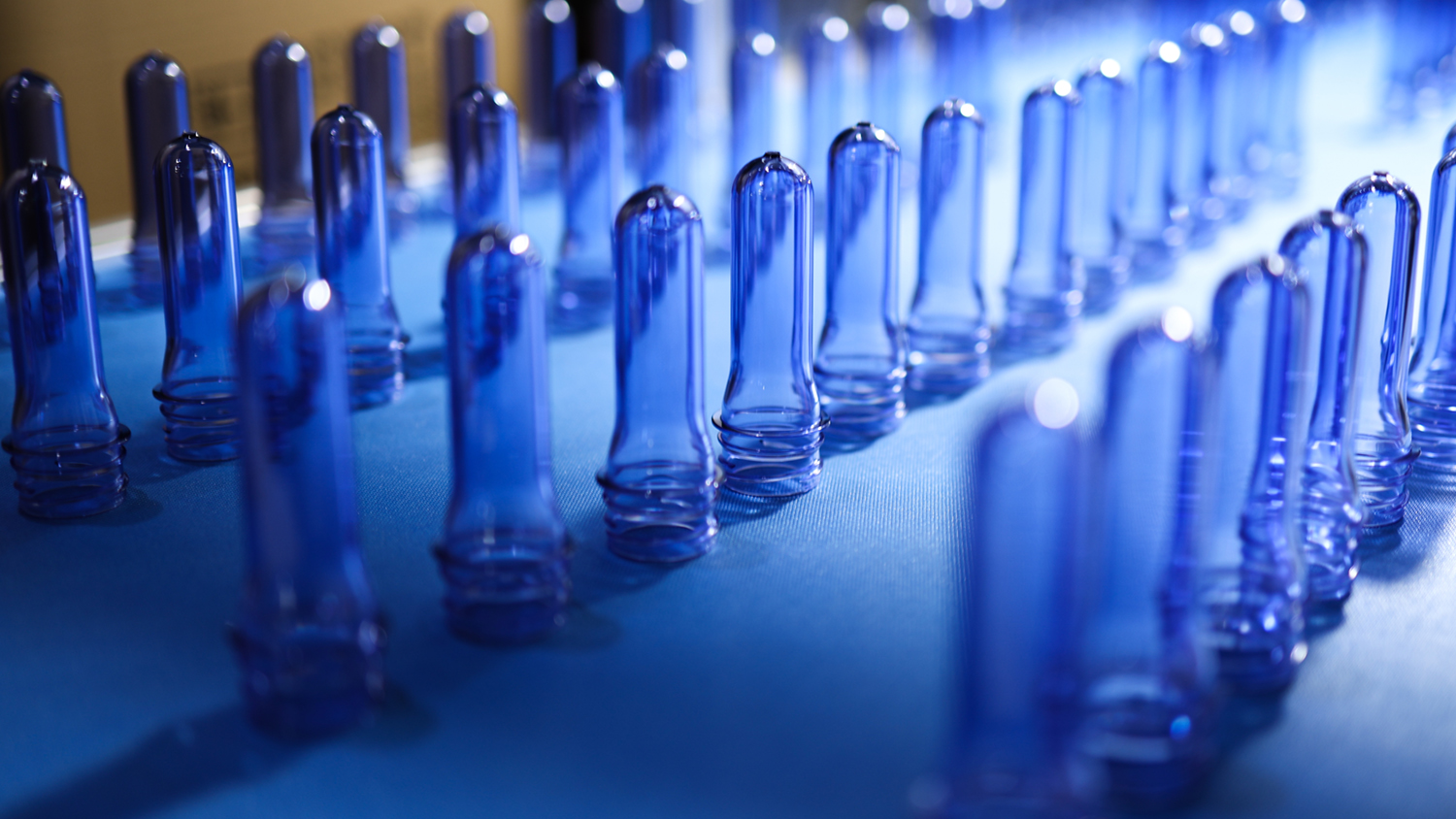
Because liquid colorant disperses more uniformly and undergoes less secondary heat history during processing, preforms colored with liquid colorant generally have better gloss and more vivid colors. This advantage is especially evident in light transparent bottles and high-clarity bottles.
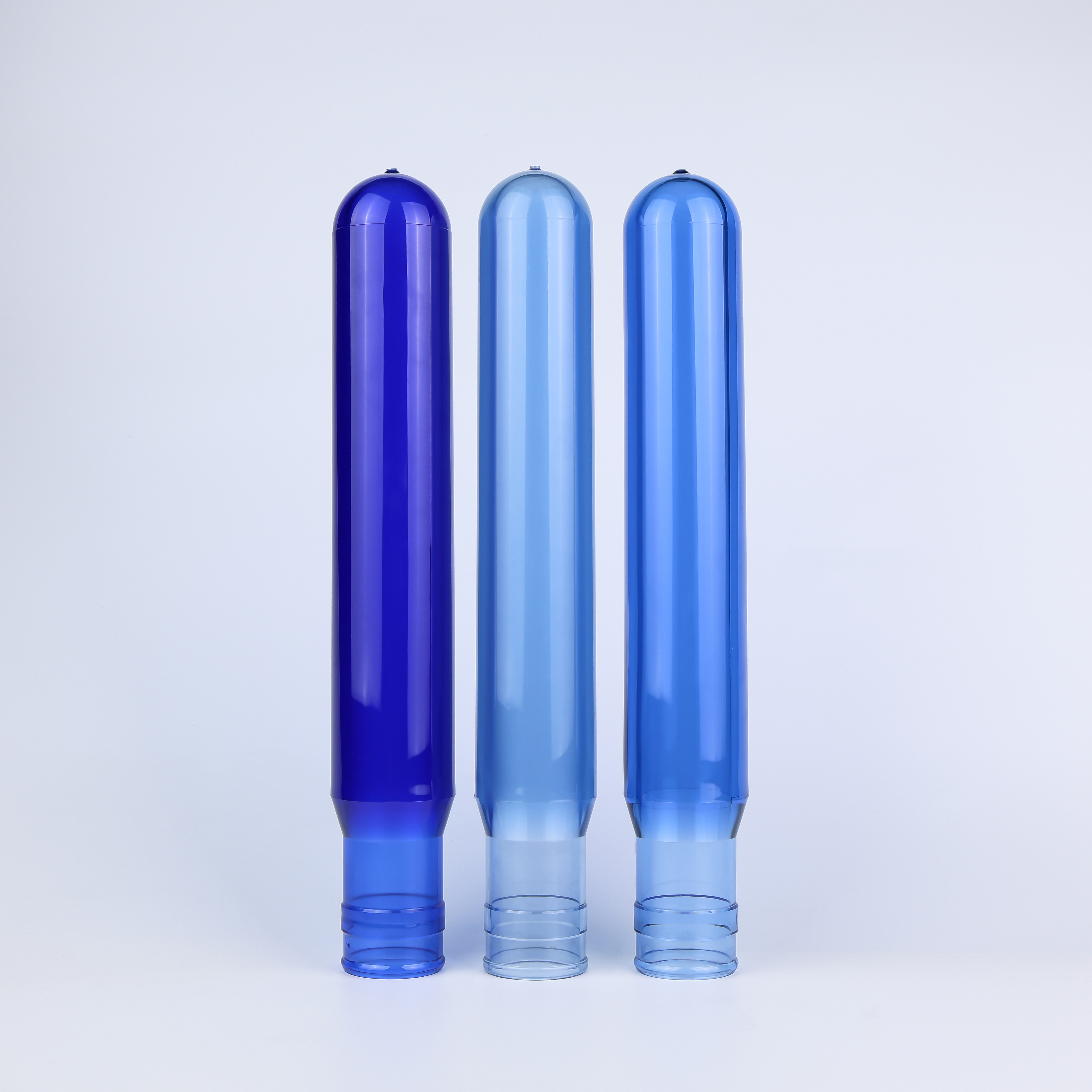
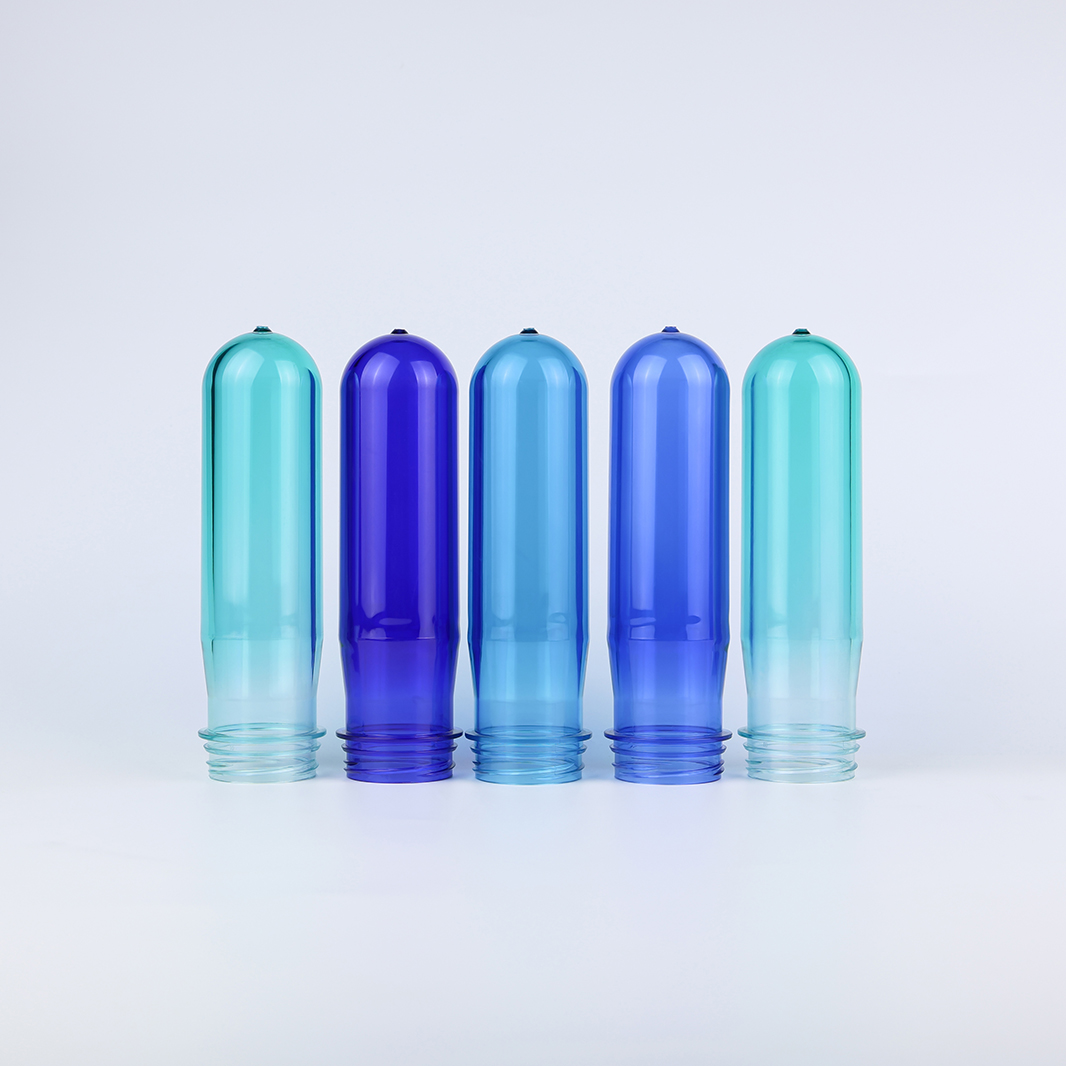
Liquid colorant is dosed by high-precision metering pumps (accuracy up to ±0.5%), resulting in small batch-to-batch color differences. Masterbatch relies on automatic dosing systems and typically has larger batch variations. It is recommended to sign a color standard sample with the supplier and define an acceptable color difference range (e.g., ΔE ≤ 0.8).
 |
 |
 |
 |
In a word: For high transparency, high gloss, and low color difference, liquid colorant has the advantage; for products with moderate color precision requirements, especially dark or solid colors, high-quality masterbatch can also meet the needs.
Liquid colorant color change process:
Stop dosing the current color.
Flush the screw with natural PET pellets (usually just a few dozen cycles).
Start dosing the new color.
Typically achieve stable new color in 30–60 minutes.
Masterbatch color change process:
Empty the hopper of the old masterbatch.
Flush with natural pellets.
Screw purging may take 100–200 cycles.
Switching from dark to light colors may take 2–4 hours.
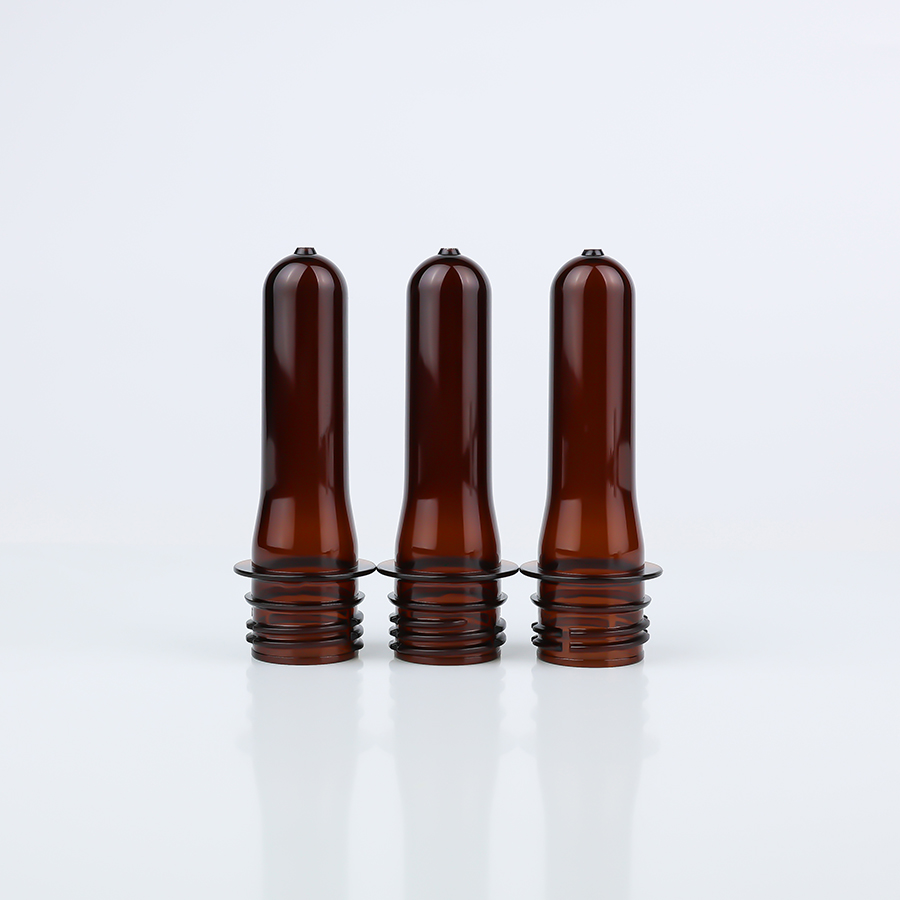
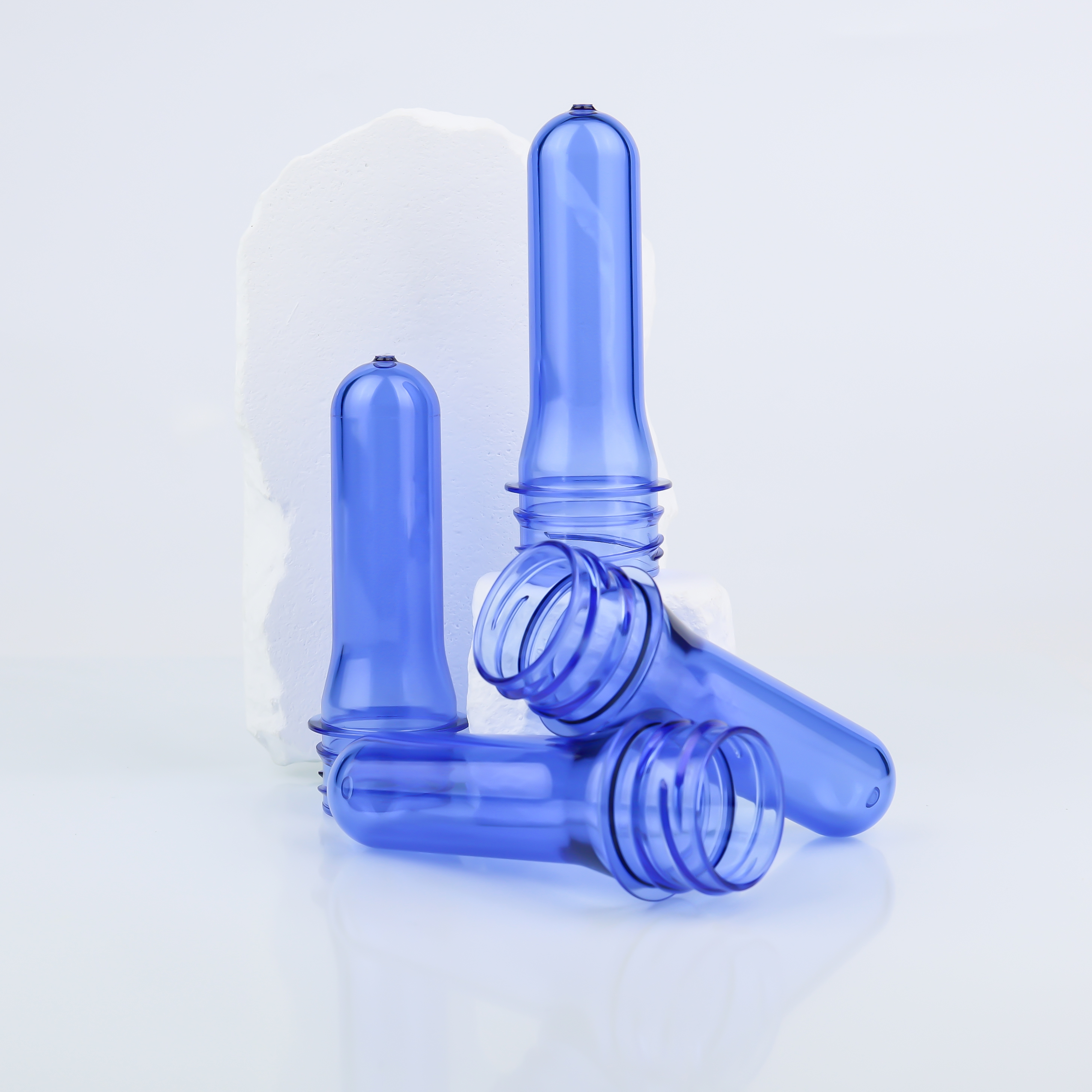
For multi-variety, multi-color, small-batch production, the color change advantage of liquid colorant significantly reduces scrap rate and downtime.
 |
 |
 |
 |
Liquid colorant requires dedicated dosing pumps and piping, with an investment of approximately ¥30,000–100,000 per injection molding machine. Masterbatch can use standard automatic dosing systems, with lower equipment barriers.
In a word: Liquid colorant is suitable for multi-variety lines requiring frequent color changes, but has high upfront equipment investment; masterbatch is suitable for large-scale, low-color-change continuous production, with low equipment requirements.
Liquid colorant:
Requires regular cleaning of dosing pumps and piping (weekly or monthly) to prevent settling or curing blockages.
Storage tanks require continuous stirring or periodic shaking.
Shelf life is typically 6–12 months.
Piping preferably with insulation or heating.
Masterbatch:
Essentially no special maintenance required – just store in a dry place.
Shelf life up to 2–3 years.
For large-scale continuous production, the difference is minor. For small-batch, multi-variety production, liquid colorant’s color change advantage is significant, but it requires more frequent equipment cleaning and maintenance.
In a word: Liquid colorant requires more maintenance but offers faster color changes and less scrap; masterbatch is easier to maintain but has slower color changes and more purging scrap.
This is the most critical consideration for food-grade PET preform coloring – non-negotiable.
Whether masterbatch or liquid colorant, colorants used in food contact materials must comply with national food safety standards. China’s current standard is GB 9685-2016 “Standard for the Use of Additives in Food Contact Materials and Articles.” For export products, additional compliance with EU (EU) No. 10/2011, US FDA 21 CFR 178.3297, and other market-specific regulations is required.
Potential risks of masterbatch:
Incompatible carrier resin may cause delamination, exudation, or migration.
Inferior pigments may release heavy metals, aromatic amines, etc.
Some additives may not be on the GB 9685 positive list.
Potential risks of liquid colorant:
With no resin carrier, migration risk is theoretically lower.
The liquid carrier must also meet food contact requirements.
When purchasing food-grade colorants from suppliers, always request and verify:
Food contact material compliance declaration
Third-party test reports (heavy metals, aromatic amine migration, etc.)
Ingredient list
Certificate of Compliance (CoC)
For export products, compliance documents in the destination country’s language
| Comparison dimension | Masterbatch (solid) | Liquid colorant (liquid) |
|---|---|---|
| Physical form | Solid pellets | Resin-free liquid concentrate |
| Typical addition ratio | Light transparent 1%–2%; dark 3%–5% | Light transparent 0.1%–0.3%; dark 0.5%–2% |
| Dispersion uniformity | Fair, depends on screw shear | Excellent, nano-scale fineness |
| Color gloss | Fair | Excellent, more vivid |
| Color difference stability (ΔE) | Typically 0.5–1.5 | Typically 0.3–0.8 |
| Color change speed | Slow, 1–4 hours | Fast, 0.5–1 hour |
| Color change scrap | High | Low |
| Equipment requirement | Low | High, requires dedicated dosing pump |
| Equipment investment per machine | ¥0 | approx. ¥30k–100k |
| Maintenance cost | Low | Relatively high |
| Shelf life | Long (2–3 years) | Shorter (6–12 months) |
| Food safety | Carrier must be compatible with PET; pigments compliant | No carrier, lower migration risk |
| Suitable production mode | Large scale, few color changes | Multi-variety, small batch, high appearance requirements |
| Production scenario | Recommended colorant | Reason |
|---|---|---|
| Single large-scale mass production | High-quality masterbatch | Low equipment investment, no frequent color changes |
| Multi-variety, small batch, high color change frequency | Liquid colorant | Fast color changes, less scrap |
| High transparency, light colors, strict brand color requirements | Liquid colorant | Excellent dispersion, good gloss, low color difference |
| Dark, solid, opaque bottles | Either masterbatch or liquid colorant | Dark colors have lower dispersion requirements |
| Large factories needing both light and dark colors | Parallel lines | Take advantage of each |
High-volume products of food & beverage brands → liquid colorant recommended. Stable color, good batch consistency.
Industrial and household chemical bottles → high-quality masterbatch is sufficient. Lower color precision requirements.
Cosmetics, premium beverages, and other “appearance-driven” categories → strongly recommend liquid colorant. Gloss and brilliance are core competitive advantages.
Children’s drinks, fun packaging → liquid colorant. Can achieve special effects like pearlescent, fluorescent, and gradient colors.
Whichever method you choose, always ensure:
The colorant complies with applicable standards (GB 9685, EU 10/2011, FDA, etc.).
The supplier provides food contact material compliance declarations and test reports.
Perform necessary incoming inspections for each batch (color fastness test, heavy metal migration, etc.).
Establish a colorant retention and traceability system.
A: Technically yes, but not recommended. Their dosing systems are different, and mixing increases complexity. For special effects, consult your supplier for a customized solution.
A: High-quality liquid colorant does not. However, certain additives in inferior liquid colorant may decompose at high temperatures. Conduct a trial before bulk production to compare IV and AA changes.
A: Prolonged downtime may cause clogging. Recommendations: flush piping after daily production; clean the pump if stopped for 4 hours; thoroughly clean once a week; keep the colorant tank stirred.
A: For small batches, masterbatch is recommended – no dosing pump investment, manual mixing is possible. If high transparency is required, borrow a portable dosing pump or use pre-mixing.
A: Liquid colorant usually has a higher unit price, but due to its lower addition ratio, the total cost is often lower. A detailed calculation based on your color formulation and annual volume is needed.
A: Yes, but the colors will mix into gray or muddy shades, typically only usable for dark or black products. It is recommended to sort and store scrap by color.
Masterbatch and liquid colorant represent two coloring approaches – solid vs. liquid, traditional vs. advanced. Masterbatch is mature and stable, with low equipment barriers and simple maintenance. Liquid colorant offers better dispersion, more vivid colors, faster color changes, and lower long-term costs.
Returning to the original question: which one to choose?
For large-scale production of standard colors and dark bottles with moderate color precision requirements, high-quality masterbatch is sufficient. For high-end customization, light/transparent bottles demanding excellent color expression, and production lines requiring frequent color changes, liquid colorant is the right tool.
More importantly, regardless of which method you choose, food-grade compliance is a non-negotiable bottom line – it concerns not only whether the preform looks good, but also whether what goes inside the bottle is safe.
 Hot News
2026-06-04
2026-05-05
2026-01-20
2025-11-12
2025-11-11
2025-11-10

Taizhou Huangyan Jinting Plastic Mould.,LTD is a professional PET preform manufacturer with 25+ years’ expertise. ISO9001/ISO22000 certified, custom necks (28–55mm), colors, weights & molds for water/beverage brands. Contact us today.
Puhui Industrial Zone, Toutuo Town, Huangyan District, Taizhou City, Zhejiang Province, China
Copyright © 2026 Taizhou Huangyan Jinting Plastic Mould.,LTD.All rights reserved. Privacy Policy