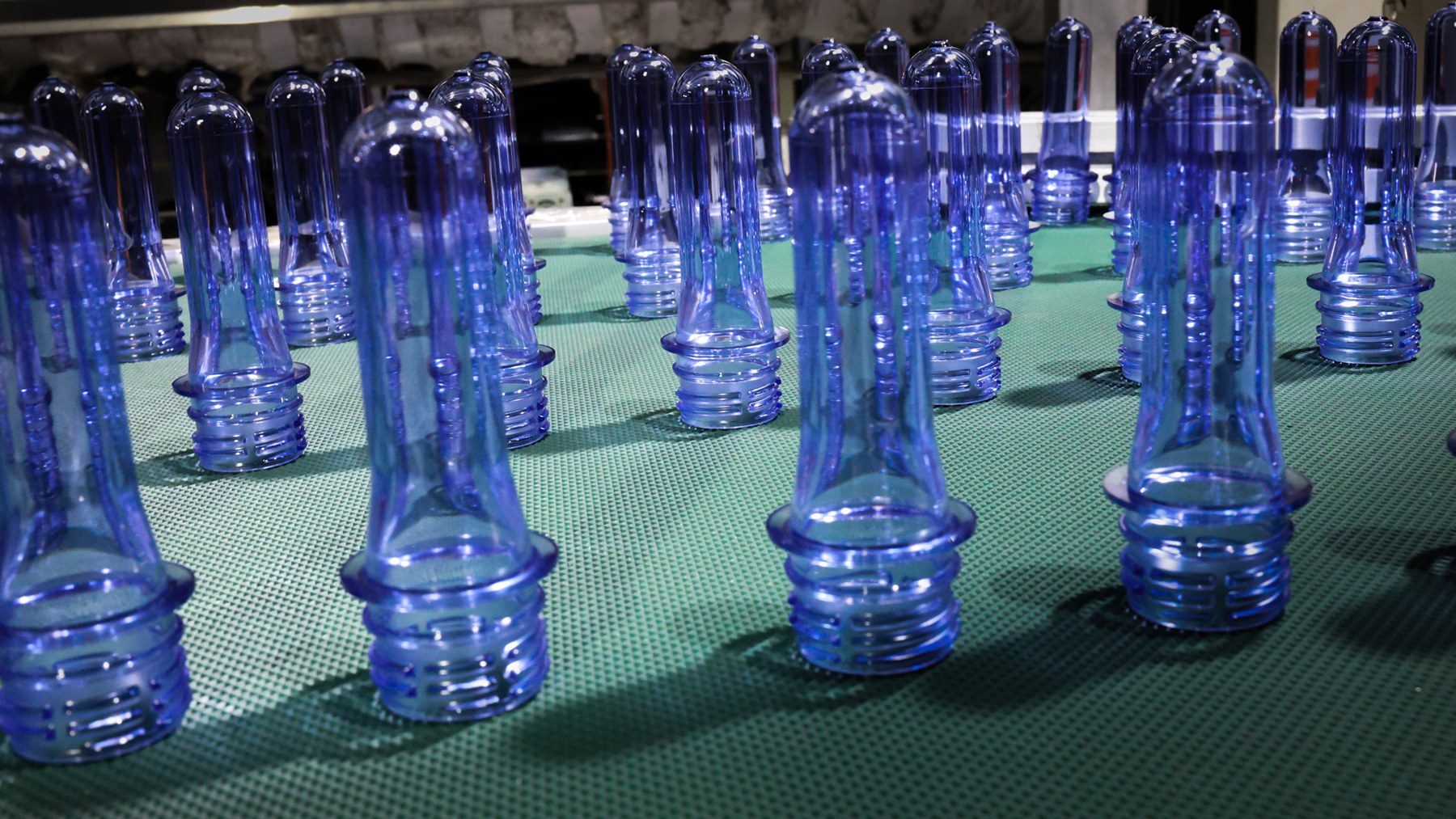
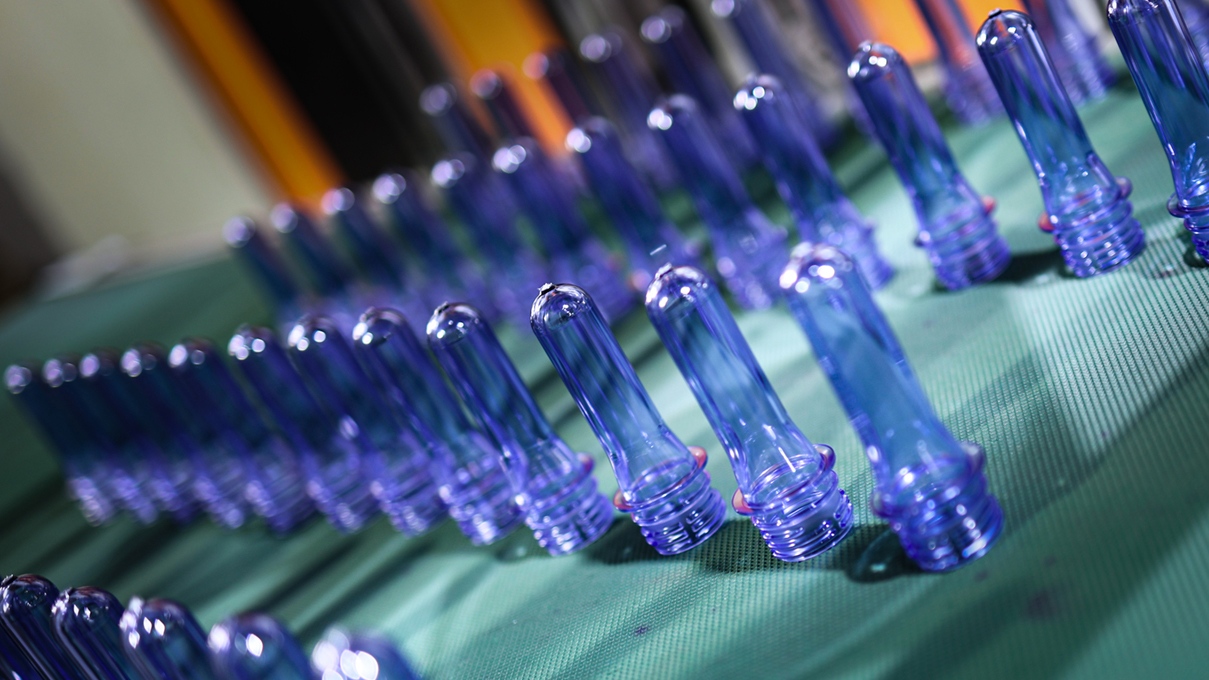
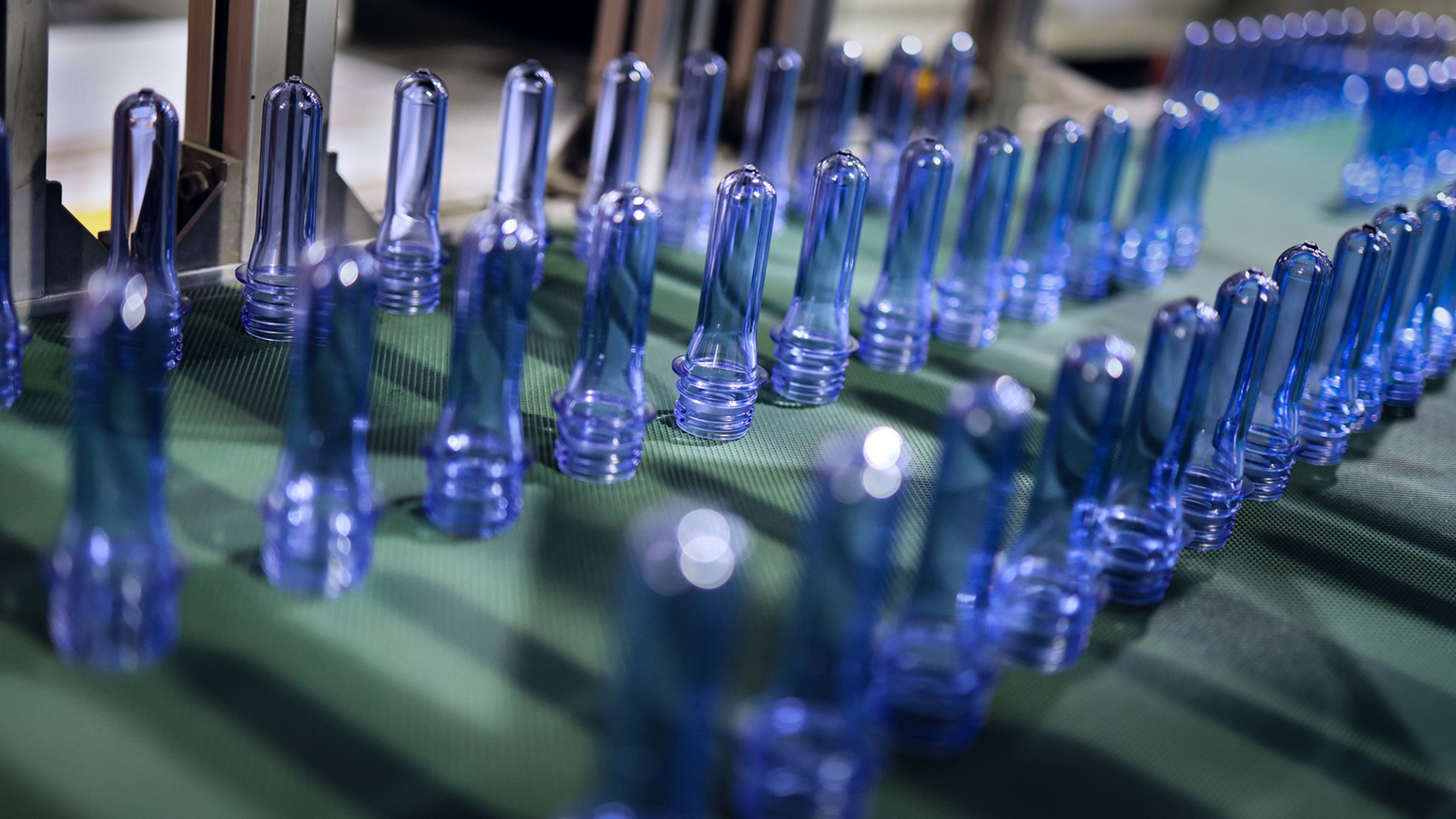
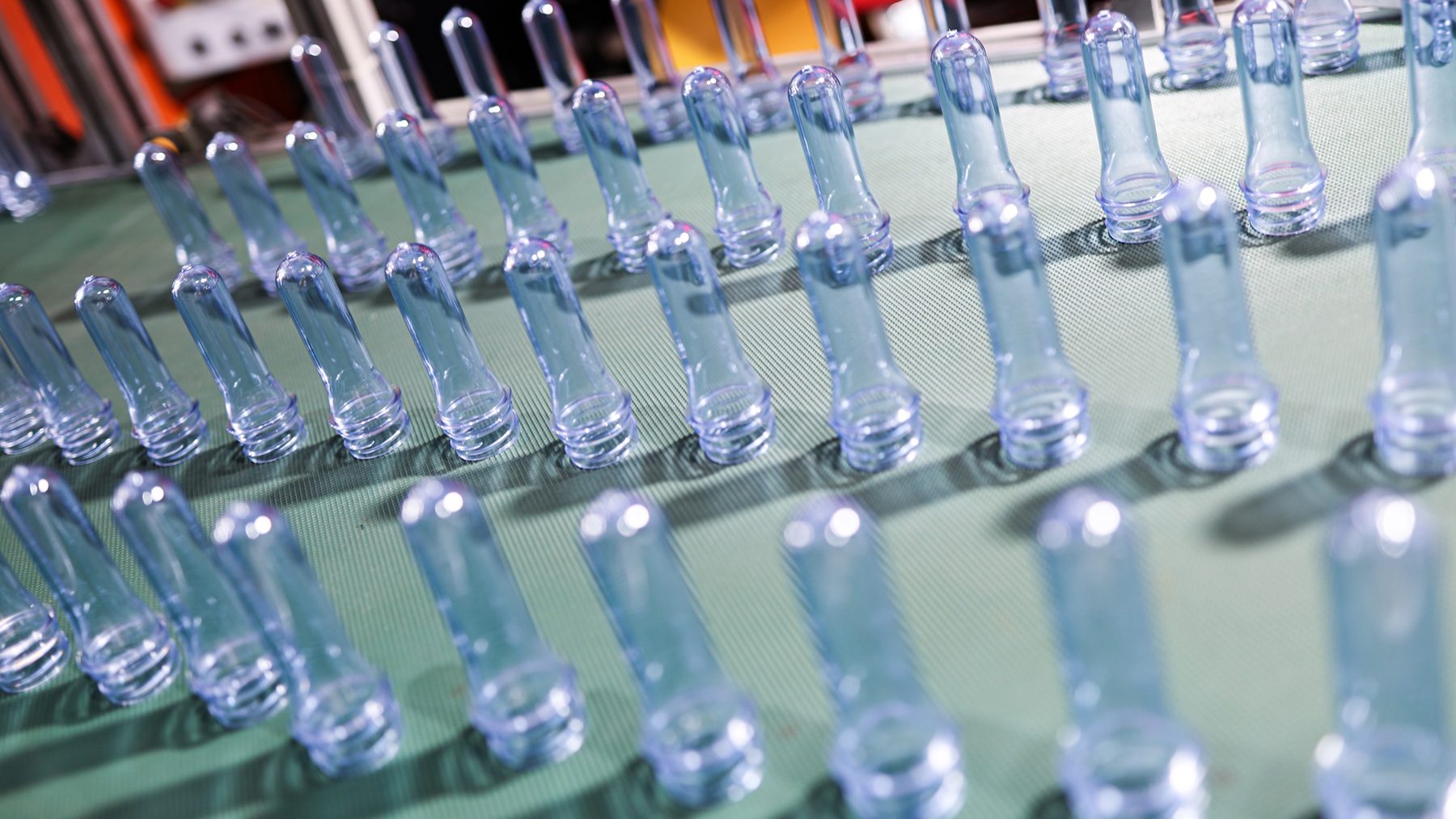
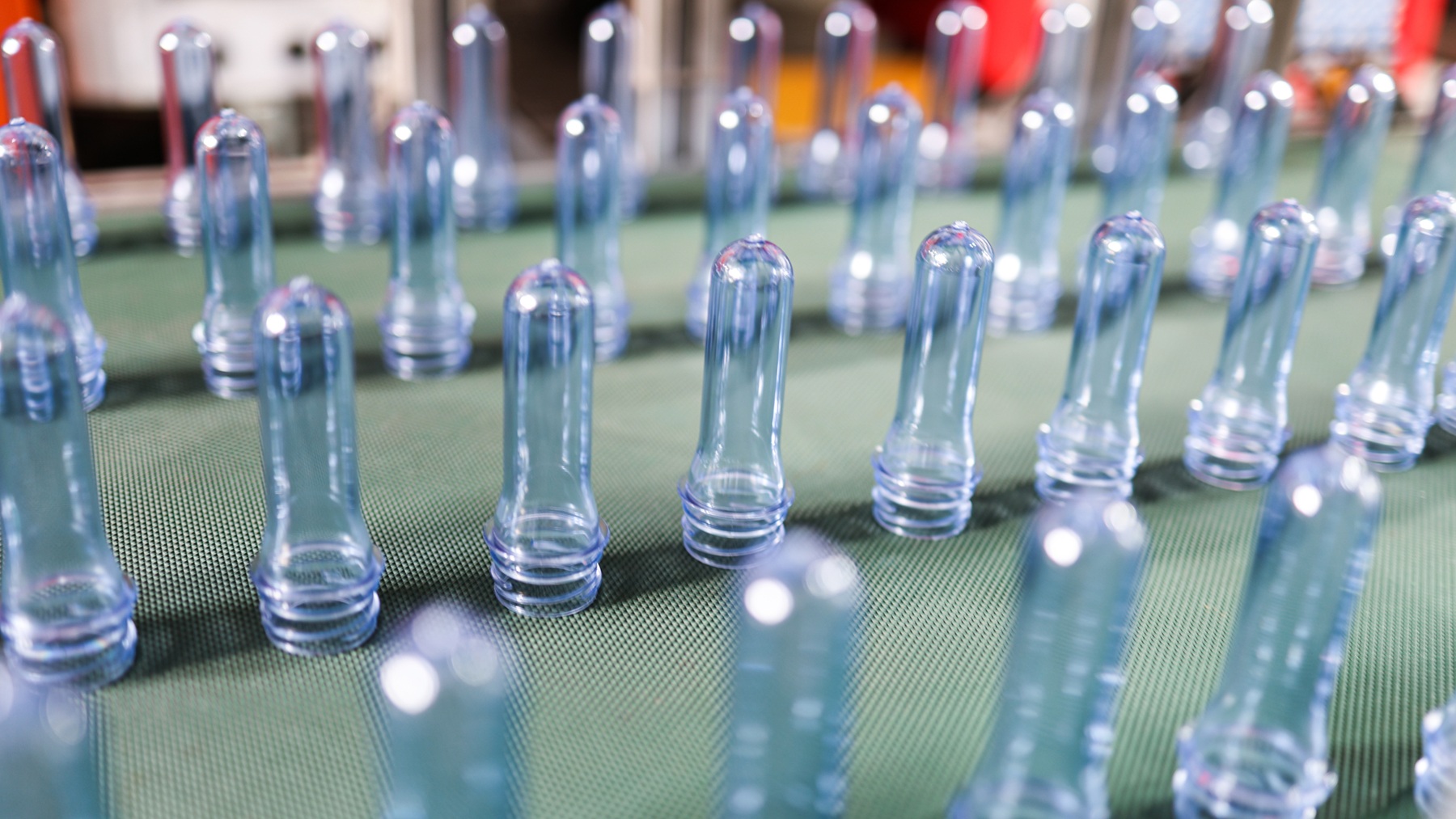
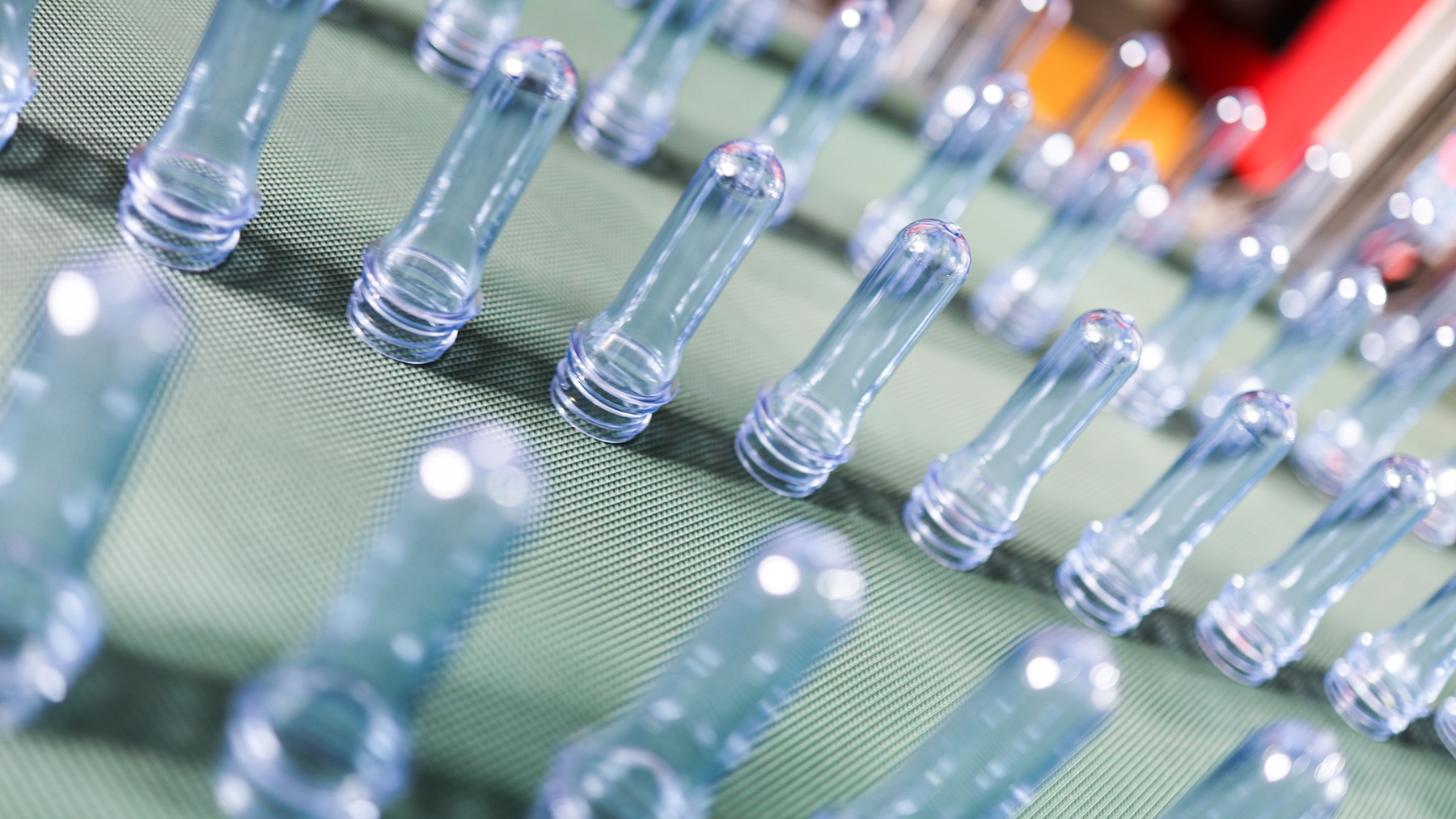
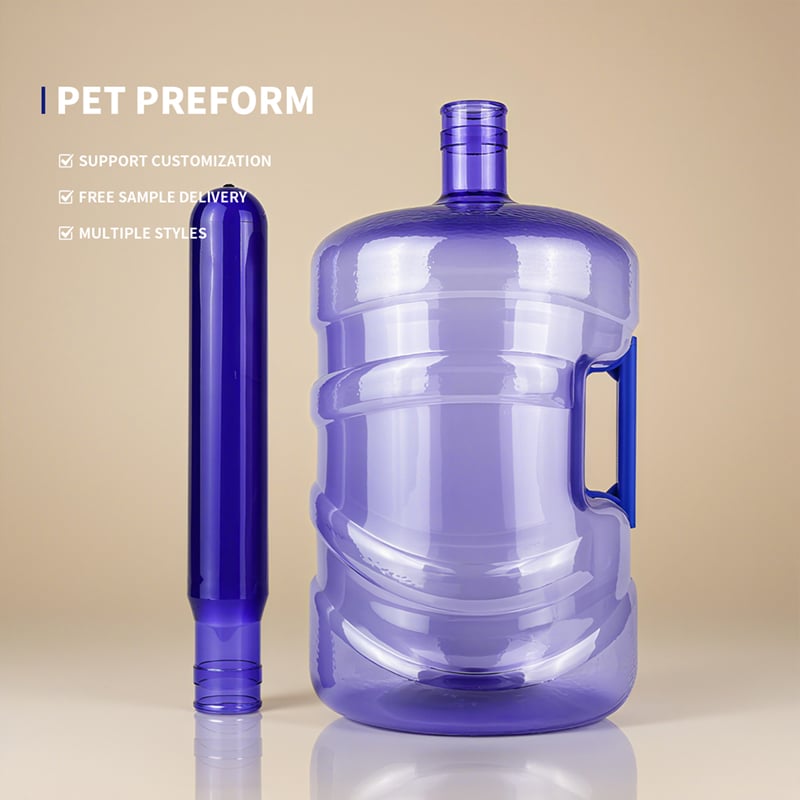
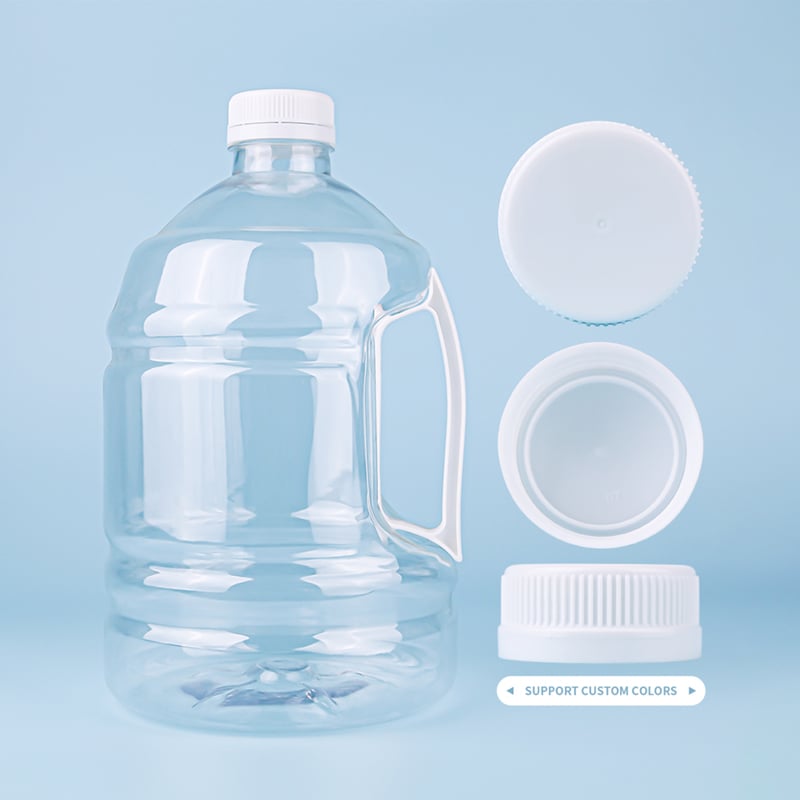
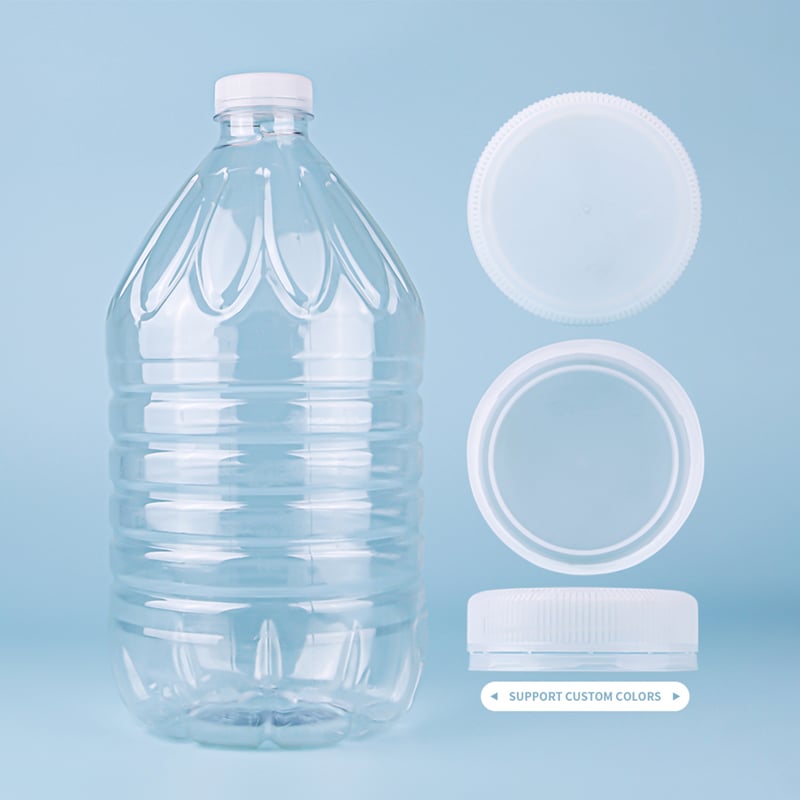
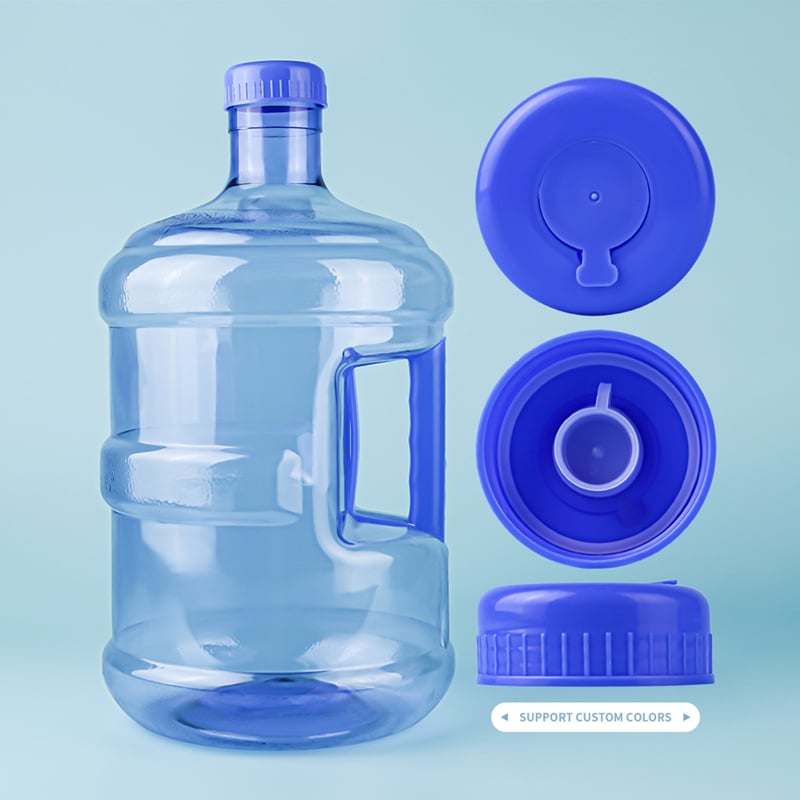
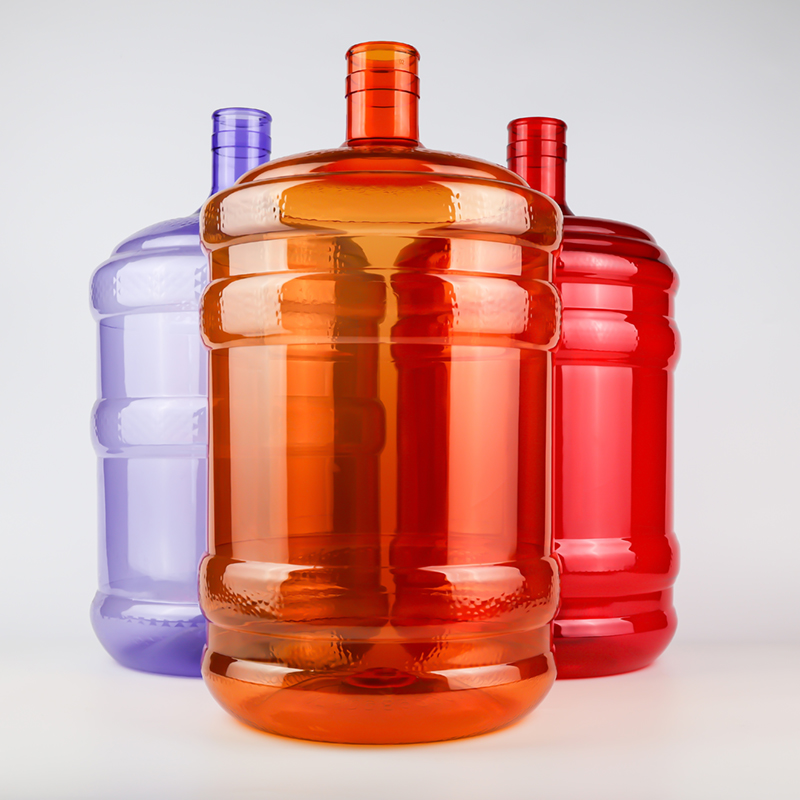
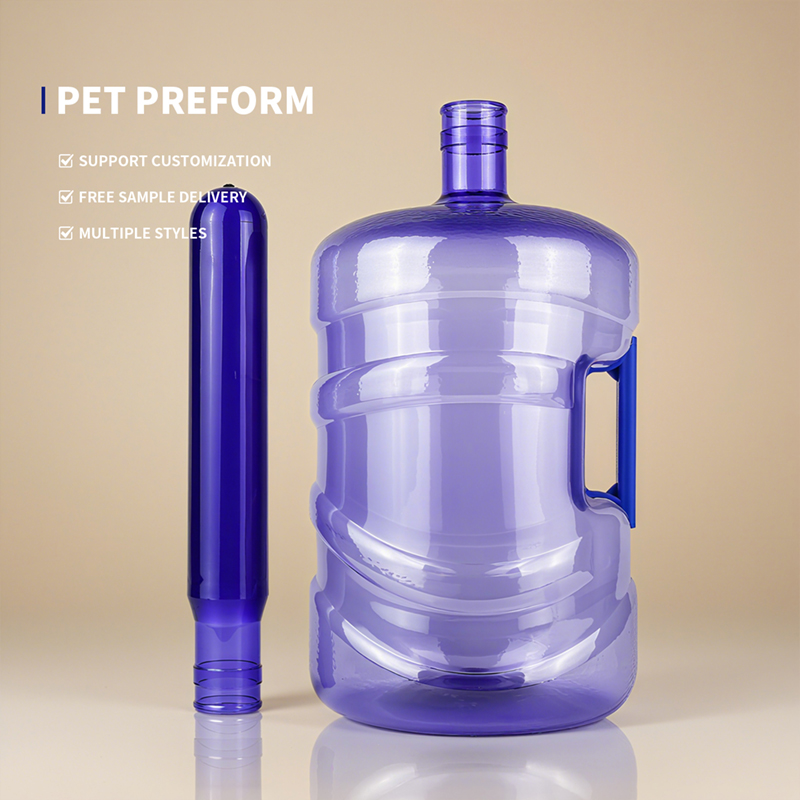
As the global packaging industry undergoes a critical transformation, food-grade PET (Polyethylene Terephthalate) preforms have emerged as a cornerstone material driving sustainable development. From food safety to circular economy, brand value to consumer experience, PET preforms are redefining modern packaging standards, offering brand owners worldwide a future-proof innovative solution.
1. Exceptional Safety Performance: Building Global Trust
The safety of food-grade PET preforms has been rigorously validated globally, establishing a solid foundation of market trust.
Molecular-Level Safety Assurance: PET material possesses a highly stable chemical structure, maintaining integrity within a temperature range of -40°C to 70°C. This ensures no leaching of harmful substances, making it perfectly suitable for various applications from refrigerated beverages to hot-fill products.
Superior Content Compatibility: PET material demonstrates excellent resistance to a wide pH spectrum, from acidic fruit juices (pH ~2.5) to mildly alkaline personal care products (pH ~9.0). Laboratory data indicates extremely low permeability rates (<0.01%) for common substances like citric acid, carbonic acid, and vegetable oils, effectively preventing flavor scalping and material degradation.
Global Regulatory Compliance: Food-grade PET is fully approved by major regulatory bodies worldwide, including the US FDA, EU EFSA, Japan's JHOSPA, and China's GB 4806.7 standards. This broad compliance provides brand owners with a seamless packaging solution for global market expansion.
2. A Model for Circular Economy: Sustainable Innovation from Preform to System
The environmental value of PET preforms lies not only in the material itself but also in the comprehensive circular economy system it enables.
Advanced Recycling Technology System: A mature global PET recycling network utilizes near-infrared (NIR) sorting, deep purification processes, and intrinsic viscosity (IV) control technology to transform used PET bottles into high-quality Recycled PET (rPET). According to PET resin industry data, the global PET recycling rate is growing steadily at approximately 6% per year.
Circular Economy Value Creation: Leading processors have achieved annual throughput capacities exceeding 15,000 tons. The production of each ton of rPET can reduce carbon emissions by up to 1.5 tons compared to virgin PET, creating an optimal balance between cost and environmental performance through economies of scale.
Brand Value Enhancement: Recent Nielsen surveys indicate that 73% of global consumers show a preference for brands that use sustainable packaging. Adopting rPET not only helps brands achieve sustainability targets but also translates directly into a competitive market advantage.
3. Performance Breakthroughs: Technology-Driven Packaging Revolution
The performance advantages of PET preforms are continuously being enhanced through technological innovation, unlocking new possibilities for the packaging industry.
Optical Performance Excellence: Modern PET preforms achieve light transmittance rates over 90% with haze levels below 2%. Combined with superior surface gloss, this provides unparalleled product visibility. Research suggests that superior package clarity can increase purchase intent by over 30%.
Mechanical Performance Optimization: Through molecular chain orientation and precise crystallization control, the impact strength of PET preforms can be more than three times greater than traditional PVC materials. This enhancement allows bottle stacking heights to exceed 4 meters, significantly optimizing storage and transportation efficiency.
Barrier Performance Innovation: The introduction of multi-layer co-injection technology and nano-coating processes has improved oxygen barrier properties by over 50% and carbon dioxide barrier by up to 70%, providing longer-lasting protection for sensitive contents.
4. Application Ecosystem: Cross-Industry Integration Creating New Value
The application boundaries for PET preforms are constantly expanding, building an innovative cross-sector ecosystem.
Deepened Beverage Sector Applications: Beyond traditional water and carbonated soft drinks, PET is now the go-to choice for high-value-added categories like functional beverages and protein drinks, meeting specific packaging needs.
Food Sector Innovations: Building on its use for edible oils and condiments, PET is advancing into new areas such as sauces and ready-to-eat meals, driving packaging upgrades in the food industry.
Cross-Sector Application Expansion: PET is making significant inroads into non-food segments including personal care, home cleaning products, and pharmaceutical packaging, demonstrating remarkable adaptation capabilities.
5. Future Trends: Deep Integration of Intelligence and Sustainability
Looking ahead, the PET preform industry is rapidly advancing towards greater intelligence, light weighting, and high performance.
Smart Manufacturing Upgrade: Industry 4.0-based smart production lines enable real-time monitoring, reducing product defect rates to below 0.1% and increasing production efficiency by over 25%.
Light weighting Breakthroughs: Through structural optimization and material innovation, the weight of a standard 500ml PET bottle has been reduced from 28g to as low as 18g, achieving a 35% reduction in material usage while maintaining performance.
Functionalization Developments: The integration of innovative technologies such as self-cleaning surfaces, smart sensor labels, and active packaging is transforming PET containers from passive vessels into active functional platforms.
As the global packaging industry strides into a new era defined by green standards, intelligence, and efficiency, food-grade PET preforms are positioned as a central force driving sustainable development. Choosing PET preforms is not merely selecting a packaging material; it is a strategic decision to align with future trends, connect with global market demands, and resonate with the principles of sustainable development. With continuous technological innovation and expanding applications, PET preforms will continue to deliver significant value for global brand owners and play a pivotal role in building a greener, smarter packaging ecosystem.
 EN
EN

 Hot News