Advanced Plastic Preform Injection Molding Solutions: Precision Manufacturing Technology for Superior Container Production

Get a Free Quote

Our representative will contact you soon.
Email
name
Phone/WhatsApp
Company Name
Message
0/1000

plastic preform injection molding

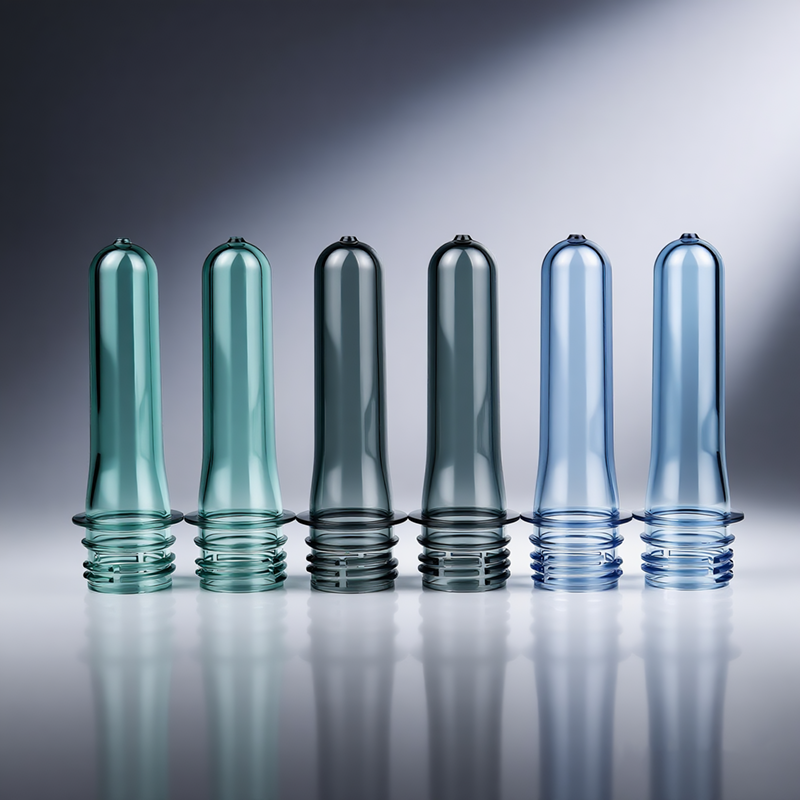
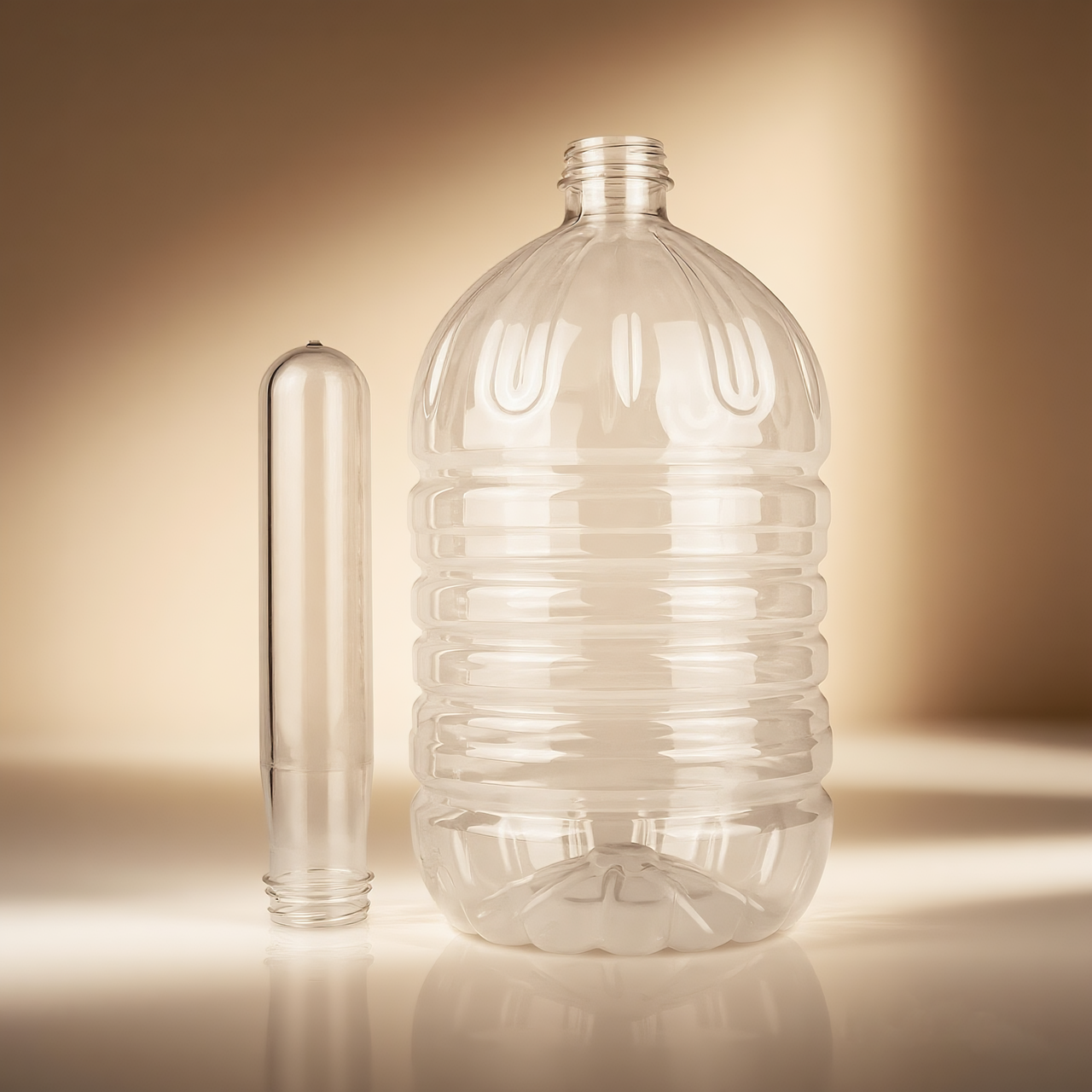
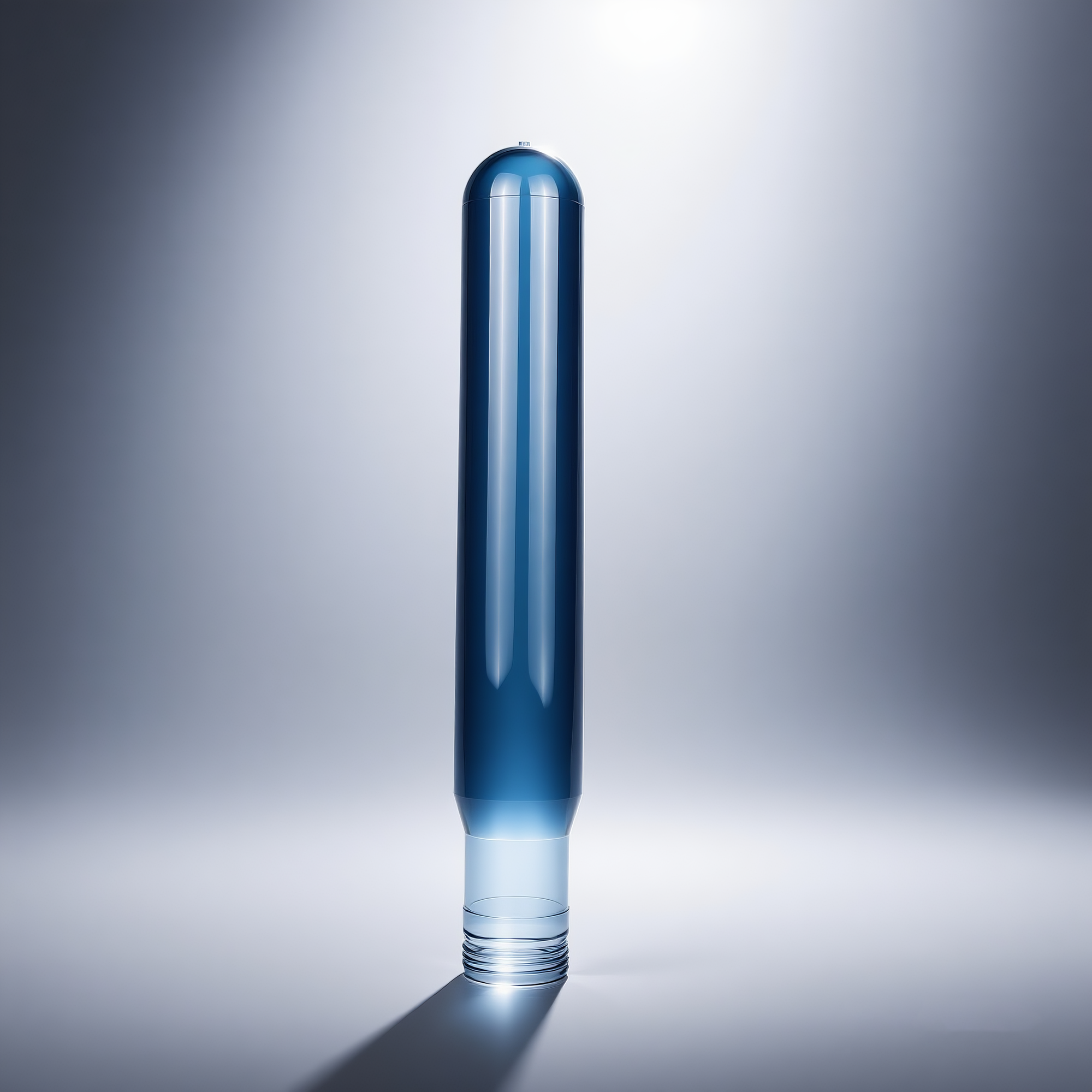
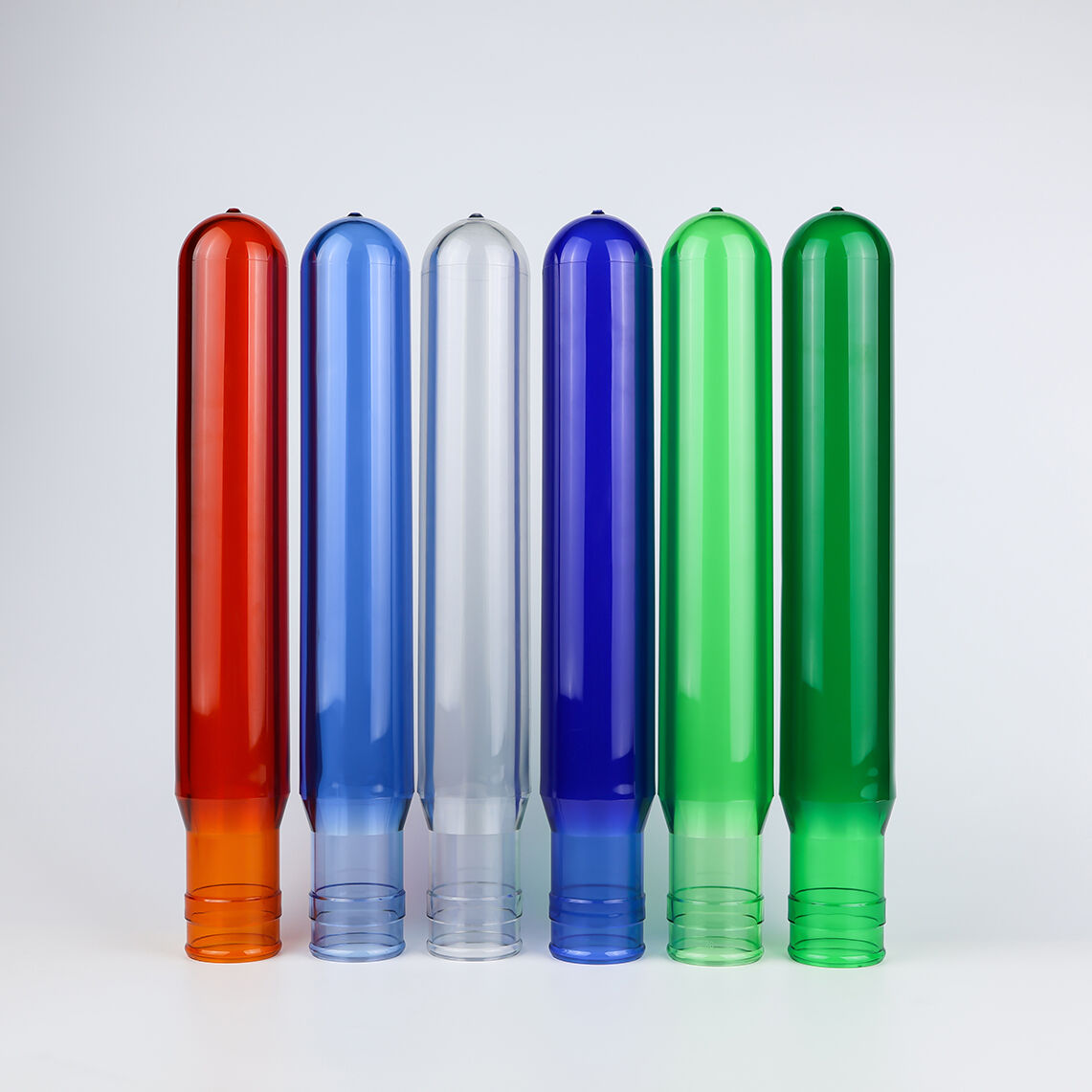
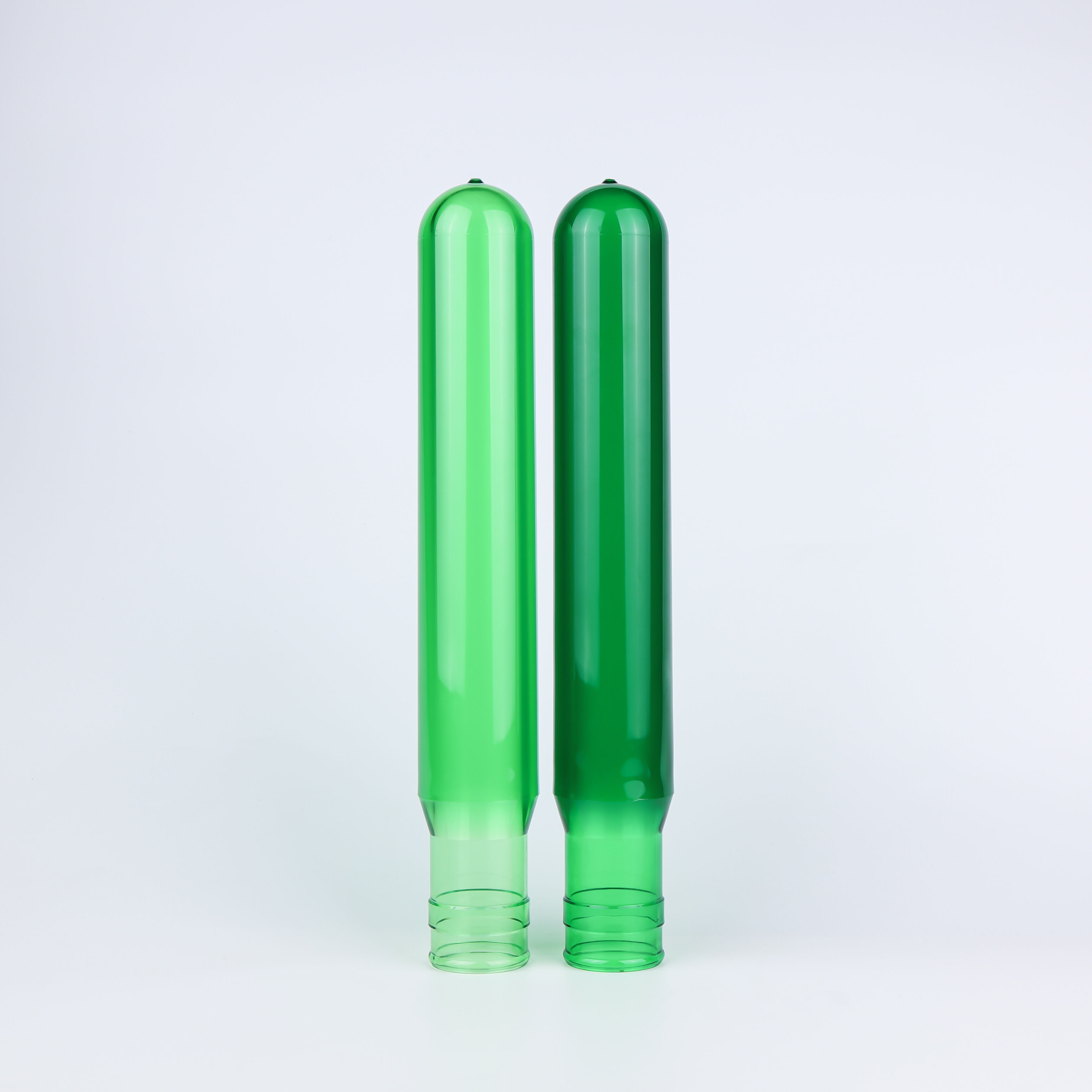
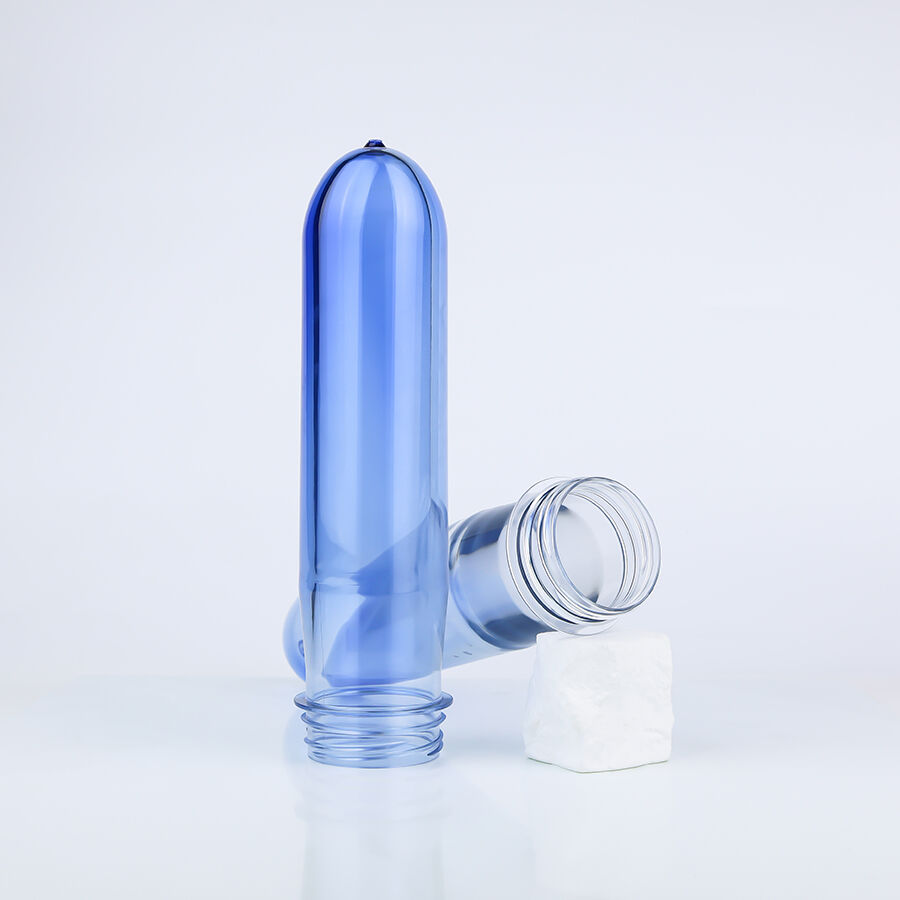
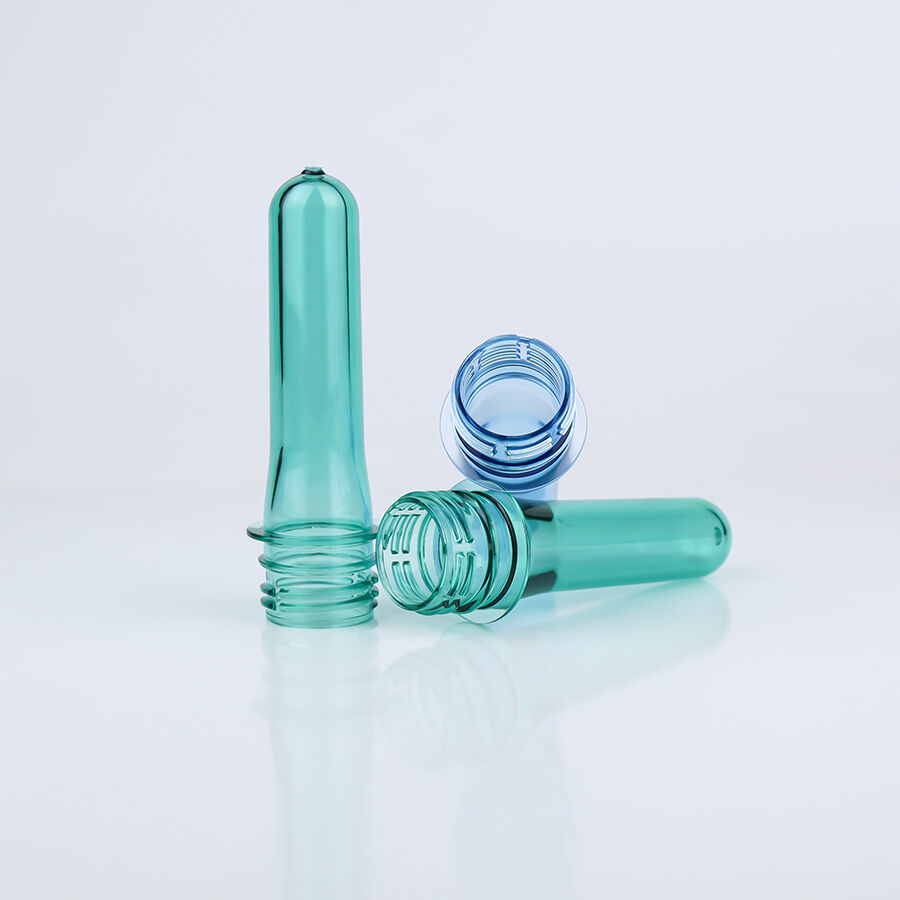
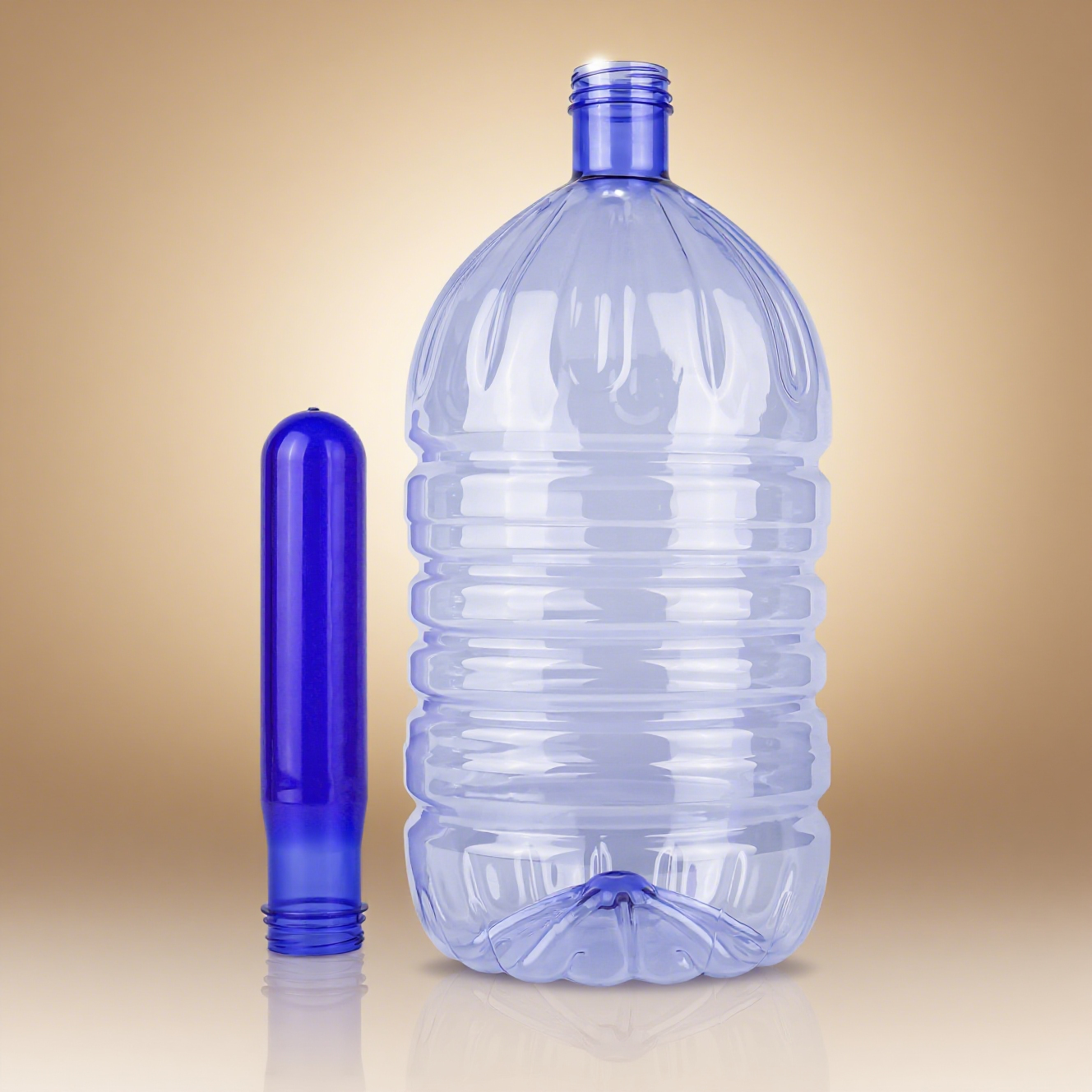
Plastic preform injection molding represents a sophisticated manufacturing process that creates hollow plastic containers through a two-stage production method. This technology primarily focuses on producing preforms, which are test-tube shaped plastic components that later transform into bottles, jars, and various containers through blow molding processes. The plastic preform injection molding system operates by injecting molten thermoplastic materials, typically PET (polyethylene terephthalate), into precisely engineered molds under controlled temperature and pressure conditions. The main functions of plastic preform injection molding encompass creating uniform wall thickness, ensuring consistent thread formation, maintaining dimensional accuracy, and establishing optimal material distribution for subsequent blow molding operations. Technological features of this process include multi-cavity mold systems that enable simultaneous production of multiple preforms, advanced injection control mechanisms that regulate material flow rates, sophisticated cooling systems that prevent warpage and dimensional distortion, and automated ejection systems that facilitate continuous production cycles. The process utilizes specialized injection molding machines equipped with precise screw mechanisms, temperature control zones, and hydraulic or electric drive systems that deliver exceptional repeatability and quality consistency. Applications of plastic preform injection molding span numerous industries including beverage packaging, pharmaceutical containers, food storage solutions, personal care products, and industrial liquid containers. The technology proves particularly valuable in high-volume production environments where consistency, quality, and cost-effectiveness remain paramount considerations. Modern plastic preform injection molding systems incorporate advanced monitoring technologies, real-time quality control mechanisms, and energy-efficient operations that align with contemporary sustainability requirements while maintaining superior production standards.

New Product Releases

Plastic preform injection molding delivers exceptional cost efficiency through optimized material utilization and reduced waste generation compared to alternative container manufacturing methods. This process eliminates secondary operations typically required in traditional bottle manufacturing, thereby reducing labor costs and production time while maximizing throughput capabilities. The technology enables manufacturers to achieve superior quality control through consistent wall thickness distribution, precise dimensional accuracy, and uniform material properties across entire production runs. Quality assurance becomes significantly enhanced because plastic preform injection molding creates containers with predictable performance characteristics, including impact resistance, clarity, and barrier properties essential for product protection and shelf life extension. Operational flexibility represents another major advantage, as manufacturers can easily switch between different preform designs, adjust production volumes, and modify container specifications without extensive equipment changes or lengthy setup procedures. The process accommodates various thermoplastic materials, allowing customization based on specific application requirements such as chemical resistance, temperature tolerance, or optical properties. Production speed advantages become evident through rapid cycle times, typically ranging from 10 to 30 seconds per cycle, enabling high-volume output that meets demanding market requirements. Energy efficiency improvements result from optimized heating systems, efficient cooling mechanisms, and reduced material handling requirements compared to alternative manufacturing approaches. Environmental benefits emerge through reduced material consumption, lower energy usage per unit produced, and enhanced recyclability of finished products created through plastic preform injection molding processes. The technology supports lean manufacturing principles by minimizing inventory requirements, reducing storage space needs, and enabling just-in-time production strategies that align with modern supply chain management practices. Scalability advantages allow manufacturers to adjust production capacity based on market demand fluctuations without significant capital investment or operational disruptions. Quality consistency remains exceptional because automated control systems maintain precise processing parameters throughout production cycles, resulting in containers that meet stringent industry standards and customer specifications while reducing reject rates and associated costs.

Tips And Tricks

PET Packaging Solutions: Leading the Industry with Superior Performance and Sustainability

12

Nov

PET Packaging Solutions: Leading the Industry with Superior Performance and Sustainability

View More
Food-Grade PET Preforms: Leading Sustainable Innovation in Global Packaging

12

Nov

Food-Grade PET Preforms: Leading Sustainable Innovation in Global Packaging

View More
PET Preform Stretch Blow Molding: Comprehensive Technical Guide and Best Practices

12

Nov

PET Preform Stretch Blow Molding: Comprehensive Technical Guide and Best Practices

View More

Get a Free Quote

Our representative will contact you soon.
Email
name
Phone/WhatsApp
Company Name
Message
0/1000

plastic preform injection molding

Advanced Multi-Cavity Mold Technology for Maximum Production Efficiency

Advanced Multi-Cavity Mold Technology for Maximum Production Efficiency

The cornerstone of modern plastic preform injection molding lies in its sophisticated multi-cavity mold technology, which revolutionizes production efficiency and cost-effectiveness for manufacturers across diverse industries. This innovative approach enables simultaneous creation of multiple preforms within a single injection cycle, dramatically increasing output while maintaining exceptional quality standards throughout the entire production process. Multi-cavity mold systems typically accommodate 12, 24, 48, or even 96 cavities depending on preform size and complexity requirements, allowing manufacturers to achieve production rates exceeding 2000 units per hour under optimal operating conditions. The precision engineering behind these mold systems ensures uniform filling patterns, consistent cooling rates, and identical dimensional characteristics across all cavities, eliminating quality variations that often plague single-cavity production methods. Advanced hot runner technology integrated within multi-cavity molds maintains optimal material temperature throughout the injection process, preventing premature solidification and ensuring complete cavity filling without material degradation or quality compromise. Temperature control becomes critical in plastic preform injection molding because precise thermal management directly impacts material flow characteristics, crystallization patterns, and final product properties essential for subsequent blow molding operations. The economic advantages of multi-cavity technology extend beyond increased production volumes to include reduced per-unit manufacturing costs, lower energy consumption per preform produced, and optimized material utilization that minimizes waste generation. Maintenance considerations for multi-cavity molds involve sophisticated monitoring systems that detect cavity-specific issues, enabling targeted interventions without disrupting entire production runs. Quality assurance protocols for multi-cavity plastic preform injection molding incorporate advanced inspection technologies, including automated measurement systems and real-time monitoring capabilities that ensure consistent dimensional accuracy across all produced preforms while identifying potential quality issues before they impact production efficiency.
Precision Material Control and Injection System Excellence

Precision Material Control and Injection System Excellence

Precision material control represents the technological backbone of successful plastic preform injection molding operations, encompassing sophisticated injection systems that deliver exceptional consistency, quality, and performance across diverse manufacturing environments. Modern injection systems incorporate advanced screw design technologies that optimize material mixing, melting efficiency, and injection pressure control, ensuring uniform material properties throughout each production cycle while maintaining strict temperature management protocols essential for high-quality preform creation. The injection process begins with precise material preparation involving controlled drying procedures that eliminate moisture content capable of compromising material properties and causing surface defects in finished preforms. Screw mechanisms within plastic preform injection molding machines feature specialized designs that accommodate various thermoplastic materials, including PET, PP, and specialized barrier resins, while maintaining optimal processing conditions for each material type through adjustable compression ratios and mixing elements. Injection pressure control systems utilize sophisticated hydraulic or electric drive mechanisms that deliver consistent force application throughout the filling process, ensuring complete cavity penetration and uniform wall thickness distribution essential for subsequent blow molding success. Temperature control zones along the injection barrel provide precise thermal management that prevents material degradation while maintaining optimal viscosity characteristics for smooth material flow and complete mold filling. Advanced control systems monitor injection parameters in real-time, including injection speed profiles, holding pressure sequences, and cooling cycle optimization that collectively ensure consistent preform quality and dimensional accuracy. Material preparation protocols for plastic preform injection molding involve crystallization control procedures that establish optimal material structure for subsequent processing operations while maintaining clarity and mechanical properties essential for end-use applications. Quality monitoring systems track material consumption rates, injection consistency metrics, and processing parameter stability to identify potential issues before they impact production quality or efficiency, enabling proactive maintenance and optimization strategies that maximize operational performance.
Automated Quality Control and Monitoring Systems Integration

Automated Quality Control and Monitoring Systems Integration

Automated quality control and monitoring systems represent the pinnacle of technological advancement in plastic preform injection molding, providing manufacturers with unprecedented visibility into production processes while ensuring consistent product quality that meets stringent industry standards and customer expectations. These integrated systems combine real-time monitoring capabilities with automated inspection technologies that evaluate critical preform characteristics including wall thickness uniformity, dimensional accuracy, surface finish quality, and structural integrity without interrupting continuous production flows. Vision inspection systems utilize high-resolution cameras and advanced image processing algorithms to detect surface defects, dimensional variations, and contamination issues that could compromise preform quality or subsequent blow molding performance. Weight monitoring systems provide continuous verification of material distribution accuracy, ensuring consistent preform weights that directly correlate with final container performance characteristics and material cost optimization objectives. Temperature monitoring networks track thermal conditions throughout the plastic preform injection molding process, including mold surface temperatures, cooling system performance, and material temperature profiles that influence crystallization patterns and final product properties. Automated rejection systems integrate seamlessly with quality monitoring equipment to remove defective preforms from production streams without manual intervention, maintaining consistent product quality while minimizing contamination risks in finished product inventories. Data collection and analysis capabilities enable manufacturers to track quality trends over time, identify process optimization opportunities, and implement predictive maintenance strategies that prevent quality issues before they impact production efficiency. Statistical process control integration provides real-time feedback on process capability metrics, enabling immediate adjustments to processing parameters when quality indicators approach specification limits. Traceability systems maintain comprehensive production records linking specific preforms to processing conditions, material lots, and quality measurements, supporting quality investigations and continuous improvement initiatives. Remote monitoring capabilities allow quality oversight from centralized locations, enabling multi-site production coordination and standardized quality protocols across distributed manufacturing operations while maintaining local responsiveness to process variations and quality requirements.
Advanced Plastic Preform Injection Molding Solutions: Precision Manufacturing Technology for Superior Container Production

Get a Free Quote

Our representative will contact you soon.
Email
name
Phone/WhatsApp
Company Name
Message
0/1000