 EN
EN

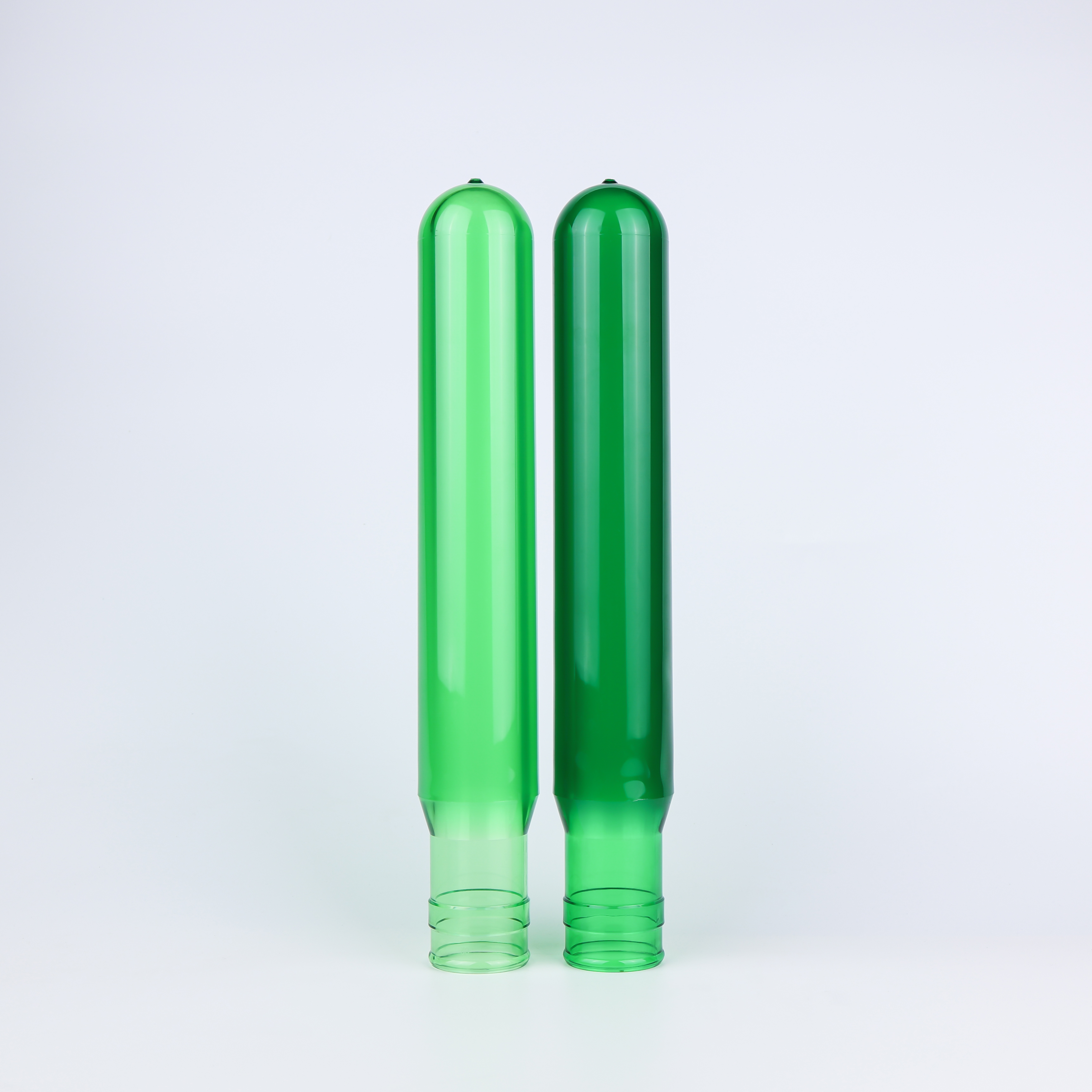
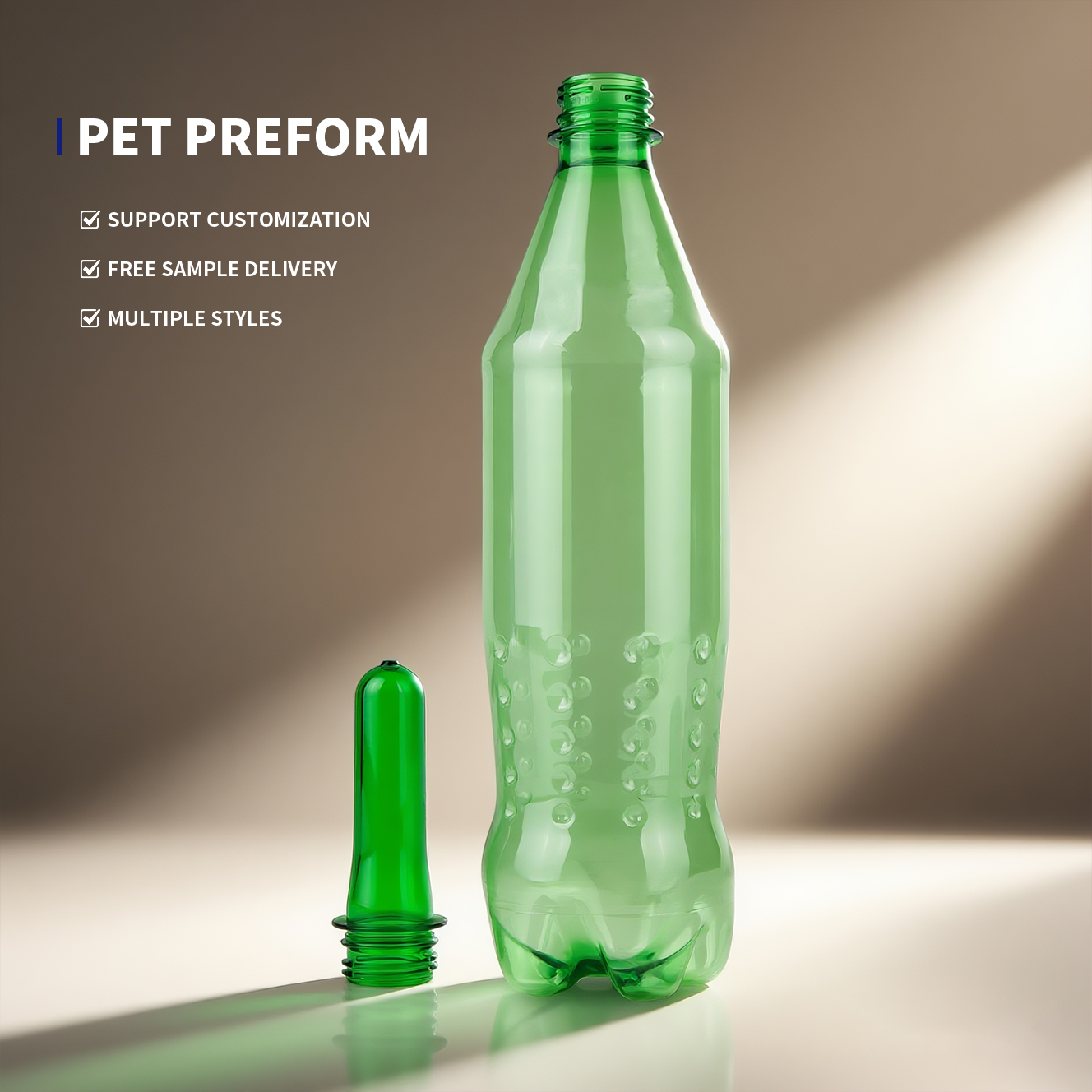
The modern plastic bottle that holds your drinking water or favorite carbonated beverage begins its journey not as a bottle at all, but as a compact, test-tube-shaped component known as a PET preform. Understanding how factories transform this small, dense piece of plastic into a fully formed, lightweight, and structurally sound bottle reveals the remarkable engineering precision that underpins the global packaging industry. From raw resin to finished container, the process is both highly automated and carefully controlled at every stage.
The production of plastic bottles from a PET preform is a two-stage manufacturing workflow that separates preform injection molding from bottle blow molding. This separation allows factories to optimize each stage independently, improve quality control, and achieve scalable output volumes that meet the demanding requirements of beverage, water, and carbonated soft drink producers worldwide. Exploring each step in detail helps procurement managers, packaging engineers, and production planners make well-informed decisions about their supply chains.
The Starting Point: What a PET Preform Is and Why It Matters
Composition and Physical Characteristics
A PET preform is manufactured from polyethylene terephthalate resin, a thermoplastic polymer chosen for its excellent clarity, food-grade safety, gas barrier properties, and recyclability. The preform itself looks like a thick-walled test tube with a finished threaded neck finish at the top. The neck finish is molded to its final dimensions during the injection stage and does not change during blow molding, which is why thread specifications must be precise from the very beginning.
The weight of a PET preform directly determines the wall thickness and structural integrity of the final bottle. Preform weights can range from as light as 14 grams for small water bottles to over 46 grams for larger containers or those intended to hold carbonated soft drinks under pressure. The neck finish diameter, commonly standardized at 28mm in the 1881 format for the water and CSD segment, dictates which caps and closures are compatible with the finished bottle.
The intrinsic viscosity of the PET resin used also plays a critical role. Higher intrinsic viscosity values improve the mechanical strength and gas barrier performance of the finished bottle, while the acetaldehyde content must be tightly controlled to prevent any off-taste migration into beverages. Factories that supply PET preform products for food and beverage applications must maintain strict material specifications and testing protocols to meet international food safety standards.
Standardization and Format Compatibility
In the beverage packaging industry, standardization of the PET preform neck finish is essential for compatibility between preform suppliers, bottle manufacturers, and cap producers. The 28mm 1881 neck finish has become one of the most widely adopted standards globally, particularly for mineral water and carbonated soft drink applications. This standardization enables beverage companies to source bottles and closures from multiple suppliers without retooling their filling and capping lines.
The body design of the PET preform — including its length, wall thickness profile, and gate area geometry — is engineered to produce a specific bottle shape after blow molding. These parameters are calculated using simulation software during the mold design phase, ensuring that material distribution across the bottle wall is as uniform as possible after stretching and blowing.
Stage One: Injection Molding of the PET Preform
The Injection Molding Process in Detail
The first stage of bottle production begins in the injection molding machine, where PET resin pellets are dried to a very low moisture content, typically below 50 parts per million, before being fed into the barrel. Residual moisture causes hydrolytic degradation of the polymer chains during melting, reducing molecular weight and compromising the mechanical and optical properties of the finished PET preform. Drying is therefore a non-negotiable preparatory step.
Inside the injection molding machine, dried PET resin is melted at temperatures between 270 and 290 degrees Celsius and injected under high pressure into a multi-cavity hot runner mold. Modern preform molds can have anywhere from 8 to 144 cavities, allowing a single machine to produce dozens of preforms simultaneously per cycle. Cycle times are typically between 10 and 20 seconds, which means a high-output machine can produce tens of thousands of PET preform units per hour.
After injection, the mold is cooled rapidly using chilled water circulating through the mold plates. Efficient cooling is critical because PET is an amorphous polymer at this stage and must be solidified quickly to prevent crystallization, which would make the preform hazy and difficult to stretch uniformly during blow molding. The cooled PET preform is then ejected from the mold, inspected optically, and conveyed to storage or directly to the blow molding stage.
Quality Control During Preform Production
Quality assurance at the PET preform production stage focuses on several critical parameters. These include dimensional accuracy of the neck finish threads and sealing surface, wall thickness distribution along the preform body, weight consistency across all cavities, color and clarity, and the absence of defects such as short shots, sink marks, crystalline haze, or contamination. Automated vision inspection systems are now standard on high-volume production lines.
Sampling and laboratory testing are conducted at regular intervals, checking material IV (intrinsic viscosity), acetaldehyde levels, and mechanical performance. Any deviation from specification triggers a process adjustment or production hold. The consistency of PET preform quality directly determines how well the blow molding stage will perform, since defects or dimensional variations in the preform will be amplified when the material is stretched and inflated into a bottle shape.
Stage Two: Stretch Blow Molding into Finished Bottles
Reheating the PET Preform
In a two-stage blow molding process, stored PET preform units are first reheated in an infrared oven before entering the blowing station. The preforms travel through the reheat oven on a mandrel conveyor system, where banks of infrared lamps heat the preform body to a temperature between 95 and 115 degrees Celsius — above the glass transition temperature of PET (approximately 80 degrees Celsius) but below the crystallization temperature. At this temperature range, PET becomes soft and highly stretchable.
The heating profile along the length of the PET preform body must be carefully programmed. Different zones of the preform require different amounts of heat to achieve the desired wall thickness distribution in the final bottle. For example, the base area of a carbonated soft drink bottle requires more material and thus less stretching, while the sidewall can be stretched thinner to reduce weight without sacrificing structural performance. Precise thermal profiling is a key engineering skill in blow molding operations.
The Stretch and Blow Cycle
Once properly heated, each PET preform is transferred into a bottle-shaped blow mold and clamped in place. A stretch rod is then inserted through the neck opening and extends axially downward, stretching the hot preform in the longitudinal direction. Simultaneously, compressed air at low pressure (preblow) inflates the preform radially outward, followed by high-pressure air (up to 40 bar) that forces the material against the cold mold cavity walls with precision.
This biaxial orientation — simultaneous axial stretching and radial blowing — is what gives PET bottles their exceptional strength-to-weight ratio, clarity, and gas barrier performance. The molecular chains of the PET preform material are aligned in two directions, producing a bottle that is significantly stronger and clearer than an unstretched container of equivalent wall thickness. The mold temperature, blow timing, and air pressure profiles must all be optimized together for each bottle design.
After the bottle is fully formed and held against the mold walls for a brief cooling period, the mold opens and the finished bottle is ejected. High-speed rotary blow molding machines can produce thousands of bottles per hour from a continuous stream of reheated PET preform units. These machines are designed for rapid format changeovers, allowing a single production line to switch between different bottle sizes and shapes by changing molds and adjusting process parameters.
Factory Workflow Integration and Operational Efficiency
One-Stage vs. Two-Stage Production Models
Factories can choose between one-stage integrated systems, where injection molding and blow molding are performed in a single machine without the preform ever fully cooling to ambient temperature, and two-stage systems that separate the two processes. The two-stage model, which relies on a stand-alone PET preform supply, offers greater flexibility because preform production can be centralized or outsourced, while blow molding can be located closer to the filling line or even at a different facility.
For high-volume beverage producers, the two-stage model is often preferred because it decouples preform supply from bottle production schedules. A factory can stockpile PET preform inventory during off-peak periods and ramp up blow molding output quickly during peak demand seasons without the constraints of an integrated system. This logistical flexibility is particularly valuable in markets with strong seasonal demand patterns, such as mineral water during summer months.
Automation, Output, and Line Efficiency
Modern bottle production lines are highly automated from PET preform handling through to finished bottle conveying. Robots and automated conveyors move preforms from storage silos to the blow molding feed system, eliminating manual handling and reducing contamination risks. Downstream of the blow molder, automated inspection cameras check every bottle for defects such as uneven wall thickness, base pearlescence, ovality, and neck finish irregularities before they proceed to the filling line.
Overall equipment effectiveness (OEE) is a key performance metric for bottle production lines. Achieving high OEE requires consistent PET preform quality, reliable machine performance, optimized process parameters, and effective maintenance schedules. A single defective preform in a high-speed rotary blower can cause a jam that stops the entire line, which is why incoming preform quality control is treated with the same rigor as in-process bottle inspection.
Material Selection and Preform Design Considerations
Matching Preform Weight to Bottle Application
Selecting the right PET preform weight for a given bottle application involves balancing several competing factors: structural performance, material cost, lightweighting targets, and filling line compatibility. A PET preform that is too light may produce a bottle with insufficient sidewall rigidity, leading to paneling during filling or on-shelf deformation. A preform that is too heavy adds unnecessary material cost and weight to every unit produced across millions of bottles.
For mineral water applications, where internal pressure is low, lighter preforms in the 14g to 20g range are typically sufficient for bottle volumes up to 500ml. For carbonated soft drink bottles, which must withstand significant internal pressure during filling, transport, and storage, heavier PET preform weights in the 25g to 46g range may be required depending on bottle volume and design. Engineers use finite element analysis and pressure testing to validate preform weight selections before full-scale production.
Neck Finish and Gate Design Impact
The neck finish geometry of a PET preform must be compatible with the capping system used on the filling line. The 28mm 1881 format, widely used in water and CSD applications, offers a balance between material use and sealing performance. Thinner and lighter neck designs reduce material cost per bottle but require precisely controlled injection molding conditions to ensure that thread dimensions and sealing surfaces meet the tight tolerances required for leak-free capping.
The gate design at the base of the PET preform influences material distribution in the bottle base after blow molding. A well-designed gate area ensures that the base of the bottle receives adequate material to withstand the internal pressure and physical impacts encountered during filling, transport, and retail handling. Gate vestige quality is inspected as part of the standard PET preform quality audit, since an irregular gate can create a stress concentration point that leads to base failure in the finished bottle.
FAQ
What is the difference between a PET preform and a finished plastic bottle?
A PET preform is a thick-walled, injection-molded intermediate component that resembles a test tube with a threaded neck. It serves as the raw material for bottle production. The finished plastic bottle is produced by reheating the preform and inflating it inside a blow mold using compressed air and a stretch rod. The preform contains all the material that will form the bottle walls, base, and shoulder, while the neck finish remains unchanged from the preform stage.
Why is preform quality so important to the final bottle performance?
The quality of a PET preform directly determines the optical clarity, wall thickness distribution, mechanical strength, and gas barrier performance of the finished bottle. Defects such as crystalline haze, contamination, inconsistent wall thickness, or incorrect neck finish dimensions in the preform cannot be corrected during blow molding and will result in substandard or rejected bottles. Consistent preform quality is therefore the foundation of efficient and reliable bottle production.
Can the same PET preform be used to make different bottle shapes?
In general, a given PET preform design is optimized for a specific range of bottle volumes and shapes based on its weight, length, and wall thickness profile. Using the same preform in a significantly different mold cavity can result in uneven material distribution, thin spots, or base failures. While some flexibility exists — particularly when bottles in similar volume ranges share comparable stretch ratios — it is best practice to validate preform compatibility with each specific bottle mold through trial production and performance testing.
What factors determine how many grams a PET preform should weigh?
The appropriate weight for a PET preform depends on the intended bottle volume, the application (still water, carbonated beverages, or other products), the required structural performance, and the lightweighting objectives of the packaging engineer. Heavier preforms produce bottles with thicker walls and higher pressure resistance, while lighter preforms reduce material costs but must still meet minimum performance standards. The selection process typically involves computer simulation of material distribution during blow molding, followed by physical testing of prototype bottles under real filling and transport conditions.
