Plastic Preform Manufacturing Solutions - Superior Quality Container Production

Get a Free Quote

Our representative will contact you soon.
Email
name
Phone/WhatsApp
Company Name
Message
0/1000

plastic preform

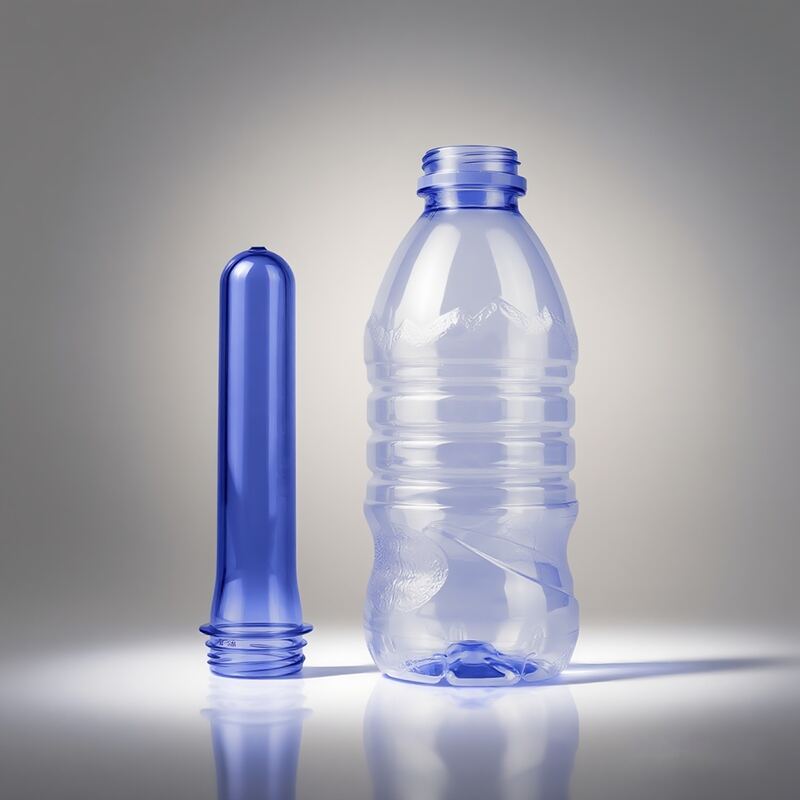
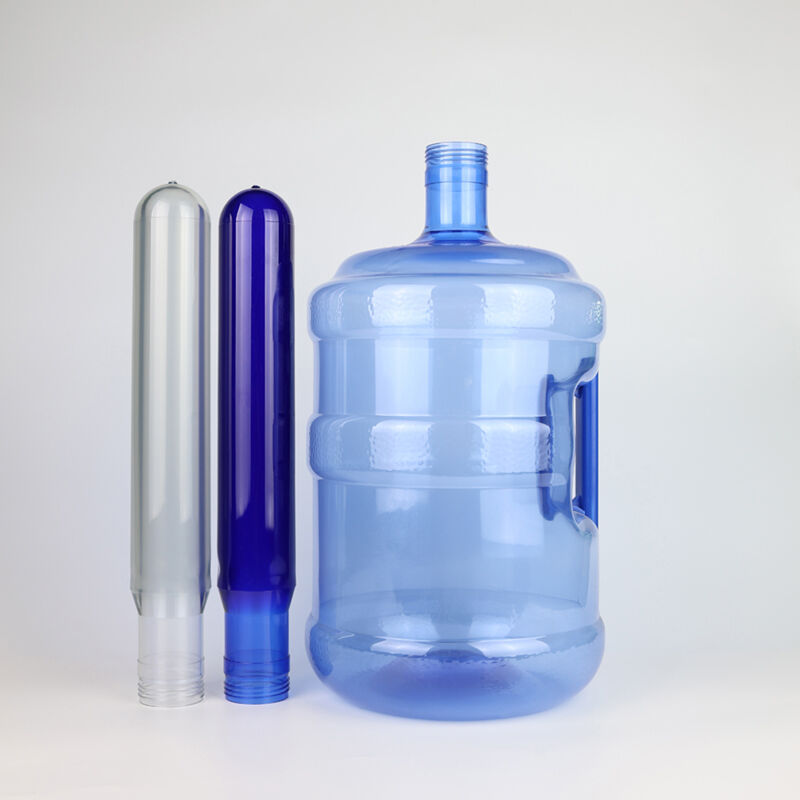
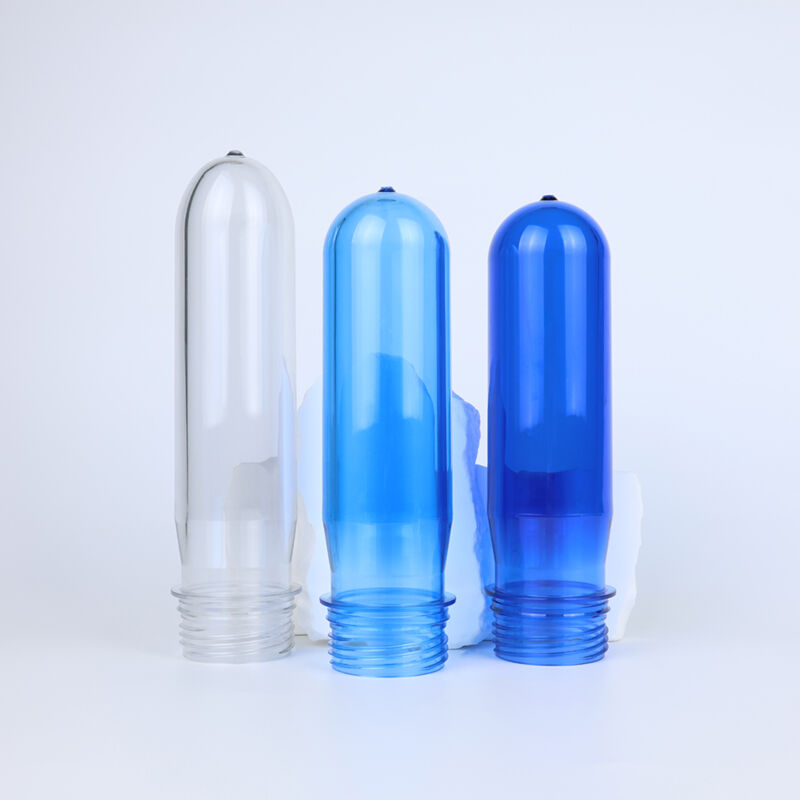
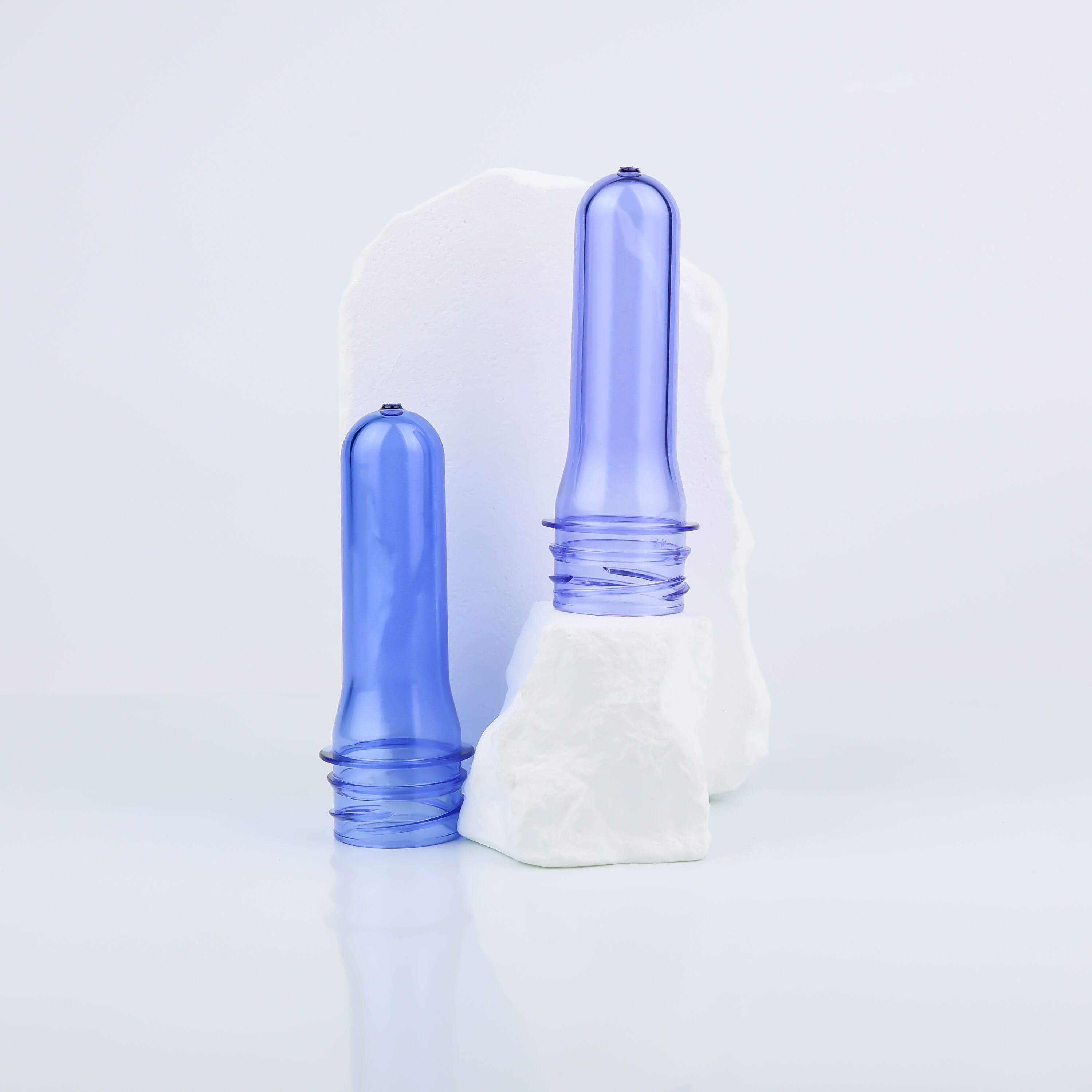
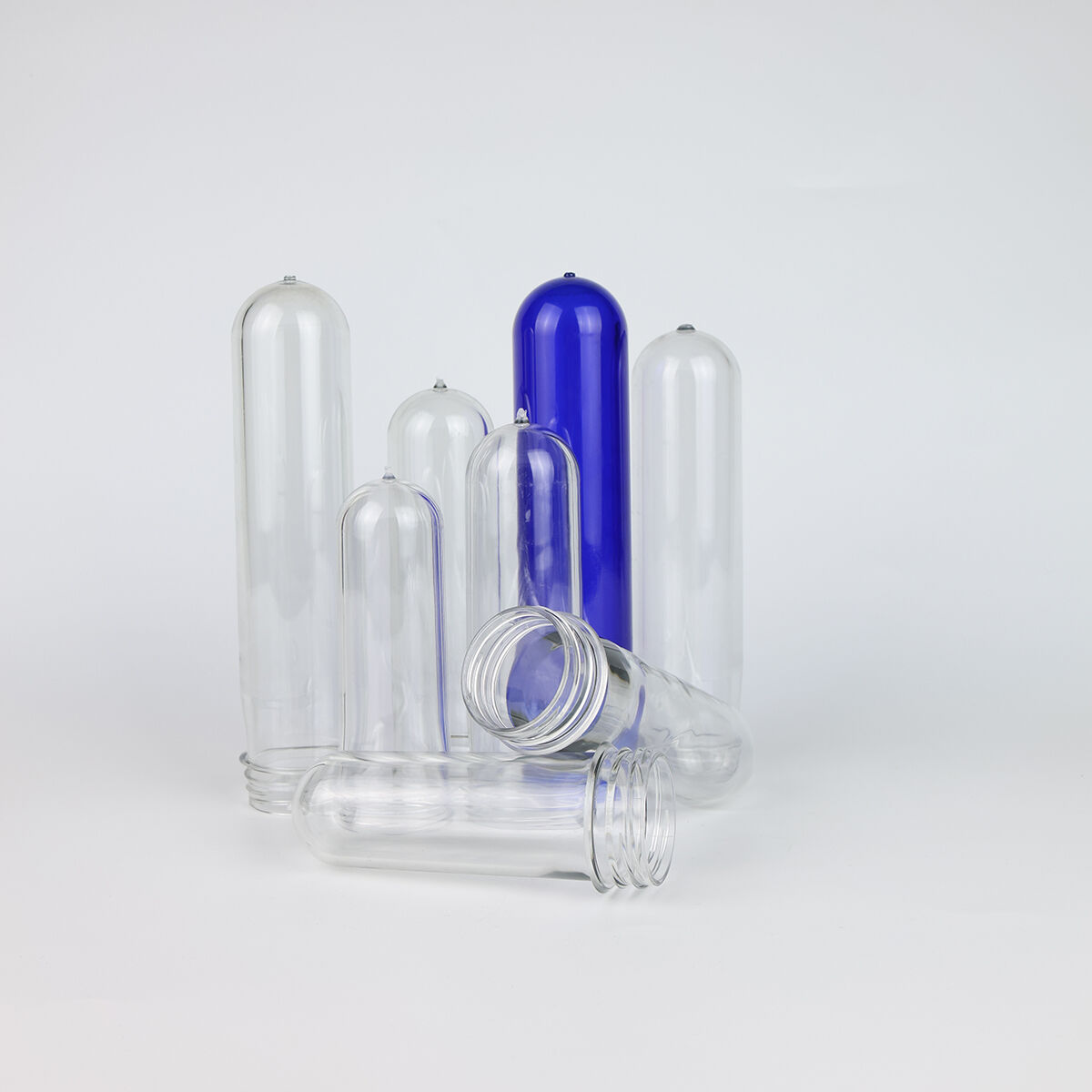
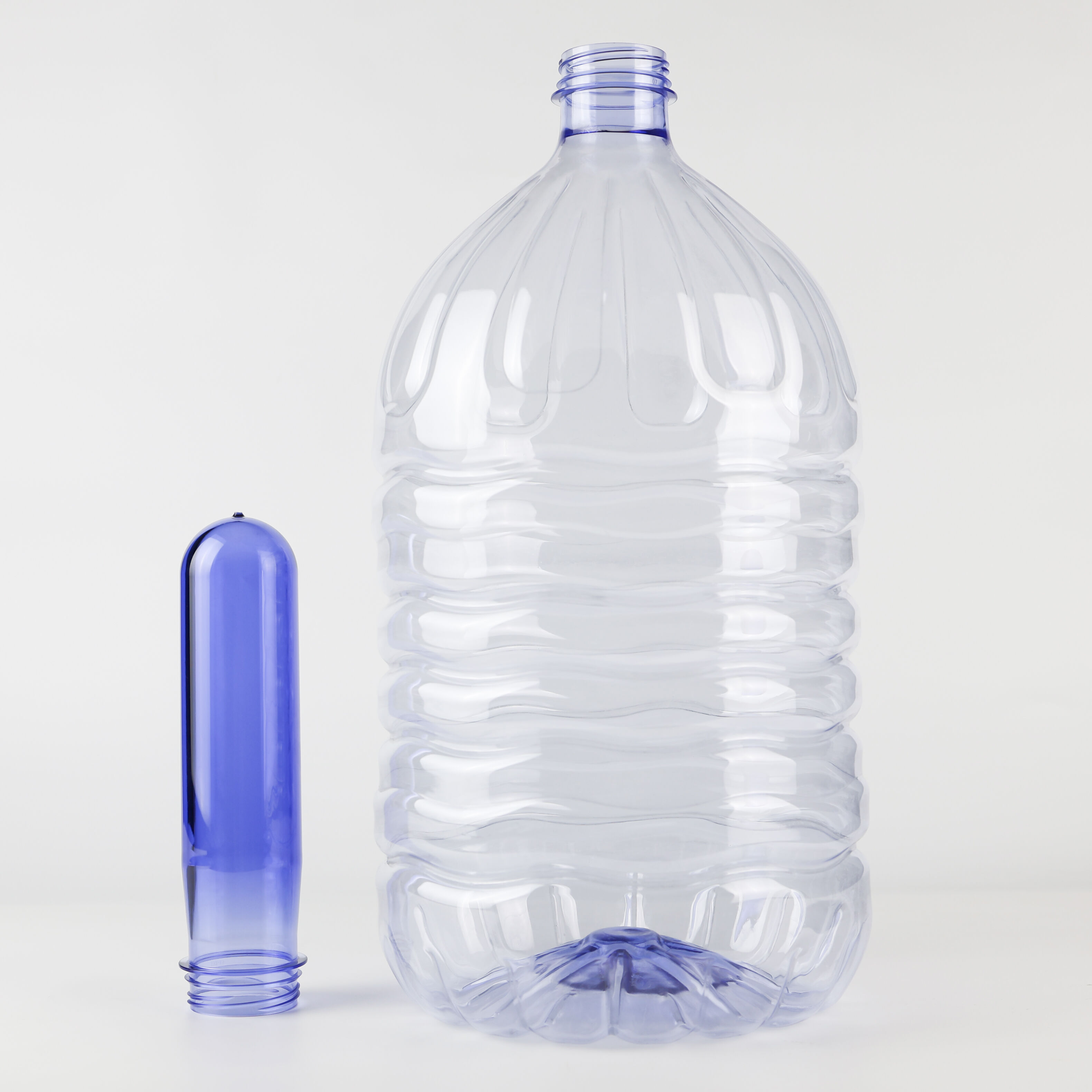
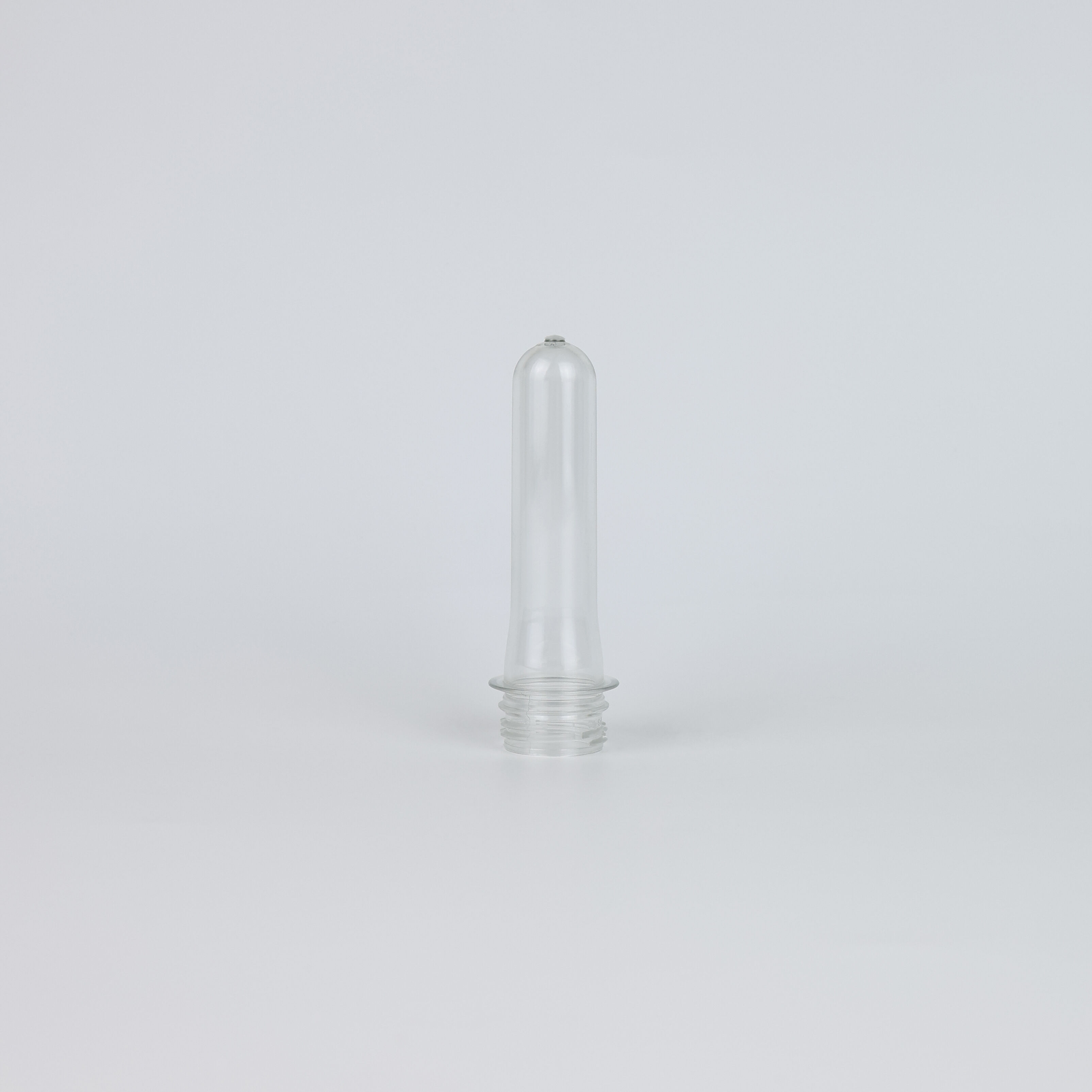
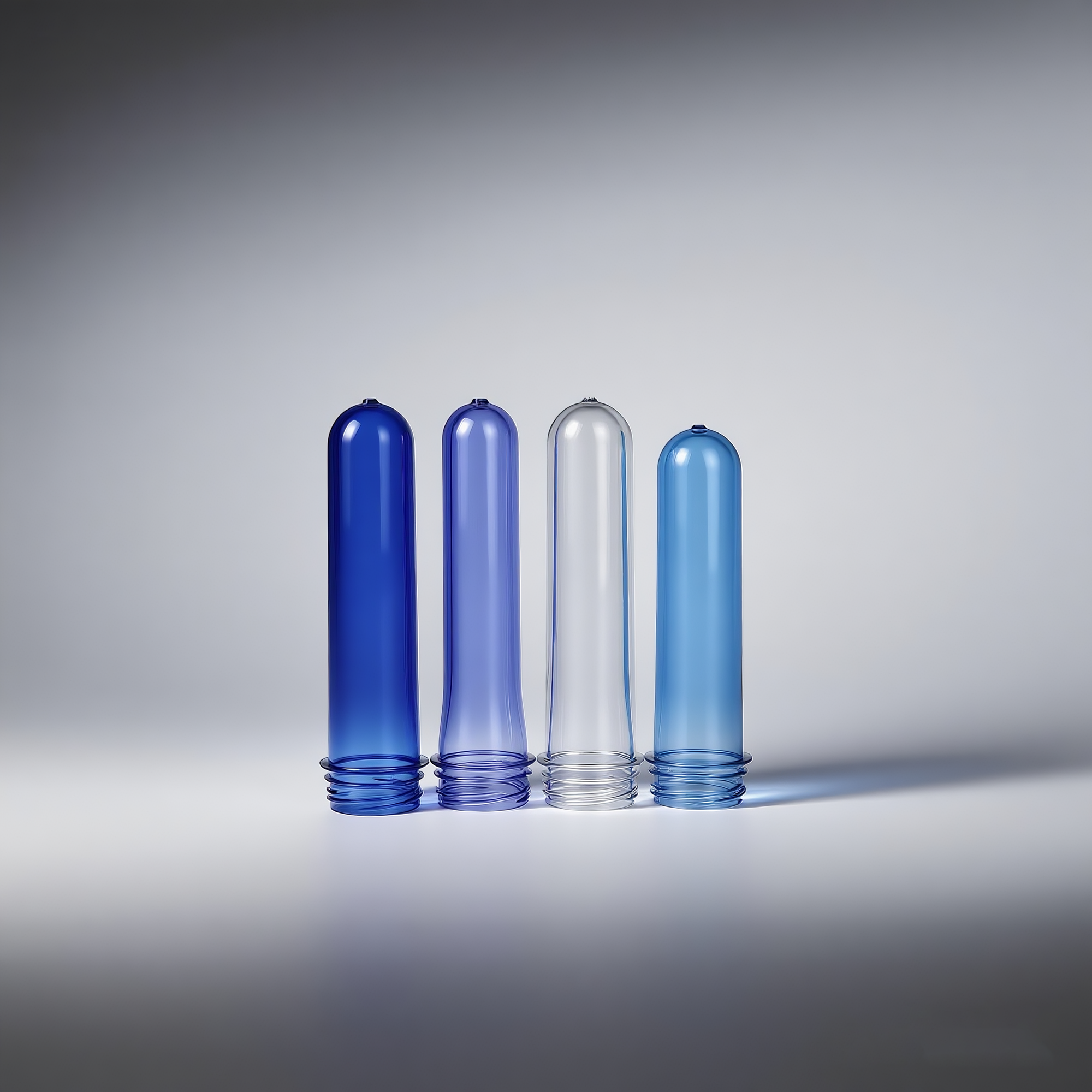
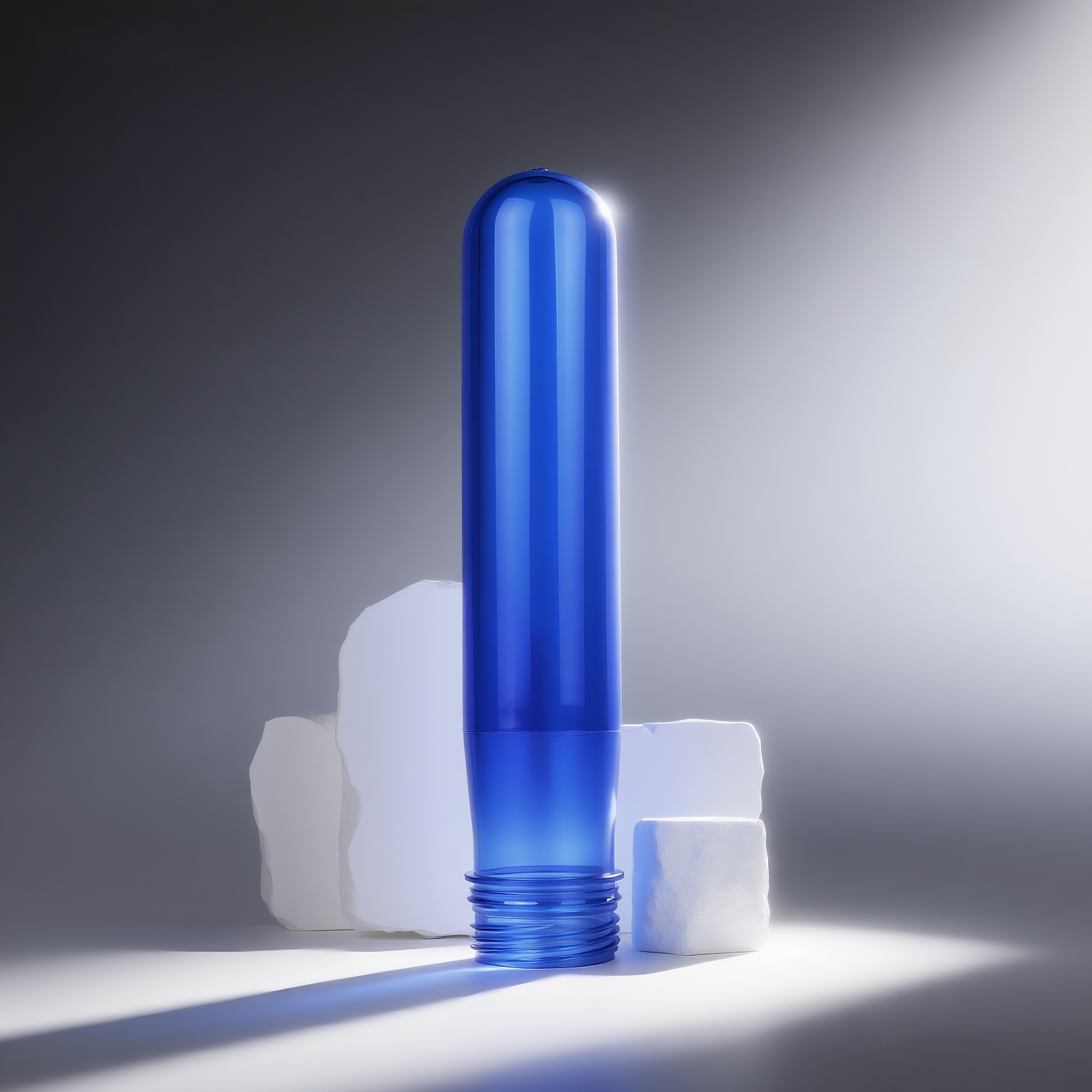
A plastic preform serves as the foundational component in the blow molding manufacturing process, representing a crucial intermediate stage between raw plastic material and finished hollow containers. These precisely engineered tubular structures are created through injection molding techniques, utilizing thermoplastic materials such as polyethylene terephthalate (PET), high-density polyethylene (HDPE), or polypropylene. The plastic preform functions as a blueprint that determines the final shape, thickness distribution, and structural integrity of bottles, jars, and various packaging containers. During production, manufacturers heat the plastic preform to optimal temperatures before placing it into specialized blow molding equipment. Compressed air is then introduced to expand the preform against mold walls, creating the desired container shape while maintaining consistent wall thickness and dimensional accuracy. The technological features of plastic preform production include advanced injection molding systems that ensure uniform material distribution, precise temperature control mechanisms that prevent degradation, and sophisticated cooling systems that maintain structural stability. Quality control measures monitor wall thickness variations, neck finish specifications, and overall dimensional tolerances to guarantee reliable performance during subsequent blow molding operations. Modern plastic preform manufacturing incorporates multi-cavity mold systems that enable high-volume production while maintaining consistent quality standards. The applications of plastic preform technology span numerous industries including beverage packaging, pharmaceutical containers, cosmetic bottles, household chemical packaging, and food storage solutions. Each application requires specific design considerations such as barrier properties for carbonated beverages, chemical resistance for cleaning products, or UV protection for light-sensitive contents. The versatility of plastic preform manufacturing allows for customization in neck finishes, body shapes, and capacity requirements, making it an essential component in contemporary packaging solutions across diverse market segments.

New Products

The plastic preform offers exceptional cost-effectiveness compared to traditional glass packaging alternatives, reducing material expenses by up to sixty percent while maintaining superior performance characteristics. This significant cost reduction stems from efficient raw material utilization and streamlined manufacturing processes that minimize waste generation. Manufacturers benefit from reduced transportation costs due to the lightweight nature of plastic preform construction, which decreases shipping expenses and carbon footprint impacts. The durability advantages of plastic preform technology provide enhanced resistance to impact damage, eliminating breakage concerns associated with glass containers during handling, storage, and transportation phases. This improved durability translates directly into reduced product loss, lower insurance costs, and enhanced consumer safety throughout the supply chain. Production efficiency represents another compelling advantage, as plastic preform manufacturing enables rapid cycle times and high-volume output capabilities. Modern injection molding systems can produce thousands of plastic preform units per hour, significantly outpacing alternative manufacturing methods. The design flexibility inherent in plastic preform production allows manufacturers to create custom shapes, sizes, and specifications without expensive tooling modifications. This adaptability enables quick response to market demands and facilitates product differentiation strategies. Quality consistency stands as a fundamental advantage, with plastic preform manufacturing delivering precise dimensional tolerances and uniform wall thickness distribution. Advanced process control systems monitor critical parameters to ensure each plastic preform meets exact specifications, reducing defect rates and improving overall product reliability. The recycling capabilities of plastic preform materials contribute to environmental sustainability goals, as most thermoplastic materials can be reprocessed multiple times without significant property degradation. This recyclability feature aligns with corporate sustainability initiatives and regulatory requirements for environmental responsibility. Storage efficiency represents an additional practical benefit, as plastic preform products require minimal space due to their compact tubular design. Manufacturers can store large quantities in relatively small areas, optimizing warehouse utilization and reducing inventory carrying costs. The chemical resistance properties of plastic preform materials provide excellent protection against various contents, ensuring product integrity and extending shelf life for sensitive formulations.

Latest News

PET Packaging Solutions: Leading the Industry with Superior Performance and Sustainability

12

Nov

PET Packaging Solutions: Leading the Industry with Superior Performance and Sustainability

View More
Food-Grade PET Preforms: Leading Sustainable Innovation in Global Packaging

12

Nov

Food-Grade PET Preforms: Leading Sustainable Innovation in Global Packaging

View More
PET Preform Stretch Blow Molding: Comprehensive Technical Guide and Best Practices

12

Nov

PET Preform Stretch Blow Molding: Comprehensive Technical Guide and Best Practices

View More

Get a Free Quote

Our representative will contact you soon.
Email
name
Phone/WhatsApp
Company Name
Message
0/1000

plastic preform

Superior Manufacturing Precision and Consistency

Superior Manufacturing Precision and Consistency

The manufacturing precision achieved through plastic preform production represents a technological breakthrough that delivers unmatched consistency in container quality. Advanced injection molding systems utilize computer-controlled parameters to monitor temperature, pressure, and material flow rates with extraordinary accuracy, ensuring each plastic preform maintains identical specifications throughout production runs. This precision manufacturing approach eliminates the variations commonly associated with traditional forming methods, resulting in containers that exhibit uniform wall thickness distribution and precise dimensional tolerances. The consistency benefits extend beyond basic measurements to include neck finish accuracy, thread specifications, and overall structural integrity. Quality control systems continuously monitor critical variables during plastic preform production, automatically adjusting parameters to maintain optimal conditions and prevent defects before they occur. This proactive approach significantly reduces waste generation and improves overall production efficiency. The precision manufacturing capabilities enable plastic preform producers to meet the most stringent industry standards for pharmaceutical, food, and beverage applications where container integrity is paramount. Advanced mold design incorporates sophisticated cooling systems that ensure uniform temperature distribution throughout the plastic preform structure, preventing stress concentrations and internal defects that could compromise performance. Multi-cavity mold configurations maintain identical conditions across all cavities, ensuring consistent quality regardless of production volume requirements. The precision achieved in plastic preform manufacturing translates directly into improved blow molding performance, as consistent starting materials produce superior finished containers with predictable characteristics. This manufacturing reliability reduces downstream processing issues, minimizes reject rates, and enhances overall operational efficiency for container manufacturers. The technological sophistication of modern plastic preform production systems includes real-time monitoring capabilities that track key performance indicators and provide immediate feedback for process optimization. This continuous improvement approach ensures sustained quality excellence and positions plastic preform technology as the preferred choice for demanding packaging applications.
Exceptional Design Flexibility and Customization Options

Exceptional Design Flexibility and Customization Options

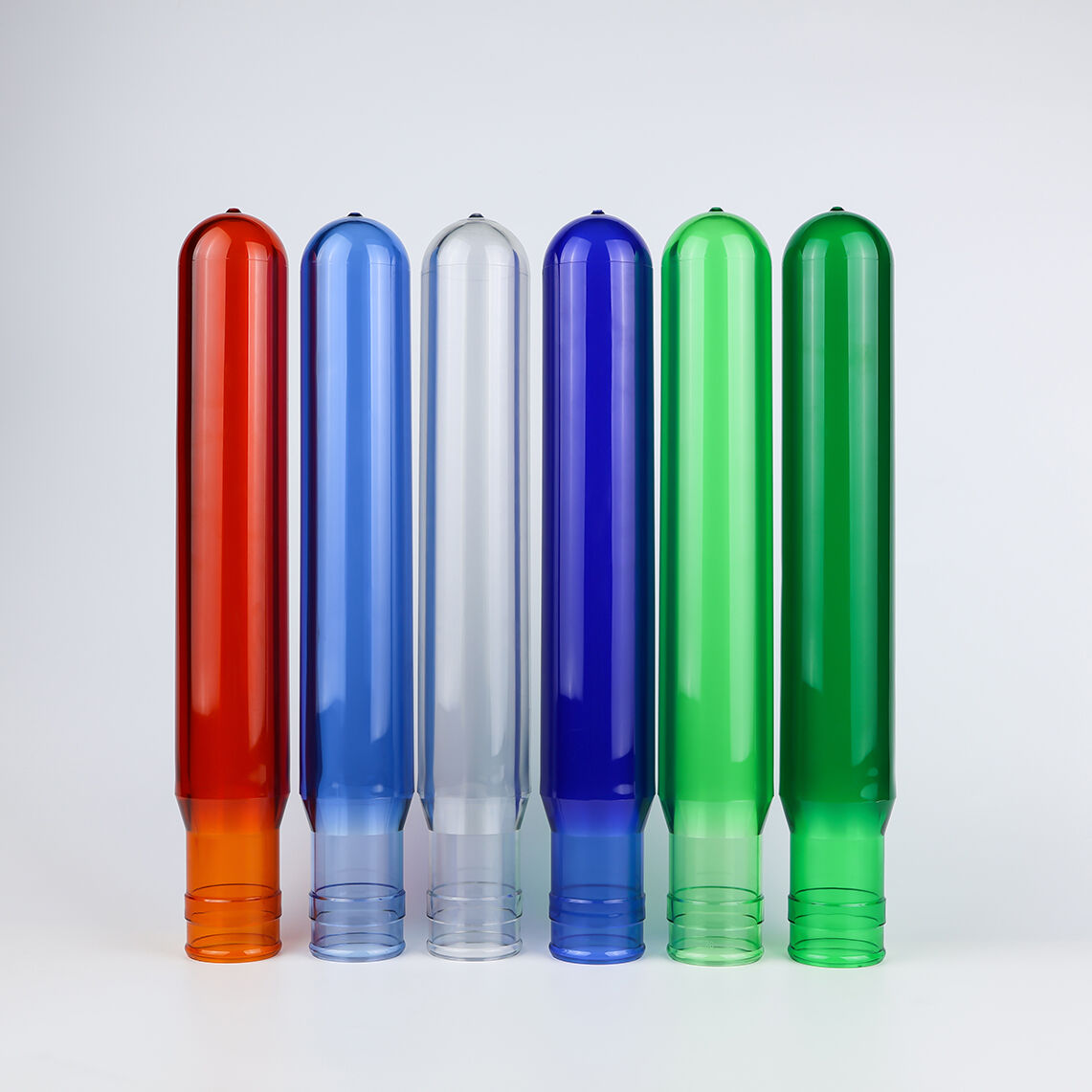
The design flexibility inherent in plastic preform technology provides manufacturers with unprecedented customization capabilities that enable rapid adaptation to evolving market requirements and consumer preferences. Unlike rigid manufacturing processes that require extensive tooling changes for design modifications, plastic preform production systems accommodate diverse specifications through efficient mold adjustments and parameter optimization. This adaptability allows manufacturers to create unique container shapes, specialized neck finishes, and custom capacity requirements without significant capital investment or extended development timelines. The customization options extend to material selection, with plastic preform technology supporting various thermoplastic formulations that provide specific performance characteristics such as enhanced barrier properties, improved chemical resistance, or specialized aesthetic features. Manufacturers can incorporate additives during plastic preform production to achieve desired properties including UV protection, antistatic characteristics, or antimicrobial functionality. The design flexibility also encompasses thickness distribution control, allowing engineers to optimize material placement for specific performance requirements while minimizing overall weight and material consumption. Advanced computer-aided design tools enable precise modeling of plastic preform geometry to predict final container characteristics and optimize design parameters before production begins. This predictive capability reduces development costs and accelerates time-to-market for new product introductions. The modular nature of plastic preform manufacturing equipment facilitates rapid changeovers between different product specifications, enabling efficient production of small batch sizes and specialized applications. This flexibility proves particularly valuable for brands seeking product differentiation through unique packaging designs or limited-edition offerings. The customization capabilities extend to surface texturing, embossed features, and integrated handling elements that enhance functionality and visual appeal. Manufacturers can incorporate brand-specific design elements directly into the plastic preform structure, eliminating secondary operations and reducing overall production costs. The ability to produce custom plastic preform configurations enables packaging engineers to optimize container performance for specific applications, whether requiring enhanced structural strength, improved ergonomics, or specialized dispensing features.
Outstanding Environmental Sustainability and Recyclability

Outstanding Environmental Sustainability and Recyclability

The environmental sustainability advantages of plastic preform technology position it as a responsible packaging solution that addresses growing concerns about ecological impact while maintaining superior performance characteristics. Modern plastic preform manufacturing utilizes advanced recycling techniques that enable closed-loop material recovery, significantly reducing the demand for virgin raw materials and minimizing environmental footprint. The recyclability of plastic preform materials allows for multiple reprocessing cycles without substantial property degradation, supporting circular economy principles and reducing waste generation throughout the product lifecycle. Manufacturing processes for plastic preform production have evolved to incorporate energy-efficient technologies that reduce power consumption and greenhouse gas emissions compared to alternative packaging methods. The lightweight characteristics of plastic preform construction contribute to transportation efficiency, reducing fuel consumption and carbon emissions during distribution phases. Life cycle assessments demonstrate that plastic preform technology delivers superior environmental performance when considering total resource consumption, energy usage, and waste generation across all production stages. The material efficiency achieved through plastic preform manufacturing minimizes raw material waste, with advanced processing techniques recovering and reusing production scraps directly within the manufacturing cycle. This closed-loop approach eliminates disposal costs and reduces overall environmental impact. The durability advantages of plastic preform construction extend product service life, reducing replacement frequency and associated environmental costs. Modern recycling infrastructure specifically supports plastic preform materials, with established collection and processing systems that facilitate efficient material recovery. The chemical compatibility of plastic preform materials with recycling processes ensures consistent quality in recycled content applications, enabling high percentages of post-consumer recycled material incorporation without performance compromise. Manufacturers increasingly adopt sustainable practices in plastic preform production, including renewable energy utilization, water conservation measures, and waste reduction initiatives. The compatibility of plastic preform technology with bio-based materials provides pathways for further environmental improvement as sustainable feedstock options become more widely available. Industry collaboration on recycling infrastructure development continues to enhance the environmental benefits of plastic preform technology, creating comprehensive systems for material recovery and reuse that support long-term sustainability goals.
Plastic Preform Manufacturing Solutions - Superior Quality Container Production

Get a Free Quote

Our representative will contact you soon.
Email
name
Phone/WhatsApp
Company Name
Message
0/1000