EN
EN

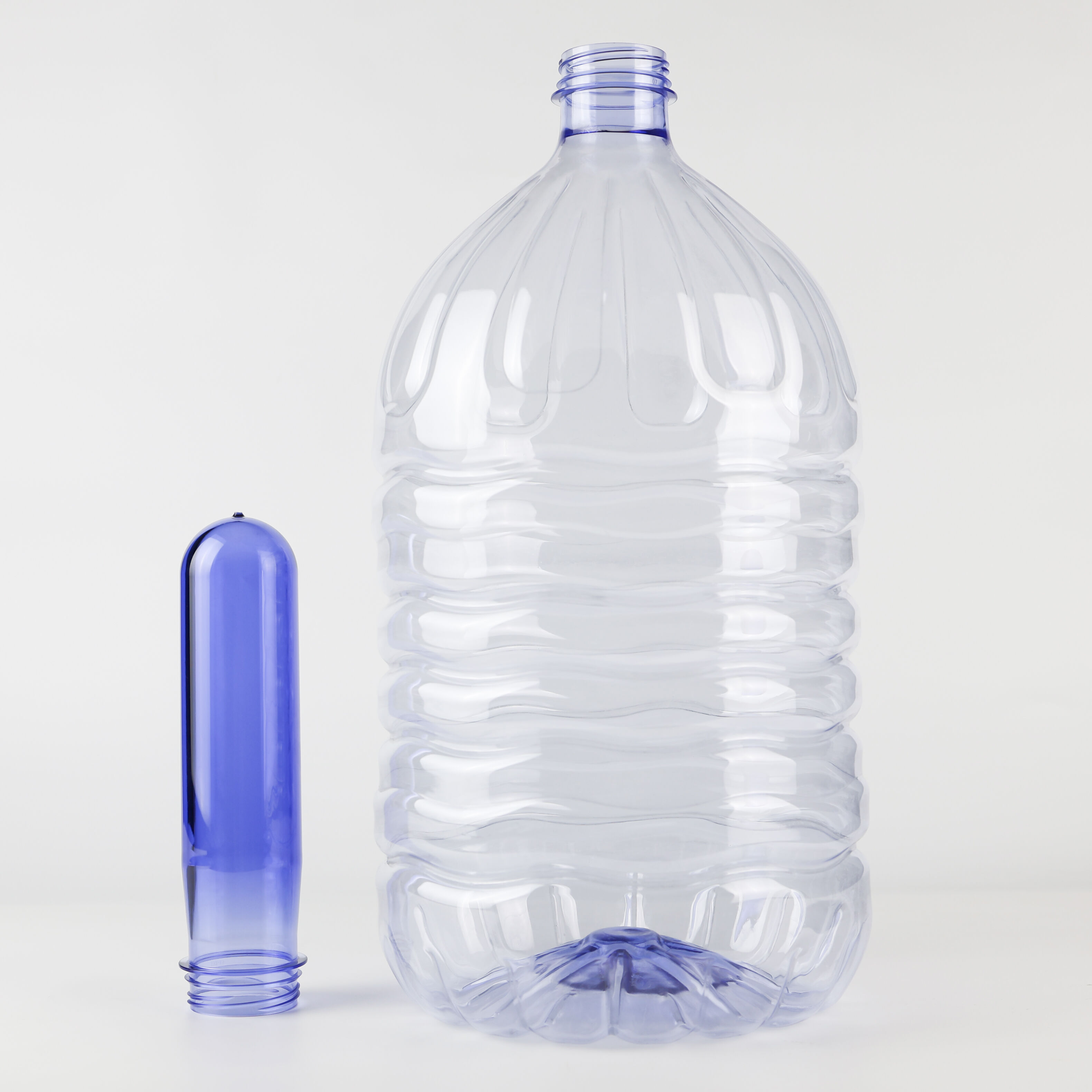
When sourcing preforms for beverage packaging, water dispensing, or bulk liquid storage, one of the most critical decisions a manufacturer or procurement specialist faces is choosing between a 5 gallon PET preform and smaller preform formats. These two categories differ far more than simple size might suggest — they represent distinct engineering challenges, material considerations, production constraints, and end-use applications. Understanding these differences is not just an academic exercise; it directly affects your line efficiency, product quality, and long-term cost structure.
The 5 gallon PET preform is a specialized component designed exclusively for producing large-format water bottles — most commonly the 18.9-liter (5-gallon) jugs used in water cooler dispensing systems worldwide. Small preforms, by contrast, serve a broad range of packaging needs from carbonated soft drinks to mineral water bottles, edible oil containers, and personal care packaging. Recognizing exactly where these two product types diverge helps buyers make better decisions about molds, blowing machines, resin grades, and total production costs.
Physical Dimensions and Weight Specifications
Size, Wall Thickness, and Neck Diameter
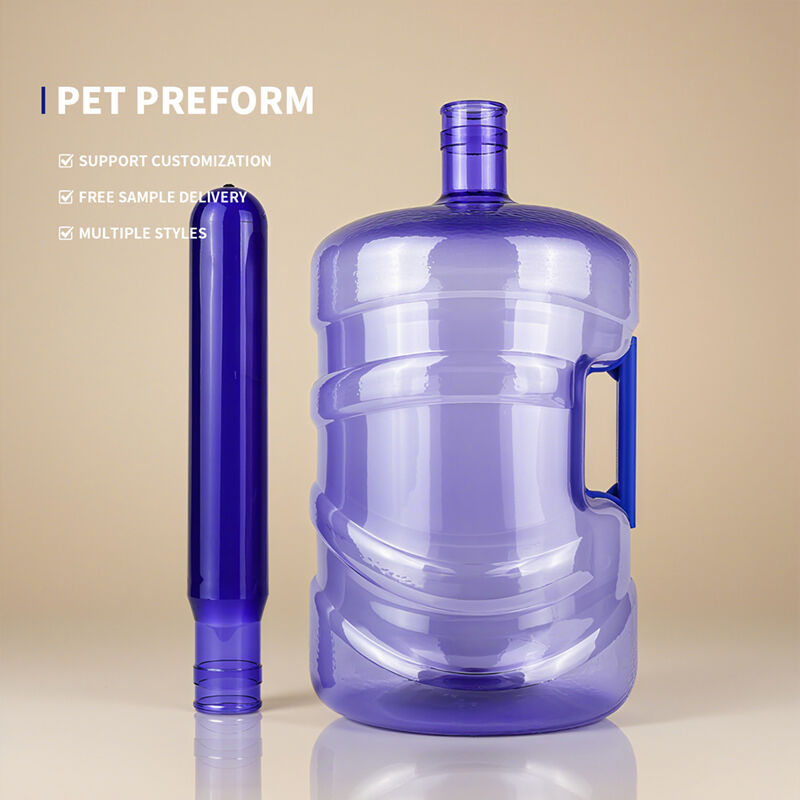
The most immediately visible difference between a 5 gallon PET preform and a small preform is, of course, physical scale. A standard 5 gallon PET preform typically weighs between 580 grams and 750 grams, depending on design specifications, wall thickness, and the intended durability class of the finished bottle. Small preforms used for 500ml water bottles, by comparison, generally weigh between 10 grams and 28 grams — a dramatic contrast that influences every downstream process parameter.
The neck diameter of a 5 gallon PET preform is considerably larger than that of a small preform. The industry-standard neck finish for 5-gallon bottles is typically 55mm, designed to accommodate standard water dispenser valves and caps. Small preforms, depending on their application, often use neck finishes ranging from 28mm to 38mm PCO (Plastic Closure Only) standards. This neck geometry difference is not cosmetic — it determines which blow molding machines, molds, and closure systems can be used in production.
Wall thickness is another key dimensional divergence. A 5 gallon PET preform must have substantially thicker walls to withstand the stresses of both the stretch blow molding process and the long-term structural demands of a heavy, repeatedly filled container. The crystallinity achieved during blow molding must be sufficient to give the final bottle the rigidity and impact resistance needed for repeated use cycles in a commercial environment. Small preforms destined for single-use bottles are engineered for thin, light walls that allow rapid blowing and minimal material use.
Length and Body Geometry
The body length of a 5 gallon PET preform is markedly longer than that of small preforms, since it must eventually expand into a container holding nearly 19 liters. This extended length creates specific challenges in the injection molding phase, particularly regarding the uniform distribution of material across the preform body. Gate design, cooling channel placement, and injection speed all require careful calibration to prevent thin spots or sink marks in the finished preform.
Small preforms are considerably shorter and more uniform in their body proportions, which makes them easier to mold at higher cavitation rates. A single injection molding tool for small preforms may run 48, 72, or even 96 cavities simultaneously, enabling extremely high throughput per machine hour. A mold producing a 5 gallon PET preform operates at very low cavitation — often just 1 to 4 cavities — due to the size and clamping force requirements involved. This fundamental difference in production economics shapes pricing, lead times, and factory planning significantly.
Material Requirements and Resin Selection
Intrinsic Viscosity and Resin Grade
The 5 gallon PET preform demands a higher intrinsic viscosity (IV) resin compared to what is typically used for small preforms. IV is a measure of molecular chain length in PET resin; higher IV values indicate longer molecular chains, which translate into better mechanical strength, improved stretch ratio performance, and greater resistance to environmental stress cracking. For a large-format container that must endure repeated filling, washing, and physical handling, using a resin with sufficient IV is non-negotiable.
Common IV ranges for a 5 gallon PET preform fall between 0.80 and 0.85 dl/g, while small preforms for still water or carbonated beverage bottles may use resins in the 0.72 to 0.84 dl/g range. The choice within those ranges is governed by the stretch ratio involved in blow molding and the structural requirements of the finished container. Using insufficient IV resin in a 5-gallon application results in weak bottle walls, stress whitening, and an unacceptably high bottle failure rate in the field.
FDA-grade or food-contact-approved resin is a standard requirement for both formats when the application involves potable water or food products. However, the volume of resin consumed per unit in a 5 gallon PET preform is dramatically higher, meaning that even small differences in resin unit pricing translate into significant cost impacts at scale. Procurement teams must balance resin quality requirements against volume pricing when sourcing for high-output 5-gallon production lines.
Colorants, Additives, and Clarity Requirements
Most 5 gallon PET preform applications call for optical clarity or very light blue tinting, consistent with consumer expectations for water quality and cleanliness. This means pigment loading must be minimal and carefully controlled. Small preforms span a far wider range of colors and opacity levels because they serve applications from carbonated beverages to oils, sauces, and personal care products, where branding-driven color choices are common.
UV-blocking additives are sometimes incorporated into 5 gallon PET preform formulations to protect the water contents from light-induced degradation, particularly in regions where filled bottles are stored outdoors or near windows. For small preforms in carbonated soft drink applications, CO2 barrier performance may be the dominant additive concern rather than UV protection. These application-specific additive requirements further differentiate the two product categories at the raw material level.
Blow Molding Process Differences
Stretch Blow Molding Equipment and Parameters
Blowing a 5 gallon PET preform into a finished bottle requires dedicated stretch blow molding equipment capable of handling the preform's weight, length, and required processing temperatures. Standard high-speed rotary blow molding machines used for small preforms — which operate at speeds of hundreds or thousands of bottles per hour — are not suited for 5-gallon production. Machines for 5-gallon containers typically operate at much lower speeds, often producing fewer than 300 to 600 bottles per hour per mold cavity, and require significantly higher blowing pressures due to the wall thickness involved.
The stretch rod dimensions, blow pin size, and mold design for a 5 gallon PET preform must be engineered to match the specific preform geometry in use. Mismatch between preform design and blowing parameters leads to uneven material distribution in the finished bottle, creating zones of weakness that can fail under normal use conditions. This engineering precision is a key reason why selecting a 5 gallon PET preform from a supplier with full technical documentation and process compatibility data is essential.
Heating and Conditioning Requirements
Because of its much greater mass, a 5 gallon PET preform requires significantly longer heating times and higher energy input during the conditioning phase of blow molding. Achieving a uniform temperature profile across a thick, heavy preform body is technically challenging. Insufficient or uneven heating results in cold spots that resist proper stretching, leading to thickened wall zones and optical distortion in the finished bottle.
Small preforms heat through rapidly due to their thin walls and low mass, which enables fast cycling and high production rates. The energy economics of heating large preforms versus small preforms per unit output are quite different, and this affects the cost-per-bottle calculation for facilities operating both formats. Facility planners must account for these heating energy differences when designing production lines around a 5 gallon PET preform format.
End-Use Applications and Market Positioning
The Role of the 5 Gallon PET Preform in Water Dispensing
The dominant application for the 5 gallon PET preform is the production of returnable or single-use water dispensing jugs used in offices, homes, and institutional settings. These containers are placed on top of or inside water cooler units, and they must meet strict performance criteria including top-load strength, drop resistance, and, in returnable systems, cycle life. The preform design directly determines how many refill cycles the finished bottle can sustain before deformation or clarity loss makes it unacceptable for continued service.
Returnable 5-gallon bottles are expected to survive 30 to 50 wash-and-refill cycles in many commercial water delivery operations, meaning the material properties and preform design carry significant long-term economic weight. Small preforms, being predominantly used for single-use packaging, are designed without multi-cycle durability as a requirement. This fundamental application difference is what drives the higher material investment and engineering rigor associated with the 5 gallon PET preform format.
Small Preform Versatility Across Industries
Small preforms serve an extraordinarily diverse range of markets. From 250ml mineral water bottles to 2-liter carbonated beverage containers, from cooking oil bottles to shampoo and conditioner packaging, small preforms are the workhorses of the global plastic packaging industry. Their wide application range means that design standards, resin grades, and neck finishes are highly standardized and widely documented, making procurement and technical support more accessible for most buyers.
In contrast, the 5 gallon PET preform is a niche but critically important product with a more concentrated customer base: water bottling companies, beverage distributors, and contract blow molding operations serving the water delivery sector. The relative specialization of this product means that buyers must work more closely with preform manufacturers to ensure dimensional compatibility with their blowing equipment and closure systems, and that technical support from the supplier is especially valuable.
Quality Standards and Compliance Considerations
FDA Approval and Food Safety Compliance
Both the 5 gallon PET preform and small preforms intended for food or beverage contact must be manufactured using FDA-approved or equivalent food-safe resins and additives. However, the scrutiny applied to 5-gallon water container preforms tends to be particularly high because these containers hold large volumes of drinking water consumed directly by end users with an expectation of purity. Regulatory compliance is not optional — it is a baseline market entry requirement in most jurisdictions.
Responsible manufacturers of the 5 gallon PET preform provide full material certifications, including FDA compliance documentation, REACH conformity declarations, and batch-level traceability. Buyers should request these documents as a standard part of their supplier qualification process. For small preforms in non-food applications such as industrial chemicals or personal care, compliance standards differ and are governed by separate regulatory frameworks, illustrating another axis on which the two product categories diverge.
Dimensional Tolerances and Quality Control
Due to the critical fit between the 5 gallon PET preform and dispensing hardware such as valves, caps, and water cooler nozzles, dimensional tolerances on the neck finish area must be held to tight specifications. Variation in neck outer diameter, thread pitch, or support ring geometry can make preforms incompatible with filling and capping equipment, causing costly line stoppages. Quality control in 5-gallon preform manufacturing therefore places particular emphasis on neck finish measurement and consistency.
Small preforms are also subject to dimensional control, but the high volume and standardization of small preform neck finishes means that process capability data is extensive and industry benchmarks are well-established. For the 5 gallon PET preform, where production volumes per SKU are lower and application requirements are very specific, buyers benefit from suppliers who maintain detailed process capability records and are transparent about dimensional variation data. This level of technical partnership distinguishes serious 5-gallon preform suppliers from commodity producers.
FAQ
What is the typical weight of a 5 gallon PET preform compared to a small preform?
A standard 5 gallon PET preform weighs approximately 580 to 750 grams depending on design and intended bottle durability, while small preforms for 500ml water bottles typically weigh between 10 and 28 grams. This enormous weight difference reflects the vastly different material volumes, structural demands, and production economics of the two formats.
Can small preform blow molding machines be used to blow 5 gallon PET preforms?
No. The blow molding equipment used for small preforms is not compatible with the 5 gallon PET preform format. The preform dimensions, weight, heating requirements, stretch rod specifications, and mold design are all fundamentally different. Dedicated equipment sized and calibrated for large-format preform processing is required for 5-gallon bottle production.
Why does the 5 gallon PET preform require a higher intrinsic viscosity resin?
The 5 gallon PET preform must produce a bottle capable of withstanding the structural stresses of holding nearly 19 liters of liquid, surviving drop impacts, and in returnable systems, enduring dozens of wash-and-refill cycles. Higher intrinsic viscosity resin provides longer molecular chains, which translates into superior mechanical strength, better stretch performance, and greater durability in the finished container.
Are 5 gallon PET preforms required to be FDA approved?
Yes, when used for potable water applications, the 5 gallon PET preform must be manufactured from FDA-approved or equivalent food-contact-compliant materials. Buyers should request formal compliance documentation from their preform supplier as part of standard procurement practice to ensure regulatory requirements are fully met in their target markets.