PP Preforms: High-Performance Polypropylene Packaging Solutions for Manufacturing Excellence

Get a Free Quote

Our representative will contact you soon.
Email
name
Phone/WhatsApp
Company Name
Message
0/1000

pp preform

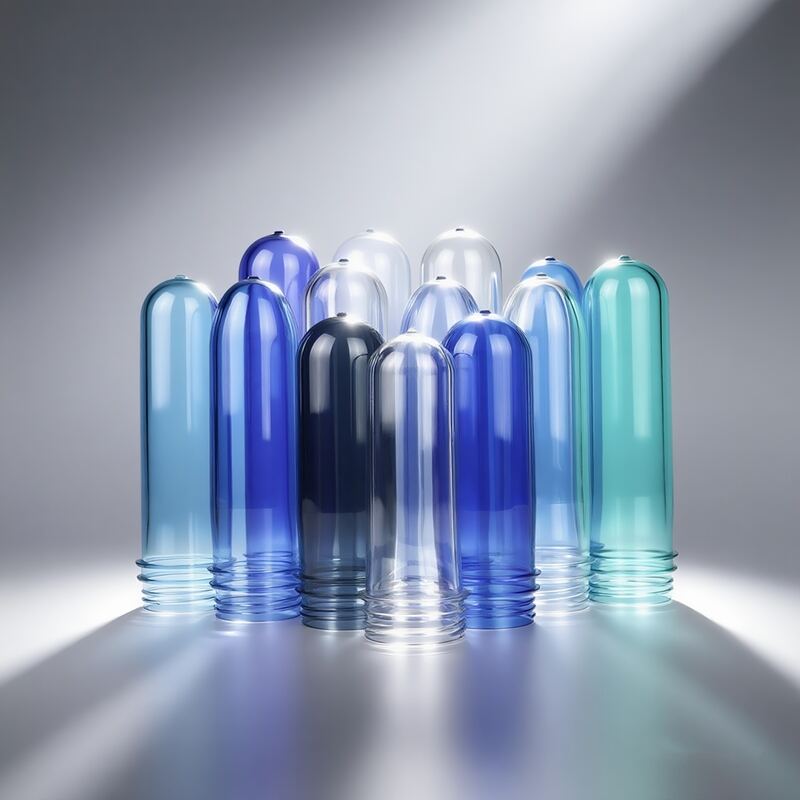
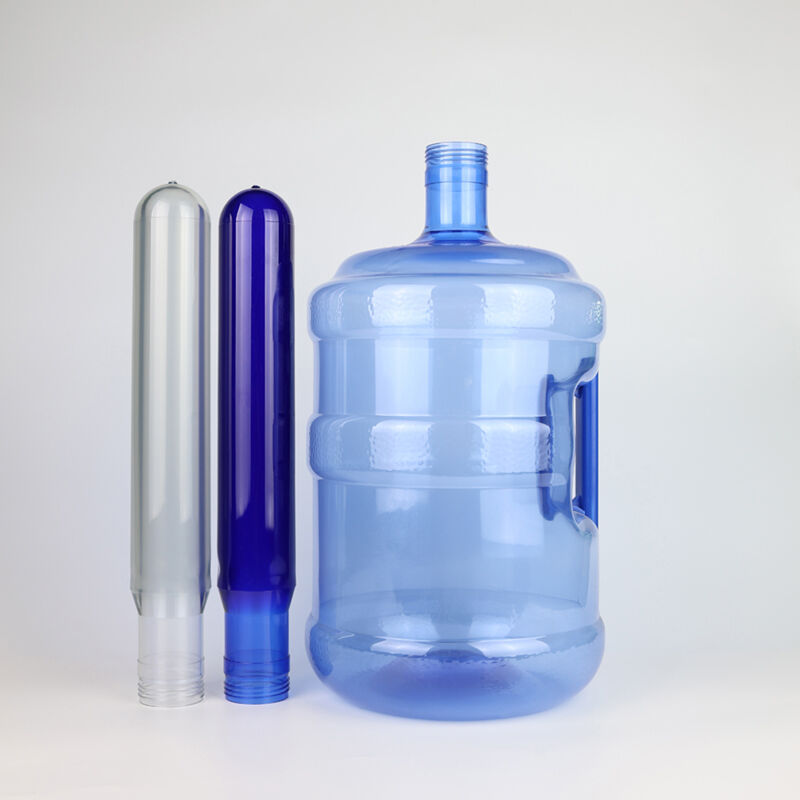
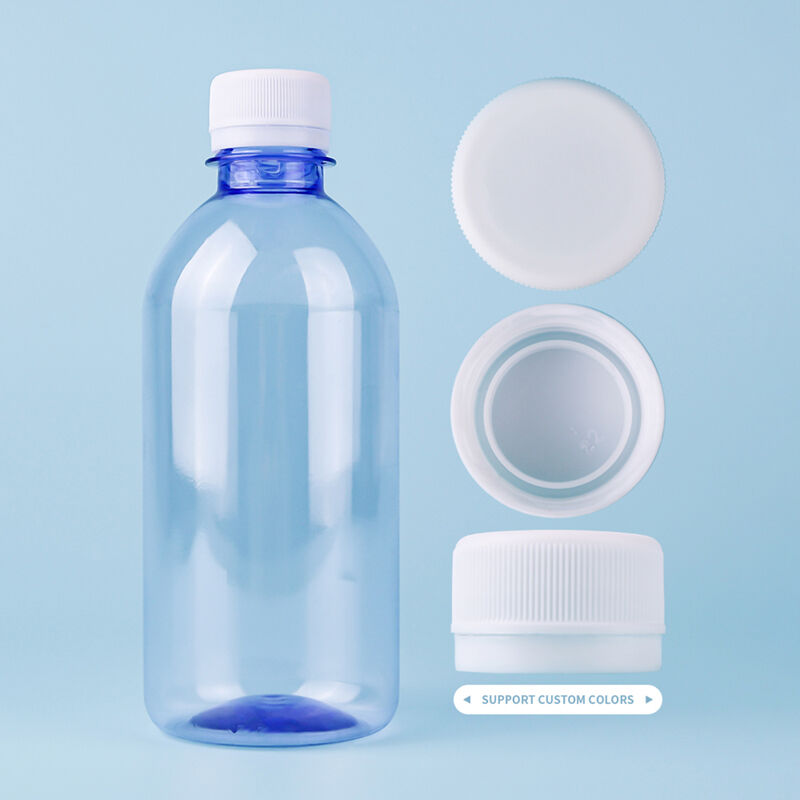
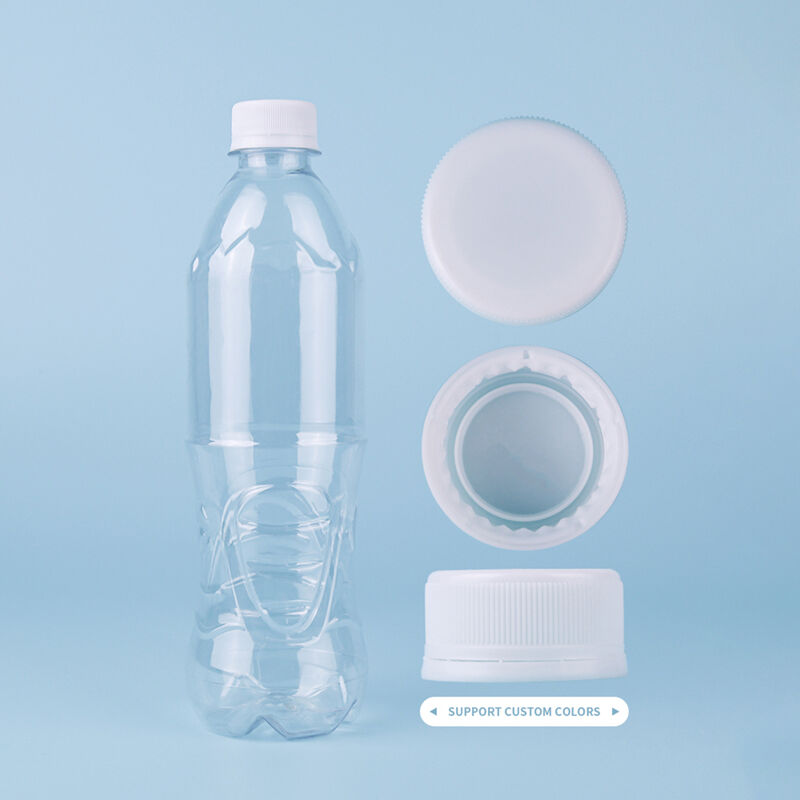
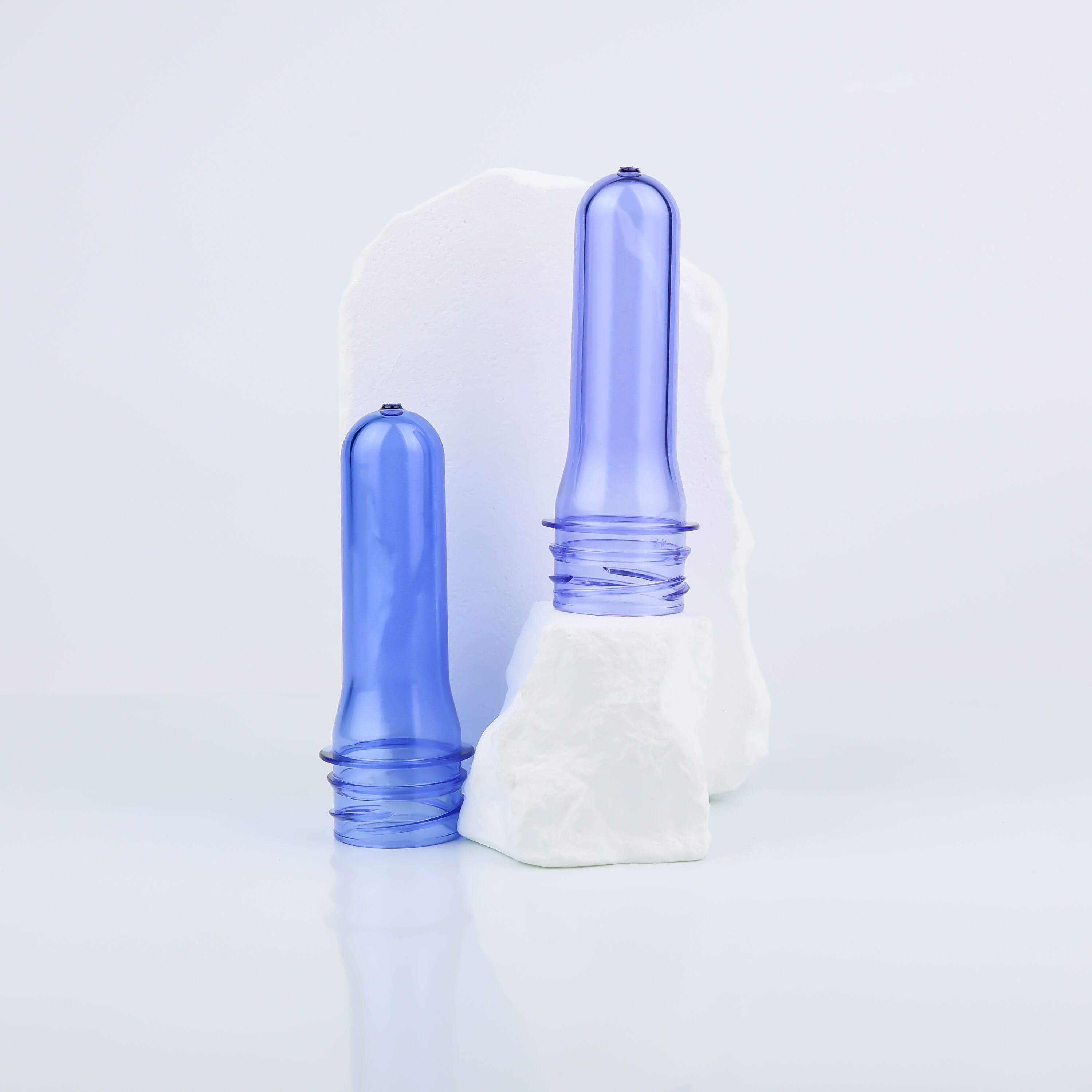
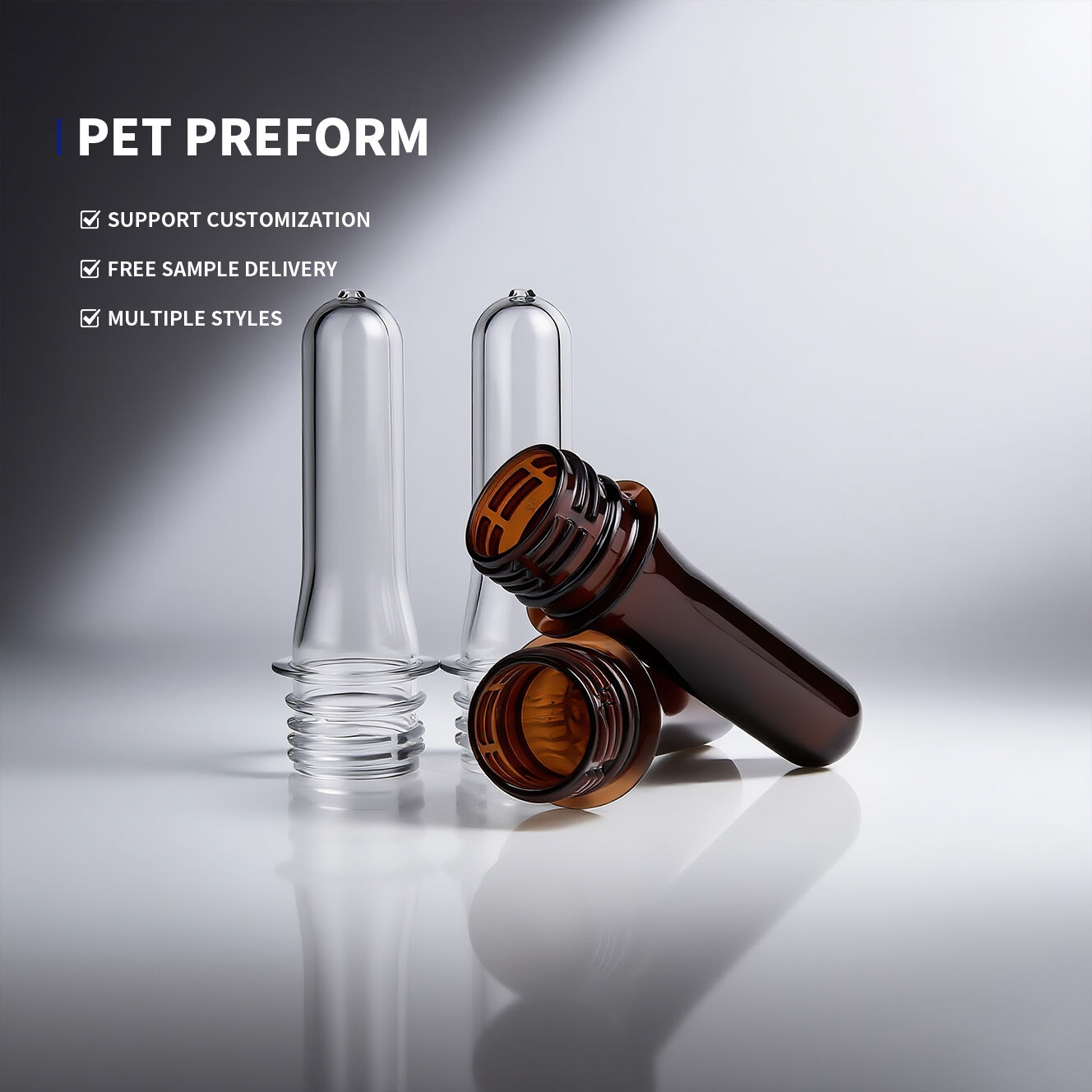
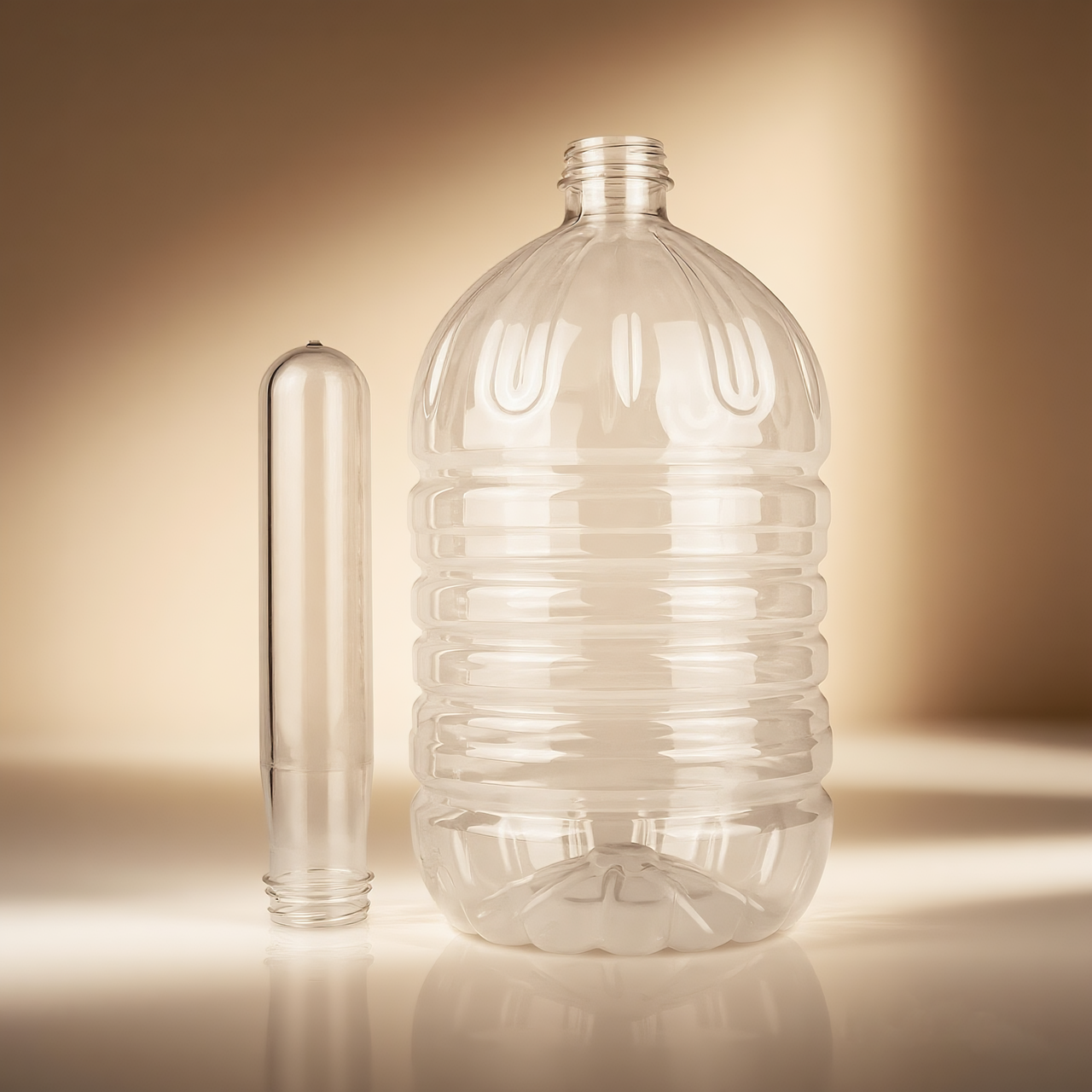
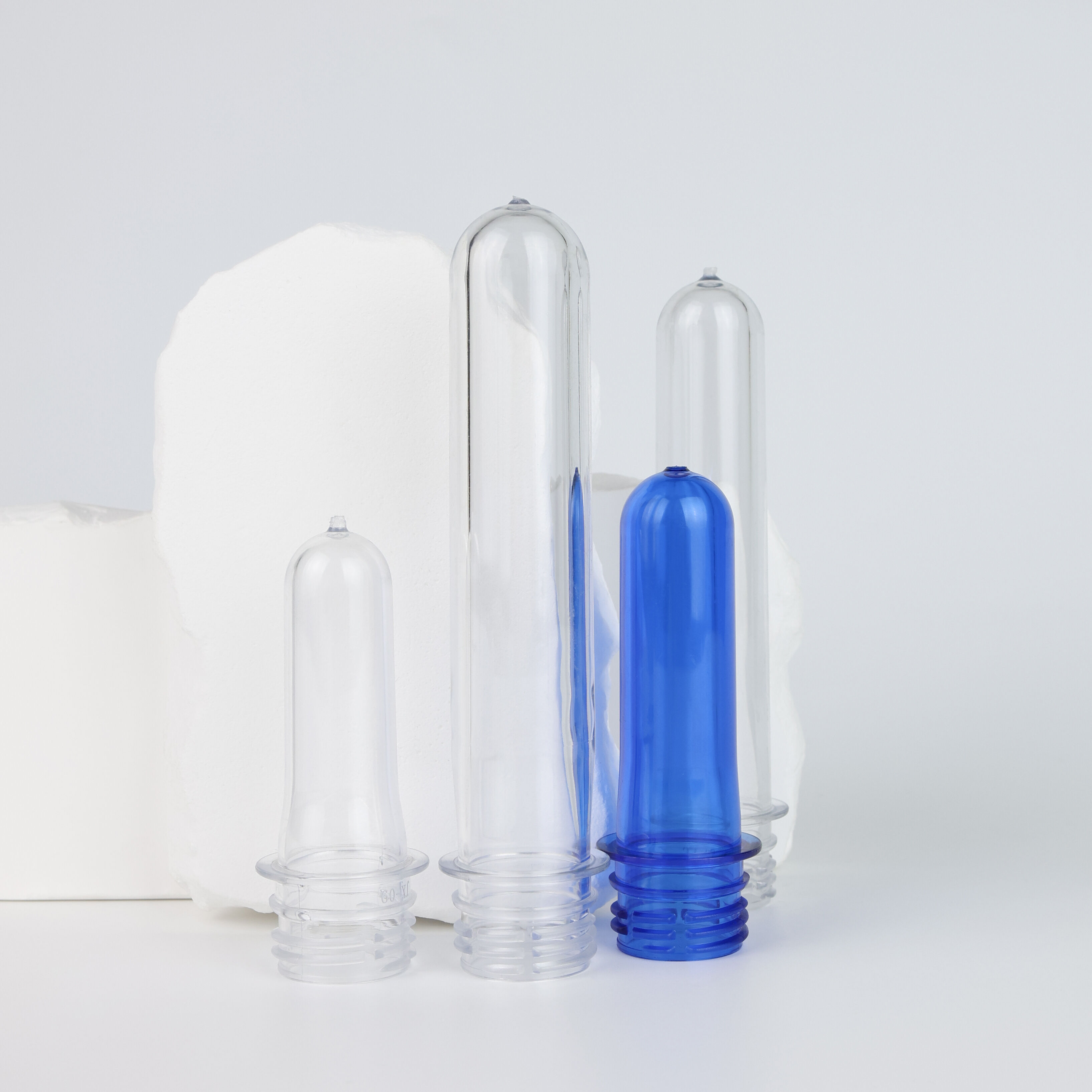
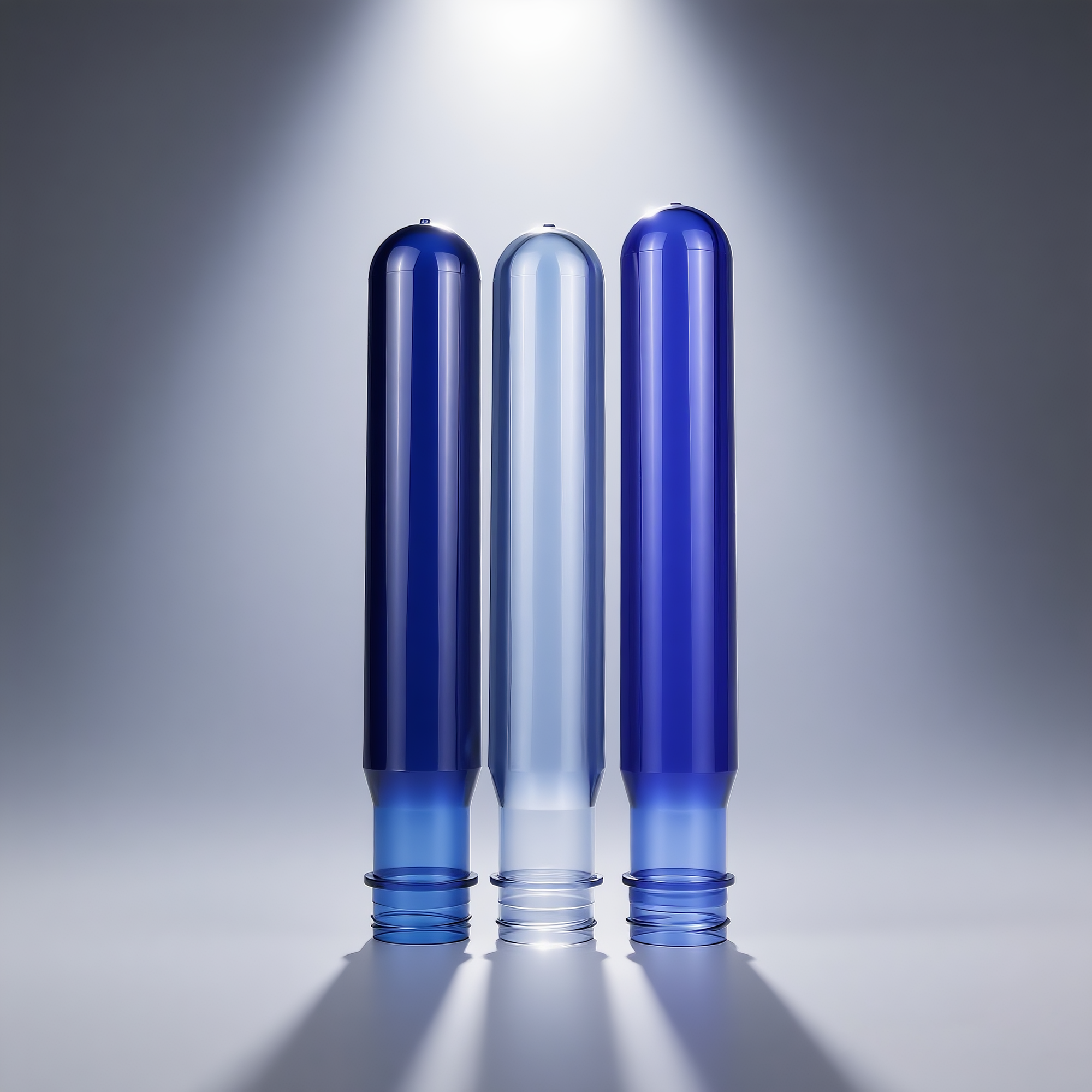
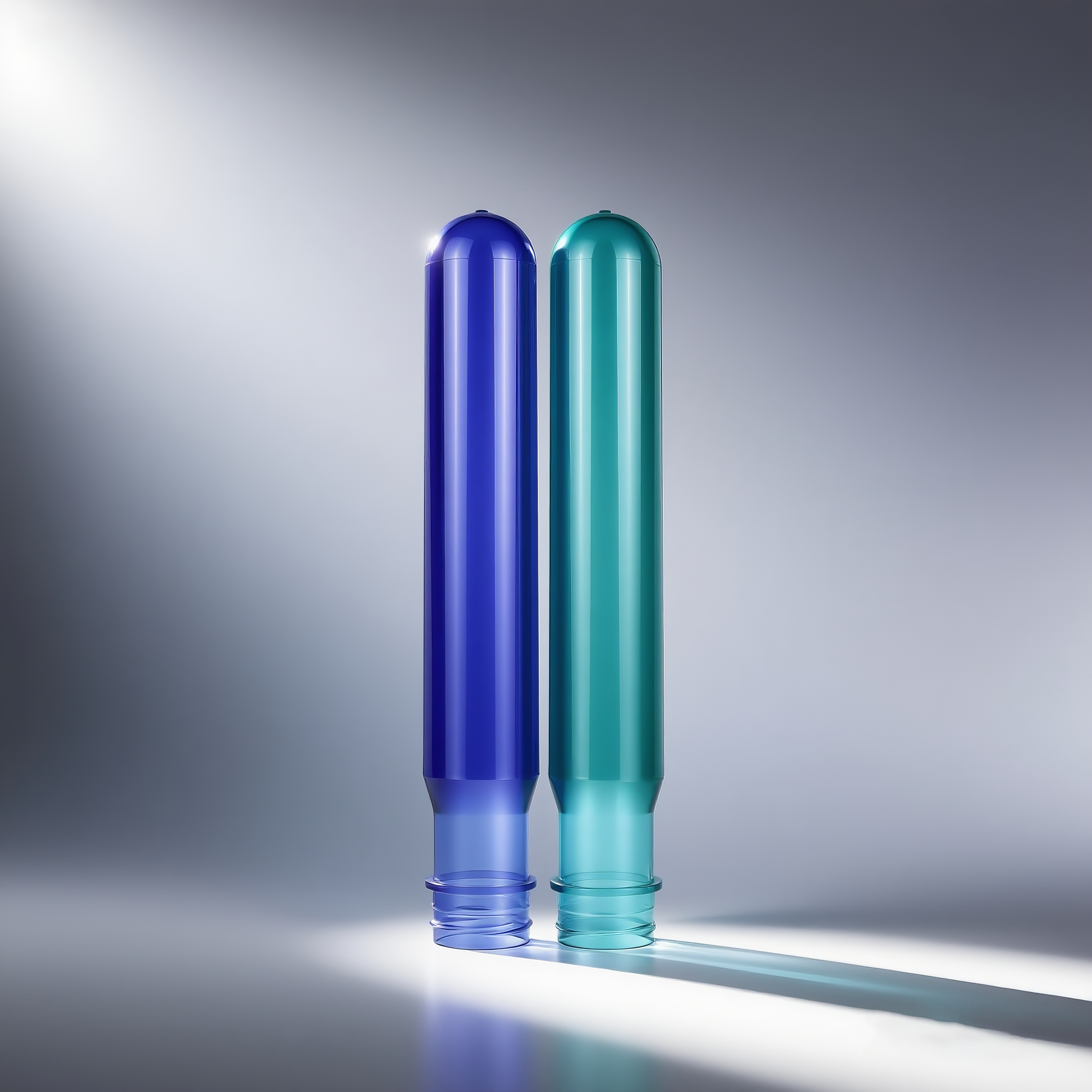
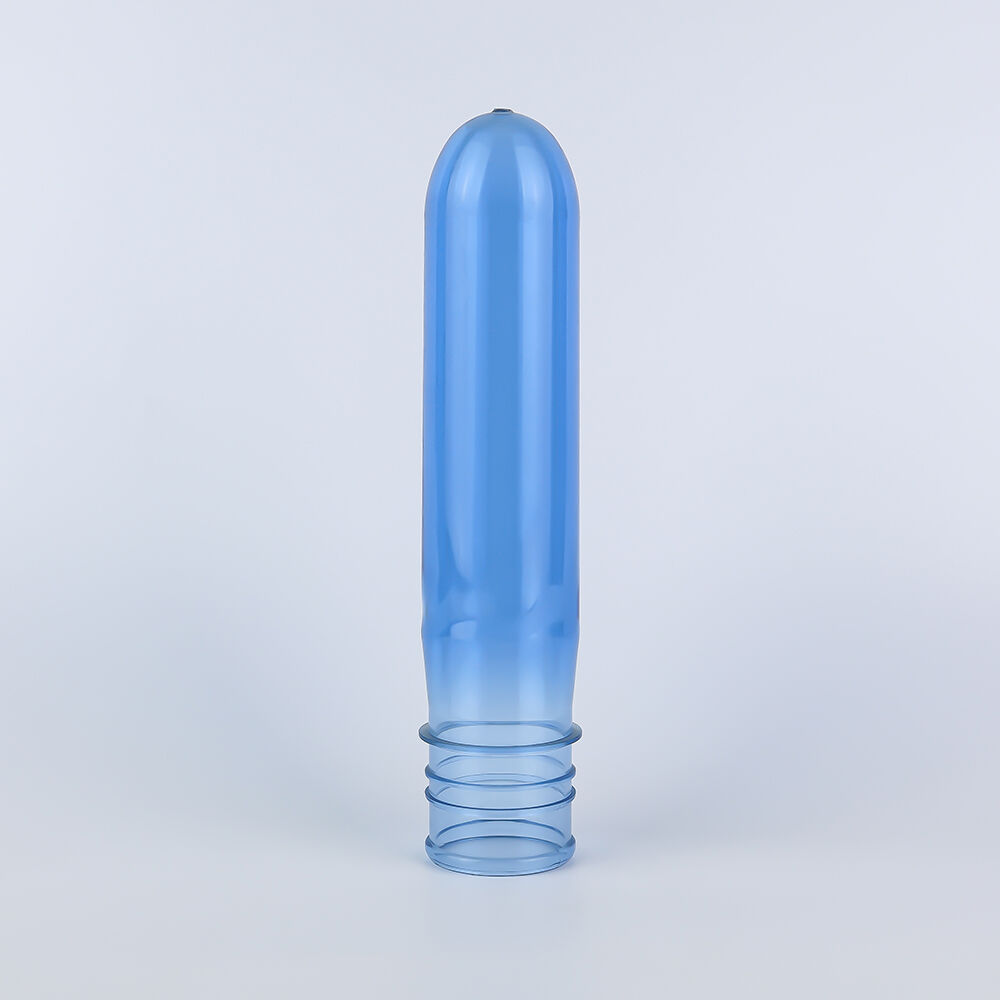
A PP preform represents a crucial intermediate product in the plastic packaging manufacturing process, specifically designed as a precursor to blow-molded polypropylene containers. This specialized component serves as the foundation for creating various packaging solutions including bottles, jars, and containers across multiple industries. The PP preform consists of polypropylene resin that has been injection-molded into a tube-like structure featuring a fully formed neck and threading, while maintaining a thick-walled body that will later be expanded through blow molding processes. The primary function of the PP preform involves providing manufacturers with a consistent, high-quality starting point for producing finished packaging products. During the blow molding phase, the PP preform undergoes controlled heating and expansion, transforming into the final container shape while maintaining the precise dimensions and threading established during the preform stage. Technological features of PP preforms include superior material distribution, enhanced barrier properties, and optimized wall thickness consistency. The injection molding process ensures uniform density throughout the preform structure, eliminating weak points that could compromise the final product integrity. Advanced molding techniques incorporate precise temperature control and pressure management, resulting in preforms with exceptional dimensional accuracy and surface quality. The crystalline structure of polypropylene provides excellent chemical resistance, making PP preforms suitable for packaging applications involving various substances including food products, pharmaceuticals, cosmetics, and industrial chemicals. Applications for PP preforms span numerous sectors, with food and beverage packaging representing the largest market segment. These preforms are commonly used to manufacture bottles for dairy products, fruit juices, water, edible oils, and condiments. The pharmaceutical industry utilizes PP preforms for creating containers that house liquid medications, syrups, and health supplements, taking advantage of polypropylene's inert properties and sterilization compatibility. Personal care and cosmetic manufacturers rely on PP preforms for producing bottles and jars for shampoos, lotions, creams, and various beauty products, benefiting from the material's clarity and moldability options.

New Products

PP preforms deliver exceptional cost-effectiveness for manufacturers seeking efficient packaging solutions without compromising quality standards. The streamlined production process reduces manufacturing expenses while maintaining consistent output quality, enabling businesses to achieve better profit margins on their packaging investments. Companies benefit from reduced waste during production cycles, as the precision-molded PP preforms minimize material loss and defective units compared to alternative manufacturing methods. The lightweight nature of PP preforms translates directly into reduced shipping costs and storage expenses, providing immediate financial benefits throughout the supply chain. Manufacturers appreciate the simplified inventory management that comes with standardized PP preform specifications, allowing for bulk purchasing advantages and predictable cost structures. The durability characteristics of PP preforms ensure reliable performance throughout the entire manufacturing and distribution process. These preforms resist cracking, splitting, and deformation during handling and storage, reducing product loss and replacement costs for manufacturers. The inherent flexibility of polypropylene material allows PP preforms to withstand temperature fluctuations without structural compromise, making them suitable for various climate conditions and storage environments. Quality control becomes significantly easier with PP preforms due to their consistent manufacturing parameters and predictable performance characteristics. Production facilities can implement automated quality assurance systems that reliably detect any variations in PP preform specifications, ensuring only premium-grade products proceed to the blow molding stage. The chemical inertness of PP preforms provides manufacturers with confidence when packaging sensitive products, as the material does not interact with contents or introduce contamination risks. Processing efficiency represents another major advantage of PP preforms, as they integrate seamlessly into automated blow molding systems without requiring extensive setup modifications. The standardized neck finish and threading dimensions ensure compatibility with existing filling and capping equipment, minimizing production line disruptions during implementation. Temperature stability during the blow molding process allows for consistent heating and expansion cycles, resulting in uniform wall thickness distribution and optimal container performance. Environmental considerations favor PP preforms due to their recyclability and reduced environmental impact compared to alternative materials. The single-material composition simplifies recycling processes and supports sustainability initiatives for environmentally conscious manufacturers. Energy consumption during PP preform production remains relatively low compared to other packaging manufacturing methods, contributing to reduced carbon footprint and operational costs. The versatility of PP preforms accommodates diverse design requirements and customization options, enabling manufacturers to create unique packaging solutions while maintaining production efficiency and cost control.

Practical Tips

PET Packaging Solutions: Leading the Industry with Superior Performance and Sustainability

12

Nov

PET Packaging Solutions: Leading the Industry with Superior Performance and Sustainability

View More
Food-Grade PET Preforms: Leading Sustainable Innovation in Global Packaging

12

Nov

Food-Grade PET Preforms: Leading Sustainable Innovation in Global Packaging

View More
PET Preform Stretch Blow Molding: Comprehensive Technical Guide and Best Practices

12

Nov

PET Preform Stretch Blow Molding: Comprehensive Technical Guide and Best Practices

View More

Get a Free Quote

Our representative will contact you soon.
Email
name
Phone/WhatsApp
Company Name
Message
0/1000

pp preform

Superior Material Performance and Chemical Resistance

Superior Material Performance and Chemical Resistance

The exceptional material performance of PP preforms stems from polypropylene's unique molecular structure, which provides outstanding chemical resistance and barrier properties essential for diverse packaging applications. This superior chemical inertness ensures that PP preforms maintain product integrity when used for packaging aggressive substances such as acidic foods, alkaline cleaning products, or pharmaceutical formulations. The crystalline structure of polypropylene creates a dense molecular network that effectively blocks the migration of external contaminants while preventing the leaching of any material components into packaged products. This characteristic proves particularly valuable for food safety applications where maintaining product purity and extending shelf life are paramount concerns. Manufacturers benefit from the consistent performance of PP preforms across temperature ranges, as polypropylene maintains its structural integrity and chemical resistance properties from freezing temperatures up to elevated heat conditions commonly encountered during pasteurization or sterilization processes. The material's inherent stability eliminates concerns about dimensional changes or property degradation that could affect package performance or compromise product safety. Quality assurance teams appreciate the predictable nature of PP preforms, as the material properties remain consistent throughout production runs, enabling reliable testing protocols and standardized approval processes. The non-toxic nature of polypropylene ensures compliance with strict food contact regulations and pharmaceutical packaging standards worldwide, providing manufacturers with confidence when entering global markets. Additionally, the chemical resistance of PP preforms extends to cleaning and sanitization procedures, allowing for thorough sterilization without material degradation or residue formation. This feature proves especially important in pharmaceutical and medical device packaging where sterile conditions are mandatory. The barrier properties of PP preforms effectively protect packaged products from oxygen, moisture, and light exposure, contributing to extended shelf life and maintained product quality. These protective characteristics reduce product waste and returns, improving overall supply chain efficiency and customer satisfaction rates while supporting manufacturers' quality reputation in competitive markets.
Cost-Effective Manufacturing and Operational Efficiency

Cost-Effective Manufacturing and Operational Efficiency

PP preforms deliver remarkable cost-effectiveness through multiple operational advantages that directly impact manufacturing profitability and production efficiency. The streamlined injection molding process used to create PP preforms requires minimal material waste, as the precise molding parameters ensure optimal material utilization with virtually no trim waste or secondary processing requirements. This efficiency translates into immediate cost savings that compound over large production volumes, making PP preforms an economically attractive option for high-volume packaging operations. The consistent dimensional accuracy of PP preforms eliminates the need for extensive quality control inspections and reduces rejection rates during subsequent blow molding operations, further enhancing cost-effectiveness through improved yield rates. Manufacturing facilities benefit from reduced energy consumption during PP preform production, as the injection molding process requires lower processing temperatures and shorter cycle times compared to alternative preform materials. These operational efficiencies result in decreased utility costs and increased production capacity, allowing manufacturers to maximize their return on equipment investments while meeting growing demand. The lightweight characteristics of PP preforms contribute significantly to reduced shipping and logistics costs throughout the supply chain. Transportation companies can accommodate larger quantities of PP preforms per shipment due to their favorable weight-to-volume ratio, resulting in lower per-unit shipping costs that benefit both manufacturers and end customers. Storage requirements are minimized as PP preforms can be efficiently stacked and stored in compact configurations without risk of deformation or damage. Inventory management becomes more cost-effective due to the extended shelf life of PP preforms, which remain stable for extended periods without degradation or performance loss. This stability allows manufacturers to implement bulk purchasing strategies and optimize inventory turnover rates while maintaining consistent product quality. The compatibility of PP preforms with existing blow molding equipment eliminates the need for significant capital investments in specialized processing machinery, reducing barriers to implementation and improving return on investment calculations. Labor costs are minimized through the simplified handling characteristics of PP preforms, as their durability reduces breakage rates and the need for careful handling protocols during production and storage operations.
Environmental Sustainability and Recycling Advantages

Environmental Sustainability and Recycling Advantages

The environmental sustainability of PP preforms represents a significant competitive advantage in today's environmentally conscious marketplace, where manufacturers increasingly prioritize eco-friendly packaging solutions. Polypropylene's inherent recyclability allows PP preforms and their resulting containers to be processed through standard recycling infrastructure, contributing to circular economy initiatives and reducing environmental impact. The single-material composition of PP preforms simplifies the recycling process by eliminating the need for complex material separation procedures that are required with multi-layer or composite packaging materials. This simplicity ensures higher recycling efficiency rates and reduces contamination issues that can compromise recycled material quality. Manufacturers benefit from the growing consumer preference for sustainable packaging options, as PP preforms enable them to meet environmental responsibility expectations while maintaining product performance and cost-effectiveness. The energy efficiency of PP preform production contributes to reduced carbon footprint calculations, as the injection molding process requires less energy input compared to alternative packaging manufacturing methods. This efficiency advantage becomes increasingly important as companies work to achieve sustainability targets and reduce greenhouse gas emissions throughout their operations. The durability and lightweight characteristics of PP preforms contribute to transportation efficiency improvements that further reduce environmental impact through decreased fuel consumption and emissions during distribution. Supply chain partners appreciate these environmental benefits as they work to optimize their own sustainability metrics and reduce overall logistics-related environmental impact. The longevity of PP preforms during storage and handling reduces material waste from damaged or degraded products, contributing to more efficient resource utilization throughout the packaging supply chain. Recycled polypropylene can be successfully incorporated into new PP preform production, creating closed-loop recycling opportunities that maximize material value while minimizing waste disposal requirements. This recycling capability supports manufacturers' corporate social responsibility initiatives and helps meet increasingly stringent environmental regulations in various markets worldwide. The chemical inertness of polypropylene ensures that recycled PP preforms maintain safety standards for food contact applications, enabling manufacturers to incorporate recycled content without compromising product safety or quality requirements. Environmental certifications and sustainability credentials become more achievable when utilizing PP preforms, as the material's recyclable nature and efficient production processes align with green packaging standards and certification requirements that are increasingly important for market access and brand reputation.
PP Preforms: High-Performance Polypropylene Packaging Solutions for Manufacturing Excellence

Get a Free Quote

Our representative will contact you soon.
Email
name
Phone/WhatsApp
Company Name
Message
0/1000