 EN

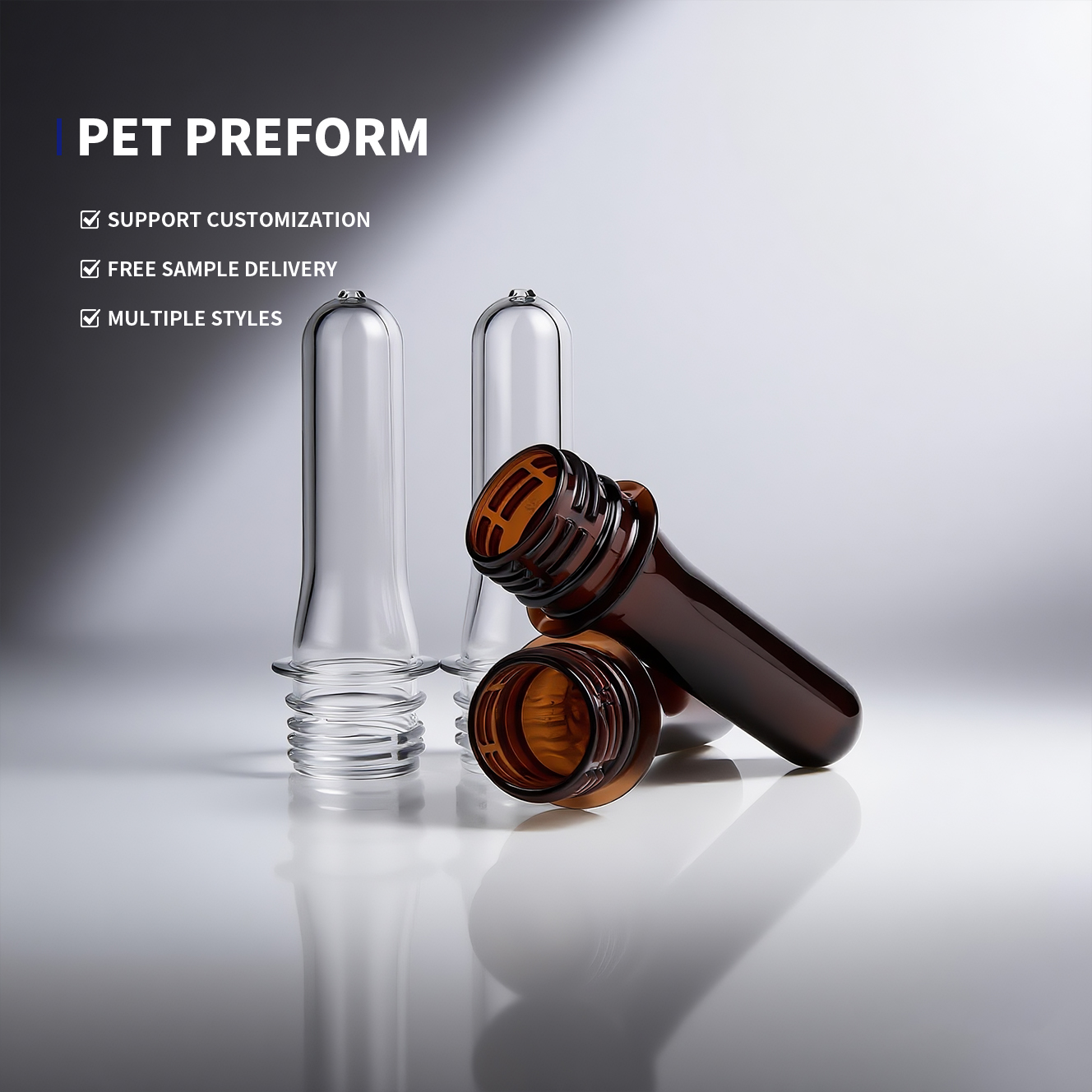
Cost control is the top priority for large-scale beverage, edible oil, home care and CPG packaging lines. When output runs into millions of bottles per year, tiny per-unit waste, energy or labor losses compound rapidly and eat into margins. Using PET preforms separates injection molding from blow molding, creating a modular supply model that unlocks savings across material, production, energy, warehousing and quality waste. This article breaks down exactly how preforms cut total cost of ownership for high-volume packaging projects, not just unit price.

Many buyers only compare preform prices against resin pellets, but the real economic benefit lies in better material distribution, faster blow cycles, lower capital spend, compact logistics and stable first-pass yield. These advantages scale stronger as volume rises, making preform sourcing especially compelling for mass-market SKUs.
Direct Material Cost Reduction Through Preform Utilization
Optimized Material Distribution
The biggest material gain comes from precision wall mapping built into the preform at the injection stage. Preform designers allocate plastic exactly where the finished bottle needs strength, avoiding over-thick sections that waste resin. This lightweighting is repeatable across millions of units, unlike inline injection-blow setups that drift and create uneven wall thickness.
Standardized preform specs also make forecasting easier. You calculate bottle count directly from preform weight, so safety stock buffers can shrink. Many in-house pellet-to-bottle operations carry 10–15% extra resin to cover variation and scrap; reliable preform supply lets you tighten that buffer and free up cash.
Consistent preform geometry lowers blow-mold reject rates. At high volume, even a 1% drop in scrap delivers large cumulative savings: less resin loss, fewer rejected filled bottles and less rework labor.
Reduced Raw Material Processing
With preforms, your blow facility no longer manages resin receiving, drying, blending, color dosing and injection. That removes a whole layer of process variables and labor. You only validate incoming preform batches instead of running constant resin QC, blending checks and contamination controls for pellets.
This also reduces batch failure risk. Mixing wrong resin grades or poor drying are common root causes of large scrap runs when molding in-house. Buying finished preforms shifts that complexity and risk to the specialized preform molder.
Logistics density is another win. Preforms stack tightly, so each container carries far more bottle equivalents than loose resin pellets, cutting per-unit freight cost for large-volume programs.
Production Efficiency Gains in High-Volume Operations
Accelerated Manufacturing Cycles
Blow molding from preforms runs faster than integrated injection-blow lines. Injection is the slower, heat-and-pressure-heavy step; once preforms arrive, your line only needs reheat + stretch + blow. That means higher output from the same blow-mold machine fleet.
Preforms heat predictably when their mass and wall profile are consistent. Operators spend less time tuning oven zones between runs, changeovers speed up, and scheduling becomes far more reliable. Variability from resin moisture, melt temperature and injection drift is removed from your blow floor.
Equipment utilization improves because machines spend less time stabilizing after startup or recipe shifts. In high-volume packaging, uptime directly translates to more bottles per hour and lower fixed cost per unit.
Simplified Quality Control Processes
QC workload shifts dramatically: instead of monitoring injection parameters, melt pressure, drying and color, your team inspects preform dimensions, gate quality and finished bottle output. Fewer variables mean fewer test points and less manual sampling labor.
Automated inspection also works better with standardized preforms. Vision systems can reliably flag ovality, short shots or contamination before blowing, so bad preforms never waste filling, capping and labeling downstream.
SPC tracking becomes cleaner. When quality drifts, you can isolate whether the issue comes from blow-mold settings or the incoming preform batch much faster, limiting the size of affected production.
Energy and Operational Cost Savings
Reduced Energy Consumption
Injection molding is extremely energy-intensive, often 40–50% of total bottle-making power. By outsourcing injection to a preform supplier, your blow plant skips that energy load entirely. You only heat preforms to blow temperature, which uses far less power per bottle.
Preform reheat cycles are predictable, so facilities can schedule production around off-peak electricity tariffs and avoid demand surcharges. This is a meaningful saving for large 24/7 beverage lines.
Cooling demand also falls. Injection requires long mold cooling cycles; blow molding thermal cycles are shorter, reducing chiller runtime and extending equipment service life.
Lower Equipment Investment Requirements
Building in-house bottle production means buying, installing and validating both injection presses and blow machines. A preform-based setup only needs blow molding capacity, which cuts capital expenditure dramatically.
Blow equipment has fewer high-wear, high-maintenance components than injection machines. Spare parts stock, mold repair and technician labor all go down over the project lifecycle.
Capacity scaling is more flexible too. When demand jumps, you buy more preforms rather than financing and qualifying new injection molds and presses. This is ideal for brands with seasonal peaks or multiple rotating SKUs.
Inventory and Storage Cost Optimization
Efficient Storage Utilization
Preforms are compact and nestable. They take roughly 1/5 to 1/8 the warehouse space of finished bottles. That lets you hold enough stock for multi-week runs without renting extra warehouse bays or using expensive collapsible bottle bins.
Stackable preform packaging also works well for vertical racking, so you maximize cubic storage. For exporters, preforms ship in much higher unit counts per container than blown bottles, slashing ocean freight per bottle.
You can align preform deliveries tightly with blow schedules, balancing just-in-time orders and safety stock to avoid overstocking bulky finished goods.
Reduced Inventory Carrying Costs
Preforms are semi-finished goods with longer shelf stability than filled bottles and less SKU lock-in. If packaging designs change, a standard neck preform may still work for a new bottle shape, lowering obsolescence risk compared to pre-blown custom bottles.
Working capital improves because the same production coverage requires lower inventory value. Instead of holding resin + finished bottles, you hold preforms, which are easier to turn over and less exposed to formulation or packaging changes.
Volume discounts are easier to capture. You can place larger consolidated preform orders with your supplier without the pain and risk of storing thousands of bulky finished containers.
Quality Consistency and Waste Reduction
Predictable Manufacturing Outcomes
Preform suppliers control injection melt, drying, mold temperature and cycle time in a dedicated molding environment. The result is a repeatable input for your blow line, so bottle weight, wall thickness, base stability and neck finish stay consistent across millions of units.
Blow technicians tune one set of parameters once and run it for long campaigns. First-pass yield rises and process drift becomes rare. This stability is especially valuable for hot-fill juice, carbonated drinks or edible oil where inconsistent bottle performance creates expensive field complaints.
Batch traceability is cleaner. Each preform lot carries test records for IV, acetaldehyde, color and dimensions, so root-cause investigations move faster if quality issues emerge.
Minimized Production Waste
Preform molding optimizes material use from the start, so there is far less offcut and trim waste than some alternative forming methods. Startup and changeover purge waste also drops because preforms remove injection purging from your site.
Line startups stabilize faster. With uniform preforms, the blow machine reaches spec quickly instead of cycling through variable resin batches. Less startup scrap accumulates over thousands of production hours.
Accurate consumption forecasting means fewer leftover runs and less overproduction waste, which matters when the final product is food-grade liquid that cannot simply be reclaimed like plastic scrap.
FAQ
What is the typical cost savings percentage when using preforms in high-volume packaging?
For most high-volume programs, total cost savings land between 15–25% versus operating integrated injection-blow lines. Savings stack from lower energy, less scrap, reduced capex, better warehouse density and simpler QC. Your exact number depends on bottle design, annual volume, local energy prices and whether you already own blow capacity.
How do preforms reduce energy costs in manufacturing operations?
Preforms remove energy-heavy injection molding from your facility, which usually accounts for 40–50% of bottle production power. Your site only reheats and blows preforms, cutting base load, peak demand charges and chiller consumption.
Can preforms maintain quality standards in high-volume production runs?
Yes, consistent preforms improve quality stability at scale. Preform injection is controlled in a dedicated molding plant, delivering predictable weight, wall profile and neck finish. This reduces blow-mold rejects and makes SPC and automated inspection far more reliable than starting directly from resin pellets.
What storage advantages do preforms offer for large packaging projects?
Preforms are compact and nestable, letting you store 5–8× more bottle units per square meter than finished blown bottles. This cuts warehouse rent, handling labor and container freight costs, while making safety stock easier to manage without massive storage expansion.
