 EN
EN

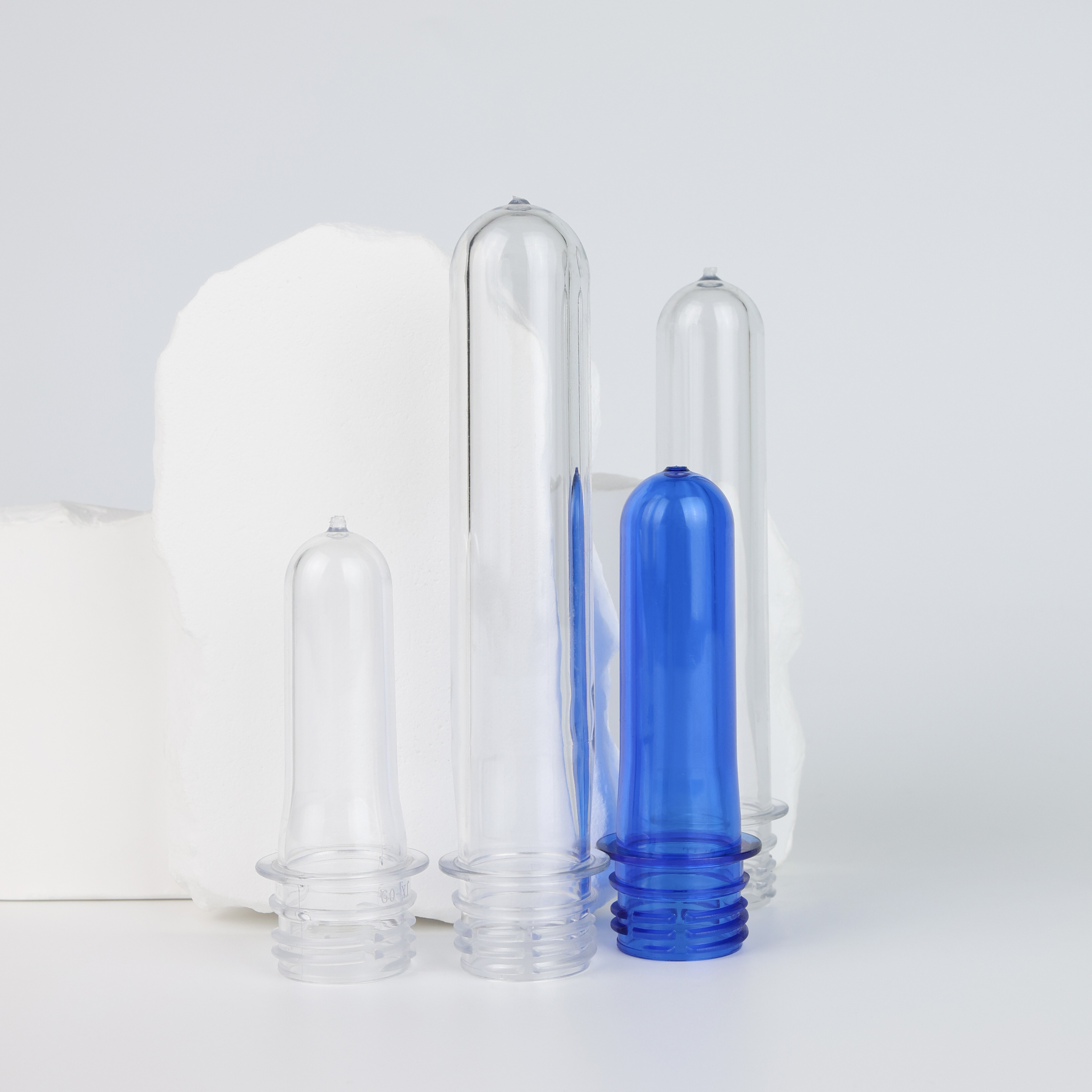
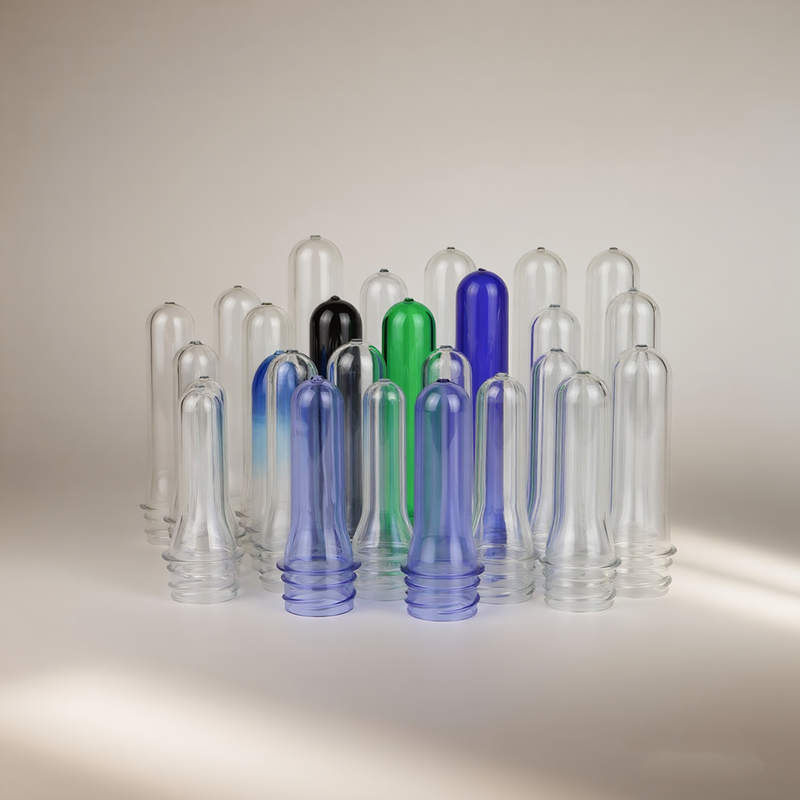
A bottle preform is a small, thick-walled, test-tube-shaped piece of plastic that serves as the intermediate stage in the production of hollow plastic bottles. Before a finished bottle ever reaches a consumer, it begins its life as a carefully engineered bottle preform, molded with precision to ensure that the final container meets the required shape, weight, clarity, and structural integrity. Understanding what a bottle preform is and how it transforms into a finished bottle is essential for anyone involved in packaging procurement, beverage manufacturing, or industrial production planning.
The journey from a raw bottle preform to a finished container involves a sophisticated manufacturing process known as blow molding. This two-stage production method has revolutionized the bottled beverage, water, and consumer goods industries by enabling high-speed, high-volume, and cost-efficient bottle manufacturing. In this article, we explore both what a bottle preform actually is and exactly how blow molding works, giving you the full picture from resin pellet to finished shelf-ready bottle.
What Exactly Is a Bottle Preform
The Physical Structure of a Bottle Preform
A bottle preform is typically manufactured from polyethylene terephthalate, commonly known as PET, although other resins such as polypropylene are sometimes used for specific applications. The bottle preform itself resembles a thick, short test tube with a threaded neck finish at the top. This neck finish is already fully formed during the injection molding stage and does not change during the subsequent blow molding process, meaning the threads and sealing surface of the final bottle are fixed from the very beginning.
The body of a bottle preform is considerably thicker than the wall of the finished bottle. This thickness is intentional — it is this excess material that gets stretched and thinned during blow molding to create the final bottle shape. The weight, wall thickness distribution, and length of a bottle preform are all calculated precisely based on the volume and shape requirements of the final container. Even small deviations in bottle preform dimensions can lead to defects such as uneven walls, stress whitening, or weak bases in the finished bottle.
The gate point, located at the very bottom of the bottle preform, is the injection point through which molten resin enters the mold during manufacturing. This point is carefully monitored for quality, as any irregularities here can compromise the structural performance of the final bottle's base, which must withstand internal pressure, stacking loads, and handling stress during distribution.
How a Bottle Preform Is Made Through Injection Molding
The production of a bottle preform begins with the injection molding process. Raw PET resin pellets are dried to remove moisture — a critical step because residual moisture causes hydrolytic degradation during processing, which weakens the final material. The dried resin is then melted and injected under high pressure into a multi-cavity injection mold, where each cavity forms one bottle preform simultaneously. High-cavitation molds can produce 96 or even 144 preforms per cycle, making this a highly scalable process for industrial volumes.
Once the molten PET fills the mold cavities, it is rapidly cooled and solidified. Cooling management is critical at this stage because PET is a semi-crystalline polymer — if it cools too slowly, it may crystallize and become opaque and brittle rather than transparent and flexible. Controlled rapid cooling keeps the bottle preform in an amorphous, transparent state that is ideal for subsequent blow molding. After ejection, preforms are inspected for dimensional accuracy, weight consistency, and visual defects before being packaged and shipped to bottling facilities.
For those sourcing at the industrial level, the specific design of a bottle preform — including its neck diameter, weight, resin grade, and thread configuration — determines what final bottle it is compatible with. Products like the bottle preform designed for 30mm neck finishes are commonly used in the production of standard mineral water and disposable drink bottles, where weight efficiency and clarity are both high priorities.
The Blow Molding Process Explained
Reheating the Bottle Preform
Blow molding begins by reheating the bottle preform to its optimal stretch temperature. In the stretch blow molding (SBM) process — the most widely used method for PET bottles — preforms pass through an infrared oven on a conveyor system. The infrared lamps heat the body of the bottle preform to approximately 90–120°C, softening the PET material into a pliable but not molten state. The neck finish is carefully shielded from heat during this stage because it must remain dimensionally stable throughout the process.
Temperature uniformity around the circumference and along the length of the bottle preform is crucial. Uneven heating leads to uneven wall thickness in the final bottle, which can cause weak points that fail under pressure or during transportation. Advanced blow molding machines use multiple heating zones and rotating spindles to ensure that every part of the bottle preform body reaches the correct temperature profile before entering the blow station.
Stretching and Blowing Into Final Shape
Once the bottle preform has reached the correct temperature, it is transferred into a bottle-shaped mold. A mechanical stretch rod is inserted into the bottle preform and pushes downward, stretching the softened PET longitudinally toward the bottom of the mold. Simultaneously, high-pressure air — typically between 25 and 40 bar — is injected into the bottle preform, forcing the material radially outward against the mold walls. This biaxial orientation (stretching in both the axial and hoop directions) is what gives PET bottles their outstanding combination of clarity, strength, and lightweight construction.
The bottle preform material conforms precisely to the internal contours of the blow mold, capturing every detail of the intended bottle design — including label panels, base geometry, and any decorative ribs or flutes. The PET cools almost instantly upon contact with the chilled mold walls, locking in the molecular orientation and the bottle's final shape. The entire stretch-blow cycle for a single bottle preform typically takes less than two seconds in modern high-speed equipment, enabling output rates of thousands of bottles per hour per machine.
After the air pressure is released and the mold opens, the finished bottle is ejected and conveyed to downstream filling, capping, and labeling lines. The bottle preform has now been permanently transformed into a lightweight, crystal-clear, structurally reliable container ready for filling with water, juice, carbonated beverages, or other liquids.
Why Bottle Preform Design Matters for Final Bottle Quality
The Relationship Between Preform Weight and Bottle Performance
The design specifications of a bottle preform have a direct and measurable impact on the performance of the finished bottle. The weight of the bottle preform determines the average wall thickness of the blown container — heavier preforms produce thicker-walled bottles that can withstand higher internal pressure and mechanical stress, while lighter preforms produce thinner walls optimized for cost reduction in low-pressure applications such as still water. Finding the right balance between bottle preform weight and bottle performance is a core engineering challenge in packaging development.
Wall thickness distribution within the finished bottle is governed by how the bottle preform material distributes during stretching. Neck-to-base ratios, gate position, and bottle preform body taper all influence where material ends up in the final structure. Engineers use simulation software to model how a given bottle preform design will blow out before committing to expensive mold tooling, allowing optimization of material distribution for both performance and economy.
Neck Finish Compatibility and Standardization
The neck finish of a bottle preform — its diameter, thread profile, height, and support ledge geometry — must be precisely matched to the closure system used on the final bottle. Standard neck finishes such as 28mm PCO 1881, 30mm, and 38mm are widely used across the beverage industry and are documented by international standards bodies. A bottle preform manufactured to a specific neck finish standard will be compatible with all closures and filling equipment designed for that same standard, which greatly simplifies procurement and supply chain management for bottling operations.
Mismatches between bottle preform neck finish dimensions and capping equipment are a common source of production downtime and quality rejects. This is why sourcing bottle preforms from suppliers who adhere strictly to documented dimensional standards and who provide traceable quality documentation is essential for industrial bottling operations. Neck finish integrity is one of the few dimensions of the bottle preform that cannot be corrected downstream — it must be right from the injection molding stage.
Applications and Industrial Context of Bottle Preforms
Primary Markets Where Bottle Preforms Are Used
The bottle preform is the foundation of the global PET bottle supply chain, and its applications span a wide range of industries. The single largest application is still and carbonated beverage packaging, where billions of bottle preforms are blown into water, soft drink, juice, and energy drink bottles every year. The mineral water industry in particular relies on lightweight, small-neck bottle preforms that minimize material use while delivering adequate shelf life and structural performance for retail distribution.
Beyond beverages, bottle preforms are also used in personal care packaging (shampoo, conditioner, liquid soap), edible oil containers, household cleaning product bottles, and pharmaceutical packaging. Each of these applications imposes different performance requirements on the bottle preform in terms of resin grade, wall thickness, barrier properties, and neck finish design. Understanding the intended end-use application is therefore the starting point for any bottle preform specification process.
Economic and Logistical Advantages of the Preform Model
One of the key reasons the two-stage bottle preform and blow molding model dominates modern beverage packaging is its logistical efficiency. A bottle preform is enormously more compact than a finished blown bottle — the same volume of truck space that could carry a few hundred finished bottles can carry thousands of bottle preforms. This dramatically reduces the freight cost and carbon footprint of transporting packaging materials from the preform manufacturer to the bottling facility.
Bottling companies can store large inventories of bottle preforms in relatively small warehouse footprints, giving them the flexibility to respond to demand fluctuations without being constrained by the physical bulk of finished bottles. The bottle preform model also allows for rapid changeover between different bottle formats on the same blow molding line simply by changing molds and adjusting heating and blowing parameters, without needing to source entirely different packaging components for each bottle size.
Key Factors When Selecting a Bottle Preform for Production
Resin Quality and Intrinsic Viscosity
Not all PET resin is created equal, and the quality of the resin used in a bottle preform directly affects how the material behaves during blow molding and how well the finished bottle performs in service. Intrinsic viscosity (IV) is the primary measure of PET resin quality used in the industry. Higher IV values indicate longer polymer chains and better mechanical performance — important for carbonated beverage bottles that must withstand internal pressurization. Lower IV values may be acceptable for still water or ambient-filled products where pressure resistance is less critical.
Acetaldehyde (AA) content is another critical quality parameter for food-contact bottle preforms. AA is a byproduct of PET degradation during processing and can migrate into the contents of the bottle, affecting taste and odor — particularly in sensitive applications like plain drinking water. Quality-conscious bottle preform manufacturers control AA generation through tight processing temperature control and the use of AA scavenger additives where required by the application.
Dimensional Consistency and Batch Traceability
Dimensional consistency across a production batch of bottle preforms is essential for trouble-free operation of automated blow molding lines. Variations in bottle preform weight, length, or wall thickness distribution lead to inconsistent blow outcomes, increased reject rates, and potential line stoppages. Reputable bottle preform suppliers implement rigorous in-process quality controls including weight sampling, dimensional gauging, and visual inspection at defined intervals throughout the production run.
Batch traceability — the ability to link any given bottle preform back to the specific resin lot, production date, and machine parameters used to make it — is increasingly required by brand owners and regulatory bodies, especially in food and pharmaceutical packaging. Traceability systems allow rapid containment and investigation of quality issues if they arise downstream, protecting both the bottler and the end consumer. When evaluating bottle preform suppliers, the robustness of their quality management system and traceability infrastructure is as important as the price per unit.
FAQ
What materials are most commonly used to make a bottle preform?
The vast majority of bottle preforms used in beverage and food packaging are made from polyethylene terephthalate, or PET. PET is preferred because it offers an excellent combination of clarity, strength, lightweight properties, and recyclability. Some specialty applications use polypropylene (PP) preforms for hot-fill containers, and high-density polyethylene (HDPE) is used in certain industrial and chemical packaging preforms. However, for standard mineral water and carbonated drink bottles, PET remains the dominant material by a wide margin.
Can a bottle preform be used on any blow molding machine?
Not necessarily. A bottle preform must be compatible with the blow molding machine in terms of neck finish diameter, preform length, and overall weight range. Different machine platforms have different preform gripping mechanisms, heating channel configurations, and blow station geometries. Before purchasing bottle preforms for a specific production line, it is essential to verify compatibility with the equipment manufacturer's specifications. Most modern stretch blow molding machines are designed to handle a range of standard neck finishes, but preform length and body diameter limitations vary by machine model.
How does the weight of a bottle preform affect the finished bottle?
The weight of a bottle preform determines how much PET material is available to form the walls, base, and shoulders of the finished bottle. Heavier preforms produce thicker-walled bottles with higher top-load strength, pressure resistance, and drop impact performance. Lighter preforms produce thinner-walled bottles that use less material and cost less per unit, but may have reduced mechanical performance. The optimal bottle preform weight for any given application is determined by the bottle volume, the type of fill product, the expected filling line conditions, and the distribution and retail environment the bottle will experience.
What is the difference between single-stage and two-stage blow molding in relation to a bottle preform?
In single-stage blow molding, the bottle preform is injection molded and then immediately blow molded in the same machine while still retaining residual heat from the injection process. This approach is energy-efficient and suitable for lower-volume production or complex bottle shapes. In two-stage blow molding — the more common approach for high-volume beverage production — the bottle preform is injection molded, fully cooled, and then stored or transported before being reheated in a separate reheat stretch blow molding machine. The two-stage process allows injection molding and blow molding operations to be optimized and scaled independently, which is why it dominates large-scale industrial bottling operations.
