EN
EN

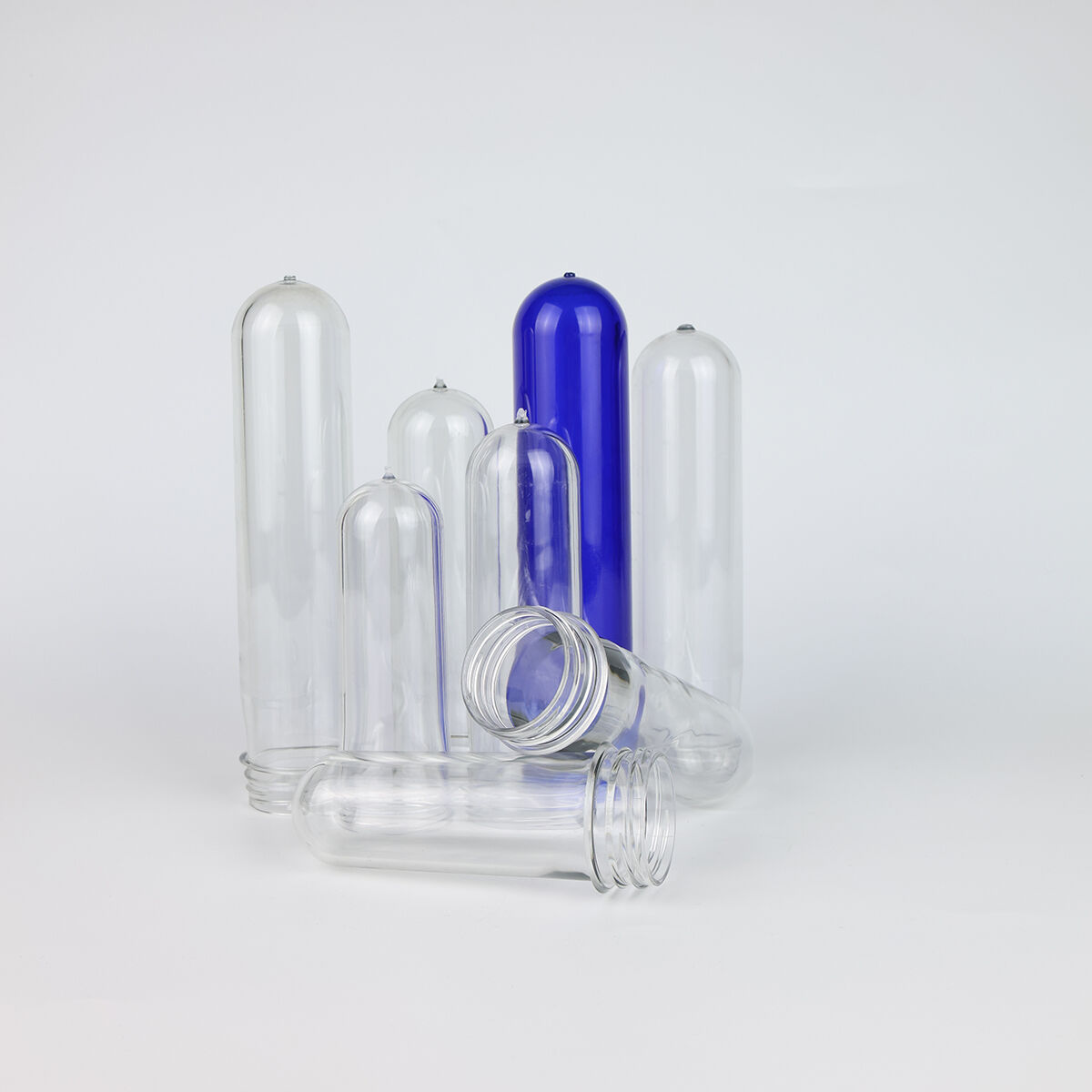
A PET preform is a specially molded intermediate product that serves as the precursor to plastic bottles used across countless industries worldwide. These cylindrical, test-tube-shaped components are created through precision injection molding processes and later undergo blow molding to transform into the familiar bottles we see containing water, soft drinks, pharmaceuticals, and various consumer products. Understanding what constitutes a PET preform and the intricate manufacturing processes involved is crucial for businesses seeking to optimize their packaging operations and make informed sourcing decisions.
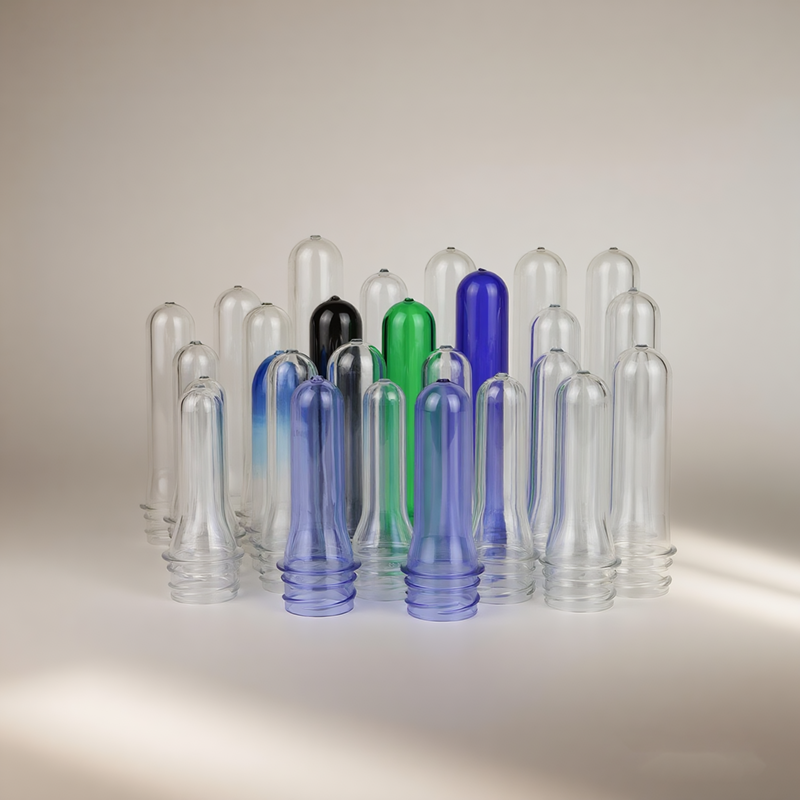
The factory production of PET preform units involves sophisticated machinery, precise temperature control, and stringent quality management systems that ensure consistency across millions of units produced daily. Modern manufacturing facilities utilize advanced injection molding technologies combined with automated handling systems to achieve the dimensional accuracy and structural integrity required for successful bottle formation. The entire production process demands careful coordination between raw material preparation, molding parameters, cooling cycles, and quality inspection protocols to deliver preforms that meet industry standards and customer specifications.
Understanding PET Preform Composition and Structure
Material Properties and Chemical Characteristics
PET preform manufacturing begins with polyethylene terephthalate resin, a thermoplastic polymer renowned for its clarity, strength, and chemical resistance. The material exhibits excellent barrier properties against moisture and gases, making it ideal for beverage and food packaging applications. During the production process, PET resin pellets are heated to approximately 280-290 degrees Celsius, transforming from solid pellets into a molten state suitable for injection molding.
The molecular structure of PET allows for biaxial orientation during the subsequent blow molding process, which significantly enhances the mechanical properties of the final bottle. This orientation process improves tensile strength, impact resistance, and barrier performance while maintaining optical clarity. Factory operators must carefully control the intrinsic viscosity of the PET material to ensure optimal processing conditions and final product performance.
Quality PET preform production requires virgin or recycled PET resin that meets food-grade standards, particularly when intended for beverage applications. The material must be thoroughly dried before processing to prevent hydrolytic degradation that could compromise the structural integrity and appearance of the finished preforms. Moisture content typically must be reduced below 0.005% to achieve optimal molding conditions.
Physical Design and Dimensional Specifications
A typical PET preform features a threaded neck section that corresponds to standard bottle cap specifications, a cylindrical body with controlled wall thickness distribution, and a closed bottom end. The neck finish dimensions are precisely controlled to ensure compatibility with closure systems, while the body geometry is designed to facilitate uniform material distribution during blow molding. Wall thickness variations are carefully managed to prevent weak points that could lead to failure during the stretching process.
The gate area, where molten plastic enters the mold cavity, requires special attention to minimize visual defects and ensure proper material flow. Modern PET preform designs incorporate optimized gate locations that balance filling efficiency with aesthetic requirements. The overall length and diameter of preforms are determined by the intended bottle size and shape, with careful consideration given to material distribution during the blow molding process.
Surface finish quality is critical for both functional and aesthetic reasons, as any imperfections in the PET preform can be magnified during blow molding. Factory quality control systems monitor surface defects, dimensional accuracy, and weight consistency to ensure each preform meets specification requirements. The crystalline structure at the base of the preform must be carefully controlled to provide the necessary strength for the stretching process while maintaining clarity in the final bottle.
Factory Production Process and Manufacturing Stages
Raw Material Preparation and Feeding Systems
Factory production of PET preform units begins with comprehensive raw material preparation processes that ensure consistent quality throughout the manufacturing run. PET resin pellets are received in bulk containers or supersacks and must undergo thorough drying in specialized dehumidifying systems. These systems typically operate at temperatures between 160-180 degrees Celsius for 4-6 hours, reducing moisture content to acceptable levels for injection molding.
Automated conveying systems transport dried PET material from storage silos to injection molding machines through enclosed pneumatic networks that prevent moisture reabsorption. Gravimetric dosing systems ensure precise material delivery to each molding machine, maintaining consistent melt quality and processing conditions. Some facilities incorporate color concentrate addition systems for producing tinted preforms, requiring precise metering to achieve uniform color distribution.
Material handling systems must maintain the integrity of dried PET throughout the production process, utilizing heated hoppers and insulated conveying lines to prevent condensation. Quality control laboratories continuously monitor incoming raw materials for intrinsic viscosity, color values, and contamination levels to ensure only suitable materials enter the production process. Batch tracking systems maintain traceability throughout the manufacturing cycle, enabling rapid response to any quality issues that may arise.
Injection Molding Operations and Process Control
The heart of PET preform manufacturing lies in sophisticated injection molding machines specifically designed for high-volume production of precision components. These machines feature heated barrels with multiple temperature zones that gradually melt the PET pellets while maintaining optimal processing temperatures. Screw designs are optimized for PET processing, providing efficient melting and homogenization while minimizing thermal degradation.
Mold technology represents a critical factor in achieving consistent PET preform quality, with multi-cavity molds capable of producing 12, 24, 48, or even 144 preforms per cycle. Hot runner systems maintain precise temperature control throughout the mold to ensure uniform filling and minimize material waste. Cavity-to-cavity balance is carefully engineered to achieve consistent part weights and dimensions across all cavities within acceptable tolerance ranges.
Process parameters including injection pressure, holding pressure, cooling time, and mold temperature are precisely controlled through advanced machine control systems. Cycle times typically range from 8-20 seconds depending on preform size and complexity, with larger preforms requiring longer cooling periods to achieve adequate dimensional stability. Real-time monitoring systems track key process variables and automatically adjust parameters to maintain optimal production conditions.
Quality control measures are integrated throughout the molding process, with automatic rejection systems removing defective parts before they enter the packaging stream. In-line weighing systems monitor part weight consistency, while optical inspection systems detect surface defects and dimensional variations. Statistical process control methods analyze production data to identify trends and prevent quality excursions before they impact customer deliveries.
Quality Control and Manufacturing Standards
Testing Protocols and Inspection Methods
Factory quality control for PET preform production encompasses multiple testing protocols designed to verify both individual part quality and process consistency. Dimensional inspection systems measure critical features including neck finish dimensions, wall thickness distribution, overall length, and concentricity using precision measurement equipment. Coordinate measuring machines provide detailed geometric analysis for complex preform designs requiring tight dimensional control.
Mechanical testing protocols evaluate the structural integrity of PET preform samples through various stress tests that simulate handling and processing conditions. Burst pressure testing determines the maximum internal pressure a preform can withstand, while impact testing assesses resistance to handling damage during transportation and blow molding operations. These tests ensure that preforms will perform reliably throughout the subsequent bottle manufacturing process.
Optical quality assessment involves both automated and manual inspection procedures to identify surface defects, color variations, and clarity issues that could affect final bottle appearance. Automated vision systems scan each preform for defects such as black specks, scratches, or gate vestige irregularities, while trained operators conduct periodic visual inspections using standardized lighting conditions. Any preforms failing to meet optical standards are automatically rejected from the production stream.
Compliance and Certification Requirements
Manufacturing facilities producing PET preform components for food and beverage applications must adhere to strict regulatory standards governing material safety and production hygiene. FDA approval for food contact applications requires comprehensive documentation of raw material specifications, processing conditions, and quality control procedures. European Union regulations demand compliance with specific migration limits and overall migration testing protocols.
ISO certification standards guide quality management systems within PET preform manufacturing facilities, establishing procedures for document control, process validation, and continuous improvement initiatives. Many facilities pursue additional certifications such as BRC or SQF to demonstrate their commitment to food safety and quality management. These certification programs require regular audits and documentation reviews to maintain compliance status.
Traceability systems enable manufacturers to track individual production lots from raw material receipt through final shipment, facilitating rapid response to any quality issues or customer complaints. Batch records document critical process parameters, quality test results, and handling procedures for each production run. This documentation proves essential for regulatory compliance and customer quality requirements in sensitive applications such as pharmaceutical packaging.
Automation and Technology Integration
Robotic Handling and Processing Systems
Modern PET preform manufacturing facilities integrate sophisticated robotic systems to handle parts throughout the production process while maintaining hygienic conditions and preventing contamination. High-speed robots remove molded preforms from injection molding machines using specialized gripping systems designed to minimize handling stress and surface damage. These robots operate in synchronized cycles with molding machines, achieving removal times as low as 2-3 seconds per cycle.
Automated sorting and orientation systems prepare PET preform units for packaging or direct feeding to blow molding operations, utilizing vision-guided robotics to ensure proper part orientation and quality verification. Conveyor systems transport preforms through various processing stages while maintaining controlled environmental conditions to prevent contamination or moisture absorption. Buffer storage systems accommodate production rate variations between molding and packaging operations.
Integration of robotics with quality control systems enables real-time sorting of acceptable and defective parts, with rejected preforms automatically diverted to recycling systems for reprocessing. Advanced programming allows robots to adapt to different preform sizes and shapes with minimal changeover time, supporting flexible manufacturing operations that can respond quickly to changing market demands.
Data Management and Process Optimization
Factory automation systems collect and analyze vast amounts of production data to optimize PET preform manufacturing processes and predict maintenance requirements. Machine learning algorithms identify patterns in process variables that correlate with quality outcomes, enabling predictive adjustments that maintain optimal production conditions. Real-time dashboards provide operators with immediate feedback on production performance and quality metrics.
Integrated manufacturing execution systems coordinate production scheduling, material flow, and quality documentation across multiple production lines within a facility. These systems optimize resource utilization while ensuring that each PET preform batch meets customer specifications and delivery requirements. Automated reporting capabilities generate production summaries, quality reports, and performance analytics for management review.
Predictive maintenance programs utilize sensor data from injection molding machines to identify potential equipment issues before they impact production quality or efficiency. Vibration analysis, temperature monitoring, and cycle time analysis provide early warning indicators that enable proactive maintenance scheduling. This approach minimizes unplanned downtime and maintains consistent production output throughout extended manufacturing campaigns.
FAQ
What is the typical production capacity for PET preform manufacturing?
Modern injection molding machines can produce between 1,000 to 10,000 PET preform units per hour depending on the size and complexity of the preforms, number of mold cavities, and cycle time requirements. Large manufacturing facilities often operate multiple production lines simultaneously, achieving daily output levels exceeding several million preforms. Production capacity is influenced by factors such as preform weight, cooling requirements, and quality control procedures integrated into the manufacturing process.
How long does it take to manufacture a single PET preform?
The actual molding cycle for a PET preform typically ranges from 8 to 20 seconds, with smaller preforms requiring shorter cycle times due to reduced cooling requirements. However, the complete manufacturing process includes material preparation, quality inspection, and packaging stages that extend the total production timeline. Multi-cavity molds enable simultaneous production of multiple preforms per cycle, significantly increasing overall manufacturing efficiency compared to single-cavity production methods.
What quality standards must PET preforms meet for food packaging?
PET preforms intended for food and beverage packaging must comply with FDA regulations for food contact materials, including specific migration testing and overall migration limits. The manufacturing process must follow Good Manufacturing Practices with documented quality control procedures, material traceability, and facility cleanliness standards. Additionally, preforms must meet dimensional tolerances, structural integrity requirements, and optical quality standards that ensure successful blow molding and consumer acceptance of the final packaged products.
Can PET preforms be recycled after the manufacturing process?
Yes, PET preforms that do not meet quality specifications or are damaged during handling can be recycled back into the manufacturing process through proper grinding and reprocessing procedures. The recycled material is typically blended with virgin PET resin at controlled ratios to maintain material properties and processing characteristics. However, recycled content may be limited in food-grade applications due to regulatory requirements, and multiple recycling cycles can degrade material properties requiring careful monitoring of the recycled material quality.