 EN
EN

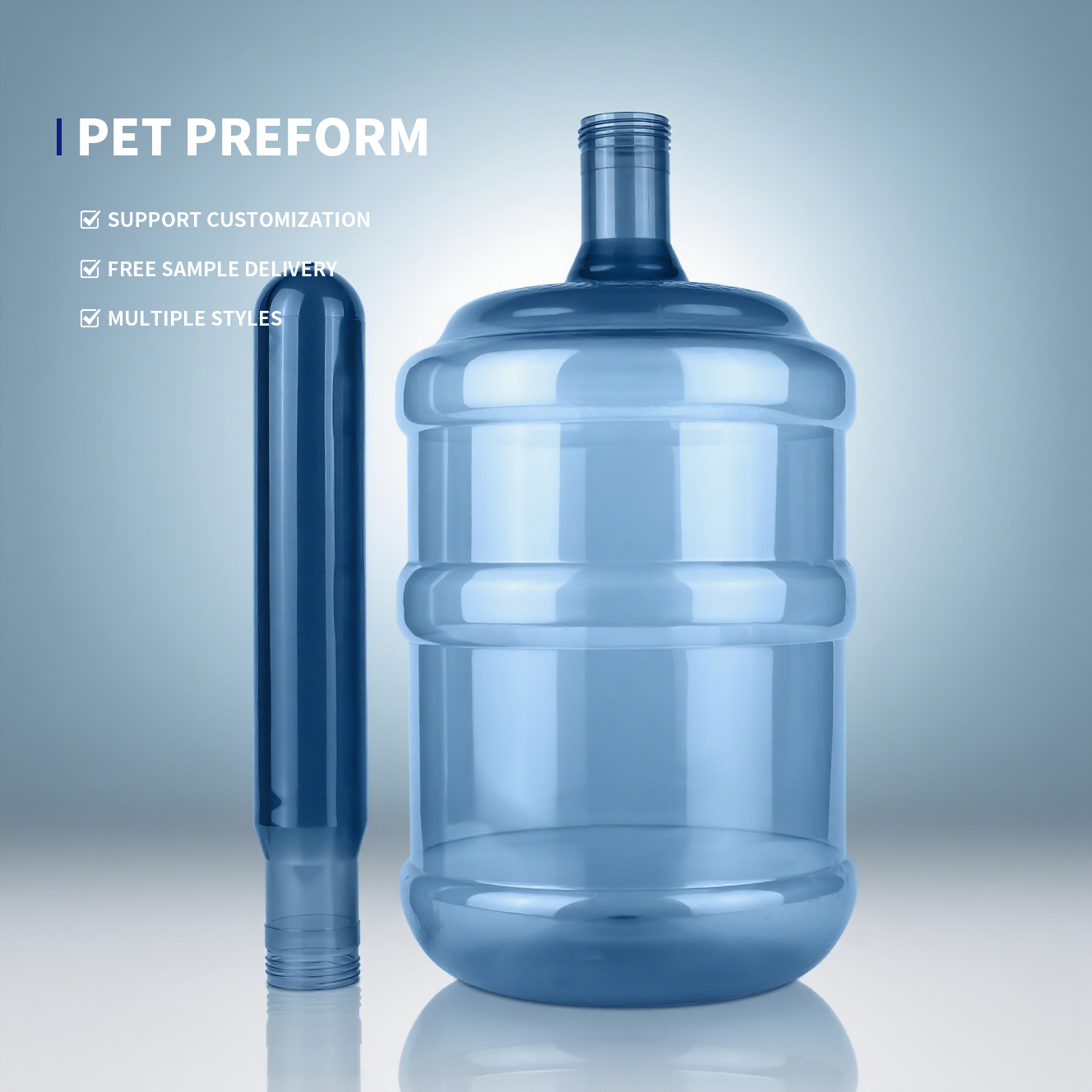
Understanding PET preform neck sizes is crucial for manufacturers in the water and beverage bottling industry, as these dimensions directly determine bottle compatibility, closure performance, and production efficiency. The neck size of a PET preform serves as the foundation for the entire bottle design, influencing everything from cap sealing integrity to consumer convenience during opening and pouring.
The standardization of PET preform neck sizes has evolved to meet diverse market requirements across different beverage categories, with specific measurements designed to optimize functionality for water bottles, carbonated drinks, juices, and other liquid products. Each neck size specification carries precise dimensional tolerances that ensure consistent performance throughout the blow molding and filling processes, making it essential for bottlers to understand these variations and their practical implications.
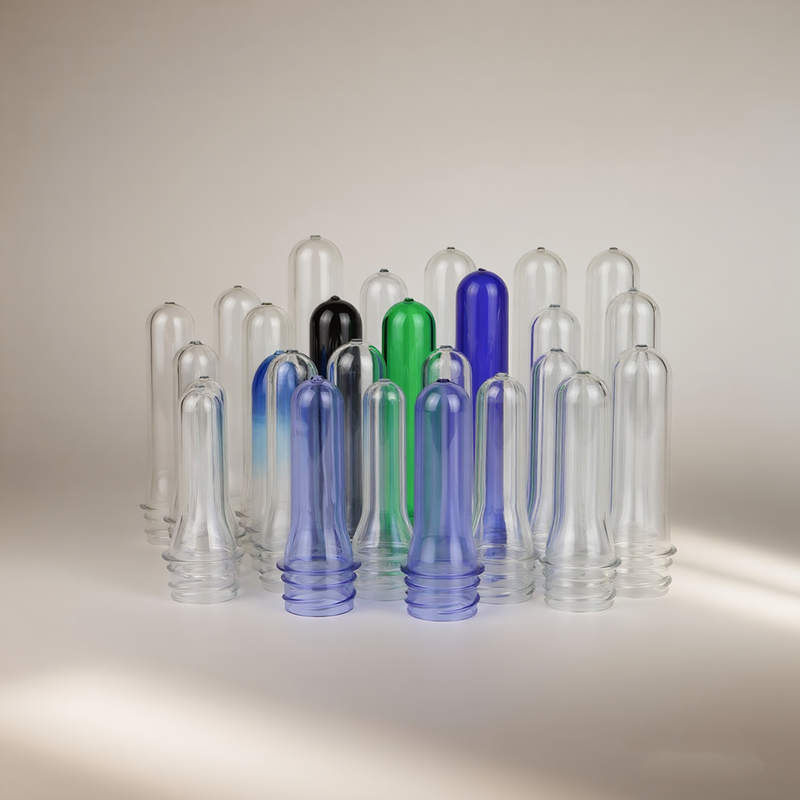
Standard PET Preform Neck Size Classifications
Primary Neck Size Categories for Beverage Applications
PET preform neck sizes are typically classified using a standardized numbering system that indicates the outer diameter and thread configuration. The most common sizes for water and beverage bottles include 28mm, 30mm, 38mm, and 48mm neck finishes, with each size serving specific market segments and bottle volume ranges. These PET preform neck sizes are measured at the sealing surface where the closure makes contact with the bottle neck.
The 28mm neck finish represents the smallest standard size commonly used for single-serve water bottles and small beverage containers, typically ranging from 200ml to 500ml capacity. This compact neck size provides excellent material efficiency while maintaining adequate flow rates for drinking convenience. The thread pattern for 28mm PET preform neck sizes usually follows the PCO-1810 or similar specifications.
Moving up in scale, the 30mm neck finish has become increasingly popular for premium water brands and sports drinks, offering improved pouring characteristics while maintaining cost-effectiveness. The PET preform neck sizes in this category typically support bottle volumes from 330ml to 1000ml, providing versatility for various product lines.
Large Format Neck Specifications
The 38mm neck finish serves as the standard for larger beverage bottles, particularly those exceeding 1000ml capacity, including family-size water bottles and bulk beverage containers. These larger PET preform neck sizes accommodate faster filling speeds and improved consumer handling for heavier bottles, while the increased thread engagement provides superior closure retention under various storage and transportation conditions.
For specialized applications such as wide-mouth bottles, sports bottles, and industrial containers, 48mm and larger neck finishes are employed. These oversized PET preform neck sizes enable easier filling of particulate-containing beverages and allow for specialized closure designs including flip-top caps, pour spouts, and tamper-evident systems.
The selection of appropriate neck size also impacts the overall bottle aesthetics and brand positioning, as larger necks can convey premium quality and improved functionality, while smaller necks emphasize portability and resource efficiency. Manufacturers must balance these marketing considerations with technical requirements when specifying PET preform neck sizes for their product lines.
Technical Specifications and Dimensional Requirements
Critical Measurements and Tolerances
The dimensional accuracy of PET preform neck sizes directly affects closure performance, with key measurements including outer diameter, inner diameter, thread pitch, thread depth, and overall neck height. Industry standards typically specify tolerances within ±0.1mm for critical sealing surfaces to ensure consistent cap application and leak prevention across production runs.
Thread specifications for PET preform neck sizes follow international standards such as ISBT (International Society of Beverage Technologists) guidelines, which define thread angles, pitch dimensions, and engagement parameters. The most common thread configurations include single-start and multi-start designs, with single-start threads providing maximum sealing integrity for still beverages and multi-start threads enabling faster cap application for high-speed production lines.
Neck wall thickness represents another crucial specification, typically ranging from 2.0mm to 4.0mm depending on the intended application and bottle size. Thicker neck walls provide improved top-load strength and better thread durability, while thinner walls reduce material consumption and processing cycle times. The optimization of neck wall thickness must consider the specific requirements of each PET preform neck sizes category.
Quality Control and Testing Standards
Manufacturing quality for PET preform neck sizes requires precise measurement protocols using specialized gauging equipment to verify dimensional compliance. Thread inspection typically employs go/no-go gauges that simulate actual closure engagement, ensuring proper fit and sealing performance under production conditions.
Surface finish quality on PET preform neck sizes significantly impacts closure sealing effectiveness, with specifications for surface roughness and thread uniformity. Injection molding parameters must be carefully controlled to achieve consistent surface quality, including mold temperature, injection pressure, and cooling rates that affect the final dimensional accuracy.
Testing protocols for PET preform neck sizes often include pressure testing, torque retention evaluation, and accelerated aging studies to verify long-term performance characteristics. These quality measures ensure that the neck dimensions remain stable throughout the bottle's intended service life and maintain sealing integrity under various environmental conditions.
Application-Specific Considerations for Different Beverage Types
Water Bottle Neck Size Requirements
Water bottle applications typically utilize smaller PET preform neck sizes to optimize material efficiency and reduce packaging costs, with 28mm and 30mm finishes dominating the single-serve market segment. These compact dimensions provide adequate flow rates for drinking while minimizing the amount of PET material required in the neck area, contributing to overall package sustainability goals.
The choice of neck size for water bottles must consider consumer demographics and usage patterns, with smaller necks preferred for children's products and portable applications, while larger necks may be specified for sports and fitness markets where rapid fluid consumption is desired. Regional preferences also influence PET preform neck sizes selection, with some markets favoring wider openings for cultural or practical reasons.
Barrier properties become particularly important for premium water products, where neck design must accommodate specialized closures that maintain product freshness and prevent contamination. Some water bottle applications require modified neck geometries to support oxygen-scavenging closures or other advanced packaging technologies that extend shelf life.
Carbonated Beverage Neck Specifications
Carbonated beverages impose additional requirements on PET preform neck sizes due to internal pressure considerations and the need for secure closure retention. The neck design must provide sufficient thread engagement and sealing surface area to contain carbonation pressure throughout the product's shelf life, typically requiring more robust thread specifications than still beverage applications.
The geometry of PET preform neck sizes for carbonated products often includes enhanced support ribs and thicker wall sections to resist deformation under pressure. Thread designs may incorporate multiple sealing points or specialized groove patterns that improve gas retention and prevent pressure loss during storage and transportation.
Temperature variations during storage and distribution can affect the dimensional stability of PET preform neck sizes, particularly for carbonated beverages that may experience thermal cycling. The neck design must accommodate these dimensional changes without compromising sealing integrity or closure retention performance.
Manufacturing and Production Considerations
Injection Molding Process Variables
The production of accurate PET preform neck sizes requires precise control of injection molding parameters, including melt temperature, injection speed, packing pressure, and cooling time. These variables directly influence the dimensional accuracy and surface quality of the finished neck, affecting both closure compatibility and sealing performance.
Mold design plays a critical role in achieving consistent PET preform neck sizes, with cavity dimensions, cooling channel placement, and gate location all influencing the final product quality. The mold cavity must account for material shrinkage during cooling, with shrinkage rates varying based on PET grade, processing conditions, and part geometry.
Process optimization for different PET preform neck sizes may require adjustments to machine settings and tooling configurations, particularly when switching between neck size variants on the same production line. Standardization of processing parameters across similar neck sizes can improve production efficiency and reduce setup times.
Quality Assurance and Dimensional Control
Implementing effective quality control for PET preform neck sizes requires automated inspection systems that can measure critical dimensions at production speeds. Vision systems and mechanical gauging equipment provide real-time feedback on dimensional compliance, enabling immediate process corrections when variations are detected.
Statistical process control methods help maintain consistent quality for PET preform neck sizes by tracking dimensional trends and identifying potential process drift before defective products are produced. Control charts and capability studies provide quantitative measures of process performance and guide continuous improvement efforts.
Supplier qualification for PET preform neck sizes typically includes capability studies, measurement system analysis, and long-term dimensional stability testing. These qualification processes ensure that suppliers can consistently meet the tight tolerances required for successful bottle and closure performance.
FAQ
What are the most common PET preform neck sizes used for water bottles?
The most common PET preform neck sizes for water bottles are 28mm and 30mm finishes. The 28mm size is typically used for single-serve bottles ranging from 200ml to 500ml, while 30mm necks are popular for premium water brands and larger bottles up to 1000ml. These sizes provide optimal material efficiency while maintaining good flow characteristics for drinking.
How do PET preform neck sizes affect bottle production costs?
PET preform neck sizes directly impact production costs through material usage, processing time, and tooling requirements. Smaller neck sizes like 28mm use less PET material and require less injection molding cycle time, reducing overall costs. Larger necks require more material and specialized tooling but may offer operational advantages in filling speed and closure application that can offset the additional material costs.
What tolerances are typically required for PET preform neck sizes?
Industry standards typically require dimensional tolerances of ±0.1mm for critical sealing surfaces on PET preform neck sizes. Thread pitch accuracy is usually held to ±0.05mm, while overall neck height tolerances range from ±0.2mm to ±0.3mm depending on the specific application. These tight tolerances ensure consistent closure fit and sealing performance across production batches.
Can different PET preform neck sizes be produced on the same injection molding equipment?
Yes, different PET preform neck sizes can typically be produced on the same injection molding equipment by changing the mold tooling. However, process parameters such as injection pressure, cooling time, and cycle time may need adjustment when switching between neck sizes. Some manufacturers use interchangeable mold inserts to enable quick changeovers between different neck size specifications while maintaining dimensional accuracy.
