 EN
EN

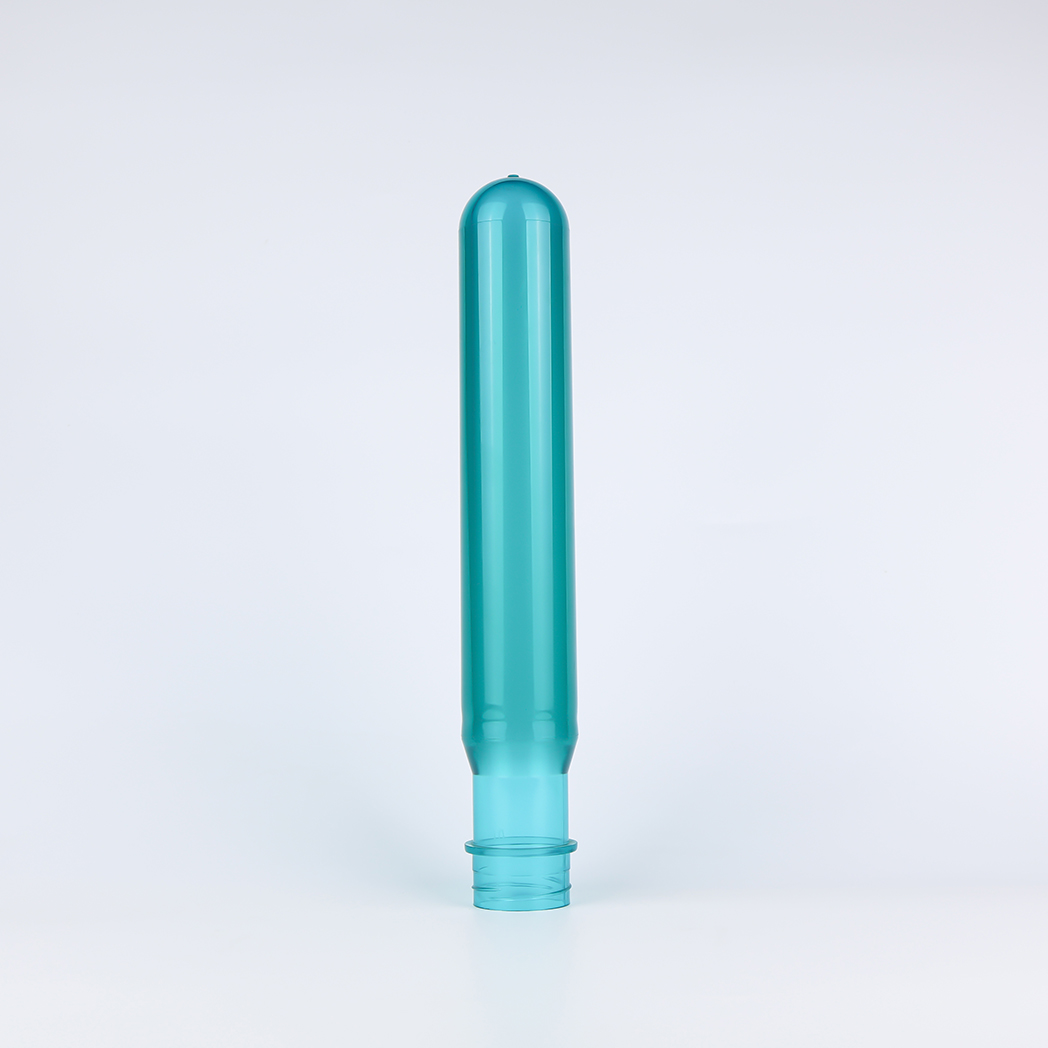
The packaging industry has witnessed remarkable transformations over the decades, with food-grade packaging requirements becoming increasingly stringent. Among various packaging solutions, PET preform technology has emerged as the gold standard for food and beverage applications, offering unparalleled safety, performance, and manufacturing efficiency. Understanding why manufacturers and brands consistently choose PET preform for their food-grade packaging needs reveals the sophisticated engineering and regulatory compliance that makes this technology indispensable in modern food packaging operations.
The dominance of PET preform in food-grade packaging stems from multiple converging factors that address critical industry challenges. Food safety regulations, consumer expectations, supply chain efficiency, and environmental considerations all play pivotal roles in driving the adoption of PET preform technology. This comprehensive analysis explores the fundamental reasons behind this preference, examining the technical, regulatory, and commercial advantages that position PET preform as the preferred choice for food-grade packaging applications across diverse industry sectors.
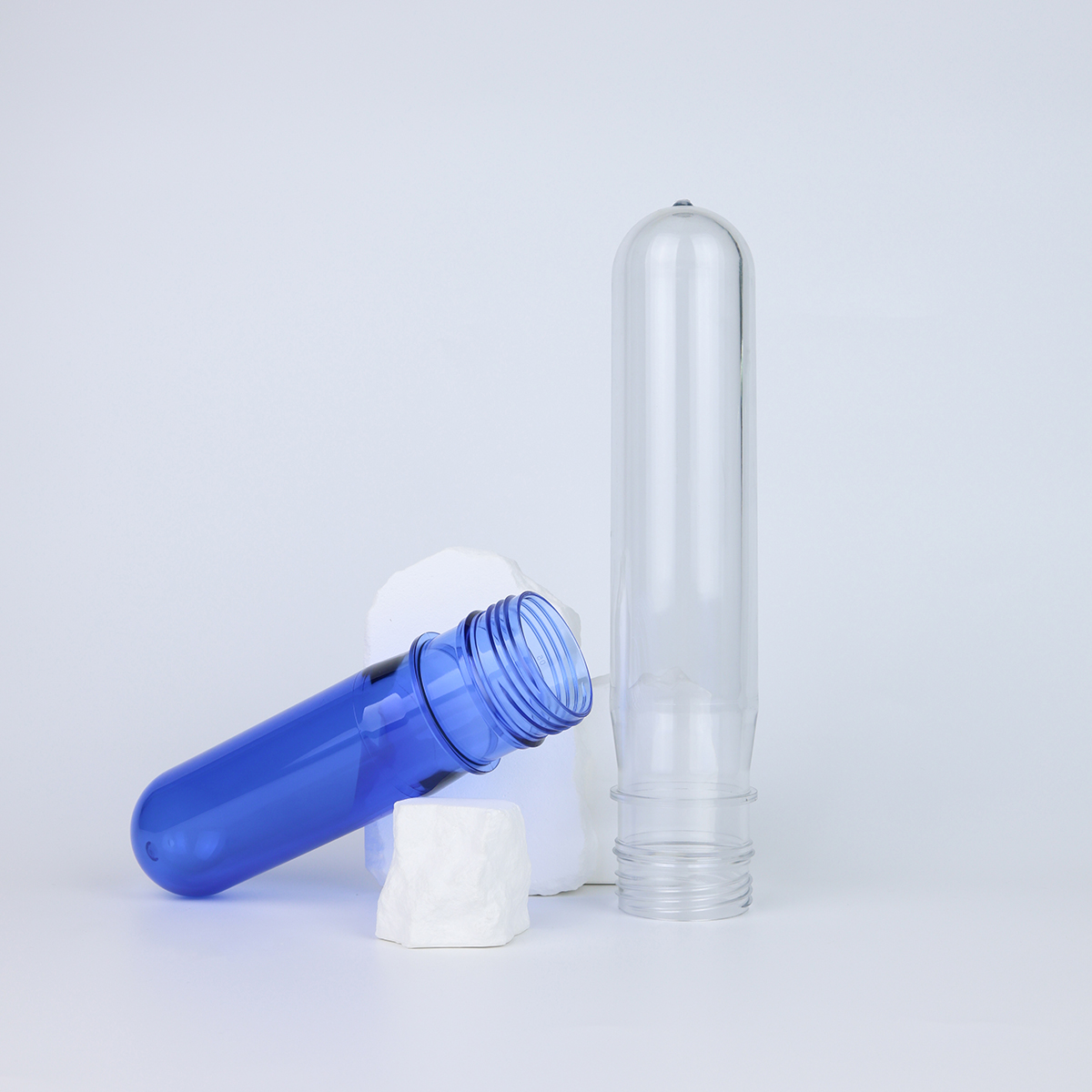
Material Safety and Food Contact Compliance
FDA and Global Regulatory Approval
PET preform manufacturing adheres to the most stringent food contact regulations worldwide, including FDA approval for direct food contact applications. The polyethylene terephthalate material used in PET preform production undergoes rigorous testing to ensure no harmful substances migrate into food products. This regulatory compliance provides manufacturers with confidence that their packaging meets international food safety standards without compromise.
The molecular structure of PET material in preform applications creates an effective barrier against chemical migration, ensuring that food products remain uncontaminated throughout their shelf life. Unlike some alternative packaging materials, PET preform demonstrates consistent performance across various pH levels and temperature ranges commonly encountered in food processing and storage environments.
Global food safety organizations recognize PET preform as a safe packaging solution, with extensive documentation supporting its use in contact with acidic beverages, oils, and other challenging food matrices. This widespread regulatory acceptance eliminates barriers to international market access for food manufacturers using PET preform packaging systems.
Chemical Inertness and Stability
The chemical inertness of PET preform materials ensures that no unwanted flavors, odors, or chemical compounds transfer to packaged food products. This stability is particularly crucial for sensitive food applications where maintaining original taste profiles and nutritional content is essential for consumer acceptance and brand reputation.
PET preform exhibits exceptional resistance to common food acids, oils, and preservatives, maintaining its structural integrity and barrier properties even under challenging storage conditions. This chemical stability extends product shelf life and reduces the risk of packaging failure that could compromise food safety or quality.
Temperature fluctuations during transportation and storage do not significantly affect the chemical stability of PET preform, ensuring consistent protection for food products across diverse climate conditions and supply chain scenarios. This reliability factor makes PET preform particularly valuable for global food distribution networks.
Superior Barrier Properties for Food Protection
Oxygen and Moisture Barrier Performance
PET preform technology delivers exceptional barrier properties that protect food products from oxygen infiltration and moisture loss, two critical factors in food preservation. The molecular structure of PET preform creates a tight barrier that significantly extends shelf life compared to alternative packaging materials, reducing food waste and improving supply chain efficiency.
The oxygen transmission rate of PET preform is precisely controlled during manufacturing, allowing food processors to select barrier levels appropriate for specific product requirements. This customization capability enables optimal preservation of vitamins, flavors, and nutritional content in packaged foods, maintaining product quality from production to consumption.
Moisture barrier properties of PET preform prevent humidity-related degradation in dry food products while maintaining appropriate moisture levels in liquid applications. This dual functionality makes PET preform suitable for a wide range of food categories, from beverages to dry snacks and prepared meals.
UV Protection and Light Sensitivity Management
Many food products are sensitive to ultraviolet light exposure, which can degrade vitamins, alter flavors, and affect product appearance. PET preform can be engineered with UV-blocking properties that protect light-sensitive foods without requiring additional protective packaging layers or specialized storage conditions.
The transparency of PET preform allows for product visibility while providing controlled light transmission, enabling attractive product presentation without compromising food quality. This balance between protection and marketing appeal is particularly valuable for premium food products where visual appeal influences consumer purchasing decisions.
Advanced PET preform formulations can incorporate specific additives that enhance UV protection without affecting food contact safety or recyclability. This technological capability allows food manufacturers to extend product shelf life while maintaining the aesthetic and functional benefits of clear packaging.
Manufacturing Efficiency and Cost Effectiveness
Injection Molding Process Advantages
The injection molding process used to produce PET preform offers unmatched precision and consistency in food-grade packaging manufacturing. This process enables tight dimensional tolerances essential for automated filling equipment and ensures consistent wall thickness that optimizes barrier properties and structural integrity across large production runs.
PET preform manufacturing through injection molding allows for rapid production cycles and high output volumes, making it cost-effective for both large-scale commercial operations and smaller specialty food producers. The process efficiency translates to lower per-unit packaging costs while maintaining superior quality standards.
Quality control during PET preform injection molding is highly automated and precise, reducing variability and ensuring that each preform meets strict food-grade specifications. This consistency is crucial for automated packaging lines where dimensional variations can cause production delays and increase operational costs.
Supply Chain Integration Benefits
PET preform technology integrates seamlessly with existing food packaging infrastructure, requiring minimal modifications to filling and sealing equipment. This compatibility reduces capital investment requirements for food manufacturers transitioning to or upgrading their packaging systems, making adoption more economically attractive.
The lightweight nature of PET preform reduces transportation costs throughout the supply chain, from preform delivery to finished product distribution. This weight advantage becomes particularly significant for high-volume food operations where logistics costs represent a substantial portion of total packaging expenses.
Storage efficiency of PET preform allows food manufacturers to maintain larger inventory levels in smaller spaces compared to pre-blown containers, improving inventory management and reducing storage costs. This space efficiency is especially valuable for facilities with limited warehouse capacity or those operating just-in-time production schedules.
Environmental Sustainability and Recycling
Recyclability and Circular Economy Integration
PET preform contributes significantly to sustainable packaging initiatives through its excellent recyclability properties. The material can be processed through existing recycling infrastructure, creating a closed-loop system that reduces environmental impact while maintaining food-grade quality standards in recycled content applications.
The purity of PET preform material facilitates high-quality recycling processes, enabling the production of new food-grade containers from recycled content. This capability supports corporate sustainability goals and helps food manufacturers meet increasingly stringent environmental regulations and consumer expectations for sustainable packaging.
Advanced recycling technologies specifically designed for PET preform enable the recovery of material that maintains food contact approval, creating opportunities for true circular economy implementation in food packaging applications. This technological advancement positions PET preform as a future-ready solution for environmentally conscious food manufacturers.
Resource Efficiency and Waste Reduction
The blow-molding process that converts PET preform into final containers occurs at the point of filling, eliminating the transportation and storage of air-filled containers. This efficiency significantly reduces packaging waste throughout the supply chain and minimizes the carbon footprint associated with container logistics.
Material utilization in PET preform production is highly efficient, with minimal waste generation during manufacturing. The precision of injection molding processes ensures optimal material usage, and any production waste can be immediately recycled back into the manufacturing process, creating a virtually zero-waste production environment.
The durability of PET preform reduces package failure rates, minimizing food waste due to packaging-related issues. This reliability factor contributes to overall supply chain sustainability by ensuring that more food products reach consumers in acceptable condition, reducing the environmental impact of food waste.
Versatility Across Food Applications
Beverage Industry Applications
PET preform technology dominates the beverage packaging sector due to its exceptional compatibility with various liquid formulations, from acidic fruit juices to carbonated soft drinks and alcoholic beverages. The material's resistance to pressure buildup makes it ideal for carbonated products, while its chemical inertness ensures flavor integrity in sensitive beverage applications.
The transparency and clarity of PET preform allow beverage manufacturers to showcase product color and quality, supporting brand marketing objectives while providing functional protection. This visual appeal is particularly important for premium beverage products where packaging appearance influences consumer perception and purchasing decisions.
Customization options for PET preform in beverage applications include various neck finishes, wall thickness profiles, and barrier property modifications to meet specific product requirements. This flexibility enables beverage manufacturers to optimize packaging performance for different product categories while maintaining manufacturing efficiency.
Solid Food and Condiment Packaging
Beyond beverages, PET preform technology extends to solid food packaging applications, including condiments, sauces, and prepared foods. The material's compatibility with hot-fill processes makes it suitable for products requiring thermal processing during packaging, expanding its utility across diverse food categories.
The clarity of PET preform containers allows consumers to assess product quality and quantity, building trust and supporting informed purchasing decisions. This transparency advantage is particularly valuable for condiments and specialty food products where visual appeal and quality assessment are important factors in consumer acceptance.
Barrier properties of PET preform can be tailored to specific solid food applications, providing appropriate protection against moisture, oxygen, and light exposure based on product sensitivity and shelf life requirements. This customization capability ensures optimal product preservation while maintaining cost-effectiveness across different food categories.
FAQ
What makes PET preform safer than other food packaging materials?
PET preform offers superior safety through FDA approval for direct food contact, chemical inertness that prevents migration of harmful substances, and proven stability across various food applications. The material undergoes rigorous testing to ensure no contamination occurs during food storage, making it one of the safest packaging options available for food-grade applications.
How does PET preform contribute to food preservation compared to alternative packaging?
PET preform provides exceptional barrier properties against oxygen, moisture, and UV light, significantly extending food shelf life compared to many alternative materials. The precise control over barrier properties during manufacturing allows customization for specific food preservation requirements, ensuring optimal protection while maintaining cost-effectiveness and processing efficiency.
Can PET preform packaging be recycled while maintaining food-grade quality?
Yes, PET preform can be recycled through advanced processing technologies that maintain food-grade approval for recycled content. The material's purity and chemical stability enable high-quality recycling processes, supporting circular economy initiatives while meeting strict food safety regulations for recycled packaging materials in food contact applications.
What cost advantages does PET preform offer to food manufacturers?
PET preform provides significant cost advantages through manufacturing efficiency, reduced transportation costs due to lightweight properties, space-efficient storage, and compatibility with existing packaging equipment. The blow-molding process at point-of-use eliminates container transportation costs and storage requirements, while high-speed production capabilities ensure cost-effective manufacturing for various production volumes.
