 EN
EN

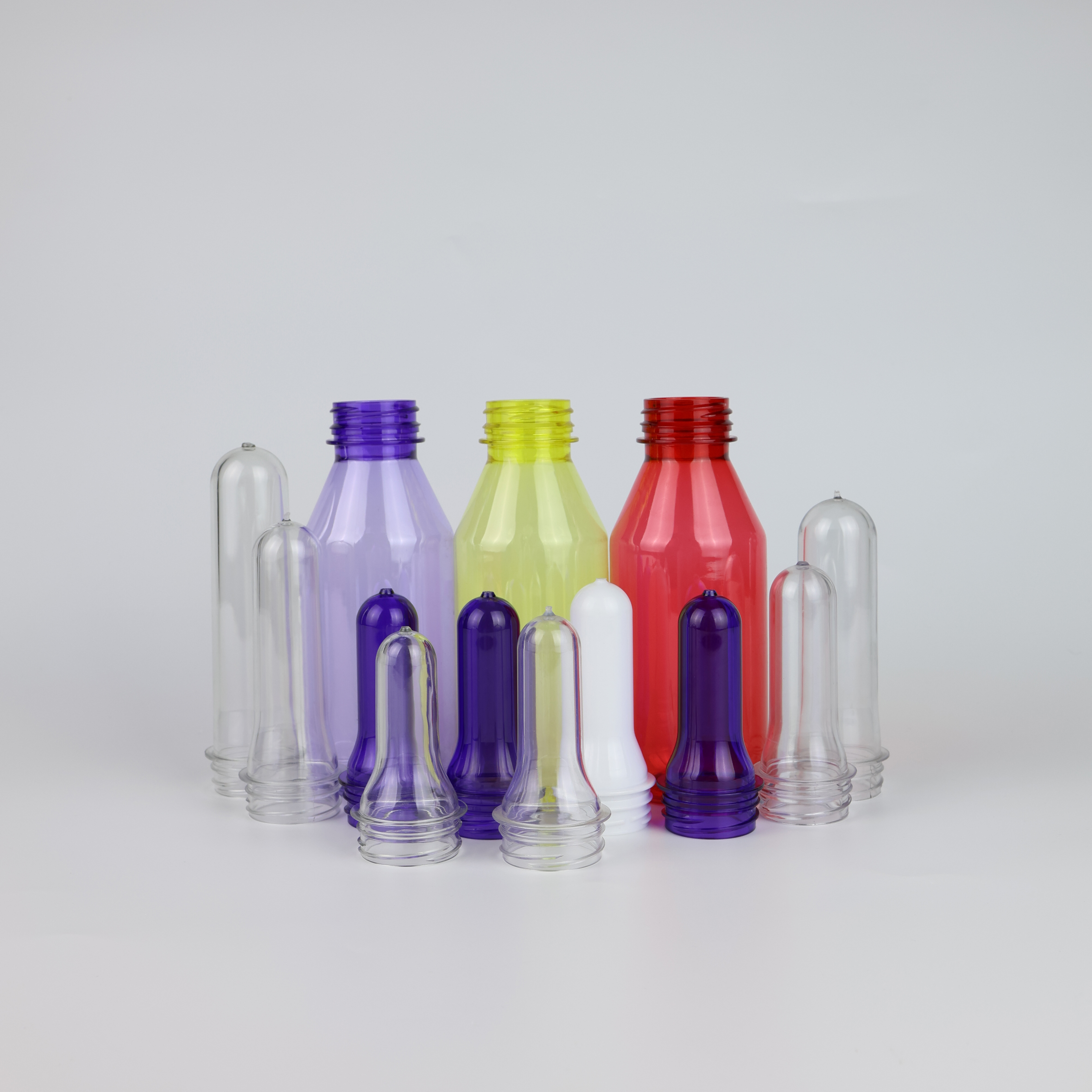
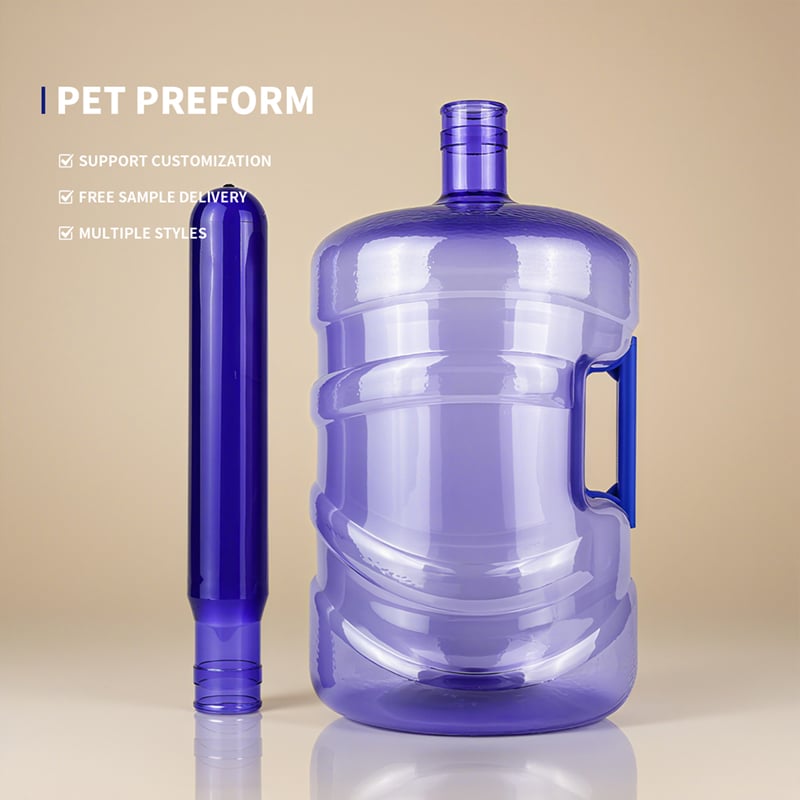
The precision of wall thickness in large 5-gallon bottles depends entirely on how manufacturers design and control the 5 gallon PET preform during the initial injection molding stage. Unlike smaller bottles where thickness variations might be tolerable, large-capacity containers require sophisticated preform engineering to achieve uniform wall distribution throughout the stretch blow molding process.
The relationship between preform geometry and final bottle thickness represents one of the most critical aspects of large-volume PET container manufacturing. Every dimensional parameter of the 5 gallon PET preform directly influences how material flows and stretches during the blow molding transformation, making precise preform control the foundation of consistent bottle quality and structural integrity.
Preform Design Parameters That Control Thickness Distribution
Wall Thickness Mapping in Large Preforms
The 5 gallon PET preform requires carefully calculated wall thickness variations along its length to compensate for the extreme stretch ratios needed in large bottle production. Unlike standard beverage bottles, 5-gallon containers undergo significantly higher stretch ratios, particularly in the body section where material must expand to create the wide shoulder and cylindrical walls.
Engineers design the preform with strategically thicker sections in areas that will experience the greatest stretch during blow molding. The neck region typically maintains consistent thickness since it remains largely unchanged, while the body section features graduated thickness increases moving toward the base. This thickness mapping ensures that after stretching, the final bottle achieves uniform wall distribution throughout its structure.
The mathematical relationship between preform thickness and final bottle thickness follows predictable stretch ratio calculations. Areas of the 5 gallon PET preform that will stretch 4:1 during blow molding must begin with proportionally thicker walls to achieve the target final thickness. This precise calculation prevents weak spots that could compromise bottle integrity under the substantial weight of 5 gallons of liquid.
Length-to-Diameter Ratio Optimization
The dimensional relationship between preform length and diameter significantly impacts how material distributes during the blow molding process for large bottles. The 5 gallon PET preform typically features a longer body compared to smaller preforms, providing adequate material volume for the substantial expansion required to create the final bottle shape.
Optimizing this ratio involves balancing material distribution efficiency with processing requirements. A longer, thinner preform may provide better material distribution but requires more complex mold designs and longer cycle times. Conversely, shorter, thicker preforms may process faster but create challenges in achieving uniform thickness in the bottle's upper regions.
Manufacturing engineers must also consider the gate design and injection flow patterns when determining optimal length-to-diameter ratios. The 5 gallon PET preform requires sufficient length to ensure complete filling during injection molding while maintaining the diameter necessary for proper material distribution during subsequent blow molding operations.
Injection Molding Process Control for Thickness Precision
Temperature Profile Management
Controlling the temperature profile throughout the injection molding process directly affects how the PET material flows and solidifies within the preform mold. For 5 gallon PET preform production, maintaining precise temperature control ensures consistent material viscosity and flow characteristics that translate into uniform wall thickness distribution.
The injection temperature must be carefully calibrated to achieve complete mold filling without causing material degradation or excessive shear heating. Higher temperatures improve flow characteristics but may compromise material properties, while lower temperatures can result in incomplete filling and thickness variations. The optimal temperature range for large preform production typically runs slightly higher than smaller preforms due to the increased material volume and longer flow paths.
Mold temperature control plays an equally critical role in thickness precision. The 5 gallon PET preform mold requires uniform temperature distribution to ensure consistent cooling rates across all wall sections. Variations in mold temperature can create differential cooling that leads to internal stresses and thickness inconsistencies that become magnified during the blow molding process.
Injection Pressure and Holding Time Optimization
The injection pressure profile must be precisely controlled to ensure complete cavity filling while avoiding overpacking that can create thickness variations or internal stress concentrations. Large preforms like the 5 gallon PET preform require higher injection pressures due to their increased material volume and longer flow paths within the mold cavity.
Holding pressure becomes particularly critical for large preforms as the material continues to shrink during cooling. Insufficient holding pressure can result in sink marks or thickness variations, while excessive pressure may create overpacked sections that affect material orientation and final bottle performance. The holding time must be extended for large preforms to accommodate the increased cooling time required for thicker wall sections.
Gate design and positioning significantly influence pressure distribution throughout the preform. For 5 gallon applications, valve gate systems often provide superior control over filling dynamics compared to hot runner systems, allowing for more precise pressure management and reducing the risk of thickness variations near the gate area.
Material Flow Dynamics During Blow Molding
Biaxial Stretch Orientation Control
The transformation from 5 gallon PET preform to finished bottle involves complex biaxial stretching that must be carefully controlled to achieve uniform thickness distribution. The stretch rod timing and extension rate directly influence how material flows from thicker preform sections to create the final bottle geometry.
Longitudinal stretching occurs first as the stretch rod extends downward, drawing material from the preform body toward the bottle base. This stretching must be synchronized with the radial expansion to prevent material thinning in critical areas. The 5 gallon PET preform requires longer stretch rod travel and more precise timing control compared to smaller bottles due to the increased expansion ratios involved.
Radial expansion through air pressure creates the final bottle diameter and must be carefully controlled to ensure uniform material distribution. The blow pressure ramp rate affects how quickly material reaches the mold walls and can influence final thickness uniformity. Rapid pressure increases may cause preferential material flow to certain areas, while gradual pressure ramps ensure more controlled expansion throughout the bottle structure.
Temperature Conditioning for Optimal Flow
The 5 gallon PET preform must be heated to the optimal temperature range before blow molding to ensure proper material flow characteristics and thickness control. The heating process creates a temperature gradient within the preform wall that influences how material stretches and flows during expansion.
Infrared heating systems must be precisely calibrated for large preforms to achieve uniform temperature distribution while avoiding overheating that could compromise material properties. The thicker wall sections of the 5 gallon PET preform require longer heating times to reach processing temperature, while thinner sections heat more quickly and may require temperature protection to prevent overheating.
The relationship between preform temperature and final thickness uniformity becomes more critical in large bottles where material must flow over greater distances. Proper temperature conditioning ensures that the PET material maintains optimal viscosity throughout the stretching process, preventing premature solidification that could create thickness variations or weak spots in the final bottle structure.
Quality Control and Measurement Systems
In-Line Thickness Monitoring
Modern 5 gallon PET preform production facilities employ sophisticated thickness measurement systems to ensure consistent wall distribution throughout the manufacturing process. Non-contact measurement technologies such as laser scanning and ultrasonic systems provide real-time feedback on preform dimensions without affecting production throughput.
These measurement systems map thickness variations across the entire preform surface, identifying potential issues before they affect final bottle quality. The data collected allows for immediate process adjustments to maintain optimal thickness control and provides valuable feedback for continuous process improvement. Advanced systems can correlate preform thickness measurements with final bottle performance characteristics.
Statistical process control methods applied to thickness measurement data help identify trends and variations that might indicate equipment wear or process drift. For 5 gallon PET preform production, maintaining tight thickness tolerances is essential for consistent bottle performance and material efficiency across large production runs.
Final Bottle Testing and Validation
Comprehensive testing of finished 5-gallon bottles validates the effectiveness of preform thickness control throughout the production process. Burst strength testing, top load testing, and environmental stress crack resistance testing all depend on achieving uniform wall thickness distribution that begins with proper preform design and control.
Wall thickness mapping of finished bottles using specialized measurement equipment confirms that the 5 gallon PET preform design and processing parameters achieved the intended thickness distribution. Areas of excessive thinning or thickening can be traced back to specific preform characteristics or processing conditions, enabling targeted improvements to the manufacturing process.
Long-term performance testing under various environmental conditions validates that thickness control measures translate into reliable bottle performance throughout the product lifecycle. This testing ensures that the 5 gallon PET preform design provides adequate safety margins while optimizing material usage for cost-effective production.
FAQ
What wall thickness variations are acceptable in 5 gallon PET preforms?
Acceptable wall thickness variations in 5 gallon PET preforms typically range from ±0.1mm to ±0.2mm depending on the specific application and quality requirements. Tighter tolerances are generally required for preforms intended for bottles that will undergo high-stress applications or extended storage periods. The key is maintaining consistent thickness ratios rather than absolute thickness values, as the blow molding process will amplify any variations present in the original preform.
How does gate location affect thickness control in large PET preforms?
Gate location significantly impacts material flow patterns and thickness distribution in 5 gallon PET preforms. Gates positioned at the preform base typically provide better material flow and more uniform thickness distribution compared to neck-gated designs. However, base gating requires post-molding gate removal operations that must be carefully controlled to avoid creating weak spots. The gate design must balance filling efficiency with final product quality requirements.
What role does crystallization play in preform thickness control?
Crystallization affects the mechanical properties and processability of PET preforms during blow molding operations. Controlled crystallization in the 5 gallon PET preform can improve dimensional stability and reduce the risk of thickness variations during reheating and stretching. However, excessive crystallization can make the material too rigid for proper stretching, leading to uneven material flow and thickness variations in the final bottle.
How do cooling rates affect final thickness uniformity?
Cooling rates during preform production directly influence material orientation and internal stress distribution that affects subsequent blow molding performance. Rapid cooling can create internal stresses that lead to uneven material flow during stretching, while overly slow cooling may result in excessive crystallization. The optimal cooling profile for 5 gallon PET preforms balances cycle time efficiency with material properties needed for consistent thickness control during bottle formation.
