Comprehensive Guide to Plastic Bottle Use: Benefits, Features, and Applications for Modern Packaging Solutions

Get a Free Quote

Our representative will contact you soon.
Email
name
Phone/WhatsApp
Company Name
Message
0/1000

plastic bottle use

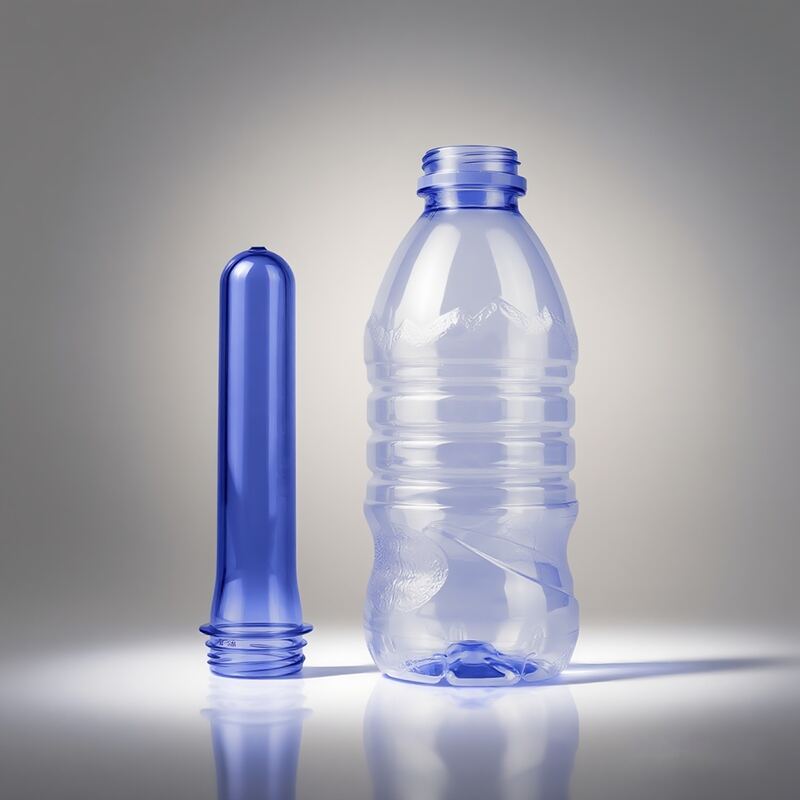
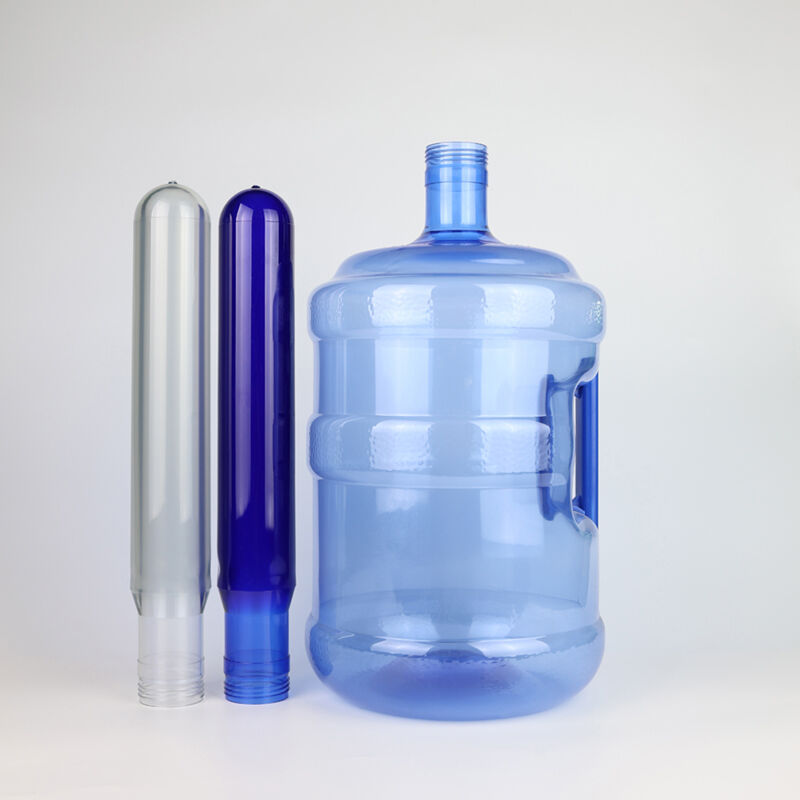
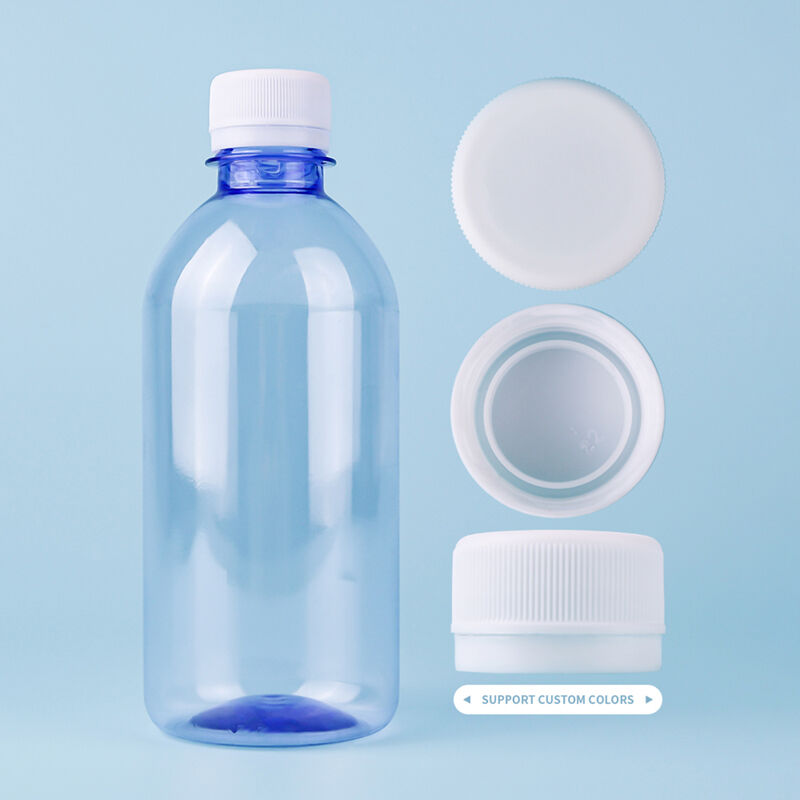
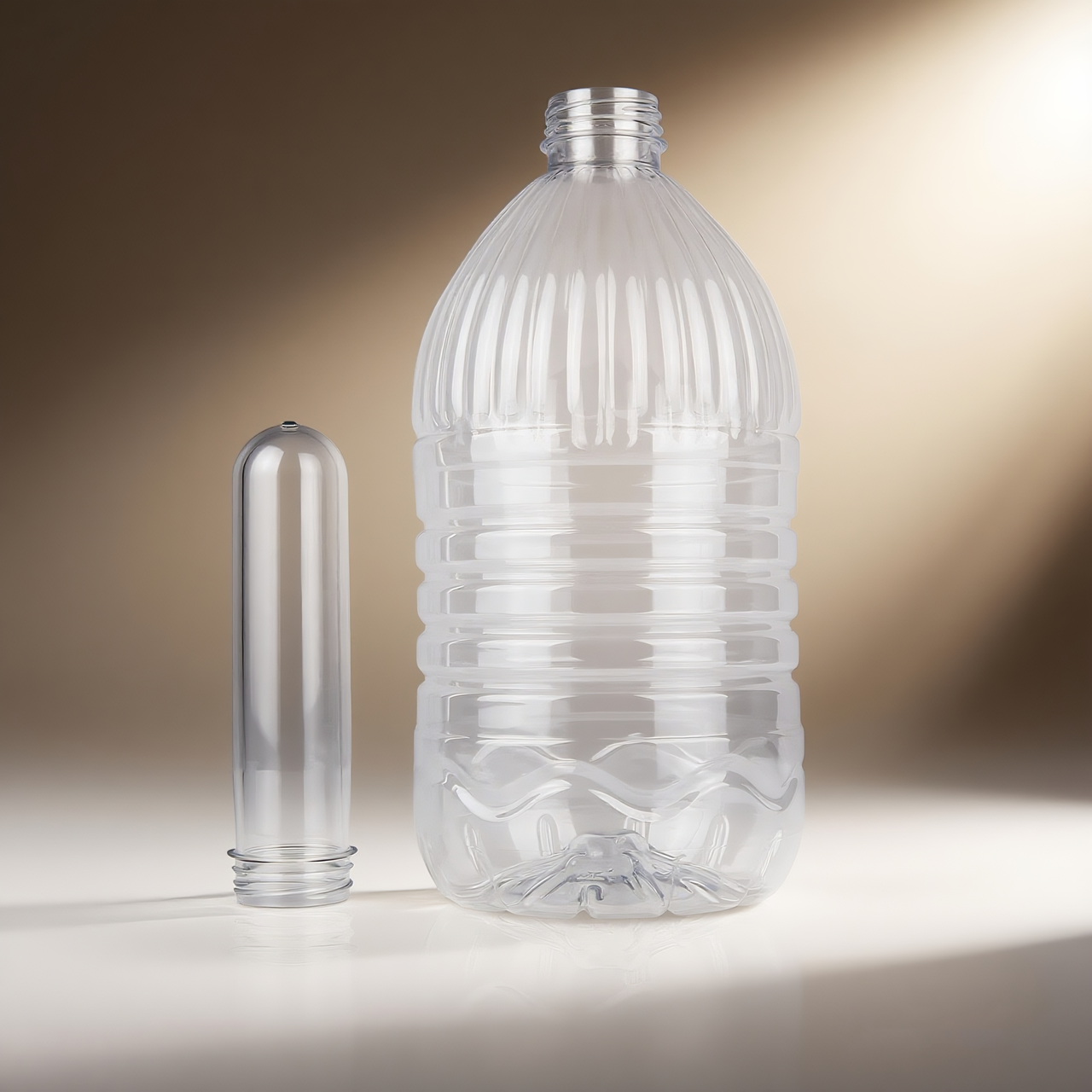
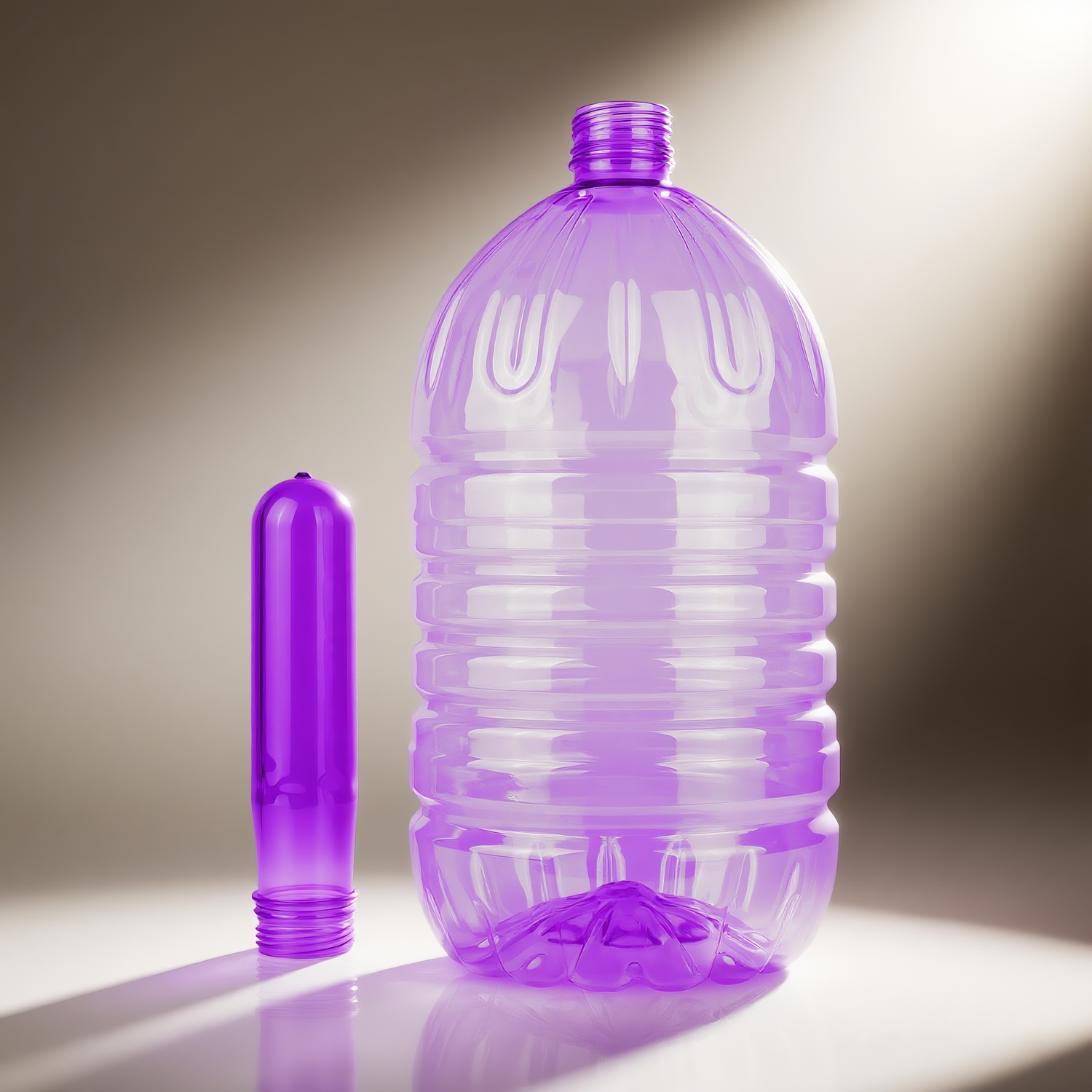
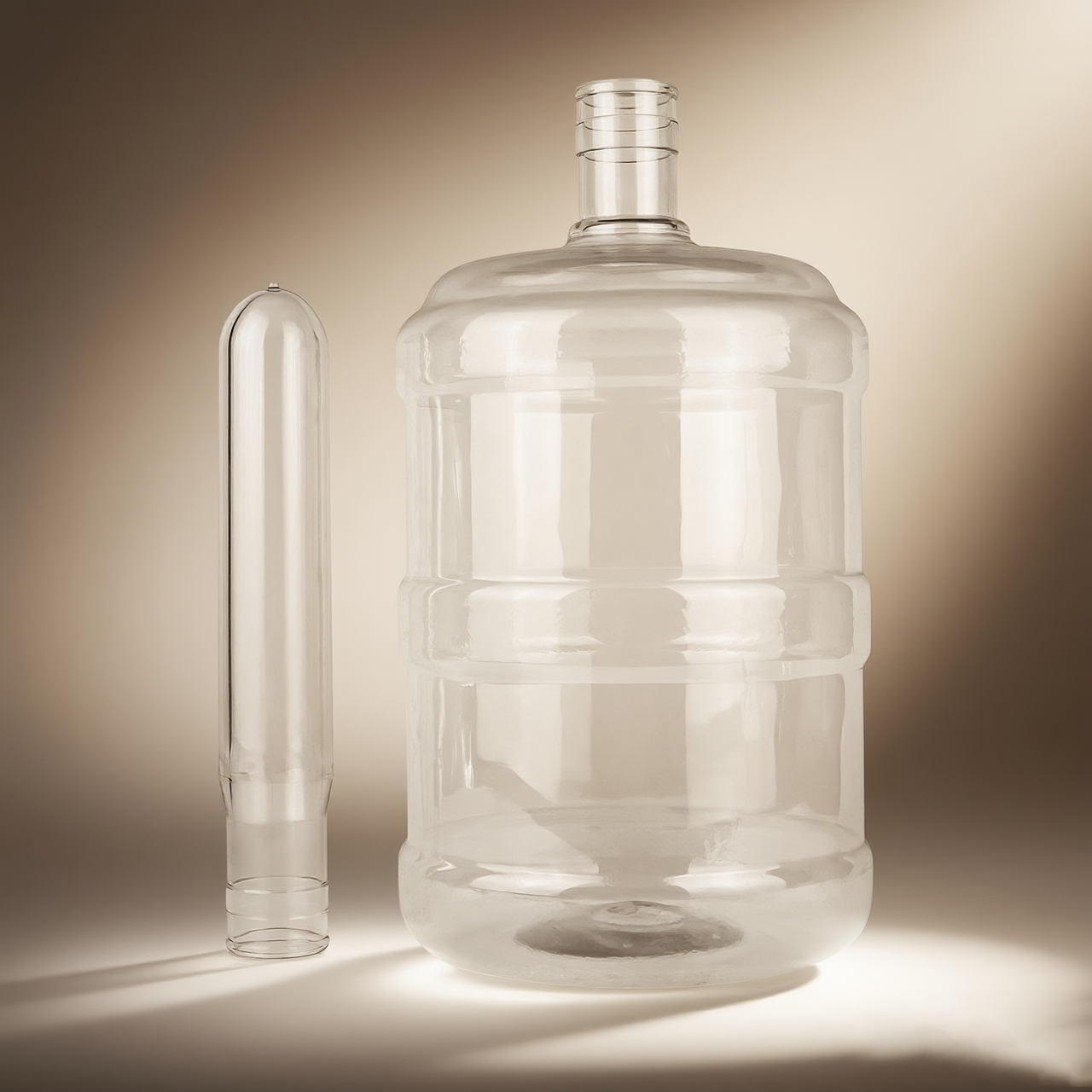
Plastic bottle use has revolutionized packaging solutions across countless industries, transforming how we store, transport, and consume beverages and various liquid products. These versatile containers serve multiple essential functions in our daily lives, from preserving freshness and maintaining product integrity to enabling convenient portability and extended shelf life. The widespread adoption of plastic bottle use stems from their exceptional ability to protect contents from external contaminants while providing crystal-clear visibility of the product inside. Modern plastic bottles incorporate advanced technological features that enhance their performance and sustainability. Multi-layer barrier technology prevents oxygen penetration, ensuring beverages maintain their original taste and nutritional value for extended periods. Lightweight engineering reduces transportation costs and environmental impact while maintaining structural integrity under various pressure conditions. Advanced molding techniques create bottles with ergonomic designs that improve grip comfort and pouring accuracy. Smart closure systems integrate tamper-evident features and child-resistant mechanisms for enhanced safety. Applications of plastic bottle use span numerous sectors including beverage manufacturing, pharmaceutical packaging, personal care products, household chemicals, and industrial liquids. Water bottling companies rely on these containers for reliable hydration solutions, while soft drink manufacturers utilize them for carbonated beverage distribution. The food industry employs plastic bottles for condiments, cooking oils, and dairy products. Healthcare providers depend on pharmaceutical-grade plastic bottles for medication storage and liquid supplements. Cosmetic brands package shampoos, lotions, and cleaning solutions using specialized plastic bottle designs. Agricultural sectors use them for pesticide and fertilizer storage. The versatility of plastic bottle use extends to custom applications where specific material properties match unique product requirements, making them indispensable across modern commerce.

New Product Recommendations

The advantages of plastic bottle use deliver substantial practical benefits that make them the preferred choice for businesses and consumers worldwide. Cost-effectiveness stands as the primary advantage, as plastic bottles require significantly lower manufacturing expenses compared to glass or metal alternatives. This affordability translates directly into reduced product prices for consumers while maintaining healthy profit margins for manufacturers. Production efficiency increases dramatically with plastic bottle use since automated manufacturing processes can produce thousands of units per hour with minimal labor requirements. Transportation benefits emerge from their lightweight nature, reducing shipping costs by up to sixty percent compared to heavier packaging materials. This weight reduction also minimizes fuel consumption during distribution, creating both economic and environmental advantages. Durability represents another compelling benefit of plastic bottle use, as these containers resist breakage during handling, storage, and consumer use. Unlike glass bottles that shatter upon impact, plastic bottles maintain their integrity even when dropped or subjected to rough handling. This resilience reduces product loss and eliminates safety hazards associated with broken glass in retail and home environments. Flexibility in design allows manufacturers to create custom shapes, sizes, and colors that enhance brand recognition and consumer appeal. Marketing teams leverage this versatility to develop unique bottle profiles that differentiate products on crowded retail shelves. Consumer convenience reaches new heights through plastic bottle use innovations such as squeeze dispensers, flip-top caps, and portion control features. These user-friendly designs improve product accessibility for people with limited mobility or strength. Storage efficiency improves as plastic bottles nest together efficiently, maximizing warehouse space utilization and reducing inventory costs. Their resistance to temperature fluctuations ensures product stability across various climate conditions. Recycling capabilities support environmental responsibility while maintaining economic viability. Modern plastic bottle use incorporates recycled materials without compromising performance, creating circular economy benefits that appeal to environmentally conscious consumers and businesses seeking sustainable packaging solutions.

Tips And Tricks

PET Packaging Solutions: Leading the Industry with Superior Performance and Sustainability

12

Nov

PET Packaging Solutions: Leading the Industry with Superior Performance and Sustainability

View More
Food-Grade PET Preforms: Leading Sustainable Innovation in Global Packaging

12

Nov

Food-Grade PET Preforms: Leading Sustainable Innovation in Global Packaging

View More
PET Preform Stretch Blow Molding: Comprehensive Technical Guide and Best Practices

12

Nov

PET Preform Stretch Blow Molding: Comprehensive Technical Guide and Best Practices

View More

Get a Free Quote

Our representative will contact you soon.
Email
name
Phone/WhatsApp
Company Name
Message
0/1000

plastic bottle use

Revolutionary Barrier Technology for Maximum Product Protection

Revolutionary Barrier Technology for Maximum Product Protection

The revolutionary barrier technology integrated into modern plastic bottle use represents a quantum leap in packaging science that delivers unparalleled product protection and extended shelf life. This advanced technological feature employs multi-layer construction techniques that create invisible shields against oxygen, moisture, and light penetration, ensuring that beverages and liquid products maintain their original quality, taste, and nutritional value for significantly longer periods. The barrier technology works through sophisticated polymer layering systems where each layer serves a specific protective function. The outer layer provides structural strength and impact resistance, while intermediate layers block specific molecules that cause product degradation. Inner contact layers remain completely food-safe and inert, preventing any interaction with the contained product. This multi-barrier approach in plastic bottle use eliminates the need for artificial preservatives in many applications, supporting clean-label initiatives that consumers increasingly demand. The technology particularly excels in carbonated beverage applications where carbon dioxide retention becomes critical for product quality. Advanced barrier coatings prevent gas escape, maintaining optimal carbonation levels that preserve the intended taste experience throughout the product's shelf life. For sensitive products like fruit juices and dairy beverages, oxygen barrier properties prevent oxidation reactions that cause flavor deterioration, color changes, and nutritional losses. The light-blocking capabilities protect photosensitive compounds such as vitamins and natural flavors from UV degradation. Temperature stability ensures barrier effectiveness across various storage conditions, from refrigerated environments to ambient warehouse temperatures. This technological advancement in plastic bottle use has enabled manufacturers to expand distribution networks globally, reaching remote markets previously inaccessible due to shelf-life limitations. The barrier technology also supports sustainable packaging initiatives by extending product life cycles, reducing food waste, and enabling lighter-weight bottle designs that maintain protective performance. Quality control systems continuously monitor barrier effectiveness, ensuring consistent protection standards that meet stringent food safety regulations and consumer expectations for product freshness and quality.
Unmatched Versatility and Customization Capabilities

Unmatched Versatility and Customization Capabilities

The unmatched versatility and customization capabilities of plastic bottle use provide manufacturers with unprecedented design freedom and branding opportunities that drive market success and consumer engagement. This exceptional adaptability allows companies to create distinctive packaging solutions that perfectly align with their brand identity, target demographics, and functional requirements. The versatility begins with material selection options that include various plastic resins, each offering unique properties suited to specific applications. High-density polyethylene provides excellent chemical resistance for household cleaners and personal care products, while polyethylene terephthalate delivers crystal clarity for premium beverage presentations. Specialized materials accommodate extreme temperature applications, from frozen product storage to hot-fill processes that require heat-resistant properties. Shape customization in plastic bottle use extends far beyond traditional cylindrical forms, enabling complex geometric designs that enhance shelf appeal and functional performance. Ergonomic contours improve grip comfort and pouring control, while unique silhouettes create instant brand recognition on retail shelves. Embossed textures add tactile elements that communicate premium quality and enhance user experience. Size flexibility ranges from single-serving portions to family-size containers, accommodating diverse consumption patterns and market segments. Color integration capabilities allow unlimited creative expression through transparent, translucent, or opaque finishes that support brand messaging and product differentiation. Advanced printing and labeling technologies work seamlessly with plastic bottle surfaces, enabling high-resolution graphics, metallic effects, and textural finishes that elevate perceived value. Closure system compatibility ensures optimal functionality across various dispensing requirements, from simple screw caps to complex pump mechanisms and child-resistant designs. The customization extends to environmental considerations, where recycled content integration and bio-based materials support sustainability goals without compromising performance or aesthetics. Production scalability accommodates both small-batch specialty products and high-volume mass market applications, making plastic bottle use accessible to businesses of all sizes. This remarkable versatility enables rapid product launches, seasonal variations, and limited-edition campaigns that respond quickly to market trends and consumer preferences.
Superior Safety Standards and Consumer Protection Features

Superior Safety Standards and Consumer Protection Features

Superior safety standards and consumer protection features embedded in modern plastic bottle use establish new benchmarks for packaging security that protect both products and end users throughout the entire supply chain. These comprehensive safety systems integrate multiple protective mechanisms that address contamination prevention, tamper evidence, child safety, and structural integrity under various stress conditions. The foundation of safety in plastic bottle use begins with rigorous material testing and certification processes that ensure complete compliance with international food safety standards and regulatory requirements. Advanced manufacturing protocols eliminate potential contaminants during production, while quality control systems monitor every stage of the bottling process to maintain sterile conditions and prevent cross-contamination. Tamper-evident features provide visible indicators of package integrity, giving consumers confidence in product authenticity and safety. These mechanisms include breakaway bands, shrink seals, and specialized closures that clearly show if the package has been opened or compromised. Child-resistant closure systems protect young children from accessing potentially harmful products while remaining easily operable by adults, striking the perfect balance between safety and convenience. Structural safety testing ensures plastic bottles withstand transportation stresses, temperature variations, and handling pressures without failure or leakage. Impact resistance testing simulates real-world drop scenarios, confirming that bottles maintain their integrity even under rough handling conditions. Pressure testing validates performance under internal stress from carbonated products or temperature-induced expansion. Chemical compatibility assessments guarantee that plastic bottle materials remain inert and do not interact with contained products, preventing contamination or unwanted chemical reactions. Traceability systems enable rapid identification and recall capabilities if safety issues arise, supporting public health protection through efficient response mechanisms. Ergonomic safety features prevent user injury through smooth edges, non-slip surfaces, and balanced weight distribution that reduces dropping risks. Environmental safety considerations ensure that plastic bottle use meets recyclability standards and incorporates sustainable materials wherever possible, supporting long-term ecological protection while maintaining all performance and safety requirements.
Comprehensive Guide to Plastic Bottle Use: Benefits, Features, and Applications for Modern Packaging Solutions

Get a Free Quote

Our representative will contact you soon.
Email
name
Phone/WhatsApp
Company Name
Message
0/1000