 EN


Choosing the right PET preform supplier is one of the highest-impact purchasing decisions for bottled water producers, co-packers and beverage brand owners. Your preform supplier is not merely a vendor; they become an upstream technical partner whose output shapes blow-mold yield, filling-line uptime, bottle clarity, leak rate, shelf-life stability and final consumer perception. Many buyers make the mistake of selecting suppliers based only on the lowest unit price, only to face inconsistent wall mapping, hazy batches, delayed shipments or hidden flavor issues that damage brand reputation. This practical buyer’s checklist walks you through every evaluation dimension, so you can compare vendors objectively, run qualified trials and lock in a stable, cost-effective preform supply chain for mineral water, purified water and spring water lines.
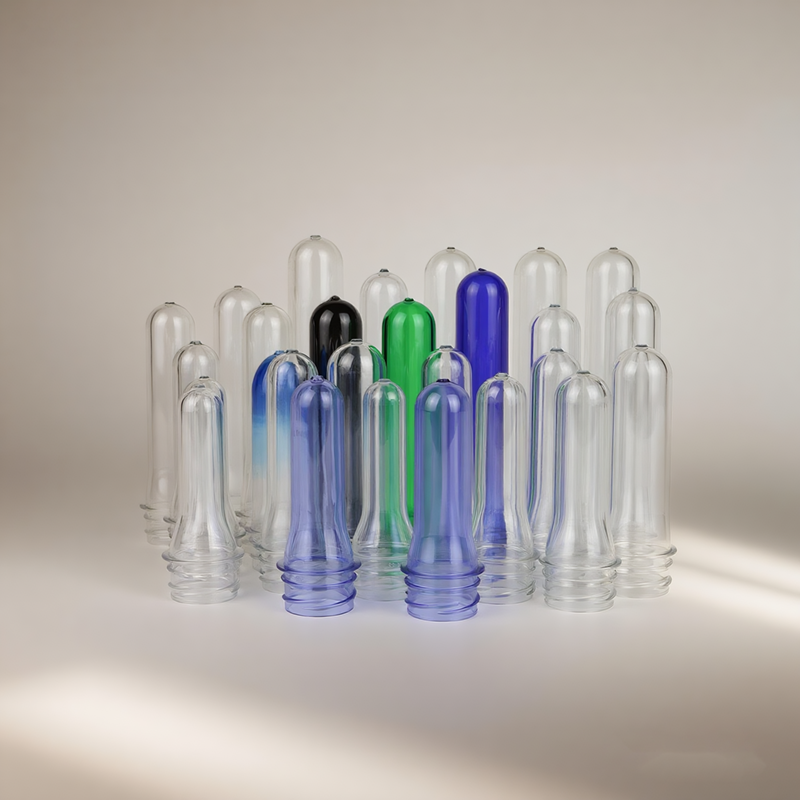
This checklist works equally well whether you are switching from an existing supplier, scaling up for a new water SKU, launching a custom-shaped bottle, or adding rPET sustainable lines. It combines hard audit criteria, operational KPIs, material compliance checks and partnership soft factors, helping you separate commodity preform sellers from technical manufacturers who understand the unique requirements of drinking water packaging.
Essential Technical Capabilities and Manufacturing Standards
Production Capacity and Scalability Assessment
When evaluating a water bottle preform supplier, production capacity stands as the foundation of any successful partnership. Your chosen supplier must demonstrate the ability to meet your current volume requirements while maintaining flexibility for future growth. You need to confirm their daily output, running machine count, mold configuration and usable cavity quantity, rather than only looking at theoretical maximum capacity. Many factories advertise large capacity, but high equipment utilization, maintenance downtime or mold bottlenecks limit real available output.
Scalability becomes particularly crucial during peak seasons, summer water demand spikes or when launching new product lines. A reliable water bottle preform supplier should maintain reserve capacity or have clear expansion plans that can accommodate your growing needs without pushing lead times out or forcing quality compromises. Ask for historical peak-season delivery data, order backlog trends and how they allocate capacity between existing long-term customers and new orders.
Also examine their automation level: auto feeding, dehumidifying drying systems, inline weight sorting, automated packaging and warehouse management. High automation reduces human error and keeps consistency stable across thousands of preforms. Factories with manual offline inspection only often struggle when orders ramp up, creating batch-to-batch variation that shows up on your blow molding line.
Quality Control Systems and Certifications
Quality control represents the backbone of preform manufacturing. For water bottles, even tiny defects such as neck ovality, inconsistent wall thickness, micro bubbles or excess acetaldehyde can trigger leaking, haze, off-flavor complaints or full production stops. Evaluate each potential supplier’s full quality workflow: raw resin incoming inspection, process monitoring during injection, inline automated scanning, lab sampling and finished-goods release criteria.
Industry certifications serve as reliable baseline proof of compliance. Verify that potential suppliers maintain ISO 9001 quality management, food-contact compliance (FDA, EU 10/2011), and HACCP. If you supply major retail channels, BRCGS or SQF certification is a strong plus. Certifications alone are not enough, but they prove the factory operates under audited, documented systems instead of informal workshop controls.
Ask to see their SPC records, corrective action reports and out-of-spec handling workflows. A mature supplier logs wall thickness, weight, ovality and gate vestige metrics continuously. They should be able to show you how they contain non-conforming batches and run root-cause analysis, rather than simply sorting bad parts manually after the fact. Transparent, auditable QC is especially critical for water, because consumers are extremely sensitive to any strange taste or odor.
Material Quality and Specification Compliance
Raw Material Sourcing and Traceability
PET resin is where preform quality begins. For drinking water, resin grade directly impacts clarity, intrinsic viscosity (IV), acetaldehyde (AA) level and organoleptic performance. Ask suppliers which resin brands and grades they use for water preforms, and whether they separate food-grade virgin and rPET streams completely. Poor resin control is the #1 cause of unexplained taste issues in bottled water.
Full lot traceability is non-negotiable for food-contact packaging. Every batch should tie back to resin lot numbers, drying records, injection parameters, test reports and packing logs. If a quality issue emerges, you need to isolate affected stock quickly without recalling all your finished water inventory. This is far harder with suppliers that mix resin batches or skip lot labeling.
Check their resin testing scope: IV measurement, moisture test, acetaldehyde testing, color b-value and contamination screening. For rPET programs, confirm they run additional tests for residual contaminants and maintain separate dedicated lines or cleaning protocols to avoid cross-contamination from non-food-grade recycled plastic.
Specification Adherence and Customization Capabilities
Every water bottle project has unique specs: gram weight, neck size (28mm, 30mm, 38mm), wall mapping profile, stretch ratio target and visual requirements. Some suppliers only run standard commodity preforms and struggle when you need custom geometry or lightweighted profiles. Confirm they can follow your 2D drawings and run stretch-blow simulation before cutting molds.
Customization support makes a huge difference for brand differentiation. Ask whether their in-house team can co-design preforms, optimize wall distribution for your bottle shape, run sample blow trials on matched blow machines, and iterate gate or shoulder geometry to reduce thin spots. A supplier that only molds preforms to your print without design feedback will cost you more trial scrap later.
Review their past references for similar water bottle projects. A supplier experienced with lightweight still-water preforms understands that the priority is top-load strength and drop resistance, not burst pressure like carbonated bottles. They will allocate material correctly instead of applying a one-size-fits-all preform recipe.
Supply Chain Reliability and Logistics Capabilities
Delivery Performance and Inventory Management
On-time, complete delivery keeps your blowers and fillers running. Request their on-time delivery rate (OTDR), order accuracy rate and history of shortages or partial shipments. Speak with existing water-bottle customers about how they respond to urgent orders, rescheduling and communication when delays are likely. Poor communication is often worse than the delay itself.
Inventory terms directly affect your cash flow and stockout risk. Discuss whether they can hold consignment stock or safety stock for your SKUs, their minimum order quantity (MOQ), lead time for standard vs custom molds, and notice period for order adjustments. Some suppliers require rigid fixed orders, while flexible partners support demand swings common in the water industry.
Logistics planning is another major factor. If you import preforms, confirm their export documentation experience, packing quality (anti-scuff packing, dust-proof bags), container loading stability and damage rate in transit. Local suppliers reduce freight cost and lead time, while offshore suppliers often win on unit price but add logistics risk and longer replenishment cycles.
Business Continuity and Risk Management
Supply disruptions from machine breakdowns, resin shortages, power outages or factory shutdowns can halt your entire bottled water line. Ask suppliers about backup injection machines, spare mold capacity, alternative resin sources and contingency production plans. The best suppliers run dual production lines for key customer SKUs and keep critical spare parts on hand.
Financial stability is an often-overlooked filter. A supplier with unstable cash flow may delay resin purchases, skip maintenance or raise prices suddenly mid-contract. You can assess this via credit checks, customer tenure and whether they keep reinvesting in molds and automation. Long-term partnerships fail quickly when the factory cannot sustain consistent operation through raw-material price cycles.
Also define your sourcing strategy early: single-source vs dual-source. Single sourcing often gets better pricing and dedicated support, but dual sourcing hedges against outages. This checklist helps you qualify a backup supplier so you are not caught unprepared if your primary vendor runs into trouble.
Cost Structure and Value Proposition Analysis
Total Cost of Ownership Evaluation
Unit price is visible, but hidden quality and downtime costs are what eat your margin. A cheaper preform that runs at 8% reject rate on your blow line, causes frequent capping leaks or creates haze will end up far more expensive than a slightly higher-priced, stable preform. Calculate total cost including resin waste, bottle scrap, production downtime, rework, customer complaints and emergency air freight.
For water lines, reject cost is especially high once bottles are filled and capped. A bad preform batch can mean full pallets of finished drinking water must be discarded. This risk makes consistent quality a core financial priority, not just a technical checkbox.
Factor in long-term improvement potential. Some suppliers offer joint lightweighting projects that cut grams per preform over time, reducing your raw material spend permanently. Others lock you into static designs with no engineering support. These continuous-improvement programs are a major value differentiator.
Pricing Transparency and Contract Terms
Transparent pricing structures enable accurate budgeting. Clarify how they handle PET resin price fluctuations: fixed-price windows, resin pass-through formulas, notification periods and adjustment frequency. A water bottle preform supplier with clear pricing rules avoids surprise billing disputes later.
Read contract terms carefully: MOQ, mold ownership, mold repair responsibility, sample cost, payment terms, quality claim windows and termination clauses. For custom molds, confirm whether you own the tooling after payoff and what happens if you switch suppliers. Many disputes arise from unclear mold ownership and repair obligations.
Strategic suppliers will offer tiered volume discounts, reserved capacity and priority technical support for committed customers. Compare not just today’s price, but how they reward growing volume and long-term loyalty.
FAQ
What are the most important quality certifications to look for in a water bottle preform supplier?
The most critical certifications include ISO 9001 for quality management systems, FDA and EU food-contact compliance, plus HACCP for food safety control. If you supply major retail or global customers, BRCGS or SQF is highly preferred. Certifications prove they follow audited hygiene and material rules, which is essential for drinking water packaging.
How can I evaluate a supplier's production capacity and scalability potential?
Ask for actual daily output by SKU, machine utilization reports, mold cavity status and peak-season performance records. A facility visit lets you check machine condition, mold maintenance and warehouse organization. Run a formal trial order first, not just samples, to see if they can hit quality and delivery targets under real production pressure.
What should I include in a comprehensive supplier evaluation scorecard?
Your scorecard should weight: technical design & mold capability, QC/testing & certifications, material traceability, on-time delivery, capacity scalability, price & TCO, communication & engineering support, and financial stability. Add reference feedback and trial-order results into the final score, so decisions are data-driven instead of subjective.
How do I balance cost considerations with quality and service requirements?
Always evaluate total cost of ownership instead of unit price alone. Model the cost of scrap, downtime, complaint handling and emergency shipments from poor-quality preforms. In bottled water, the risk of flavor or leakage failures is so high that a reliable, technically capable supplier almost always delivers better long-term value than the cheapest option.
Table of Contents
- Essential Technical Capabilities and Manufacturing Standards
- Material Quality and Specification Compliance
- Supply Chain Reliability and Logistics Capabilities
- Cost Structure and Value Proposition Analysis
-
FAQ
- What are the most important quality certifications to look for in a water bottle preform supplier?
- How can I evaluate a supplier's production capacity and scalability potential?
- What should I include in a comprehensive supplier evaluation scorecard?
- How do I balance cost considerations with quality and service requirements?
