EN
EN


يُعَدُّ اختيار مورِّدٍ مناسبٍ لقوالب زجاجات المياه واحدةً من أكثر القرارات حساسيّةً لمصنِّعي المشروبات وشركات التغليف. فتؤثِّر جودة سلسلة توريد القوالب، وموثوقيتها، وفعاليتها من حيث التكلفة تأثيرًا مباشرًا على كفاءة الإنتاج، وسلامة المنتج، وفي النهاية على صافي أرباح شركتك. ومع وجود عددٍ كبيرٍ من المورِّدين الذين يتنافسون على أعمالك، فإن اتخاذ قرارٍ مستنيرٍ يتطلَّب منهجيةً تقييميةً منهجيةً تأخذ في الاعتبار القدرات التقنية، ومعايير الجودة، وإمكانات إقامة شراكة استراتيجية طويلة الأجل.
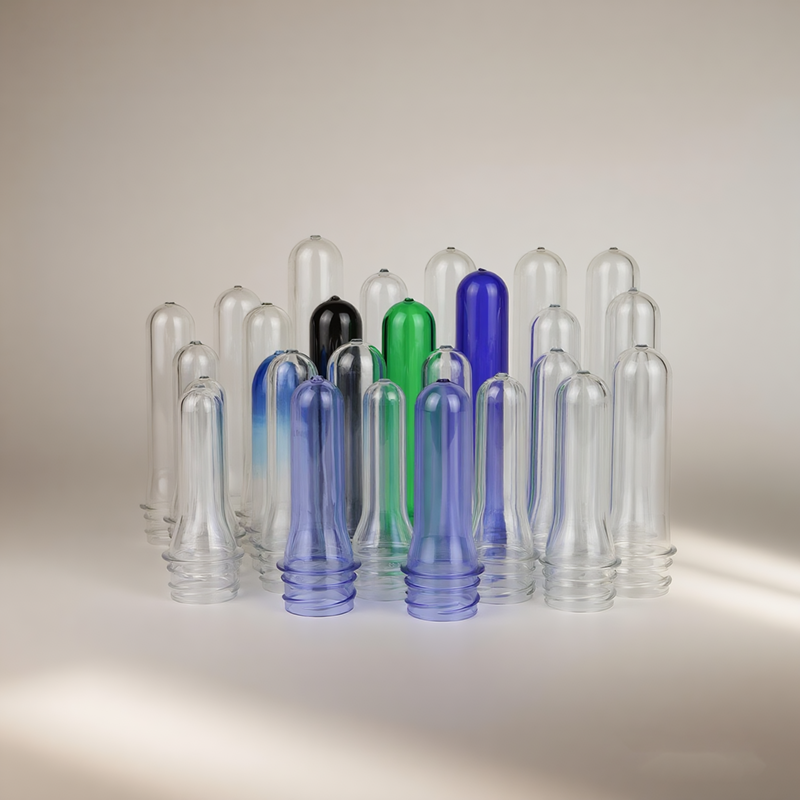
إن النمو السريع لصناعة المشروبات والطلب المتزايد على حلول التغليف المستدامة قد عزَّز بشكل كبير الحاجة إلى إقامة شراكات استراتيجية مع المورِّدين. ويُعَدّ قائمة المراجعة الشاملة للمشتري خارطة طريقك عبر المشهد المعقد لشراء القوالب الأولية (Preforms)، ما يساعدك في تحديد المورِّدين القادرين على تلبية متطلباتك المحددة مع تقديم قيمةٍ متسقةٍ باستمرار. ويضمن هذا النهج المنظَّم أن تقوم بتقييم كل جانبٍ حاسمٍ من جوانب علاقات المورِّدين المحتملين قبل اتخاذ الالتزامات التي ستؤثِّر في عملياتك لسنواتٍ قادمة.
القدرات الفنية الأساسية ومعايير التصنيع
تقييم السعة الإنتاجية والقابلية للتوسع
عند تقييم مورد قوالب زجاجات المياه، فإن القدرة الإنتاجية تُعَدّ حجر الزاوية في أي شراكة ناجحة. ويجب أن يُظهر المورد الذي تختاره قدرته على تلبية متطلباتك الحالية من حيث الكميات، مع الحفاظ في الوقت نفسه على المرونة اللازمة لتلبية النمو المستقبلي. وعليك دراسة مرافق التصنيع الخاصة به، ومواصفات معدات الحقن البلاستيكي، وقدراته الإنتاجية اليومية لضمان توافقها مع جداول إنتاجك وتقلبات الطلب الموسمي.
وتكتسب القابلية للتوسّع أهميةً بالغةً خصوصًا خلال المواسم الذروة أو عند إطلاق خطوط منتجات جديدة. ويجب أن يمتلك مورد قوالب زجاجات المياه الموثوق به طاقة احتياطية أو خطط توسّع يمكنها تلبية احتياجاتك المتزايدة دون المساس بجداول التسليم. واطلب معلومات تفصيلية عن معدلات استخدام معداته، والزيادات المخطط لها في الطاقة الإنتاجية، والأداء التاريخي له خلال فترات الطلب المرتفع.
خذ في الاعتبار البنية التحتية التكنولوجية للمورد ومستويات الأتمتة لديه، لأن هذه العوامل تؤثر تأثيراً مباشراً على اتساق الإنتاج وكفاءة التكلفة. وعادةً ما تدل أنظمة التصنيع المتقدمة المزودة بقدرات الرصد الفوري على التزام المورد بالحفاظ على معايير عالية والتحسين المستمر، وهما صفتان أساسيتان لنجاح الشراكة طويلة الأمد.
أنظمة مراقبة الجودة والشهادات
يمثّل ضبط الجودة العمود الفقري لتصنيع القوالب الأولية (Preforms)، حيث يمكن أن تؤدي أدنى الانحرافات إلى مشاكل جسيمة لاحقاً أثناء عمليات التشكيل بالنفخ (Blow Molding) والتعبئة. قيِّم أنظمة إدارة الجودة الخاصة بكل مورد محتمل للقوالب الأولية لزجاجات المياه، وكذلك بروتوكولات الاختبار وتدابير الرقابة الإحصائية على العمليات. وابحث عن الموردين الذين يطبّقون فحوصات جودة شاملة في كل مرحلة من مراحل الإنتاج، بدءاً من فحص المواد الخام وانتهاءً بالتحقق من المنتج النهائي.
تُعَدُّ شهادات الاعتماد الصناعي مؤشراتٍ موثوقةً على التزام المورِّد بمعايير الجودة والتميُّز التشغيلي. وتأكد من أن المورِّدين المحتملين يمتلكون الشهادات ذات الصلة، مثل شهادة الأيزو 9001، وموافقة إدارة الأغذية والأدوية (FDA) للمواد المتلامسة مع الأغذية، وأي معايير صناعية محددة تنطبق على قطاعات السوق التي تعمل فيها. وتُظهر هذه الشهادات الالتزام بأفضل الممارسات الدولية ومتطلبات الامتثال التنظيمي.
اطلب وثائق تفصيليةً عن إجراءات مراقبة الجودة، بما في ذلك تكرار أخذ العينات، ومنهجيات الاختبار، وبروتوكولات الإجراءات التصحيحية. ويشير وجود نظام جودة شفافٍ مدعومٍ بتوثيقٍ واضحٍ إلى احترافية المورِّد وقدرته على توفير جودة منتجٍ متسقةٍ تتوافق مع مواصفاتك وتوقعات عملائك.
جودة المواد والامتثال للمواصفات
تتبع مصدر المواد الخام
تؤثر جودة راتنج الـPET المستخدم في تصنيع القوالب الأولية مباشرةً على خصائص أداء الزجاجة النهائية، بما في ذلك الوضوح والمتانة وخصائص الحواجز. قم بالتحقيق في استراتيجيات مورد القوالب الأولية المحتمل لزجاجات المياه فيما يتعلق بمصادر المواد الخام، والموردين المفضلين للراتنج، ومعايير جودة المواد. ويُظهر الموردون الذين يحتفظون بعلاقات طويلة الأمد مع شركات تصنيع الراتنج ذات السمعة الطيبة عادةً استقراراً أكبر في سلسلة التوريد واتساقاً أعلى في الجودة.
تتيح أنظمة إمكانية التتبع الاستجابة السريعة لمشكلات الجودة والاستفسارات التنظيمية، ما يجعلها مكونات أساسية في عمليات التصنيع الحديثة. قيِّم قدرة كل مورد على تتبع المواد من وقت استلامها وحتى مرحلة الإنتاج ثم التسليم النهائي، بما في ذلك تحديد الدفعات ومواصفات المعالجة ونتائج اختبارات الجودة. وتكتسب هذه القدرة على التتبع أهميةً خاصةً عند التعامل مع التطبيقات الغذائية التي يُشترط فيها الامتثال التنظيمي.
خذ بعين الاعتبار نهج المورد في اختبار المواد وإجراءات الفحص عند الاستلام. ويضمن إجراء توصيف شامل للمواد، بما في ذلك اللزوجة الجوهرية ومحتوى الأسيتالديهايد والخصائص الحرارية، أداءً متسقًا للقوالب الأولية (Preforms) ويقلل من التباين في عمليات التشكيل بالنفخ (Blow Molding) التالية لديك.
الامتثال للمواصفات وقدرات التخصيص
لكل تطبيق مشروبات متطلباته الخاصة فيما يتعلق بأبعاد القوالب الأولية (Preforms) وتوزيع الوزن وخصائص الأداء. قيِّم قدرة كل مورد للقوالب الأولية الخاصة بزجاجات المياه على تلبية متطلباتك التقنية المحددة مع الحفاظ على تحملات دقيقة وجودة متسقة. وراجع قدراته الهندسية، وخبرته في تصميم القوالب، وتجاربه في تحسين العمليات لضمان قدرته على توريد قوالب أولية (Preforms) تُحسِّن كفاءة عمليات التشكيل بالنفخ (Blow Molding) لديك.
تصبح قدرات التخصيص أكثر أهميةً باطرادٍ مع ازدياد الطلب على تصاميم زجاجات فريدة والتطبيقات المتخصصة، نتيجةً لسعي العلامات التجارية إلى التميُّز. وعليك تقييم خبرة المورِّدين المحتملين في مجال تصميم القوالب الأولية المخصصة، وقدراتهم على دعم الهندسة، واستعدادهم للاستثمار في أدوات صنع مخصصة لتطبيقاتك. ويقدِّم المورِّدون الذين يوفرون دعماً شاملاً في التصميم وعمليات تطوير تعاونية عادةً قيمةً أكبر وإمكاناتٍ أعلى للابتكار.
خُذْ في الاعتبار سجل المورِّد في التعامل مع تطبيقات مماثلة، وفهمه للعلاقة بين تصميم القالب الأولي وأداء الزجاجة النهائي. ويمكن للمورِّدين ذوي الخبرة أن يقدموا رؤىً قيِّمةً حول تحسين التصميم واختيار المواد ومعايير التشغيل التي تعزِّز جودة منتجك مع خفض تكاليف الإنتاج.
موثوقية سلسلة التوريد وقدرات اللوجستيات
أداء التسليم وإدارة المخزون
يمثل التسليم المتسق وفي الوقت المحدد شرطًا أساسيًّا للحفاظ على سلاسل الإنتاج السلسة وتحقيق الالتزامات تجاه العملاء. قيِّم أداء كل مورِّد محتمل لقوالب زجاجات المياه من حيث التسليم في الماضي، بما في ذلك معدلات التسليم في الموعد المحدَّد، ودقة تنفيذ الطلبات، وأوقات الاستجابة للطلبات العاجلة. اطلب قائمة بمراجع العملاء الحاليين واستفسر عن تجاربهم فيما يتعلَّق بالموثوقية في التسليم وفعالية التواصل.
تؤثِّر قدرات إدارة المخزون تأثيرًا كبيرًا على متطلبات رأس المال العامل لديك ومرونة الإنتاج. قدِّم تقييمًا لاستعداد المورِّدين للاحتفاظ بمستويات المخزون الاحتياطي، ودقة تنبؤاتهم، وقدرتهم على استيعاب التغييرات المفاجئة في كميات الطلبات أو جداول التسليم. ويمكن للمورِّدين الذين يمتلكون أنظمة متطوِّرة لتخطيط الطلب وترتيبات مرنة لإدارة المخزون أن يساعدوك في تحسين تدفقك النقدي وتقليل مخاطر نفاد المخزون.
تلعب الموقع الجغرافي واللوجستيات النقلية أدوارًا حاسمة في كفاءة سلسلة التوريد الشاملة وإدارة التكاليف. وينبغي أخذ القرب من مرافق التصنيع الخاصة بك، وخيارات النقل المتاحة، وخبرة المورد في الشحن الدولي (إن وُجد) في الاعتبار. ويمكن لمورد قوالب زجاجات المياه الذي يمتلك مواقع استراتيجية وشبكات لوجستية راسخة أن يوفّر مزايا تنافسية من خلال خفض تكاليف النقل وتقليل فترات التسليم.
استمرارية الأعمال وإدارة المخاطر
يمكن أن تؤثّر اضطرابات سلسلة التوريد تأثيرًا شديدًا على جداول إنتاجك وعلاقاتك مع العملاء، ما يجعل تخطيط استمرارية الأعمال أمرًا بالغ الأهمية عند اختيار الموردين. وعليك تقييم استراتيجيات إدارة المخاطر لدى كل مورد محتمل، بما في ذلك مرافق الإنتاج الاحتياطية، ومصادر المواد البديلة، وإجراءات الاستجابة الطارئة. ويُظهر الموردون الذين يمتلكون خطط طوارئ قوية التزامهم بالحفاظ على مستويات الخدمة أثناء الظروف الصعبة.
توفر الاستقرار المالي الأساس للعلاقات طويلة الأجل مع الموردين وضمان استمرارية جودة الخدمة. قم بدراسة الوضع المالي للموردين المحتملين من خلال تقارير الائتمان، والمراجع الصناعية، والمناقشات المالية المباشرة. ومن المرجح أن يمتلك مورد القوالب الأولية لزجاجات المياه الذي يتمتع باستقرار مالي استثمارًا في تحديث المعدات، والحفاظ على معايير الجودة، والوفاء بالالتزامات طويلة الأجل حتى في أوقات التقلبات السوقية.
ضع في اعتبارك استراتيجيات التنويع التي توازن بين أمن التوريد وعمق العلاقات. فعلى الرغم من أن ترتيبات التوريد من مصدر واحد قد توفر مزايا تكلفة وشراكات أقوى، فإن استراتيجيات التوريد من مصدرين توفر حمايةً ضد انقطاعات التوريد وتمنحك هامش تفاوضٍ إضافي. قيّم درجة تحملك للمخاطر وطوّر استراتيجيات التوريد بما يتوافق مع متطلبات استمرارية عملك.
تحليل هيكل التكلفة وعرض القيمة
تقييم التكلفة الإجمالية للملكية
في حين يحظى سعر الوحدة غالبًا باهتمام رئيسي أثناء اختيار المورِّدين، فإن تكلفة الملكية الإجمالية توفر رؤيةً أكثر شمولاً لقيمة المورِّد. وينبغي أخذ جميع مكونات التكلفة في الاعتبار، ومنها سعر الوحدة، وتكاليف النقل، والتكاليف المرتبطة بالجودة، وتكاليف حمل المخزون، والمصروفات الإدارية. فقد يكون مورِّد قوالب زجاجات المياه ذا سعرٍ أعلى قليلًا، لكنه يقدِّم قيمةً إجماليةً فائقةً من خلال خفض المشكلات المتعلقة بالجودة، أو تحسين أداء التسليم، أو تعزيز الدعم الفني.
يمكن أن تؤثِّر التكاليف المرتبطة بالجودة تأثيرًا كبيرًا في مصروفاتك الإجمالية عبر زيادة الهدر، وانقطاع الإنتاج، وشكاوى العملاء، ومتطلبات إعادة التصنيع. ولذلك، ينبغي تقييم سجلات أداء المورِّدين المحتملين فيما يتعلق بالجودة، وحساب الأثر المالي لتقلُّبات الجودة على عملياتك. وبشكل عام، فإن المورِّدين الذين يتمتَّعون بمعايير جودةٍ عاليةٍ ومستقرةٍ يوفِّرون تكاليف ملكيةٍ إجماليةً أقلَّ رغم احتمال ارتفاع سعر وحدتهم.
ضع في اعتبارك الآثار التكلفة طويلة الأجل لعلاقات المورِّدين المختلفة، بما في ذلك اتجاهات الأسعار المحتملة، وخصومات الكميات، ومزايا الشراكة. فبعض المورِّدين يقدِّم برامج خفض التكاليف، أو مبادرات تحسين مستمر، أو ترتيبات تقاسم الوفورات التي قد توفِّر قيمة كبيرة على المدى الطويل. قيِّم سجلاً هذه البرامج السابق وأثرها في تحقيق أهدافك لإدارة التكاليف.
شفافية الأسعار وشروط العقد
تتيح هياكل التسعير الشفافة التخطيط الدقيق للتكاليف والمفاوضات العادلة بشأن العقود. قيِّم منهجية التسعير الخاصة بكل مورِّد محتمل، بما في ذلك آليات تحميل تكاليف المواد الخام، وهيكل خصومات الكميات، وإجراءات تعديل الأسعار. أ مورِّد قوالب زجاجات المياه ذو شفافية واضحة في التسعير يُظهر ثقته في هيكل تكاليفه والتزامه بالتعامل العادل.
تؤثر شروط العقد تأثيرًا كبيرًا على مرونتك التشغيلية ومستوى التعرض المالي لديك. راجع شروط العقد المقترحة، بما في ذلك الكميات الدنيا للطلب، وشروط الدفع، وآليات تعديل الأسعار، وبُنود الإنهاء. واطلب اتفاقيات متوازنة توفر الأمن لكلا الطرفين مع الحفاظ في الوقت نفسه على المرونة التشغيلية لتلبية احتياجات نشاطك التجاري المتغيرة.
ضع في اعتبارك نهج المورد تجاه الشراكات طويلة الأجل واستعداده للاستثمار في نجاحك. فبعض الموردين يقدمون أسعارًا تفضيلية، أو سعة إنتاج مخصصة، أو برامج تعاونية لتخفيض التكاليف للعملاء الاستراتيجيين. قيِّم فرص هذه الشراكات وأثرها المحتمل على تنافسيتك وربحية شركتك على المدى الطويل.
الأسئلة الشائعة
ما أهم شهادات الجودة التي ينبغي البحث عنها في مورد قوالب زجاجات المياه؟
تشمل أهم الشهادات ما يلي: شهادة ISO 9001 لأنظمة إدارة الجودة، واعتماد هيئة الأغذية والأدوية الأمريكية (FDA) للمواد المتَّصلة بالغذاء، وشهادة HACCP لسلامة الأغذية. بالإضافة إلى ذلك، ابحث عن شهادات مُخصَّصة للقطاع مثل شهادة BRC أو SQF إذا كانت منتجاتك تستهدف أسواق التجزئة. وتُظهر هذه الشهادات التزام المورِّد بالحفاظ على معايير جودةٍ ثابتة والامتثال التنظيمي في جميع عملياته.
كيف يمكنني تقييم القدرة الإنتاجية للمورِّد وإمكاناته في التوسُّع؟
اطلب معلوماتٍ مفصَّلةً عن السعة الحالية لمعدات الإنتاج ومعدلات الاستخدام والمشاريع المقرَّر تنفيذها لتوسيع الطاقة الإنتاجية. وزُر مرافقه للاطلاع على عمليات الإنتاج وحالة المعدات وكفاءة التشغيل. واستفسر عن أدائه التاريخي خلال فترات الذروة في الطلب واستراتيجياته لاستيعاب أي زيادات مفاجئة في الحجم. ويجب أن يوفِّر المورِّد الموثوق بياناتٍ شفافةً عن طاقته الإنتاجية وأن يُظهر خططاً واضحةً للنمو المستقبلي.
ما الذي يجب أن أشمله في بطاقة تقييم المورِّدين الشاملة؟
يجب أن تغطي بطاقة التقييم الخاصة بك القدرات الفنية، وأنظمة الجودة، وأداء التسليم، والاستقرار المالي، والتنافسية من حيث التكلفة، وجودة خدمة العملاء. ووزِّع الأوزان على كل فئة وفقًا لأولوياتك المحددة، واستخدم المقاييس القابلة للقياس الكمي كلما أمكن ذلك. وتشمل الإشارات من العملاء الحاليين، والزيارات الميدانية، والطلبات التجريبية للتحقق من ادعاءات المورد وقدراته.
كيف يمكنني الموازنة بين اعتبارات التكلفة ومتطلبات الجودة والخدمة؟
ركِّز على تكلفة الملكية الإجمالية بدلًا من سعر الوحدة فقط، مع مراعاة التكاليف المرتبطة بالجودة، وأداء التسليم، وقيمة الخدمة. واحسب الأثر المالي لمشاكل الجودة، وتأخرات التسليم، وسوء خدمة العملاء على عملياتك. وفي كثير من الأحيان، يوفِّر مورِّدٌ بسعر أعلى قليلًا قيمةً إجماليةً أفضل من خلال جودةٍ متفوِّقة، وموثوقيةٍ أعلى، وخدمات دعمٍ أفضل تقلل من إجمالي تكاليف التشغيل لديك.