 EN

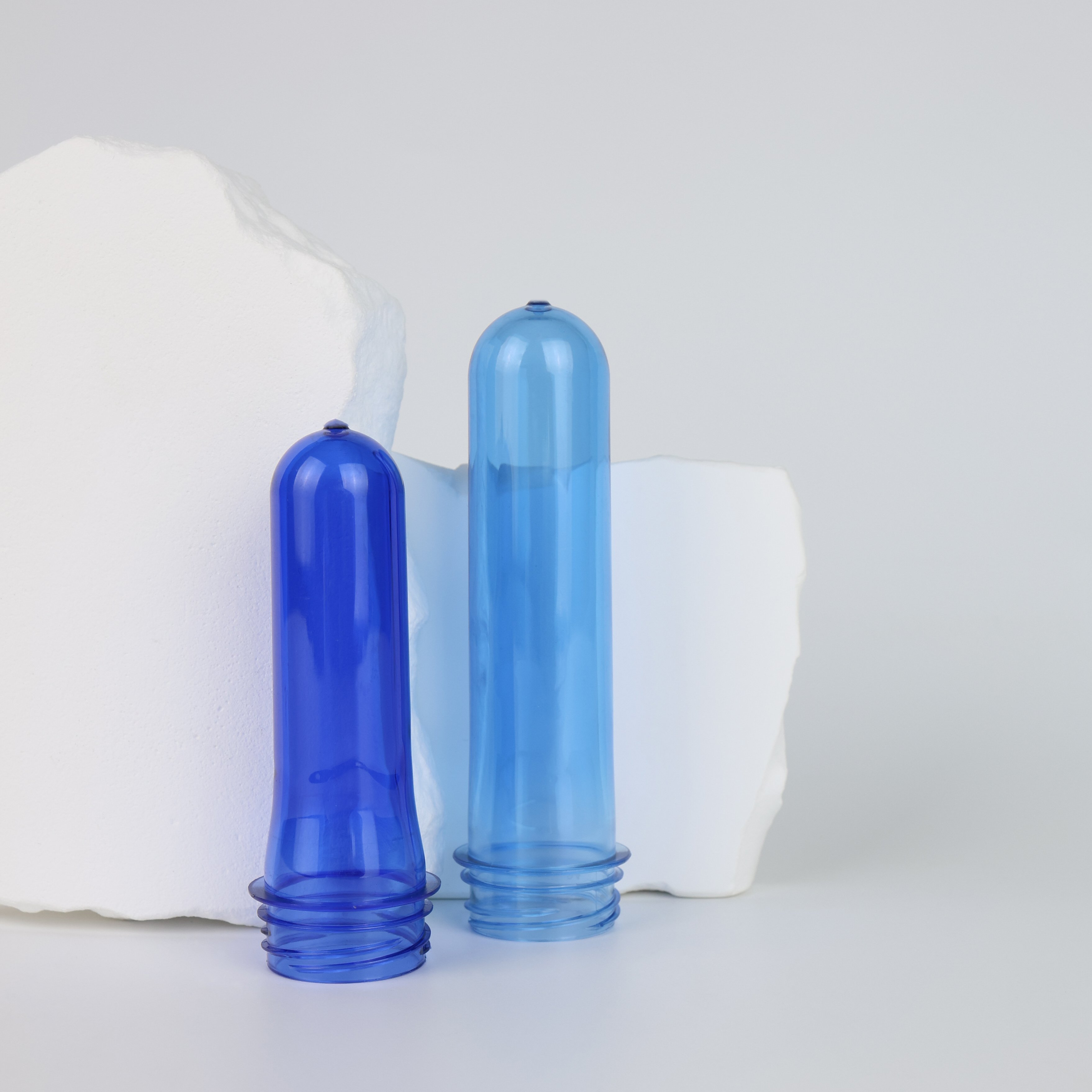
The global bottled water market is fiercely competitive. Brands compete not only on water source and taste but also on package feel, shelf appearance, production cost and sustainability credentials. Behind every successful water bottle line sits a reliable PET preform partner. Far from generic off-the-shelf blanks, custom PET preforms are engineered specifically for still water, balancing clarity, lightweight performance, leak-proof sealing, blow-mold stability and recyclability. This spotlight breaks down what a capable PET preform manufacturer brings to water bottle projects, covering custom design, precision molding, material tuning, QA validation and sustainable development for mineral water, purified water and spring water brands.
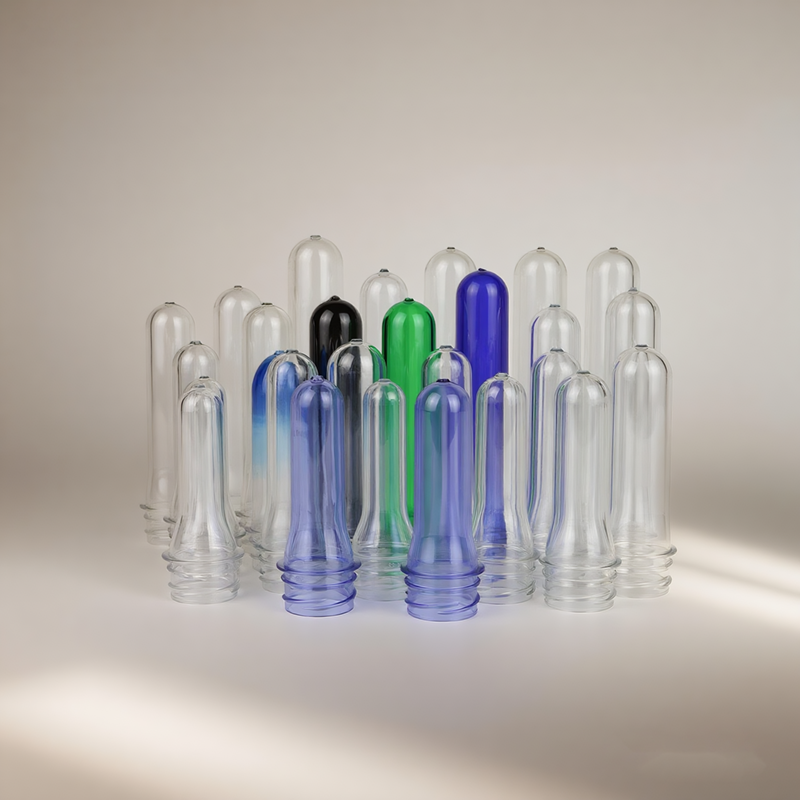
Many water bottlers start with a bottle render or a target gram weight, then discover that standard preforms cannot deliver the shape, grip, stacking strength or label flatness they want. A professional manufacturer closes this gap: they co-develop the preform TDK, run stretch simulation, build tailored tooling and validate samples on real blow-molding machines before mass production. This collaborative custom workflow reduces trial-and-error scrap and prevents costly surprises once the product hits high-speed filling lines.
Advanced Manufacturing Capabilities for Water Bottle Applications
Precision Molding Technologies
Water bottles demand exceptional optical clarity, so injection molding stability is non-negotiable. Top PET preform suppliers deploy servo-driven injection machines paired with hot-runner molds optimized for water-grade PET. Hot runner systems eliminate cold slug waste and produce cleaner gates with minimal vestige, which is critical for premium water bottles where gate marks show clearly on transparent bases. Independent zone temperature control keeps melt viscosity steady and avoids thermal degradation that causes haze, yellowing or brittle material.
High-cavity molds (48, 72, 96 or more) support large-volume water programs while cavity-balancing systems keep weight and wall thickness uniform across all cavities. Modern lines integrate inline weight sorting and wall-scanning sensors. If one cavity drifts out of spec, the system flags the deviation and adjusts pressure, speed or cooling automatically. This tight cavity-to-cavity consistency is what lets bottlers run thousands of bottles per hour without frequent oven or blow-pressure tweaks.
Material Engineering and Selection
Custom water bottle solutions begin with strategic PET resin selection tailored to specific application requirements. A skilled PET preform manufacturer evaluates factors such as cold-fill vs hot-fill, warehouse temperature, pallet stacking height and brand sustainability goals to match the right resin grade. Premium spring water and mineral water brands often choose high-IV virgin PET for sparkling transparency and low acetaldehyde, which prevents unwanted off-flavors in neutral-tasting water. For value lines, controlled rPET blends cut carbon footprint while staying food-safe.
Still water usually does not need heavy gas-barrier additives, but special formulations are available on request. UV stabilizers are added for water sold under bright retail lighting or outdoor storage, slowing light-triggered degradation. Acetaldehyde scavengers are widely used for bottled water to reduce subtle sweet or plastic odors. The manufacturer blends these additives evenly during extrusion, so every preform batch has consistent organoleptic performance — a key detail water consumers are sensitive to.
Design Optimization for Brand Differentiation
Neck Configuration Customization
The neck is where preform design meets capping, tamper bands and consumer experience. Standard 28mm, 30mm and 38mm necks dominate water bottles, but custom neck development unlocks brand differentiation. Manufacturers can adjust thread pitch, support ring height, sealing land geometry and tamper-evident ring profiles to fit proprietary caps, flip-top closures or sport lids. Thread design directly controls capping torque consistency on filling lines: poor thread geometry causes leaks, cap jams or over-torque cracking.
Engineers also tune the shoulder transition between neck and body. A smooth, gradual shoulder helps material flow evenly during blowing and reduces thin spots at the bottle shoulder, which is a common failure point under top load. Some brands request special anti-slip ring designs or recessed tamper-band grooves. These custom neck features require custom mold inserts and multiple blow trials to confirm they work reliably with the customer’s existing capper.
Wall Thickness Distribution Strategies
Wall mapping is the core of custom preform design for water bottles. Unlike carbonated bottles, still water bottles rely mainly on top-load strength and drop resistance rather than internal pressure. That changes how material is allocated. Preform engineers use stretch-blow simulation software to predict where plastic will thin out: bottle shoulders, base corners and grip indentations are typical high-risk zones. The preform’s wall profile is thickened slightly in those areas before molding, so after stretching, the finished bottle has balanced strength.
This is how lightweighting works without sacrificing performance. A generic preform may use extra material everywhere “just to be safe”; a custom-mapped preform puts material only where it is needed. Brands get lighter bottles, lower resin cost and a smaller carbon footprint, while keeping stacking stability and drop-test compliance. Unique sculpted shapes, curved panels and deep grip cutouts are possible only when the preform wall layout is engineered around that specific bottle geometry.
Quality Assurance and Testing Protocols
Dimensional Accuracy Verification
Water bottling lines run fast, and dimensional drift creates expensive downtime. Reliable manufacturers apply multi-layer QC: post-mold automatic gauging checks neck OD, thread diameter, total length, support ring position and ovality. Ultrasonic wall scanners capture thickness across the preform body, shoulder and base. All data feeds into SPC charts to track process drift over shifts and batches.
Neck ovality is especially important for water bottles. Even minor out-of-round necks cause caps to seal unevenly and leak during transport. Good suppliers hold tight ovality tolerances and reject preforms before packing. Sampling frequency increases for new custom designs until the process proves stable, protecting the customer’s filling line from unexpected leakage complaints.
Performance Validation Testing
Lab validation moves beyond checking dimensions to simulate real supply-chain stress. For water bottles, standard tests include top-load compression (pallet stacking), drop impact, leak testing after capping, and hot-cold cycle stability. The manufacturer blows sample bottles from the preform batch on matched blow equipment, then runs the full test matrix before releasing mass production.
Organoleptic testing is unique to water: trained panels check for odor and taste transfer, because water easily picks up acetaldehyde or residual processing byproducts. Accelerated aging tests store finished bottles under elevated temperature for weeks, checking for haze, shrinkage, distortion and flavor drift. This validation separates commodity preform vendors from technical partners who understand bottled water’s low-flavor, high-clarity requirements.
Sustainability and Environmental Responsibility
Lightweight Design Innovation
Lightweighting remains the biggest sustainability lever for bottled water packaging. By cutting grams from every preform, brands reduce raw PET consumption, lower container weight per pallet and slash transport emissions. Advanced FEA modeling lets designers strip material from low-stress zones while reinforcing structural hotspots. The goal is a “minimum viable gram weight” that still passes drop, top-load and long-term storage tests.
This work is collaborative. The preform manufacturer cannot optimize in isolation; they need the brand’s target bottle shape, filling temperature, pallet height and distribution climate. A design that works for indoor cold-storage water may fail in hot outdoor logistics. Holistic lightweighting balances cost, sustainability and real-world durability instead of chasing the lightest possible gram number blindly.
Recycled Content Integration
Consumer and regulatory pressure pushes water brands to adopt rPET. Experienced preform makers integrate food-grade post-consumer recycled PET into preform recipes while controlling IV, moisture and contamination risk. They can support variable rPET percentages: 25%, 50%, 75% or even 100% rPET, subject to regional food-contact rules.
rPET preforms demand stricter process control. Recycled flakes vary more than virgin pellets, so drying, filtration and inline inspection become more critical. Reputable suppliers maintain material traceability records and third-party certification for rPET batches. They also advise brands on trade-offs: high-rPET preforms may need adjusted blow settings and can have subtle impacts on clarity, so expectations are aligned early in custom development.
FAQ
What factors should I consider when selecting a PET preform manufacturer for custom water bottle solutions?
Key evaluation criteria include manufacturing capacity and flexibility, quality control systems, technical expertise in preform design optimization, sustainability capabilities, and proven experience with similar water bottle applications. Assess their ability to provide design support, material recommendations, stretch simulation and comprehensive testing services that ensure successful bottle production. Review their food-contact certifications, batch traceability, sample lead time and supply chain reliability to support long-term brand partnership.
How do custom preform designs impact water bottle production efficiency?
Optimized preform designs improve blow molding cycle times, reduce material waste, and enhance bottle quality consistency. Proper wall thickness distribution enables uniform heating and stable stretch ratios, while precision neck geometries ensure reliable capping and sealing. Custom designs matched to your bottle shape minimize stress concentrations, lower reject rates and reduce operator adjustments on the blow line, cutting overall packaging cost per bottle.
What quality standards should a professional PET preform manufacturer maintain for water bottle applications?
Professional manufacturers should maintain ISO 9001 quality management certification and comply with FDA / EU food-contact requirements. They should run dimensional inspection, IV testing, acetaldehyde control, organoleptic checks, and finished-bottle performance validation. Regular third-party audits, statistical process control and documented batch traceability ensure consistent clarity, low odor and leak-free performance for drinking water.
How do sustainability initiatives affect custom PET preform manufacturing capabilities?
Sustainability drives innovation in lightweight design, recycled content integration, and energy-efficient molding. Advanced manufacturers invest in filtration, decontamination and process controls to safely use food-grade rPET while preserving clarity and taste performance. They develop optimized preform geometries that cut material consumption and transport emissions, helping water brands hit carbon targets and circular economy commitments without sacrificing line stability or consumer experience.
Table of Contents
- Advanced Manufacturing Capabilities for Water Bottle Applications
- Design Optimization for Brand Differentiation
- Quality Assurance and Testing Protocols
- Sustainability and Environmental Responsibility
-
FAQ
- What factors should I consider when selecting a PET preform manufacturer for custom water bottle solutions?
- How do custom preform designs impact water bottle production efficiency?
- What quality standards should a professional PET preform manufacturer maintain for water bottle applications?
- How do sustainability initiatives affect custom PET preform manufacturing capabilities?
