EN
EN

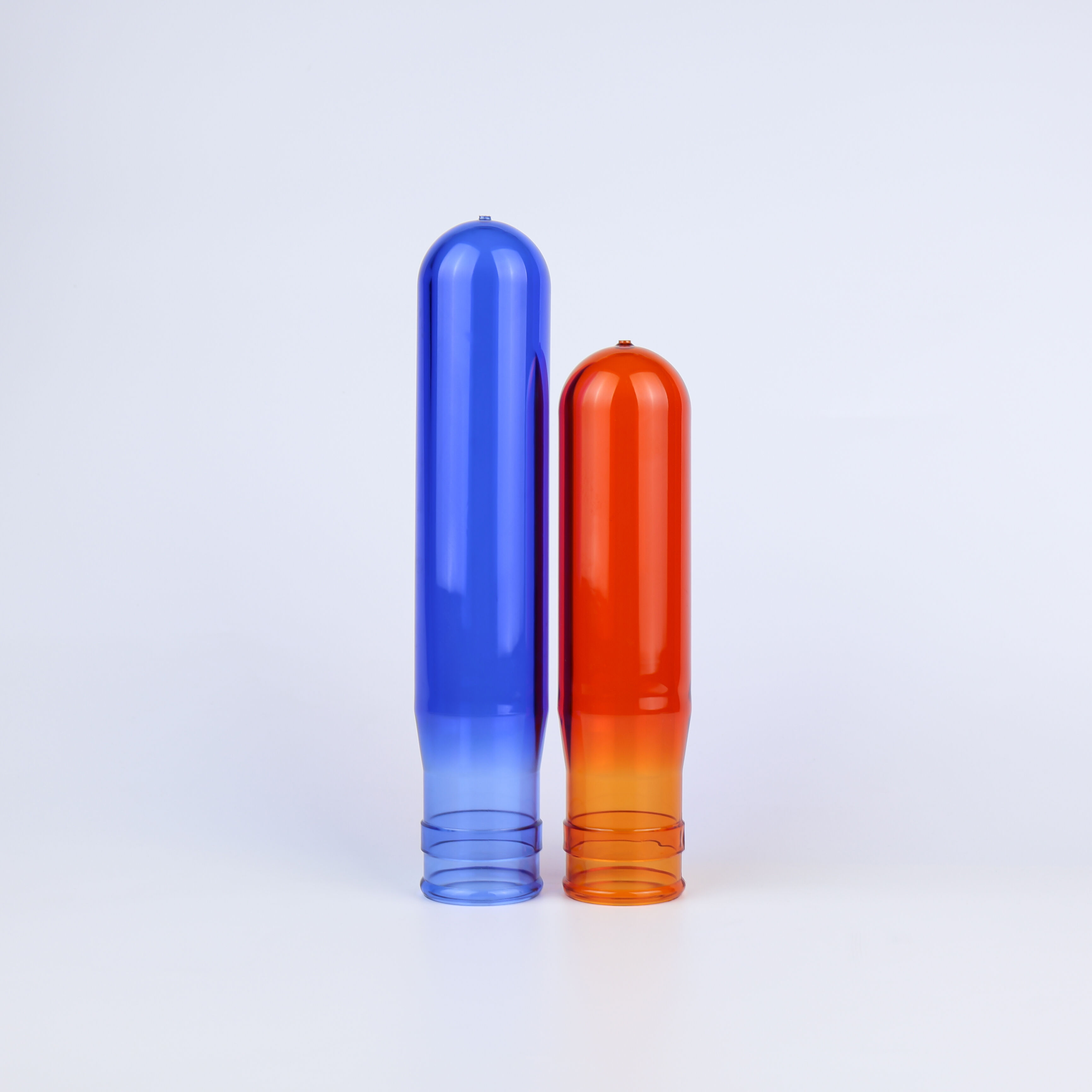
The packaging industry continues to evolve rapidly, driven by environmental concerns, cost optimization, and technological advancement. At the forefront of this transformation are PET preforms, which serve as the foundational building blocks for countless plastic bottles used in beverages, personal care products, and household items. As manufacturers face mounting pressure to reduce environmental impact while maintaining product quality and cost-effectiveness, the development of advanced PET preforms has become increasingly critical. These innovative solutions are reshaping how companies approach sustainable packaging design, offering promising pathways toward more responsible manufacturing practices.
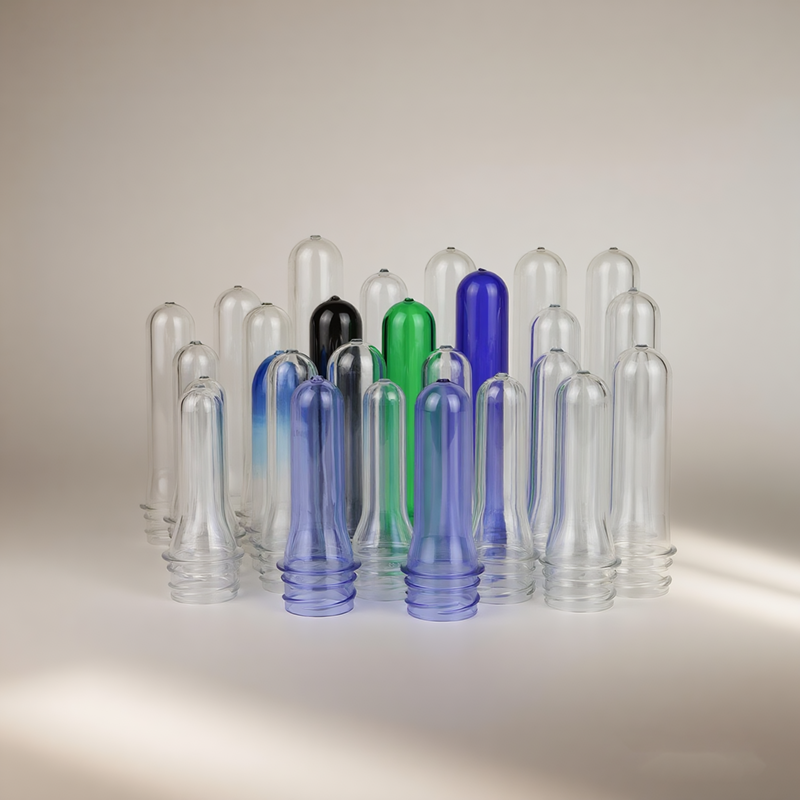
The global shift toward sustainable packaging has created unprecedented opportunities for innovation in PET preform manufacturing. Modern production facilities are implementing cutting-edge technologies that enable significant weight reduction without compromising structural integrity. This evolution represents a fundamental change in how manufacturers approach bottle design, moving beyond traditional methods to embrace sophisticated engineering solutions. The integration of recycled content into PET preforms has emerged as another crucial development, allowing companies to meet sustainability targets while maintaining the performance characteristics that make PET an ideal packaging material.
Lightweighting Technology Revolution in PET Preforms
Advanced Material Engineering Techniques
The lightweighting revolution in PET preforms centers on sophisticated material engineering approaches that optimize wall thickness distribution while maintaining essential barrier properties. Modern manufacturing processes utilize computer-aided design systems to create preforms with precisely calculated material placement, ensuring optimal strength-to-weight ratios. These advanced PET preforms incorporate molecular orientation techniques that enhance mechanical properties, allowing for substantial weight reductions without sacrificing performance. The implementation of specialized heating profiles during the injection molding process enables better material flow and distribution, resulting in more efficient use of raw materials.
Innovative stretch blow molding technologies work in tandem with lightweighted PET preforms to produce bottles that meet stringent quality standards while using significantly less material. The optimization process involves careful analysis of stress distribution patterns, thermal behavior, and barrier performance characteristics. Manufacturers are achieving weight reductions of up to 25% compared to traditional designs, translating into substantial material savings and reduced environmental impact. These technological advances have made it possible to maintain the clarity, durability, and shelf-life protection that consumers expect from PET packaging.
Performance Optimization Strategies
Contemporary PET preforms benefit from advanced performance optimization strategies that balance multiple competing requirements including mechanical strength, thermal stability, and processing efficiency. The development of specialized additives and processing aids has enabled manufacturers to achieve superior performance characteristics while reducing overall material usage. These optimization approaches focus on enhancing the crystallization behavior of PET during processing, resulting in improved clarity and reduced processing cycle times. The integration of advanced cooling systems and precise temperature control mechanisms ensures consistent quality across high-volume production runs.
Quality assurance protocols for lightweight PET preforms have evolved to incorporate sophisticated testing methodologies that evaluate performance under various stress conditions. These comprehensive testing programs examine factors such as top load strength, burst pressure resistance, and environmental stress crack resistance. The implementation of real-time monitoring systems during production enables immediate detection and correction of any deviations from optimal processing parameters. This approach ensures that lightweighted designs maintain the reliability and performance standards required for commercial applications while delivering significant material and cost savings.
Recycled Content Integration in Modern PET Preforms
Post-Consumer Recycled Material Incorporation
The integration of post-consumer recycled content into PET preforms represents a significant advancement in sustainable packaging technology. Modern recycling processes have evolved to produce high-quality recycled PET that meets stringent food safety and performance requirements. The incorporation of recycled content requires careful optimization of processing parameters to ensure proper material compatibility and performance characteristics. Advanced PET preforms now routinely incorporate 25-50% recycled content without compromising structural integrity or clarity, demonstrating the maturity of recycling technologies.
Sophisticated sorting and purification technologies enable the production of recycled PET that matches or exceeds the performance characteristics of virgin materials. The development of specialized catalysts and processing aids has overcome traditional limitations associated with recycled content, including reduced molecular weight and increased acetaldehyde levels. These technological breakthroughs have made it possible to create PET preforms with high recycled content that perform identically to virgin material equivalents. The implementation of closed-loop recycling systems further enhances the sustainability profile of these advanced preforms.
Chemical Recycling Innovation
Chemical recycling technologies are revolutionizing the approach to recycled content in PET preforms by enabling the conversion of waste PET back to its molecular building blocks. This process creates recycled materials that are chemically identical to virgin PET, eliminating the performance limitations traditionally associated with mechanical recycling. The development of efficient depolymerization processes has made chemical recycling commercially viable, opening new possibilities for high-quality recycled content integration. These technologies enable the production of PET preforms with recycled content levels approaching 100% while maintaining all necessary performance characteristics.
The scalability of chemical recycling processes is driving widespread adoption across the packaging industry, with major manufacturers investing heavily in these technologies. Advanced purification systems remove contaminants and color bodies that would otherwise limit the application of recycled materials. The economic viability of chemical recycling continues to improve as processing technologies become more efficient and energy requirements decrease. This innovation pathway offers tremendous potential for creating truly circular packaging systems where PET preforms can be recycled indefinitely without quality degradation.
Market Drivers and Industry Adoption Patterns
Regulatory Landscape and Compliance Requirements
The regulatory environment surrounding PET preforms is evolving rapidly as governments worldwide implement stricter environmental standards and recycled content requirements. European Union directives mandating minimum recycled content levels in plastic packaging are driving significant changes in PET preform design and manufacturing. These regulations create strong market incentives for developing advanced PET preforms that incorporate substantial recycled content while meeting performance requirements. Compliance with emerging regulations requires sophisticated supply chain management and quality assurance systems that can verify recycled content levels and track material origins.
The implementation of extended producer responsibility programs is reshaping how manufacturers approach PET preform design, with increasing emphasis on end-of-life considerations. These regulatory frameworks encourage the development of packaging solutions that are easily recyclable and incorporate recycled content. The growing complexity of international regulations requires manufacturers to develop flexible production systems capable of meeting varying requirements across different markets. This regulatory pressure is accelerating innovation in both lightweighting and recycled content technologies for PET preforms.
Consumer Demand and Brand Positioning
Consumer awareness of environmental issues is driving unprecedented demand for sustainable packaging solutions, making advanced PET preforms essential for brand differentiation. Market research indicates that consumers are willing to pay premium prices for products packaged in environmentally responsible materials, creating strong economic incentives for adopting advanced preform technologies. The visibility of sustainability initiatives in marketing campaigns has made PET preforms with recycled content and lightweighting features valuable brand assets. Companies are leveraging these innovations to strengthen their environmental positioning and appeal to environmentally conscious consumers.
The corporate sustainability commitments made by major brands are creating substantial market demand for innovative PET preforms that support ambitious environmental goals. These commitments often include specific targets for recycled content incorporation and packaging weight reduction, driving technical requirements for preform manufacturers. The competitive advantage gained through sustainable packaging solutions is motivating companies to invest in advanced PET preform technologies even when initial costs are higher than traditional alternatives. This market dynamic is accelerating the adoption of both lightweighting and recycled content technologies across multiple industry segments.
Manufacturing Process Innovations and Efficiency Improvements
Advanced Injection Molding Technologies
Contemporary manufacturing of advanced PET preforms relies on sophisticated injection molding technologies that optimize material usage and energy efficiency. The implementation of servo-driven injection systems provides precise control over processing parameters, enabling the production of lightweight designs with consistent quality. Advanced heating and cooling systems minimize cycle times while ensuring proper material distribution and crystallization behavior. These technological improvements have made it possible to manufacture PET preforms with complex geometries and optimized wall thickness distributions at commercially viable production rates.
The integration of Industry 4.0 technologies in PET preform manufacturing enables real-time optimization of processing parameters based on material properties and environmental conditions. Smart sensors monitor critical variables such as melt temperature, injection pressure, and cooling rates, automatically adjusting parameters to maintain optimal quality. These systems can detect and correct deviations before they result in defective products, significantly improving overall equipment effectiveness. The data generated by these systems provides valuable insights for continuous process improvement and optimization of PET preform designs.
Quality Control and Testing Methodologies
Advanced quality control systems for PET preforms incorporate sophisticated testing methodologies that evaluate performance characteristics critical for successful bottle production. Non-destructive testing techniques enable 100% inspection of critical dimensions and material properties without compromising production efficiency. The implementation of statistical process control methods ensures consistent quality across high-volume production runs while identifying opportunities for process optimization. These quality systems are particularly important for PET preforms incorporating recycled content, where material variability requires enhanced monitoring capabilities.
Predictive maintenance systems utilize advanced analytics to optimize equipment performance and minimize unplanned downtime during PET preform production. Machine learning algorithms analyze historical production data to identify patterns that precede equipment failures or quality issues. This proactive approach to maintenance management significantly improves overall equipment effectiveness while reducing production costs. The integration of these systems with quality control databases provides comprehensive insights into the relationship between equipment condition and product quality, enabling continuous improvement in manufacturing processes.
Future Technological Developments and Industry Outlook
Emerging Material Technologies
The future of PET preforms will be shaped by emerging material technologies that promise even greater improvements in sustainability and performance. Research into bio-based PET alternatives is yielding promising results, with several technologies approaching commercial viability. These materials offer the potential to reduce dependence on fossil fuel-based feedstocks while maintaining the performance characteristics that make PET ideal for packaging applications. The development of hybrid materials that combine traditional PET with bio-based components represents another promising pathway for sustainable PET preform innovation.
Nanotechnology applications in PET preforms are opening new possibilities for enhanced barrier properties and reduced material usage. The incorporation of nano-scale additives can significantly improve gas barrier performance, potentially enabling further lightweighting while maintaining product shelf life. Advanced catalyst systems are being developed to improve recycled content compatibility and enhance processing efficiency. These technological developments promise to expand the performance envelope for sustainable PET preforms while reducing manufacturing costs and environmental impact.
Market Growth Projections and Investment Trends
Industry analysts project substantial growth in the market for advanced PET preforms driven by increasing regulatory requirements and consumer demand for sustainable packaging. Investment in recycling infrastructure and chemical recycling technologies is expected to accelerate, supported by both private investment and government incentives. The economic benefits of lightweighting are driving continued investment in advanced manufacturing technologies and design optimization tools. These market dynamics suggest strong growth prospects for companies developing innovative PET preform solutions that address sustainability concerns while maintaining cost competitiveness.
The globalization of sustainability standards is creating opportunities for technology transfer and scaling of advanced PET preform manufacturing capabilities. Emerging markets are increasingly adopting advanced preform technologies as regulatory frameworks evolve and consumer awareness increases. This global expansion of sustainable packaging requirements is driving investment in local manufacturing capabilities and supply chain development. The convergence of regulatory pressure, consumer demand, and technological advancement suggests that advanced PET preforms will become the industry standard rather than premium options.
FAQ
What are the main advantages of lightweighted PET preforms compared to traditional designs
Lightweighted PET preforms offer significant advantages including reduced material usage, lower transportation costs, decreased carbon footprint, and improved resource efficiency. These advanced designs maintain all necessary performance characteristics while using up to 25% less material than traditional preforms. The weight reduction translates directly into cost savings throughout the supply chain, from raw material procurement to finished product distribution. Additionally, lightweighted designs contribute to sustainability goals by reducing overall packaging waste and resource consumption.
How does recycled content in PET preforms affect product performance and quality
Modern recycled content integration in PET preforms has minimal impact on performance and quality when properly implemented using advanced recycling and processing technologies. High-quality recycled PET can match or exceed the performance characteristics of virgin materials, maintaining clarity, strength, and barrier properties. Advanced purification and processing techniques remove contaminants and optimize material properties to ensure consistent quality. The key to successful recycled content integration lies in sophisticated quality control systems and optimized processing parameters.
What regulatory requirements are driving changes in PET preform manufacturing
Regulatory requirements driving changes in PET preform manufacturing include mandated minimum recycled content levels, extended producer responsibility programs, and packaging waste reduction targets. European Union directives require specific percentages of recycled content in plastic packaging, while similar regulations are being implemented globally. These requirements create strong market incentives for developing advanced PET preforms that incorporate recycled content and support circular economy principles. Compliance requires sophisticated tracking and verification systems throughout the supply chain.
How do chemical recycling technologies impact the future of PET preforms
Chemical recycling technologies represent a transformative opportunity for PET preforms by enabling the conversion of waste plastic back to molecular building blocks identical to virgin materials. This process eliminates the quality limitations associated with mechanical recycling, allowing for virtually unlimited recycling cycles without performance degradation. Chemical recycling enables the production of PET preforms with high recycled content levels while maintaining all necessary performance characteristics. The scaling of these technologies will likely make high-recycled-content PET preforms the industry standard in the coming years.
Table of Contents
- Lightweighting Technology Revolution in PET Preforms
- Recycled Content Integration in Modern PET Preforms
- Market Drivers and Industry Adoption Patterns
- Manufacturing Process Innovations and Efficiency Improvements
- Future Technological Developments and Industry Outlook
-
FAQ
- What are the main advantages of lightweighted PET preforms compared to traditional designs
- How does recycled content in PET preforms affect product performance and quality
- What regulatory requirements are driving changes in PET preform manufacturing
- How do chemical recycling technologies impact the future of PET preforms