EN
EN

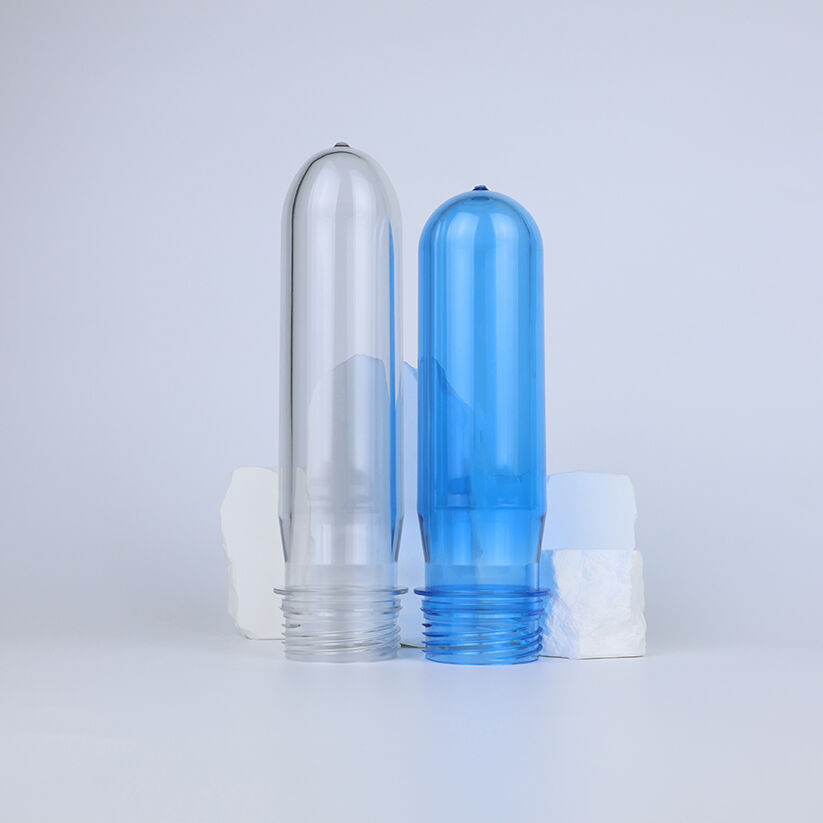
Manufacturing high-quality PET preform products requires a systematic approach that combines advanced technology with rigorous quality control measures. In the competitive landscape of plastic bottle production, ensuring that every PET preform meets stringent industry standards is not just a goal but an absolute necessity. The success of downstream bottle manufacturing depends entirely on the integrity and precision of the initial preform stage, making quality assurance the cornerstone of effective production processes.
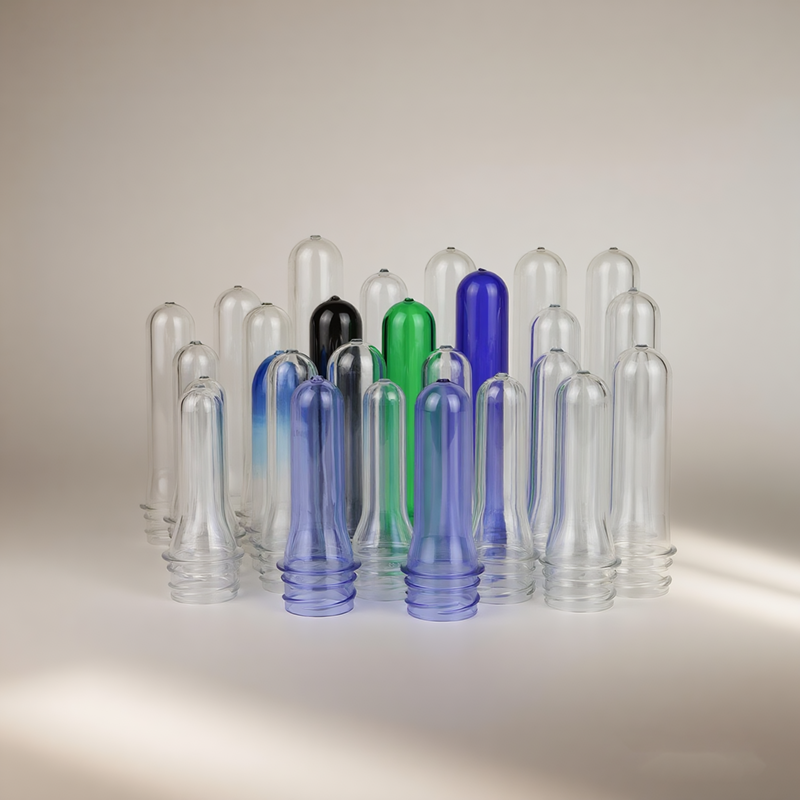
Understanding PET Preform Quality Standards
Material Composition Requirements
The foundation of superior PET preform quality begins with the careful selection and verification of raw materials. Virgin PET resin must meet specific molecular weight distributions and intrinsic viscosity levels to ensure optimal processing characteristics. Each batch of incoming material undergoes comprehensive testing for contaminants, moisture content, and thermal stability properties that directly impact the final product performance.
Quality control laboratories utilize advanced analytical equipment including differential scanning calorimetry and gel permeation chromatography to verify material specifications. These sophisticated testing methods ensure that every PET preform manufactured maintains consistent molecular structure and physical properties throughout the production run.
Dimensional Accuracy Parameters
Precise dimensional control represents another critical aspect of PET preform quality assurance. Neck finish specifications must conform to exact tolerances measured in hundredths of millimeters to ensure proper bottle cap fitment and sealing performance. Wall thickness uniformity across the entire preform geometry prevents weak points that could lead to bottle failure during the blow molding process.
Advanced coordinate measuring machines and optical measurement systems continuously monitor dimensional parameters during production cycles. This real-time feedback enables immediate process adjustments to maintain the tight tolerances required for consistent PET preform quality across high-volume manufacturing runs.
Raw Material Inspection and Testing
Incoming Material Verification
Every shipment of PET resin undergoes rigorous incoming inspection procedures designed to identify potential quality issues before materials enter the production environment. Certificate of analysis documentation from suppliers provides initial verification, but independent testing validates critical parameters including melt flow rate, density, and color consistency that affect PET preform appearance and performance.
Moisture content analysis plays a particularly important role in material qualification since excessive water levels can cause hydrolytic degradation during processing. Specialized drying protocols ensure that PET resin moisture levels remain below specified limits throughout storage and handling operations, maintaining material integrity until injection molding begins.
Additive Compatibility Assessment
Modern PET preform production often incorporates various additives to enhance specific performance characteristics or processing properties. UV stabilizers, colorants, and barrier enhancement additives must be thoroughly evaluated for compatibility with the base resin system to prevent adverse interactions that could compromise product quality.
Comprehensive compatibility testing includes thermal analysis, migration studies, and long-term stability assessments under accelerated aging conditions. These evaluations ensure that additive packages maintain their effectiveness throughout the expected service life of bottles produced from the PET preform while preserving food contact safety requirements.
Injection Molding Process Control
Temperature Profile Management
Precise temperature control throughout the injection molding process represents a fundamental requirement for consistent PET preform quality. Barrel temperature profiles must be carefully optimized for the specific resin grade being processed, ensuring complete melting and homogenization without thermal degradation that could weaken the final product.
Mold temperature control systems maintain cavity surfaces at optimal temperatures to promote proper crystallization patterns and minimize internal stress development in the PET preform. Advanced process monitoring systems track temperature variations in real-time, automatically adjusting heating and cooling parameters to maintain stability across extended production runs.
Injection Pressure Optimization
Injection pressure parameters directly influence the molecular orientation and density distribution within each PET preform, affecting both mechanical properties and optical clarity of the final product. Systematic pressure profiling ensures complete cavity filling while minimizing excessive shear stress that could degrade polymer chains and reduce impact strength.
Process engineers utilize scientific molding principles to establish optimal pressure curves that balance filling speed with polymer preservation. Data acquisition systems continuously monitor injection pressure patterns, providing feedback for process optimization and early detection of potential quality deviations in PET preform production.
In-Process Quality Monitoring
Real-Time Dimensional Inspection
Automated inspection systems integrated directly into the production line provide continuous monitoring of critical PET preform dimensions without interrupting manufacturing flow. High-resolution camera systems and laser measurement technologies capture precise measurements of neck dimensions, wall thickness, and overall geometry for statistical process control analysis.
These sophisticated monitoring systems can detect dimensional variations within microseconds of occurrence, enabling immediate process corrections before defective products accumulate. Statistical process control charts track dimensional trends over time, providing valuable insights into process stability and capability for producing consistently high-quality PET preform products.
Optical Quality Assessment
Visual appearance represents an increasingly important quality parameter for PET preform applications, particularly in premium beverage and cosmetic markets. Automated optical inspection systems utilize advanced imaging algorithms to detect surface defects, color variations, and clarity issues that could affect the final bottle appearance.
Sophisticated lighting arrangements and camera positioning enable comprehensive surface examination from multiple angles, ensuring that even subtle optical defects are identified and removed from the production stream. Machine learning algorithms continuously improve defect detection capabilities by analyzing patterns in acceptable versus rejected PET preform samples.
Final Product Testing and Validation
Mechanical Property Verification
Comprehensive mechanical testing provides final validation that each batch of PET preform products meets specified performance requirements for downstream bottle manufacturing. Impact resistance testing simulates the stresses encountered during bottle production and end-use applications, ensuring adequate toughness for reliable performance.
Tensile strength measurements verify that the molecular structure achieved during injection molding provides sufficient mechanical integrity for the intended application. Environmental stress crack resistance testing evaluates long-term durability under various chemical exposure conditions that bottles may encounter during their service life.
Barrier Property Analysis
Gas barrier performance represents a critical quality parameter for PET preform products destined for carbonated beverage applications. Specialized testing equipment measures carbon dioxide transmission rates and oxygen permeability to ensure that bottles produced from the preforms will maintain product freshness throughout their intended shelf life.
Water vapor transmission testing provides additional verification of barrier performance for applications requiring moisture protection. These comprehensive barrier property assessments ensure that PET preform quality specifications align with the specific requirements of each intended bottle application, from simple water containers to complex multilayer barrier systems.
Documentation and Traceability Systems
Quality Record Management
Comprehensive documentation systems maintain detailed records of every quality control test and inspection performed throughout PET preform production. Electronic data management platforms ensure that all quality information remains readily accessible for trend analysis, customer audits, and regulatory compliance requirements.
Batch traceability systems link every PET preform product to specific raw material lots, processing parameters, and quality test results. This detailed documentation enables rapid identification and containment of quality issues while providing valuable feedback for continuous process improvement initiatives.
Certification and Compliance Tracking
Modern quality management systems maintain current certification status for all applicable industry standards and regulatory requirements affecting PET preform production. Automated compliance monitoring ensures that quality procedures remain current with evolving standards and that all necessary documentation supports customer qualification requirements.
Regular internal audits verify the effectiveness of quality control procedures while identifying opportunities for system enhancement. These systematic reviews ensure that PET preform quality assurance practices continue to meet or exceed industry best practices and customer expectations for reliable, high-performance products.
FAQ
What are the most critical quality parameters for PET preform manufacturing
The most critical quality parameters include dimensional accuracy, particularly neck finish specifications, wall thickness uniformity, optical clarity, mechanical strength properties, and barrier performance characteristics. Material purity and thermal history also significantly impact final PET preform quality and downstream bottle performance.
How often should quality control testing be performed during production
Quality control testing frequency depends on production volume and criticality of parameters. Dimensional inspections typically occur continuously or every few cycles, while mechanical property testing may be performed hourly or per batch. Material verification occurs with each new lot, and comprehensive testing schedules are established based on statistical process control requirements.
What equipment is essential for effective PET preform quality control
Essential quality control equipment includes coordinate measuring machines for dimensional verification, optical inspection systems for surface defect detection, mechanical testing equipment for strength validation, and analytical instruments for material characterization. Temperature monitoring systems and process data acquisition platforms are also critical for maintaining consistent production quality.
How do quality control procedures differ for various PET preform applications
Quality control procedures vary based on intended bottle applications, with carbonated beverages requiring enhanced barrier testing, hot-fill applications needing thermal performance verification, and pharmaceutical containers requiring extensive contamination control. Each application may have specific dimensional tolerances, optical requirements, and mechanical property specifications that influence testing protocols and acceptance criteria.