Biodegradable Plastic Bottles: Eco-Friendly Sustainable Packaging Solutions

Get a Free Quote

Our representative will contact you soon.
Email
name
Phone/WhatsApp
Company Name
Message
0/1000

biodegradable plastic bottles

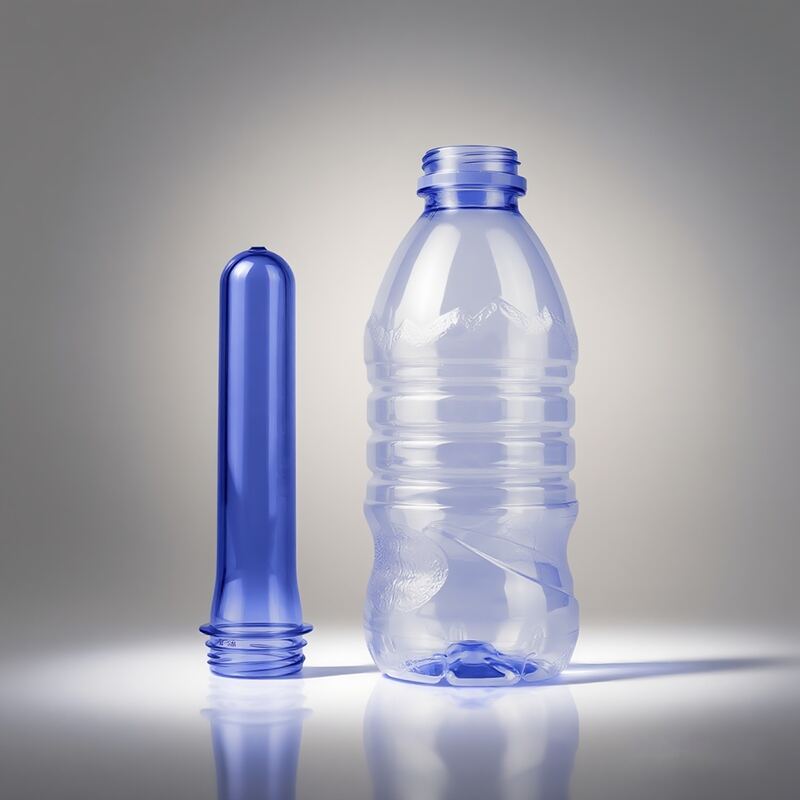
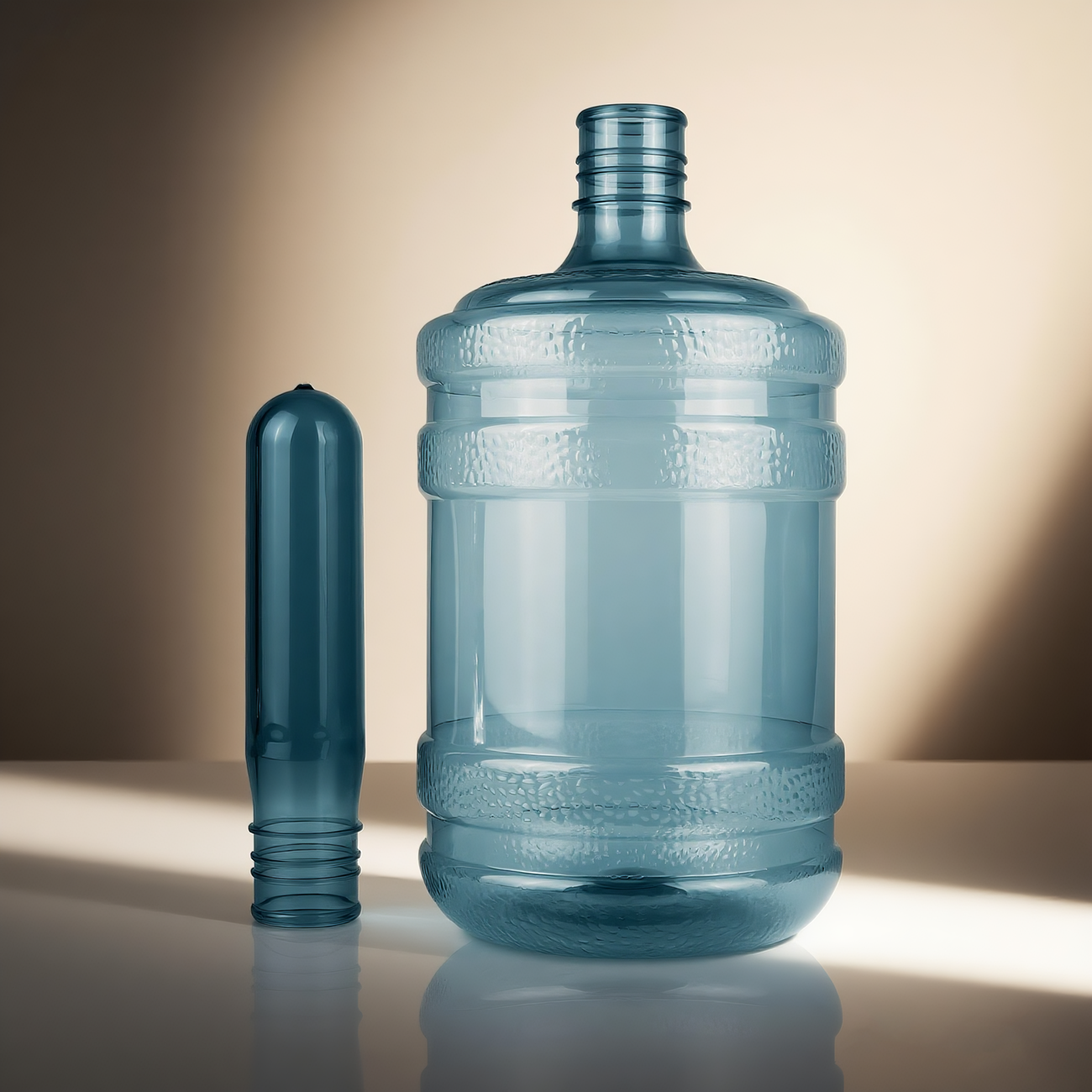
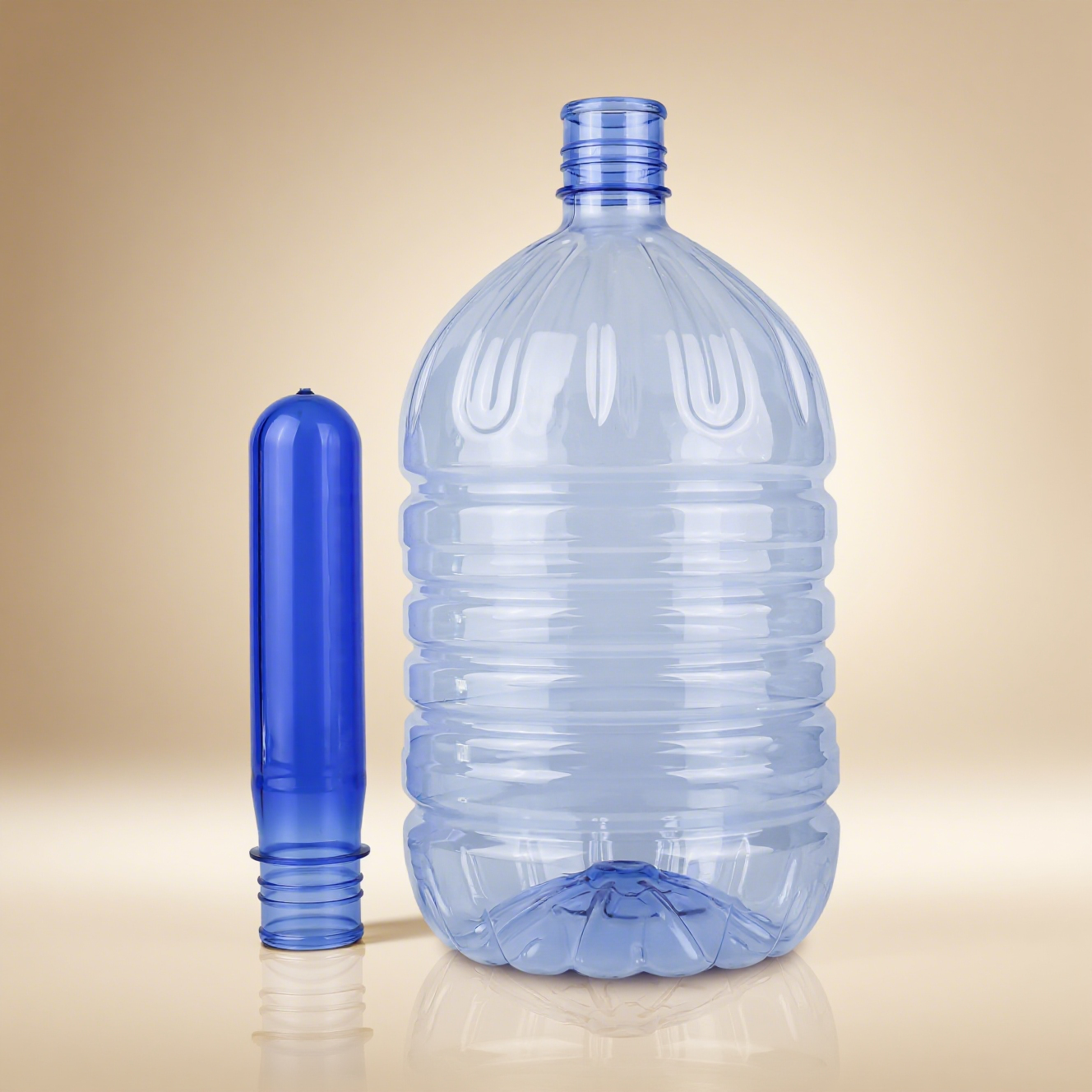
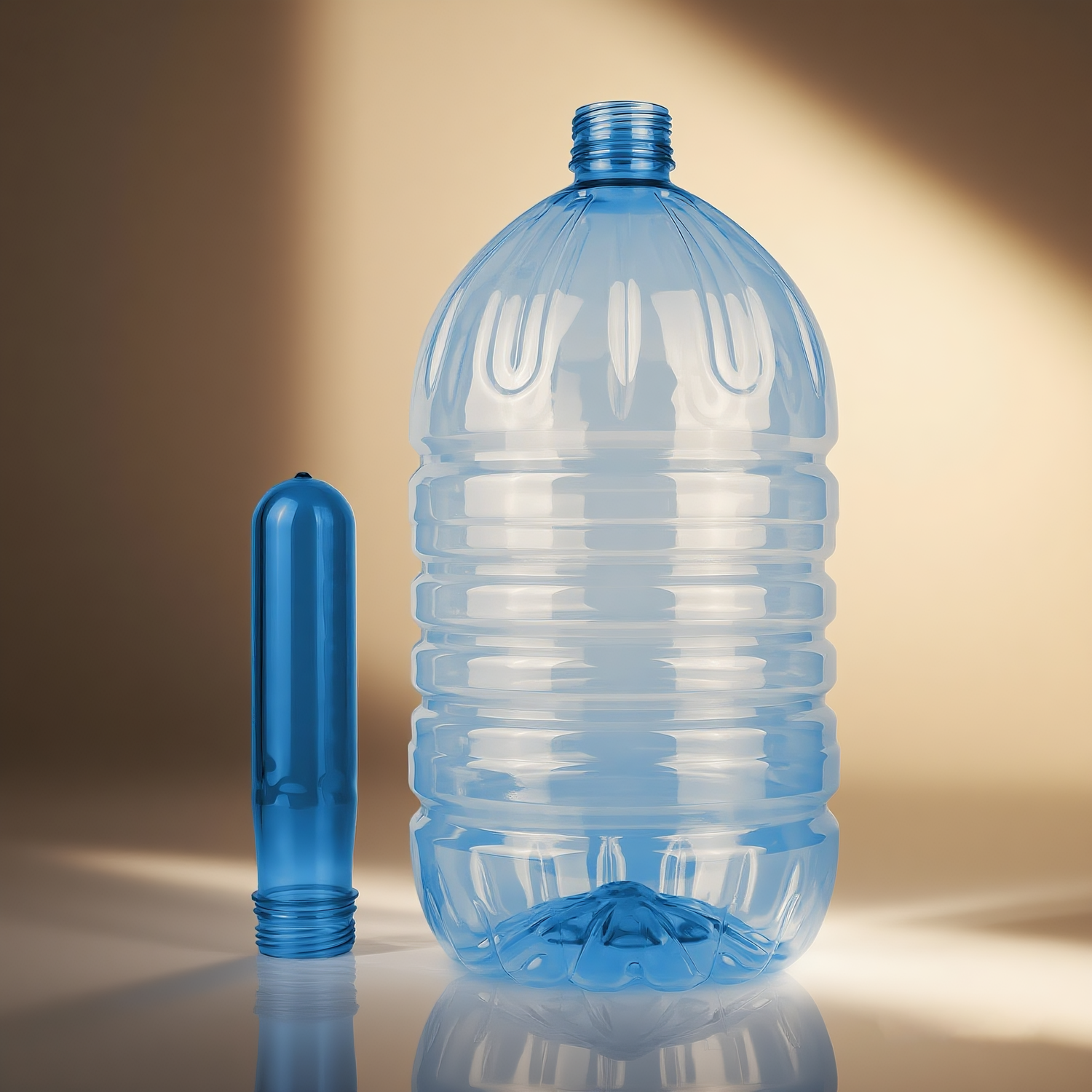
Biodegradable plastic bottles represent a revolutionary advancement in sustainable packaging technology, offering an eco-friendly alternative to traditional petroleum-based containers. These innovative bottles are manufactured using organic materials such as plant-based polymers, cornstarch, sugarcane bagasse, and other renewable resources that naturally decompose when exposed to environmental conditions. The primary function of biodegradable plastic bottles centers on providing secure liquid storage while minimizing environmental impact through complete breakdown into harmless organic compounds within specific timeframes. The technological features of biodegradable plastic bottles incorporate advanced polymer science that maintains structural integrity during use while ensuring predictable degradation patterns. These containers utilize specialized biopolymer formulations that respond to microbial activity, moisture, and temperature variations to initiate the decomposition process. Manufacturing processes involve careful selection of raw materials, precise temperature control, and molecular engineering to achieve optimal balance between durability and biodegradability. The applications for biodegradable plastic bottles span numerous industries including beverage production, personal care products, pharmaceutical packaging, and food service operations. Water companies increasingly adopt these containers for premium product lines, while cosmetic manufacturers utilize them for shampoos, lotions, and other liquid formulations. Restaurant chains and catering services implement biodegradable plastic bottles for takeaway beverages and condiment storage. Agricultural sectors employ these containers for organic fertilizers and plant nutrients. The healthcare industry relies on biodegradable plastic bottles for certain medications and supplements, particularly those marketed with sustainability credentials. Event management companies choose these bottles for outdoor festivals and conferences to demonstrate environmental responsibility. Educational institutions incorporate biodegradable plastic bottles into campus dining services and student programs focused on sustainability initiatives.

Popular Products

The advantages of biodegradable plastic bottles extend far beyond simple environmental benefits, delivering practical value that directly impacts businesses and consumers alike. These containers significantly reduce waste management costs for organizations by eliminating the need for complex recycling processes and reducing landfill contributions. Companies implementing biodegradable plastic bottles often experience improved brand reputation and customer loyalty, as consumers increasingly prioritize environmentally responsible products in their purchasing decisions. The manufacturing process for biodegradable plastic bottles requires less energy compared to traditional plastic production, resulting in lower operational costs and reduced carbon footprint for manufacturers. These bottles maintain excellent barrier properties that protect contents from contamination while preserving product freshness and extending shelf life. The lightweight nature of biodegradable plastic bottles reduces transportation costs and shipping emissions, providing economic benefits throughout the supply chain. Quality control processes for biodegradable plastic bottles often surpass traditional alternatives, as manufacturers implement rigorous testing protocols to ensure consistent performance and degradation timelines. Regulatory compliance becomes simplified with biodegradable plastic bottles, as many jurisdictions introduce stricter environmental regulations favoring sustainable packaging solutions. Storage requirements for biodegradable plastic bottles remain minimal, with most formulations maintaining stability under standard warehouse conditions without special handling procedures. The versatility of biodegradable plastic bottles allows customization for specific applications, including varying degradation rates, color options, and size specifications to meet diverse industry needs. Marketing advantages include enhanced product differentiation, premium positioning opportunities, and alignment with corporate social responsibility initiatives that attract environmentally conscious consumers. Cost savings emerge through reduced waste disposal fees, potential tax incentives for sustainable practices, and decreased liability associated with environmental compliance issues. Performance reliability remains consistent throughout the product lifecycle, with biodegradable plastic bottles maintaining structural integrity during normal use while ensuring complete decomposition under appropriate conditions.

Tips And Tricks

PET Packaging Solutions: Leading the Industry with Superior Performance and Sustainability

12

Nov

PET Packaging Solutions: Leading the Industry with Superior Performance and Sustainability

View More
Food-Grade PET Preforms: Leading Sustainable Innovation in Global Packaging

12

Nov

Food-Grade PET Preforms: Leading Sustainable Innovation in Global Packaging

View More
PET Preform Stretch Blow Molding: Comprehensive Technical Guide and Best Practices

12

Nov

PET Preform Stretch Blow Molding: Comprehensive Technical Guide and Best Practices

View More

Get a Free Quote

Our representative will contact you soon.
Email
name
Phone/WhatsApp
Company Name
Message
0/1000

biodegradable plastic bottles

Advanced Decomposition Technology

Advanced Decomposition Technology

The advanced decomposition technology integrated into biodegradable plastic bottles represents a breakthrough in sustainable packaging engineering that fundamentally transforms how containers interact with natural environments. This sophisticated system utilizes carefully engineered biopolymer matrices that respond to specific environmental triggers including moisture levels, temperature fluctuations, and microbial activity to initiate controlled degradation processes. The technology incorporates multiple decomposition pathways that ensure complete breakdown regardless of disposal conditions, whether in industrial composting facilities, marine environments, or traditional landfill settings. The molecular structure of these biodegradable plastic bottles features programmed weak points that activate when exposed to enzymatic activity from naturally occurring microorganisms, creating a cascade effect that systematically dismantles the container into basic organic compounds. This process typically occurs within six to eighteen months under optimal conditions, compared to hundreds of years required for conventional plastic degradation. The technology maintains precise control over degradation timing through specialized additives that act as catalysts, ensuring bottles remain fully functional during intended use periods while guaranteeing complete decomposition afterward. Quality assurance protocols validate decomposition performance through accelerated testing methods that simulate various environmental scenarios, providing manufacturers and consumers with reliable predictions about breakdown timelines. The advanced decomposition technology also incorporates safety mechanisms that prevent premature degradation during storage and transportation, utilizing protective coatings and stabilizing compounds that maintain product integrity until environmental exposure occurs. This innovation addresses critical waste management challenges by eliminating persistent plastic pollution while delivering equivalent functionality to traditional containers, making it an essential advancement for sustainable packaging solutions.
Renewable Resource Foundation

Renewable Resource Foundation

The renewable resource foundation of biodegradable plastic bottles establishes a sustainable supply chain that fundamentally differs from petroleum-dependent manufacturing processes, utilizing agricultural waste streams and plant-based materials that regenerate naturally within annual cycles. This foundation incorporates diverse organic feedstocks including corn starch, wheat derivatives, sugarcane bagasse, potato waste, and algae biomass that provide abundant raw material sources without competing with food production systems. The agricultural integration creates beneficial economic relationships with farming communities, generating additional revenue streams for crop residues that traditionally posed disposal challenges while supporting rural economies through value-added processing opportunities. Manufacturing facilities processing these renewable resources implement closed-loop systems that minimize waste generation and energy consumption, often utilizing biogas from organic material processing to power production equipment. The renewable resource foundation ensures supply chain resilience by diversifying feedstock sources across multiple agricultural regions and crop types, reducing dependency on single material streams and providing flexibility to adapt to seasonal availability variations. Quality standards for renewable resource processing maintain strict controls over material purity and consistency, ensuring biodegradable plastic bottles meet performance specifications regardless of feedstock origin or seasonal variations in crop characteristics. The environmental benefits extend throughout the entire lifecycle, from carbon sequestration during plant growth phases to soil enrichment through composted end products, creating net positive environmental impacts. Research and development initiatives continuously expand the renewable resource foundation by identifying new plant-based materials and improving extraction processes that increase yield efficiency and reduce processing costs. Strategic partnerships with agricultural cooperatives and research institutions strengthen the renewable resource foundation by developing specialized crop varieties optimized for bioplastic production while maintaining ecological sustainability principles.
Superior Performance Standards

Superior Performance Standards

Superior performance standards in biodegradable plastic bottles ensure these containers deliver exceptional functionality that meets or exceeds traditional plastic bottle capabilities while maintaining environmental sustainability commitments throughout their operational lifecycle. These standards encompass comprehensive testing protocols that evaluate barrier properties, structural integrity, temperature resistance, and chemical compatibility under diverse usage conditions to guarantee reliable performance across multiple applications. The engineering specifications for biodegradable plastic bottles incorporate advanced material science that achieves optimal balance between flexibility and strength, preventing cracking or deformation during normal handling while maintaining shape integrity under various stress conditions. Performance validation includes extensive shelf-life testing that confirms contents remain protected from contamination, oxidation, and flavor degradation for extended periods matching or surpassing conventional packaging solutions. The superior performance standards address specific industry requirements through customized formulations that optimize properties for particular applications, such as enhanced UV resistance for outdoor beverage service or improved chemical resistance for personal care products containing active ingredients. Quality control processes implement statistical monitoring systems that track performance metrics throughout production runs, ensuring consistent quality delivery and immediate identification of any deviation from established standards. The performance standards include comprehensive safety evaluations that verify material compatibility with food contact applications, pharmaceutical storage requirements, and cosmetic formulations to eliminate any risk of product contamination or adverse reactions. Environmental performance criteria ensure biodegradable plastic bottles maintain functionality across varying climatic conditions while guaranteeing predictable decomposition behavior regardless of disposal environment. Durability testing subjects these containers to accelerated aging conditions, vibration stress, and impact resistance evaluations that simulate real-world transportation and storage scenarios. The superior performance standards continuously evolve through ongoing research and customer feedback integration, driving innovation in material formulations and manufacturing processes that enhance functionality while advancing sustainability objectives.
Biodegradable Plastic Bottles: Eco-Friendly Sustainable Packaging Solutions

Get a Free Quote

Our representative will contact you soon.
Email
name
Phone/WhatsApp
Company Name
Message
0/1000