EN
EN

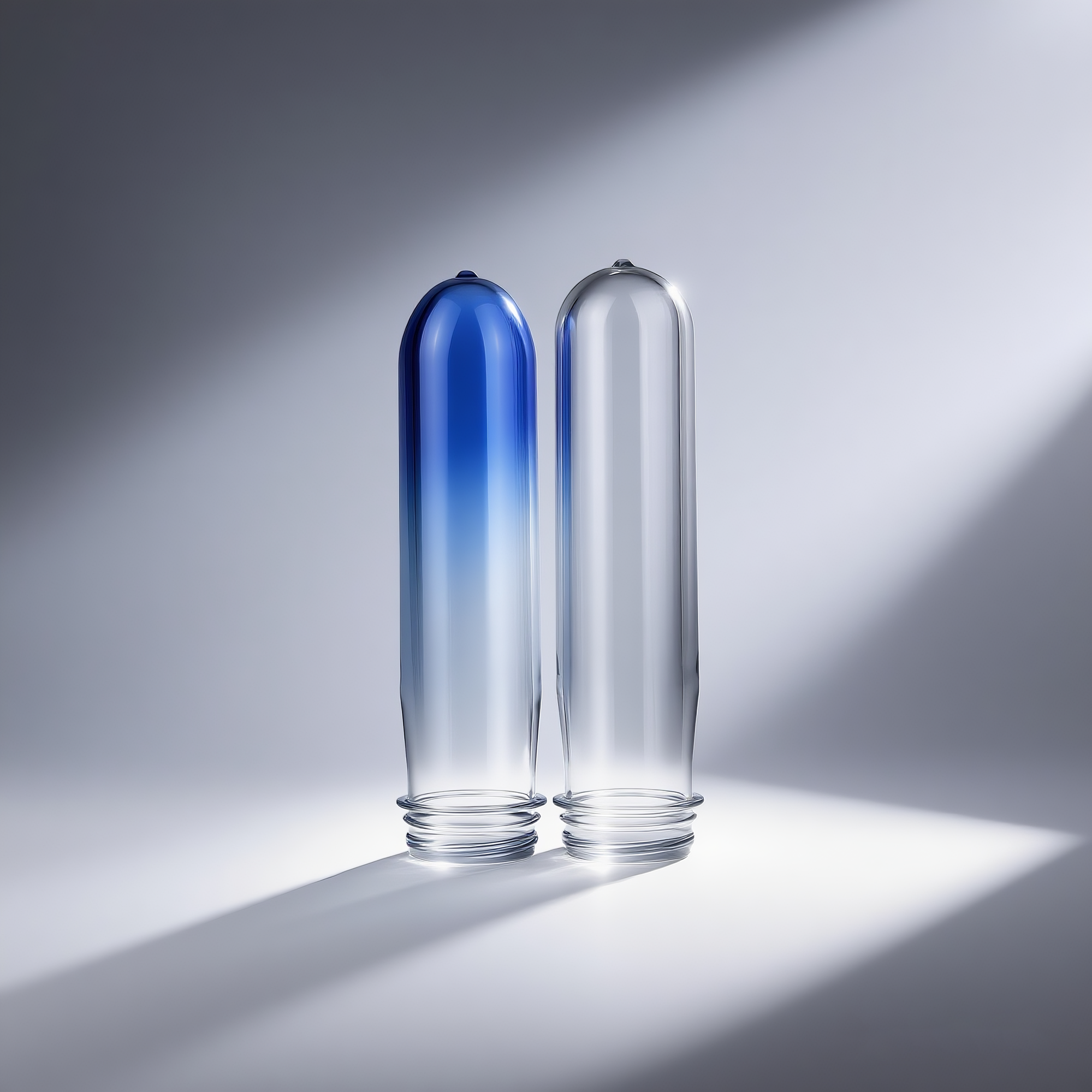
Modern bottling operations face unprecedented challenges in meeting consumer demand while maintaining cost-effectiveness and quality standards. The foundation of any successful bottling line lies in the quality of its raw materials, particularly the pet preform components that eventually become the containers holding your products. Understanding how premium pet preform selection impacts your entire production process is crucial for manufacturers seeking to optimize their operations and maximize return on investment.
The bottling industry has evolved significantly over the past decade, with technological advancements reshaping how manufacturers approach production efficiency. Quality pet preform materials serve as the cornerstone of this evolution, directly influencing everything from blow molding cycle times to final product integrity. Companies that prioritize superior preform quality consistently report higher throughput rates, reduced waste, and enhanced customer satisfaction across their product lines.
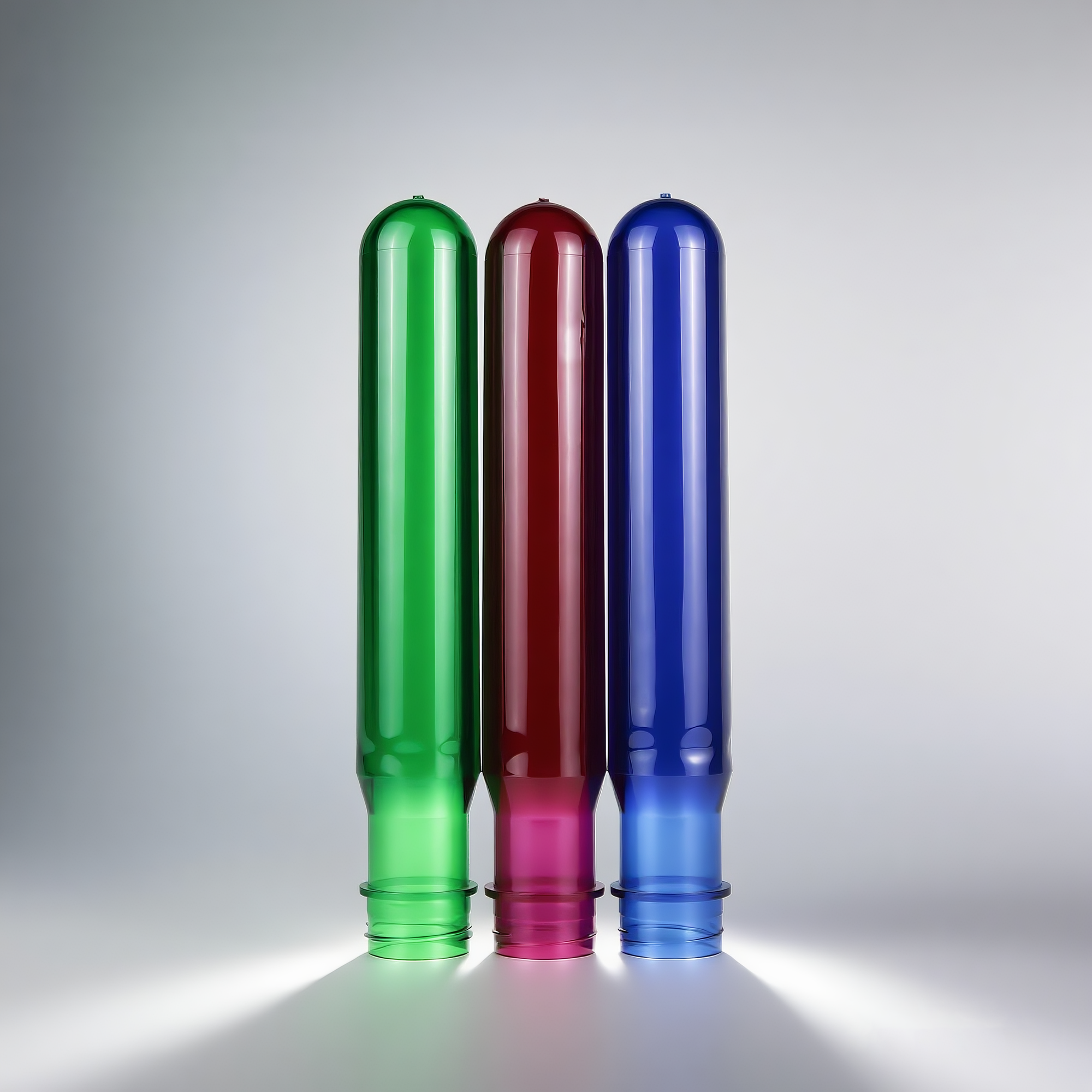
Understanding Pet Preform Manufacturing Excellence
Material Composition and Quality Standards
The manufacturing process of superior pet preform products begins with carefully selected polyethylene terephthalate resins that meet stringent industry specifications. These materials undergo rigorous quality control testing to ensure consistent molecular weight distribution, intrinsic viscosity levels, and thermal stability characteristics. Premium pet preform manufacturers implement advanced injection molding techniques that maintain precise wall thickness uniformity, which directly translates to improved blow molding performance downstream.
Quality control measures extend beyond basic material properties to encompass dimensional accuracy, surface finish quality, and stress distribution patterns. Each pet preform must demonstrate consistent neck finish dimensions, proper thread formation, and optimal gate vestige characteristics to ensure seamless integration with existing bottling equipment. These specifications are particularly critical for high-speed production environments where even minor variations can result in significant downtime and material waste.
Production Process Optimization
Advanced pet preform production facilities utilize state-of-the-art injection molding systems equipped with precise temperature control, multi-zone heating profiles, and sophisticated cooling networks. These technological investments enable manufacturers to produce preforms with exceptional clarity, consistent wall thickness distribution, and minimal internal stress concentrations. The resulting products demonstrate superior stretch blow molding characteristics, leading to faster cycle times and reduced energy consumption during bottle formation.
Process optimization also involves careful attention to mold design, gate placement, and ejection mechanisms that minimize potential defects. Quality pet preform producers invest heavily in mold maintenance programs, ensuring consistent cavity conditions and optimal heat transfer characteristics. This attention to detail results in preforms that exhibit uniform crystallization patterns, reduced acetaldehyde formation, and enhanced barrier properties essential for beverage applications.
Impact on Bottling Line Performance
Cycle Time Efficiency
The relationship between pet preform quality and blow molding cycle times is fundamental to understanding overall production efficiency. Superior preforms with optimal molecular orientation and stress distribution patterns require less heating time during the reheat phase of stretch blow molding. This reduction in heating requirements directly translates to faster cycle times, enabling manufacturers to increase throughput without compromising bottle quality or dimensional accuracy.
Premium pet preform materials also demonstrate more predictable stretching characteristics during the blow molding process, resulting in consistent bottle wall thickness distribution and reduced reject rates. The improved material flow properties minimize the risk of blowout failures, thin-wall defects, and dimensional variations that can disrupt production schedules. Manufacturers utilizing high-quality preforms typically report cycle time improvements of ten to fifteen percent compared to standard alternatives.
Equipment Compatibility and Maintenance
Quality pet preform specifications play a crucial role in maintaining optimal equipment performance and extending machinery service intervals. Precisely manufactured preforms reduce wear on blow molding equipment components, including stretch rods, molds, and heating elements. The consistent dimensional characteristics minimize adjustment requirements, reducing changeover times between different bottle configurations and sizes.
Equipment manufacturers consistently recommend using certified pet preform suppliers to maintain warranty coverage and ensure optimal machine performance. The dimensional consistency and material properties of premium preforms reduce stress on mechanical components, resulting in lower maintenance costs and improved overall equipment effectiveness. This compatibility extends to auxiliary equipment such as preform loading systems, orientation devices, and quality inspection mechanisms.
Quality Control and Testing Protocols
Dimensional Accuracy Verification
Comprehensive quality control programs for pet preform production incorporate multiple measurement techniques to verify dimensional accuracy across all critical parameters. Advanced coordinate measuring machines evaluate neck finish dimensions, thread pitch accuracy, and overall length consistency to ensure compatibility with existing capping and filling equipment. These measurements are performed on statistical sampling bases throughout production runs to maintain consistent quality levels.
Wall thickness distribution analysis utilizes ultrasonic measurement technology to verify uniform material distribution throughout the preform body. This testing identifies potential weak points that could lead to bottle failures during filling, handling, or transportation. Quality pet preform manufacturers typically maintain wall thickness variations within plus or minus five percent of nominal specifications, ensuring predictable blow molding performance.
Material Property Testing
Advanced material testing protocols evaluate intrinsic viscosity levels, thermal stability characteristics, and molecular weight distribution patterns to ensure consistent pet preform performance. These tests provide critical data regarding material degradation during processing, potential for stress cracking, and compatibility with specific beverage formulations. Regular testing schedules help identify material lot variations before they impact production quality.
Barrier property testing evaluates oxygen transmission rates, carbon dioxide permeability, and water vapor transmission characteristics essential for beverage packaging applications. Quality pet preform materials demonstrate consistent barrier properties that help maintain product freshness, extend shelf life, and preserve flavor integrity. These characteristics are particularly important for carbonated beverage applications where CO2 retention is critical for consumer acceptance.
Cost-Benefit Analysis and ROI Considerations
Direct Cost Comparisons
While premium pet preform materials may carry higher initial purchase costs compared to standard alternatives, comprehensive cost analysis reveals significant long-term savings opportunities. Reduced reject rates, faster cycle times, and improved equipment reliability contribute to lower overall production costs per finished bottle. Quality preforms typically demonstrate reject rates below two percent, compared to five to eight percent for standard materials.
Energy consumption analysis shows that superior pet preform materials require approximately ten percent less heating energy during blow molding operations due to improved thermal response characteristics. This energy reduction translates to substantial cost savings for high-volume production facilities operating multiple blow molding lines. Additional savings result from reduced material waste, lower rework requirements, and decreased quality inspection costs.
Productivity and Efficiency Gains
Productivity improvements achieved through quality pet preform utilization extend beyond simple cycle time reductions to encompass overall equipment effectiveness metrics. Reduced changeover times, fewer production interruptions, and improved first-pass yield rates contribute to enhanced manufacturing efficiency. These improvements enable manufacturers to better respond to customer demand fluctuations and market opportunities.
Equipment utilization rates typically improve by fifteen to twenty percent when transitioning from standard to premium pet preform materials. This improvement results from reduced downtime for quality issues, faster production speeds, and fewer maintenance interruptions. The enhanced reliability enables manufacturers to implement lean manufacturing principles more effectively, reducing inventory requirements and improving cash flow management.
Market Trends and Future Developments
Sustainability Initiatives
Environmental consciousness continues to drive innovation in pet preform manufacturing, with increased focus on recycled content integration and lightweighting initiatives. Advanced pet preform designs incorporate higher percentages of post-consumer recycled materials while maintaining structural integrity and performance characteristics. These developments support brand sustainability goals while reducing raw material costs and environmental impact.
Lightweighting programs utilize advanced design optimization techniques to reduce pet preform material consumption without compromising bottle performance. Computer modeling and finite element analysis enable engineers to identify optimal material distribution patterns that maintain strength while minimizing weight. These initiatives support cost reduction goals while addressing environmental concerns regarding plastic consumption.
Technological Advancements
Emerging technologies in pet preform manufacturing include advanced injection molding systems with improved temperature control, real-time quality monitoring, and predictive maintenance capabilities. These systems enable manufacturers to achieve higher consistency levels, reduce energy consumption, and minimize material waste. Integration with Industry 4.0 principles provides enhanced data collection and analysis capabilities for continuous improvement initiatives.
Smart manufacturing technologies enable real-time monitoring of pet preform quality parameters, allowing for immediate process adjustments to maintain optimal production conditions. Machine learning algorithms analyze production data to predict potential quality issues before they impact finished product characteristics. These technological advances support the trend toward automated quality control and reduced human intervention in manufacturing processes.
FAQ
What factors should manufacturers consider when selecting pet preform suppliers
Manufacturers should evaluate supplier quality certifications, production capacity, technical support capabilities, and geographic proximity to ensure reliable supply chain performance. Additional considerations include material traceability, customization capabilities, and environmental compliance standards that align with corporate sustainability goals.
How do pet preform quality variations impact downstream bottling operations
Quality variations in pet preform materials can result in inconsistent blow molding performance, increased reject rates, and equipment reliability issues. These variations may cause bottle dimensional inconsistencies, wall thickness problems, and potential failures during filling or handling operations that impact overall production efficiency.
What testing protocols ensure consistent pet preform quality throughout production runs
Comprehensive testing protocols include dimensional verification, wall thickness measurement, material property analysis, and barrier performance evaluation. Statistical process control methods monitor critical parameters throughout production to identify trends and prevent quality deviations before they impact finished products.
How can manufacturers optimize their bottling line performance using quality preforms
Optimization strategies include establishing consistent supplier partnerships, implementing robust incoming inspection procedures, and maintaining proper preform storage conditions. Regular communication with pet preform suppliers regarding production requirements and quality expectations helps ensure optimal material performance throughout the manufacturing process.
Table of Contents
- Understanding Pet Preform Manufacturing Excellence
- Impact on Bottling Line Performance
- Quality Control and Testing Protocols
- Cost-Benefit Analysis and ROI Considerations
- Market Trends and Future Developments
-
FAQ
- What factors should manufacturers consider when selecting pet preform suppliers
- How do pet preform quality variations impact downstream bottling operations
- What testing protocols ensure consistent pet preform quality throughout production runs
- How can manufacturers optimize their bottling line performance using quality preforms