 EN

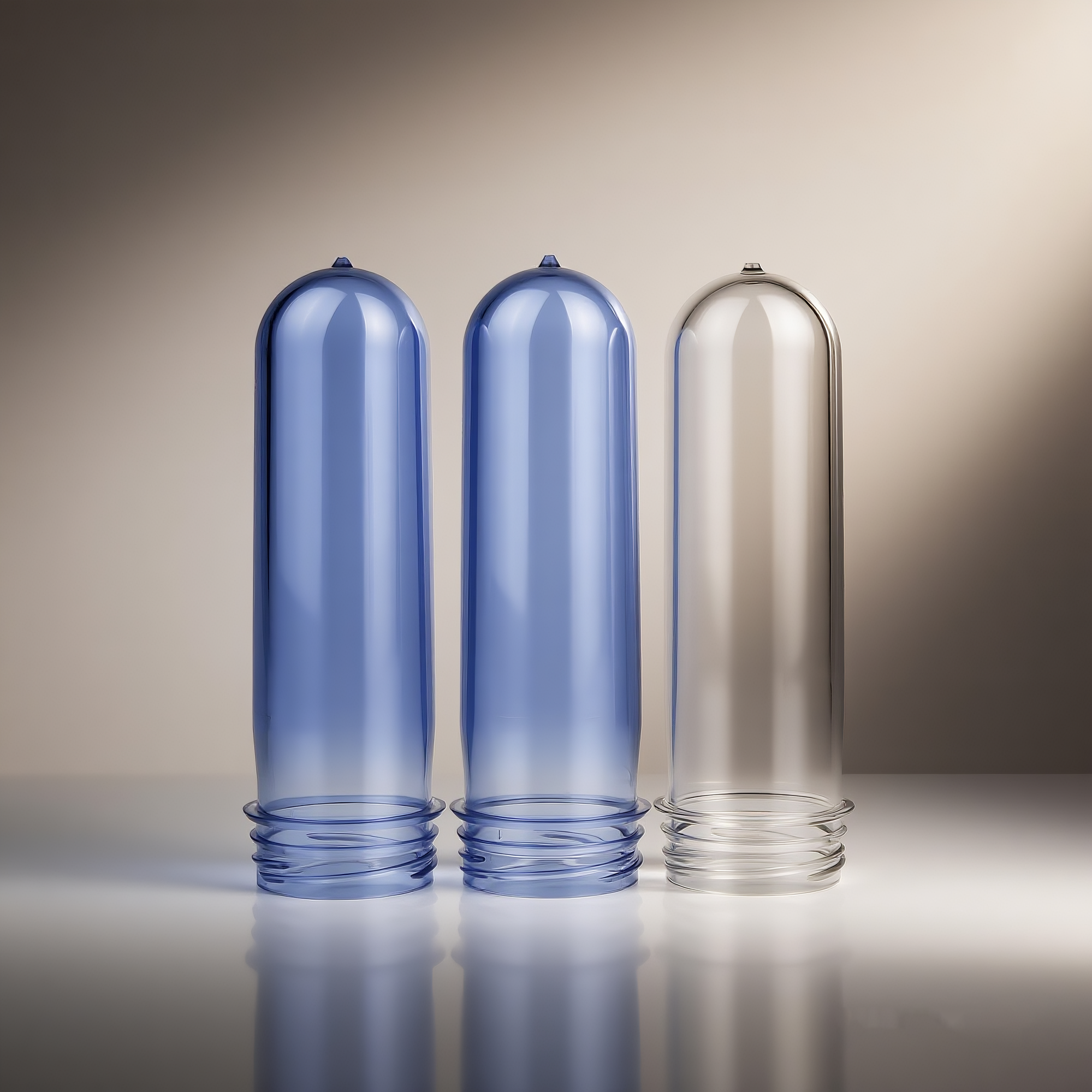
Choosing the right PET preform supplier directly shapes your beverage, cosmetic or pharmaceutical packaging quality, delivery reliability and compliance status. Many buyers face unexpected scrap, delayed shipments or non-compliant batches after partnering with inexperienced factories. This buying guide shares 7 core questions you must ask before selecting a PET preform manufacturer, helping you filter stable, qualified partners and avoid costly supply chain risks.
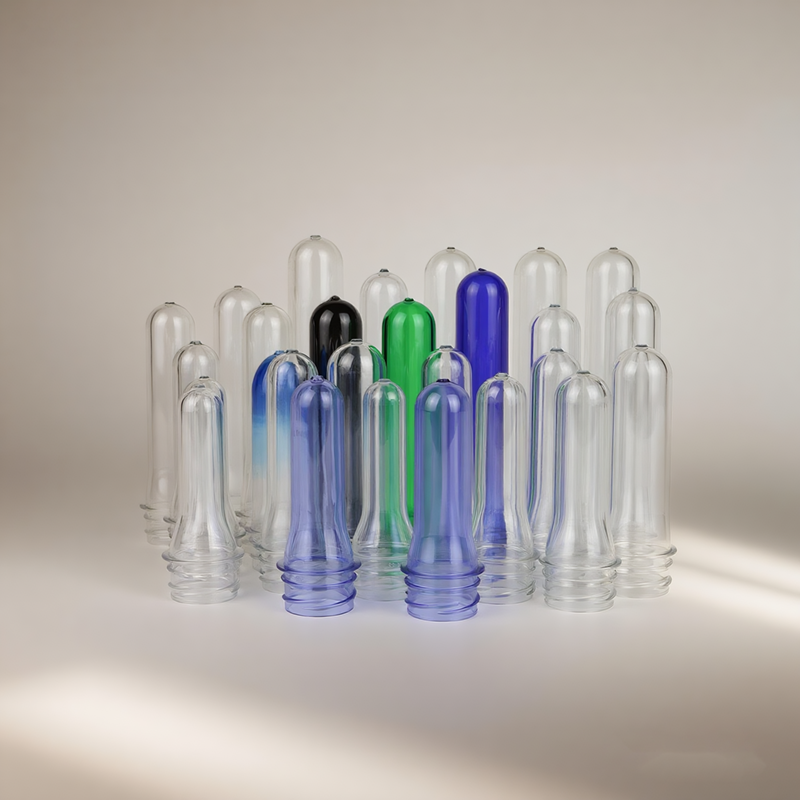
1. What Is Your Production Capacity & Scalability?
Production Volume and Scalability
A trustworthy PET preform manufacturer must match both your current order volume and future growth. Confirm their daily, monthly and annual output to make sure they can fulfill your orders without cutting corners on quality or missing lead times. Scalability matters most when your brand expands or faces seasonal demand spikes.
Also check operational flexibility. Can they switch between different preform weights, neck sizes and custom designs quickly? Factories with flexible injection machines and fast mold changeover are better suited for multi-SKU brands and new product launches.
Technology and Equipment Standards
Consistent preform quality depends heavily on molding hardware. Ask about machine age, maintenance plans and automation level. Top suppliers run regular equipment upgrades and preventive maintenance to lower downtime and reduce batch-to-batch variation.
Precision barrel temperature control, stable injection pressure and optimized mold cooling are key differentiators. Automated inline inspection and real-time process monitoring help cut defects and waste, bringing better cost stability for your bottling line.
2. What Quality Certifications & QC Testing Do You Follow?
International Quality Certifications
Certifications are the simplest proof of standardized management. Prioritize suppliers with ISO 9001, ISO 14001, plus food-contact approvals such as FDA, FSSC 22000 or BRC Packaging. These prove they follow formal QA systems and meet global food safety rules.
For regulated sectors like pharma or sensitive beverage packaging, verify application-specific certificates and check renewal cycles to avoid expired compliance during your cooperation.
Testing Procedures and Quality Assurance
Certificates alone are not enough. Ask for their full testing workflow: raw resin inspection, in-line dimensional checks, finished-batch mechanical and barrier tests. Reliable factories test neck tolerance, wall uniformity, burst resistance, ESCR and oxygen/CO₂ permeability as required.
Batch traceability, test reports and SPC records should be available for audits. Good suppliers catch drifting quality trends before defective goods ship to you.
3. How Do You Source PET Resin & Secure Your Supply Chain?
PET Resin Quality and Traceability
Resin quality defines the final preform clarity, IV and durability. Confirm whether they use certified food-grade PET, and ask for resin COAs and traceability records.
Your potential PET preform manufacturer should have multi-source resin partnerships and safety stock plans. Diversified sourcing helps ease risks from resin price swings, material shortages and logistics disruptions.
Sustainability and Environmental Responsibility
If your brand targets eco-friendly packaging, ask about rPET options, waste recycling and energy-saving production. Factories running circular packaging programs can support your sustainability storytelling without sacrificing preform performance.
Environmental management systems and transparent carbon reduction plans are extra advantages for brands selling to eco-focused buyers.
4. Can You Provide Engineering Design & Custom Mold Support?
Design and Engineering Support
Strong manufacturers offer end-to-end technical support: preform simulation, CAD optimization, prototyping and blow-mold guidance. An in-house engineering team adjusts preform weight, gate layout and wall distribution to fit your bottle shape and blow machine.
A collaborative partner will not just copy specs; they help light-weight preforms, lower scrap and improve blow success rate for your unique bottle design.
Mold Development and Maintenance
Mold quality directly controls consistency. Ask whether they build molds in-house or outsource, their mold service interval and spare part availability. In-house mold workshops deliver faster revisions and troubleshooting.
Preventive mold maintenance programs extend mold life and keep dimensions stable over millions of shots, reducing unexpected downtime on your bottling line.
5. What Is Your Logistics & Order Fulfillment Performance?
Geographic Coverage and Distribution Network
Factory location affects freight cost and lead time. Evaluate their shipping network, freight partners and export document capability if you import preforms overseas. Experienced export suppliers handle customs paperwork smoothly to avoid clearance delays.
Inventory Management and Order Fulfillment
Ask if they support JIT delivery, consignment stock or VMI programs to help you cut warehousing pressure. Reliable suppliers share order tracking and alert you early to any production or shipping exceptions.
6. Is Your Business Financially Stable for Long-Term Cooperation?
Company Financial Health and Stability
Financial stability protects your long-term supply. Research their operating history, reputation and investment plans. Financially healthy factories keep upgrading machines and maintain stable raw material procurement, even in volatile markets.
Innovation and Future Development
Forward-looking suppliers invest in new resin grades, molding tech and packaging innovation. They can support your new product roadmap instead of only supplying standard preforms. Long-term partnerships often bring joint optimization and competitive advantages.
7. What After-Sales and Problem-Solving Support Do You Offer?
Even with solid QC, you may meet blow-molding issues after receiving preforms. Confirm whether they assign dedicated technical contacts, run root-cause analysis for defects and provide corrective actions quickly. Responsive communication is one of the biggest differences between average and reliable manufacturers.
FAQ
What should I look for in a PET preform manufacturer's quality certifications
Focus on ISO 9001, ISO 14001, plus food-contact certifications such as FDA, FSSC 22000 or BRC Packaging. These confirm standardized quality management and food safety compliance for beverage, cosmetic and food packaging.
How important is the location of a PET preform manufacturer
Location impacts freight cost and lead time, but it should not be your only deciding factor. Balance location with quality level, certification, total landed cost and technical capability.
What technical support should I expect from a reliable PET preform manufacturer
Expect preform design optimization, FEA simulation, prototype testing, custom mold development, blow-process consultation and ongoing troubleshooting for your stretch blow molding line.
How can I evaluate a PET preform manufacturer's production capacity
Check daily/monthly/annual output, number of injection lines, shift arrangements and equipment redundancy. Ask about current utilization rate, peak-season handling plans and expansion roadmaps to validate scalability.
Table of Contents
- 1. What Is Your Production Capacity & Scalability?
- 2. What Quality Certifications & QC Testing Do You Follow?
- 3. How Do You Source PET Resin & Secure Your Supply Chain?
- 4. Can You Provide Engineering Design & Custom Mold Support?
- 5. What Is Your Logistics & Order Fulfillment Performance?
- 6. Is Your Business Financially Stable for Long-Term Cooperation?
- 7. What After-Sales and Problem-Solving Support Do You Offer?
- FAQ
