EN
EN

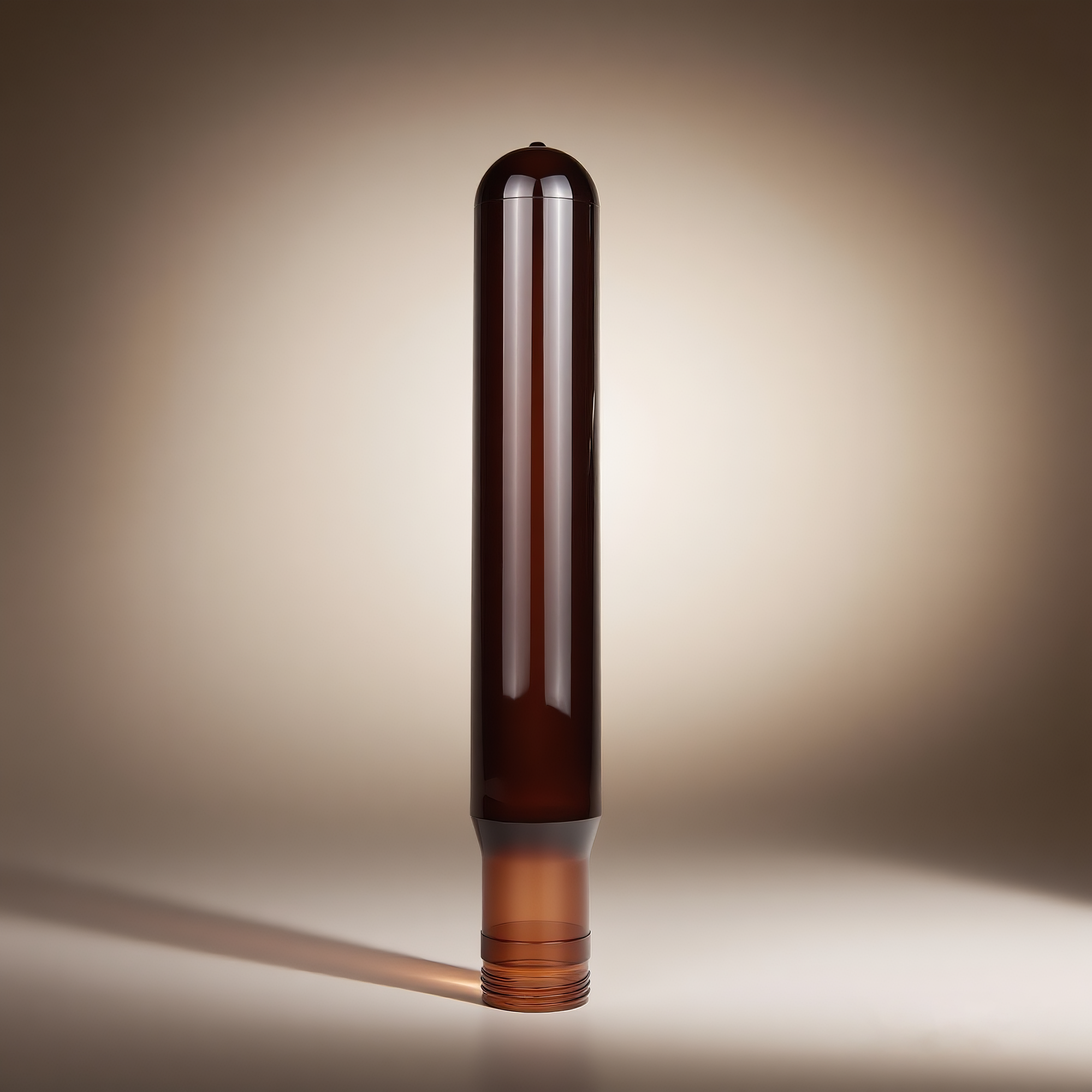
Manufacturing high-quality bottles requires attention to every detail in the production process, and one of the most critical factors often overlooked is the quality of PET preforms. When bottle defects occur, manufacturers frequently examine the blow molding process, temperature settings, or machinery calibration, but the root cause may actually stem from PET preform defects that occurred much earlier in the production chain. Understanding how preform quality directly impacts final bottle performance is essential for maintaining consistent production standards and minimizing costly waste.
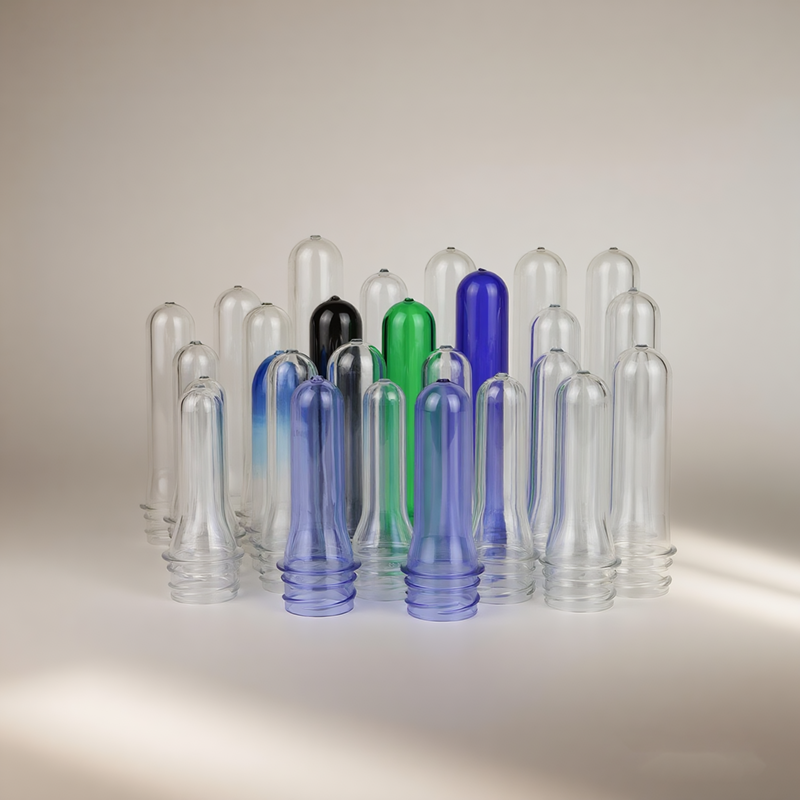
The relationship between preform quality and final bottle characteristics is more complex than many manufacturers realize. PET preform defects can manifest in various forms, from visible flaws like cloudiness and stress whitening to structural issues such as uneven wall thickness distribution and poor material flow patterns. These defects not only affect the aesthetic appeal of the finished bottles but can also compromise their structural integrity, barrier properties, and overall performance in real-world applications.
Identifying the source of bottle defects requires a systematic approach that traces problems back through the entire production process. Many quality issues that appear during blow molding actually originate from PET preform defects that were present from the injection molding stage. By understanding these connections, manufacturers can implement more effective quality control measures and reduce the likelihood of producing defective bottles that fail to meet customer expectations or industry standards.
Understanding PET Preform Quality Impact
Material Flow and Distribution Patterns
The way molten PET material flows during preform injection molding directly influences how that material will behave during the subsequent blow molding process. When PET preform defects include irregular flow patterns or inconsistent material distribution, these issues become amplified during bottle formation. Poor flow characteristics can result from inadequate injection pressure, incorrect temperature profiles, or contaminated raw materials that create disruptions in the normal flow dynamics.
Molecular orientation within the preform structure plays a crucial role in determining final bottle properties. During injection molding, the PET polymer chains become oriented in specific directions based on the flow patterns and cooling rates experienced. If PET preform defects include improper molecular orientation, the resulting bottles may exhibit weak spots, uneven stress distribution, or unpredictable failure modes under normal use conditions.
Temperature variations during preform production can create zones of different material properties within a single preform. These variations contribute to PET preform defects that manifest as inconsistent wall thickness, irregular stress patterns, and compromised structural integrity in the finished bottles. Understanding these thermal effects is essential for diagnosing bottle quality issues that seem to have no apparent cause during the blow molding process.
Structural Integrity Considerations
The structural foundation established during preform manufacturing determines the ultimate strength and durability of the finished bottle. PET preform defects related to structural integrity include variations in wall thickness, incomplete filling of the mold cavity, and residual stresses that remain locked into the preform structure. These defects create weak points that may not become apparent until the bottle is subjected to real-world stresses such as handling, transportation, or contents under pressure.
Gate vestige quality represents another critical aspect of preform structural integrity that directly impacts bottle performance. Poorly executed gate removal or inadequate gate design can introduce PET preform defects that compromise the bottle base strength and create potential failure points. The gate area experiences the most severe processing conditions during injection molding, making it particularly susceptible to defects that carry forward into the final bottle.
Crystallization patterns within the preform structure influence both optical clarity and mechanical properties of the finished bottle. Excessive crystallization can result in PET preform defects that cause haze, reduced impact strength, and poor stress crack resistance in the blown bottles. Conversely, insufficient crystallization may lead to excessive creep, poor dimensional stability, and inadequate barrier properties that affect product shelf life and quality.
Common Preform Defects and Their Bottle Manifestations
Visual and Optical Defects
Cloudiness in finished bottles often originates from PET preform defects that occurred during the injection molding process. This haziness typically results from moisture contamination in the raw material, excessive injection speed, or inadequate drying of the PET resin before processing. When these preforms are subsequently blow molded, the optical defects become distributed across the entire bottle surface, creating products that fail to meet aesthetic standards for clear beverage containers.
Stress whitening represents another category of PET preform defects that becomes highly visible in the finished bottles. This phenomenon occurs when the polymer structure experiences excessive stress during preform formation, creating micro-voids that scatter light and appear as white or silvery streaks. These defects typically concentrate around areas of high stress concentration, such as the thread region or transition zones between different wall thicknesses.
Color variations and streaking in bottles can frequently be traced back to PET preform defects related to inadequate mixing of colorants or additives. When color concentrates are not properly dispersed throughout the molten PET, the resulting preforms exhibit non-uniform coloration that becomes magnified during the blow molding process. These defects not only affect product appearance but can also indicate inconsistencies in other additive systems that impact bottle performance.
Dimensional and Structural Issues
Wall thickness variations in finished bottles commonly stem from PET preform defects that create uneven material distribution during the injection molding process. These variations can result from inadequate injection pressure, non-uniform mold temperature, or improper gate design that prevents complete and consistent filling of the preform cavity. When such preforms are blow molded, the thickness variations become exaggerated, leading to bottles with weak sections and inconsistent performance characteristics.
Warpage and dimensional instability in bottles often originate from residual stresses trapped within the preform structure. These PET preform defects develop when cooling is too rapid or uneven, creating internal tensions that remain locked into the polymer matrix. During blow molding and subsequent handling, these stresses can cause the bottles to distort, affecting both appearance and functional performance such as cap sealing and label adhesion.
Base defects in bottles frequently trace back to issues in the preform base region, where the most complex geometry and highest stresses occur during injection molding. PET preform defects in this area can include incomplete filling, weld lines, or stress concentrations that manifest as weak spots, cracking, or dimensional instability in the finished bottle base. These defects are particularly problematic for bottles that must withstand internal pressure or stacking loads.
Root Cause Analysis for Bottle Defects
Processing Parameter Evaluation
Systematic evaluation of injection molding parameters provides crucial insights into the origins of PET preform defects that later appear as bottle quality issues. Temperature profiles throughout the injection molding machine must be carefully analyzed, as variations in barrel temperature, nozzle temperature, or mold temperature can create conditions that promote defect formation. Each temperature zone affects different aspects of material flow and cooling behavior, making it essential to understand how these parameters influence preform quality.
Injection speed and pressure profiles significantly impact the development of PET preform defects, particularly those related to molecular orientation and stress distribution. Excessive injection speeds can cause turbulent flow that introduces air entrapment, weld lines, and irregular molecular orientation patterns. Conversely, insufficient injection pressure may result in incomplete cavity filling, sink marks, and poor surface quality that becomes magnified during bottle formation.
Cooling and cycle time optimization plays a critical role in preventing PET preform defects that compromise bottle quality. Insufficient cooling time can result in preforms that continue to deform after ejection, while excessive cooling may create brittleness and stress concentrations. The cooling rate must be balanced to achieve optimal crystallization patterns and stress distribution throughout the preform structure, ensuring consistent performance during subsequent blow molding operations.
Material Quality Assessment
Raw material quality represents the foundation for preventing PET preform defects that impact bottle performance. Moisture content in PET resin must be strictly controlled, as even small amounts of water can cause hydrolytic degradation during processing, leading to reduced molecular weight, poor mechanical properties, and visible defects in both preforms and bottles. Regular monitoring of intrinsic viscosity and other material properties helps identify potential issues before they impact production.
Contamination in PET resin can introduce various types of PET preform defects that manifest as quality issues in finished bottles. Foreign materials, degraded polymer particles, or incompatible additives can create flow disruptions, optical defects, and weak spots in the preform structure. Implementing comprehensive material testing and supplier quality programs helps minimize these risks and ensures consistent preform quality.
Additive distribution and compatibility must be carefully managed to prevent PET preform defects that affect bottle performance. Color concentrates, UV stabilizers, barrier enhancers, and other additives must be properly dispersed and chemically compatible with the base PET resin. Poor additive distribution can create localized weak spots, optical defects, and performance variations that become apparent only after bottles are put into service.
Prevention Strategies and Quality Control
Process Monitoring and Control
Implementing comprehensive process monitoring systems enables early detection and prevention of PET preform defects before they impact bottle quality. Real-time monitoring of injection pressure, temperature profiles, and cycle times provides immediate feedback about process stability and helps identify trends that may lead to defect formation. Advanced process monitoring systems can automatically adjust parameters to maintain optimal conditions and prevent the development of quality issues.
Statistical process control techniques provide valuable tools for identifying patterns and trends in PET preform defects that might otherwise go unnoticed. By tracking key quality metrics over time, manufacturers can identify subtle shifts in process performance and implement corrective actions before defects reach significant levels. These techniques are particularly valuable for detecting gradual changes in material properties, equipment wear, or environmental conditions that affect preform quality.
Preventive maintenance programs play a crucial role in minimizing PET preform defects by ensuring that injection molding equipment operates within specified parameters. Regular maintenance of heating systems, injection units, and mold components helps prevent gradual degradation that can lead to quality issues. Properly maintained equipment provides more consistent processing conditions and reduces the likelihood of defects that carry forward into bottle production.
Quality Testing and Validation
Comprehensive testing protocols for preforms help identify potential issues before they manifest as bottle defects during blow molding operations. Visual inspection, dimensional measurement, and stress analysis of preforms can reveal PET preform defects that might not be immediately apparent but could cause problems during subsequent processing. Regular sampling and testing provide early warning of quality issues and enable corrective action before large quantities of defective preforms are produced.
Correlation studies between preform properties and bottle performance help establish clear relationships between specific PET preform defects and their impact on final product quality. By systematically tracking preform characteristics and correlating them with bottle test results, manufacturers can develop predictive models that identify which preform defects are most likely to cause bottle failures. This information enables more targeted quality control efforts and improved process optimization.
Validation testing of new materials, processes, or equipment changes helps prevent the introduction of PET preform defects that could compromise bottle quality. Thorough testing of any changes to the production system ensures that modifications do not inadvertently create new sources of defects or exacerbate existing quality issues. This proactive approach to validation helps maintain consistent quality standards and prevents costly production problems.
Implementation Guidelines for Quality Improvement
Training and Documentation
Comprehensive training programs for production personnel help ensure that operators understand the relationship between processing parameters and PET preform defects. Well-trained operators can identify potential quality issues early and make appropriate adjustments to prevent defects from developing. Training should cover both theoretical understanding of the processes involved and practical skills for identifying and addressing common quality problems.
Standardized operating procedures provide clear guidelines for maintaining consistent process conditions and minimizing the risk of PET preform defects. These procedures should specify acceptable parameter ranges, adjustment protocols, and quality checkpoints that help ensure consistent preform quality. Regular review and updating of procedures helps incorporate new knowledge and best practices that improve overall quality performance.
Documentation systems that track the relationship between preform properties and bottle quality provide valuable data for continuous improvement efforts. Detailed records of processing conditions, material properties, and quality test results enable analysis of trends and identification of factors that contribute to PET preform defects. This information supports data-driven decision making and helps prioritize improvement initiatives for maximum impact.
Continuous Improvement Practices
Regular review of quality data and defect trends helps identify opportunities for preventing PET preform defects and improving overall bottle quality. Systematic analysis of quality metrics, customer feedback, and production data reveals patterns that might not be apparent from day-to-day operations. This information guides strategic decisions about process improvements, equipment upgrades, and quality system enhancements.
Collaboration with suppliers and customers provides valuable insights into factors that contribute to PET preform defects and their impact on bottle performance. Supplier partnerships can help identify material quality issues and develop solutions that prevent defects at the source. Customer feedback provides information about real-world performance that helps prioritize quality improvement efforts and validate the effectiveness of implemented changes.
Investment in advanced quality control technologies enables more precise detection and prevention of PET preform defects that affect bottle quality. Automated inspection systems, advanced process monitoring equipment, and improved testing methods provide better capability for identifying and addressing quality issues. While these investments require careful justification, they often provide significant returns through reduced waste, improved customer satisfaction, and enhanced production efficiency.
FAQ
How can I tell if bottle defects are caused by preform issues rather than blow molding problems
The key to identifying PET preform defects as the source of bottle problems lies in systematic analysis of defect patterns and locations. Preform-related issues typically appear consistently across multiple bottles from the same preform batch and often concentrate in specific areas such as the base, shoulder, or thread region. Blow molding defects, in contrast, usually vary more randomly and are often associated with specific machine positions or process fluctuations. Examining preforms under magnification before blow molding can reveal stress patterns, cloudiness, or dimensional variations that predict bottle defects.
What are the most common preform defects that lead to bottle failures
The most problematic PET preform defects that cause bottle failures include uneven wall thickness distribution, stress concentrations around the gate area, and molecular orientation irregularities. Wall thickness variations can create weak spots that fail under pressure or impact, while gate-related defects often lead to base cracking or dimensional instability. Molecular orientation problems typically manifest as poor stress crack resistance, reduced impact strength, or unexpected failure modes during normal handling. Optical defects such as cloudiness or stress whitening may not cause structural failures but can make bottles unsuitable for clear beverage applications.
Can preform storage conditions contribute to bottle quality problems
Yes, improper storage of preforms can introduce or worsen PET preform defects that impact bottle quality. Exposure to moisture can cause surface degradation and stress cracking, while temperature fluctuations can create internal stresses or dimensional changes. UV exposure can degrade the polymer structure and affect color stability, particularly in preforms containing light-sensitive additives. Contamination from dust, oils, or other foreign materials during storage can create surface defects or interfere with proper heating during blow molding. Proper storage in controlled environmental conditions with appropriate packaging helps maintain preform quality and prevent the development of defects that could compromise bottle performance.
How often should preform quality testing be performed to prevent bottle defects
The frequency of preform quality testing should be based on production volume, process stability, and the criticality of the application. For high-volume production, continuous monitoring with automated systems provides the best protection against PET preform defects, supplemented by detailed manual testing at regular intervals. Lower volume operations may rely on periodic sampling, but testing frequency should increase whenever process changes, material changes, or quality issues occur. Critical applications such as pressure-rated bottles or pharmaceutical containers typically require more frequent testing to ensure that preform quality meets stringent requirements. The testing program should also include correlation studies that validate the relationship between preform properties and bottle performance, enabling optimization of testing protocols for maximum effectiveness.
Table of Contents
- Understanding PET Preform Quality Impact
- Common Preform Defects and Their Bottle Manifestations
- Root Cause Analysis for Bottle Defects
- Prevention Strategies and Quality Control
- Implementation Guidelines for Quality Improvement
-
FAQ
- How can I tell if bottle defects are caused by preform issues rather than blow molding problems
- What are the most common preform defects that lead to bottle failures
- Can preform storage conditions contribute to bottle quality problems
- How often should preform quality testing be performed to prevent bottle defects