EN
EN

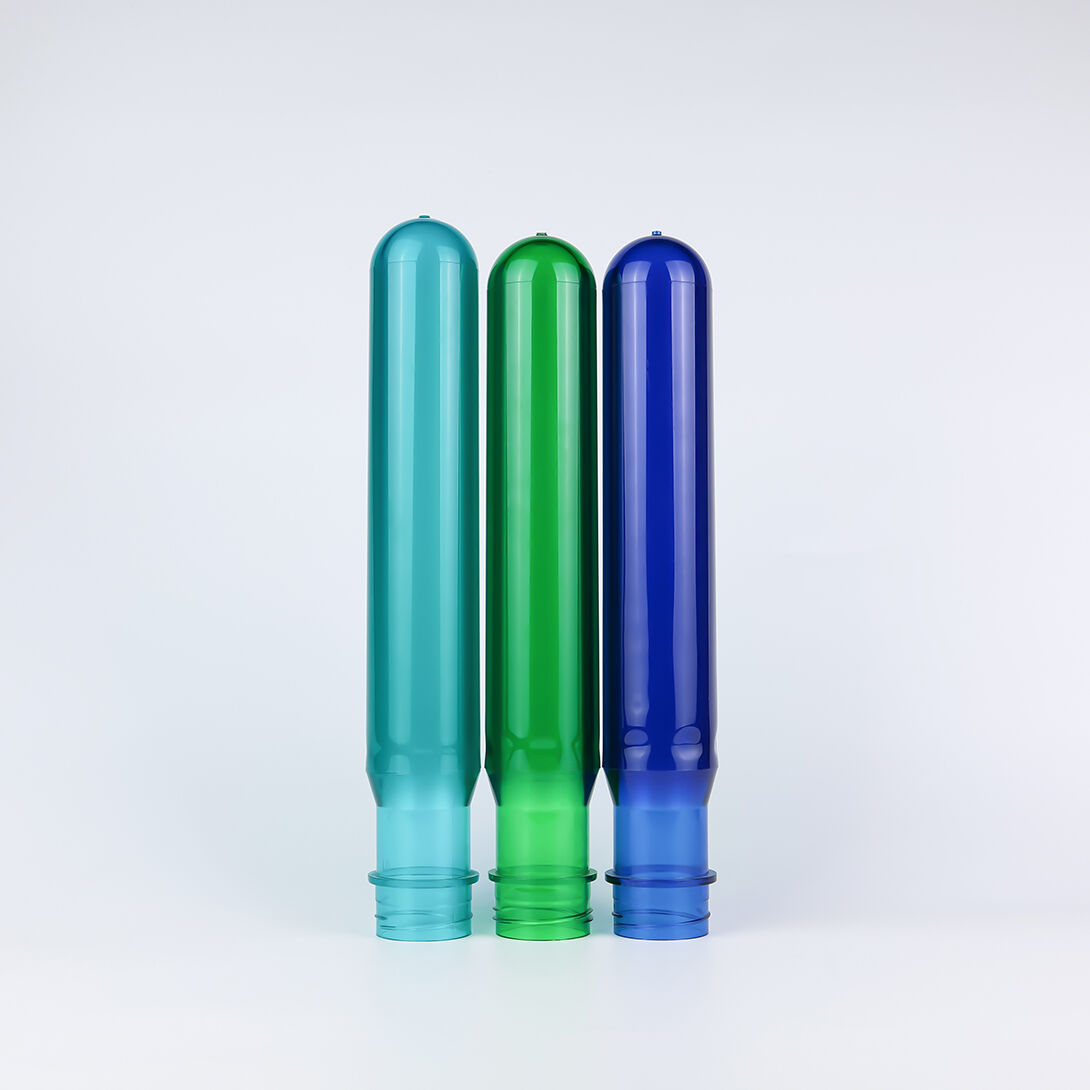
The plastic packaging industry has witnessed remarkable transformation over the past decade, with PET preform technology leading the charge in sustainable and efficient bottle production. Modern manufacturing processes demand precision, consistency, and environmental responsibility, making advanced preform design more critical than ever before. As consumer awareness of environmental impact grows and regulatory requirements become stricter, manufacturers must balance performance excellence with sustainable practices. The evolution of PET preform manufacturing represents a significant step forward in addressing these dual challenges while maintaining cost-effectiveness and production efficiency.
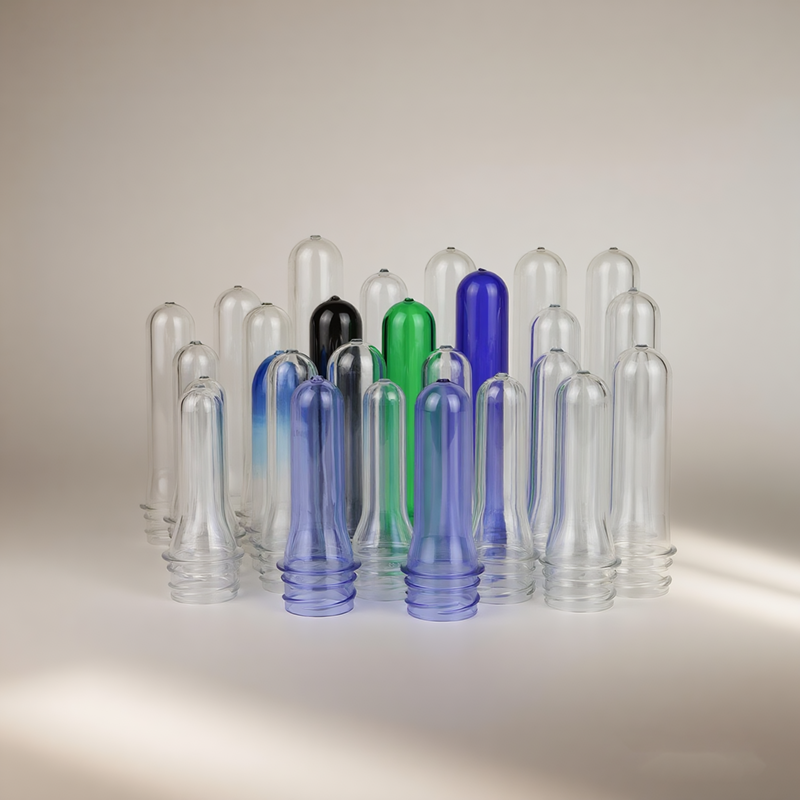
Advanced Engineering in PET Preform Development
Material Science Innovations
The foundation of superior PET preform quality lies in advanced material science and polymer engineering. Modern PET resins incorporate enhanced molecular structures that provide better clarity, strength, and barrier properties compared to traditional formulations. These innovations allow manufacturers to reduce wall thickness while maintaining structural integrity, resulting in lighter preforms that require less raw material. The optimization process involves careful selection of catalysts, additives, and processing conditions that influence the final product's performance characteristics.
Contemporary PET preform production utilizes sophisticated injection molding technologies that ensure consistent weight distribution and minimal internal stress. Temperature control systems maintain precise thermal profiles throughout the molding cycle, preventing crystallization defects and ensuring optimal material flow. The integration of real-time monitoring systems allows operators to detect variations immediately and make necessary adjustments to maintain quality standards.
Precision Manufacturing Techniques
State-of-the-art manufacturing facilities employ multi-cavity injection molding systems that can produce hundreds of PET preform units simultaneously while maintaining exceptional dimensional accuracy. These systems incorporate servo-driven technology that provides precise control over injection speed, pressure, and timing parameters. The result is consistent wall thickness distribution, accurate thread formation, and optimal gate vestige characteristics that facilitate smooth bottle blowing operations.
Quality assurance protocols in modern PET preform manufacturing include comprehensive dimensional inspection, visual examination, and performance testing. Automated measurement systems verify critical dimensions such as overall length, neck diameter, thread pitch, and wall thickness at multiple points. These measurements ensure compatibility with blow molding equipment and guarantee consistent bottle performance across production runs.
Sustainability Integration in Design Philosophy
Lightweight Design Strategies
Environmental consciousness drives continuous innovation in PET preform design, with lightweighting initiatives reducing material consumption without compromising performance. Engineers employ advanced computer modeling and stress analysis to optimize wall thickness distribution and eliminate unnecessary material while maintaining structural requirements. These efforts typically result in weight reductions of 10-15% compared to traditional designs, translating to significant material savings across large production volumes.
The implementation of lightweight PET preform designs requires careful consideration of bottle application requirements, including carbonation pressure resistance, top load strength, and thermal stability. Design teams utilize finite element analysis to predict performance under various stress conditions and validate designs through comprehensive testing protocols. This systematic approach ensures that material reduction does not compromise the final bottle's functionality or shelf life performance.
Recycled Content Integration
Modern PET preform manufacturing increasingly incorporates recycled content as part of comprehensive sustainability initiatives. Food-grade recycled PET (rPET) can comprise up to 50% of the total material content in many applications, significantly reducing the environmental footprint of bottle production. The successful integration of recycled content requires careful material characterization and process optimization to maintain consistent quality standards.
The use of PET preform designs that accommodate recycled content involves sophisticated blending techniques and enhanced processing controls. Manufacturers must ensure that recycled materials meet strict purity standards and maintain compatibility with virgin resin properties. Advanced sorting and cleaning technologies enable the production of high-quality recycled PET that performs equivalently to virgin material in most applications.
Performance Optimization Strategies
Blow Molding Compatibility
Optimal PET preform design considers the entire bottle production process, with particular attention to blow molding performance and efficiency. Preform geometry directly influences stretch blow molding behavior, affecting material distribution in the final bottle and determining performance characteristics such as transparency, strength, and barrier properties. Design engineers optimize preform profiles to ensure uniform material distribution during the stretching and blowing process.
Critical design parameters include neck finish dimensions, body profile geometry, and base design features that influence bottle formation. The neck finish must provide secure closure engagement while facilitating efficient filling operations. Body profile optimization ensures smooth material flow during stretching, preventing thin spots or stress concentrations that could compromise bottle integrity. Base design considerations include proper gate vestige formation and adequate material distribution for bottom impact resistance.
Thermal Performance Enhancement
Advanced PET preform designs incorporate thermal optimization features that improve processing efficiency and final bottle performance. Controlled crystallization patterns enhance material strength while maintaining transparency, enabling the production of bottles with superior hot-fill capability. Thermal conditioning systems ensure optimal preform temperature distribution before blow molding, resulting in consistent bottle formation and improved production rates.
Temperature management throughout the PET preform production process affects material orientation and final bottle properties. Precise cooling control during injection molding influences molecular alignment and stress distribution, which directly impacts subsequent blow molding performance. Modern systems employ sophisticated temperature monitoring and control technologies to maintain optimal thermal profiles throughout the entire production cycle.
Quality Control and Testing Methodologies
Dimensional Accuracy Verification
Comprehensive quality control programs for PET preform manufacturing include rigorous dimensional verification procedures that ensure compatibility with blow molding equipment and consistent bottle performance. Automated measurement systems verify critical dimensions including neck diameter, thread specifications, overall length, and wall thickness distribution. These measurements are performed at multiple production stages to identify and correct variations before they affect final product quality.
Statistical process control methodologies track dimensional variations over time and identify trends that might indicate equipment wear or process drift. Control charts monitor key parameters such as weight distribution, wall thickness uniformity, and gate vestige formation. This data-driven approach enables proactive maintenance scheduling and process optimization that maintains consistent PET preform quality throughout extended production runs.
Performance Testing Protocols
Comprehensive testing protocols validate PET preform performance under simulated service conditions, including pressure resistance, thermal cycling, and environmental stress cracking resistance. These tests ensure that preforms will perform reliably throughout the bottle production process and during end-use applications. Performance validation includes blow molding trials that assess material distribution, bottle clarity, and mechanical properties.
Long-term performance evaluation involves accelerated aging studies that predict PET preform behavior over extended storage periods. These studies assess material stability, dimensional changes, and processing characteristics under various environmental conditions. The results inform material selection decisions and processing parameter optimization for specific application requirements.
Market Applications and Industry Trends
Beverage Industry Requirements
The beverage industry represents the largest market segment for PET preform applications, with specific requirements for carbonated soft drinks, water, juices, and sports beverages. Each application category demands unique performance characteristics related to gas barrier properties, flavor retention, and shelf life stability. Modern PET preform designs address these diverse requirements through specialized material formulations and optimized processing techniques.
Carbonated beverage applications require enhanced pressure resistance and CO2 barrier properties to maintain product quality throughout distribution and storage. Water bottle applications prioritize clarity, lightweight design, and cost-effectiveness while meeting regulatory requirements for food contact materials. Specialized applications such as hot-fill beverages demand superior thermal stability and controlled crystallization patterns that maintain bottle integrity under elevated temperatures.
Emerging Market Opportunities
Growing environmental awareness creates new opportunities for innovative PET preform technologies that address sustainability concerns while maintaining performance excellence. Biodegradable additives, enhanced recyclability features, and closed-loop recycling compatibility represent emerging trends that influence design decisions. These developments require careful balance between environmental benefits and practical manufacturing considerations.
Regional market variations influence PET preform specifications and design priorities, with developing markets often emphasizing cost-effectiveness while developed markets focus on sustainability and premium performance features. Understanding these market dynamics enables manufacturers to develop targeted solutions that address specific regional requirements and competitive positioning strategies.
Future Developments and Innovation Directions
Smart Manufacturing Integration
The integration of Industry 4.0 technologies transforms PET preform manufacturing through real-time process monitoring, predictive maintenance, and automated quality control systems. Smart sensors throughout the production line provide continuous feedback on critical parameters, enabling immediate process adjustments and preventing quality deviations. Machine learning algorithms analyze production data to identify optimization opportunities and predict equipment maintenance requirements.
Digital twin technology creates virtual representations of PET preform production processes that enable simulation-based optimization and troubleshooting. These systems accelerate new product development by allowing engineers to test design modifications virtually before implementing physical changes. The result is faster time-to-market for new products and reduced development costs through improved design efficiency.
Advanced Material Development
Ongoing research in polymer science continues to advance PET preform technology through novel material formulations and processing techniques. Bio-based PET alternatives offer potential environmental benefits while maintaining compatibility with existing production equipment and recycling infrastructure. These developments require extensive testing and validation to ensure performance equivalency with traditional petroleum-based materials.
Nanotechnology integration in PET preform materials provides enhanced barrier properties, improved mechanical strength, and advanced functionality such as antimicrobial surfaces. These innovations enable new application possibilities while addressing evolving consumer demands for enhanced product protection and safety features. The successful commercialization of these technologies requires careful regulatory compliance and comprehensive safety evaluation.
FAQ
What factors determine the optimal wall thickness for PET preform designs
Optimal wall thickness for PET preform applications depends on several critical factors including the intended bottle size, required pressure resistance, material properties, and blow molding equipment specifications. Thicker walls provide greater strength and pressure resistance but increase material costs and cycle times. Engineers use computer modeling and empirical testing to determine the minimum wall thickness that meets performance requirements while optimizing material usage and production efficiency.
How does recycled content affect PET preform manufacturing processes
Incorporating recycled content in PET preform manufacturing requires careful process optimization to maintain consistent quality standards. Recycled PET typically has slightly different flow characteristics and thermal properties compared to virgin material, necessitating adjustments to injection molding parameters such as temperature profiles, injection speed, and cooling times. Successful integration requires comprehensive material characterization and extensive process validation to ensure consistent preform quality and blow molding performance.
What quality control measures ensure consistent PET preform performance
Comprehensive quality control for PET preform manufacturing includes dimensional verification, visual inspection, weight monitoring, and performance testing protocols. Automated measurement systems verify critical dimensions such as neck diameter, thread pitch, and wall thickness distribution. Statistical process control tracks variations over time and identifies trends that indicate process drift or equipment wear. Performance testing includes blow molding trials and accelerated aging studies that validate long-term material stability and processing characteristics.
How do lightweighting initiatives impact bottle performance and sustainability
Lightweighting initiatives in PET preform design reduce material consumption and environmental impact while maintaining essential performance characteristics. Advanced engineering analysis optimizes wall thickness distribution to eliminate unnecessary material without compromising strength or functionality. Typical weight reductions of 10-15% significantly reduce material costs and transportation emissions across large production volumes. However, lightweighting requires careful validation through comprehensive testing to ensure that performance standards are maintained throughout the product lifecycle.