EN
EN

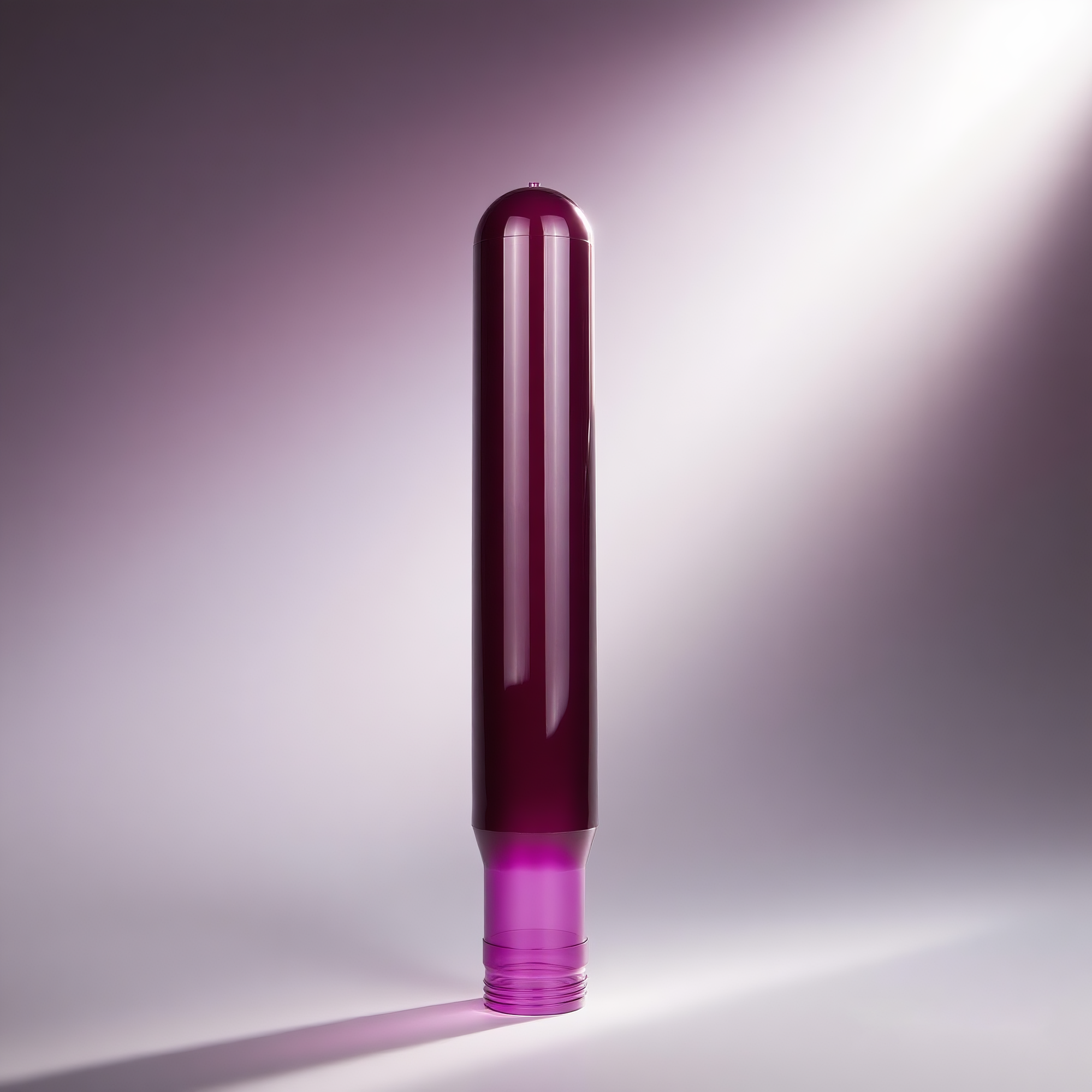
The water packaging industry continues to evolve as consumer demands shift toward more durable, reliable, and cost-effective solutions. When a leading regional water brand approached us with challenges related to their existing bottle manufacturing process, we knew that upgrading their 5-gallon bottle preform system would be the key to transforming their operations. This comprehensive case study explores how we helped them overcome production bottlenecks, reduce costs, and improve product quality through strategic preform optimization.
Initial Challenges and Assessment
Production Inefficiencies and Quality Concerns
Our client, a mid-sized water company serving commercial and residential customers across three states, was experiencing significant challenges with their existing 5-gallon bottle preform manufacturing process. The company was dealing with inconsistent wall thickness distribution, leading to approximately 12% of bottles failing quality control tests. This high rejection rate was not only costly but also creating delays in their production schedule that affected customer deliveries.
The existing preform design utilized outdated injection molding parameters that resulted in material waste and increased cycle times. Each 5-gallon bottle preform required excessive cooling time, reducing overall throughput by nearly 25% compared to industry standards. Additionally, the company was experiencing frequent mold maintenance issues, with cleaning and repair cycles occurring every 10,000 shots instead of the optimal 50,000 shots.
Material and Cost Analysis
During our initial assessment, we discovered that the client was using a suboptimal PET resin grade that contributed to both quality issues and increased material costs. The existing 5-gallon bottle preform specification required 47 grams of material per unit, which was significantly higher than necessary for achieving the required structural integrity. This excess material usage was adding approximately $0.08 per bottle to production costs, which accumulated to substantial annual expenses given their volume of 2.4 million bottles per year.
The financial impact extended beyond direct material costs, as the company was also dealing with increased energy consumption due to longer heating and cooling cycles. Labor costs were elevated due to the need for additional quality control inspections and rework processes. Our analysis revealed that optimizing the 5-gallon bottle preform design could potentially reduce total production costs by 18-22% while improving overall product quality.
Strategic Solution Development
Advanced Preform Design Engineering
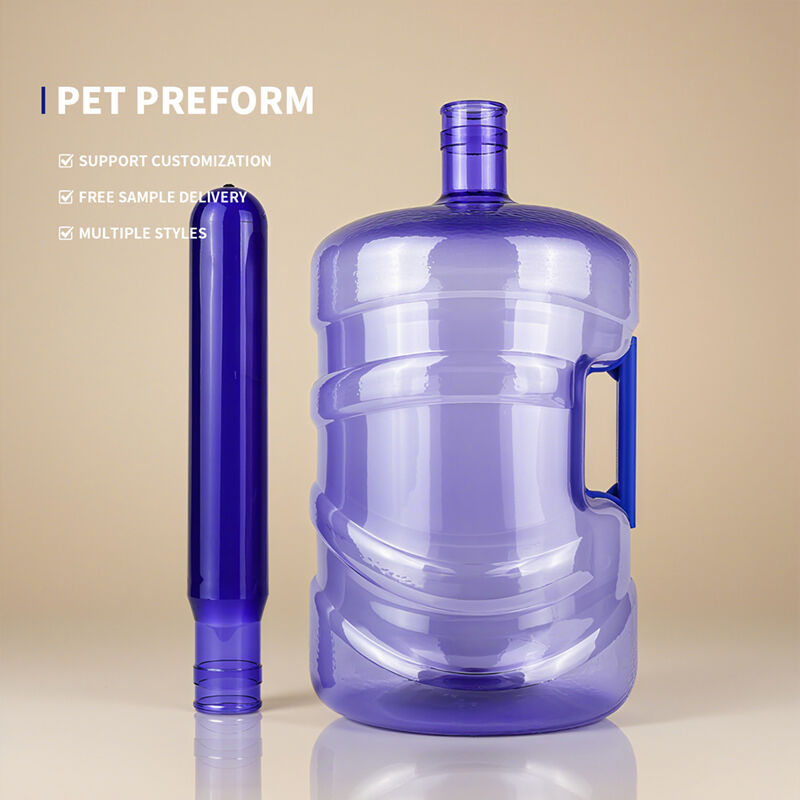
Our engineering team developed a comprehensive solution that addressed each identified challenge through systematic design optimization. The new 5-gallon bottle preform featured improved wall thickness distribution using advanced finite element analysis to ensure optimal material placement. We redesigned the neck finish geometry to enhance seal integrity while reducing material usage, and implemented a new gate configuration that eliminated common flow-related defects.
The optimized design incorporated stress distribution modeling that allowed us to reduce the preform weight from 47 grams to 41 grams without compromising structural performance. This weight reduction was achieved through strategic material placement in high-stress areas while minimizing material in lower-stress zones. The new 5-gallon bottle preform design also featured enhanced crystallization zones that improved blow-molding performance and reduced cycle times by 15%.
Mold Technology Implementation
We recommended upgrading to a state-of-the-art 32-cavity mold system specifically designed for high-volume 5-gallon bottle preform production. The new mold incorporated advanced cooling channel geometry that reduced cycle times from 28 seconds to 22 seconds, representing a significant improvement in production efficiency. Hot runner technology was implemented to minimize material waste and ensure consistent temperature distribution across all cavities.
The mold design included predictive maintenance features such as embedded sensors for monitoring cavity pressure, temperature variations, and wear patterns. These monitoring capabilities enabled proactive maintenance scheduling, extending mold life from 10,000 shots to over 50,000 shots between major maintenance intervals. The 5-gallon bottle preform manufacturing process became significantly more reliable and predictable with these technological improvements.
Implementation Process and Results
Phased Rollout Strategy
The implementation process was carefully planned to minimize disruption to ongoing production operations. We initiated the upgrade process with comprehensive operator training programs that covered new procedures for handling the optimized 5-gallon bottle preform specifications. The training included quality control protocols, troubleshooting procedures, and maintenance best practices to ensure consistent results from day one.
Production trials began with small batch runs to validate the new design parameters and fine-tune process conditions. During this phase, we monitored key performance indicators including cycle time, scrap rate, energy consumption, and dimensional consistency. The trial results exceeded expectations, with the new 5-gallon bottle preform demonstrating superior performance across all measured parameters. Quality control rejection rates dropped from 12% to less than 2% within the first week of full production.
Performance Metrics and Improvements
The results of the 5-gallon bottle preform upgrade project were measurable and significant across multiple operational areas. Production throughput increased by 27% due to reduced cycle times and improved process reliability. Material costs decreased by $0.13 per bottle, translating to annual savings of over $312,000 based on current production volumes. Energy consumption per bottle was reduced by 19% through optimized heating and cooling cycles.
Quality improvements were equally impressive, with dimensional consistency improving by 34% and overall product defect rates dropping to industry-leading levels. The enhanced 5-gallon bottle preform design eliminated the need for additional quality inspections, reducing labor costs and improving production flow. Customer satisfaction increased as delivery reliability improved due to more predictable production schedules and reduced quality-related delays.
Long-Term Benefits and Sustainability
Environmental Impact Reduction
The optimized 5-gallon bottle preform design delivered significant environmental benefits beyond the immediate operational improvements. Material usage reduction of 6 grams per bottle resulted in an annual decrease of 14.4 tons of PET resin consumption. This reduction directly translates to lower carbon footprint and decreased dependency on petroleum-based raw materials, aligning with the client's sustainability objectives.
Energy consumption reductions contributed to decreased greenhouse gas emissions, with the facility's carbon footprint decreasing by approximately 8% annually. The improved efficiency of the 5-gallon bottle preform production process also reduced water usage in cooling systems by 15%, contributing to overall resource conservation efforts. These environmental improvements positioned the client favorably in sustainability reporting and helped attract environmentally conscious customers.
Market Competitiveness Enhancement
The successful upgrade project significantly improved the client's competitive position in the regional water market. Cost savings achieved through the optimized 5-gallon bottle preform production allowed for more competitive pricing while maintaining healthy profit margins. The improved product quality and consistency enhanced brand reputation and customer loyalty, leading to a 12% increase in market share within 18 months.
Production flexibility increased substantially, enabling the client to respond more effectively to seasonal demand fluctuations and rush orders. The reliable 5-gallon bottle preform manufacturing process reduced lead times and improved delivery performance, creating additional competitive advantages in customer service. These improvements also opened opportunities for contract manufacturing services, creating new revenue streams for the business.
Technical Specifications and Innovation
Advanced Material Science Applications
The development of the optimized 5-gallon bottle preform incorporated cutting-edge material science principles to maximize performance characteristics. We specified a high-performance PET resin grade with enhanced clarity and improved barrier properties, ensuring extended shelf life for the packaged water products. The material selection process considered factors such as processing temperature windows, crystallization behavior, and long-term stability under various storage conditions.
Innovative additive packages were incorporated to enhance the performance characteristics of the 5-gallon bottle preform while maintaining FDA compliance for food contact applications. These additives improved processing stability, reduced cycle-to-cycle variations, and enhanced the final bottle's resistance to environmental stress cracking. The resulting bottles demonstrated superior performance in drop tests, internal pressure resistance, and long-term storage conditions.
Process Optimization Technologies
The implementation included advanced process monitoring and control systems that ensure consistent quality in every 5-gallon bottle preform produced. Real-time data collection systems monitor critical parameters such as injection pressure, temperature profiles, and cooling rates throughout the production cycle. Statistical process control algorithms automatically adjust parameters to maintain optimal conditions and prevent quality deviations before they occur.
Predictive analytics capabilities were integrated to forecast maintenance needs and optimize production scheduling. The system analyzes historical data patterns to predict optimal changeover timing and preventive maintenance intervals. This proactive approach to 5-gallon bottle preform production management has virtually eliminated unplanned downtime and maximized equipment utilization rates.
FAQ
What factors should be considered when upgrading 5-gallon bottle preform production systems
When upgrading 5-gallon bottle preform production systems, key factors include current production volume requirements, quality specifications, material cost objectives, and available capital investment budget. Technical considerations encompass mold design compatibility, injection molding machine capabilities, cooling system capacity, and quality control infrastructure. It's essential to conduct a comprehensive assessment of existing equipment condition, production efficiency metrics, and market demand projections to develop an optimal upgrade strategy that delivers measurable return on investment.
How much cost savings can typically be achieved through preform optimization
Cost savings from 5-gallon bottle preform optimization typically range from 15-25% of total production costs, depending on the current system efficiency and optimization scope. Material cost reductions often contribute 40-50% of total savings through weight optimization and improved processing efficiency. Energy savings account for 20-30% of benefits through reduced cycle times and optimized temperature management. Labor cost reductions represent 15-20% of savings through improved quality consistency and reduced manual interventions. Additional indirect savings come from reduced maintenance costs, improved equipment utilization, and enhanced production scheduling flexibility.
What quality improvements can be expected from modern preform designs
Modern 5-gallon bottle preform designs typically deliver significant quality improvements including 50-80% reduction in dimensional variation, enhanced wall thickness consistency, and improved surface finish quality. Defect rates commonly decrease from 8-15% to less than 2% through optimized gate design and improved flow characteristics. Barrier property improvements of 10-15% are achievable through enhanced material distribution and crystallization control. These quality enhancements result in improved bottle performance, extended shelf life, and reduced customer complaints while meeting or exceeding industry standards for safety and performance.
How long does implementation of a preform upgrade project typically take
A comprehensive 5-gallon bottle preform upgrade project typically requires 12-16 weeks from initial design to full production implementation. The timeline includes 3-4 weeks for design engineering and mold manufacturing, 2-3 weeks for equipment installation and setup, 1-2 weeks for process optimization and validation, and 2-3 weeks for operator training and gradual production ramp-up. Factors that can influence timeline include complexity of design changes, availability of manufacturing slots for new molds, and extent of equipment modifications required. Proper project planning and phased implementation can minimize production disruption during the transition period.
Table of Contents
- Initial Challenges and Assessment
- Strategic Solution Development
- Implementation Process and Results
- Long-Term Benefits and Sustainability
- Technical Specifications and Innovation
-
FAQ
- What factors should be considered when upgrading 5-gallon bottle preform production systems
- How much cost savings can typically be achieved through preform optimization
- What quality improvements can be expected from modern preform designs
- How long does implementation of a preform upgrade project typically take