EN
EN

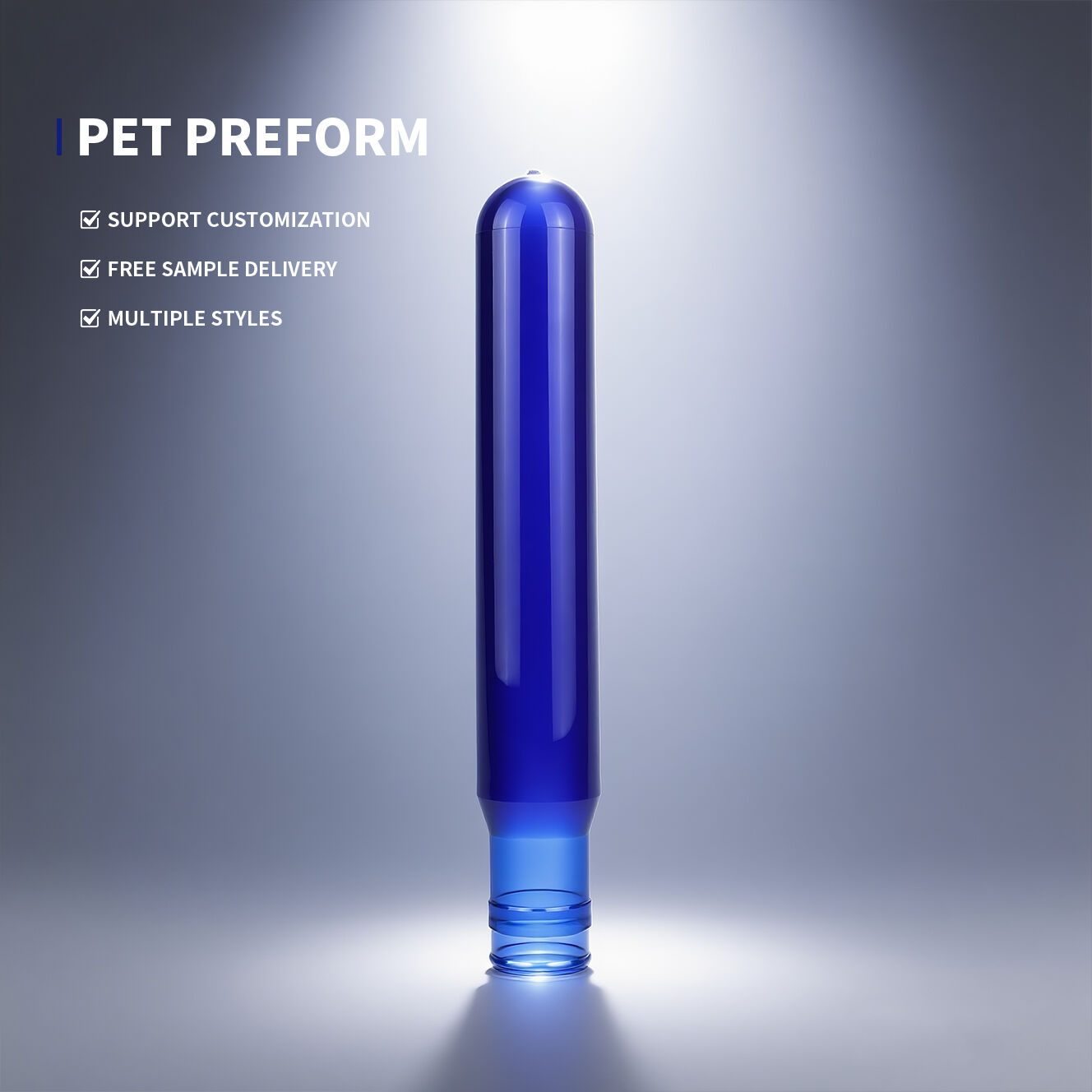
The global beverage and packaging industry relies heavily on efficient sourcing strategies for PET bottle preforms, which serve as the foundation for countless plastic bottles used worldwide. Understanding the fundamental differences between OEM manufacturing and standard product sourcing can significantly impact your production costs, quality control, and market positioning. This comprehensive analysis explores the critical factors that influence procurement decisions and helps manufacturers make informed choices when sourcing PET bottle preforms for their operations.
Understanding PET Bottle Preform Manufacturing Options
OEM Manufacturing Fundamentals
Original Equipment Manufacturing represents a collaborative approach where specialized manufacturers produce PET bottle preforms according to custom specifications provided by brand owners or bottling companies. This manufacturing model enables complete customization of preform dimensions, wall thickness distribution, thread specifications, and material composition. OEM partners typically maintain advanced injection molding facilities equipped with precision tooling and quality control systems designed to meet specific customer requirements.
The OEM manufacturing process for PET bottle preforms involves detailed consultation phases where technical teams work closely with clients to optimize preform design for intended applications. This collaborative approach ensures that the final product meets performance standards while considering factors such as blow molding parameters, material efficiency, and end-use requirements. Many OEM manufacturers also provide value-added services including mold design, prototype development, and technical support throughout the production lifecycle.
Standard Product Sourcing Characteristics
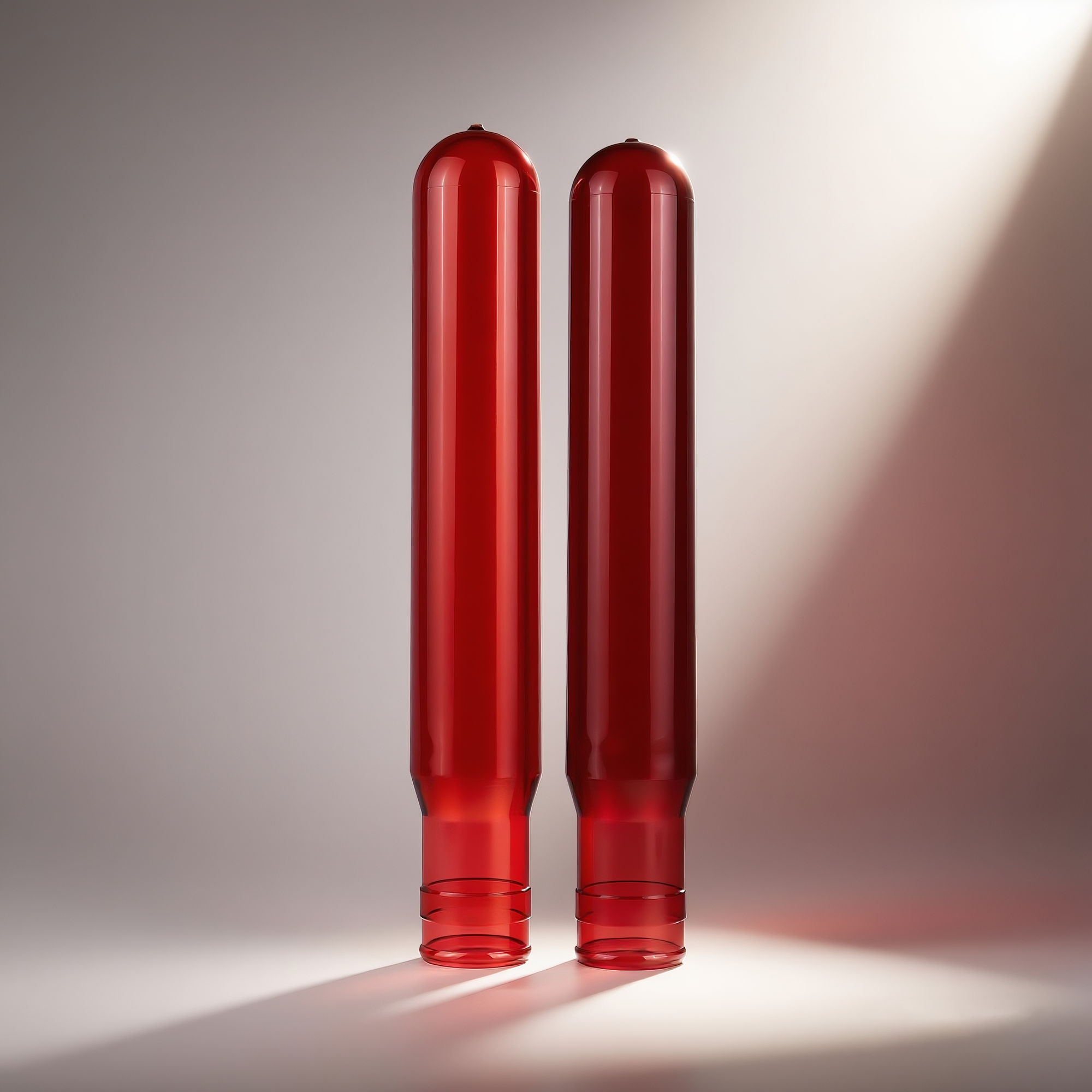
Standard PET bottle preforms represent pre-designed products manufactured in high volumes using established specifications and tooling systems. These products are typically available in common neck finishes, standard weights, and popular configurations that serve broad market segments. Standard preforms offer immediate availability and proven performance records, making them attractive options for companies seeking reliable supply chains without extensive customization requirements.
Manufacturers of standard PET bottle preforms focus on optimizing production efficiency through continuous operation of standardized tooling systems. This approach enables competitive pricing through economies of scale while maintaining consistent quality standards across large production runs. Standard products often undergo extensive testing and validation processes to ensure compatibility with various blow molding systems and applications commonly found in the beverage and packaging industries.
Cost Analysis and Economic Considerations
Initial Investment Requirements
OEM manufacturing of PET bottle preforms typically requires substantial upfront investments in custom tooling, mold development, and design optimization processes. These initial costs can range from thousands to tens of thousands of dollars depending on complexity and precision requirements. However, the long-term benefits of custom solutions often justify these investments, particularly for high-volume applications or specialized product requirements that cannot be met through standard offerings.
Standard PET bottle preforms eliminate most initial tooling costs since manufacturers have already invested in proven mold designs and production systems. This approach enables immediate market entry with minimal capital requirements, making it particularly attractive for startups, small-scale operations, or companies testing new market segments. The reduced financial commitment allows businesses to allocate resources toward other critical areas such as marketing, distribution, or product development.
Long-term Production Economics
Extended production runs of custom PET bottle preforms often achieve lower per-unit costs compared to standard products due to optimized material usage and manufacturing efficiency. Custom designs can incorporate features that reduce material consumption while maintaining structural integrity, resulting in significant cost savings over high-volume production cycles. Additionally, OEM partnerships frequently include volume-based pricing structures that reward consistent ordering patterns and long-term commitments.
Standard products maintain consistent pricing structures that simplify budgeting and financial planning processes. However, the lack of customization may result in material inefficiencies or performance compromises that increase downstream costs. Companies must carefully evaluate the total cost of ownership, including factors such as transportation efficiency, storage requirements, and potential waste generation when comparing standard versus custom PET bottle preforms.
Quality Control and Performance Standards
Custom Quality Specifications
OEM manufacturing enables implementation of stringent quality control measures tailored to specific application requirements and performance standards. Custom PET bottle preforms can incorporate advanced features such as optimized wall thickness distribution, enhanced barrier properties, or specialized additives that improve performance characteristics. This level of control ensures that products meet exact specifications while providing flexibility to adapt quality parameters based on evolving market demands or regulatory requirements.
Quality assurance programs in OEM facilities typically include comprehensive testing protocols that validate dimensional accuracy, material properties, and functional performance. These programs often exceed industry standards and may include specialized testing procedures designed to evaluate performance under specific operating conditions. The close collaboration between OEM partners and clients facilitates continuous improvement initiatives that enhance product quality while reducing defect rates and production variability.
Standard Product Reliability
Standard PET bottle preforms benefit from extensive field testing and proven performance records across diverse applications and operating conditions. These products undergo rigorous quality control processes designed to ensure consistency and reliability across large production volumes. Established manufacturers maintain comprehensive quality management systems that include statistical process control, regular auditing procedures, and continuous monitoring of critical parameters throughout production cycles.
The reliability of standard products stems from years of market feedback and continuous refinement of manufacturing processes and material formulations. This accumulated experience results in products that perform predictably across various blow molding systems and operating conditions. However, the standardized approach may not address specific performance requirements or unique operating challenges that could be resolved through custom design solutions.
Supply Chain and Logistics Considerations
Lead Times and Availability
OEM manufacturing of PET bottle preforms typically involves longer lead times due to custom tooling requirements, design validation processes, and production scheduling considerations. Initial orders may require several weeks or months to complete, depending on complexity and manufacturer capacity. However, established OEM relationships often provide predictable delivery schedules and dedicated production slots that ensure consistent supply availability for ongoing operations.
Standard PET bottle preforms offer immediate availability from manufacturer inventories or short lead times for standard production runs. This advantage proves particularly valuable for companies with fluctuating demand patterns or those requiring rapid market response capabilities. The established supply chains supporting standard products typically include multiple sourcing options and geographic distribution networks that enhance supply security and reduce logistical risks.
Inventory Management Strategies
Custom PET bottle preforms require careful inventory planning due to their specialized nature and limited alternative sourcing options. Companies must balance carrying costs against potential stockout risks while considering factors such as shelf life, storage requirements, and demand variability. Effective inventory management strategies often include collaborative forecasting with OEM partners and strategic safety stock positioning to ensure production continuity.
Standard products provide greater inventory flexibility through multiple sourcing options and standardized specifications that enable supplier diversification. This flexibility reduces inventory carrying costs and minimizes risks associated with single-source dependencies. Companies can implement just-in-time procurement strategies or maintain minimal safety stocks while relying on readily available market supplies to meet demand fluctuations.
Market Positioning and Competitive Advantages
Brand Differentiation Opportunities
Custom PET bottle preforms enable significant brand differentiation through unique bottle designs, specialized performance characteristics, and proprietary features that distinguish products in competitive markets. This differentiation capability proves particularly valuable in premium segments where packaging plays a crucial role in consumer perception and brand positioning. Custom solutions can incorporate innovative design elements or functional enhancements that create competitive advantages and support premium pricing strategies.
The ability to optimize preform design for specific applications allows companies to achieve superior performance characteristics that may not be attainable with standard products. These optimizations can include improved clarity, enhanced strength properties, reduced weight, or specialized barrier characteristics that directly impact product quality and consumer satisfaction. Such advantages often translate into market share gains and improved profitability over time.
Speed to Market Considerations
Standard PET bottle preforms facilitate rapid market entry and product launch initiatives due to their immediate availability and proven compatibility with existing blow molding systems. This advantage proves critical in fast-moving consumer goods markets where timing often determines success or failure of new product introductions. Companies can focus resources on marketing and distribution activities rather than extended product development cycles.
The established performance characteristics of standard products reduce technical risks and validation requirements associated with new product launches. This risk reduction enables faster decision-making processes and simplified approval procedures within organizations. However, the lack of differentiation may limit competitive positioning options and require alternative strategies to achieve market success.
Technology Integration and Innovation
Advanced Manufacturing Capabilities
OEM manufacturing facilities often incorporate cutting-edge technologies and production capabilities that enable innovation in PET bottle preforms design and manufacturing. These capabilities may include advanced injection molding systems, precision temperature control, specialized tooling technologies, and integrated quality monitoring systems. Access to these technologies through OEM partnerships allows companies to benefit from innovations without substantial capital investments in manufacturing infrastructure.
The collaborative nature of OEM relationships facilitates technology transfer and knowledge sharing that can drive continuous improvement in preform design and performance. OEM partners often invest heavily in research and development activities that benefit all customers through improved manufacturing processes, material innovations, and design optimization techniques. This shared innovation approach accelerates product development cycles and enhances competitive positioning.
Standardization Benefits
Standard PET bottle preforms benefit from industry-wide standardization efforts that promote compatibility, interchangeability, and manufacturing efficiency. These standards facilitate equipment sourcing, maintenance procedures, and technical support activities across diverse operational environments. Standardization also enables benchmark performance comparisons and quality assessments that support informed procurement decisions.
The widespread adoption of standard specifications promotes industry best practices and continuous improvement initiatives that benefit all market participants. Manufacturing efficiency improvements, quality enhancements, and cost reductions achieved through standardization are typically passed along to customers through competitive pricing and improved product availability. This collective benefit structure supports long-term industry growth and sustainability.
FAQ
What are the primary cost differences between OEM and standard PET bottle preforms
OEM manufacturing typically requires higher initial investments due to custom tooling and design costs, ranging from thousands to tens of thousands of dollars depending on complexity. However, long-term per-unit costs often become lower through optimized material usage and volume pricing. Standard PET bottle preforms eliminate upfront tooling costs but may result in higher per-unit costs and potential material inefficiencies over high-volume production runs.
How do lead times compare between custom and standard preform sourcing
Custom OEM manufacturing generally involves longer initial lead times due to tooling development, design validation, and production setup requirements, often taking several weeks to months for first orders. Standard PET bottle preforms offer immediate availability from inventory or short production lead times, typically measured in days or weeks. However, established OEM relationships often provide predictable delivery schedules for ongoing production.
Which option provides better quality control capabilities
OEM manufacturing enables implementation of custom quality specifications and advanced testing protocols tailored to specific applications, often exceeding industry standards. Standard products benefit from extensive field testing and proven performance records, with established quality management systems ensuring consistency across large volumes. The choice depends on whether specialized performance requirements outweigh the proven reliability of standardized solutions.
What factors should influence the decision between OEM and standard sourcing
Key decision factors include production volume requirements, customization needs, budget constraints, time-to-market pressures, and long-term strategic objectives. Companies with high-volume, specialized requirements often benefit from OEM manufacturing, while those needing rapid market entry or cost-effective solutions may prefer standard PET bottle preforms. The decision should consider total cost of ownership, supply chain risks, and competitive positioning requirements.