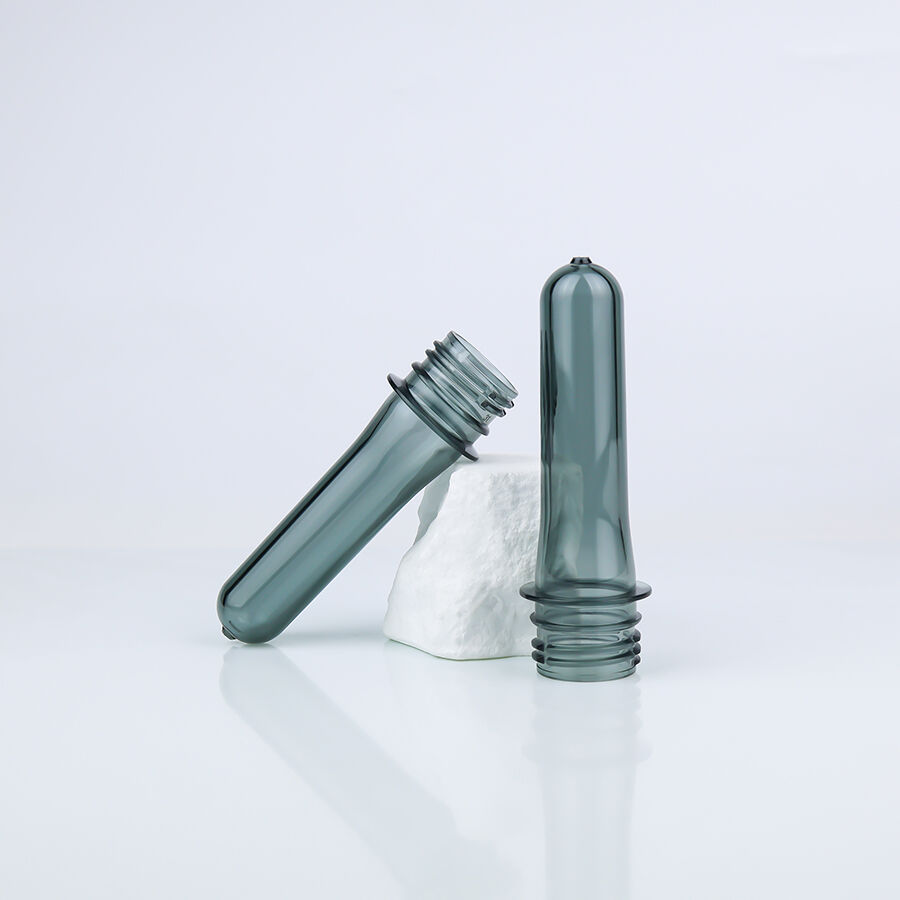
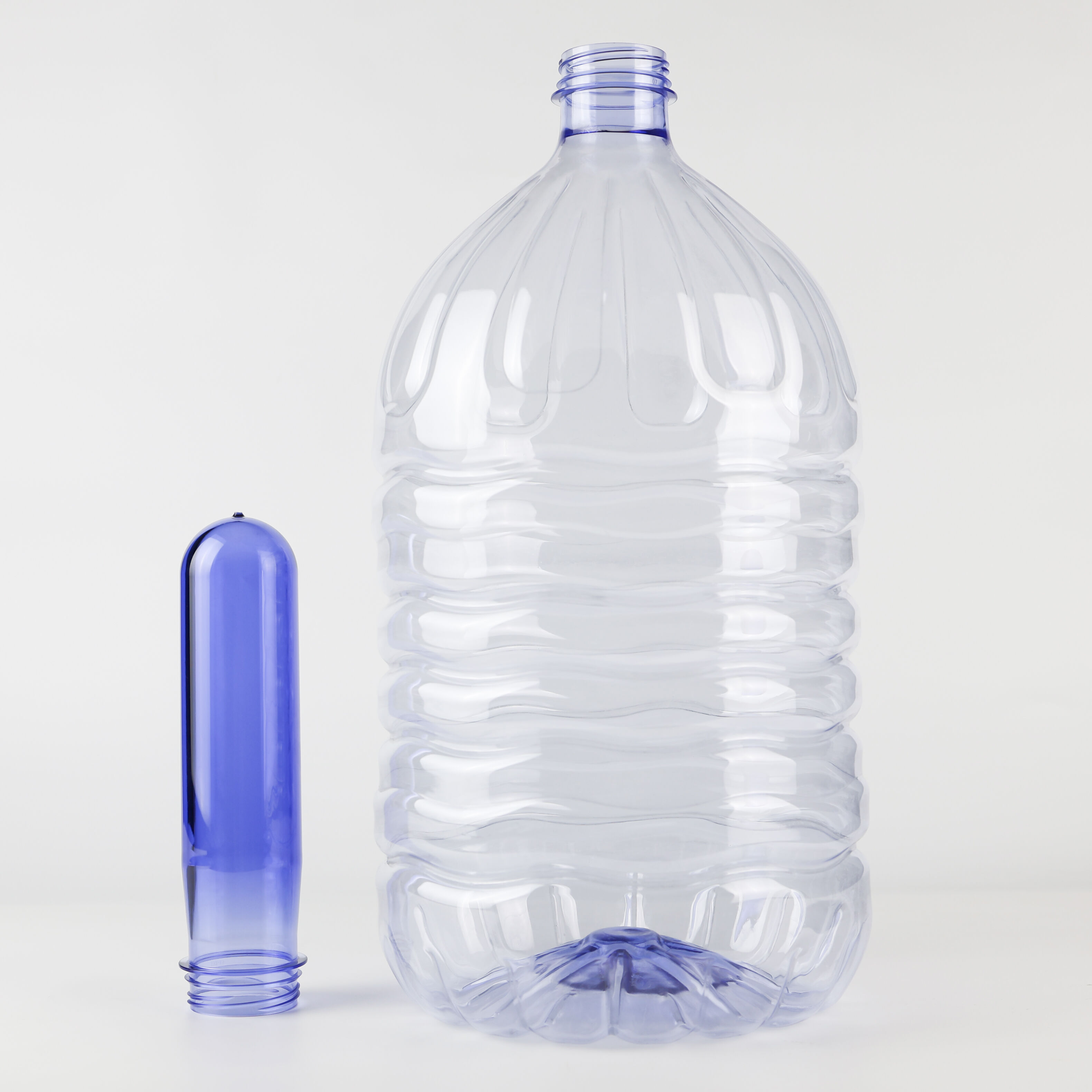
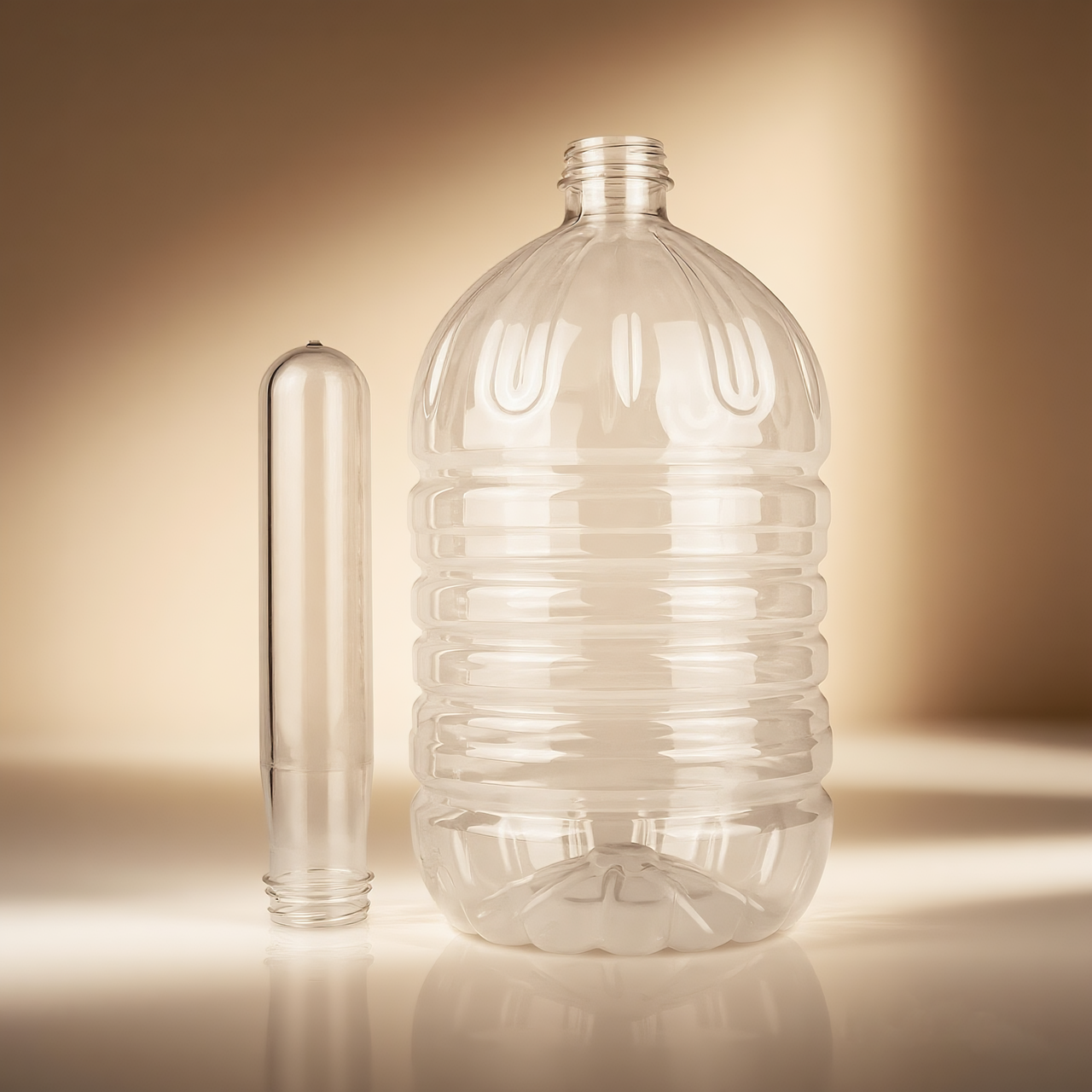
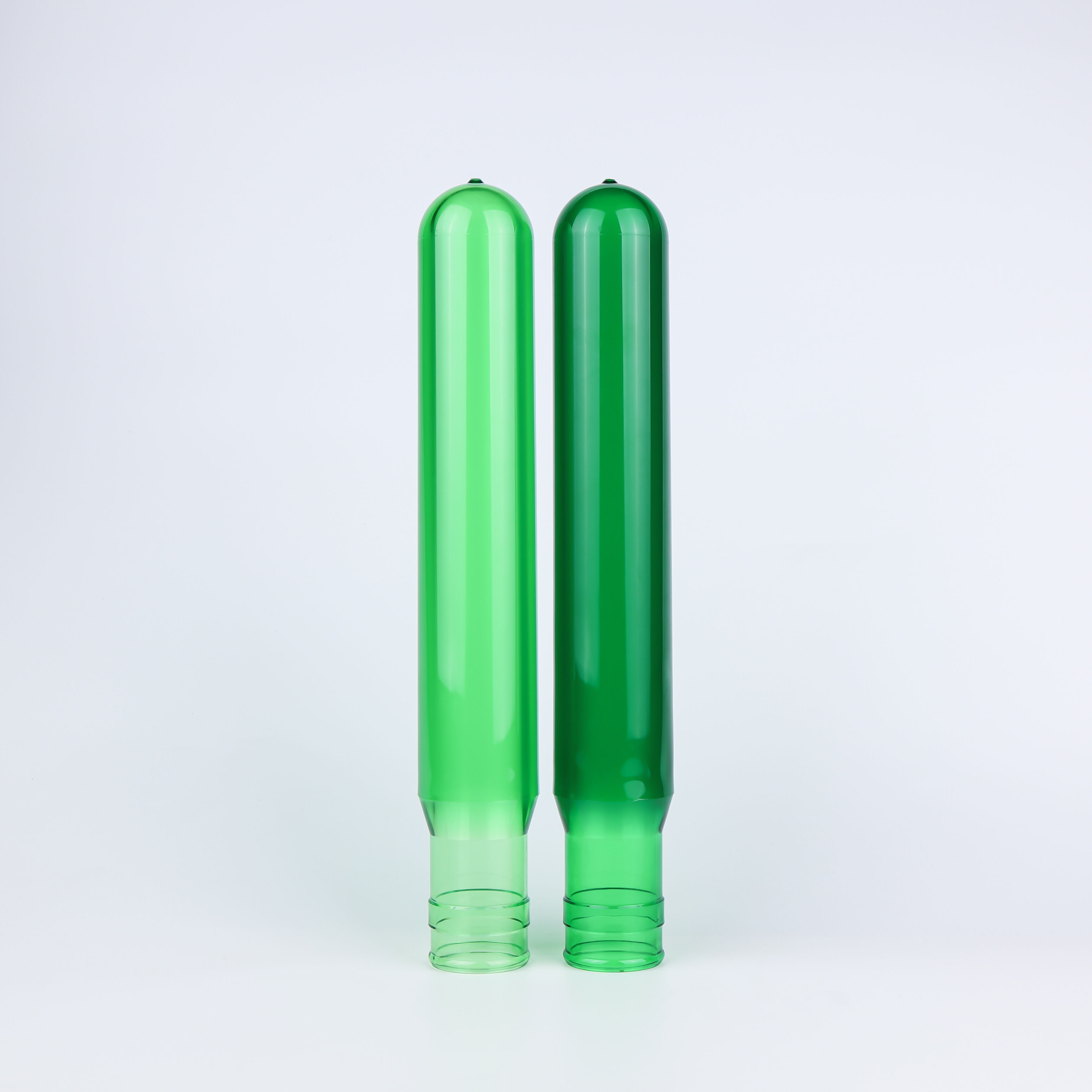
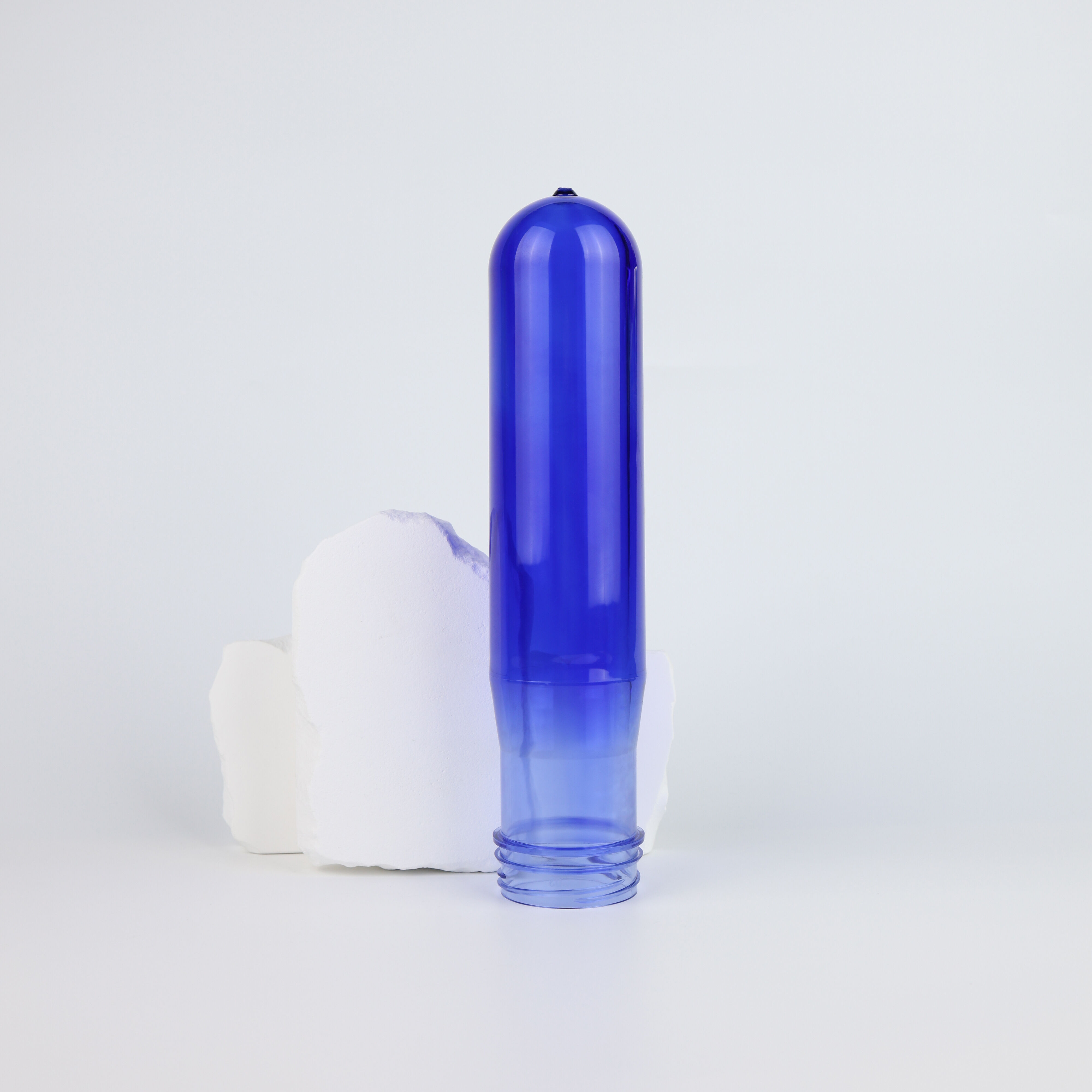
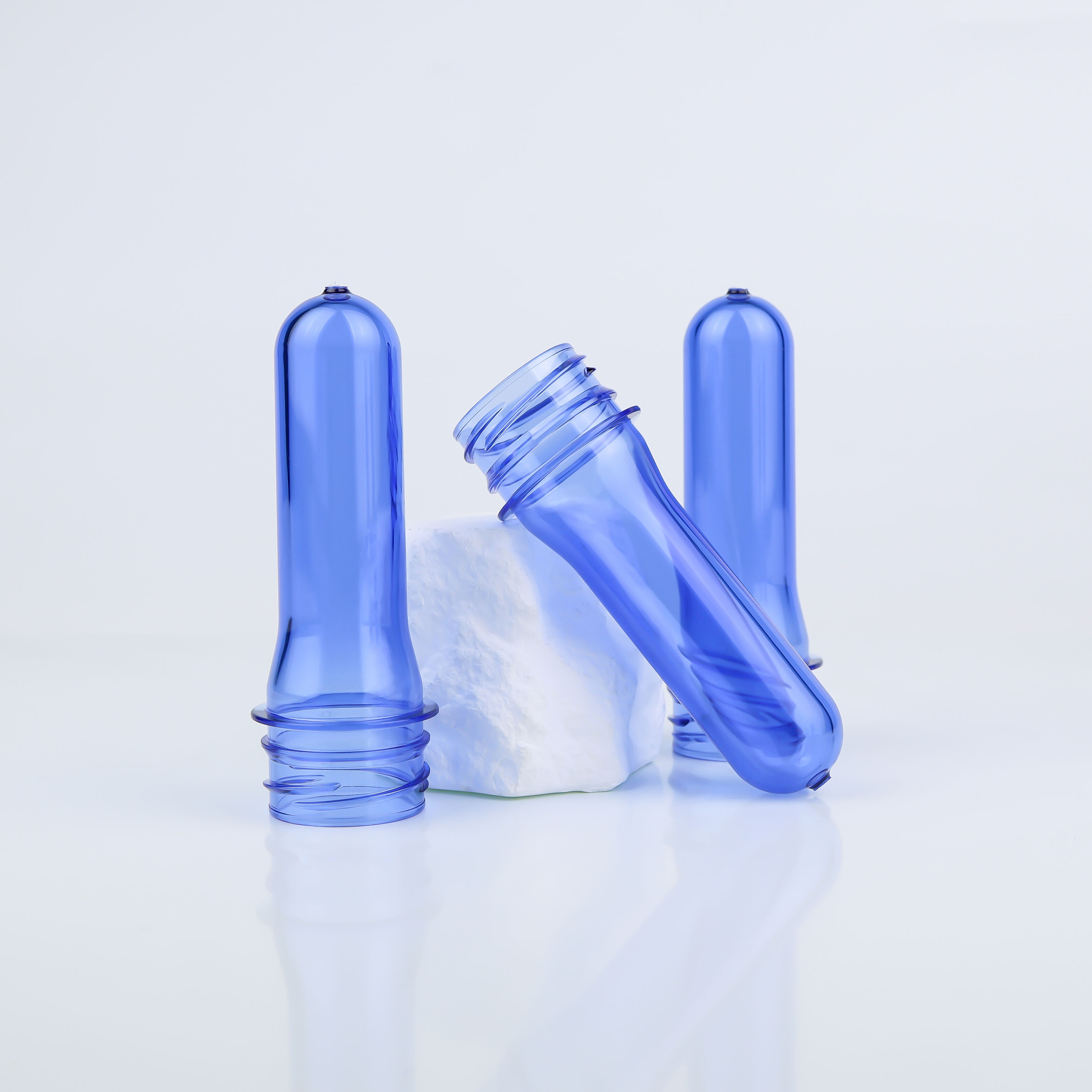
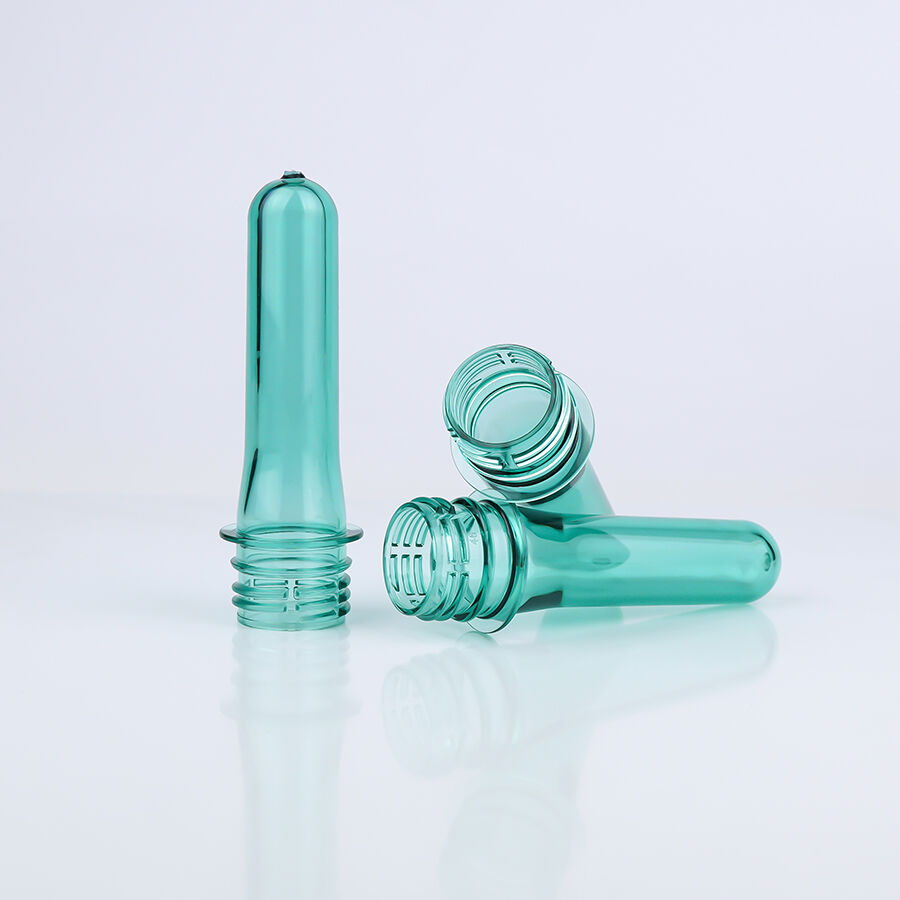
injection molded preform for water bottle
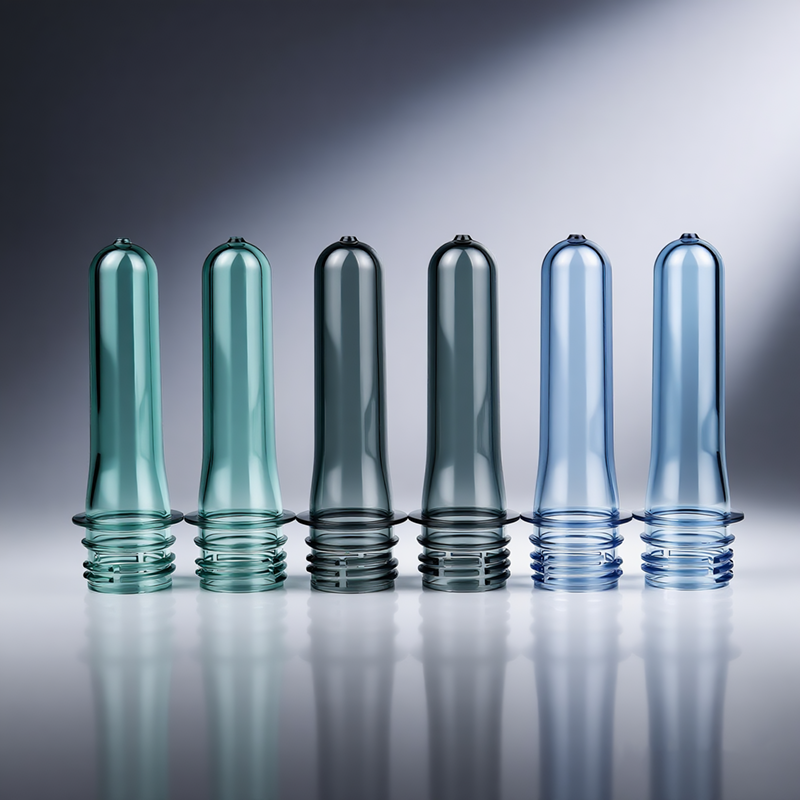
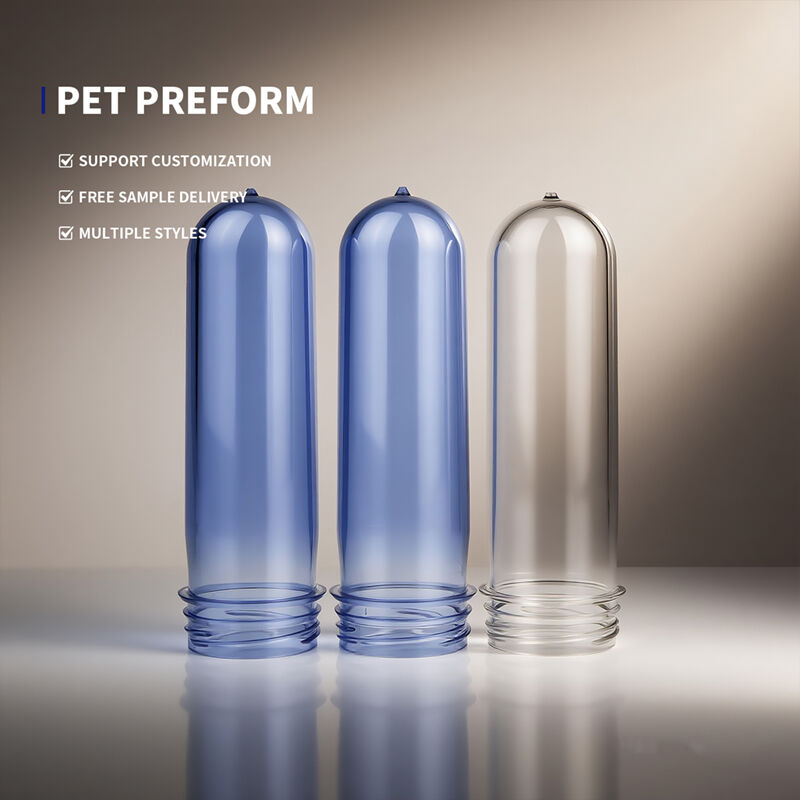
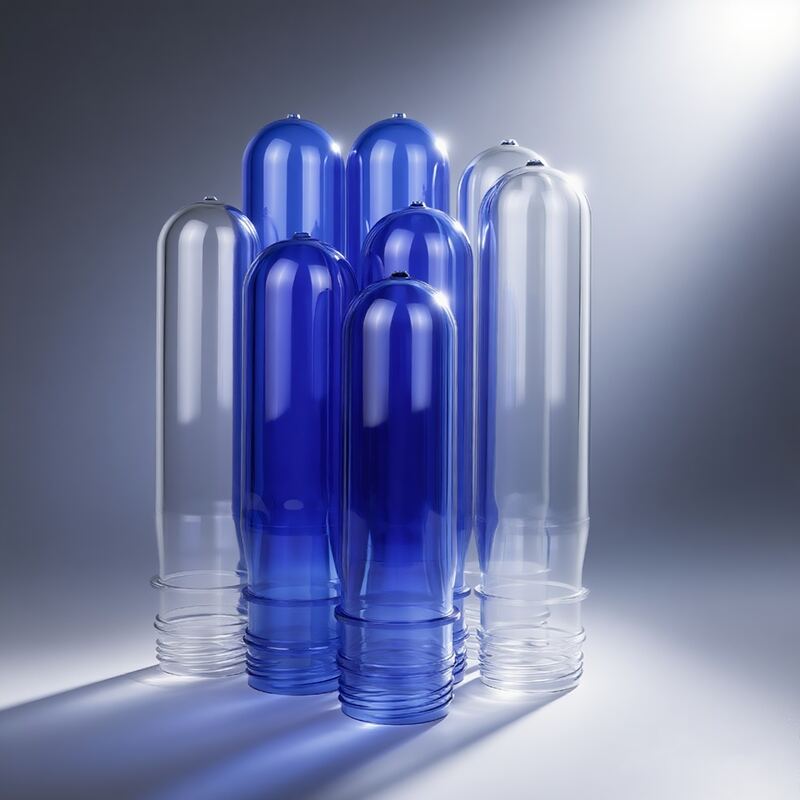
An injection molded preform for water bottle serves as the essential starting component in the production of PET plastic bottles used worldwide for beverages and water packaging. This precisely engineered tube-shaped item features a threaded neck finish and a closed bottom, created through high-pressure injection molding technology. The injection molded preform for water bottle undergoes a carefully controlled manufacturing process where molten polyethylene terephthalate (PET) resin is injected into precision molds at specific temperatures and pressures. Once cooled and solidified, these preforms are later reheated and blown into final bottle shapes through stretch blow molding equipment. The main functions include providing structural integrity, ensuring hygienic safety standards, and enabling efficient mass production of bottles. Technological features encompass uniform wall thickness distribution, consistent weight specifications, crystal-clear transparency, and excellent barrier properties against moisture and gases. The injection molded preform for water bottle maintains dimensional accuracy that guarantees proper sealing with caps and compatibility with automated filling lines. Applications span across drinking water packaging, carbonated beverages, juice containers, sports drinks, and various other liquid products requiring safe and durable containers. Manufacturing facilities worldwide rely on these preforms because they offer convenient storage, reduced transportation costs compared to empty bottles, and flexibility in creating multiple bottle designs from standardized preform specifications. This component represents a critical element in the modern beverage packaging industry.
 EN
EN