 EN
EN

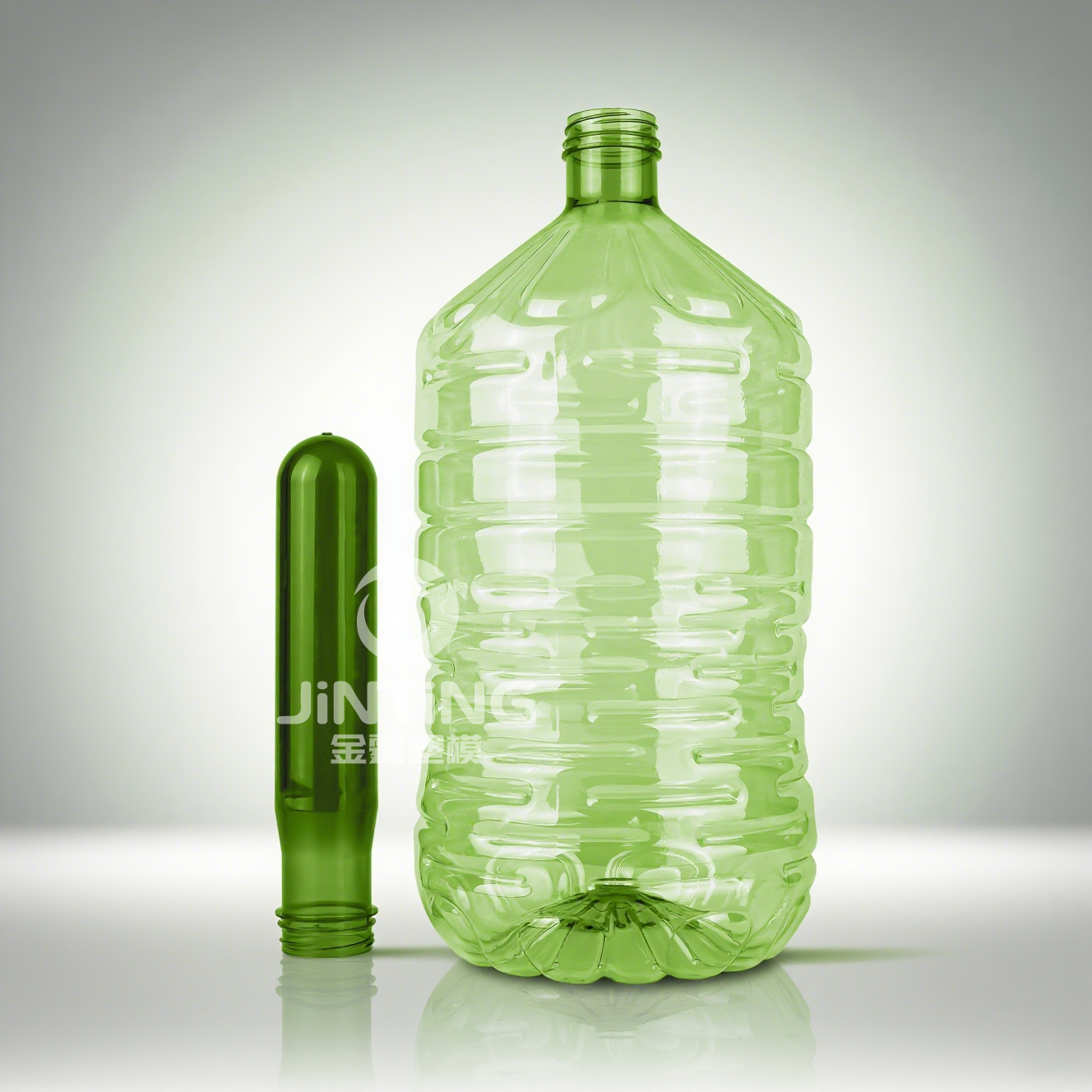
Ang mga planta ng industriyal na tubig ay nangangailangan ng tiyak na mga espesipikasyon kapag pumipili ng 5 gallon PET preform upang matiyak ang optimal na kahusayan sa produksyon at kalidad ng panghuling produkto. Ang mga pangunahing espesipikasyon ng mga preform na ito ay direktang nakaaapekto sa proseso ng blow molding, sa istruktural na integridad ng natapos na bote, at sa kabuuang gastos sa operasyon. Ang pag-unawa sa mga kritikal na parameter na ito ay nagbibigay-daan sa mga namamahala ng planta na gumawa ng impormadong desisyon na nakaaapekto pareho sa kapasidad ng produksyon at katiyakan ng produkto sa malalaking operasyon ng pagbubotelya ng tubig.
Ang mga teknikal na espesipikasyon ng isang 5 gallon pet preform kasama ang mga toleransya sa dimensyon, distribusyon ng timbang, mga konpigurasyon ng finishing ng leeg, at mga kinakailangan sa antas ng materyal na kung saan nagsasama-sama upang tukuyin ang kahihinatnan ng preform para sa mga aplikasyon sa industriya. Ang mga teknikal na espesipikasyong ito ay kailangang sumunod sa mga kakayahan ng tiyak na kagamitan sa blow molding, mga target na dami ng produksyon, at mga pamantayan sa kalidad na hininihi ng mga komersyal na network ng distribusyon ng tubig.
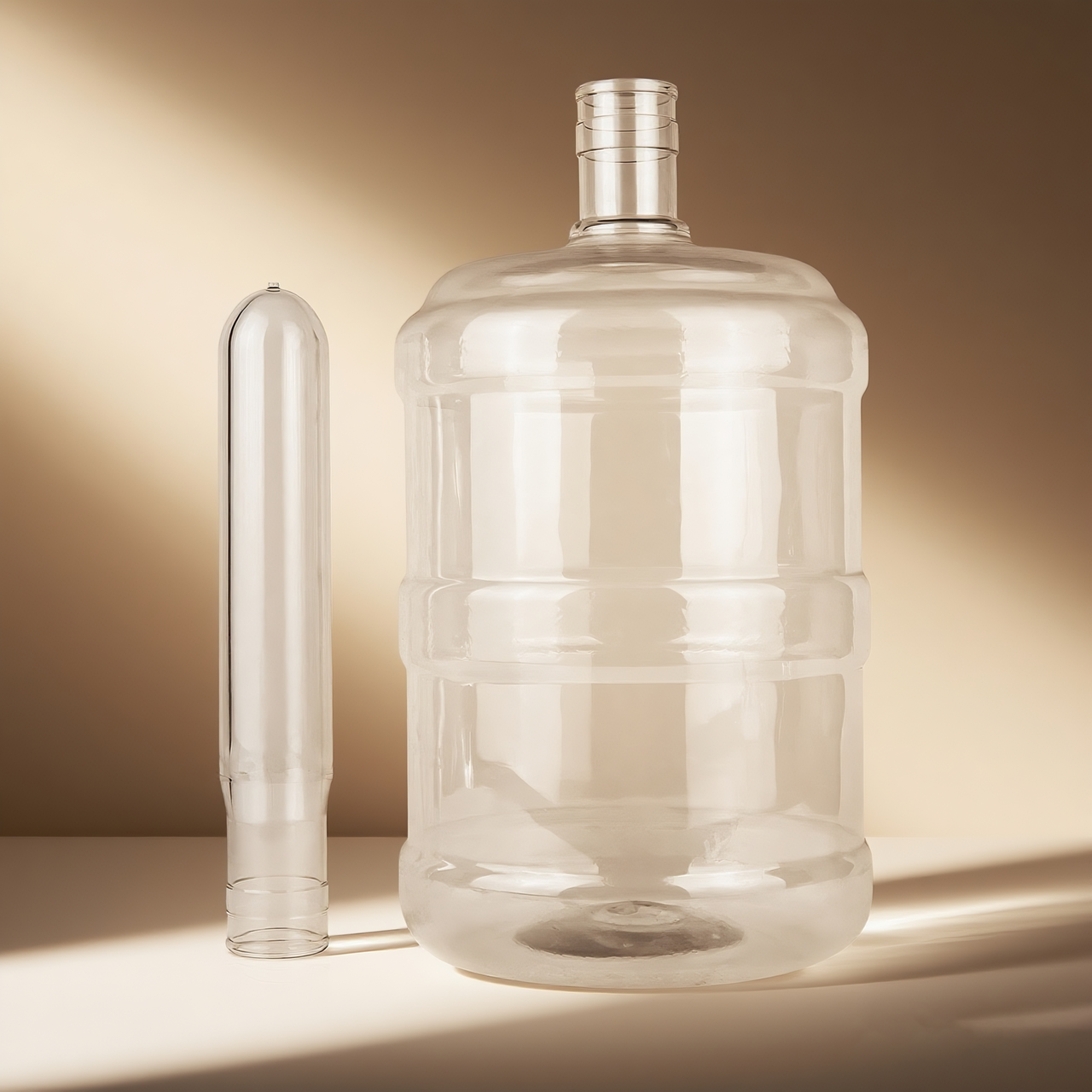
Mga Pisikal na Dimensyon at mga Espesipikasyon ng Timbang
Mga Kinakailangan sa Kabuuang Haba at Diameter
Ang karaniwang 5-gallon na PET preform ay may kabuuang haba na nasa pagitan ng 190 mm hanggang 210 mm, kung saan ang tiyak na kontrol sa dimensyon ay mahalaga para sa pare-parehong resulta sa proseso ng blow molding. Ang diameter ng preform ay karaniwang nasa pagitan ng 22 mm hanggang 25 mm sa bahagi ng katawan, na nagpapagarantiya sa pantay na distribusyon ng kapal ng pader habang isinasagawa ang proseso ng pagbibilad (stretching). Ang mga parameter na ito sa dimensyon ay direktang nakaaapekto sa integridad ng istruktura at sa katumpakan ng kapasidad ng panghuling bote sa mga operasyon ng industriyal na planta ng tubig.
Ang mga aplikasyon sa industriya ay nangangailangan ng mahigpit na pagsunod sa mga toleransya sa dimensyon, karaniwang loob ng ±0,2 mm para sa haba at ±0,1 mm para sa mga sukat ng diameter. Ang kumpiyansa sa tiyak na sukat na ito ay nagpapabawal sa mga isyu tulad ng hindi pantay na kapal ng pader, pagkakaiba-iba sa kapasidad, o mga problema sa pagkakasundo sa mga awtomatikong sistema ng paghahandle na karaniwang ginagamit sa malalaking pasilidad ng pagbubotelya ng tubig.
Pamamahagi ng Timbang at Pagkakaloob ng Materyales
Ang isang maayos na idisenyo na 5-gallon na PET preform ay karaniwang may timbang na 650 hanggang 750 gramo, kung saan ang pamamahagi ng timbang ay optimizado upang matiyak ang sapat na pagkakaroon ng materyales sa buong proseso ng blow molding. Ang bahagi ng leeg ay naglalaman ng humigit-kumulang 15–20% ng kabuuang timbang ng preform, samantalang ang bahagi ng katawan ang sumasakop sa natitirang pagkakaloob ng materyales. Ang pattern ng pamamahaging ito ay nagpapagarantiya ng sapat na daloy ng materyales patungo sa mga kritikal na punto ng stress sa natapos na bote.
Ang pagkakapareho ng timbang sa bawat batch ng produksyon ay nananatiling mahalaga para sa mga planta ng tubig na pang-industriya, dahil ang anumang pagkakaiba-iba ay maaaring magdulot ng hindi pare-parehong pagganap ng bote, pagkakaiba sa kapasidad, o pagtaas ng porsyento ng mga napagpabayaan sa inspeksyon ng kontrol ng kalidad.
Mga Tukoy sa Huling Bahagi ng Leeg at mga Panulok
Mga Pamantayang Konpigurasyon ng Leeg
Ang huling bahagi ng leeg ng isang 5-gallon na PET preform ay sumusunod sa mga pamantayan ng industriya, kung saan ang pinakakaraniwang huling bahagi ng leeg para sa mga aplikasyon ng tubig na pang-industriya ay ang 55mm. Ang konpigurasyong ito ay kasama ang tiyak na distansya ng panulok (thread pitch), lalim ng panulok (thread depth), at mga sukat ng ibabaw na nagse-seal upang matiyak ang kakayahang magkasya sa mga karaniwang takip na ginagamit sa buong industriya ng distribusyon ng tubig. Ang huling bahagi ng leeg ay direktang nakaaapekto sa kinakailangang torque ng takip at sa integridad ng seal habang inililipat at iniimbak ang produkto.
Ang mga pagtukoy sa panulad ay kasali ang distansya ng panulad na 4.233 mm na may lalim ng panulad mula 1.0 mm hanggang 1.2 mm, na nagbibigay ng ligtas na pagkakabit para sa takip habang pinapadali ang pagbukas nito ng mga tagagamit. Ang ibabaw ng pang-seal ay nananatiling makinis na may kaunting kabuhol ng ibabaw upang matiyak ang pinakamainam na pag-compress ng gasket at maiwasan ang pagtagas sa mga aplikasyon sa industriya.
Ebidensya ng Pagkakasira at Mga Katangian ng Kaligtasan
Ang mga preform na PET na may kapasidad na 5 galon na antas-industriya ay may kasamang mga katangian na nagpapakita ng pagkakasira sa disenyo ng leeg, kabilang ang mga tiyak na pattern ng grooves at mga kinakailangan sa sukat na sumusuporta sa iba’t ibang sistema ng takip na may ebidensya ng pagkakasira. Ang mga katangiang ito ay tumutulong na mapanatili ang integridad ng produkto sa buong chain ng distribusyon at nagbibigay ng visual na kumpirmasyon ng kaligtasan ng pakete sa mga tagagamit.
Ang mga konsiderasyon sa kaligtasan ay kasama ang mga bilog na gilid at malag smooth na transisyon sa buong rehiyon ng leeg upang maiwasan ang pinsala habang hinahawakan at bawasan ang mga pook ng stress concentration na maaaring magdulot ng maagang pagkabigo. Ang finishing ng leeg ay naglalaman din ng mga katangian para sa paghawak na nakakatulong sa awtomatikong proseso sa mga mataas na bilis na industriyal na linya ng pagpupuno ng bote.
Baitang ng Materyal at Pamantayan sa Pagganap
Mga Tiyak na Paglalarawan ng PET Resin
Ang mga planta ng tubig sa industriya ay nangangailangan ng 5-gallon na PET preform na ginawa mula sa bagong PET resin na sumusunod sa tiyak na mga kinakailangan sa intrinsic viscosity (IV), na karaniwang nasa hanay na 0.80 hanggang 0.84 dl/g. Ang nasabing IV range ay nagbibigay ng optimal na mga katangian sa proseso habang ginagawa ang injection molding at susunod na blow molding, na nagsisigurado ng pare-parehong pagganap ng materyal sa iba’t ibang kondisyon ng produksyon.
Ang PET resin ay dapat sumunod sa mga regulasyon ng FDA para sa mga aplikasyong may direktang kontak sa pagkain, na nangangailangan ng sertipikasyon ng mga pakete ng additive, mga sistema ng kulay, at mga tulong sa proseso na ginagamit sa paggawa ng preform. Ang mga aplikasyon sa industriya ay kadalasang nagtatakda ng karagdagang mga kinakailangan para sa resistensya sa UV, kabilang ang compatibility sa kemikal at katatagan sa mahabang panahon sa imbakan upang tupdin ang mga tiyak na pangangailangan sa operasyon.
Mga Kailangan sa Mekanikal na Katangian
Ang isang 5-gallon na PET preform ay dapat magpakita ng mga tiyak na mekanikal na katangian kabilang ang lakas ng paghila, mga katangian ng paglalawig, at mga halaga ng resistensya sa impact na nagsisiguro ng maaasahang pagganap habang ginagawa ang blow molding at sa susunod na buhay ng serbisyo. Karaniwang lumalampas sa 55 MPa ang lakas ng paghila, samantalang nananatili ang paglalawig sa pagputol sa itaas ng 100% upang magbigay ng sapat na kakayahang umunat habang binubuo ang bote.
Tinitiyak ng mga ispesipikasyon ng resistensya sa impact na kayang tiisin ng mga preform ang mga stress sa paghawak na nararanasan sa mga automated na kapaligiran ng produksyon nang walang pagbibitak o pinsala sa istruktura. Direktang naiimpluwensyahan ng mga katangiang ito ang kakayahan ng huling bote na tiisin ang mga stress sa transportasyon, mga stacking load, at mga puwersa sa paghawak na karaniwan sa mga operasyon ng pamamahagi ng tubig sa industriya.
Mga Parameter sa Kontrol ng Kalidad at Pagsusuri
Mga Kinakailangan sa Pagsusuri ng Sukat
Ang mga protokol sa kontrol ng kalidad para sa 5-gallon na PET preform ay kasama ang komprehensibong inspeksyon ng mga sukat na sumasaklaw sa haba, diameter, distribusyon ng kapal ng pader, at katiyakan ng hugis ng leeg. Ang mga awtomatikong sistema ng inspeksyon ay karaniwang sinusukat ang mga parameter na ito gamit ang mga de-kalidad na kagamitan sa pagsukat na may kakayahang tukuyin ang mga pagkakaiba sa loob ng mga itinakdang saklaw ng toleransya.
Ang pagsukat ng kapal ng pader ay nananatiling mahalaga upang matiyak ang pantay na pagkakabahagi ng materyal, na karaniwang pinapanatili ang mga pagbabago sa kapal sa loob ng ±10% ng nominal na halaga sa buong katawan ng preform. Ang konsistensyang ito ay direktang nakaaapekto sa pagganap ng blow molding at sa kalidad ng panghuling bote sa mga industriyal na kapaligiran ng produksyon.
Mga Pamantayan sa Pagsubok ng Pagganap
Ang mga industriyal na planta ng tubig ay nangangailangan na ang mga PET preform na may laki na 5 galon ay dumaan sa mga tiyak na pagsubok sa pagganap, kabilang ang pagsubok sa burst pressure, environmental stress crack resistance (ESCR), at pagtataya sa thermal stability. Ang mga pagsubok na ito ay nagpapatunay sa kakayahan ng preform na mag-produce ng mga bote na kayang tumagal sa mga operasyonal na stress na kinakaharap sa panahon ng pagpuno, pagkapsula, transportasyon, at imbakan.
Ang pagsubok sa presyon ng pagsabog ay kadalasang nangangailangan na ang mga natapos na bote ay kayang tumagal ng presyon na lampas sa 150 psi nang walang kabiguan, samantalang ang pagsubok sa ESCR ay nagtataya ng pangmatagalang pagganap sa ilalim ng mga kondisyon ng pagkakalantad sa kemikal. Ang pagsubok sa katatagan sa init ay nagpapatitiyak ng pare-parehong pagganap sa iba’t ibang antas ng temperatura na nararanasan sa mga kapaligiran ng industriyal na imbakan at distribusyon.
Kakayahang Mag-produce at mga Kinakailangang Proseso
Kakatayuan sa Makina ng Blow Molding
Ang mga teknikal na tukoy ng isang 5-gallon na PET preform ay dapat sumunod sa mga tiyak na kakayahan ng kagamitan sa blow molding na karaniwang ginagamit sa mga planta ng tubig sa industriya. Kasali rito ang pagkakatugma ng sistema ng paglo-load ng preform, mga kinakailangan sa profile ng pag-init, at ang pagkakatugma ng sukat ng stretch rod upang matiyak ang optimal na kahusayan sa produksyon at pare-parehong kalidad ng bote.
Ang mga parameter sa pagpaproseso tulad ng oras ng pag-init, oras ng pagbaba, at mga kinakailangan sa presyon ng hangin ay direktang naaapektuhan ng mga espesipikasyon ng preform kabilang ang distribusyon ng kapal ng pader, antas ng materyal, at kabuuang heometriya. Ang mga operasyon sa industriya ay nangangailangan ng mga preform na idinisenyo upang gumana sa loob ng mga itinatag na window ng pagpaproseso na panatilihin ang mataas na bilis ng produksyon habang tiyakin ang pare-parehong kalidad ng output.
Mga Konsiderasyon sa Ototomasyon at Pagmamanipula
Ang produksyon sa sukat ng industriya ay nangangailangan na ang mga PET preform na may laki na 5 galon ay magkaroon ng mga tiyak na katangian sa pagmamanipula na sumusuporta sa mga awtomatikong sistema ng pagdadala, pag-o-orient, at paglo-load. Kasali rito ang mga kinakailangan sa surface finish, pagkakapareho ng dimensyon, at integridad ng istruktura na kinakailangan para sa awtomatikong pagpaproseso sa mataas na bilis nang walang problema sa pagkakablock o pagkawala ng alignment.
Preform ang mga teknikal na tukoy sa disenyo ay dapat sumasakop sa mga awtomatikong sistema ng pagsusuri ng kalidad, na nangangailangan ng pare-parehong mga katangian sa optical, kondisyon ng ibabaw, at pagkakapareho ng sukat upang matiyak ang maaasahang pagtukoy sa mga depekto at pagtanggi sa mga yunit na hindi sumusunod sa pamantayan habang nagaganap ang produksyon.
Mga Madalas Itanong
Ano ang karaniwang saklaw ng timbang para sa isang 5-gallon na PET preform na ginagamit sa mga industriyal na aplikasyon?
Ang mga industriyal na 5-gallon na PET preform ay karaniwang may timbang na 650 hanggang 750 gramo, kung saan ang mga toleransya sa paggawa ay pinapanatili sa loob ng ±5 gramo upang mapanatili ang pagkakapareho sa produksyon. Ang saklaw ng timbang na ito ay nagsisiguro ng sapat na distribusyon ng materyal para sa blow molding habang pinananatili ang kahusayan sa gastos sa malalaking operasyon.
Paano nakaaapekto ang mga teknikal na tukoy sa leeg (neck finish) sa kakayahang magkasya ng takip (closure) sa industriyal na pagpupuno ng tubig sa bote?
Ang pamantayang 55mm na neck finish na may 4.233mm na thread pitch ay nagsisiguro ng pagkakabagay sa mga karaniwang closure na ginagamit sa komersyal na distribusyon ng tubig. Ang eksaktong dimensyon ng threading at ang mga tukoy na sukat ng sealing surface ay direktang nakaaapekto sa kinakailangang closure torque at sa kakayahang pigilan ang paninilip sa mga closure habang isinasakay at inilalagay sa imbakan.
Anong mga kinakailangan sa antas ng materyal ang dapat tuparin ng mga 5-gallon na PET preform para sa mga aplikasyon ng tubig sa industriya?
Ang mga preform para sa planta ng tubig sa industriya ay nangangailangan ng bago (virgin) na PET resin na may intrinsic viscosity na nasa pagitan ng 0.80 at 0.84 dl/g, na sumusunod sa mga regulasyon ng FDA para sa food contact. Dapat ipakita ng materyal ang tiyak na mekanikal na katangian, kabilang ang tensile strength na lampas sa 55 MPa at elongation na higit sa 100% upang matiyak ang maaasahang performance sa blow molding.
Paano nakaaapekto ang mga dimensional tolerance sa kahusayan ng produksyon sa mga planta ng tubig sa industriya?
Ang mga toleransya sa dimensyon na nasa loob ng ±0.2 mm para sa haba at ±0.1 mm para sa diameter ay mahalaga upang makamit ang pare-parehong mga resulta sa blow molding at ang pagkakasintulad sa mga awtomatikong sistema ng paghawak. Ang mga kailangang kahalagahan sa katiyakan na ito ay nagpipigil sa mga pagbabago sa kapasidad, binabawasan ang mga rate ng pagtanggi, at tinitiyak ang maaasahang pagganap sa mataas-na-bilis na mga kapaligiran ng pang-industriyang produksyon.
Talaan ng mga Nilalaman
- Mga Pisikal na Dimensyon at mga Espesipikasyon ng Timbang
- Mga Tukoy sa Huling Bahagi ng Leeg at mga Panulok
- Baitang ng Materyal at Pamantayan sa Pagganap
- Mga Parameter sa Kontrol ng Kalidad at Pagsusuri
- Kakayahang Mag-produce at mga Kinakailangang Proseso
-
Mga Madalas Itanong
- Ano ang karaniwang saklaw ng timbang para sa isang 5-gallon na PET preform na ginagamit sa mga industriyal na aplikasyon?
- Paano nakaaapekto ang mga teknikal na tukoy sa leeg (neck finish) sa kakayahang magkasya ng takip (closure) sa industriyal na pagpupuno ng tubig sa bote?
- Anong mga kinakailangan sa antas ng materyal ang dapat tuparin ng mga 5-gallon na PET preform para sa mga aplikasyon ng tubig sa industriya?
- Paano nakaaapekto ang mga dimensional tolerance sa kahusayan ng produksyon sa mga planta ng tubig sa industriya?
