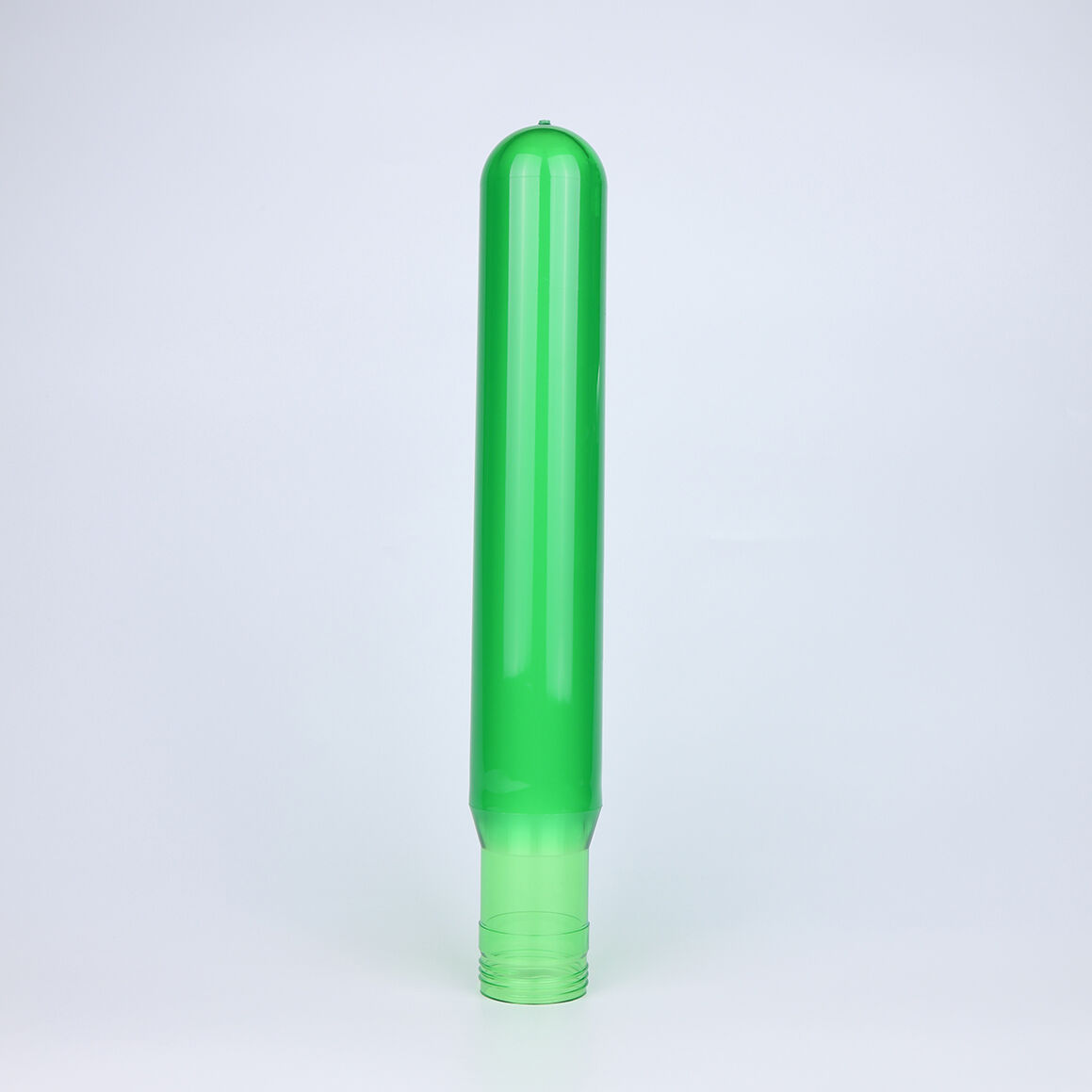
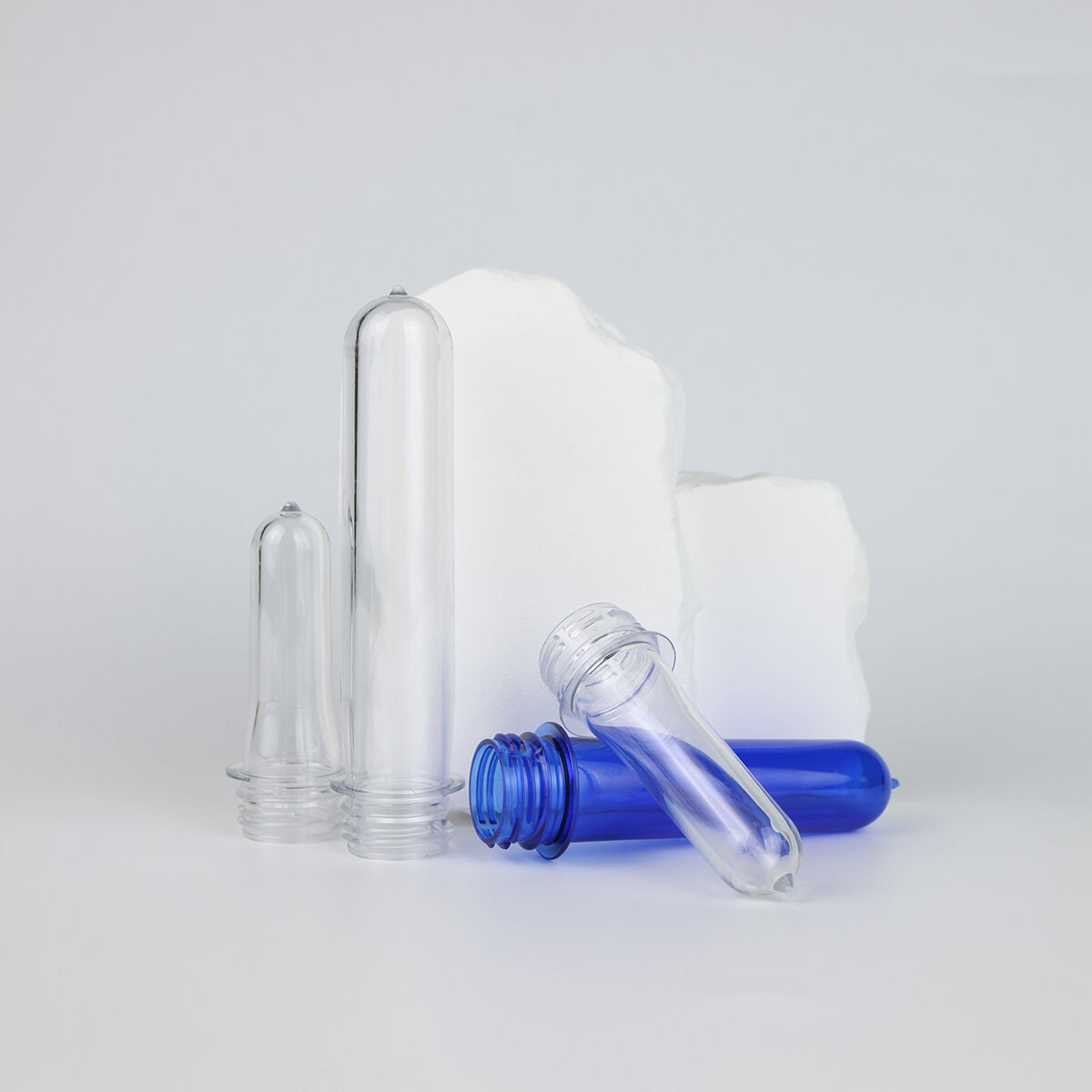
plastic preforms
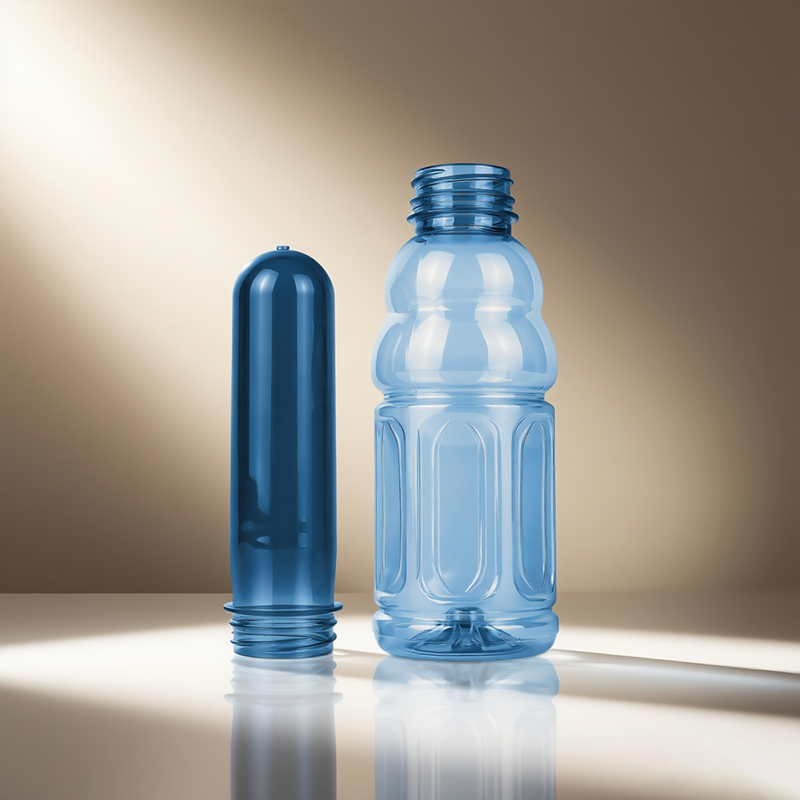
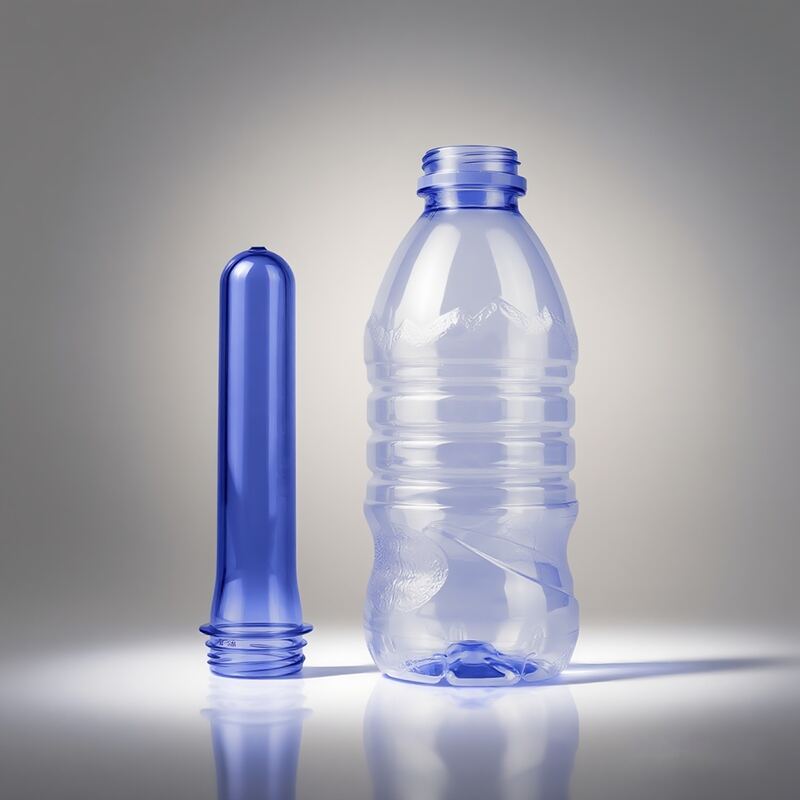
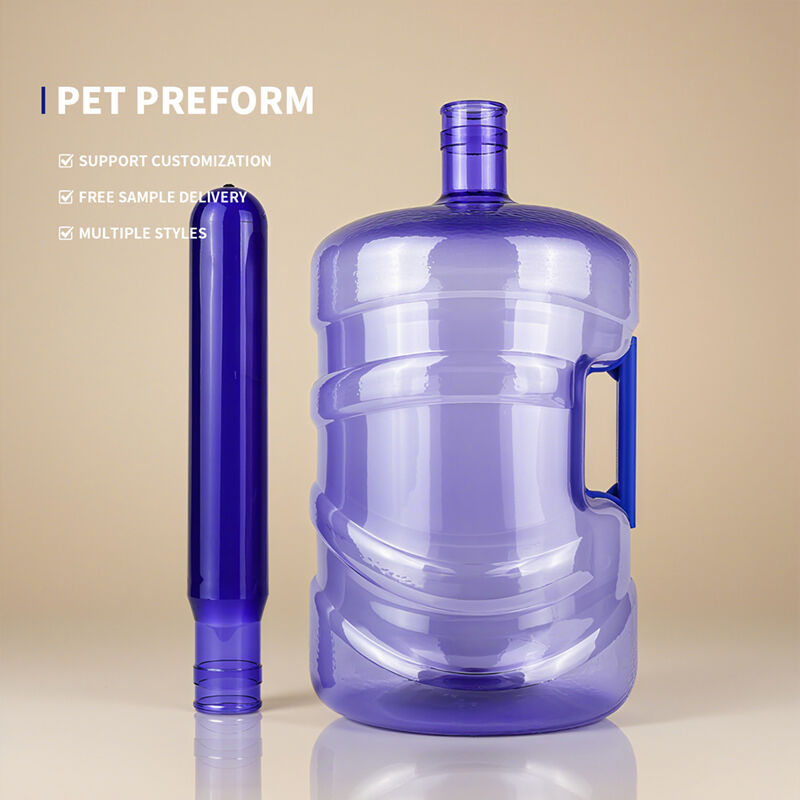
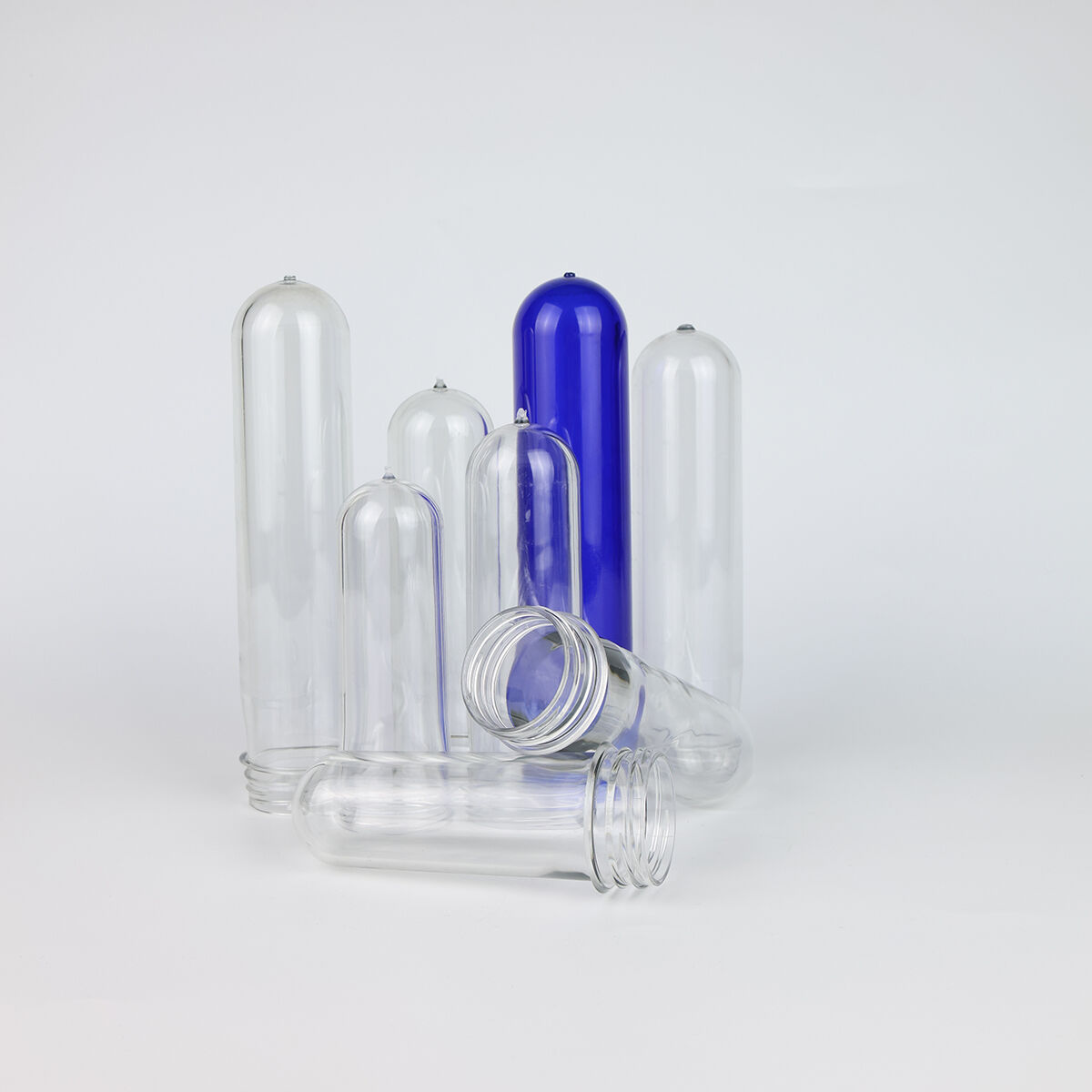
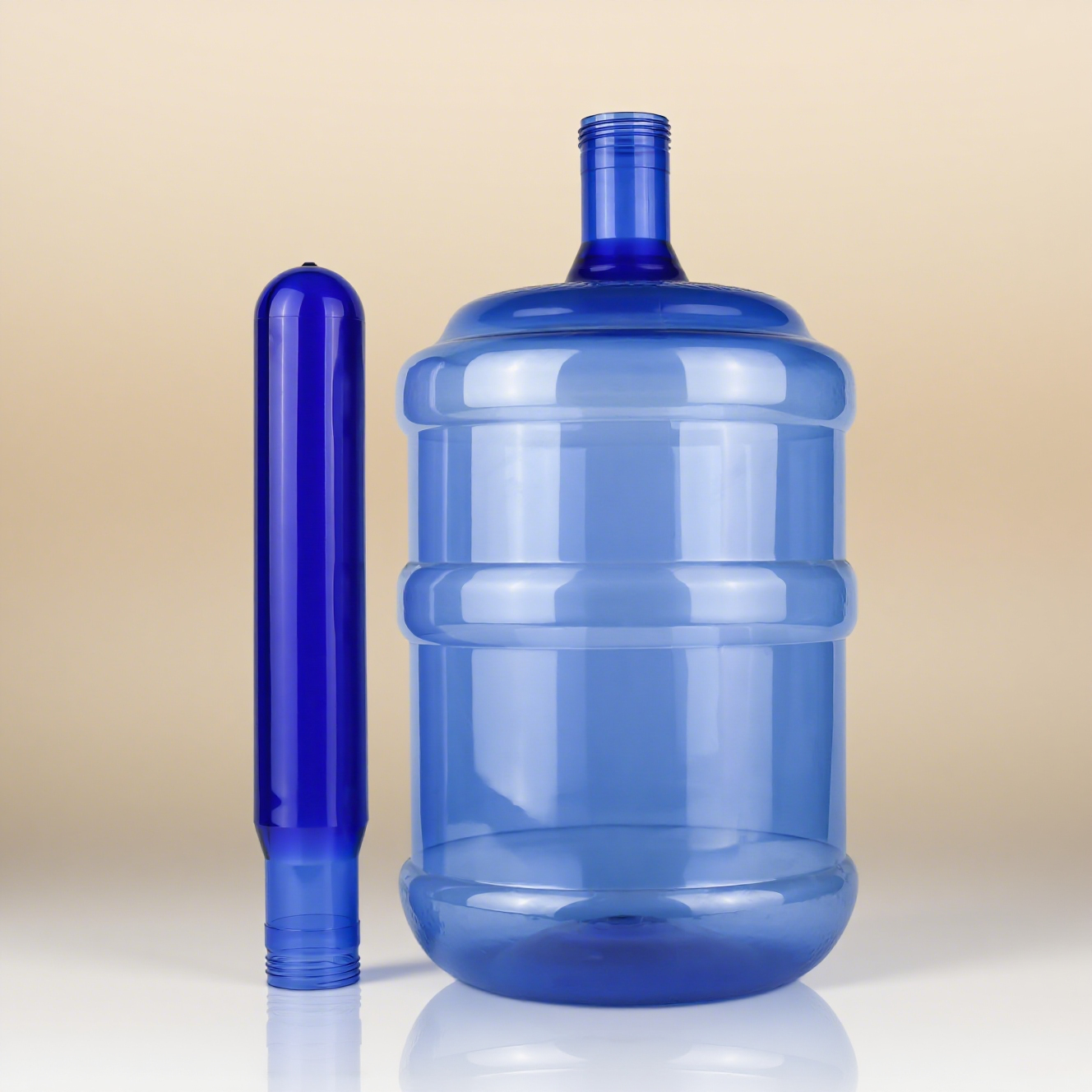
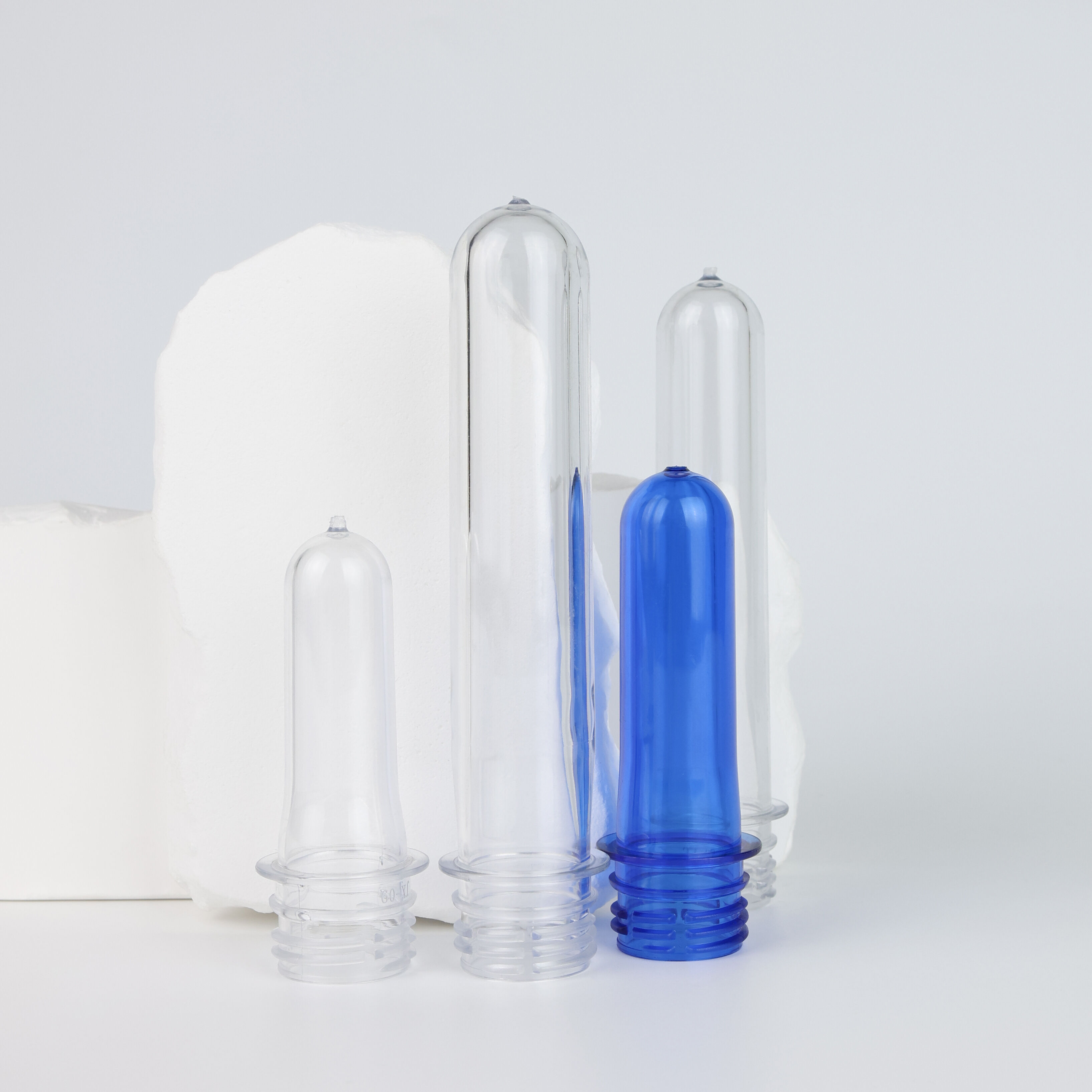
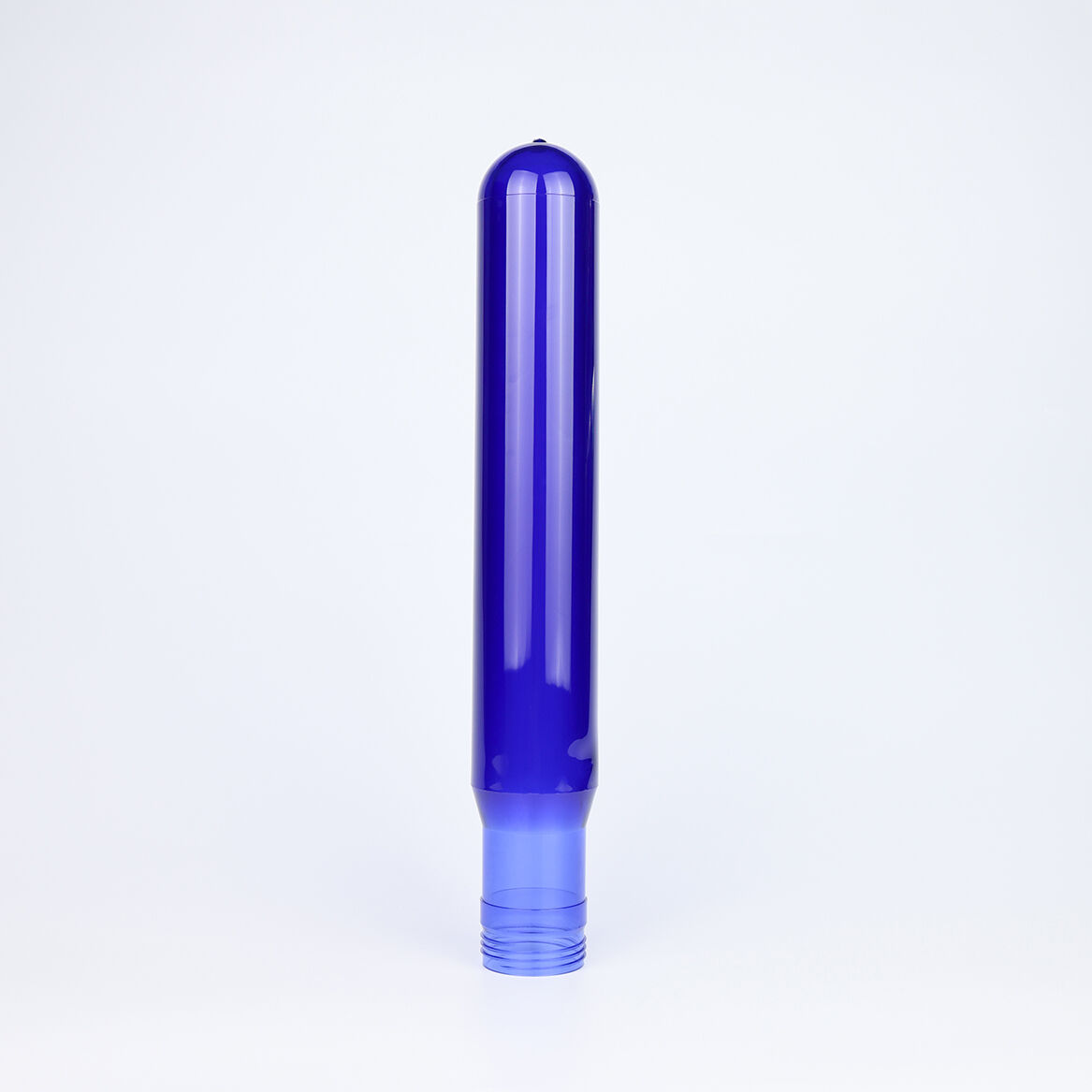
Plastic preforms are precisely engineered intermediate products that serve as the foundation for manufacturing PET bottles and containers through stretch blow molding processes. These tubular components feature a threaded neck finish and a closed bottom, designed to be heated and expanded into final bottle shapes. Plastic preforms are manufactured using injection molding technology, where molten polyethylene terephthalate resin is injected into precision molds to create uniform, high-quality pieces. The standardized neck finish ensures compatibility with various closures and caps, while the body section is specifically designed for optimal stretch ratios during the blow molding transformation. These components play a critical role in the beverage, food, pharmaceutical, and personal care industries, where lightweight yet durable packaging solutions are essential. Plastic preforms offer manufacturers significant flexibility in bottle design, allowing customization in wall thickness, color, capacity, and finish types to meet specific product requirements. The manufacturing process ensures consistent quality, dimensional accuracy, and structural integrity across large production volumes. Modern plastic preforms incorporate advanced material formulations that provide excellent barrier properties against oxygen, moisture, and UV light, preserving product freshness and extending shelf life. Their compact size before expansion significantly reduces transportation and storage costs compared to finished bottles, making them an economically efficient choice for beverage producers and packaging companies worldwide. As sustainable packaging gains importance, plastic preforms support recycling initiatives through single-material construction that facilitates recovery and reprocessing into new products.
 EN
EN