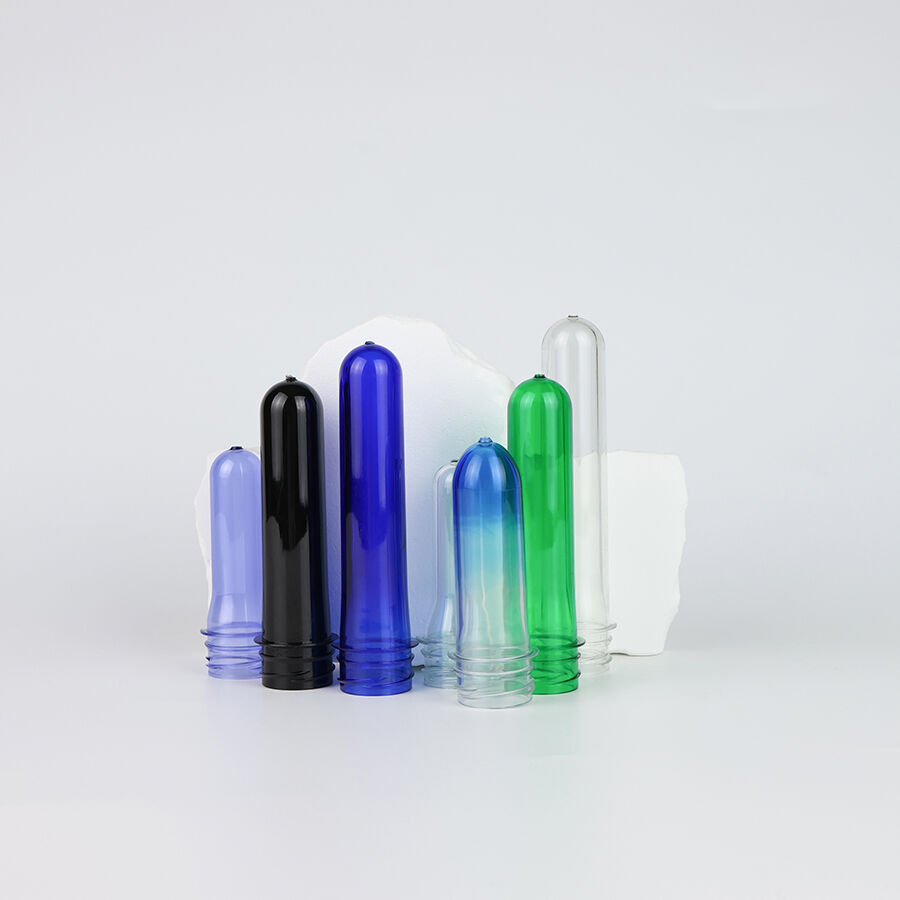
preforms international standards
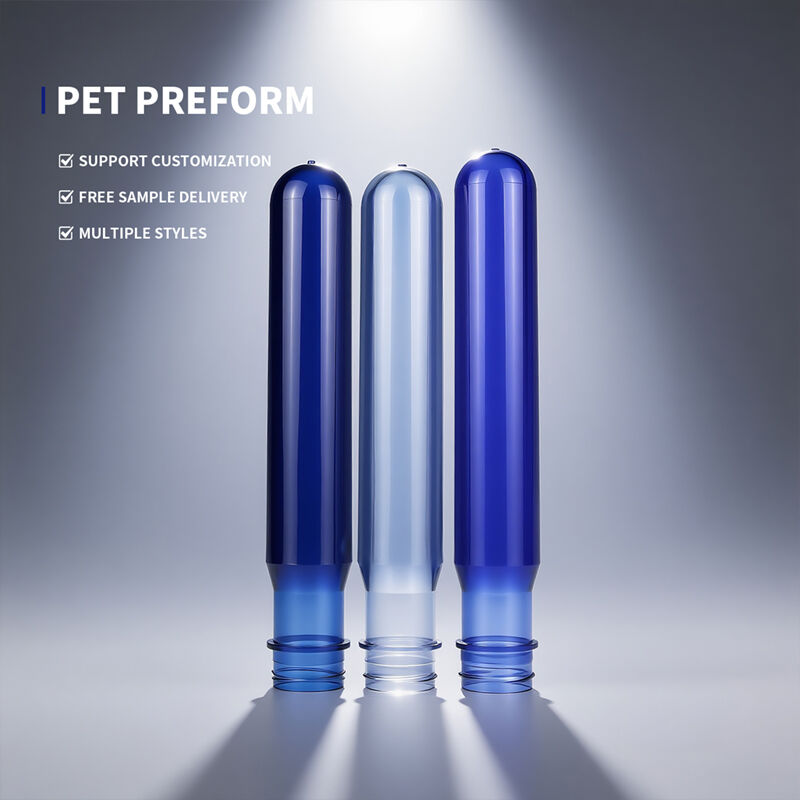
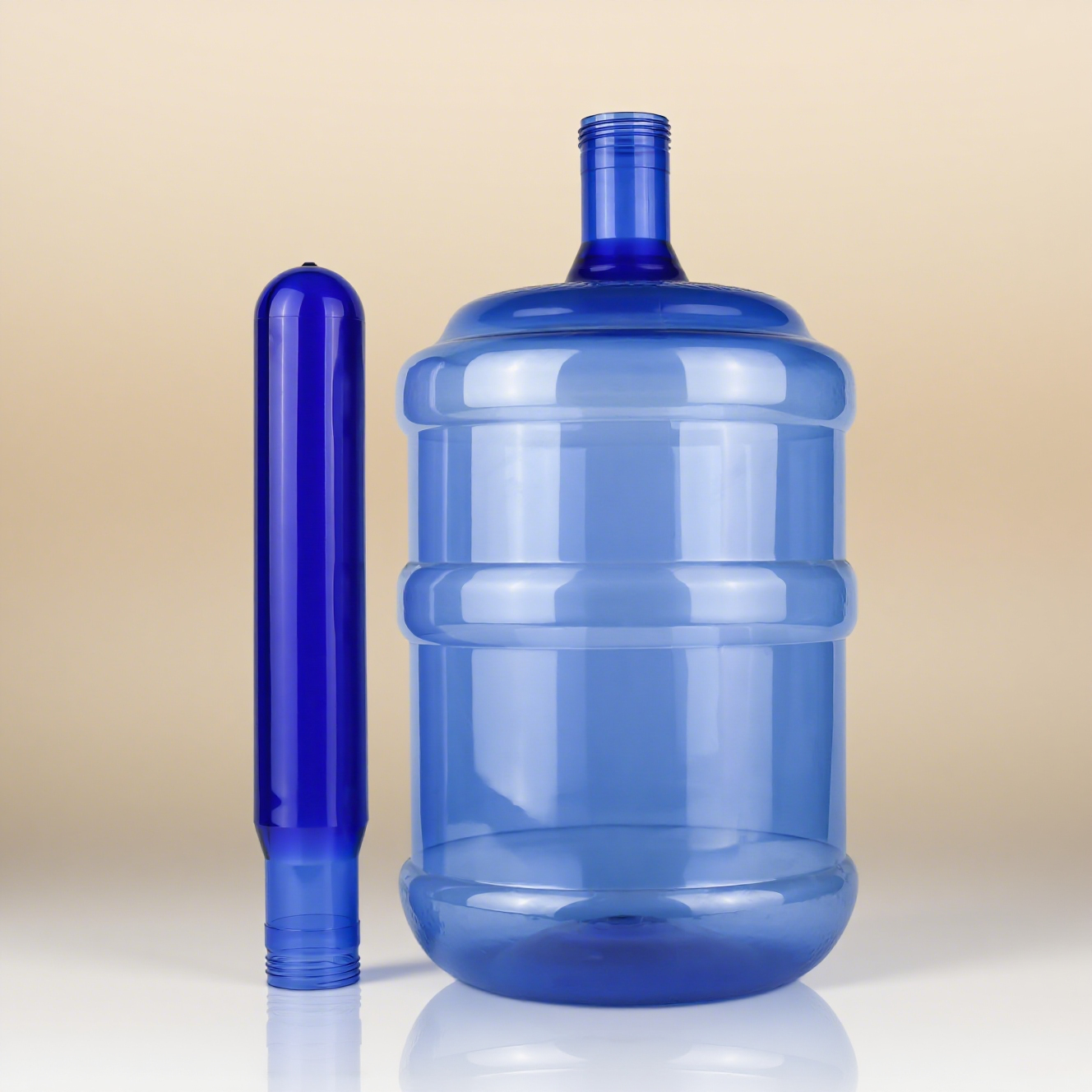
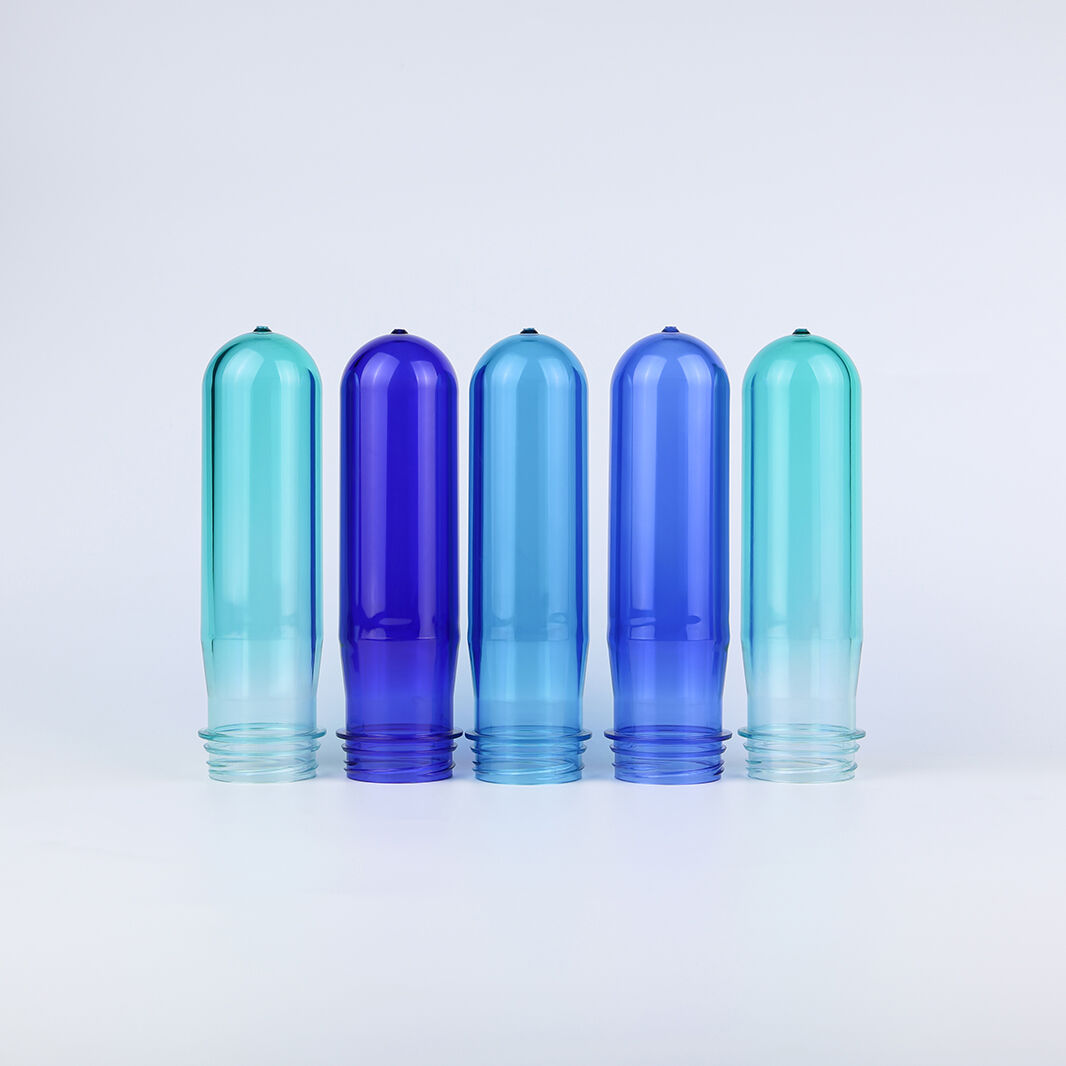
Preforms international standards represent a comprehensive framework of specifications that govern the manufacturing, quality control, and performance requirements for PET preforms used in bottle production worldwide. These standards establish uniform criteria for dimensions, material properties, thermal characteristics, and production processes to ensure consistent quality across global supply chains. The preforms international standards encompass critical aspects including wall thickness distribution, neck finish specifications, gate design parameters, and crystallinity levels that directly impact final container performance. Organizations such as ISO, ASTM, and ISBT have developed these standardized guidelines to facilitate international trade, reduce production variability, and guarantee end-product safety. Manufacturers adhering to preforms international standards benefit from streamlined quality assurance protocols, reduced rejection rates, and enhanced compatibility with blow molding equipment from different suppliers. These standards address material composition requirements, specifying virgin PET resin properties, acceptable recycled content percentages, and additive limitations to maintain food-grade safety compliance. Testing methodologies outlined in preforms international standards include acetaldehyde content measurement, intrinsic viscosity testing, and dimensional verification procedures that enable objective quality assessment. The technological framework provided by these standards supports innovation while maintaining baseline performance expectations, allowing manufacturers to optimize production efficiency without compromising product integrity. Applications span beverage packaging, pharmaceutical containers, personal care products, and food storage solutions where consistency and safety are paramount considerations for brand owners and consumers alike.
 EN
EN