 EN
EN

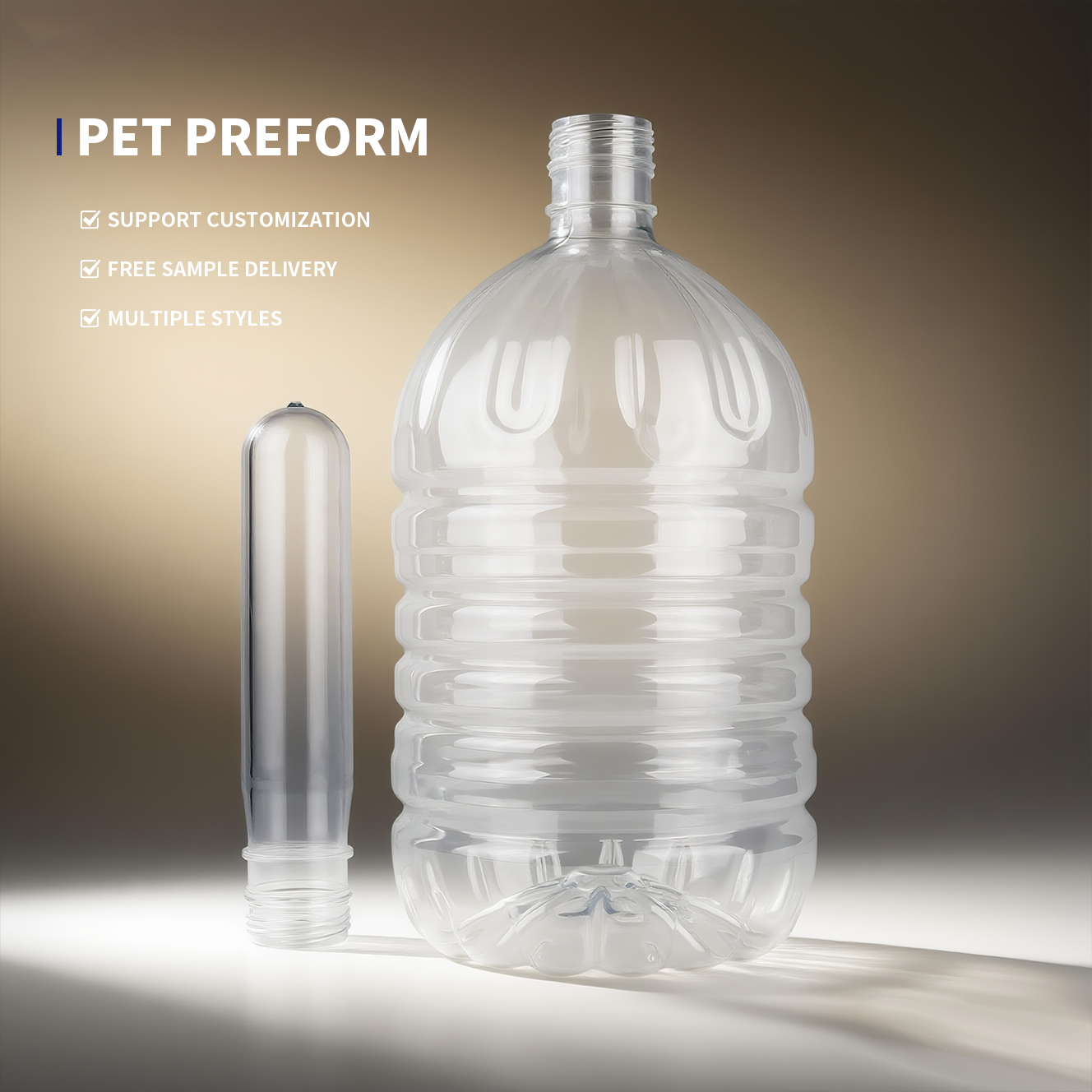
Understanding PET bottle preform specifications is essential for beverage manufacturers, water producers, and packaging professionals who need to select the right preforms for their production lines. PET bottle preform specifications determine everything from the final bottle shape and capacity to shelf appeal and material efficiency. These specifications include critical measurements such as gate diameter, preform weight, neck finish dimensions, and the degree of crystallinity that affects both the manufacturing process and the end-product performance. Getting PET bottle preform specifications right ensures compatibility with your existing injection molding equipment, reduces waste during the stretch-blow molding process, and ultimately delivers bottles that meet consumer expectations and regulatory standards.
The beverage and water packaging industry relies heavily on standardized PET bottle preform specifications to maintain consistency across global supply chains. Whether you are launching a new product line, optimizing existing operations, or evaluating supplier proposals, PET bottle preform specifications serve as the technical foundation for your entire packaging strategy. This guide explores the key dimensions, material properties, and quality metrics that define industry-leading PET bottle preform specifications, helping you make informed decisions about your packaging investment.
Core Dimensions and Weight Requirements
Understanding Preform Geometry
PET bottle preform specifications begin with precise dimensional requirements that ensure compatibility with molding equipment and final bottle performance. The gate diameter is a primary specification, typically ranging from 3.0 to 4.0 millimeters for standard water and beverage applications. The neck finish diameter, usually 25 or 28 millimeters, connects the preform to the bottle cap system and must align exactly with your closure supplier's specifications. PET bottle preform specifications also define the preform length, body diameter, and wall thickness, all of which influence how material distributes during the stretch-blow molding process.
Weight and Material Optimization
Preform weight is one of the most directly measurable aspects of PET bottle preform specifications. For mineral water and standard beverages, preform weights typically range from 13 to 55 grams, depending on final bottle volume and wall thickness requirements. PET bottle preform specifications help manufacturers achieve the delicate balance between material cost reduction and structural integrity. Lighter preforms reduce material consumption and shipping costs, while heavier preforms provide greater rigidity and pressure resistance for carbonated beverages. Establishing precise weight targets within your PET bottle preform specifications directly impacts both profitability and quality consistency.
Material Grade and Food Safety Standards
Virgin PET and Food-Grade Compliance
All PET bottle preform specifications for water and beverage applications must specify 100 percent virgin, food-grade polyethylene terephthalate material. This requirement ensures that no contaminants, degraded polymers, or recycled material compromise the safety or sensory properties of the packaged product. Food-grade PET in your preform specifications meets or exceeds stringent regulatory frameworks including FDA requirements in the United States, EU food contact materials regulations, and similar standards in other regions. The material grade within your PET bottle preform specifications directly affects the preform's clarity, brittleness temperature, and long-term stability during storage.
Crystallinity and Thermal Properties
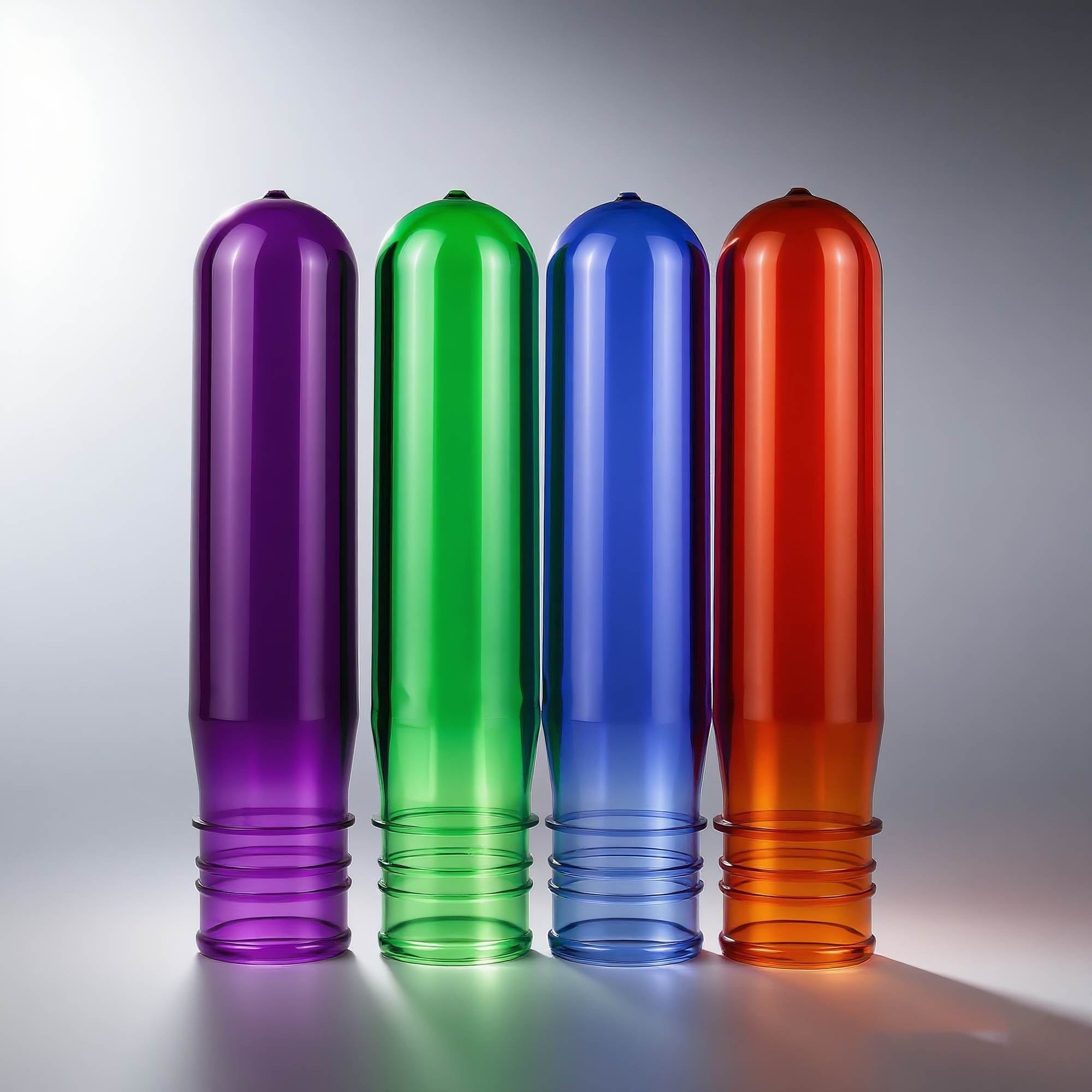
PET bottle preform specifications must address the degree of crystallinity, which influences the preform's thermal stability and performance during the stretch-blow molding process. Amorphous preforms have lower crystallinity and greater flexibility during molding, while semi-crystalline preforms offer improved barrier properties and shelf-life performance. Your PET bottle preform specifications should define the target crystallinity range, typically 5 to 15 percent for standard water bottle applications, to ensure optimal mold filling and post-blow cooling rates. The crystallinity level specified in your PET bottle preform specifications also affects how the final bottle ages under UV exposure and thermal stress conditions.
Quality Control and Process Parameters
Dimensional Tolerances and Consistency
Effective PET bottle preform specifications include explicit tolerance ranges for every critical dimension, ensuring that each preform delivered meets your production requirements. Gate diameter tolerances are typically held within ±0.05 millimeters, while preform weight tolerances generally fall within ±1 to 2 percent of the target specification. Your PET bottle preform specifications should define acceptable variation ranges for neck finish dimensions, body roundness, and surface finish to minimize sorting or rework at your production facility. Tighter PET bottle preform specifications reduce downstream quality issues and improve your overall equipment effectiveness across the entire packaging line.
Mold Design and Equipment Compatibility
PET bottle preform specifications must align with the specific capabilities and limitations of your injection molding equipment and blow-molding machinery. The gate design, cooling channels, and ejection pins specified in your preform mold are all derived from the fundamental PET bottle preform specifications that define the target product. Modern PET bottle preform specifications often reference ISO standards and industry guidelines that standardize common preform designs, simplifying the transition between supplier facilities or scaling production capacity. When you communicate your PET bottle preform specifications to potential suppliers, ensure that they explicitly confirm compatibility with your downstream equipment to avoid costly production delays or quality issues.
Application Scenarios and Selection Guidance
Water Bottle Applications
For still water and mineral water packaging, PET bottle preform specifications prioritize clarity, lightweight material efficiency, and barrier performance. A typical 500-milliliter water bottle preform specification might target 13 to 18 grams, using 100 percent virgin food-grade PET with minimal crystallinity to achieve excellent optical properties. Your PET bottle preform specifications for water applications should also address UV protection requirements, particularly if your product will be displayed under retail lighting, through material additives or coloration specified in the preform grade definition.
Carbonated Beverage Specifications
Carbonated soft drinks and sparkling beverages demand heavier, more rigid PET bottle preform specifications to withstand internal pressure during packaging and shelf storage. Preform specifications for carbonated applications typically range from 20 to 35 grams for a one-liter bottle, using higher-crystallinity PET material that provides superior pressure resistance and dimensional stability. Your PET bottle preform specifications for carbonated products must also consider the stretch ratio and orientation effects during blow molding, which strengthen the bottle walls and enable thinner wall thickness at the bottle base and shoulder regions.
FAQ
What is the standard weight range for PET bottle preform specifications?
Standard PET bottle preform specifications for water and beverages typically specify preform weights between 13 and 55 grams, with the exact range depending on the final bottle volume, product type, and wall thickness requirements. For 500-milliliter water bottles, preform weights usually fall between 13 and 18 grams. For one-liter carbonated beverage bottles, preform weights typically range from 20 to 35 grams. Your specific PET bottle preform specifications should be based on your production equipment capabilities, cost targets, and the pressure and handling demands of your particular product.
How do PET bottle preform specifications ensure food safety?
PET bottle preform specifications ensure food safety by mandating the use of 100 percent virgin, food-grade polyethylene terephthalate material and establishing compliance with regulatory standards such as FDA guidelines and EU food contact material regulations. All materials used in PET bottle preform specifications must undergo rigorous testing to confirm they do not leach harmful substances into the packaged beverage. Your supplier should provide documentation confirming that every batch of preforms meets the food-grade standards specified in your PET bottle preform specifications and relevant regulatory requirements.
Can PET bottle preform specifications be customized for unique product requirements?
Yes, PET bottle preform specifications can be customized to accommodate unique product requirements, including different neck finishes, specialized barrier coatings, or custom color additives. Custom PET bottle preform specifications may require investment in dedicated injection molding tools and validation testing to confirm compatibility with your existing blow-molding equipment. When developing custom PET bottle preform specifications, work closely with your preform supplier to establish clear technical documentation, tolerance ranges, and quality acceptance criteria that ensure your production line can reliably manufacture the finished bottles without delays or quality deviations.
