 EN
EN

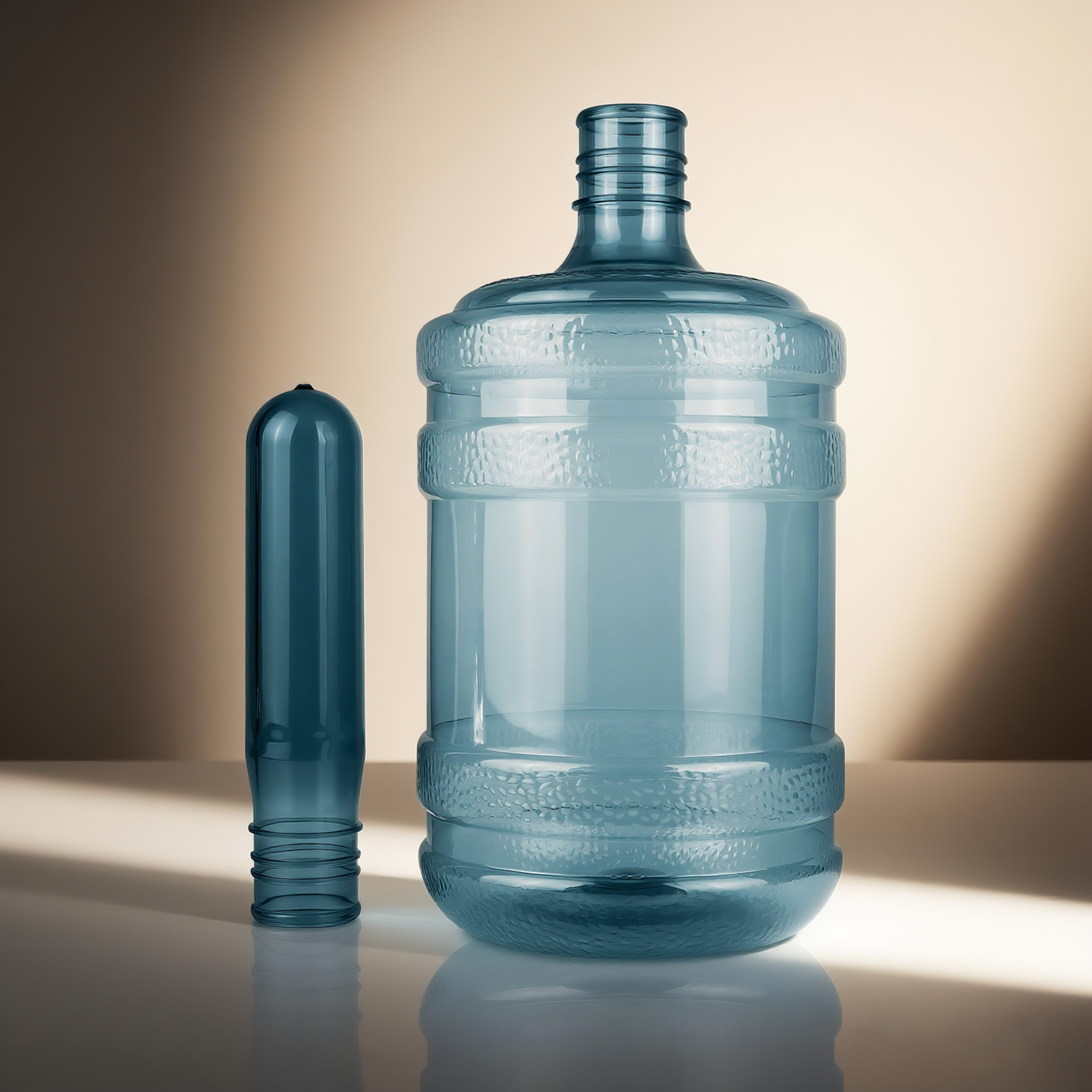
Organizations and households face a critical decision when selecting water delivery systems: should they invest in reusable 5 gallon water bottles or rely on disposable alternatives? This comparison examines the financial, environmental, and operational implications of each approach. Understanding the true cost structure behind 5 gallon water bottles helps businesses make informed decisions that align with budget constraints and sustainability goals. The choice between reusable and disposable 5 gallon water bottles extends beyond initial purchase price and involves depreciation, replacement cycles, handling logistics, and regulatory compliance considerations.
The economics of 5 gallon water bottles depend heavily on usage volume, storage capacity, and operational context. Reusable 5 gallon water bottles require upfront capital investment but provide long-term value through multiple refill cycles. Disposable 5 gallon water bottles eliminate infrastructure requirements but accumulate per-unit costs across numerous replacement cycles. For organizations managing water distribution at scale, understanding these cost drivers transforms how 5 gallon water bottles fit into budgeting and procurement strategies.
Initial Investment and Capital Requirements
Reusable 5 Gallon Water Bottles Capital Costs
Purchasing reusable 5 gallon water bottles represents a significant upfront investment. Durable plastic containers designed for multiple refill cycles typically range from eight to fifteen dollars per unit, depending on material quality, manufacturing standards, and order volume. Organizations planning to maintain five hundred to one thousand reusable 5 gallon water bottles face initial outlays between four thousand and fifteen thousand dollars. This capital requirement creates a barrier to entry for smaller operations but spreads across years of operational use through depreciation schedules. Premium reusable 5 gallon water bottles manufactured from FDA-approved materials and designed for commercial water delivery environments command higher prices but deliver extended service lifecycles and reduced replacement frequency.
Disposable 5 Gallon Water Bottles Entry Barriers
Disposable 5 gallon water bottles present minimal upfront capital requirements. Most suppliers operate on pay-per-bottle delivery models, allowing organizations to begin receiving water service without purchasing container inventory. This operational flexibility appeals to startups, temporary installations, and organizations with uncertain water demand projections. However, the elimination of capital expenditure creates a false economy that obscures accumulating per-unit expenses. When organizations calculate total cost of ownership for disposable 5 gallon water bottles across multiple years, the absence of initial investment often masks significantly higher lifetime expenses compared to reusable alternatives.
Per-Unit Economics and Refill Cycles
Reusable 5 Gallon Water Bottles Lifecycle Economics
Reusable 5 gallon water bottles generate value through repeated refill cycles, typically spanning two hundred to five hundred fills before replacement becomes economically justified. This extended lifecycle substantially reduces per-fill costs. When a reusable 5 gallon water bottle costs twelve dollars and survives three hundred refills, the container cost per fill approximates four cents. Adding refill water costs, typically ranging from one dollar fifty cents to three dollars per gallon depending on source and purification complexity, yields total delivered costs ranging from six to nine dollars per five gallon cycle. Organizations managing high-volume water consumption realize dramatic cost advantages through extended reusable 5 gallon water bottles lifecycles. Maintenance practices directly influence economic performance; organizations implementing proper sanitation, storage, and handling protocols maximize reusable 5 gallon water bottles lifespan and minimize premature replacement expenditures.
Disposable 5 Gallon Water Bottles Per-Unit Pricing
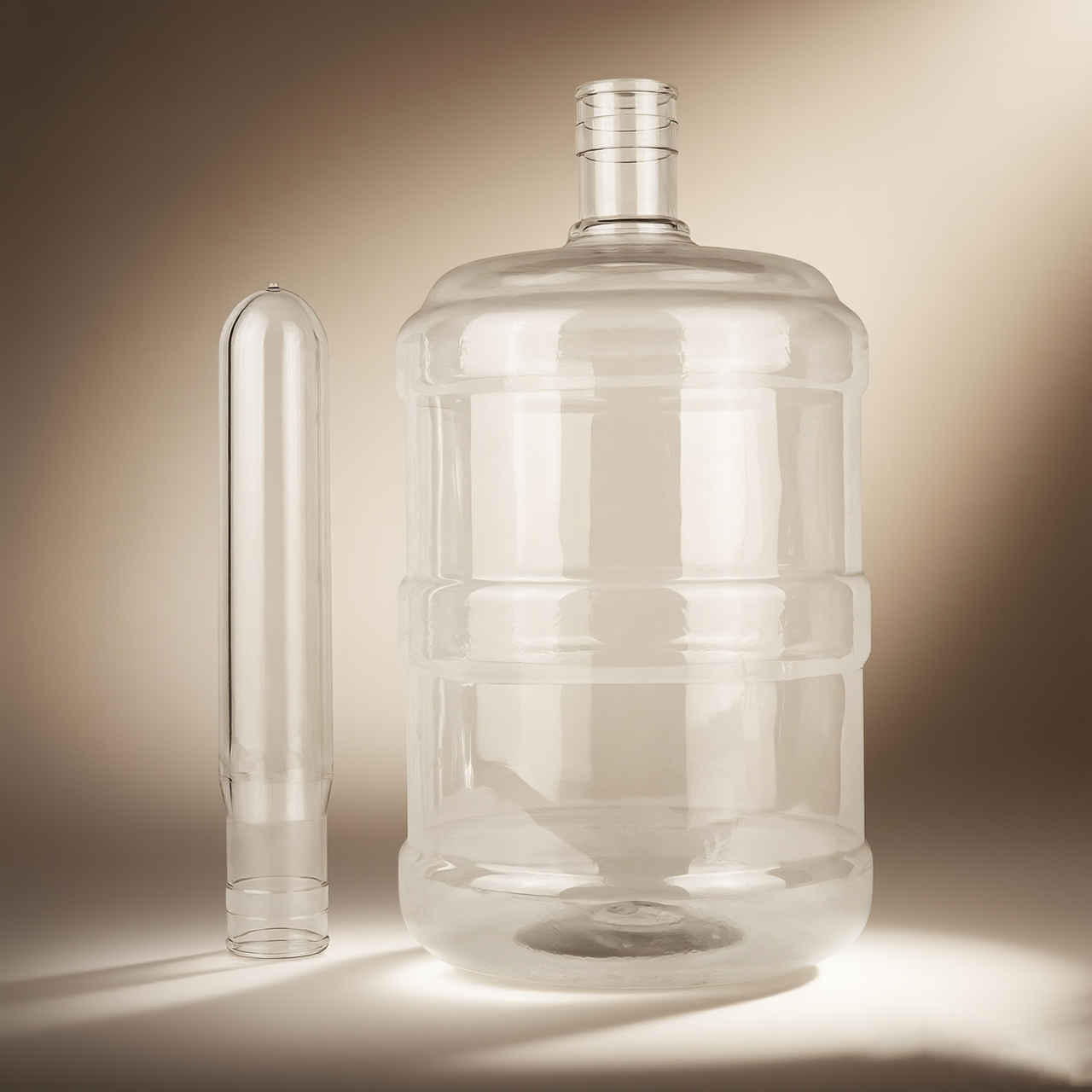
Disposable 5 gallon water bottles typically cost between four dollars and eight dollars per bottle through most regional water delivery suppliers, with water filling and delivery included. This all-inclusive pricing eliminates infrastructure requirements but prevents organizations from benefiting from lower per-unit costs at higher volumes. When comparing disposable 5 gallon water bottles pricing against reusable alternatives, the per-gallon cost frequently exceeds reusable cycles by forty to sixty percent. Organizations consuming five hundred cycles annually across fifty units spend between two thousand and four thousand dollars on disposable 5 gallon water bottles, whereas identical consumption using reusable containers costs between four hundred and eight hundred dollars annually after initial capital amortization. This mathematical reality explains why high-volume water consumers consistently prefer reusable 5 gallon water bottles despite requiring upfront investment.
Operational Costs and Hidden Expenses
Reusable 5 Gallon Water Bottles Maintenance and Replacement
Operating reusable 5 gallon water bottles introduces maintenance obligations and replacement cycles that factor into true cost calculations. Organizations must implement sanitization protocols ensuring health and safety compliance; water delivery equipment, cleaning chemicals, and labor costs accumulate over operational periods. Reusable 5 gallon water bottles experience degradation from repeated handling, temperature fluctuations, and storage stress; breakage rates typically range from two to five percent annually depending on operational conditions. Organizations operating one thousand reusable 5 gallon water bottles should budget for replacing twenty to fifty units annually, representing replacement costs between three hundred and seven hundred dollars yearly. Storage space requirements for maintaining active and reserve reusable 5 gallon water bottles inventory require facility allocation, adding occupancy costs to operational budgets. However, total operational expenses for reusable 5 gallon water bottles remain substantially lower than disposable alternatives even when incorporating these hidden cost factors.
Disposable 5 Gallon Water Bottles Hidden Expenses
Disposable 5 gallon water bottles generate hidden expenses through environmental disposal requirements, regulatory compliance, and return logistics. Many jurisdictions implement recycling mandates requiring organizations to manage end-of-life disposal for disposable 5 gallon water bottles, creating administrative burden and potential non-compliance penalties. Disposal services, transportation, and recycling processing add between fifty cents and two dollars per bottle to total lifecycle costs. Organizations lacking on-site recycling infrastructure must contract third-party disposal services or manage logistics directly. Regulatory frameworks surrounding plastic waste increasingly impose financial requirements on organizations operating disposable 5 gallon water bottles; some jurisdictions implement extended producer responsibility schemes shifting end-of-life management costs to purchasers. These cumulative hidden expenses often inflate true disposable 5 gallon water bottles costs by twenty to thirty percent beyond quoted supplier pricing.
Environmental Considerations and Long-Term Sustainability
Reusable 5 Gallon Water Bottles Environmental Impact
Reusable 5 gallon water bottles dramatically reduce plastic waste generation compared to single-use alternatives. A reusable container surviving three hundred cycles prevents approximately three hundred disposable 5 gallon water bottles from entering waste streams. Over a ten-year operational period, an organization maintaining five hundred reusable 5 gallon water bottles prevents over one hundred fifty thousand single-use containers from requiring disposal. This environmental benefit increasingly influences purchasing decisions as organizational sustainability commitments gain prominence. Manufacturing reusable 5 gallon water bottles requires material investment and production energy, but environmental analysis consistently demonstrates net positive sustainability performance when containers achieve operational lifespans exceeding fifty cycles. Organizations committed to carbon footprint reduction find reusable 5 gallon water bottles alignment with sustainability reporting requirements and environmental stewardship messaging.
Disposable 5 Gallon Water Bottles Environmental Footprint
Disposable 5 gallon water bottles create substantial waste streams despite majority plastic composition and recyclability potential. Reality demonstrates that many disposable 5 gallon water bottles end in landfills rather than recycling processes due to collection logistics, contamination concerns, and limited recycling infrastructure. Organizations generating high-volume disposable 5 gallon water bottles waste face increasing regulatory pressure and reputational risk as stakeholders prioritize environmental responsibility. The manufacturing burden of continuously producing disposable 5 gallon water bottles amplifies resource consumption compared to maintaining existing reusable inventory. Progressive organizations recognizing environmental costs increasingly transition from disposable to reusable 5 gallon water bottles, recognizing both financial savings and sustainability alignment.
FAQ
What is the break-even point between reusable and disposable 5 gallon water bottles?
The break-even point typically occurs between eighteen and thirty-six months of operation for organizations consuming moderate to high water volumes. Calculate break-even by dividing reusable 5 gallon water bottles total capital investment by annual savings compared to disposable alternatives. An organization spending ten thousand dollars on reusable inventory and saving five thousand dollars annually breaks even after two years. Beyond break-even, every additional year of operation with reusable 5 gallon water bottles generates five thousand dollars in annual savings, making the financial case increasingly compelling over extended operational timelines.
How do storage and handling requirements differ between reusable and disposable 5 gallon water bottles?
Reusable 5 gallon water bottles demand more comprehensive storage infrastructure including climate-controlled facilities, inventory management systems, and sanitation equipment. Organizations must maintain reserve inventory, rotation cycles, and cleaning protocols. Disposable 5 gallon water bottles eliminate these requirements; delivery providers manage storage and logistics, requiring only point-of-use space. However, organizations utilizing reusable 5 gallon water bottles typically benefit from streamlined logistics as suppliers deliver filled containers and collect empties simultaneously, reducing on-site handling complexity compared to managing disposable 5 gallon water bottles return processes.
Are reusable or disposable 5 gallon water bottles better for small businesses?
Small businesses with modest water consumption below one hundred units monthly may find disposable 5 gallon water bottles economically preferable despite higher per-unit costs, due to capital constraints and storage limitations. However, small businesses experiencing growth typically benefit from transitioning to 5 gallon water bottles reusable systems as consumption increases. Many small business owners discover that converting from disposable to reusable 5 gallon water bottles generates rapid cost recovery and improves sustainability positioning, particularly when accessing small-volume reusable container options or partnering with regional refill operations.
