EN
EN


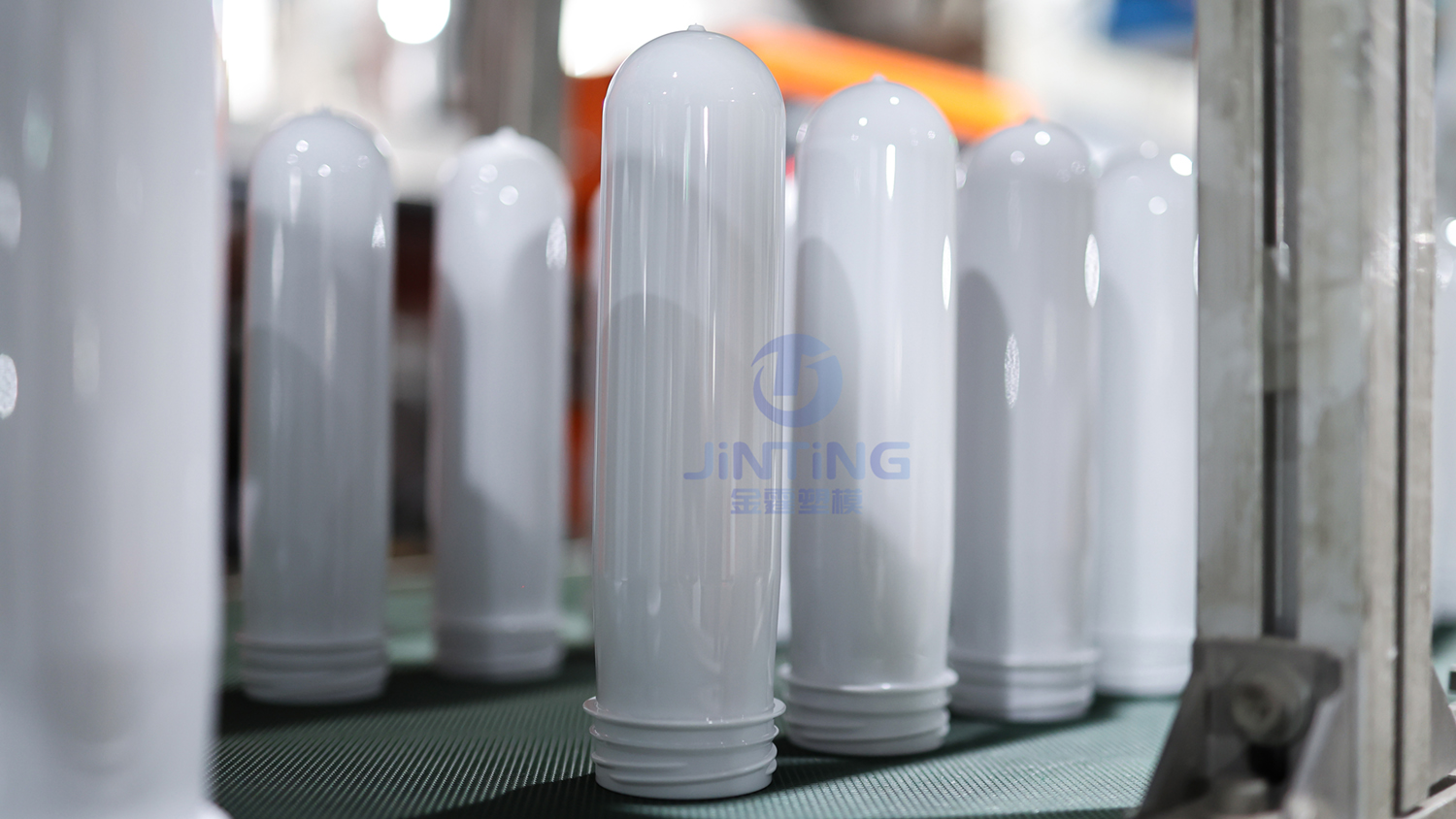
In the field of liquid food packaging, quality deterioration caused by light exposure is a widely recognized yet often overlooked issue. Products such as milk, plant-based beverages, nutritionally fortified drinks, fruit juices, and edible oils contain riboflavin (vitamin B₂), porphyrins, natural pigments, and unsaturated fatty acids. These components are highly susceptible to photo-oxidation under light exposure, resulting in nutrient loss, flavor deterioration (commonly known as "sunlight flavor" or "light-struck flavor"), and color fading—severely compromising consumer experience and brand reputation.
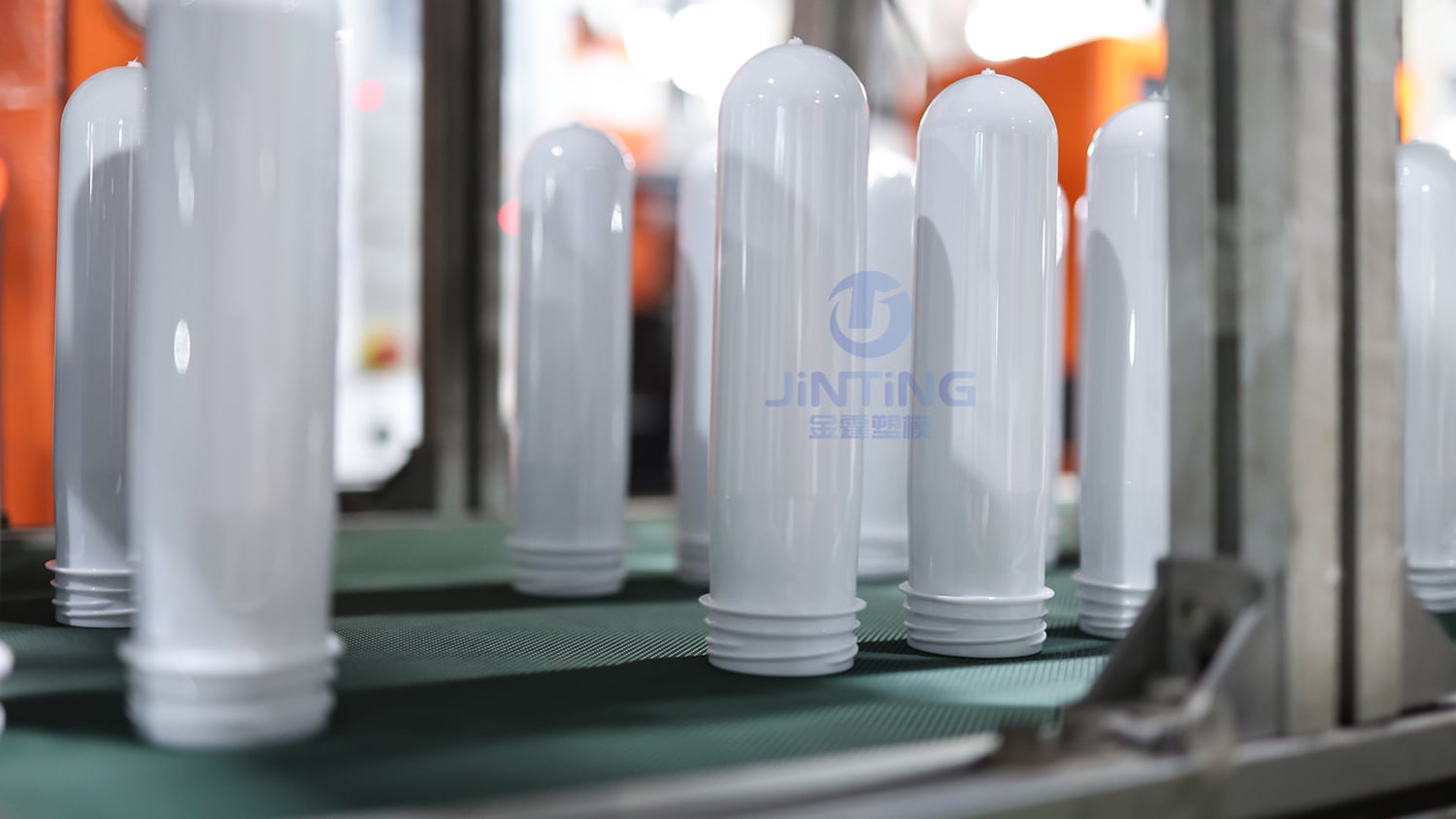
Different categories of liquid foods exhibit varying degrees of photosensitivity and therefore require different levels of light barrier performance. Through our long-term service to various food brands, we have accumulated extensive category-specific expertise:
Plant-based beverages (oat milk, soy milk, almond milk, etc.): In addition to riboflavin, natural phenolic compounds in plant protein beverages are prone to polymerization reactions under light, producing precipitates and off-flavors. These products typically have longer shelf lives (6~12 months), demanding more sustained light barrier performance.
Edible oils and functional lipids: Unsaturated fatty acids are susceptible to oxidative rancidity under light, producing "off-flavors." These products are typically packaged in dark or opaque containers, and milky white preforms are equally suitable.
Liquid nutritional supplements (such as collagen drinks, functional beverages, etc.): Active ingredients added (such as vitamins, polyphenols, probiotics, etc.) are highly sensitive to light, and light barrier performance directly affects whether product efficacy claims can be achieved.
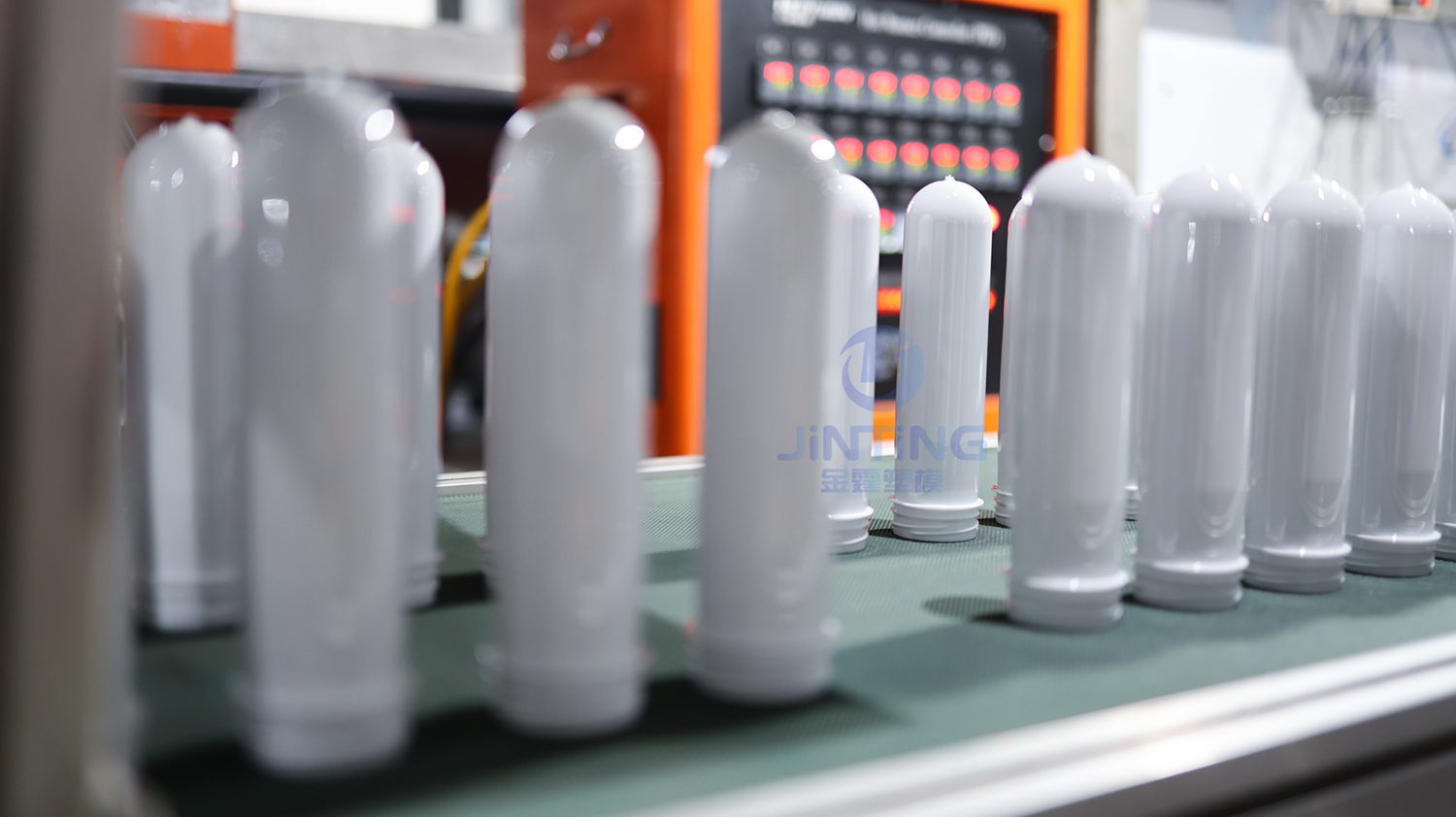
As consumer demands for food quality continue to rise, more and more brands are beginning to regard light barrier performance of packaging as one of the core considerations in product development. At the same time, packaging homogenization is driving brands to seek differentiated visual expressions to stand out in fierce end-market competition. Opaque milky white PET preforms have gained widespread attention against this backdrop, gradually expanding from the dairy industry to more food categories.
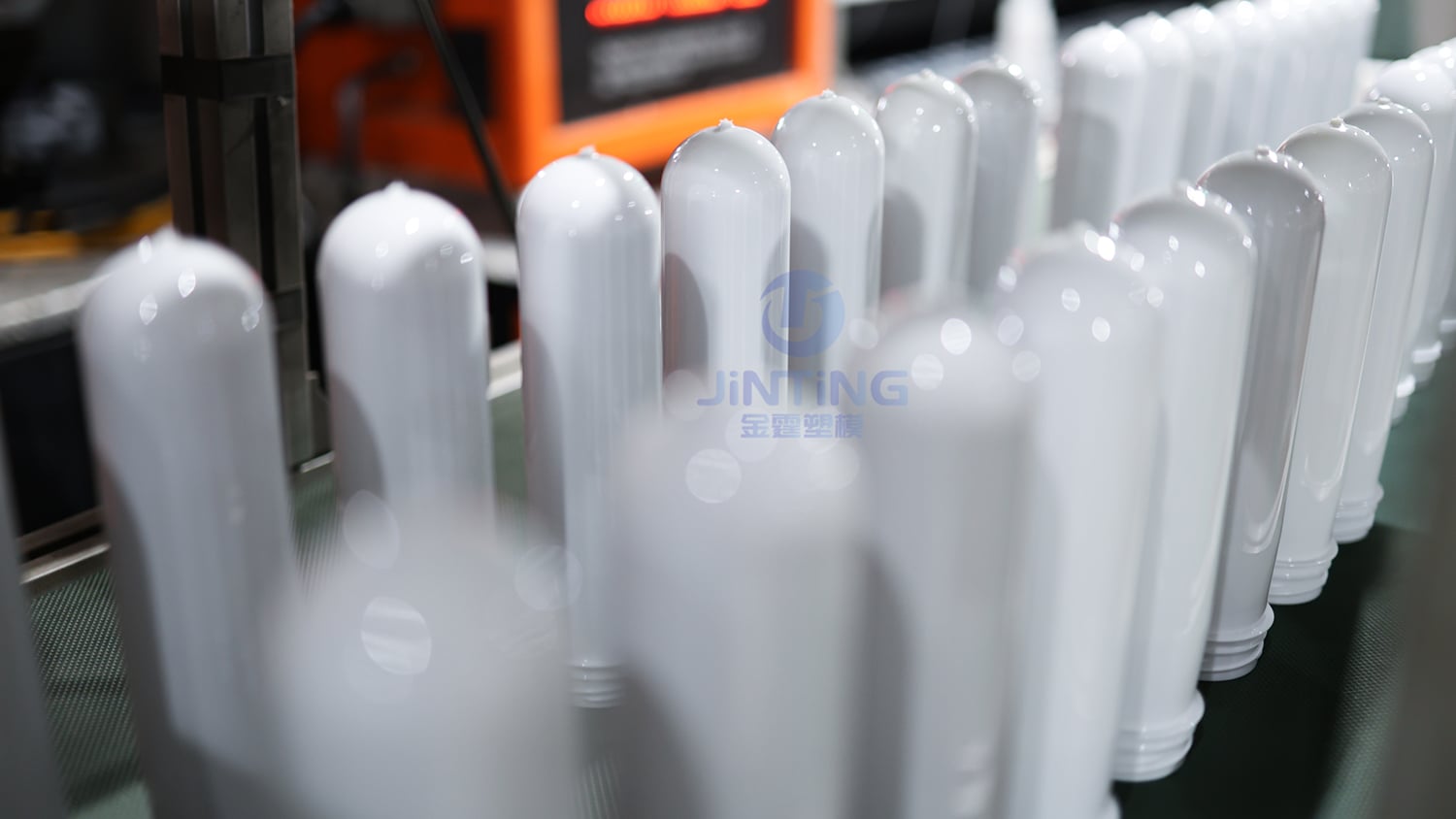
Through our communications with numerous food brands, filling plants, and international traders, we have summarized the following common and urgent needs:
Neck Size Compatibility Requirements:
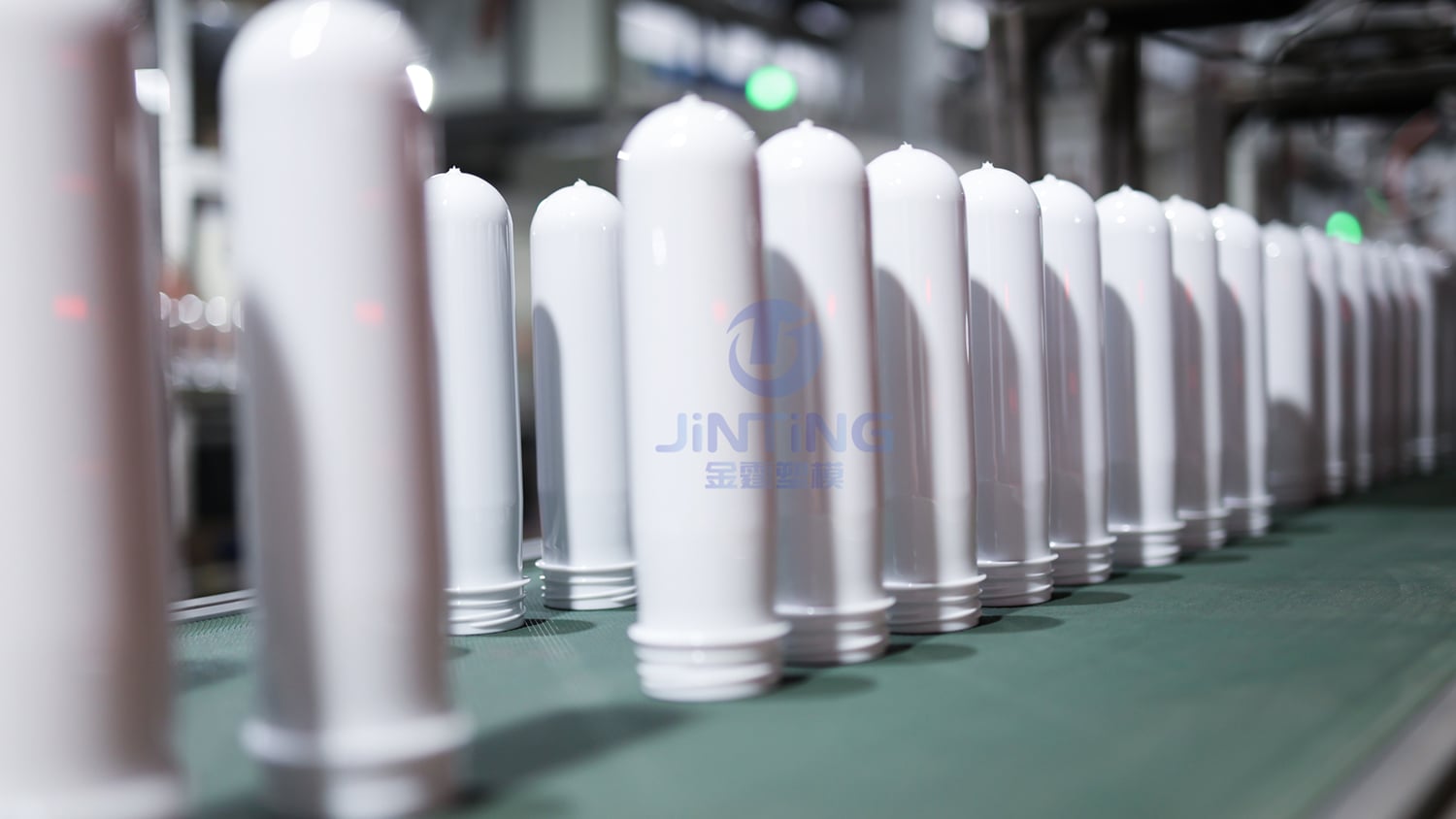
Different product lines and filling lines have specific requirements for neck finish diameters. The 48mm wide-mouth design is suitable for family-size and share-size bulk products (such as 1.5L~5L), facilitating pouring and use, while needing to be compatible with the customer's existing closure system and filling/capping equipment to minimize production line modification costs. Beyond 48mm, we also receive numerous customization requests for 30/25 finish (suitable for 500ml~1L individual servings), 38 finish (suitable for 1L~1.5L regular sizes), and 53mm finish (suitable for 5L+ bulk containers).
Light Barrier Functionality Requirements:
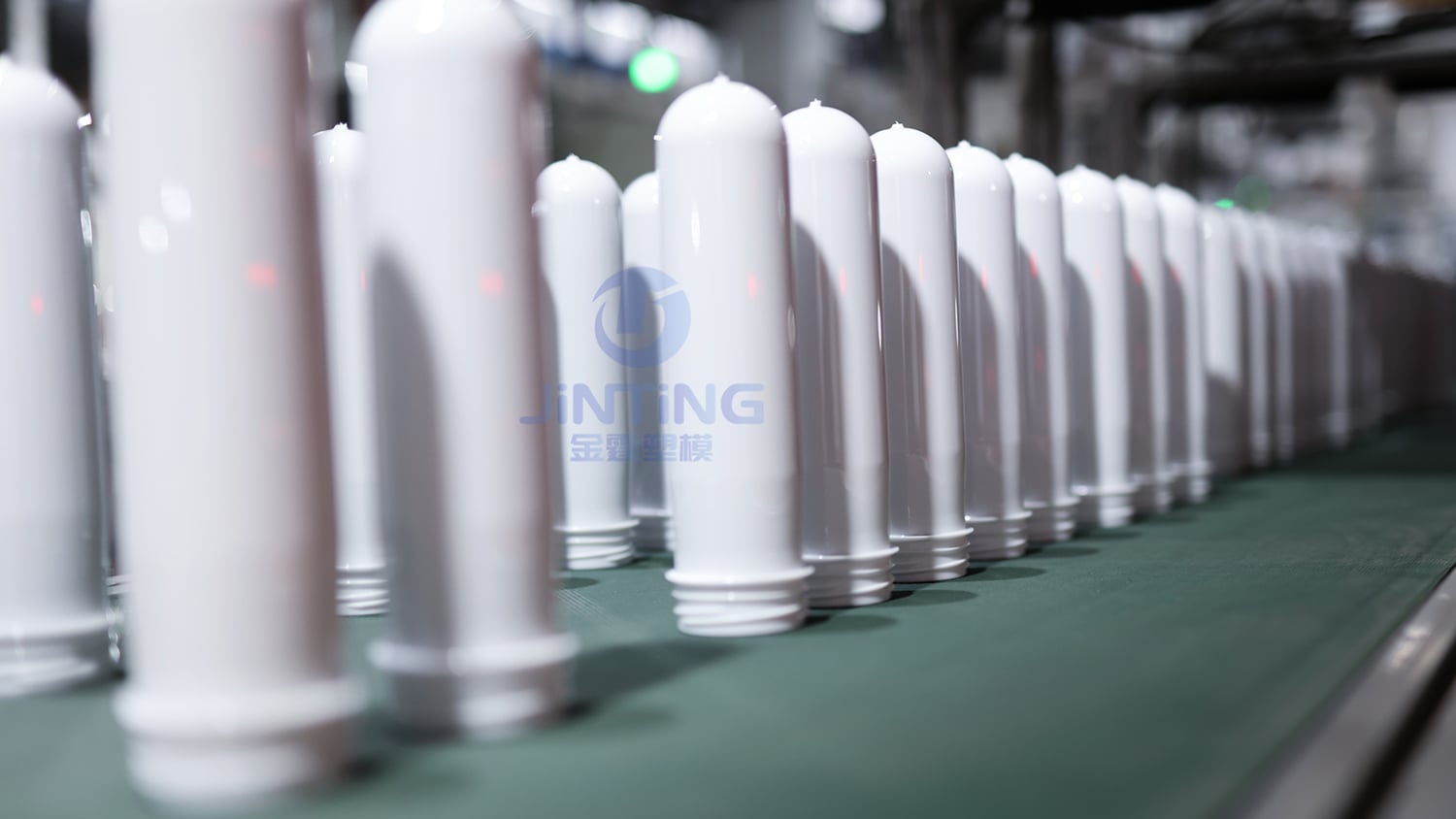
Milky white or other opaque colors are required, with light transmittance below 1% in the visible spectrum (380~780nm) and over 99% barrier rate in the UV region (290~400nm), ensuring product quality stability throughout the entire shelf life (typically 6~12 months) and achieving target nutrient retention rates. Some premium customers also require barrier performance in the near-infrared region (780~2500nm) to avoid thermal radiation effects during transportation and warehousing.
Food Safety and Compliance Requirements:
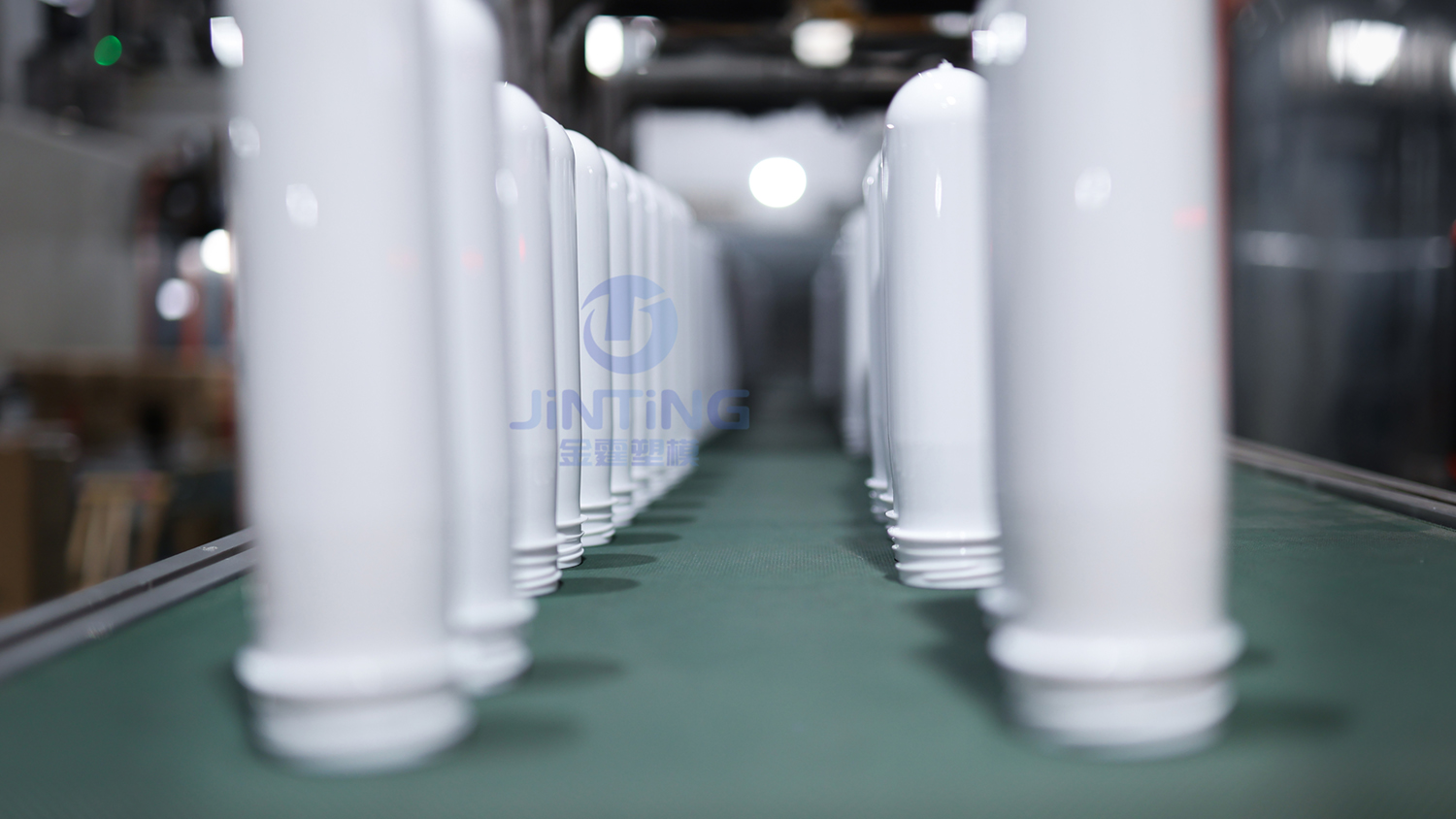
If products are sold in multiple countries and regions, they must simultaneously comply with food contact material regulations including EU (EU) 10/2011, US FDA 21 CFR 177.1630, and China GB 4806.7-2023. Additionally, some brands require Kosher, Halal, and other religious certifications to meet market access requirements for specific target regions.
Blow Molding Process Compatibility Requirements:
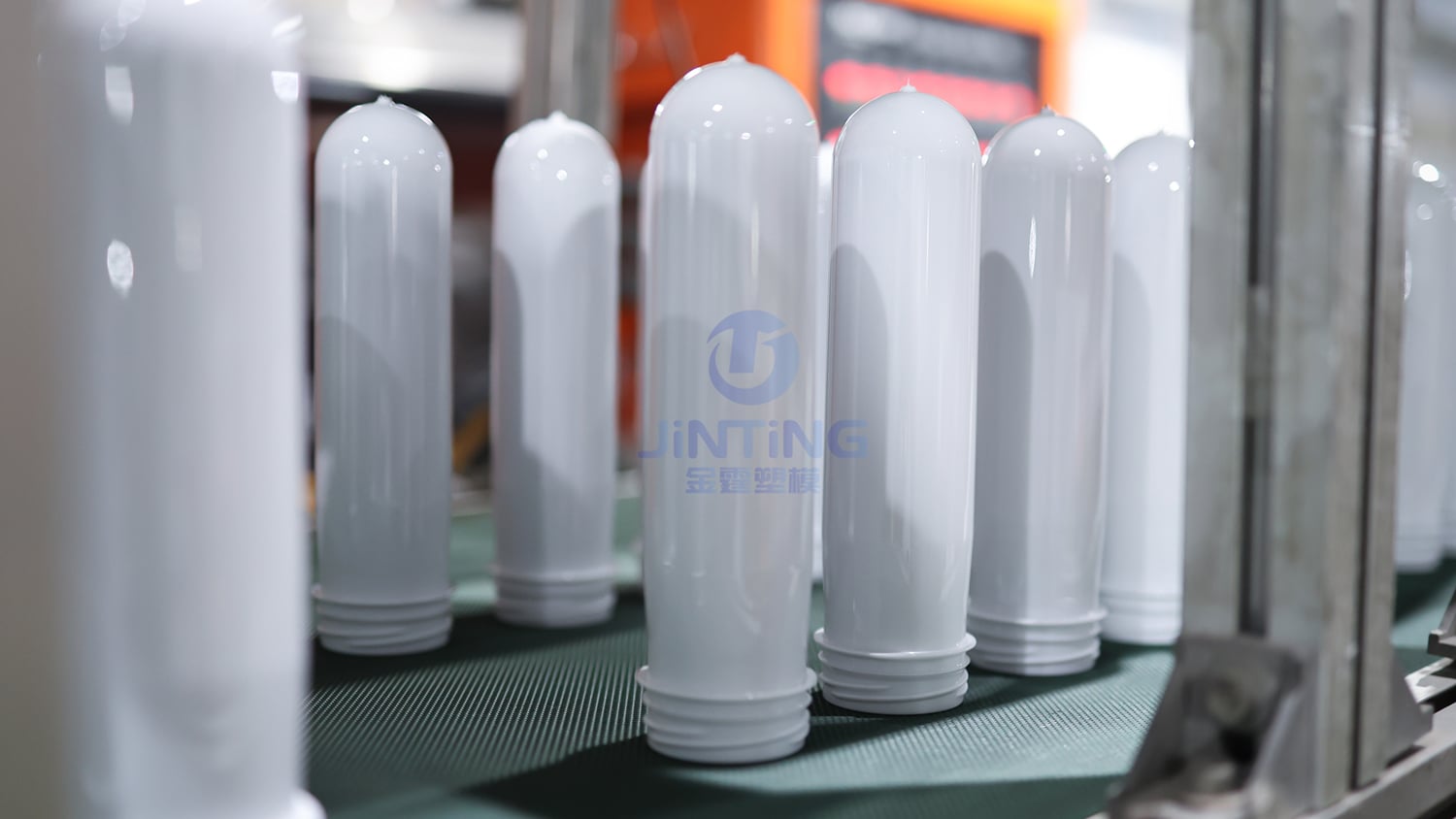
Preforms must run stably on the customer's existing high-speed blow molding equipment, with a blow molding yield rate no less than 98%. Finished bottles must also meet mechanical performance indicators such as vertical load resistance, internal pressure resistance, and drop impact resistance to withstand various stresses during filling, transportation, and end-use.
Cost and Delivery Requirements:
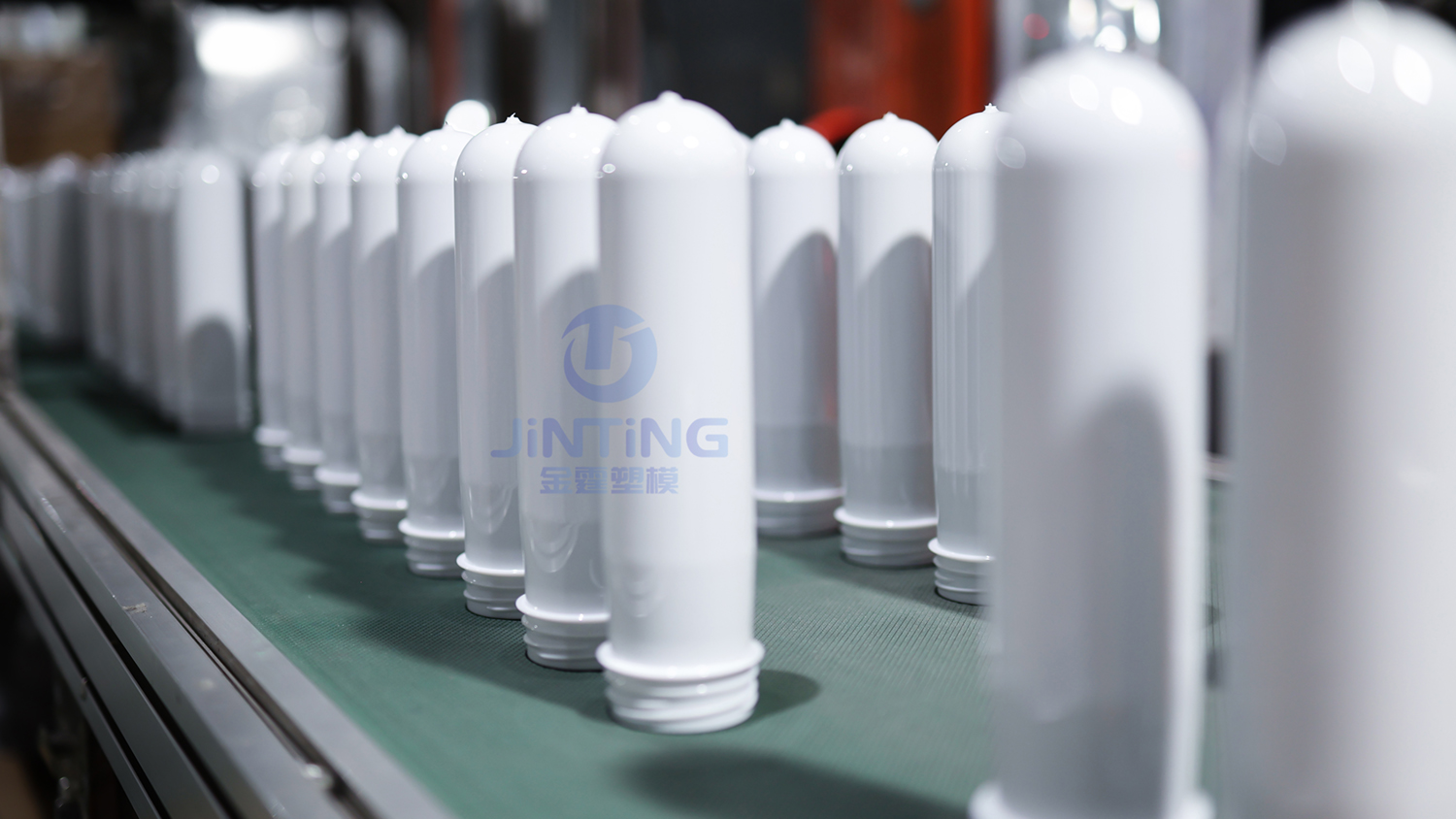
Control comprehensive costs while ensuring quality, and obtain rapid response and stable delivery lead times. At the same time, brands also expect suppliers to provide full-process technical support from preform design to blow molding commissioning, reducing their own technical risks and manpower investment.
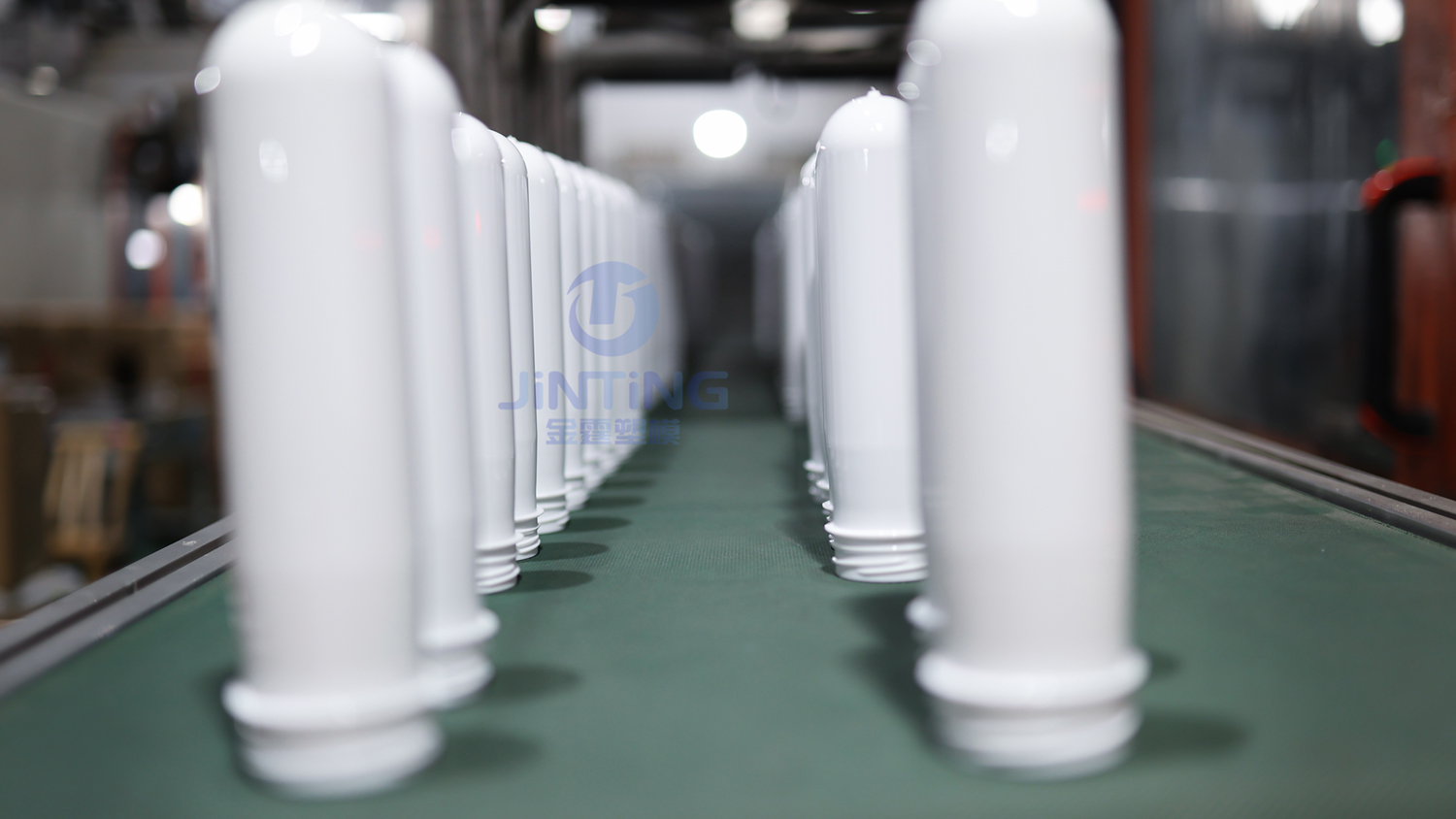
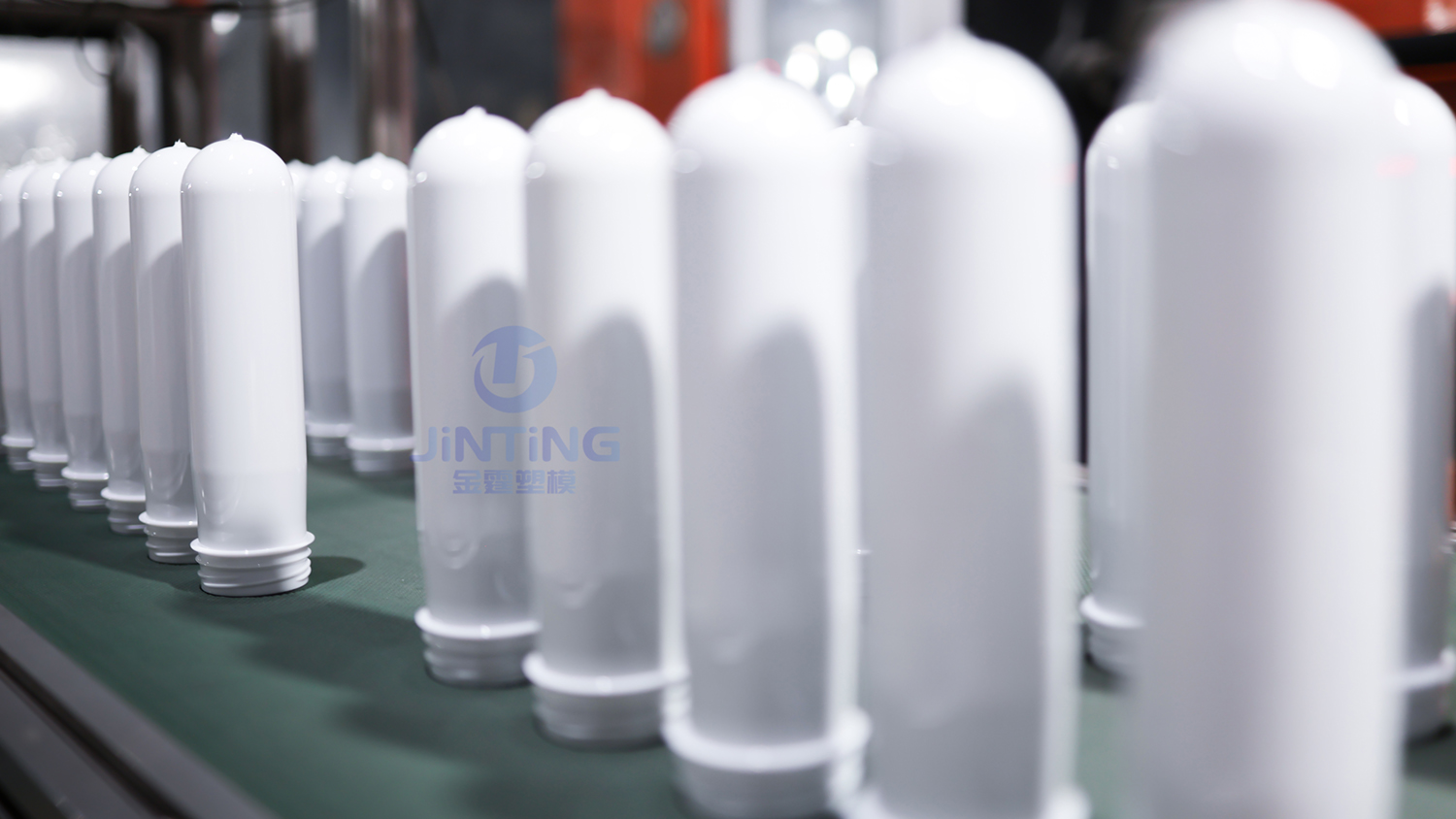
In response to these typical requirements, we have developed a mature 48mm food-grade milky white PET preform customization solution through technical accumulation and process optimization across multiple projects, successfully serving numerous well-known food brands both domestically and internationally. Below we provide a systematic introduction to the technical details, quality control system, and application results of this solution for reference by B2B customers.
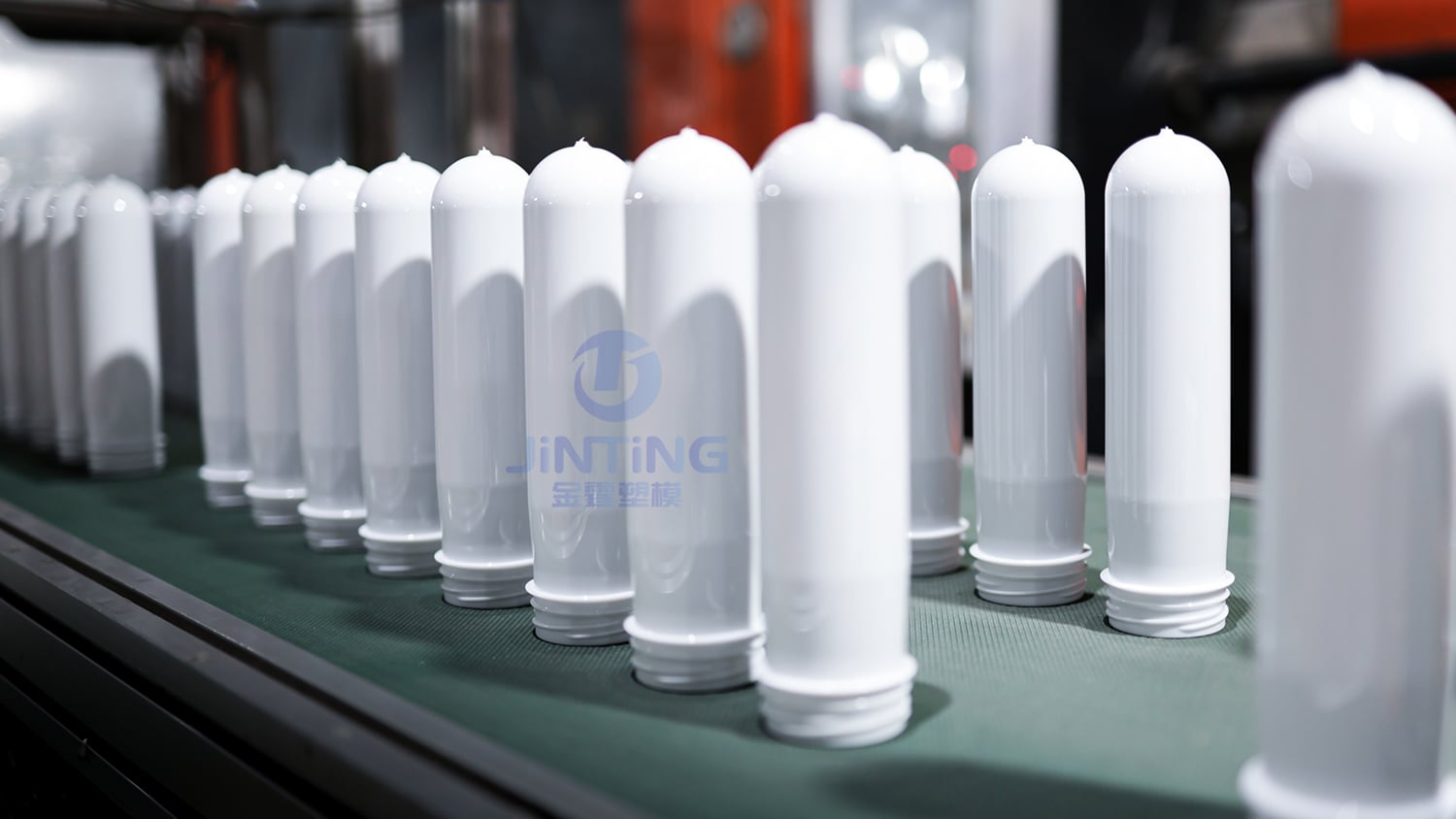
High-quality raw materials are the foundation of preform quality. At the outset of each project, we conduct strict audits and screening of raw material suppliers.
Base Material Selection:
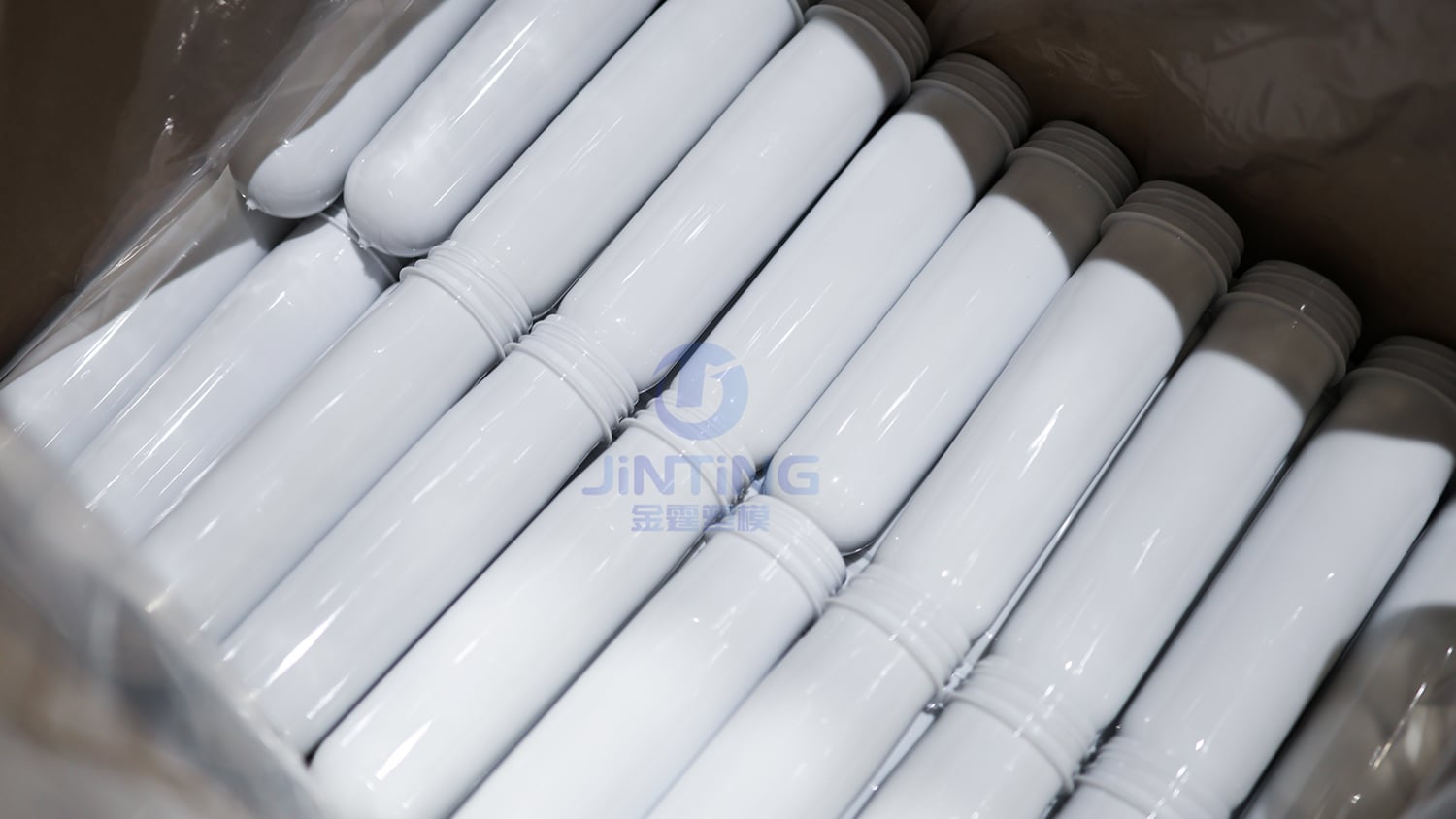
High-purity food-grade PET chips are selected, with a nominal intrinsic viscosity (I.V.) of 0.84±0.02 dL/g. This viscosity range achieves an excellent balance between preform injection molding and bottle blow molding—ensuring melt fluidity during injection while guaranteeing the mechanical strength of finished bottles after blow molding. Each batch of incoming raw materials must pass incoming inspection covering nine mandatory indicators: intrinsic viscosity, acetaldehyde content, diethylene glycol (DEG) content, carboxyl end-group value, color value (L/b value), melting point, moisture content, ash content, and heavy metal migration—only after passing can they be released for warehouse storage and use.
Colorant Solution:
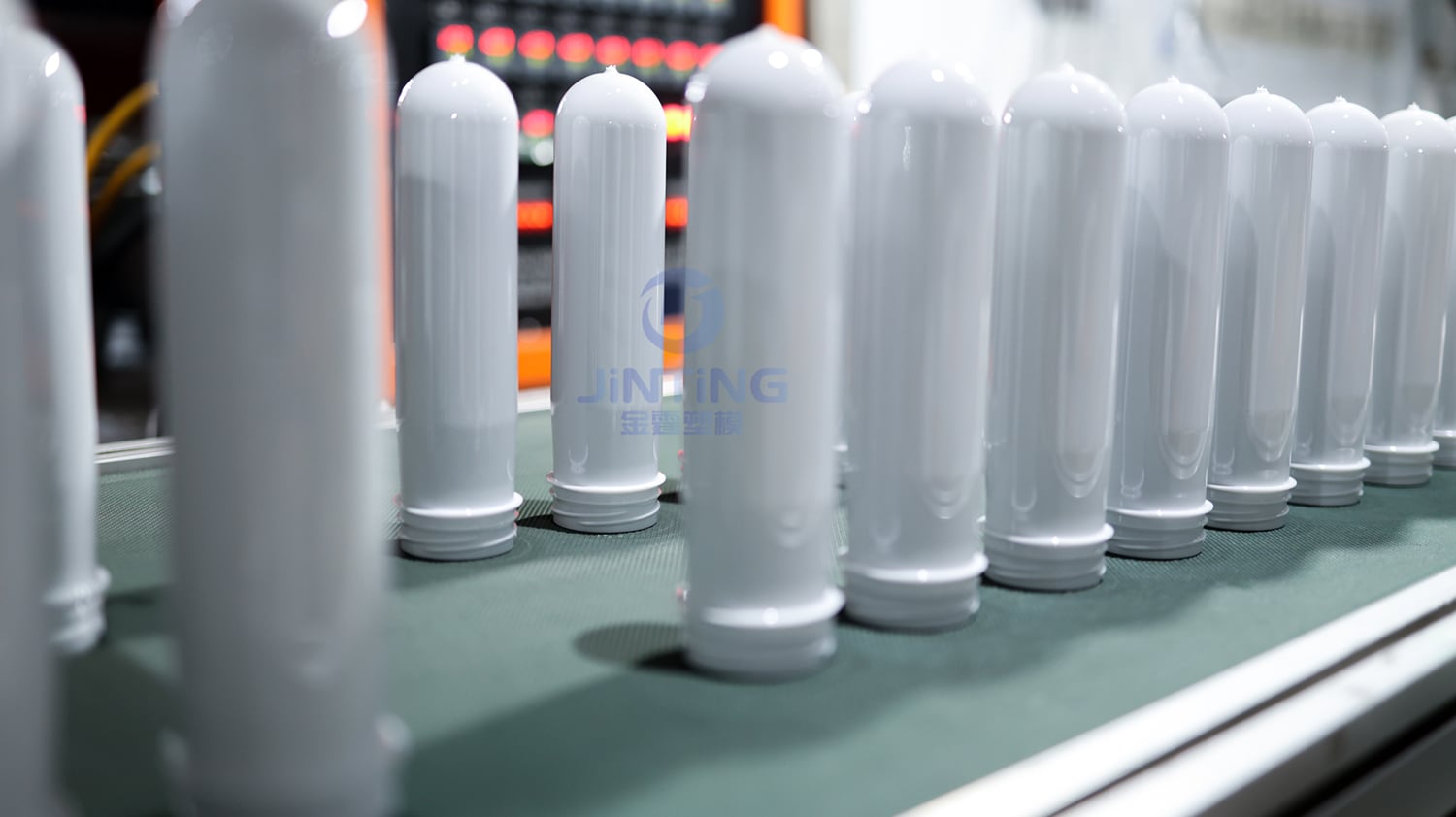
Food-grade white masterbatch based on titanium dioxide (TiO₂) is adopted. Titanium dioxide is a white colorant widely recognized in the global food packaging industry, offering outstanding advantages including high whiteness, strong hiding power, stable chemical properties, and excellent heat resistance. The carrier resin of the masterbatch is selected from materials with excellent compatibility with PET and compliance with food contact regulations, ensuring uniform dispersion of the colorant in the PET substrate without issues such as color streaks, flow marks, or exudation. The masterbatch must be thoroughly dried at specified temperatures before use to completely remove surface-adsorbed moisture, avoiding PET hydrolytic degradation during processing caused by moisture.
Dosing and Mixing Process:
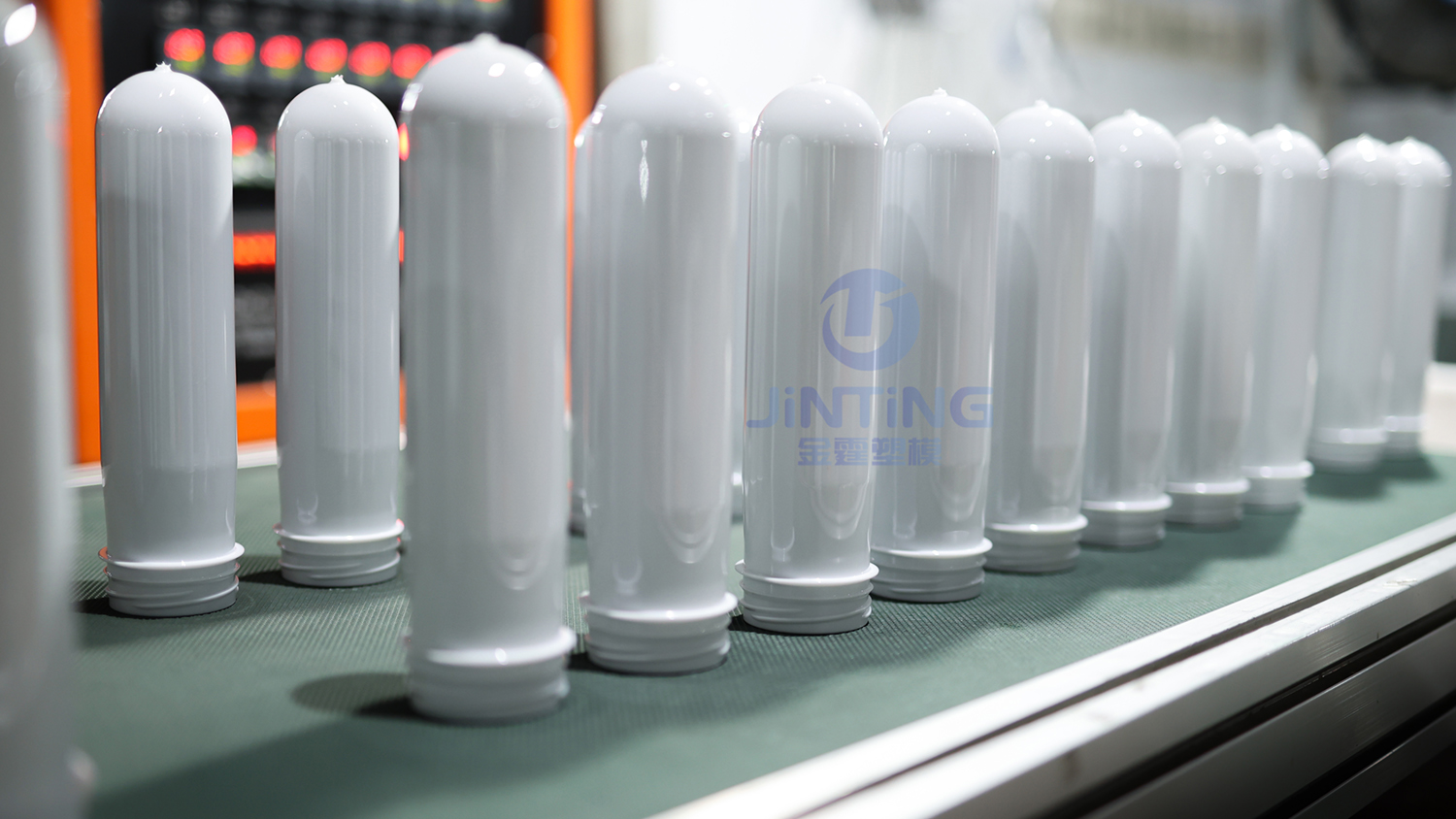
The addition ratio of masterbatch directly affects the whiteness, hiding power, and physical properties of finished products. We determine the optimal addition range through laboratory trials, typically between 2.0% and 2.5% (by weight)—below this range results in insufficient whiteness and hiding power; above this range leads to decreased material fluidity and impact strength due to increased inorganic fillers, while potentially increasing wear on injection molding equipment. In actual production, a high-precision gravimetric feeding system is used for online dynamic mixing of masterbatch and PET main material at the injection molding machine hopper. This system monitors and adjusts feed rates in real time with a control accuracy of ±0.1%, ensuring color consistency and stability of every single preform.
Measured Light Barrier Performance:
Random samples are taken from mass-produced preforms, and light transmittance scanning is performed across the full 380~780nm wavelength range using a UV/Vis spectrophotometer (sample thickness equals the average wall thickness of the preform body). Measured data shows: visible light (550nm) transmittance <0.5%, ultraviolet (360nm) transmittance <0.1%. This performance far exceeds the requirements of the vast majority of light-barrier food packaging on the market (typically transmittance <5% is sufficient), providing reliable all-day, full-spectrum protection for liquid foods.
Preform structural design is a systematic engineering task that requires comprehensive consideration of multiple factors including final bottle shape, blow molding process, material characteristics, and production efficiency.
Thread and Seal Surface Design:
The 48mm neck finish is designed strictly in accordance with the internationally recognized neck standard, specifically including:
Continuous thread design (pitch 4.0mm, thread depth 0.8mm), ensuring full compatibility with mainstream 48mm closure systems on the market, with opening torque stabilized in the range of 2.5~3.5 N·m—neither too tight to affect user experience nor too loose to cause sealing failure;
Anti-rotation lugs (typically 12 evenly distributed protrusions), preventing preform idling during capping, ensuring capping efficiency and consistency;
Seal ring design, with seal surface width and angle precisely calculated to ensure sealing reliability of the bottle finish after filling, with leak rate controlled below 0.01%.
Wall Thickness Distribution and Preform Weight Determination:
Based on the customer's target bottle shape (such as 1.5L round bottle, 2L square bottle, or 5L large-capacity bottle) and blow-up ratio requirements, multiple rounds of iterative optimization are performed using professional mold flow analysis software to determine the optimal wall thickness distribution. Generally speaking:
From below the neck support ring to the bottle shoulder start: designed thickness 2.6~2.8mm, ensuring the neck does not deform during blow molding stretching;
Bottle body main area: designed thickness 3.0~3.4mm, ensuring uniform circumferential wall thickness distribution, avoiding uneven thickness after blow molding;
Preform bottom (gate area): designed thickness 3.6~4.0mm, ensuring the bottom center point is fully stretched, avoiding uneven cooling and bottom cracking caused by excessive material accumulation.
Preform weight range can be precisely set according to customer requirements, with typical values ranging from 45g to 80g, and weight deviation controlled within ±0.3g.
Technical Challenges and Solutions for Large-Diameter Preforms:
Compared to conventional 28mm and 30mm neck finishes, 48mm large-diameter preforms face several special challenges in design and production:
Challenge 1: Filling flow balance—Large diameter means larger gate diameter and more complex runner layout, making melt flow front in the cavity prone to imbalance, causing weight and dimensional variations between cavities. Through rheological simulation optimization of the hot runner system, we adjust the diameter and position of each gate, combined with multi-stage injection speed control, keeping filling deviation between cavities within ±0.2%.
Challenge 2: Cooling efficiency and uniformity—Large-diameter preforms have thicker walls and larger volume, with cooling time typically extended by 30%~50% compared to small-diameter preforms. Non-uniform cooling leads to internal stress concentration in the preform, making it prone to deformation or cracking during blow molding. We adopt spiral conformal cooling circuit design, combined with independently zoned mold temperature control systems, minimizing cooling time while ensuring circumferential temperature difference does not exceed 2°C.
Challenge 3: Gate area stress—The gate diameter of large-diameter preforms is typically 5~8mm (compared to 2~4mm for small diameters), with residual stress more concentrated in the gate area. By optimizing the holding pressure curve (using stepped decreasing holding pressure) and extending holding time, we effectively reduce molecular orientation and residual stress near the gate.
Mold Manufacturing and Process:
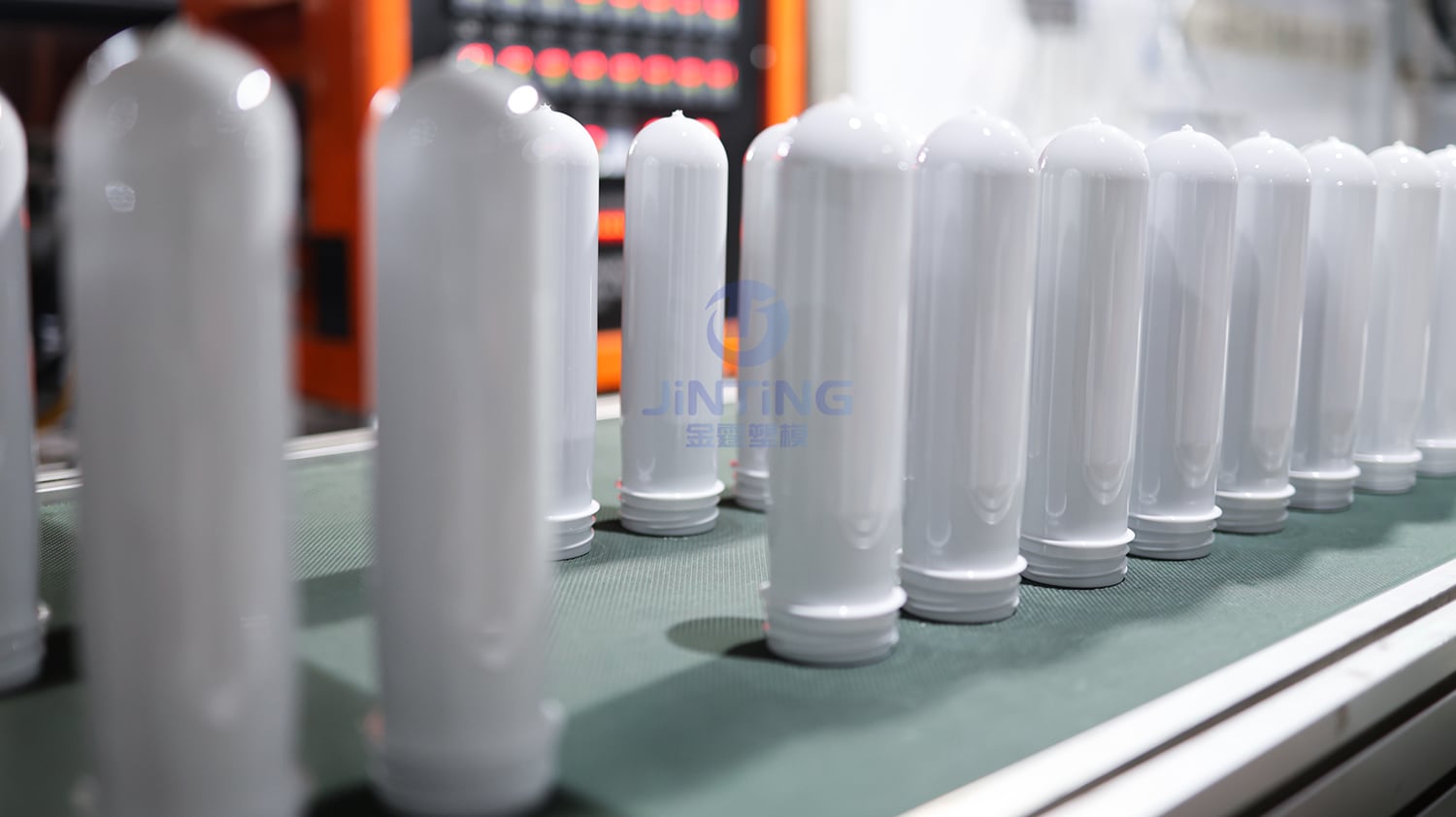
Multi-cavity hot runner molds are used (commonly 4-cavity, 8-cavity, or 16-cavity configurations). Mold steel is selected from corrosion-resistant mirror-grade mold steel imported from Germany or Japan, subjected to vacuum heat treatment and cryogenic treatment to achieve uniform hardness and dimensional stability. The hot runner system is sourced from internationally renowned brands, featuring valve-gate nozzle design with independent temperature control for each cavity (temperature difference ≤±1°C), ensuring identical filling speed and pressure in each cavity, with single-preform weight deviation between cavities controlled within ±0.2%. The cooling system adopts spiral conformal cooling circuit design, paired with high-precision mold temperature controllers (temperature control accuracy ±0.5°C), achieving efficient and uniform cooling, shortening cycle time while ensuring product quality and increasing production capacity.
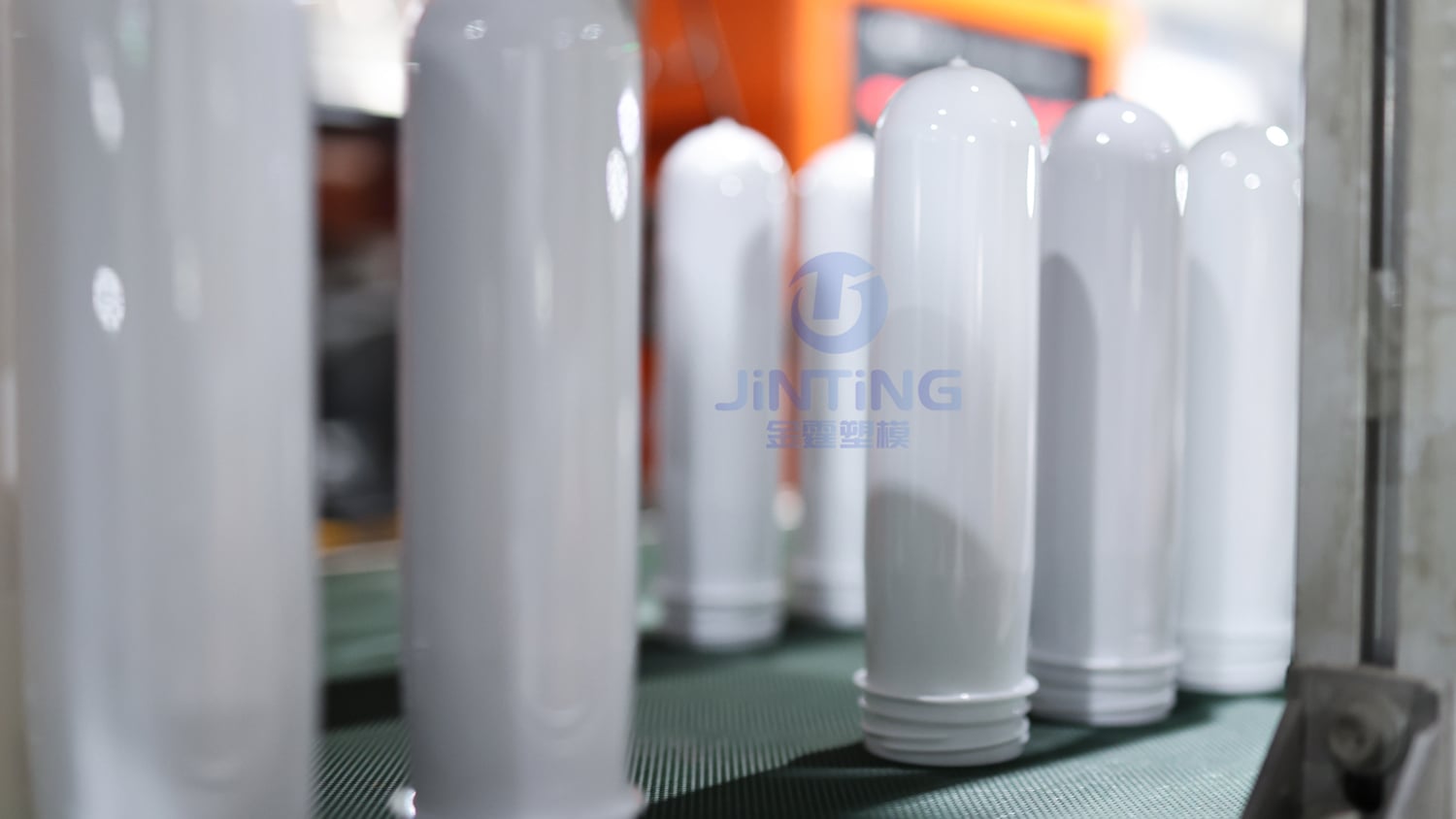
PET is a hygroscopic material that must be thoroughly dried before processing. PET chips and masterbatch are dried separately in independent desiccant dryers (dew point -40°C), at a drying temperature of 175°C for 5~6 hours. The moisture content of dried materials must be confirmed by moisture analyzer to be ≤30ppm. Exceeding this range can cause hydrolytic degradation of PET during injection molding, resulting in decreased intrinsic viscosity and increased acetaldehyde content, severely affecting product quality and food safety.
Injection Molding Equipment and Process Settings:
High-speed precision injection molding machines equipped with accumulators are used, with clamping force matched to mold specifications, generally in the range of 320~550 tons. Key process parameters include:
Barrel temperature zone control (from feed throat to nozzle): feed zone 260~265°C, compression zone 270~275°C, metering zone 275~280°C, nozzle 275~278°C. A stepped heating curve is adopted to ensure full plasticization of PET melt without overheating degradation.
Injection and holding pressure parameters: Injection pressure 100~130MPa (adjusted according to preform weight and mold structure), with multi-stage injection speed control—high-speed filling in the initial stage (to avoid masterbatch agglomeration), decelerated buffering in the final stage (to avoid flash). Holding pressure is 50%~60% of injection pressure, using stepped decreasing holding pressure mode, with holding time 3.0~3.5 seconds, ensuring sufficient compensation and uniform internal stress distribution.
Cooling and molding cycle: Mold cooling water temperature controlled at 12~15°C, cooling time 12~14 seconds. By optimizing the robot action sequence, the total molding cycle can be controlled between 18~22 seconds, balancing quality and productivity. Taking an 8-cavity mold as an example, single-machine daily production capacity is approximately 35,000~40,000 pieces.
Special Measures for Acetaldehyde (AA) Content Control:
Acetaldehyde is a byproduct generated during PET processing. Excessive content can migrate into the contents and produce off-flavors. We adopt multiple targeted measures to control AA content at extremely low levels:
Selecting PET resin grades with low acetaldehyde release;
Adopting low-shear screw design (compression ratio 2.2:1, L/D=24) to reduce shear heating of the melt in the screw;
Barrel equipped with two-stage high-efficiency vacuum venting system to promptly remove volatiles from the melt;
Strictly controlling melt temperature and residence time to avoid thermal degradation caused by excessive temperature and prolonged residence;
Special thermal insulation design for nozzle and hot runner to reduce localized hot spots;
Reducing back pressure as much as possible (controlled at 0.5~1.0MPa) while ensuring complete filling.
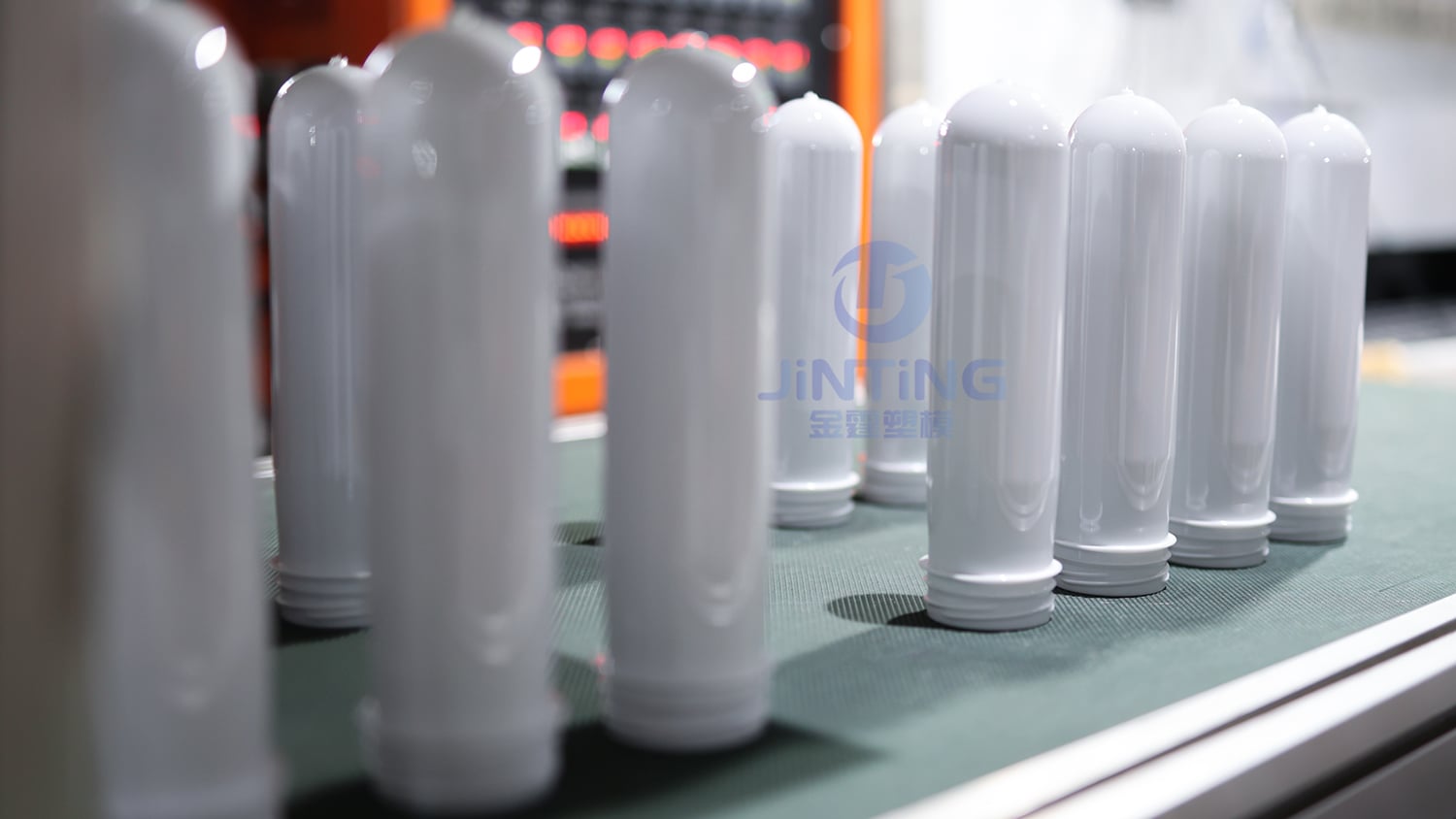
Through headspace gas chromatography (HS-GC-FID) testing, the average acetaldehyde content of finished preforms can be stably maintained at ≤1.2 μg/g, far below the typical industry requirement of ≤2.0 μg/g for food packaging, fully ensuring the pure flavor of contents.
Online Process Monitoring:
Closed-loop monitoring is performed on key parameters including injection peak pressure, holding pressure switchover point, and screw metering position for each cycle, with data uploaded in real time to the Manufacturing Execution System (MES). Once parameters exceed the control limits set by Statistical Process Control (SPC), the system automatically alarms and prompts operators to intervene and adjust, ensuring the production process remains stable and controlled at all times.
We fully understand the importance of food packaging safety and have therefore established a strict quality control system covering the entire process.

System Certifications:
Our factory has passed ISO 9001:2015 Quality Management System, ISO 22000:2018 Food Safety Management System, and BRC Global Standard for Packaging Materials (Grade AA) certifications. These system frameworks ensure standardized operation across the entire chain from supplier management, incoming material inspection, production process control, finished product testing, to customer complaint handling.
Quality Control Process:
Incoming Material Inspection: All PET resin, masterbatch, and auxiliary materials are inspected upon arrival according to sampling plans, covering indicators such as IV, AA, color value, moisture, ash content, and heavy metals. Non-conforming materials are rejected and returned.
In-process Control: Injection molding operators conduct patrol inspections every 2 hours, covering appearance (bubbles, whitening, black spots, color streaks, scratches, oil contamination), weight, neck finish dimensions, etc. Meanwhile, quality engineers take samples every 4 hours for comprehensive laboratory testing.
Finished Product Inspection: Before packaging each batch, sampling inspection is conducted according to AQL standards, and products can only be warehoused after all items pass. Each batch of preforms also undergoes 100% full inspection through automated visual inspection systems before shipment to remove products with appearance defects.
Key Testing Items and Standards:
| Testing Item | Method/Instrument | Control Limit | Typical Measured Value |
|---|---|---|---|
| (AA) Acetaldehyde Content | (HS-GC-FID) Headspace GC-FID | ≤1.5 μg/g | 1.0~1.2 μg/g |
| Intrinsic Viscosity | Ubbelohde Viscometer | 0.80~0.86 dL/g | 0.83~0.84 dL/g |
| Color L Value (Whiteness) | Spectrophotometer (D65/10°) | ≥90.0 | 92.5~93.0 |
| Color b Value (Yellowness) | Same as above | ≤2.5 | 1.5~1.9 |
| Neck Inner Diameter | Go/No-Go Gauge/Optical Profilometer | 48.00±0.10mm | 48.02~48.07mm |
| Support Ring Height | Optical Profilometer | 15.80±0.15mm | 15.78~15.85mm |
| Preform Weight | Precision Balance (0.01g) | ±0.3g Target ±0.3g | ≤±0.2g Deviation ≤±0.2g |
| Crystallinity | (DSC) DSC | ≤5% | 4.0~4.5% |
| Heavy Metal Migration | (ICP-MS) ICP-MS | (<0.01mg/kg) Pass | Not Detected |
| Overall Migration | Evaporation Residue Method | ≤10 mg/dm² | 1.8~2.5 mg/dm² |
Shipping Documentation:
Each shipment is accompanied by the following complete documentation package (bilingual in Chinese and English):
Declaration of Compliance (DoC) for food contact materials, detailing all raw material lists and their corresponding compliance bases and restrictions;
In-house test report for this batch, including measured data for all mandatory test items and inspector signatures;
Batch traceability QR code, scan to query all production records of this batch from raw materials to finished products;
Material Safety Data Sheet (MSDS) and processing recommendation guide;
Third-party testing reports from institutions such as SGS, TÜV, Eurofins, etc., can be arranged upon customer request based on destination country requirements.
All products have retained samples preserved for more than two years for customer or regulatory authority traceability and random inspection at any time.
During actual cooperation, customers often raise certain technical questions and concerns. We address them here in advance for customer reference and decision-making:
Q1: Will the blow molding performance of preforms deteriorate after adding milky white masterbatch?
A: As an inorganic filler, titanium dioxide does affect the melt fluidity and stretchability of PET to some extent. However, we minimize the impact through the following measures: the titanium dioxide in the masterbatch undergoes surface organic treatment to enhance interfacial bonding with the PET substrate; slightly higher injection pressure and temperature are used during injection molding to ensure complete melt filling; during blow molding, preheating temperature can be appropriately increased by 3~5°C with a slight reduction in stretching speed to achieve blow molding yield comparable to clear preforms. In actual operation, the yield difference is typically controlled within 1%.
Q2: Will the acetaldehyde content of milky white preforms be higher than that of clear preforms?
A: Theoretically, the addition of masterbatch increases melt viscosity and may require higher processing temperatures, thus increasing the risk of acetaldehyde generation. However, through selecting specialty masterbatch with low AA release, optimizing injection molding process parameters, and enhancing venting, we control the AA content of preforms at the same level as clear preforms (≤1.2 μg/g). In actual testing, the AA value difference between milky white preforms and clear preforms from the same batch does not exceed 0.2 μg/g.
Q3: Will milky white preforms change color (turn yellow) during long-term storage?
A: PET itself may undergo yellowing due to thermal oxidation during long-term storage or heating. However, our preforms adopt the following measures to ensure color stability: selecting rutile-type titanium dioxide (rather than anatase-type) with excellent heat resistance, which remains chemically inert during both high-temperature processing and long-term storage; strictly controlling melt temperature and residence time during injection molding to avoid yellowing caused by thermal degradation; packaging in light-proof, moisture-proof sealed bags with storage environment temperature controlled below 25°C. Under normal storage conditions, the color difference ΔE of preforms within 6 months is ≤1.0, with no visible change to the naked eye.
Q4: Are milky white preforms suitable for carbonated beverage packaging?
A: Carbonated beverages have higher requirements for pressure resistance and creep resistance of preforms. Milky white preforms themselves have mechanical properties essentially comparable to clear preforms and can be used for carbonated beverage packaging. However, it should be noted that preform designs for carbonated beverage bottles typically require greater wall thickness and more optimized bottom structure to withstand internal pressure. We provide targeted wall thickness design and blow molding process recommendations based on the customer's specific filling pressure (such as 4.0~5.5 bar CO₂).
Q5: Is small-batch purchasing available? Can the masterbatch ratio be flexibly adjusted?
A: Yes. We support a minimum order quantity of 10,000 pieces. For customers with special color requirements, we can fine-tune the masterbatch formulation according to Pantone color codes to meet different brand CI color specifications. However, it should be noted that masterbatch adjustments involve certain sampling and testing lead times (typically an additional 3~5 working days), and masterbatch ratios for different batches need to be recalibrated.
Based on tracking data from multiple actual projects, our 48mm food-grade milky white PET preforms demonstrate outstanding performance in the following aspects:
Blow Molding Process Compatibility:
Compatible with mainstream blow molding equipment brands on the market, including Sidel (France), Krones (Germany), Aoki (Japan), Tech-Long (China), Husky (USA), etc., covering both rotary and linear blow molding machines;
Under standard blow molding process conditions, comprehensive continuous production yield ≥98.5%, approaching the industry's top level;
Finished bottle vertical load test (compression rate 50mm/min) average ≥320N, minimum ≥300N, meeting the strength requirements of high-speed filling lines and multi-layer stacking;
Finished bottle internal pressure resistance (hydrostatic burst method) average ≥1.3MPa, minimum ≥1.2MPa, ensuring containers do not rupture during filling and transportation.
Content Protection Effectiveness:
Under simulated supermarket shelf lighting conditions (1000 lux fluorescent light, 4°C or room temperature storage), comparative testing was conducted between containers blown from milky white preforms and a clear PET bottle control group:
Key nutrient retention rates (such as vitamin B₂, vitamin C, natural pigments, etc.) improved by 35%~50% compared to clear bottles;
Sensory evaluation scores (conducted by professional sensory panel, on a 1~10 scale): Milky white bottle group average score 8.5~9.0 ("fresh, no off-flavor"), clear bottle group average score only 3.5~4.5 ("significant light-induced off-flavor");
The color of milky white bottles, after accelerated aging tests (UV irradiation, high-temperature high-humidity environment), shows color difference ΔE≤1.5 with no visible change to the naked eye, demonstrating excellent weatherability.
End-User Brand Value Enhancement:
The soft milky white appearance has outstanding recognizability on end-user shelves, quickly attracting consumer attention when displayed alongside multiple brands;
The milky white bottle conveys brand tonality of "pure, natural, high-quality," highly aligned with organic and premium product positioning;
The opaque bottle body also effectively conceals minor natural sedimentation or slight color variations between batches in the contents, helping maintain a unified visual quality impression and enhancing consumer purchasing confidence.
Through communications with numerous brands and purchasers, we have identified some common misconceptions about PET preform customization, which we present here for customer reference:
Misconception 1: The whiter the color, the better the light barrier effect
This is not entirely true. Light barrier performance depends on the titanium dioxide addition amount and dispersion uniformity, rather than visual whiteness alone. Some preforms have very high whiteness (L value ≥94) but uneven titanium dioxide dispersion with localized light-transmitting spots, which actually compromises the overall light barrier performance. Our recommendation: use measured transmittance data as the primary assessment indicator for light barrier performance, with visual whiteness as a secondary reference.
Misconception 2: Milky white preforms must cost much more than clear preforms
The cost increase of milky white preforms mainly comes from the masterbatch material cost, but the difference is not as significant as commonly imagined. Based on a 2.3% masterbatch addition ratio, the masterbatch cost increment per preform is typically 3%~5% (subject to petrochemical raw material price fluctuations). The "much higher" perception reported by some customers is actually a misconception—we recommend customers base their assessment on actual quotations. Overall, considering the brand premium and shelf-life extension benefits brought by milky white preforms, their cost-effectiveness is often more compelling.
Misconception 3: Custom preforms always require developing molds from scratch
Not all customization requirements require new mold development. We have an extensive standard mold library covering common neck finishes and weights. If your requirements are close to existing molds, customization may only require adjusting certain inserts, significantly reducing development lead time and cost. Even if new mold development is needed, we can optimize cost amortization plans based on your expected usage volume.
Misconception 4: As long as preforms are well made, blow molding will definitely be fine
Preforms are "semi-finished products," and the realization of their ultimate performance largely depends on blow molding process compatibility. The same preform can yield finished bottle performance differences of over 20% on different blow molding equipment and under different process parameters. Therefore, we place special emphasis on blow molding technical support, providing targeted blow molding process recommendations alongside preform delivery, and arranging engineer assistance for commissioning when necessary, ensuring the full release of preform performance on the customer's production line.
Neck finish sizes: Supporting common sizes including 28mm, 30mm, 38mm, 43mm, 48mm, 53mm, 55mm, and also capable of non-standard customization according to customers' specific closure systems;
Preform weight: Customizable from 15g small-capacity preforms to 80g large-capacity preforms, covering packaging needs for various liquid foods including beverages, dairy products, edible oils, condiments, and nutritional supplements;
Color customization: Milky white is a standard option; additionally, we offer various surface effects including clear, matte, glossy, and translucent colors, with support for specified Pantone color codes;
Function enhancement options: Value-added services including high barrier (adding MXD6 oxygen barrier layer or DLC coating), lightweight design (weight reduction of 5%~10% while maintaining strength), and heat-resistant preforms (suitable for 70~85°C hot filling).
Free samples provided (quantity generally not exceeding 50 pieces, freight collect), facilitating customers' blow molding trials and content filling tests;
Sample production lead time: 7 working days (from confirmation of technical solution and color chip to sample delivery);
Sample fee policy: Sample fees can be deducted from subsequent bulk order payments (specific deduction ratio negotiable).
Minimum Order Quantity (MOQ): 10,000 pieces (single color and specification), with support for partial shipments (e.g., 2~3 batches delivered within the contract period), helping customers reduce inventory pressure and capital occupation;
Regular order lead time: 15~20 calendar days (from receipt of formal order and deposit to goods dispatch);
Emergency expedited service: For customers' urgent needs, expedited production can be arranged upon negotiation (additional overtime costs apply), with delivery as fast as 10 calendar days.
Pre-sales stage: Free consultation on preform design solutions, mold flow analysis reports, and preliminary cost estimates, helping customers make optimal decisions;
During-sales stage: Dedicated project engineer assigned to follow through from mold development, trial molding, to first mass production, ensuring stable process parameters and product quality compliance;
After-sales stage: Remote video guidance provided for blow molding processes, helping customers optimize preheating profiles, blowing pressure, and other parameters; engineer site visits can be arranged upon contract agreement if necessary;
Strict confidentiality maintained for customers' product designs, formulation information, and business plans; Non-Disclosure Agreements (NDA) can be signed upon request.
We are committed to providing a transparent and efficient cooperation experience. The cooperation process consists of the following four simple steps:
Step 1: Requirement Submission
Customers submit basic requirement information through the independent website online form, email, or phone, including: target bottle shape and capacity, required neck finish and weight, color requirements, estimated annual usage, target markets, and compliance requirements, etc. We recommend customers provide information in as much detail as possible so that we can offer the most suitable technical solution from the very first step.
Step 2: Solution and Quotation
Our engineering team completes preliminary technical solution evaluation within 24 hours of receiving the requirements and provides a written quotation (including product unit price, mold fees, sample fees, delivery lead time, and other details). If customers have questions about any parameter, our technical staff can arrange online meeting discussions at any time to provide answers.
Step 3: Sample Confirmation
After both parties sign a letter of intent for cooperation, we commence sample production and deliver samples within 7 working days. Customers conduct blow molding tests and content verification to confirm samples meet requirements. If any fine-tuning needs arise during sample confirmation (such as color adjustment or dimensional correction), we can respond quickly and arrange secondary sampling.
Step 4: Mass Production and Delivery
After sample confirmation, a formal purchase contract is signed, and we arrange mass production, delivering goods at the agreed time with complete compliance documentation. We continuously follow up on customer usage feedback and provide ongoing technical support.
Start Your Customization Journey
Whether you need 48mm milky white preforms or other sizes, colors, or special-function food-grade PET preform products, we are willing to become your reliable supply chain partner. Our technical team looks forward to in-depth communication with you, tailoring the optimal packaging solution for your products.
Click the buttons below to submit your requirements now, and we will respond within 24 hours.
Need matching caps/handles?
| 📧 / Email: [[email protected]] |  |
| 📞 /WhatsApp: [8613515760932] | |
| 🌐 / Website: [www.jtpreform.com] |

Taizhou Huangyan Jinting Plastic Mould.,LTD is a professional PET preform manufacturer with 25+ years’ expertise. ISO9001/ISO22000 certified, custom necks (28–55mm), colors, weights & molds for water/beverage brands. Contact us today.
Puhui Industrial Zone, Toutuo Town, Huangyan District, Taizhou City, Zhejiang Province, China
Copyright © 2026 Taizhou Huangyan Jinting Plastic Mould.,LTD.All rights reserved. Privacy Policy