 EN
EN

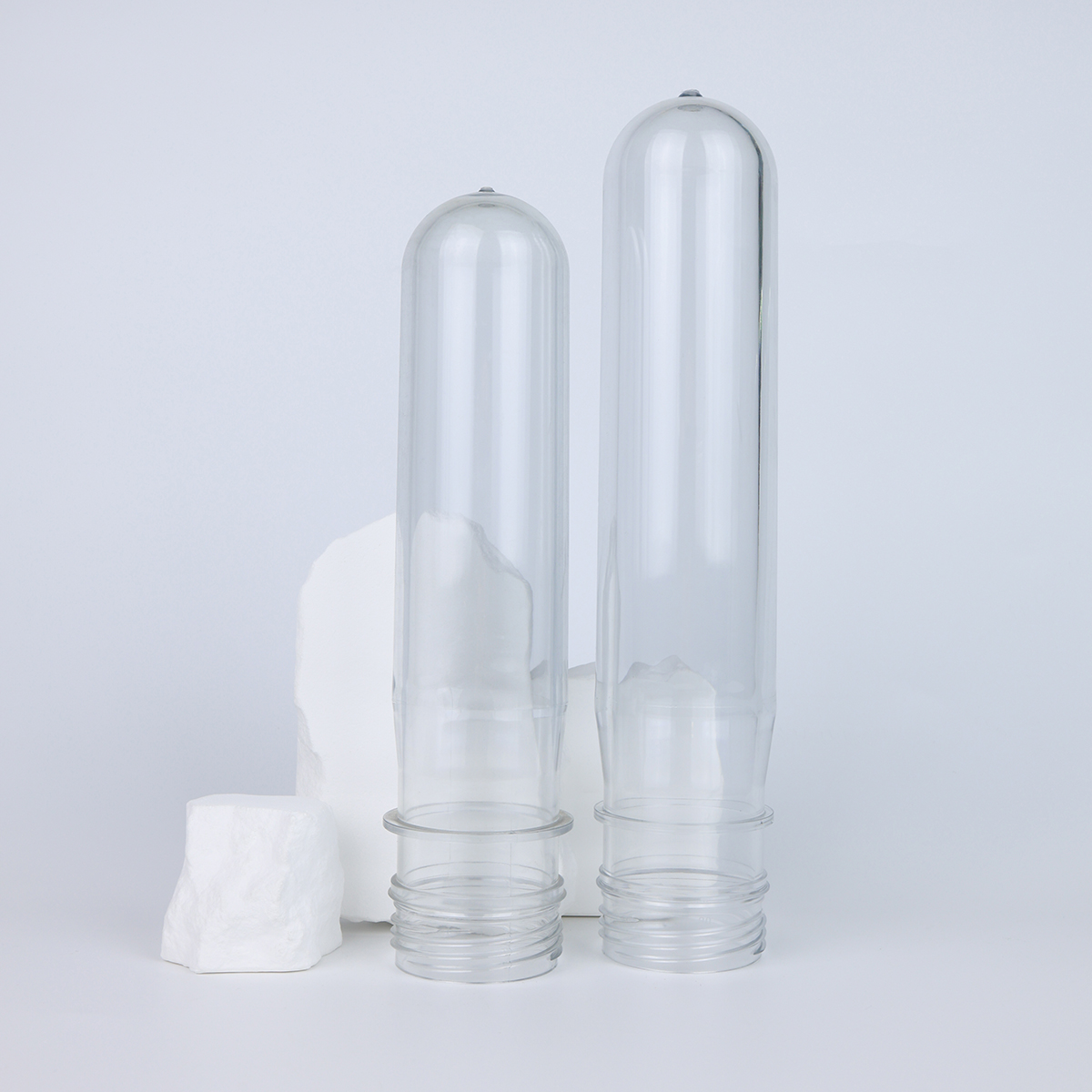
The selection of materials for water bottle preform manufacturing directly impacts the quality, safety, and cost-effectiveness of beverage containers worldwide. A water bottle preform is the intermediate form of plastic that manufacturers heat and stretch into final bottle shapes through injection molding and blow molding processes. Understanding the materials used in water bottle preform production is essential for manufacturers, suppliers, and businesses looking to optimize their beverage packaging strategy. Each material choice carries distinct advantages, performance characteristics, and regulatory compliance considerations that affect both production efficiency and end-product durability.
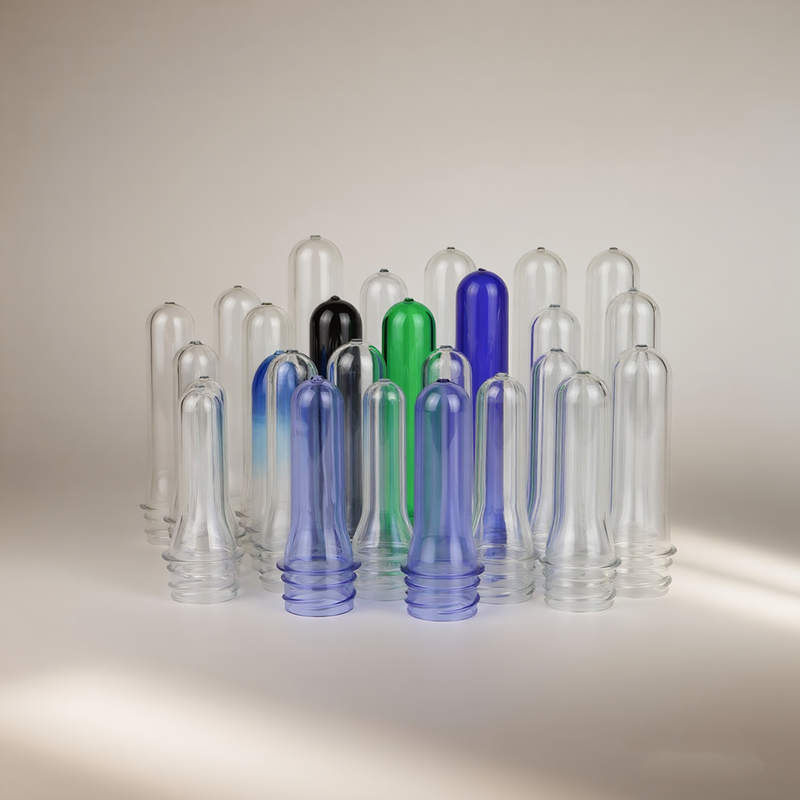
Manufacturers worldwide rely on proven material formulations to create water bottle preform designs that meet food safety standards, deliver consistent clarity, and withstand rigorous distribution conditions. The global beverage industry processes billions of containers annually, making material selection a critical decision that influences sustainability metrics, production throughput, and consumer satisfaction. By examining the primary materials used in water bottle preform manufacturing, businesses can make informed decisions about their packaging specifications and supplier partnerships.
PET as the Primary Material for Water Bottle Preform Production
Why PET Dominates Water Bottle Preform Manufacturing
Polyethylene terephthalate, commonly known as PET, remains the most widely adopted material for water bottle preform applications across the beverage industry. A water bottle preform made from PET offers exceptional clarity, lightweight properties, and proven food safety certification that meets strict regulatory requirements in North America, Europe, and Asia. PET's molecular structure provides excellent barrier properties against oxygen and carbon dioxide, making it ideal for carbonated beverages, water, and juice packaging. The material's inherent strength-to-weight ratio allows manufacturers to produce thinner-walled water bottle preform designs without compromising structural integrity or consumer confidence.
Food Grade Standards and Virgin PET Benefits
Virgin PET, produced directly from raw hydrocarbon feedstocks, represents the highest purity standard for water bottle preform material selection. Food-grade virgin PET ensures that a water bottle preform contains no recycled contamination, providing manufacturers with consistent molecular weight, intrinsic viscosity, and processing stability. This purity level is essential when producing water bottle preform products destined for direct human consumption, as regulatory bodies including the FDA and European Food Safety Authority maintain strict composition guidelines. The investment in virgin material for water bottle preform manufacturing guarantees batch-to-batch consistency, reduces production scrap rates, and minimizes recalls due to material contamination or degradation.
Alternative Materials and Specialized Water Bottle Preform Formulations
PETG and Copolyester Options for Enhanced Performance
Beyond standard PET, manufacturers develop specialized water bottle preform compositions using PETG (polyethylene terephthalate glycol-modified) and other copolyesters to achieve enhanced impact resistance and processing flexibility. A water bottle preform manufactured from PETG exhibits superior toughness at lower temperatures and demonstrates improved clarity retention under UV exposure compared to conventional PET formulations. These advanced water bottle preform materials are particularly valuable for premium beverage segments, outdoor sports drinks, and packaging destined for climate-variable distribution environments. Copolyester-based water bottle preform designs allow producers to reduce wall thickness while maintaining rigidity, contributing to material cost reduction and improved sustainability metrics.
Recycled and Post-Consumer Resin in Water Bottle Preform Manufacturing
The beverage industry increasingly incorporates food-grade recycled PET into water bottle preform formulations to meet corporate sustainability commitments and circular economy mandates. Recycled water bottle preform material, when properly processed and certified, maintains adequate transparency and structural properties for most beverage applications while significantly reducing carbon footprint and virgin resource consumption. A water bottle preform containing 25 to 50 percent post-consumer recycled content can achieve substantial environmental benefits without requiring fundamental changes to existing injection molding equipment or blow molding operations. However, manufacturers must carefully manage recycled water bottle preform input quality, verify chain-of-custody documentation, and monitor batch consistency to prevent clarity degradation or contamination risks that could compromise final product acceptability.
Technical Performance Criteria and Material Selection Drivers
Weight Reduction and Cost Optimization in Water Bottle Preform Design
Every water bottle preform weight reduction initiative requires precise understanding of material properties, mold design capabilities, and end-use stress conditions. Modern water bottle preform engineering achieves 15 to 25 percent weight reductions compared to preforms designed two decades ago, driven by superior resin chemistry and optimized gate design strategies. A water bottle preform optimized for minimal material consumption reduces transportation costs, warehouse footprints, and raw material procurement expenses while simultaneously improving environmental performance metrics. Material scientists continue refining water bottle preform formulations to extend the limits of thickness reduction without inducing handling damage, deformation during stacking, or structural failure under normal retail and consumer usage scenarios.
Chemical Resistance and Shelf Stability of Water Bottle Preform Materials
The chemical resistance profile of a water bottle preform directly influences product shelf life, flavor preservation, and regulatory compliance across diverse beverage categories. Premium water bottle preform materials resist absorption of external odors and contaminants while preventing migration of polymer compounds into packaged beverages under standard storage temperatures and humidity conditions. Manufacturers specify water bottle preform materials based on intended product contact duration, storage temperature ranges, and compatibility with food additives, preservatives, or fortification compounds that may be present in the finished beverage. The barrier properties inherent to quality water bottle preform resins ensure that carbonated products retain dissolved gases, still beverages maintain organoleptic integrity, and sensitive formulations avoid unwanted oxidation or flavor degradation throughout their market shelf life.
Regulatory Compliance and Material Certification for Water Bottle Preform Production
FDA Approval and Global Food Contact Material Standards
Every water bottle preform destined for beverages in regulated markets must comply with comprehensive food contact material regulations enforced by governmental agencies and international standards organizations. Water bottle preform manufacturers verify that their material formulations, processing additives, and colorants meet FDA 21 CFR Part 177 requirements, European Commission Regulation 10/2011, and equivalent standards across target distribution regions. A water bottle preform certified for food contact demonstrates that migration testing has been completed, specific migration limits have been validated, and overall migration thresholds remain within acceptable ranges under intended use conditions. Suppliers of water bottle preform material typically provide technical data sheets, migration certificates, and regulatory compliance documentation that producers must maintain as part of product traceability and quality assurance protocols.
Industry Certifications and Third-Party Validation
Leading water bottle preform material suppliers pursue ISO 9001 certification, FSSC 22000 accreditation, and third-party audit validation to demonstrate sustained commitment to quality and food safety. A water bottle preform manufactured from certified material provides downstream beverage producers with documented evidence of consistent quality control, contamination prevention measures, and regulatory compliance status. Industry certifications covering water bottle preform material sourcing, processing, and distribution strengthen customer confidence, reduce audit workload for beverage manufacturers, and establish clear accountability throughout the supply chain. Material suppliers maintain ongoing laboratory testing protocols to verify that every water bottle preform material batch meets published specifications for intrinsic viscosity, moisture content, thermal properties, and contaminant limits.
FAQ
What is the standard weight range for a typical water bottle preform?
A standard water bottle preform typically ranges from 13 to 55 grams depending on the final bottle volume, intended use, and material composition. Smaller preforms for single-serve water bottles may weigh 13 to 20 grams, while larger preforms for family-size or beverage containers can reach 45 to 55 grams. The water bottle preform weight influences production cycle times, material costs, and the final container's structural performance under transportation and retail handling conditions.
Can recycled materials be used in water bottle preform manufacturing for beverages?
Yes, food-grade recycled PET can be incorporated into water bottle preform formulations, typically at 25 to 50 percent concentrations, provided the material has been properly certified and verified for food contact compliance. A water bottle preform containing recycled content must undergo rigorous testing to confirm that contamination risks are eliminated and material properties meet production specifications. Many beverage manufacturers now specify water bottle preform products with certified recycled content to support sustainability goals and circular economy commitments.
How do manufacturers ensure water bottle preform material quality and consistency?
Manufacturers ensure water bottle preform quality through rigorous incoming material testing, batch segregation protocols, environmental monitoring in storage facilities, and continuous process validation during injection molding. Each water bottle preform material batch undergoes intrinsic viscosity measurement, moisture analysis, and visual inspection before processing begins, with documentation maintained for traceability and regulatory compliance purposes.
