 EN
EN

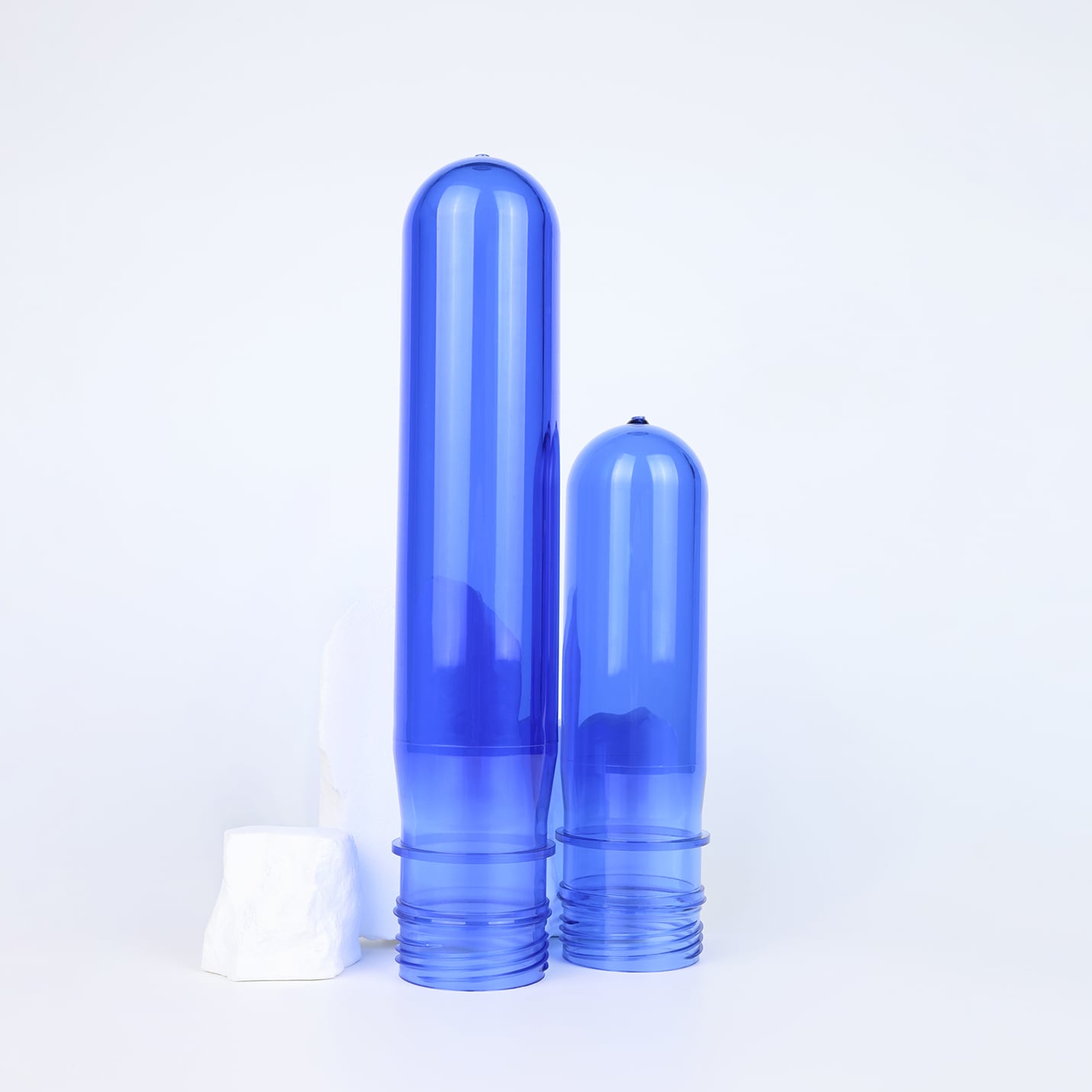
The modern beverage industry relies on precision manufacturing to meet consumer demand at scale, and the water bottle preform has become the cornerstone of efficient, high-volume production. A water bottle preform is a semi-finished plastic component created through injection molding that serves as the foundation for automated blow molding systems. Understanding how a water bottle preform functions within your production workflow is essential for manufacturers seeking to optimize throughput, reduce waste, and maintain consistent product quality across millions of units annually.
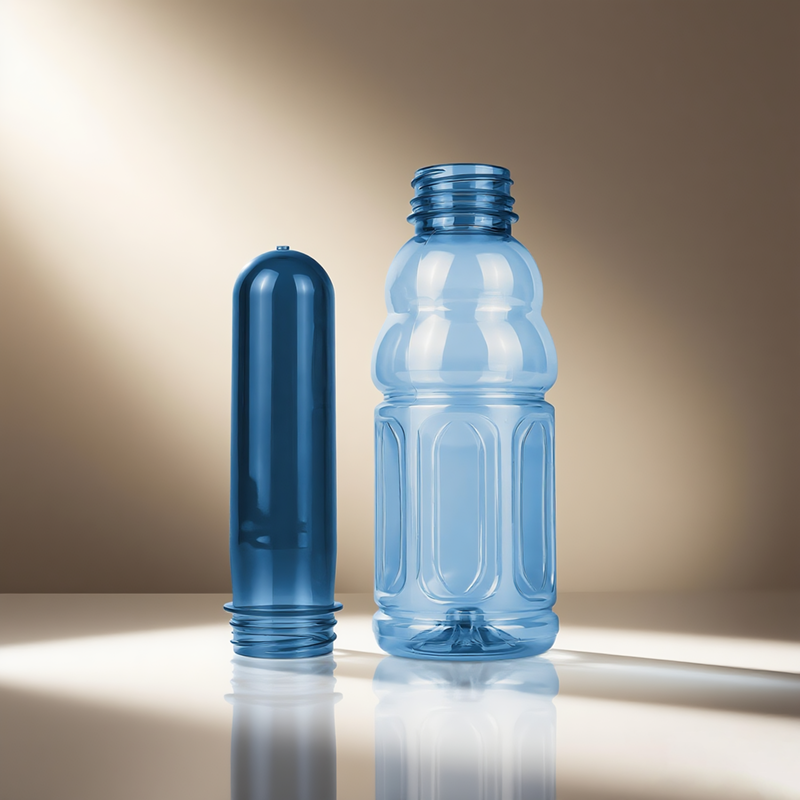
The water bottle preform manufacturing process delivers raw material that feeds directly into blow molding machines, where heat and air pressure transform the preform into finished bottles. This two-stage approach—injection molding followed by blow molding—offers significant advantages over single-stage manufacturing, including faster cycle times, superior material consistency, and the ability to scale production without sacrificing dimensional accuracy. For beverage producers and contract manufacturers, selecting the right water bottle preform supplier and understanding preform specifications directly impacts production efficiency, cost per unit, and final product performance.
The Core Function of Water Bottle Preform Technology
How Water Bottle Preform Manufacturing Works
A water bottle preform begins its life in an injection molding machine, where molten plastic resin is forced into precision molds under controlled temperature and pressure. The resulting water bottle preform emerges as a small, hollow tube with a threaded neck, a relatively thick wall structure, and a closed bottom. This specific geometry of the water bottle preform is engineered to withstand handling and storage before the blow molding stage, while also responding predictably to the heating and expansion forces that will occur downstream. The material composition—typically polyethylene terephthalate (PET)—is selected for its strength, clarity, and ability to be recycled repeatedly, making the water bottle preform an environmentally responsible choice for manufacturers committed to circular economy principles.
The precision of water bottle preform injection molding cannot be overstated. Tolerances in wall thickness, neck diameter, and base configuration must be held to tight specifications to ensure consistent blow molding performance. A water bottle preform with uneven wall thickness will produce bottles with weak spots prone to failure, while neck variations can cause sealing problems with caps. Advanced injection molding systems that produce water bottle preform components employ multi-cavity molds, automated quality inspection, and real-time process monitoring to maintain the dimensional consistency required by modern automated blow molding lines.
Integration with Automated Blow Molding Systems
When a water bottle preform enters an automated blow molding system, the transformation is rapid and dramatic. The preform is first reheated in an infrared oven to bring the plastic to a controlled temperature—soft enough to expand but rigid enough to maintain its shape. The heated water bottle preform is then positioned in a blow mold cavity, where compressed air is injected through the neck, forcing the plastic walls outward against the mold surfaces. Within seconds, the water bottle preform has become a finished bottle with the desired shape, size, and wall thickness distribution. This automated process requires a water bottle preform of exceptional dimensional consistency; even minor variations in the preform can disrupt the entire production line and result in rejected bottles downstream.
Specifications and Performance Characteristics
Critical Dimensions and Material Properties
A water bottle preform designed for automated blow molding systems must meet several key performance criteria. The neck thread design of the water bottle preform must accommodate standard or custom caps without rework, and the overall length must be compatible with your specific blow molding equipment. The base configuration of a water bottle preform affects how the bottle stands and performs under pressure; concave or convex base designs are chosen based on whether the final bottle will be used for carbonated beverages or still water. Weight of the water bottle preform is a critical cost factor, as manufacturers pay for material, and reducing preform weight while maintaining structural integrity directly improves profitability per bottle produced.
The crystallinity level and thermal properties of the plastic in a water bottle preform influence how it behaves during blow molding and throughout the bottle's shelf life. A properly manufactured water bottle preform exhibits consistent viscosity when heated, ensuring uniform expansion across the entire wall surface. The clarity and transparency of a water bottle preform become visible in the final bottle, so material purity and colorant selection during preform production directly impact consumer perception and product marketability. For beverages requiring extended shelf life or protection from oxygen transmission, a water bottle preform manufactured from barrier-enhanced PET or specialty blends can provide additional protection without requiring thicker walls.
Quality Standards and Testing Requirements
Manufacturing a water bottle preform to industry standards requires adherence to specifications established by organizations like the PET Resin Association and material suppliers. Each water bottle preform undergoes inspection for dimensional accuracy, surface defects, gate vestige appearance, and material consistency. High-speed automated inspection systems measure wall thickness across the preform using ultrasonic technology or X-ray analysis, flagging any water bottle preform that falls outside acceptable tolerances. Mechanical testing of sample preforms validates that the material will perform correctly during the blow molding process and that the finished bottles will meet strength and durability requirements expected by end users.
Optimizing Your Water Bottle Preform Selection
Choosing the Right Water Bottle Preform Supplier
Selecting a water bottle preform manufacturer should be based on several critical factors beyond price alone. Your chosen water bottle preform supplier must demonstrate capability to maintain tight tolerances consistently across high production volumes, backed by documented quality control procedures and third-party certifications. Communication and technical support from your water bottle preform provider are invaluable when troubleshooting production issues or adjusting specifications to meet changing customer demands. A reliable water bottle preform partner will work with you to optimize designs, reduce material usage where possible, and scale production as your business grows without compromising quality or delivery reliability.
The geographic location of your water bottle preform supplier influences lead times, freight costs, and supply chain resilience. Diversifying your supplier base by maintaining relationships with multiple water bottle preform manufacturers in different regions can protect against disruptions while creating competitive pressure that benefits your cost structure. When evaluating a new water bottle preform supplier, request samples and conduct trial production runs on your actual blow molding equipment before committing to volume contracts. This validation step ensures that the water bottle preform will perform as expected in your specific automation environment and that no costly line modifications will be required.
Cost Optimization and Sustainability Considerations
The cost per unit of a water bottle preform depends on several variables including material composition, complexity of the neck design, production volume, and wall thickness specifications. Working with your water bottle preform manufacturer to optimize designs can reduce costs significantly; even a two-gram reduction in preform weight compounds to substantial savings across millions of units annually. Recycled PET content in a water bottle preform is increasingly available and often competitively priced while supporting corporate sustainability goals and consumer preferences for environmentally responsible products. The efficient design of a water bottle preform directly supports your sustainability targets by reducing material consumption, energy requirements during blow molding, and transportation impacts compared to heavier preform alternatives.
FAQ
What is the typical lead time for ordering water bottle preform inventory?
Lead times for water bottle preform orders typically range from four to eight weeks depending on production volume, design complexity, and current supplier capacity. Custom tooling for a new water bottle preform design may require an additional two to four weeks. Maintaining strategic inventory of your current water bottle preform specifications allows you to smooth out supply variations and ensure continuous production without costly rush orders or line downtime.
Can a water bottle preform be used with different blow molding equipment?
A water bottle preform is designed for compatibility with specific equipment parameters including oven temperature zones, air pressure specifications, and mold cavity dimensions. While some standardized water bottle preform dimensions can work across multiple equipment platforms, customized preforms are typically optimized for your particular blow molding system. Always validate a new water bottle preform design on your actual production equipment before full-scale deployment to ensure consistent, high-quality results without requiring equipment modifications.
How does the cost of a water bottle preform compare to single-stage bottle manufacturing?
A water bottle preform-based production approach generally offers cost advantages at volumes above 10 million units annually due to faster cycle times, reduced scrap rates, and higher throughput on automated lines. While single-stage molding requires no preform, it typically demands slower machine cycles and generates higher material waste during part ejection. The water bottle preform methodology excels in high-volume, price-sensitive markets like disposable beverage bottles where the combination of speed, quality, and material efficiency creates competitive economic advantage.
