 EN
EN

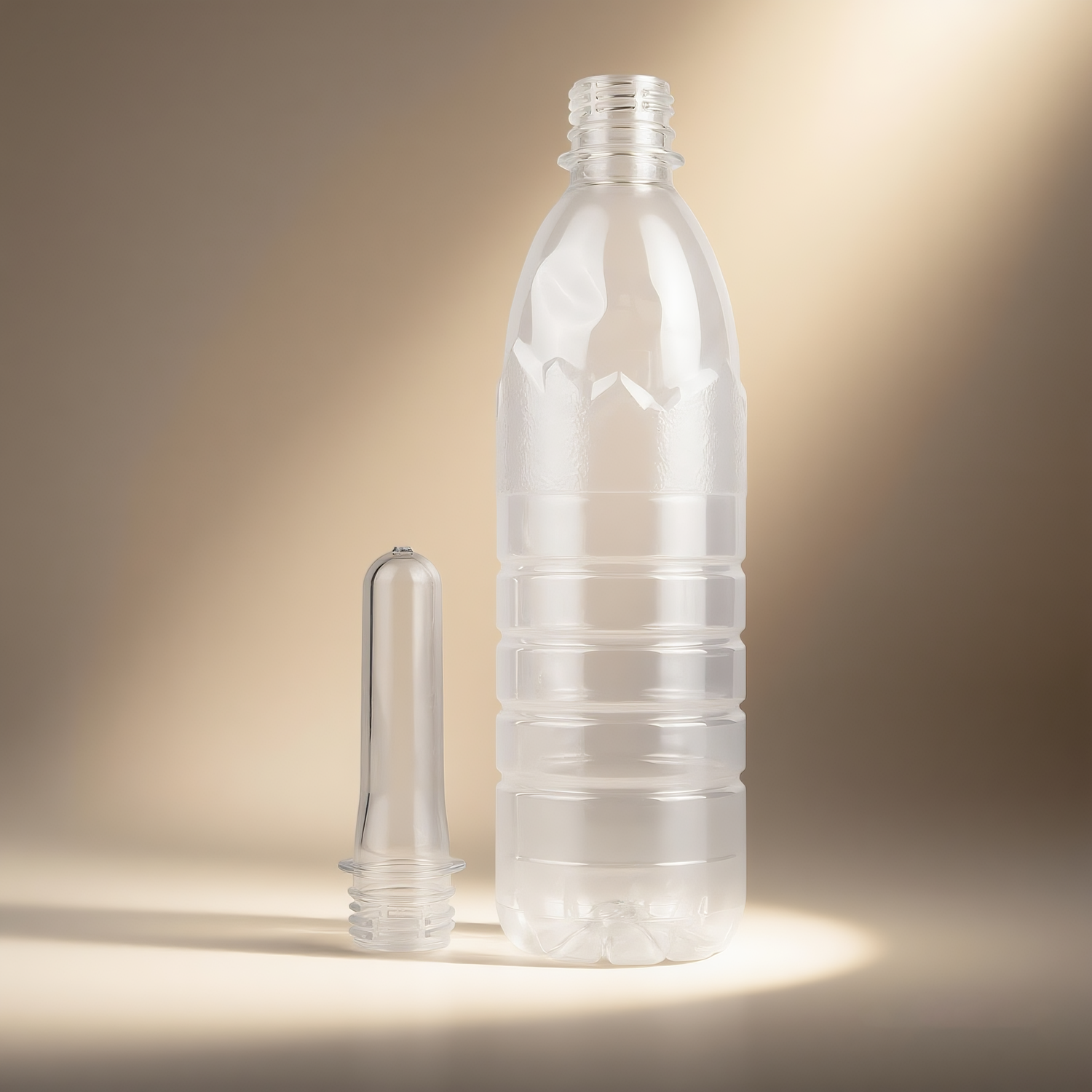
The design of a water bottle is far more complex than most consumers realize. Every water bottle must balance functionality, durability, and most critically, safety for drinking water storage and packaging. Modern water bottle engineering involves material science, regulatory compliance, and practical ergonomics to ensure that the water inside remains pure, uncontaminated, and safe for human consumption. Whether for home use, office environments, or commercial distribution, the water bottle serves as the primary barrier between drinking water and external contaminants.
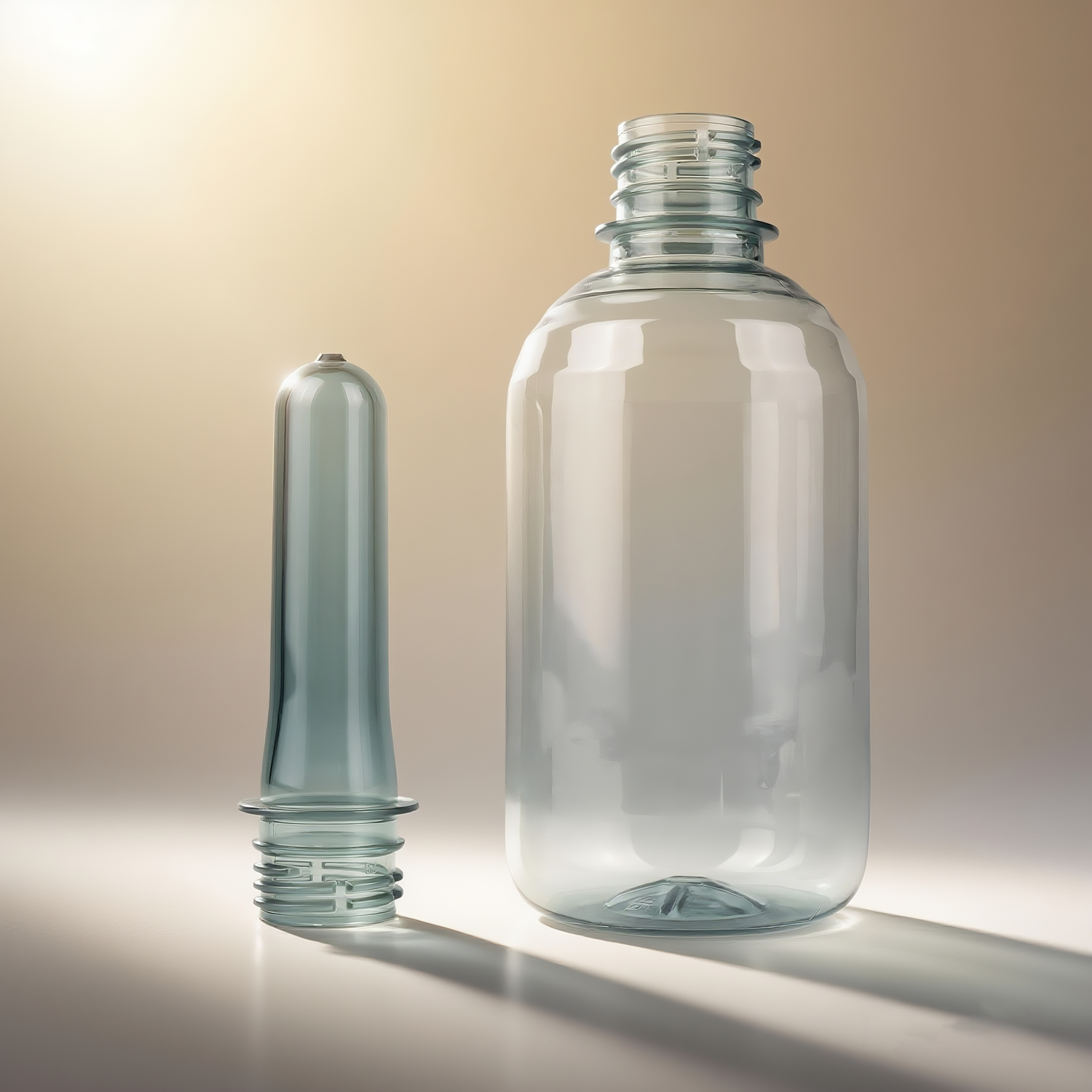
When designing a water bottle for safe drinking water packaging, manufacturers must consider material selection, structural integrity, closure mechanisms, and chemical compatibility. The water bottle design process begins with understanding the specific end-use scenario—whether the water bottle will store purified water, mineral water, or treated municipal water. Each scenario demands different material properties and design specifications. A properly engineered water bottle protects water quality throughout its entire lifecycle, from filling and storage to transportation and final consumption.
Material Selection and Food-Grade Standards
Choosing Safe Materials for Water Bottle Construction
The foundation of any safe water bottle lies in material selection. Manufacturers designing a water bottle must use food-grade plastics or glass that meet strict regulatory standards. The most common choice for water bottle construction is polyethylene terephthalate, or PET, which is widely recognized as safe for drinking water applications. PET in a water bottle provides excellent chemical resistance, prevents leaching of harmful substances, and maintains structural integrity under various temperature conditions. When selecting materials for a water bottle, manufacturers prioritize FDA approval and compliance with international safety standards to guarantee that the water bottle poses no health risks to consumers.
Beyond PET, polycarbonate and high-density polyethylene are alternative materials used in water bottle design, each offering specific benefits for particular applications. The water bottle material must resist degradation when exposed to UV light, temperature fluctuations, and prolonged contact with water. Manufacturing a safe water bottle requires rigorous testing of the chosen material to confirm that no toxic compounds will migrate into the stored water. This material verification process is non-negotiable in water bottle engineering and represents a foundational safety requirement.
Regulatory Compliance in Water Bottle Design
Every water bottle sold commercially must comply with regulations established by agencies such as the FDA, European Commission, and national food safety authorities. A water bottle design that meets these standards ensures the product is certified as food-safe and suitable for direct contact with drinking water. Water bottle manufacturers must obtain certifications proving their materials and manufacturing processes meet or exceed these safety thresholds. The regulatory landscape for water bottle approval is stringent because the consequences of non-compliance can directly impact public health. Proper water bottle certification provides consumers with documented assurance that their chosen water bottle has undergone independent testing and verification.
Structural Design and Contamination Prevention
Engineering Durability into Water Bottle Structures
The physical structure of a water bottle must withstand storage stresses, transportation impacts, and temperature variations without compromising integrity. Water bottle design engineers calculate wall thickness, base reinforcement, and overall geometry to prevent cracking, leaking, or structural failure. A well-designed water bottle maintains its seal and structural properties throughout its intended lifespan. The water bottle shape also influences how effectively the container can be stacked, transported, and stored without risk of damage. Modern water bottle engineering employs computer modeling to simulate real-world stresses and validate that the final water bottle design will perform reliably across diverse usage conditions.
The closure system in a water bottle design is equally critical to structural safety. The cap mechanism must create an airtight seal that prevents bacterial contamination, oxygen ingress, and water loss through evaporation. A poorly designed water bottle closure can compromise water quality within days, even if the container material itself is food-grade. Advanced water bottle designs incorporate tamper-evident features and multi-stage sealing mechanisms that provide visual confirmation of product integrity. The relationship between the cap and the water bottle body must be engineered with precision tolerances to ensure consistent, reliable sealing across the entire production run.
Preventing Chemical Migration and Contamination
Chemical migration is a primary concern in water bottle safety design. Under certain conditions—such as heat exposure, prolonged storage, or contact with specific chemicals—materials in a water bottle can leach compounds into the water. Water bottle manufacturers must design products that minimize this risk through material selection, thickness optimization, and protective coatings. The water bottle's interior surface must remain chemically stable and non-reactive over the product's entire shelf life. Testing protocols for water bottle safety include extended contact tests, elevated temperature exposures, and analysis of water samples drawn from filled test bottles to confirm no harmful substances have migrated.
Design Features That Enhance Safe Water Packaging
Handle and Grip Design for Practical Safety
Beyond material and structural safety, a water bottle's design must include ergonomic features that prevent accidents and spills. Handles integrated into water bottle design must distribute the weight of filled containers evenly and provide secure gripping surfaces. A water bottle handle engineered poorly can cause drops, spills, and potential contamination of stored water. The water bottle grip design also considers user demographics—whether the water bottle will be used in homes, offices, or outdoor environments where different grip strengths and handling capabilities apply. Well-designed water bottle handles are textured, appropriately sized, and reinforced to withstand the stress of daily lifting and carrying.
The spout or opening design in a water bottle also contributes to contamination prevention and user safety. A water bottle spout must be sized to allow easy pouring while preventing accidental spillage or contamination from external surfaces. Some water bottle designs incorporate shrouded spouts or protective caps that prevent exposure to dust and bacteria when the water bottle is not in active use. The relationship between the spout size, the water bottle's center of gravity, and the handle position determines how easily and safely users can dispense water from the water bottle without risk of splashing or contamination.
Label and Marking Standards for Water Bottle Information
Water bottle design includes clear labeling that communicates safety information, capacity, material composition, and proper use instructions. Manufacturers of every water bottle must include markings that identify the food-grade certification and recycling information. The water bottle label must be durable and remain legible throughout the product's lifespan, helping consumers understand how to store and handle their water bottle safely. Proper labeling on a water bottle also includes batch numbers or traceability codes that allow manufacturers to track and recall products if safety issues arise. A water bottle without clear safety markings fails to meet professional design standards and may not be compliant with consumer protection regulations.
FAQ
What makes a water bottle safe for drinking water storage?
A water bottle is safe for drinking water when it is manufactured from food-grade materials certified by regulatory agencies such as the FDA, features a reliable airtight seal, prevents chemical migration into the water, and undergoes rigorous safety testing before distribution. The water bottle must also be designed to resist contamination from external sources, maintain structural integrity, and include proper labeling of material composition and safety certifications. A compliant water bottle protects water quality from the moment it is filled until the consumer opens it for use.
How does water bottle material affect water quality?
The material chosen for a water bottle directly influences whether harmful compounds can migrate into drinking water. A high-quality water bottle made from food-grade PET or other approved plastics resists chemical leaching and maintains water purity. Poor-quality water bottle materials may break down over time, especially when exposed to heat or sunlight, potentially releasing microplastics or chemical compounds into the water. Selecting a water bottle with certified, food-grade material ensures that the container itself will not compromise the safety or taste of the stored water throughout its intended use period.
Can a water bottle be reused safely?
Whether a water bottle can be safely reused depends on its original design and material. A water bottle engineered for single-use may degrade if repeatedly refilled and washed, whereas a water bottle specifically designed for multiple uses will maintain its structural integrity and sealing properties through numerous refill cycles. Reusable water bottles must have more robust materials, reinforced seals, and protective coatings to withstand repeated cleaning and filling. Always consult the manufacturer's guidelines for your specific water bottle to determine safe reuse practices and proper cleaning procedures that maintain the water bottle's integrity over time.
