 EN
EN

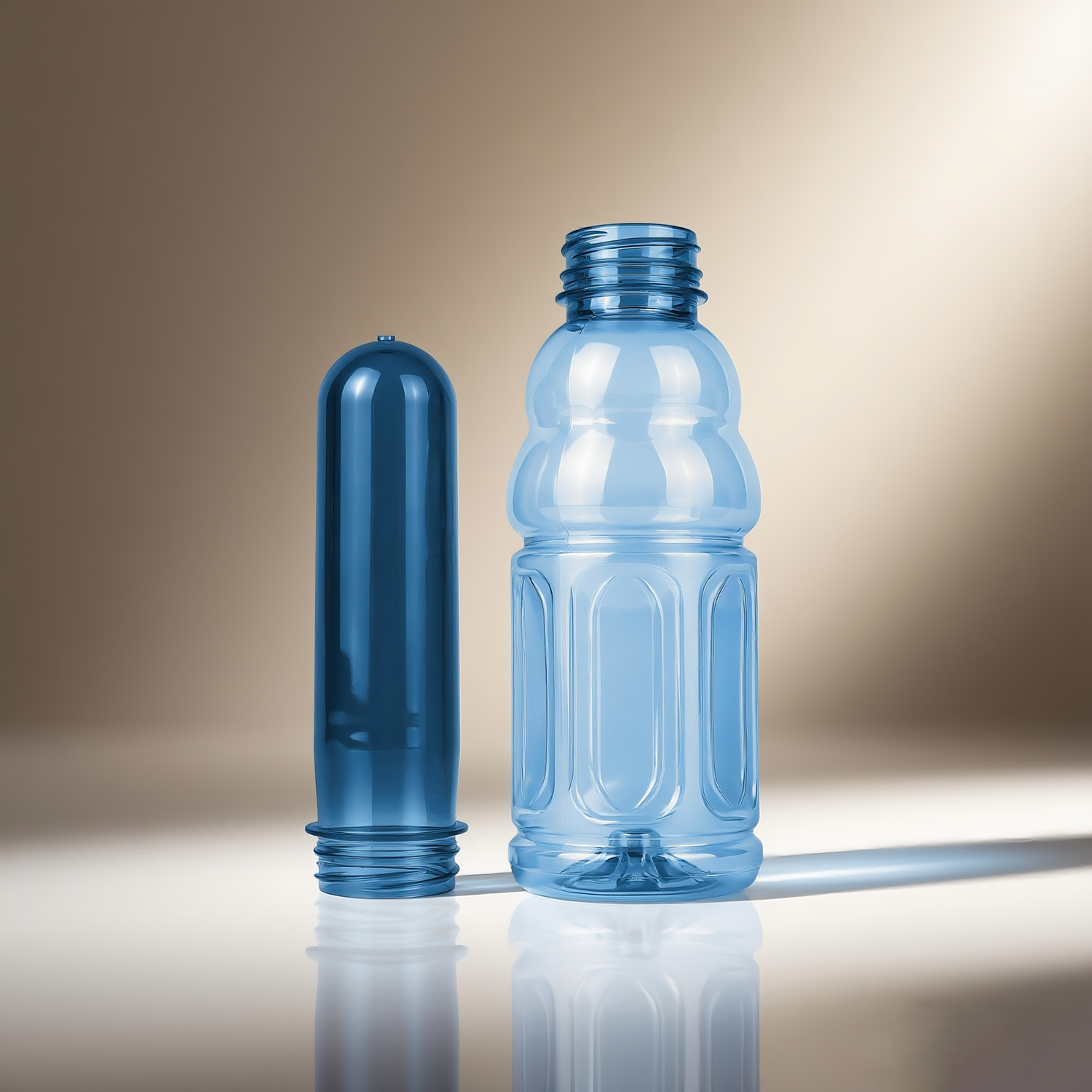
Every brand seeks meaningful ways to connect with its audience, and a custom water bottle offers a tangible solution that combines practicality with brand visibility. A water bottle is far more than a functional container; it becomes a daily companion that keeps your brand message in front of customers, clients, and employees. Unlike traditional advertising that people ignore or avoid, a water bottle delivers consistent brand exposure through genuine utility and value. Organizations across industries—from corporate offices to fitness centers, educational institutions to promotional campaigns—leverage branded water bottles to reinforce their identity while providing something genuinely useful to their target market.
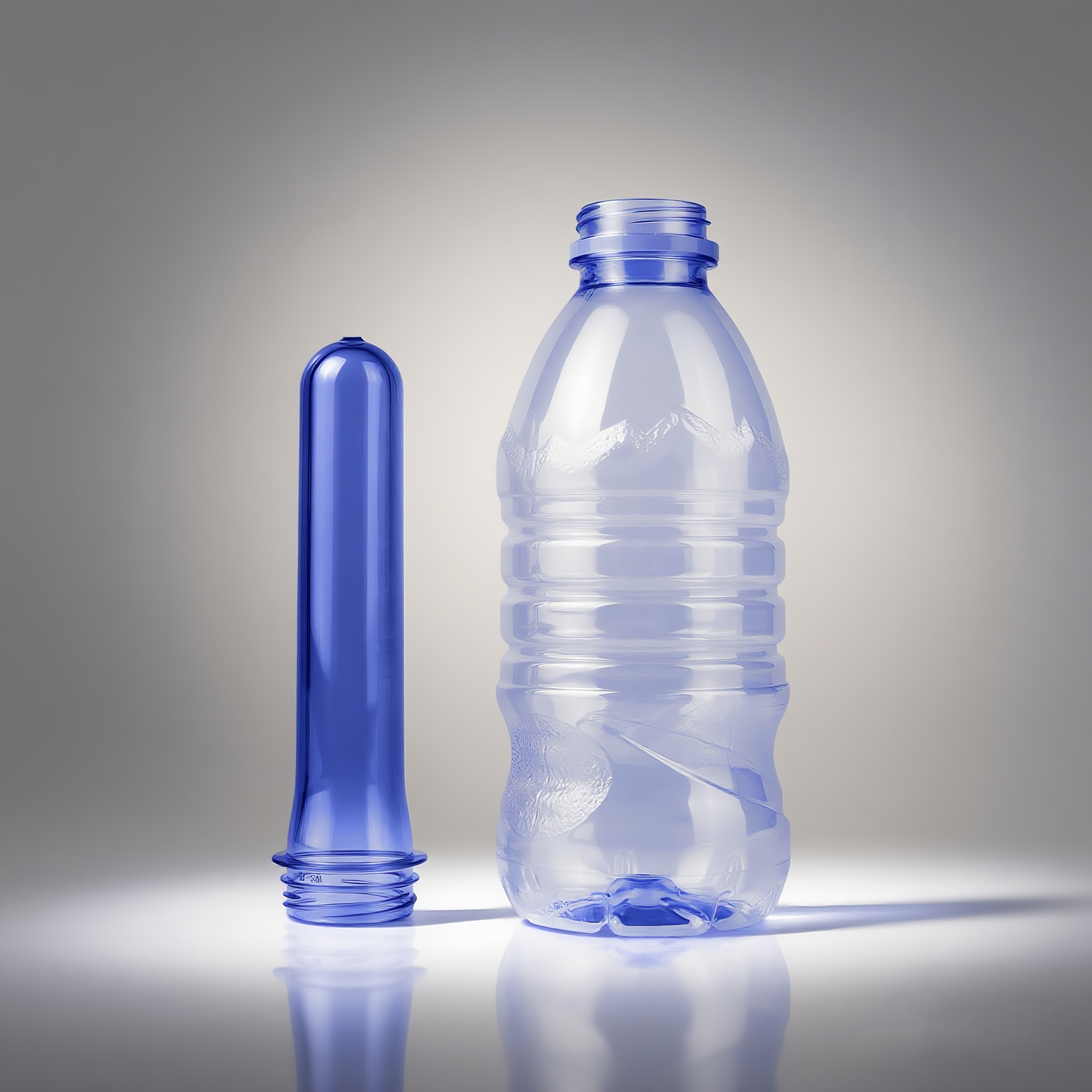
Customization options for a water bottle have expanded dramatically, enabling brands to create precisely the product their audience needs. Modern water bottle manufacturing allows for control over size, material, shape, color palette, and printed or embossed branding. This level of personalization means your water bottle doesn't just carry a logo—it reflects your brand's values, aesthetic, and commitment to quality. Understanding the full range of customization possibilities helps you make informed decisions that align your water bottle with business objectives and customer expectations.
Understanding Water Bottle Shapes and Their Impact
Standard Bottle Configurations
The most common water bottle shapes include cylindrical designs, tapered silhouettes, and contoured ergonomic profiles. A cylindrical water bottle remains the industry standard because it maximizes liquid capacity, simplifies manufacturing, and fits most cup holders. Tapered water bottles, which narrow toward the top, offer visual interest while reducing material at the neck, creating a more refined appearance. Ergonomic water bottle designs incorporate curves and indentations specifically engineered to fit comfortably in human hands, appealing to active users and fitness-oriented markets. Each water bottle shape communicates different brand values—sleekness conveys modernity, while robust cylindrical designs suggest reliability and practicality.
Custom Shapes for Brand Differentiation
Advanced manufacturing permits unique water bottle shapes that set brands apart. Some organizations commission water bottles shaped like their product, mascot, or iconic symbol, creating memorable branded merchandise. A water bottle with distinctive geometry becomes instantly recognizable, encouraging sharing on social media and extending brand reach. However, custom water bottle shapes typically involve higher minimum order quantities and tooling costs, requiring strategic consideration of your target volume and budget. The decision to pursue a standard or customized water bottle shape depends on balancing brand differentiation goals against production economics and timeline requirements.
Exploring Water Bottle Sizes and Capacity Options
Popular Capacity Ranges
Water bottle capacity typically ranges from 12 ounces for personal portability up to 64 ounces or larger for all-day hydration. The most common sizes are 16 ounces, 18 ounces, 24 ounces, and 32 ounces, meeting diverse user needs without excessive weight or bulk. A 16-ounce water bottle suits professionals who want something compact for desk or bag, while a 32-ounce water bottle appeals to active individuals and outdoor enthusiasts. Organizations must align their water bottle size selection with their target audience's lifestyle and use case. Athletes prefer larger water bottles that minimize refilling frequency, whereas business professionals often favor smaller, lighter designs that fit easily into briefcases and backpacks.
Specialty Water Bottle Sizes
Large-capacity water bottles, including 48-ounce and 64-ounce variants, attract audiences focused on sustainability and reduced plastic waste. Businesses promoting hydration, wellness, or environmental responsibility often choose larger water bottle sizes to emphasize these values. Conversely, small water bottles under 12 ounces serve niche markets such as children's programs, travel-focused brands, or minimalist lifestyle audiences. Your water bottle size selection directly influences user frequency and brand message consistency. A water bottle matched perfectly to its intended user context increases the likelihood of regular use and greater brand impression accumulation over time.
Color Customization and Brand Expression
Choosing Colors That Reinforce Brand Identity
A water bottle's color palette directly impacts brand recognition and emotional response. Your water bottle should incorporate your primary brand colors or a thoughtfully coordinated selection that aligns with brand guidelines. Solid-color water bottles project clean, professional aesthetics, while gradient or multi-color designs offer visual excitement and contemporary appeal. The choice between matte, glossy, and metallic finishes further influences how a water bottle presents your brand. A matte-finish water bottle conveys sophistication and environmental consciousness, while glossy variants suggest energy and vibrancy. Metallic or iridescent water bottles create premium perceptions suitable for luxury or lifestyle brands.
Practical Considerations in Color Selection
Durability matters significantly when selecting water bottle colors, particularly for outdoor use or frequent handling. Certain colors show wear differently; lighter water bottle shades may reveal fingerprints and stains more readily, while darker options hide imperfections but can absorb heat in direct sunlight. Consistency across your water bottle color inventory requires quality control throughout manufacturing, ensuring every unit meets color specifications. If your water bottle features printed logos or designs, the color choice should provide sufficient contrast for legibility and visual impact. Testing your selected water bottle color against various lighting conditions and backgrounds ensures your branding appears exactly as intended in real-world scenarios where users will encounter and use the product.
Maximizing Your Water Bottle Investment
Strategic Brand Integration
A successful water bottle strategy extends beyond the physical product itself. Your water bottle becomes most valuable when integrated into broader brand initiatives—corporate wellness programs, trade show giveaways, employee recognition rewards, or customer loyalty campaigns. The water bottle functions best when recipients understand why they received it and what it represents about your brand. A water bottle that arrives with clear branding messaging and quality packaging reinforces the perceived value. Consider pairing your water bottle with content explaining your commitment to hydration, environmental responsibility, or employee wellbeing to maximize the meaningful impact of your water bottle distribution.
Measuring and Optimizing Results
Tracking how your water bottle performs in the market provides valuable insights for future campaigns. Monitor which water bottle designs receive the most positive feedback, which colors users prefer, and whether size choices align with actual usage patterns. Gather feedback through direct customer surveys, social media monitoring, and observation of how prominently recipients display their water bottle. This information helps you refine your water bottle specifications for subsequent orders, ensuring continuous improvement. A water bottle investment generates strongest returns when you view it not as a one-time purchase, but as an ongoing opportunity to evolve your brand presence based on real-world performance data and user preferences.
FAQ
What size water bottle works best for corporate branding?
For corporate environments, 16 to 24-ounce water bottles typically perform best because they fit conveniently into workspaces, car cup holders, and gym bags without excessive bulk. However, the ideal water bottle size depends on your target audience—desk workers may prefer 16-ounce models, while active employees or outdoor-focused companies should choose 32-ounce options. Consider your company culture and use case to select a water bottle capacity that genuinely aligns with user needs rather than defaulting to the most common option.
How do I ensure my custom water bottle design stands out?
To make your water bottle memorable, combine unique shape selection with your brand's signature colors and high-quality printing or embossing techniques. A water bottle featuring multi-dimensional logos, metallic accents, or innovative material choices creates stronger brand impressions than basic designs. Consider what values your water bottle should communicate—sustainability, innovation, professionalism, or wellness—and ensure the design, color, and finish authentically reflect those characteristics. Testing your water bottle design with target users before committing to large orders helps validate that your choices resonate as intended.
What are the cost considerations for custom water bottles?
Water bottle costs vary significantly based on size, material quality, customization complexity, and order volume. Standard water bottle designs with minimal customization typically range lower in price, while complex shapes, premium materials, and extensive branding increase per-unit costs substantially. Ordering larger quantities generally reduces the per-unit water bottle price through economies of scale. Evaluate your budget against realistic distribution goals—oversized water bottle orders that go unused waste resources, while undersized orders limit impact. Request detailed quotes from multiple manufacturers to understand how different water bottle specifications affect your total investment.
