 EN
EN

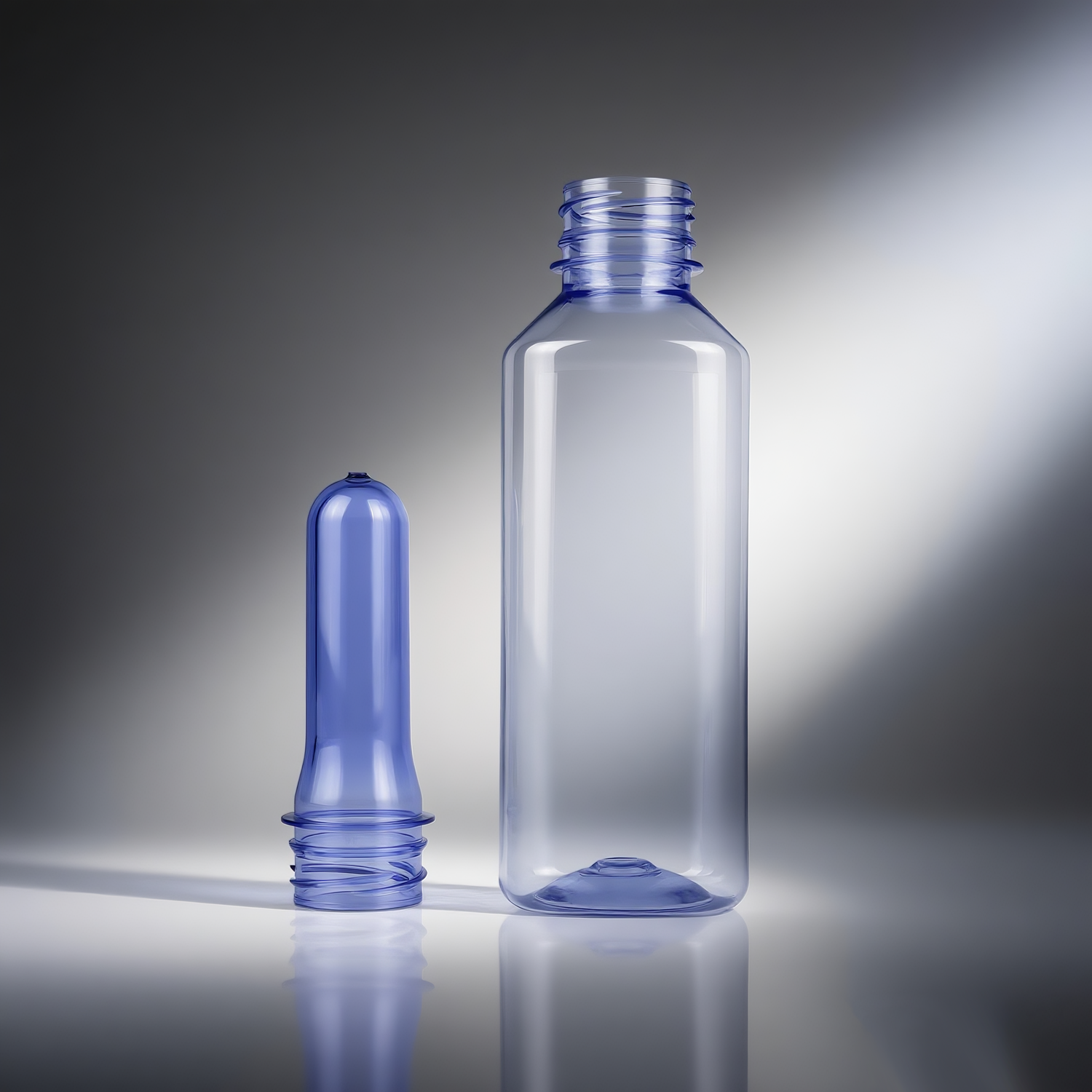
Choosing the right material for a water bottle impacts durability, safety, environmental footprint, and consumer satisfaction in beverage industries worldwide. The material composition determines how well the water bottle performs under stress, resists degradation, maintains product integrity, and aligns with regulatory compliance standards. Whether manufacturers focus on single-use convenience or reusable premium positioning, understanding material properties is essential for production decisions and market competitiveness. This guide explores how PET plastic compares to alternative materials, clarifying the strengths and limitations that influence water bottle design and selection across commercial, industrial, and retail segments.
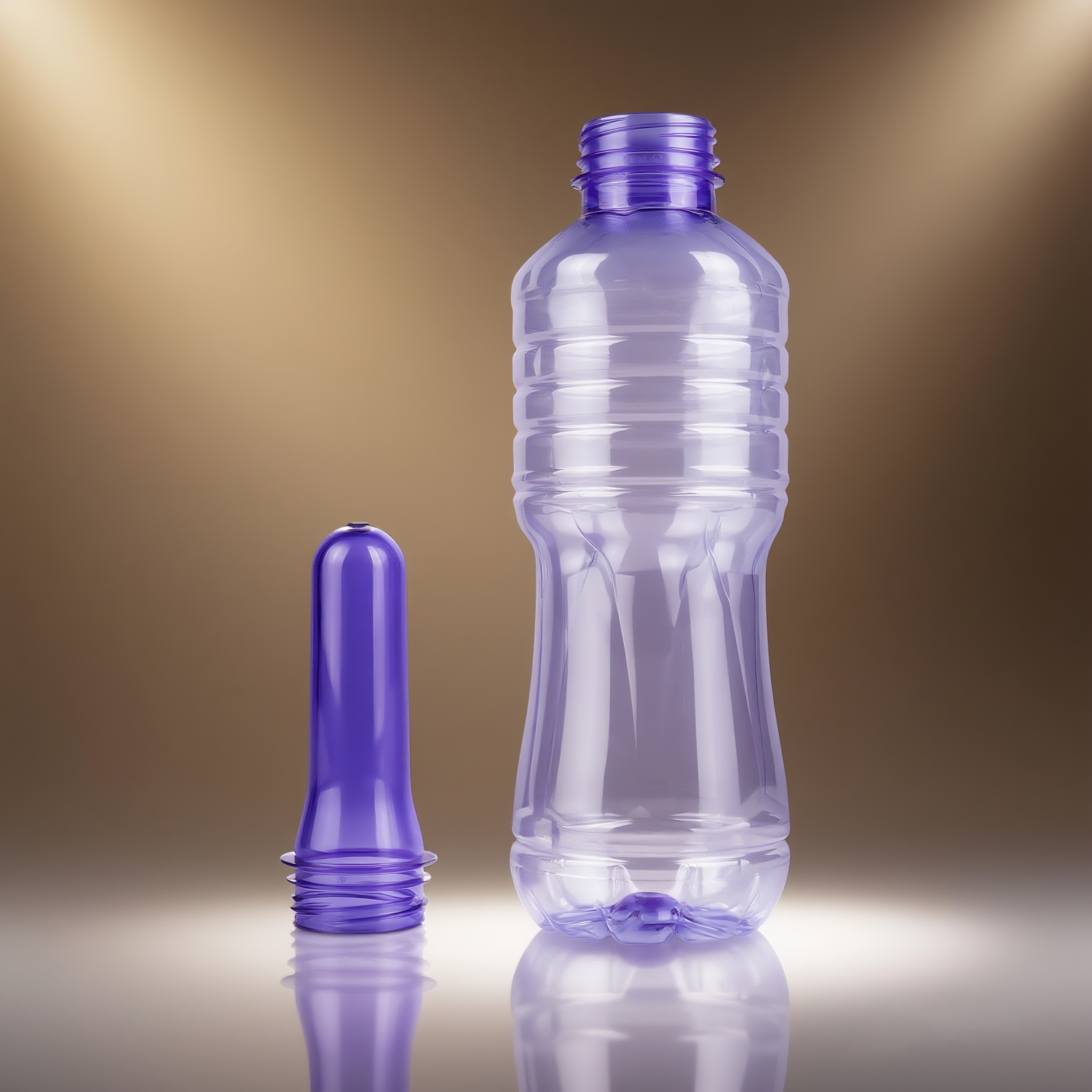
The water bottle industry depends heavily on material science and engineering precision to meet global demand for safe, affordable, and sustainable hydration solutions. PET remains the dominant choice for commercial beverage applications, but manufacturers increasingly evaluate HDPE, polycarbonate, and other alternatives based on specific use cases and customer priorities. Each material offers distinct advantages in cost, barrier properties, temperature resilience, weight, and recyclability. This article provides clarity on how these materials perform, which scenarios favor one over another, and what factors should drive material selection for water bottle producers and brand owners.
PET Plastic: The Industry Standard for Water Bottles
Why PET Dominates the Water Bottle Market
PET, or polyethylene terephthalate, has become the foundational material for single-use and lightweight reusable water bottle production globally. The water bottle manufactured from PET offers exceptional clarity, excellent barrier properties against oxygen and CO2, and proven compatibility with both still and carbonated beverages. Manufacturing costs for a water bottle made from PET are significantly lower than competing materials, making it economically viable for high-volume production runs. Regulatory bodies including the FDA and European Food Safety Authority have approved PET for direct food and beverage contact, establishing trust across supply chains and consumer segments.
Performance Characteristics of PET Water Bottles
A water bottle constructed from PET delivers superior shelf stability because the material's molecular structure provides an effective barrier against moisture and gas transmission. The water bottle design flexibility inherent to PET allows manufacturers to create lightweight containers that reduce transportation costs and environmental impact during distribution. PET water bottle production achieves high throughput rates with existing injection molding and blow-molding equipment, minimizing capital investment for manufacturers entering or expanding beverage production. The material exhibits good mechanical strength at ambient temperatures and remains impact-resistant during handling, shipping, and retail display scenarios.
Alternative Materials for Water Bottle Production
HDPE: High-Density Polyethylene as a Water Bottle Alternative
HDPE, or high-density polyethylene, serves as a viable alternative for water bottle manufacturers seeking heavier-duty construction or specific performance attributes. The water bottle produced from HDPE offers superior chemical resistance and can withstand harsher handling environments compared to PET equivalents. However, HDPE water bottle products exhibit lower gas barrier properties, making them less suitable for long-shelf-life carbonated beverages or products sensitive to oxygen exposure. A water bottle made from HDPE typically appears opaque or translucent, limiting consumer appeal in markets where transparency signals freshness and purity. Cost differentials between PET and HDPE water bottle materials have narrowed, but PET remains the preferred choice for transparent, lightweight, cost-competitive applications.
Polycarbonate and Premium Water Bottle Positioning
Polycarbonate presents a premium material choice for water bottle manufacturers targeting high-end or reusable market segments where durability and aesthetic appearance justify higher costs. The water bottle engineered from polycarbonate offers exceptional impact resistance, superior temperature tolerance, and long-term reusability without degradation. Regulatory scrutiny surrounding bisphenol-A, or BPA, in polycarbonate water bottle production has driven innovation toward BPA-free formulations, though manufacturing complexity and cost remain elevated. A water bottle crafted from polycarbonate appeals to consumers seeking durability for sports, outdoor, or professional use cases where the water bottle will experience repeated use and demanding conditions. The water bottle market segment for polycarbonate remains niche but stable, driven by premium pricing and specialized performance requirements.
Comparative Advantages and Selection Criteria
Cost, Weight, and Production Efficiency
The water bottle produced from PET delivers the most competitive total cost of ownership due to lower material costs, faster production cycle times, and minimal processing complexity. A water bottle manufactured from alternative materials typically requires specialized equipment, longer processing times, or additional quality controls, elevating production costs per unit. The water bottle industry's economies of scale heavily favor PET, with established supply chains, recycled resin availability, and proven manufacturing infrastructure supporting competitive pricing. Weight reduction is a critical factor for beverage manufacturers focused on transportation efficiency; a water bottle made from PET achieves the lowest weight-to-volume ratio among major plastic alternatives, directly reducing logistics expenses and carbon footprint during distribution.
Regulatory Compliance and Consumer Safety
A water bottle complying with food safety regulations requires rigorous testing and certification; PET holds established regulatory pathways across most jurisdictions, reducing compliance burden and time-to-market for manufacturers. The water bottle sourced from virgin, food-grade PET resin meets stringent safety standards without requiring special migration testing in most applications. Alternative water bottle materials may require additional safety documentation, particularly for polycarbonate formulations where residual BPA content demands verification testing. Recycled-content water bottle production introduces complexity; manufacturers must verify that a water bottle contains only approved recycled materials, requiring supplier audits and batch testing to maintain regulatory standing.
Sustainability and End-of-Life Considerations
The water bottle's environmental profile depends not only on material selection but also on design, weight optimization, and recycling infrastructure availability. PET water bottle recycling rates vary significantly by geography, but established collection systems in developed markets support circular economy goals for water bottle materials. A water bottle manufactured from HDPE presents lower recyclability challenges in some regions due to collection infrastructure designed for heavier plastic grades. Polycarbonate water bottle recycling remains limited in consumer curbside programs, though industrial take-back systems exist for high-volume commercial applications. The water bottle industry increasingly prioritizes lightweighting and optimized wall thickness regardless of material selection, as reducing total material volume provides the most direct pathway to environmental impact reduction across a water bottle's lifecycle.
FAQ
Can water bottles made from PET leach chemicals into beverages?
Food-grade PET water bottle production requires virgin or rigorously validated recycled resin that meets migration limits established by regulatory agencies. A properly manufactured water bottle using approved PET formulations poses no safety risk under normal storage conditions at ambient temperature. However, reusing a water bottle beyond its design life or exposing a water bottle to extreme heat can compromise the material's integrity and potentially lead to particle shedding or residue transfer. Manufacturers specify proper use guidelines for each water bottle design to ensure consumer safety and product integrity throughout the shelf life and consumption period.
What makes a water bottle suitable for hot beverage applications?
Standard PET water bottle materials soften above 60°C and are unsuitable for hot-fill operations or prolonged exposure to heated beverages. A water bottle engineered for hot applications typically requires polycarbonate, specialized heat-resistant PET formulations, or multilayer constructions that combine material properties. The water bottle designed for thermal stability must undergo specific testing to verify that material composition remains stable when exposed to elevated temperatures without releasing undesired compounds. Manufacturers clearly label intended use cases to prevent consumer misuse and ensure a water bottle performs safely and reliably under its designated conditions.
How do recycling economics affect water bottle material selection?
Water bottle recycling economics vary by material type, regional collection infrastructure, and commodity resin pricing cycles. PET water bottle recycling generates consistent secondary material value, supporting collection economics and incentivizing participation in formal recycling programs. A water bottle made from HDPE or polycarbonate typically commands lower secondary material prices, reducing financial incentives for recovery and potentially increasing disposal rates. Manufacturers increasingly consider recycled-content water bottle design as a strategy to support collection economics and brand positioning around sustainability commitments. The water bottle industry's long-term success depends on infrastructure investment and policy frameworks that make material recovery economically viable regardless of commodity pricing volatility.
