 EN

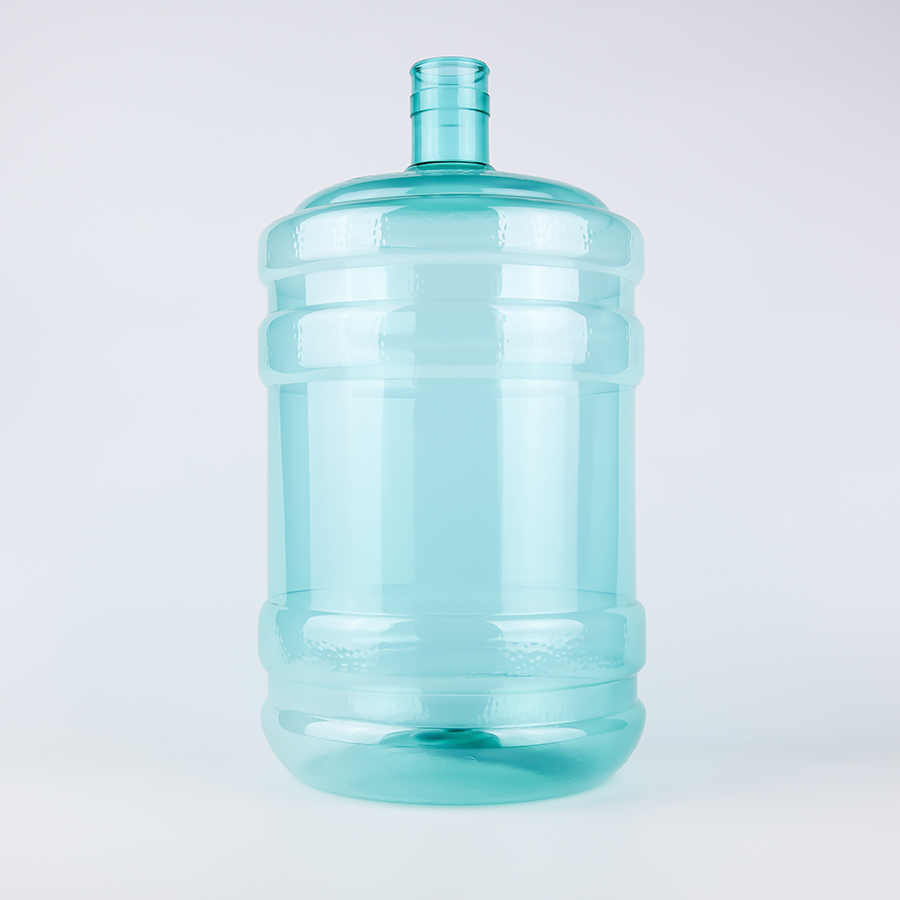
A water bucket designed for food-grade applications represents a critical infrastructure component in industries ranging from beverage production to pharmaceutical manufacturing and food processing. The selection of an appropriate water bucket determines not only the efficiency of liquid handling operations but also regulatory compliance, product safety, and operational reliability. Understanding the specific requirements of food-grade water buckets ensures that your organization maintains hygiene standards while meeting industry certifications and customer expectations.
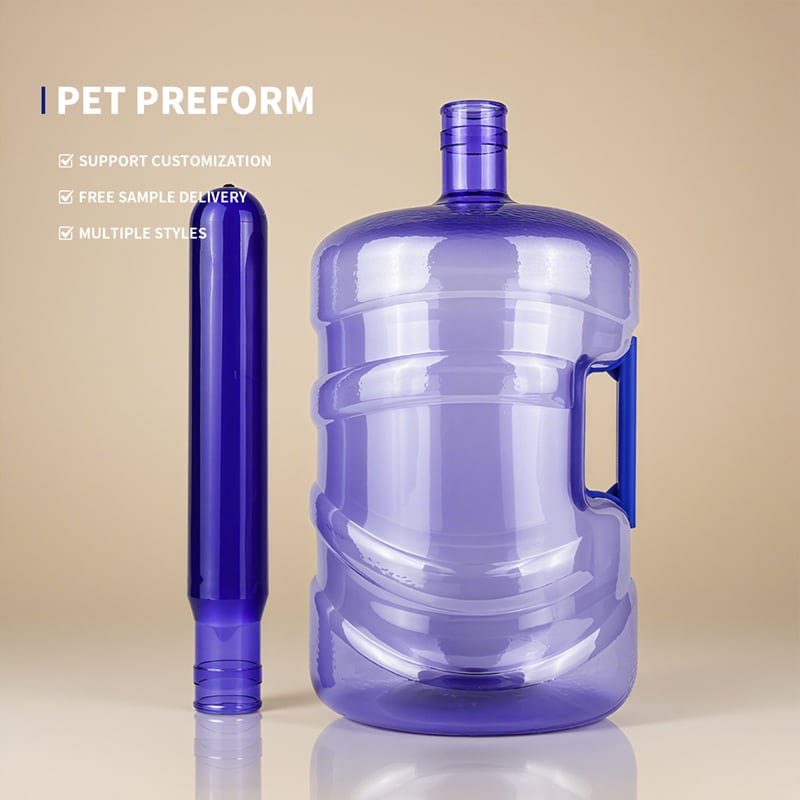
Liquid handling in food and beverage industries demands equipment that meets stringent regulatory frameworks and material safety standards. A high-quality water bucket must resist contamination, maintain structural integrity under repeated use, and comply with FDA and international food safety regulations. The investment in proper food-grade liquid storage solutions directly impacts product quality, reduces risk of cross-contamination, and strengthens your operational foundation.
Material Composition and Food-Grade Certification Standards
Understanding FDA-Approved Materials for Water Buckets
Food-grade water buckets are manufactured from materials that have undergone rigorous testing and received FDA approval for direct food contact. The most common material used in premium water bucket production is polyethylene terephthalate (PET), which offers exceptional clarity, durability, and chemical resistance. When selecting a water bucket for liquid handling applications, verify that the manufacturer provides certification documentation confirming the material meets FDA Code of Federal Regulations Title 21, Part 177, which governs plastic materials in food packaging and storage containers.
The construction of a reliable water bucket involves multiple layers designed to enhance barrier properties and structural performance. A sophisticated water bucket may incorporate additives that prevent UV degradation, antimicrobial properties that inhibit bacterial growth, and oxygen barrier technologies that extend shelf life for stored liquids. Each food-grade water bucket produced by certified manufacturers undergoes quality assurance testing to verify thickness uniformity, pressure resistance, and chemical stability before leaving the facility.
Compliance with International Food Safety Frameworks
Beyond FDA certification, food-grade water buckets must comply with additional international standards including European Union regulations, Chinese National Standards (GB), and industry-specific certifications. A comprehensive water bucket designed for global distribution typically carries multiple certifications demonstrating compliance with diverse regulatory environments. Organizations operating across multiple countries benefit from sourcing water bucket solutions from manufacturers who maintain certifications in their primary markets, reducing complexity in supply chain management and regulatory documentation.
Traceability and documentation form the foundation of regulated liquid handling with food-grade water buckets. Manufacturers of certified water bucket products maintain batch records, material certificates of conformance, and test reports that customers can access for audit purposes. This transparency ensures that your organization can demonstrate compliance to regulators, customers, and certification bodies when questions arise regarding the provenance and quality of your water bucket inventory.
Application-Specific Design Features for Optimal Liquid Handling
Capacity Optimization and Structural Design of Water Buckets
The capacity of a water bucket directly influences handling efficiency, storage density, and transportation economics in liquid handling operations. Five-gallon water bucket sizes represent an industry standard for manual handling applications, balancing practical weight distribution with storage efficiency. Larger capacity water bucket designs, ranging from 10 to 55 gallons, serve bulk liquid storage and industrial processing environments where mechanical handling equipment manages loading and unloading operations.
Structural reinforcement in a premium water bucket prevents deformation during stacking, thermal stress, and chemical exposure. Ribbed sidewall designs strengthen the water bucket against internal pressure and external impact, extending service life and reducing replacement frequency. The base design of a well-engineered water bucket incorporates reinforcement zones that distribute weight evenly, preventing stress concentration points that could lead to cracking or leakage during storage or transportation.
Handle Design and User Safety in Water Bucket Operations
Ergonomic handle design transforms a water bucket from a simple container into a tool that prioritizes worker safety and operational efficiency. Dual-handle configurations on food-grade water buckets enable two-person lifting protocols, reducing individual strain and injury risk during manual handling operations. Handles constructed from the same food-grade materials as the water bucket body eliminate joints and crevices where microorganisms could accumulate, maintaining microbial integrity throughout the product lifecycle.
The positioning and thickness of water bucket handles directly affect grip security and fatigue during extended handling sessions. Industrial-grade water bucket handles typically feature textured surfaces that maintain grip even when wet, a critical safety feature in beverage production and liquid dispensing environments. Reinforced attachment points where handles connect to the water bucket body distribute load stress, preventing handle separation during peak usage conditions.
Integration into Industrial Liquid Handling Workflows
Hygiene Maintenance and Cleaning Protocols for Water Buckets
The maintenance of a food-grade water bucket directly impacts the safety and quality of liquids stored or transported within it. Unlike conventional water bucket designs, food-grade versions feature smooth interior surfaces that resist bacterial biofilm formation and facilitate complete cleaning during sanitization cycles. The material composition of a quality water bucket resists chemical cleaners, hot water exposure, and steam sterilization processes commonly employed in food manufacturing facilities.
Cleaning protocols for food-grade water buckets should incorporate visual inspection, chemical sanitization, and rinsing verification steps that confirm removal of residual contaminants. A properly maintained water bucket extends equipment life and prevents cross-contamination between successive batches of liquid products. Organizations implementing documented cleaning schedules for each water bucket in their inventory demonstrate commitment to quality assurance and regulatory compliance.
Storage, Stacking, and Supply Chain Logistics
Efficient warehouse management of food-grade water buckets requires understanding the structural load capacity and environmental conditions that preserve material integrity. Water bucket designs featuring optimized wall thickness and ribbed reinforcement support vertical stacking heights of 6 to 8 containers without base deformation or material creep. Climate-controlled storage environments prevent thermal expansion and UV degradation that could compromise the barrier properties of a water bucket over extended storage periods.
Supply chain integration of food-grade water buckets involves coordination with packaging suppliers, logistics providers, and quality assurance personnel who verify product condition at each transfer point. Nestable water bucket designs maximize shipping density and reduce transportation costs while maintaining product integrity. Organizations implementing barcode tracking systems for individual water buckets throughout their operations enhance traceability and simplify recall management if quality issues emerge.
FAQ
What distinguishes a food-grade water bucket from standard plastic containers?
A food-grade water bucket undergoes material testing and certification under FDA regulations confirming the container does not leach harmful chemicals into stored liquids. Standard plastic containers lack these certifications and may contain additives that migrate into food or beverage products. Food-grade water bucket manufacturers provide documentation of material composition, safety testing, and regulatory compliance that standard containers cannot match.
Can a water bucket be reused after initial filling, and what precautions are necessary?
Many food-grade water bucket designs support multiple uses across different batches when proper cleaning and sanitization protocols are followed between cycles. The durability of a quality water bucket enables 50 to 100 use cycles before material degradation becomes apparent. However, organizations must verify manufacturer guidelines regarding intended reuse limits and ensure cleaning procedures remove all residual contaminants that could compromise product quality in subsequent applications.
How does a water bucket maintain microbial safety during transportation and storage?
The sealed design of a certified food-grade water bucket prevents external contamination while the material's inert properties inhibit bacterial growth inside the container. Proper closure systems featuring tamper-evident seals provide visible confirmation that a water bucket has not been opened or compromised during transit. Storing water buckets in climate-controlled environments and maintaining documented chain-of-custody records ensures microbial safety throughout the storage and transportation lifecycle.
