 EN

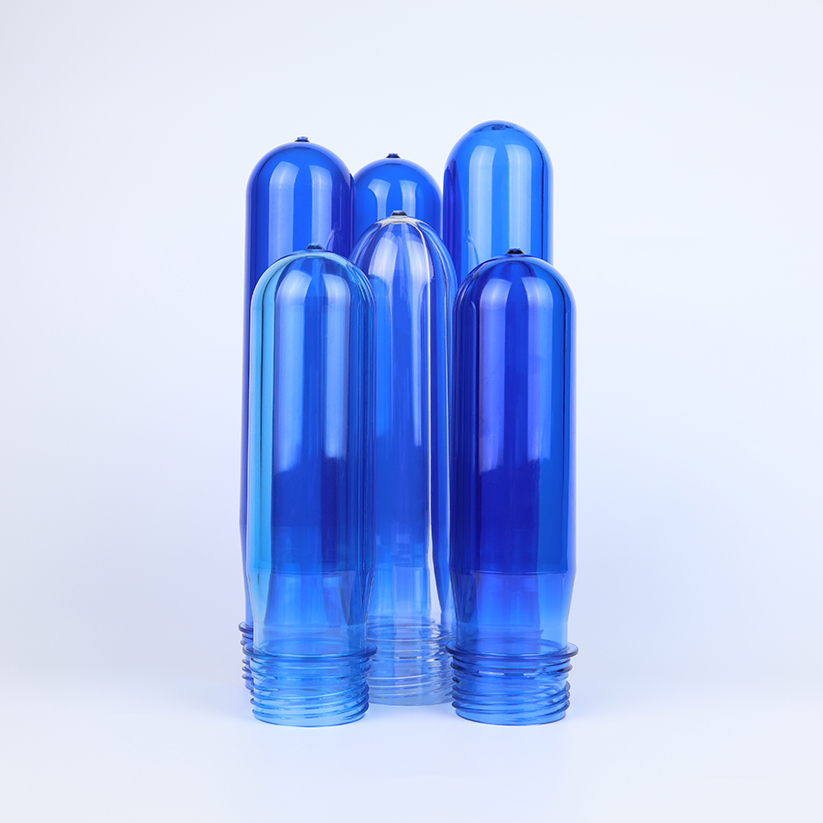
The global water bottle market continues to evolve rapidly, with packaging innovations driving competitive advantage across international regions. Today's consumers demand more than basic hydration solutions; they expect their water bottle choices to reflect sustainability commitments, convenience features, and premium aesthetics. Understanding current water bottle packaging trends is essential for manufacturers, retailers, and brand strategists who aim to capture market share in an increasingly sophisticated global landscape.
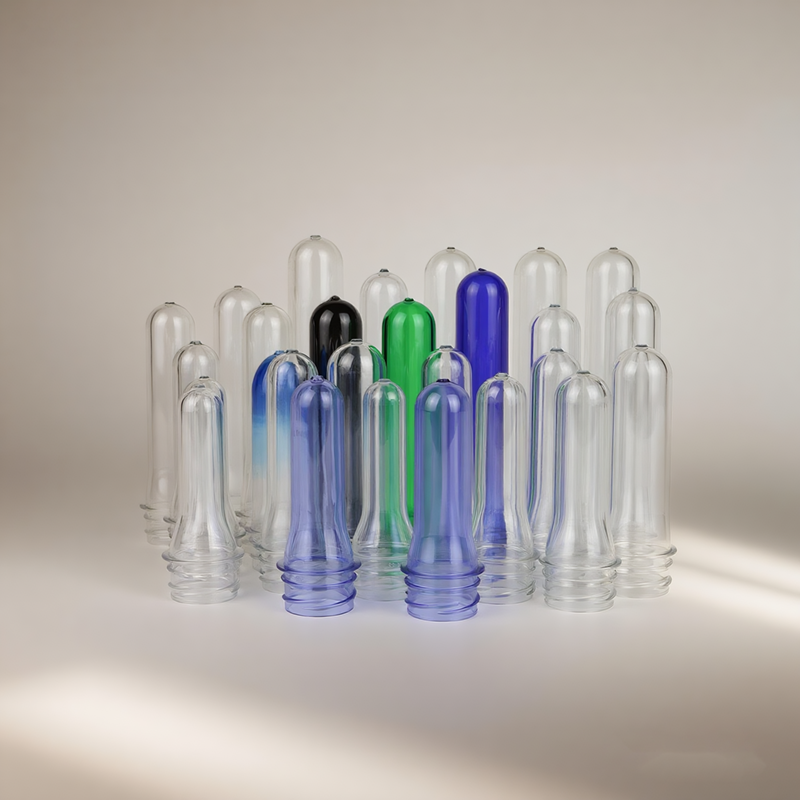
Modern water bottle packaging reflects shifting consumer priorities, regulatory pressures, and technological capabilities. The industry is witnessing unprecedented focus on material efficiency, circular economy principles, and transparent supply chains. Every element of a water bottle—from resin composition to label design to closure systems—now carries strategic weight in market positioning and brand differentiation across developed and emerging economies.
Sustainability and Material Innovation in Water Bottle Design
Shift Toward Recycled and Plant-Based Materials
Recycled polyethylene terephthalate (rPET) has become the dominant material choice for environmentally conscious water bottle manufacturers worldwide. Leading brands now source water bottle packaging made from post-consumer recycled content, reducing virgin plastic dependency and lowering carbon footprint metrics. Beyond rPET, innovative plant-based alternatives including bio-PET and polylactic acid (PLA) are gaining adoption, particularly in premium water bottle segments targeting eco-aware demographics.
The transition toward sustainable water bottle materials responds to regulatory mandates in Europe, Asia-Pacific, and North America that progressively restrict single-use plastics. A water bottle manufacturer's ability to demonstrate material circularity has become a core competitive differentiator. Research indicates that 68% of global consumers actively prefer water bottle products packaged in recycled materials, creating sustained market pressure for material innovation across all price tiers.
Lightweighting Technology and Cost Efficiency
Lightweighting represents a critical optimization strategy within water bottle packaging design, enabling manufacturers to reduce material costs while maintaining structural integrity and shelf appeal. Advanced preform engineering allows brands to produce thinner-walled water bottle containers without compromising functionality or consumer perception of quality. This technological advancement directly supports sustainability goals by minimizing material volume per unit while reducing transportation emissions for each water bottle shipment.
State-of-the-art injection molding systems now enable water bottle producers to achieve wall thickness consistency within 0.3mm tolerances, creating opportunities for 15-25% material reduction compared to conventional designs. The economic benefit extends throughout supply chains: lighter water bottle packaging reduces freight costs, warehouse space requirements, and handling labor, translating directly into improved profit margins for distributors and retailers stocking water bottle products.
Consumer Experience and Functional Innovation
Enhanced Dispensing and Closure Systems
Contemporary water bottle packaging innovations prioritize user convenience through improved closure mechanisms, ergonomic grip designs, and specialized dispensing features. Wide-mouth water bottle configurations have gained significant market penetration, addressing consumer demand for easier filling, cleaning, and ice insertion. Flip-top and sports cap variants for water bottle containers continue expanding market segments, with particular strength among fitness-conscious and outdoor recreation demographics.
Smart closure systems now define premium water bottle categories, incorporating leak-proof sealing, one-handed operation, and integrated hydration tracking technology. Leading water bottle brands invest heavily in closure engineering because proper seal integrity directly impacts product integrity, shelf stability, and consumer trust. The global water bottle market increasingly segments based on closure sophistication, with premium closures commanding 30-40% price premiums over basic screw-cap water bottle alternatives.
Aesthetic and Personalization Trends
Visual differentiation drives purchasing decisions in competitive water bottle retail environments, prompting brands to invest in sophisticated label design, transparent window displays, and customizable personalization options. Translucent water bottle designs showcase product purity while enabling attractive visual merchandising on retail shelves. Custom-printed water bottle packaging allowing consumer names, logos, or motivational messaging represents a growing segment, particularly in corporate gifting and sports team applications.
Color psychology and minimalist design aesthetics increasingly influence water bottle packaging decisions, with premium brands adopting sophisticated neutral palettes and subtle branding approaches. Matte finish water bottle surfaces compete against glossy alternatives, each targeting distinct demographic preferences. The shift toward premium water bottle aesthetics reflects broader consumer willingness to pay elevated prices for beverages perceived as health-conscious, environmentally responsible, and stylistically aligned with personal identity.
Regional Market Dynamics and Regulatory Frameworks
Geographic Variations in Water Bottle Packaging Standards
European water bottle packaging regulations establish stringent sustainability requirements through the Single-Use Plastics Directive, mandating extended producer responsibility and material transparency across all water bottle products. Asian markets exhibit diverse regulatory approaches, with some regions prioritizing lightweight water bottle designs for transportation efficiency while others emphasize barrier protection against contamination. North American water bottle packaging standards focus on food safety certifications and compliance with FDA guidelines for food-contact materials.
These geographic variations require water bottle manufacturers to develop region-specific packaging strategies, complicating global supply chain operations but creating opportunities for localized differentiation. A water bottle designed for European distribution may incorporate 100% recycled content while the identical product formulation sold in emerging markets might emphasize durability and extended shelf life properties. Understanding regional water bottle consumer preferences and regulatory requirements is essential for multinational brands seeking efficient global expansion.
Emerging Market Opportunities and Growth Drivers
Rapidly urbanizing regions in Southeast Asia, Africa, and South America demonstrate explosive growth in packaged water bottle consumption, creating significant manufacturing and distribution opportunities. Rising middle-class populations increasingly demand convenient, portable water bottle solutions for daily hydration, driving per-capita consumption growth rates exceeding 8-12% annually in key emerging markets. Water bottle manufacturers expanding into these regions must balance premium positioning with affordability, requiring innovative packaging designs that maximize perceived value without excessive cost.
Climate variability and water quality concerns intensify demand for packaged water bottle products in developing economies, supporting sustained market expansion despite mature market saturation in developed countries. Strategic water bottle packaging investments in emerging regions represent critical growth engines for multinational beverage companies and local entrepreneurs alike. Understanding local water bottle consumer behavior, purchasing power, distribution infrastructure, and competitive landscapes enables manufacturers to optimize product-market fit and achieve sustainable profitability.
FAQ
What material innovations are currently transforming the water bottle industry?
The water bottle industry increasingly embraces recycled PET (rPET), bio-based plastics, and plant-derived polymers as primary material innovations. Lightweighting technologies enable thinner-walled water bottle containers without compromising functionality, reducing material costs while supporting sustainability goals. Advanced preform engineering continues improving water bottle structural efficiency, allowing manufacturers to achieve 15-25% material reduction through precision injection molding and sophisticated design optimization.
How do regional regulations influence water bottle packaging design?
European regulations mandate high recycled content and extended producer responsibility, fundamentally shaping water bottle packaging composition and labeling requirements. Asian markets emphasize lightweight water bottle designs for transportation efficiency, while North American standards prioritize food safety certifications for water bottle materials. These diverse regulatory frameworks require multinational brands to develop region-specific water bottle packaging strategies, adding complexity but enabling localized differentiation and competitive advantage.
Which water bottle packaging features drive premium consumer purchases?
Premium water bottle consumers prioritize advanced closure systems offering leak-proof sealing and one-handed operation, alongside sophisticated aesthetic design and customization options. Transparent water bottle designs showcasing product purity appeal to health-conscious demographics, while eco-conscious consumers demand visible recycled content certifications on water bottle packaging. Ergonomic grip design and specialized dispensing features including wide-mouth configurations continue driving purchasing decisions across premium water bottle market segments.
