 EN

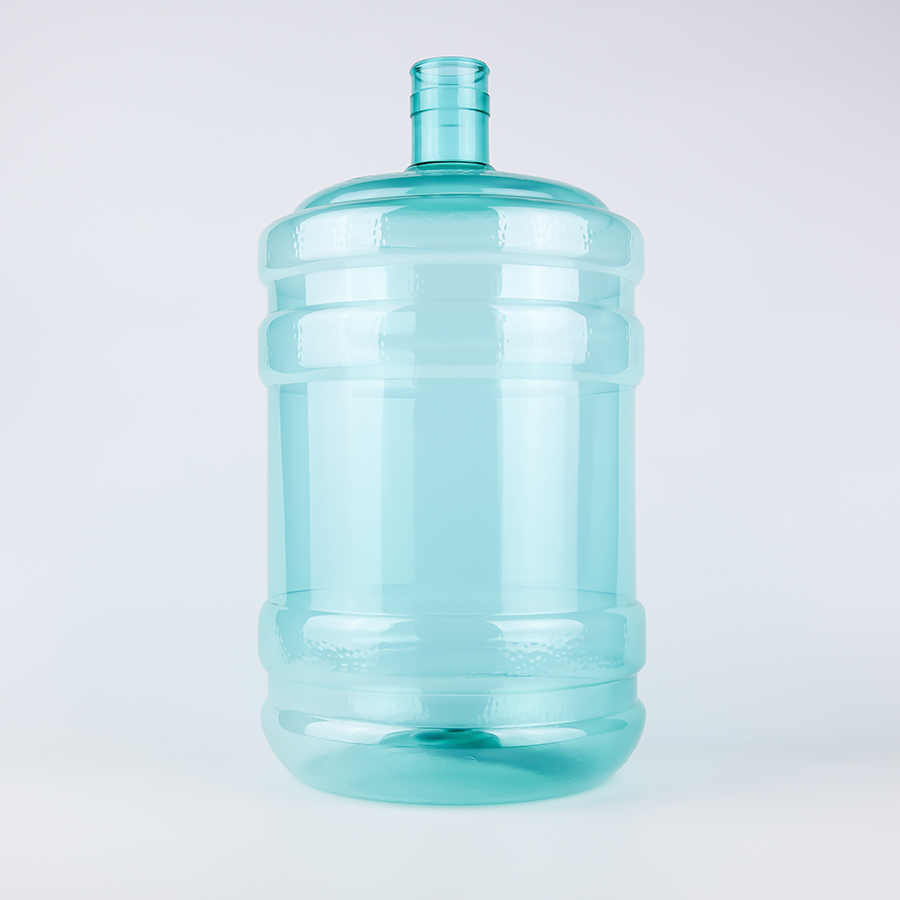
Industrial and commercial operations depend on reliable storage and transport solutions, and the humble water bucket remains one of the most versatile assets in any facility. A well-designed water bucket serves multiple purposes across industries, from construction sites and manufacturing plants to agricultural operations and maintenance departments. However, not all water buckets are created equal, and selecting the right custom water bucket for your specific operational needs can significantly impact efficiency, safety, and cost management. Understanding what makes a water bucket suitable for industrial use goes beyond basic capacity considerations and requires knowledge of material durability, design flexibility, and practical application scenarios.
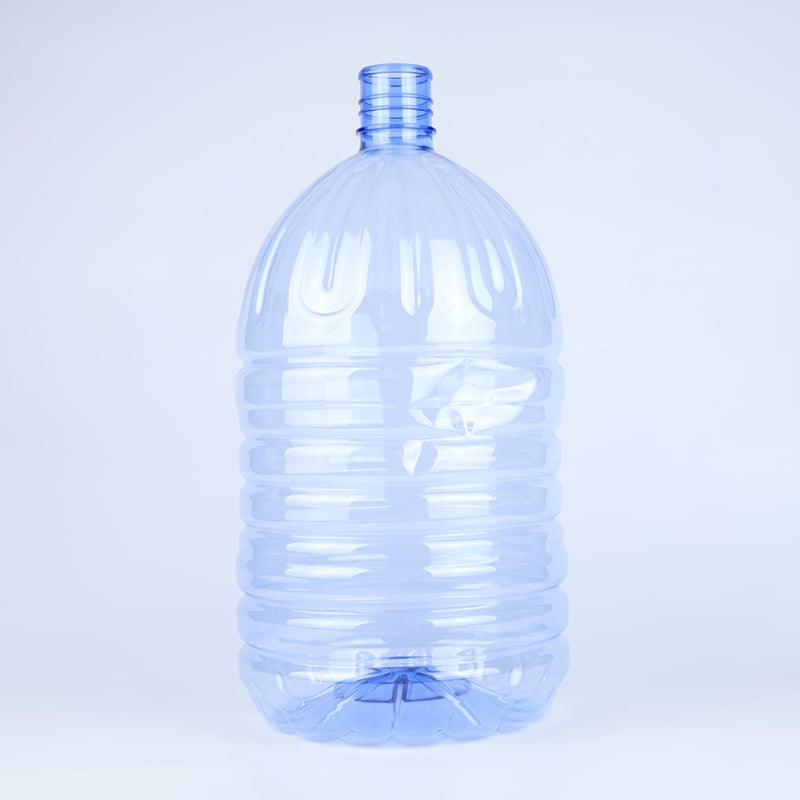
Custom water bucket solutions have evolved significantly to meet the demanding requirements of modern industrial environments. A water bucket designed for commercial use must balance multiple performance factors including chemical resistance, structural integrity, stackability for efficient storage, and ease of cleaning and maintenance. When you invest in a water bucket tailored to your operation's unique demands, you gain advantages in workflow optimization, employee safety, and long-term cost efficiency. This comprehensive guide explores the essential features, selection criteria, and practical benefits of custom water bucket systems for industrial and commercial applications.
Core Features of Industrial Water Buckets
Material Durability and Chemical Resistance
The foundation of any effective water bucket lies in its material composition and structural resilience. Industrial-grade water bucket options typically utilize high-density polyethylene or polypropylene, which provide exceptional chemical resistance and durability in demanding environments. A water bucket constructed from premium plastic materials withstands exposure to oils, solvents, acids, and other industrial liquids without degradation or contamination transfer. The material quality directly influences how long a water bucket maintains its integrity when subjected to temperature fluctuations, UV exposure, and repeated heavy use. Custom water bucket manufacturing allows you to specify material thickness and composition to match your precise operational conditions, ensuring that your water bucket investment delivers reliable performance across seasons and varying workplace demands.
Capacity and Scalability Options
Industrial operations require water bucket solutions that scale with production demands and storage constraints. A water bucket available in multiple capacities—ranging from five liters to twenty liters or larger—enables you to select the optimal water bucket size for different departments and applications. Custom water bucket designs accommodate stackability features that maximize storage efficiency and reduce floor space requirements, which proves especially valuable in facilities with limited storage areas. The ability to customize a water bucket's capacity also means you can reduce material waste by eliminating unnecessary oversizing while ensuring adequate supply for peak operational periods. When selecting a water bucket for commercial use, capacity flexibility paired with intelligent design ensures that your water bucket solution grows alongside your business needs without requiring frequent equipment replacements.
Practical Applications Across Industries
Manufacturing and Processing Facilities
Manufacturing environments present unique challenges for water bucket deployment, particularly in facilities handling coolants, cleaning solutions, or chemical mixtures. A durable water bucket designed for manufacturing applications must resist corrosive substances while maintaining food-contact safety certifications where applicable. Custom water bucket solutions for manufacturing settings often incorporate reinforced handles, leak-proof seals, and graduated measurement markings to support precise formulation and controlled material handling. In production environments where a water bucket serves as a temporary holding vessel for in-process materials, the reliability and chemical compatibility of your water bucket directly impact product quality and worker safety. Industrial water bucket customization allows manufacturers to integrate specific labeling, color coding, or anti-static properties that align with regulatory requirements and internal safety protocols. The investment in purpose-built water bucket systems eliminates the need for jury-rigged solutions and ensures compliance with workplace safety standards.
Construction and Field Operations
Construction sites demand water bucket solutions that endure rough handling, exposure to concrete residue, and outdoor weather conditions. A water bucket deployed on construction sites must provide reliable performance during heavy-duty mixing, rinsing, and material transport operations. Custom water bucket designs for construction incorporate reinforced sidewalls, sturdy handles rated for substantial load capacity, and drainage features that prevent water pooling and mold growth. The ability to mass-produce standardized water bucket units ensures that replacement supplies remain readily available without project delays. Construction teams benefit from water bucket solutions featuring measurement scales for consistent batching, visibility colors for safety compliance, and durable rim construction that resists cracking and splintering. A properly engineered water bucket for construction use becomes an essential element of site organization and material management efficiency.
Customization and Compliance Considerations
Design Flexibility and Branding Options
Custom water bucket manufacturing enables organizations to integrate branding elements, company logos, and safety messaging directly into the container design. A water bucket bearing your company branding strengthens workplace identity while providing practical identification during multi-site operations. Water bucket customization options include color selection, printed graphics, embossed safety warnings, and custom spout configurations that enhance functionality. When you specify a water bucket design that includes your operational requirements and branding preferences, you create a tool that serves both practical and organizational communication purposes. The flexibility to customize a water bucket with specific measurement markings, hazard symbols, or procedural instructions ensures that workers have relevant information immediately available during use. This comprehensive approach to water bucket design demonstrates how industrial solutions can address both functional performance and organizational objectives simultaneously.
Regulatory Compliance and Quality Standards
Industrial water bucket solutions must meet relevant safety standards, environmental regulations, and material certifications appropriate to their intended use. A water bucket manufactured for food-related applications requires NSF certification and food-contact compliance, while water bucket products for chemical storage demand compatibility documentation and hazard classification assessments. Custom water bucket production requires material suppliers to provide detailed technical specifications, testing reports, and compliance certifications that verify the water bucket meets applicable regulations. When procurement teams specify custom water bucket requirements, clearly defining compliance obligations prevents costly delays and ensures that delivered water bucket units satisfy all operational and regulatory expectations. Manufacturers who take customization seriously maintain up-to-date knowledge of evolving standards affecting water bucket materials, production methods, and labeling requirements. This commitment to compliance-focused water bucket design protects organizations from liability exposure while ensuring that water bucket solutions deliver safe, reliable performance.
FAQ
What factors determine the right water bucket capacity for industrial operations?
Selecting the appropriate water bucket capacity depends on several interconnected factors including frequency of refilling, storage space constraints, material batch requirements, and typical usage patterns. A water bucket that is too small requires excessive refilling which reduces efficiency, while an oversized water bucket wastes material and occupies unnecessary storage space. Analyze your operation's typical consumption rates during peak periods, consider how frequently workers can practically refill a water bucket between tasks, and evaluate available storage footprints. Many organizations find that maintaining multiple water bucket sizes—one standard size for routine tasks and larger water bucket options for batch processing—provides optimal operational flexibility. Consulting with supervisory staff who actually use the water bucket daily provides invaluable insights that drive practical capacity decisions and ensures your water bucket investment aligns with real-world workflow requirements.
How does a custom water bucket improve workplace safety compared to generic options?
Custom water bucket solutions address specific workplace hazards and operational realities that generic mass-market options cannot accommodate. A water bucket designed for your exact environment incorporates safety features such as anti-slip handles, transparent material for content visibility, graduated measurement markings to prevent dosing errors, and chemically compatible construction that prevents contamination or degradation. Water bucket customization allows you to integrate color coding systems that quickly communicate contents or designated use areas, reducing the risk of cross-contamination incidents. Specific water bucket labeling with hazard symbols, handling instructions, and maximum load ratings provides workers with critical safety information during routine operations. When you invest in a water bucket purpose-built for your facility, you demonstrate organizational commitment to safety protocols and create a tangible asset that supports proper handling procedures. Generic water bucket alternatives lack these safety integrations and may inadvertently contribute to workplace incidents through inadequate design or material incompatibility.
Can a water bucket serve multiple purposes across different industrial departments?
While a versatile water bucket design can support varied applications within compatible operational contexts, purpose-specific water bucket solutions typically deliver superior performance and reliability. A water bucket used interchangeably for water transport, chemical mixing, and material rinsing may accumulate residues that compromise subsequent use, particularly when chemical compatibility varies between applications. Many operations establish water bucket protocols that designate specific containers for specific functions, ensuring that a water bucket used for coolant mixing never contacts food-preparation areas or water buckets for cleaning never mix with chemical processing. However, a well-designed water bucket featuring premium material composition, thorough cleaning capability, and chemical resistance can support multiple compatible applications within appropriate protocols. Organizations benefit from clearly establishing water bucket use policies that define which applications a particular water bucket can support while preventing contamination and maintaining safety standards. This structured approach to water bucket deployment maximizes efficiency while protecting product quality and operational safety.
