pet bottle preform
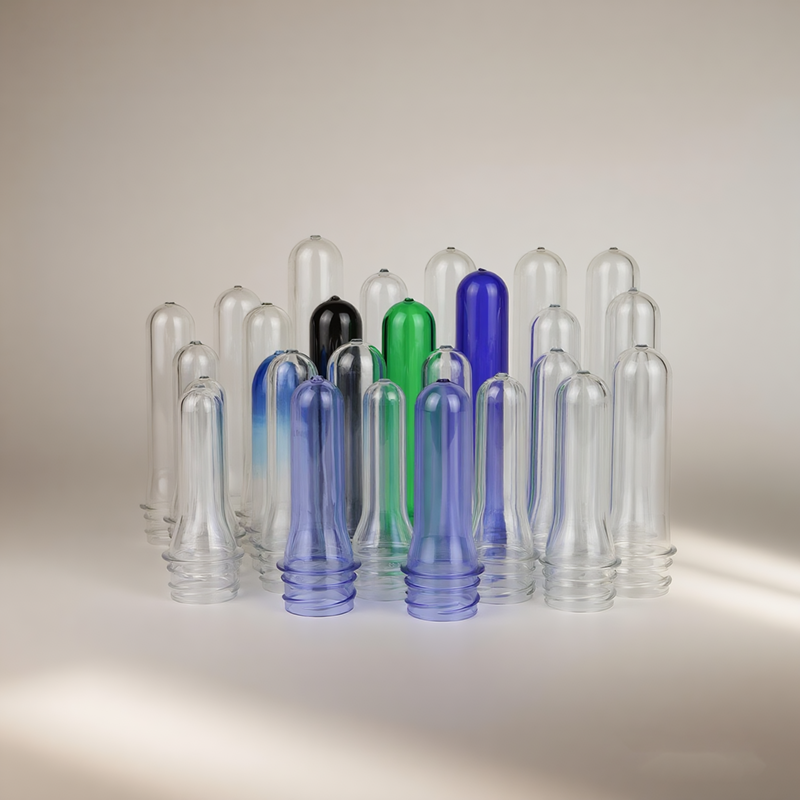
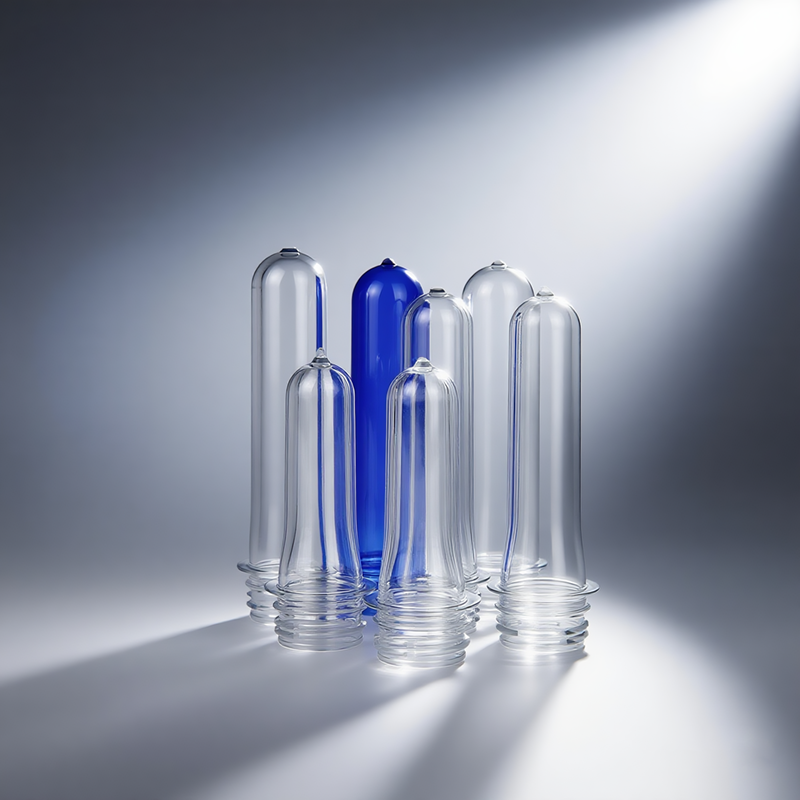
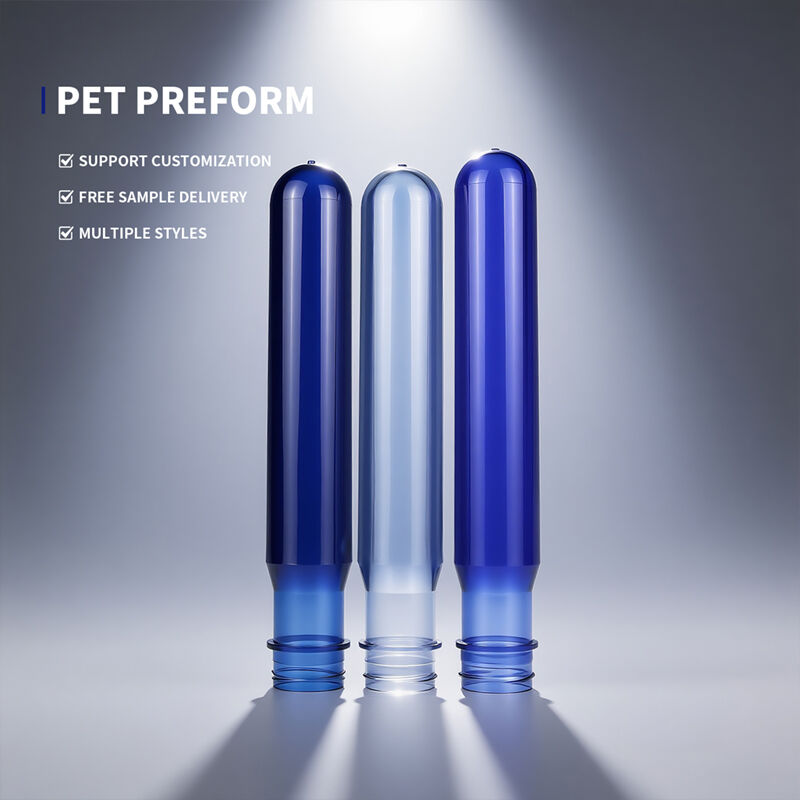
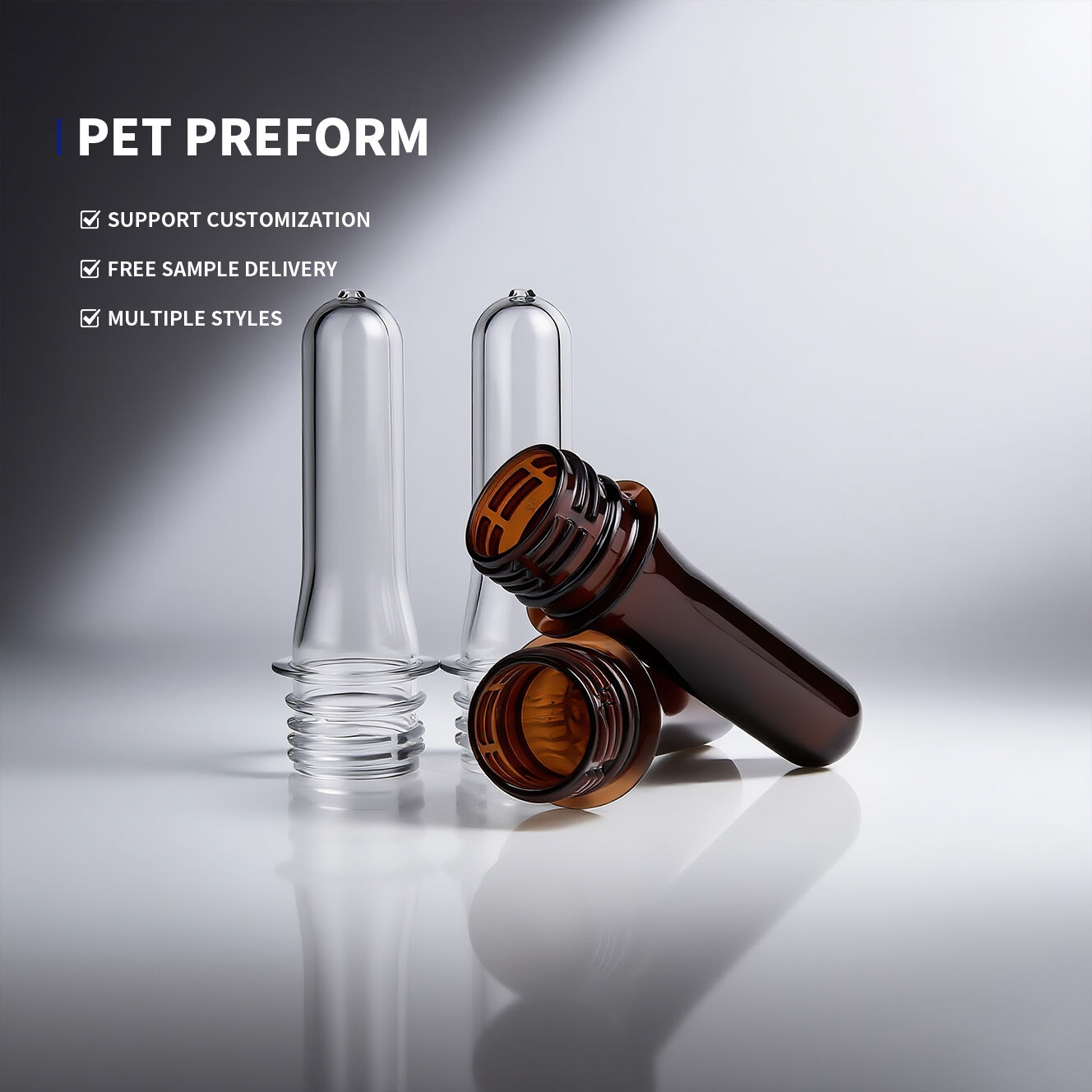
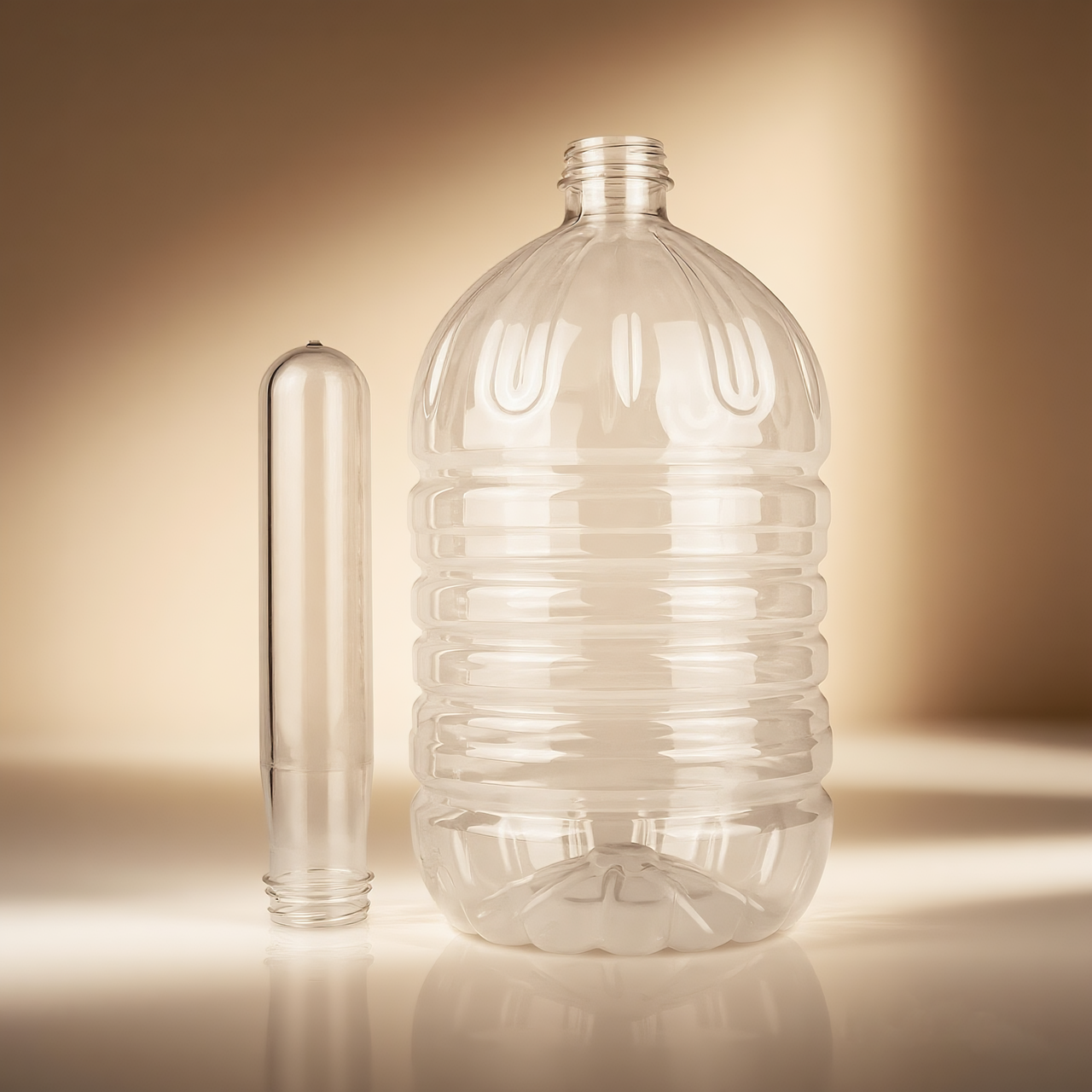
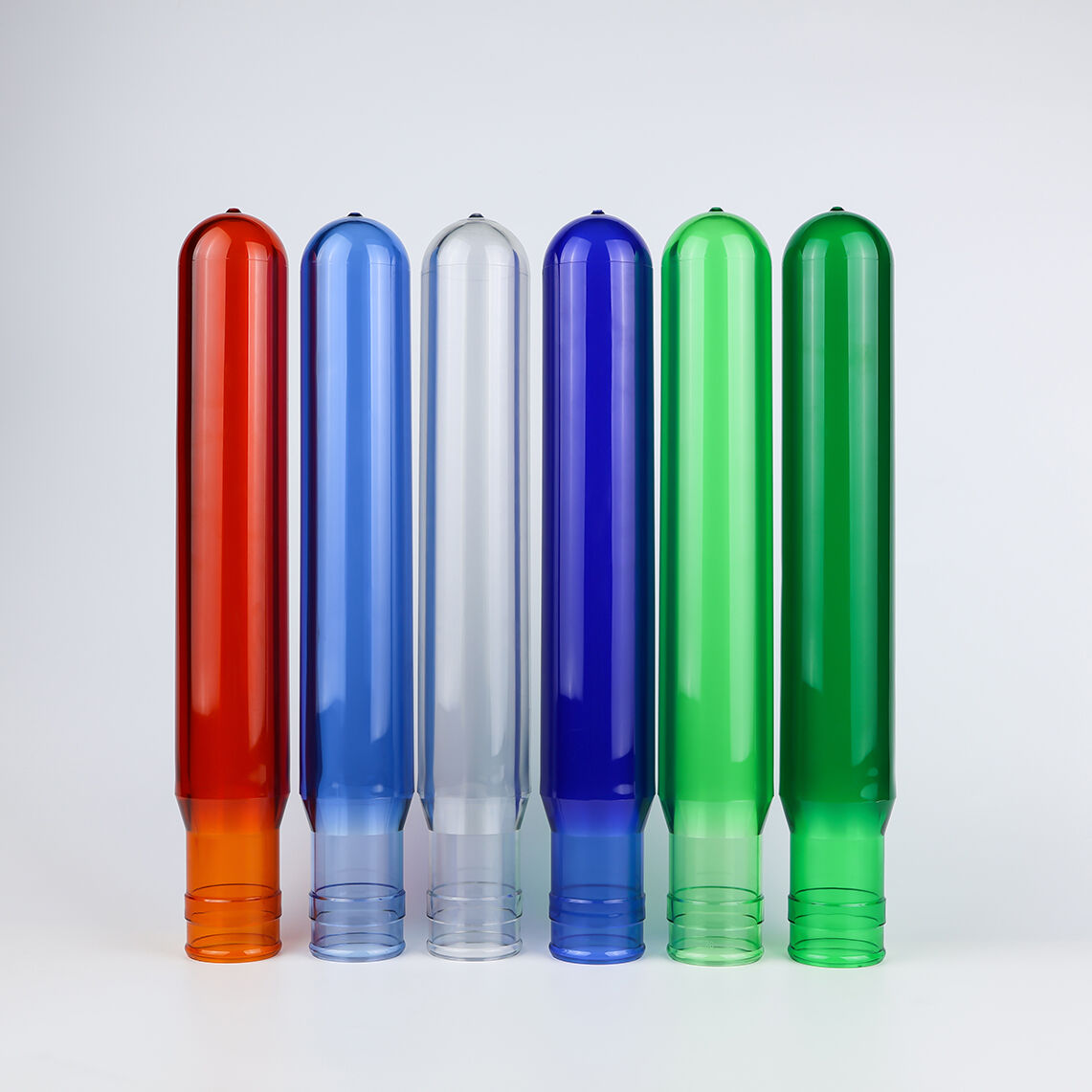
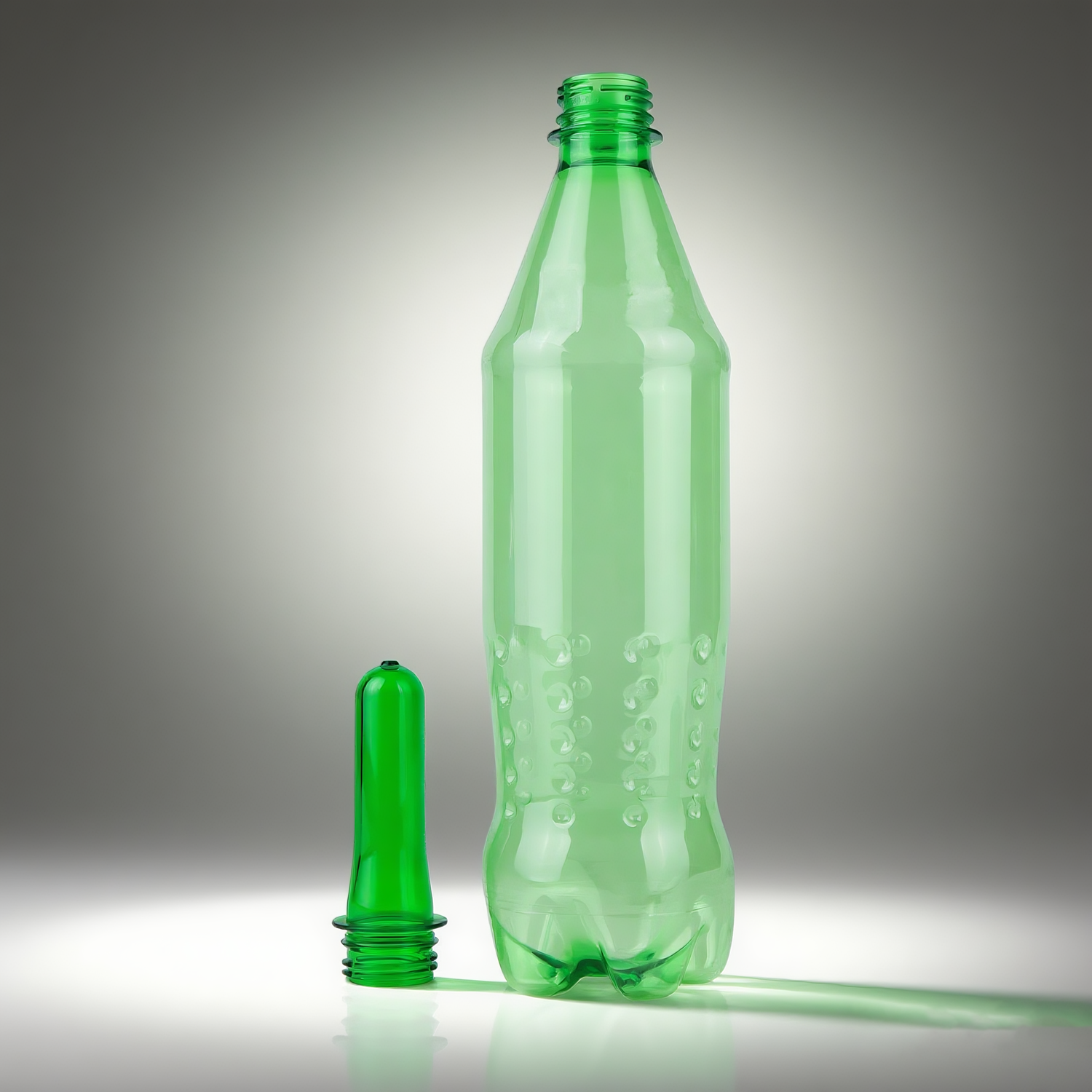
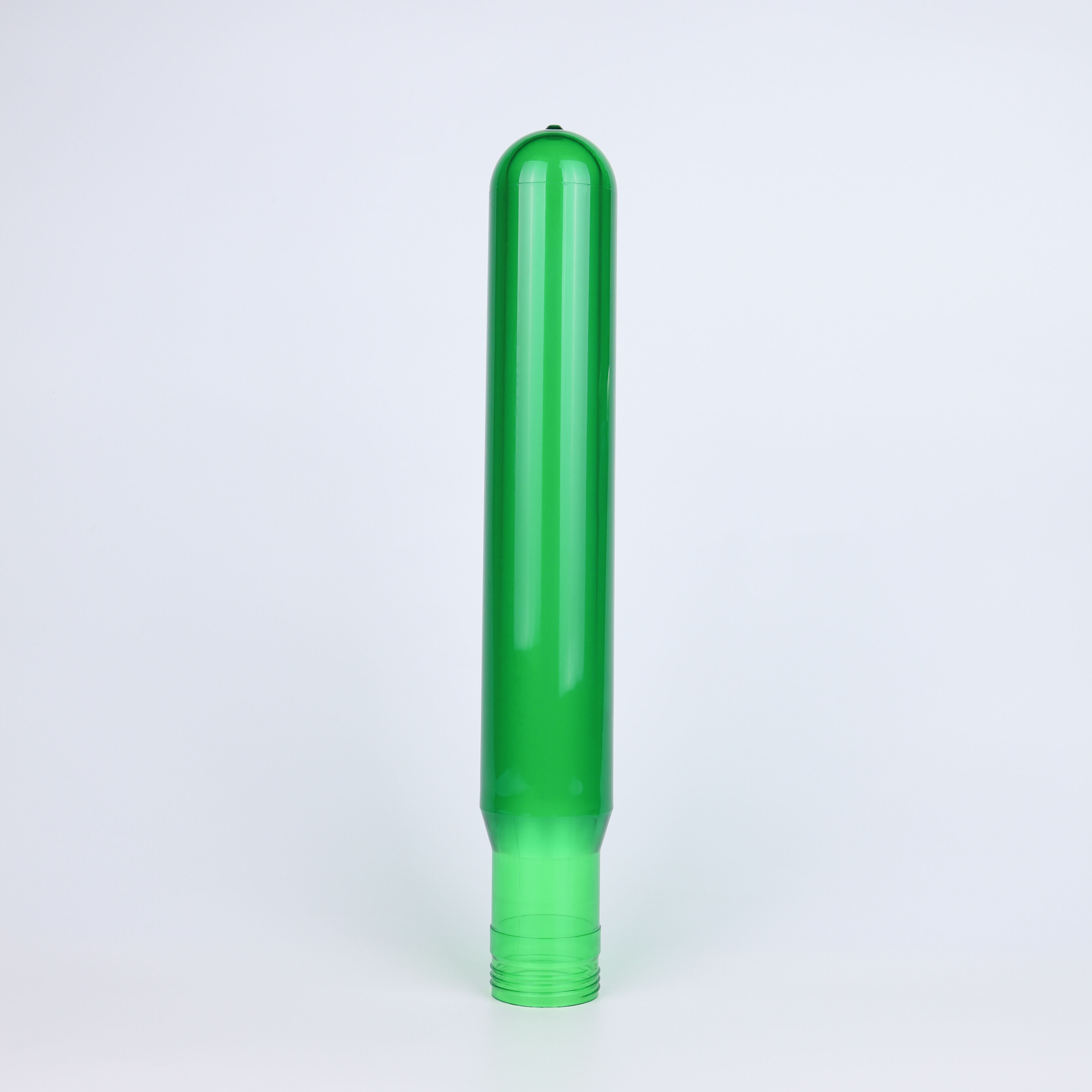
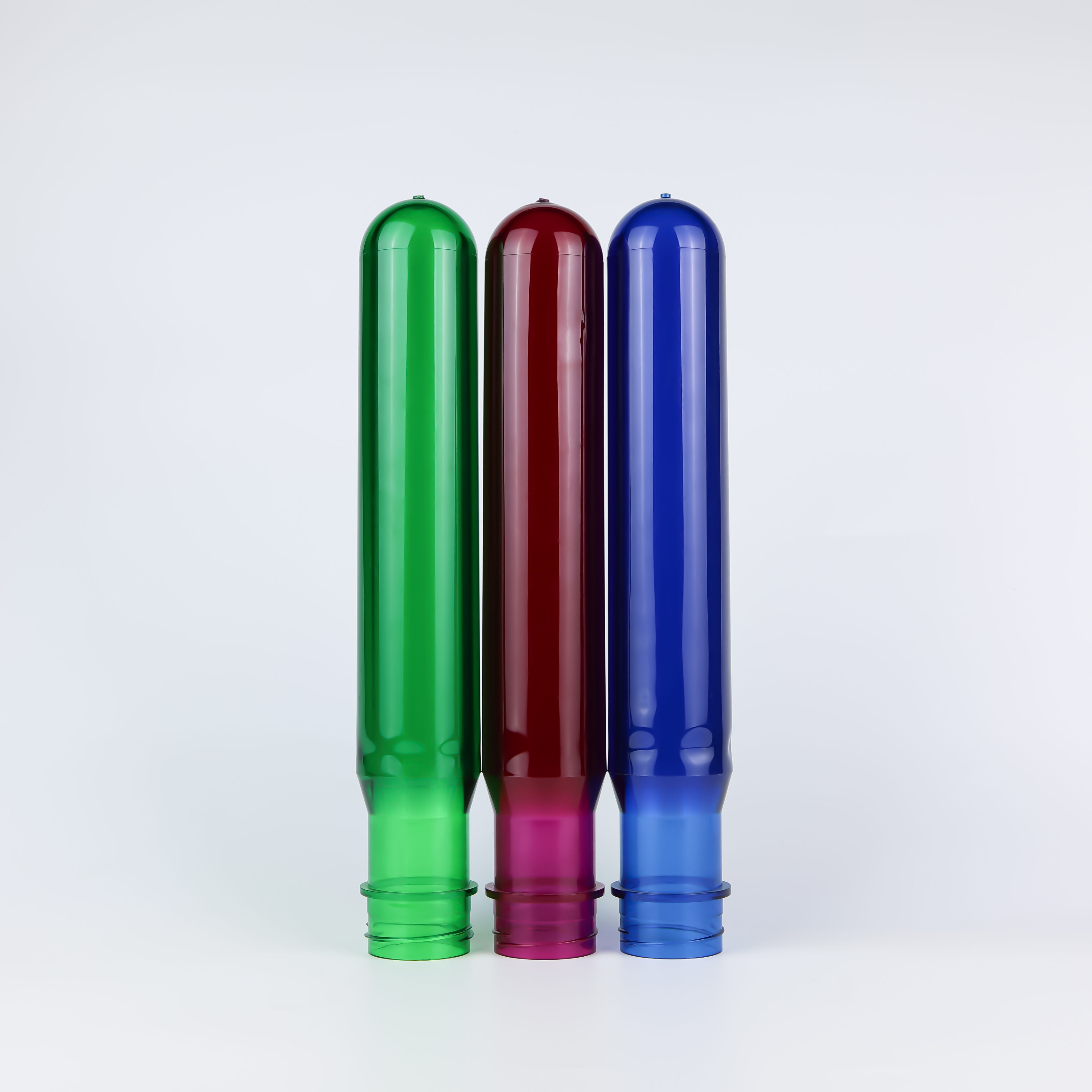
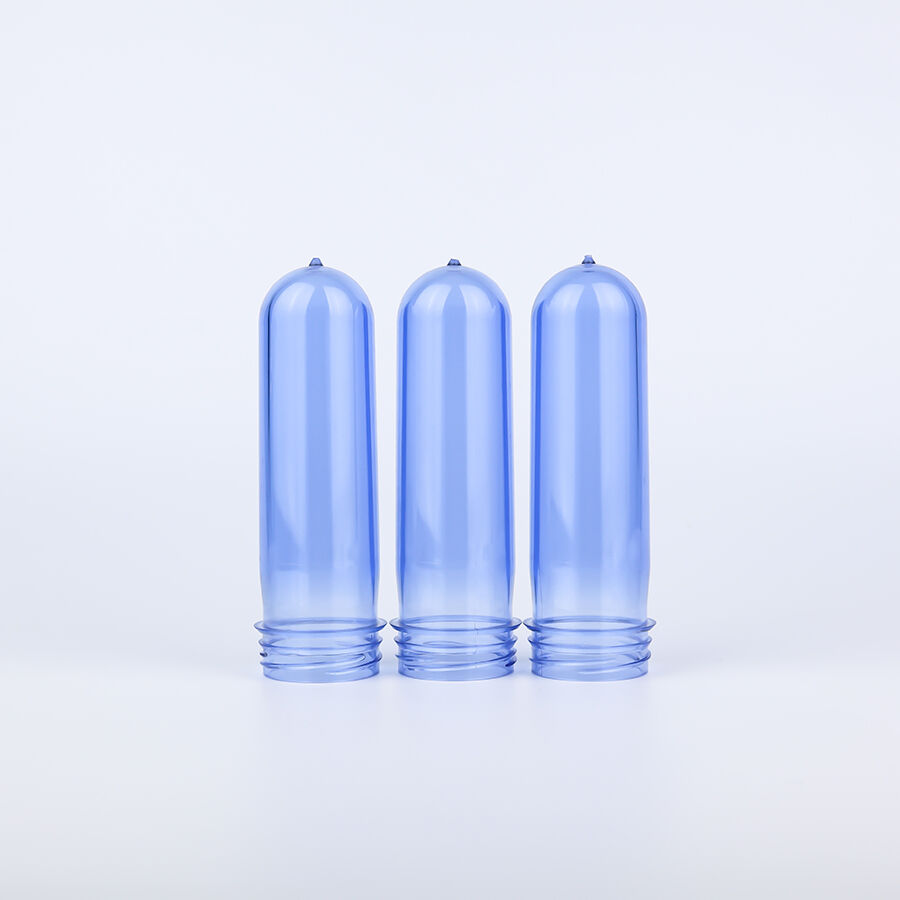
A pet bottle preform is a specially designed intermediate product used in the manufacturing of PET (polyethylene terephthalate) bottles. This test-tube-shaped component serves as the foundation for creating various beverage containers, water bottles, and packaging solutions. The pet bottle preform is produced through injection molding, where molten PET resin is injected into precision molds to create a thick-walled, short tube with a fully formed neck and threads. This innovative design allows manufacturers to transport and store preforms efficiently before converting them into finished bottles through the stretch blow molding process. The main functions of a pet bottle preform include providing structural integrity, ensuring hygiene standards, and enabling cost-effective production of bottles in various sizes and shapes. Technologically, each pet bottle preform features consistent wall thickness, precise neck finishes compatible with standard caps, and optimal molecular orientation that enhances final bottle strength. The manufacturing process incorporates advanced temperature control, high-pressure injection systems, and automated quality inspection to guarantee dimensional accuracy and material purity. Applications of the pet bottle preform span across beverage industries, pharmaceutical packaging, personal care products, and food containers. The versatility of this component makes it essential for businesses seeking reliable, lightweight, and recyclable packaging solutions. With global demand for sustainable packaging growing, the pet bottle preform has become a cornerstone of modern bottling operations, offering manufacturers flexibility in production scheduling and inventory management while maintaining superior product quality and meeting international safety standards.
 EN
EN