plastic preform for water bottle
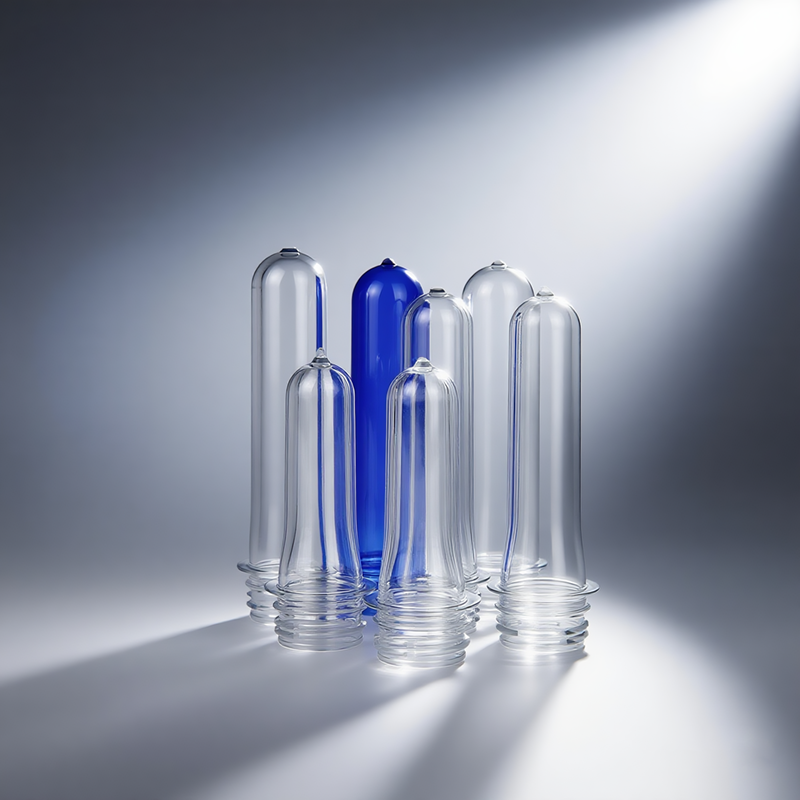
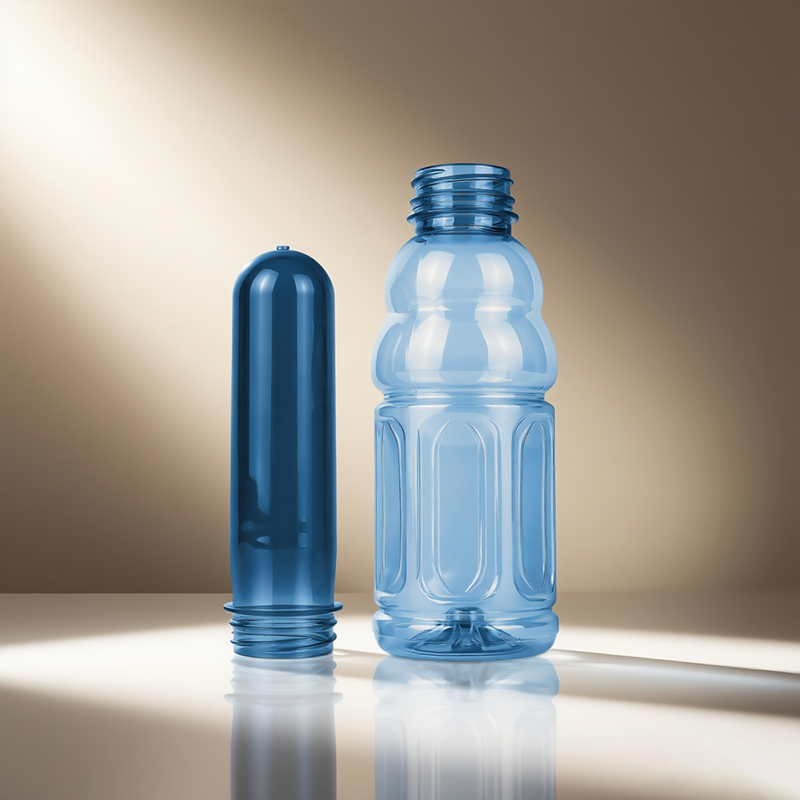
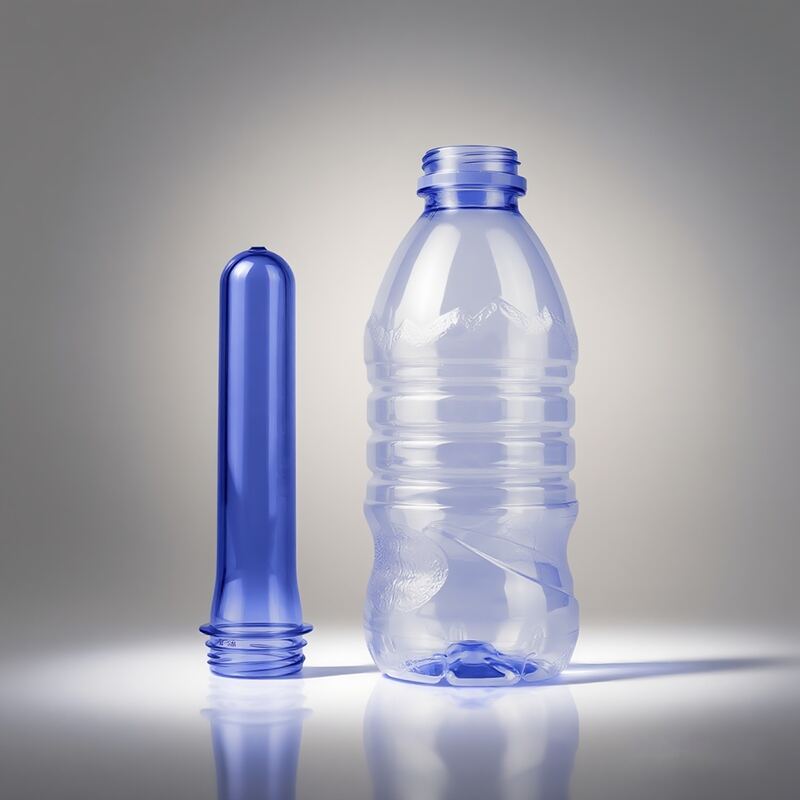
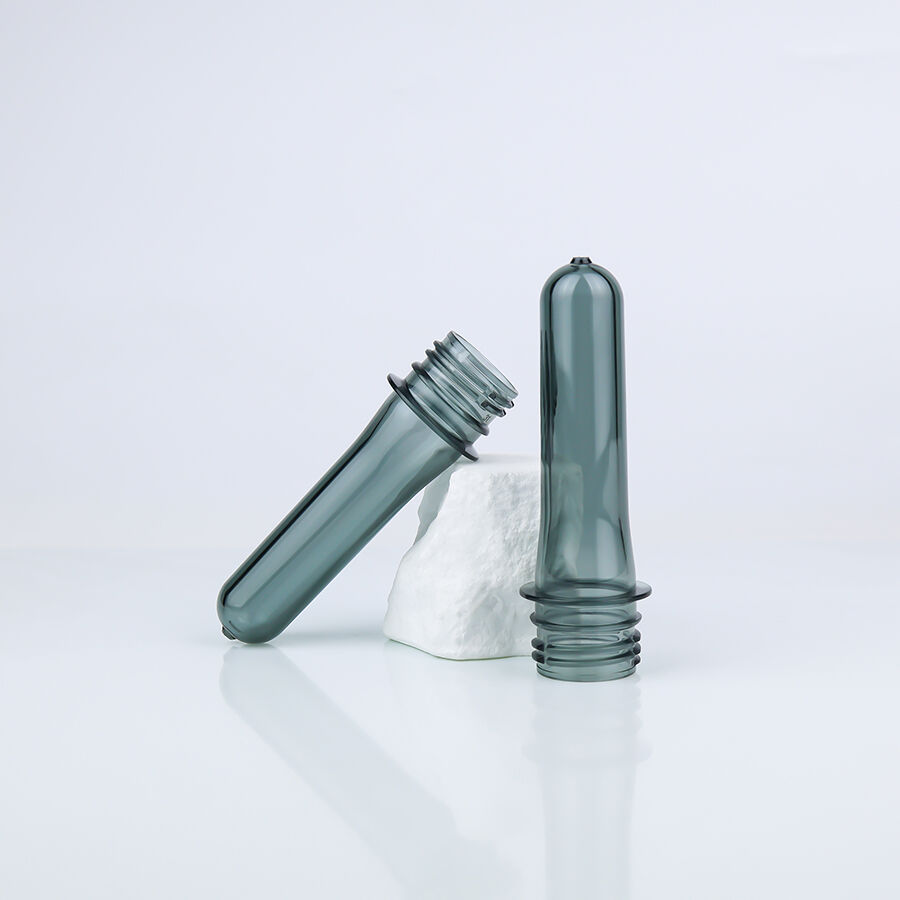
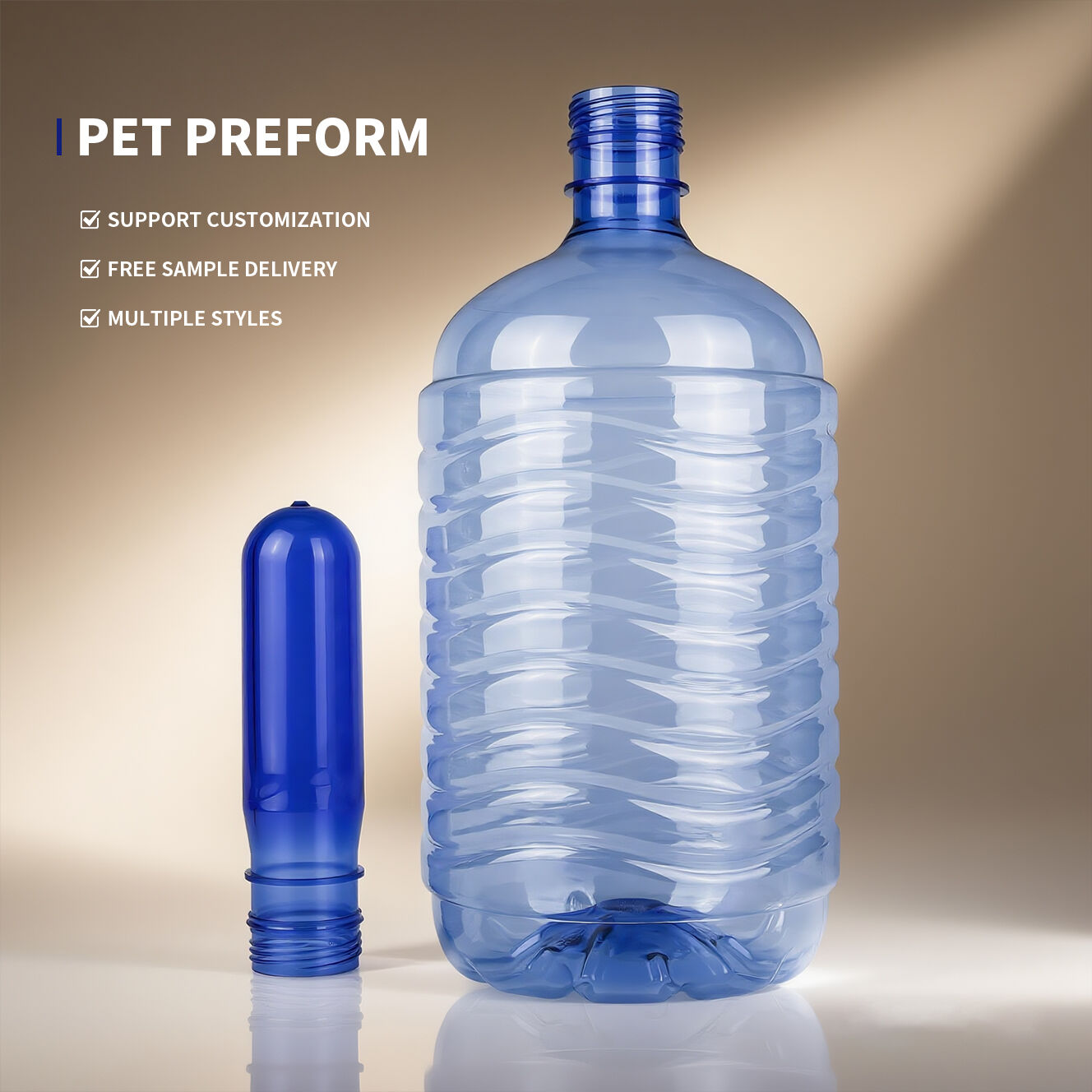
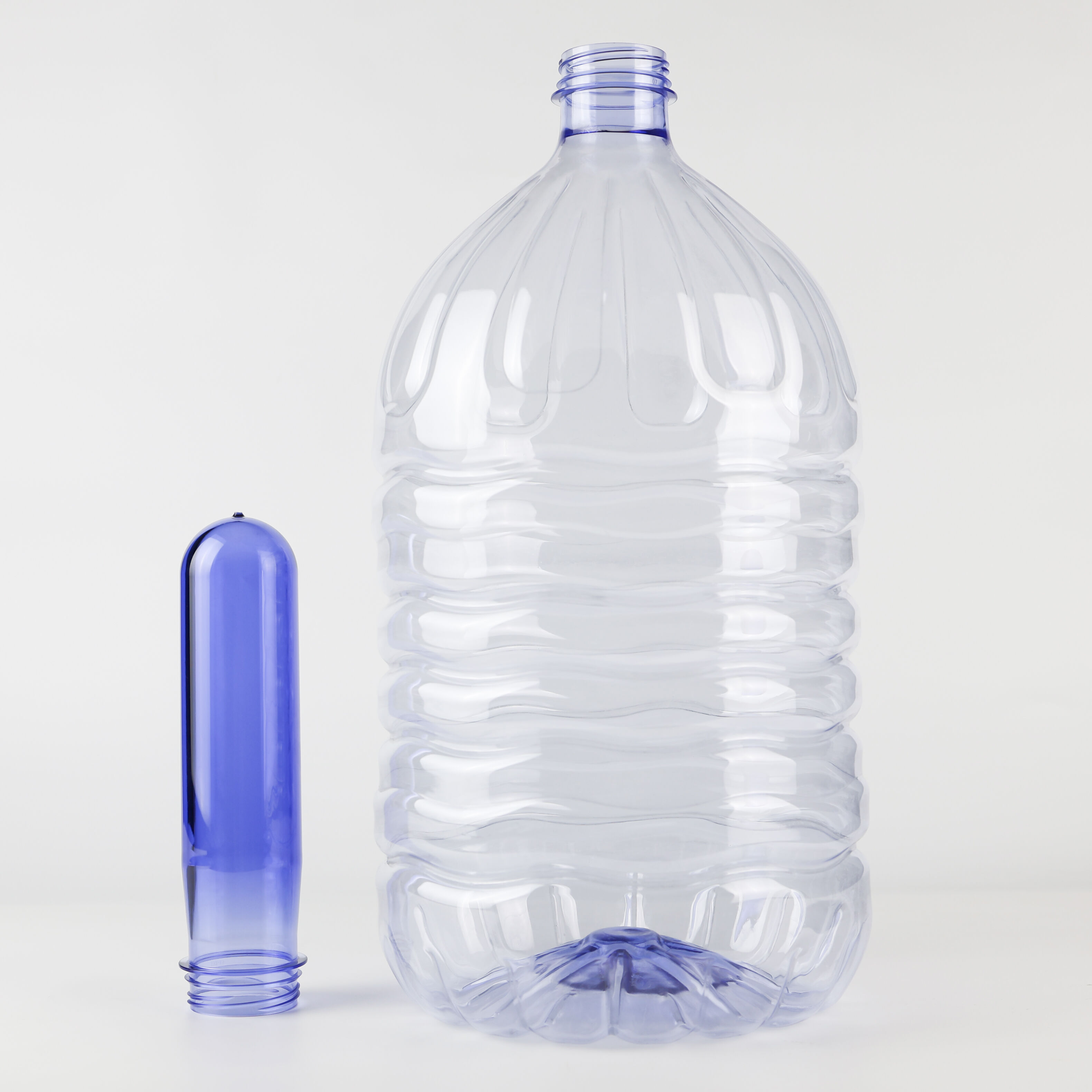
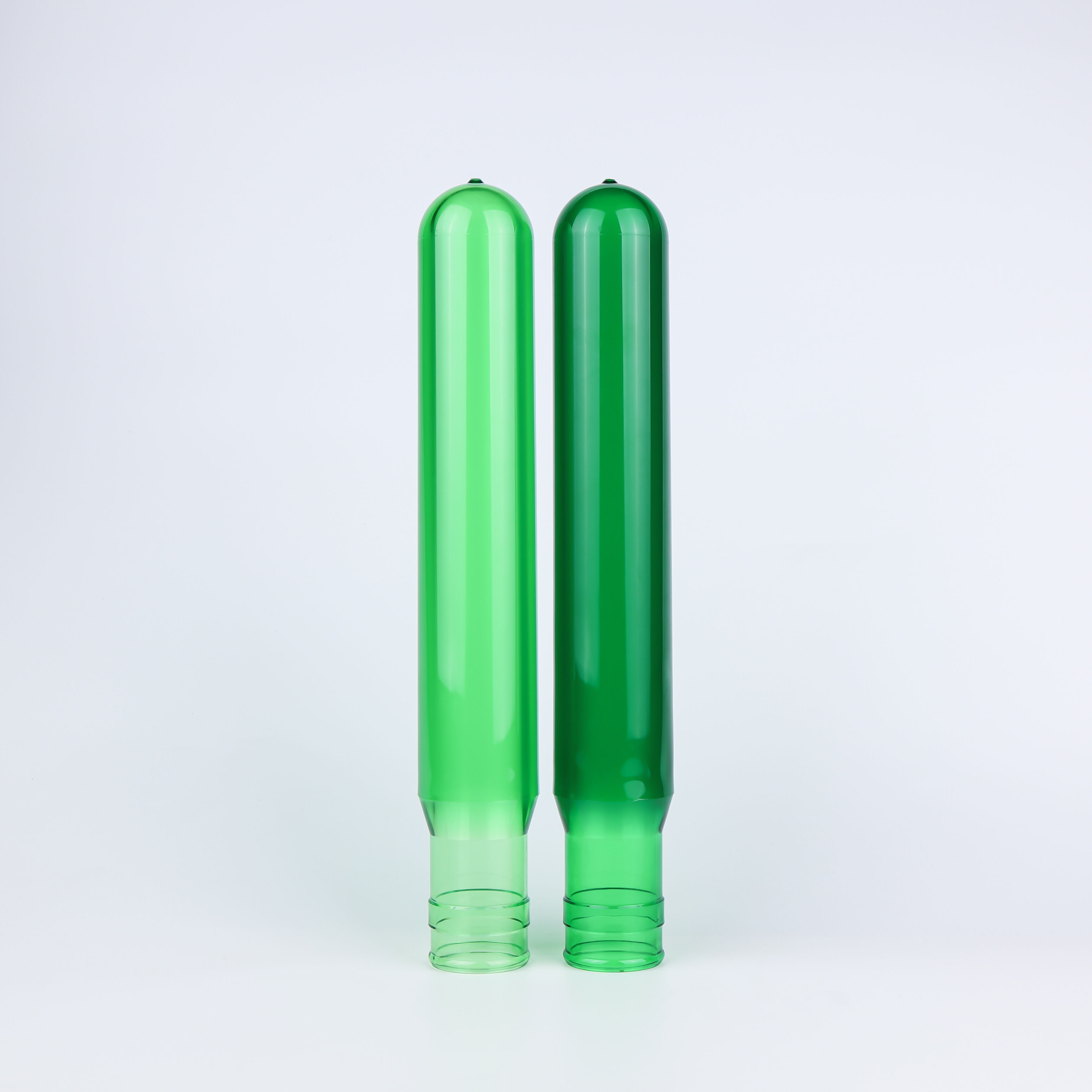
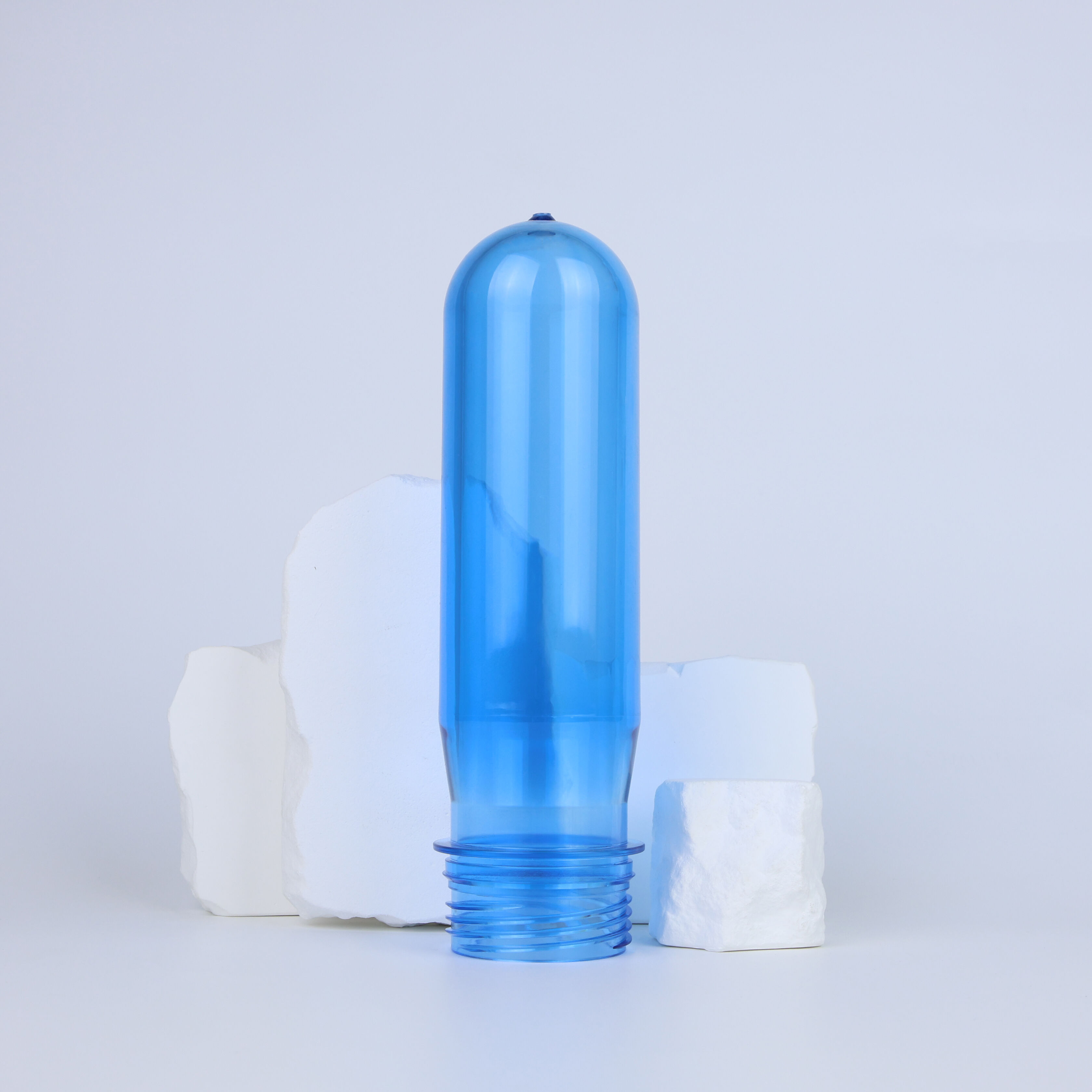
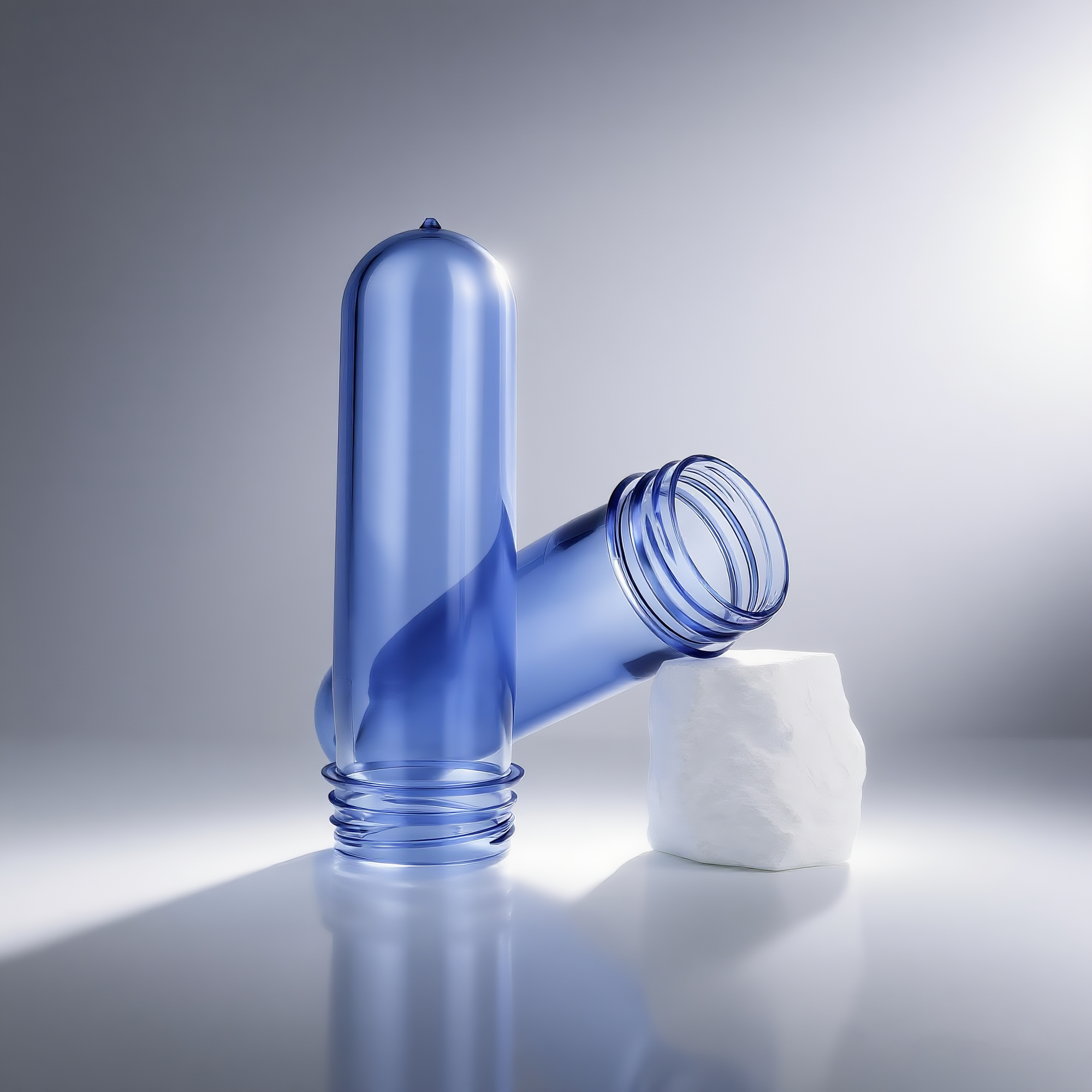
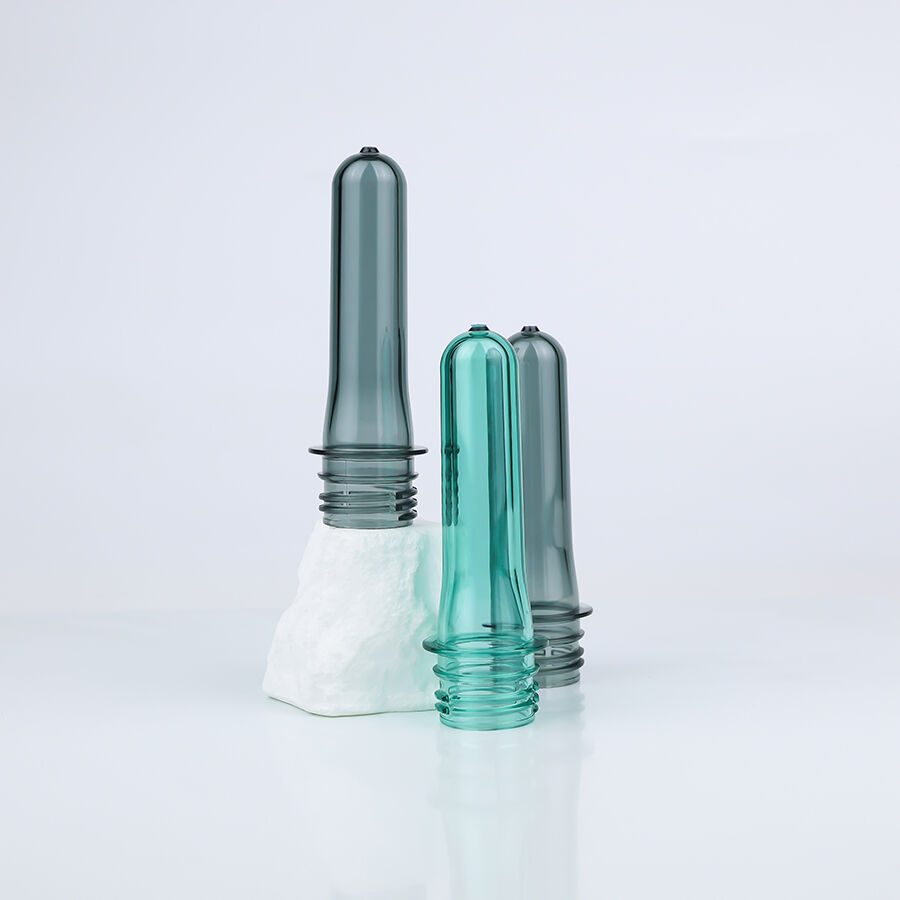
A plastic preform for water bottle is a specially engineered intermediate product that serves as the foundation for manufacturing PET bottles used in the beverage industry. This tubular-shaped component features a threaded neck finish and a closed bottom, designed to be heated and stretched into its final bottle shape through blow molding processes. Made primarily from polyethylene terephthalate (PET), the plastic preform for water bottle offers exceptional clarity, lightweight properties, and superior barrier protection against moisture and gases. The technological features include precise injection molding techniques that ensure uniform wall thickness, consistent neck dimensions for secure cap fitment, and optimal material distribution throughout the structure. Modern plastic preform for water bottle production utilizes advanced multi-cavity molds and high-speed injection systems to achieve remarkable efficiency and quality control. These preforms are available in various weights, neck finishes, and designs to accommodate different bottle sizes ranging from small single-serve containers to large multi-liter formats. The main functions include providing a standardized, easily transportable format that significantly reduces shipping costs compared to finished bottles, ensuring consistent quality across production batches, and enabling manufacturers to maintain flexibility in their packaging operations. Applications span across bottled water companies, soft drink manufacturers, juice producers, and various beverage industry segments where reliable, cost-effective packaging solutions are essential for market success.
 EN
EN