EN
EN


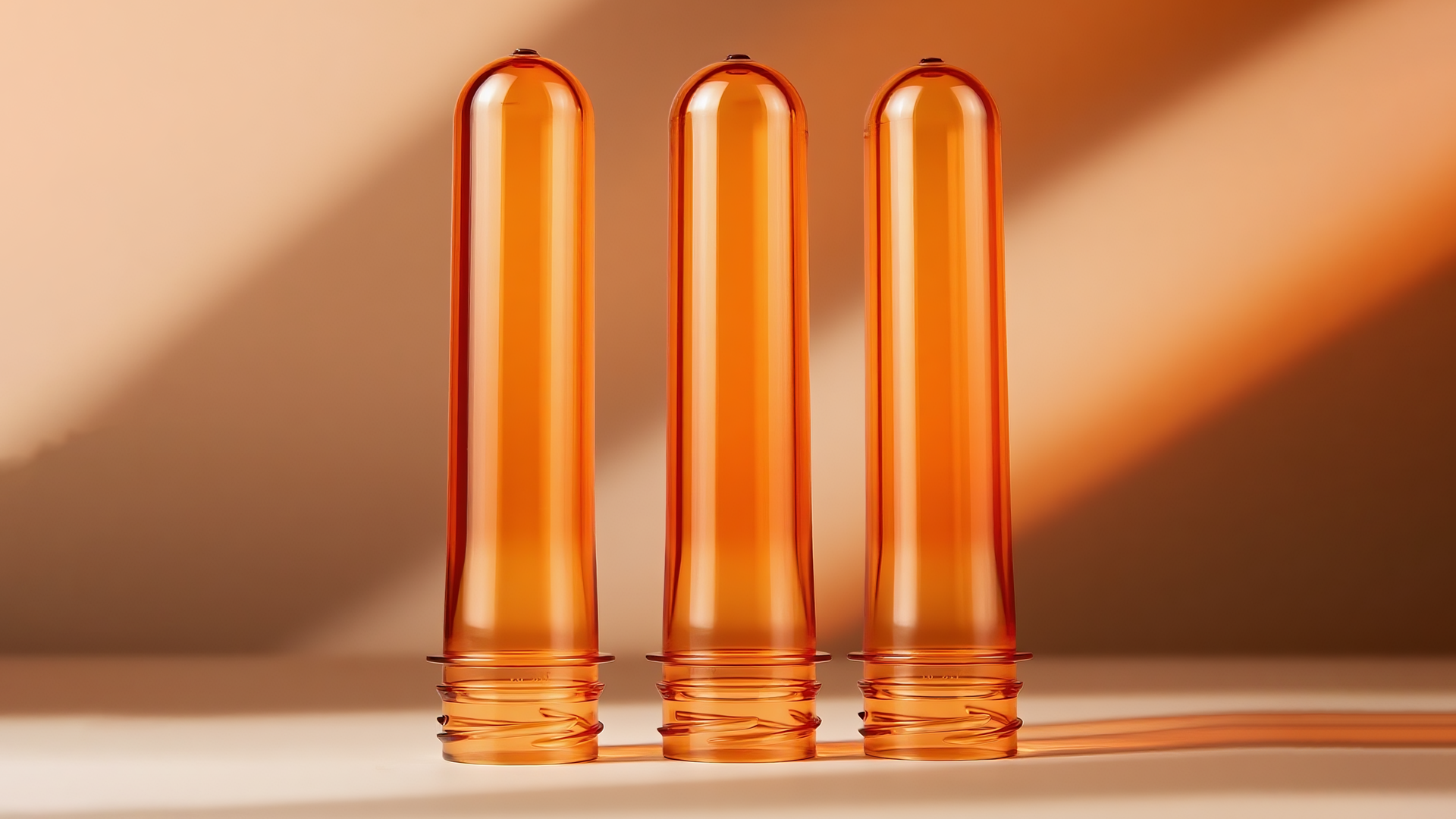
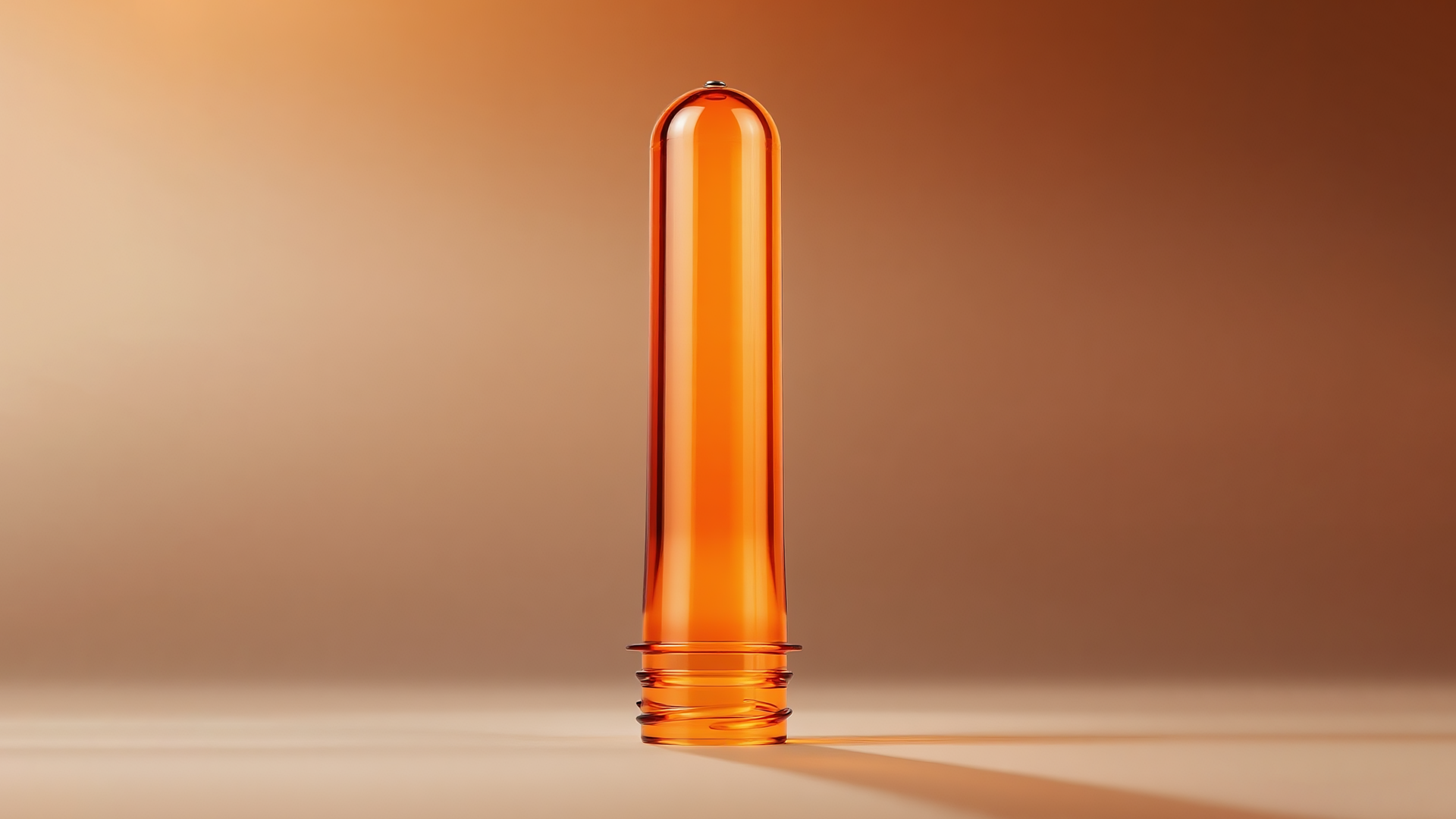
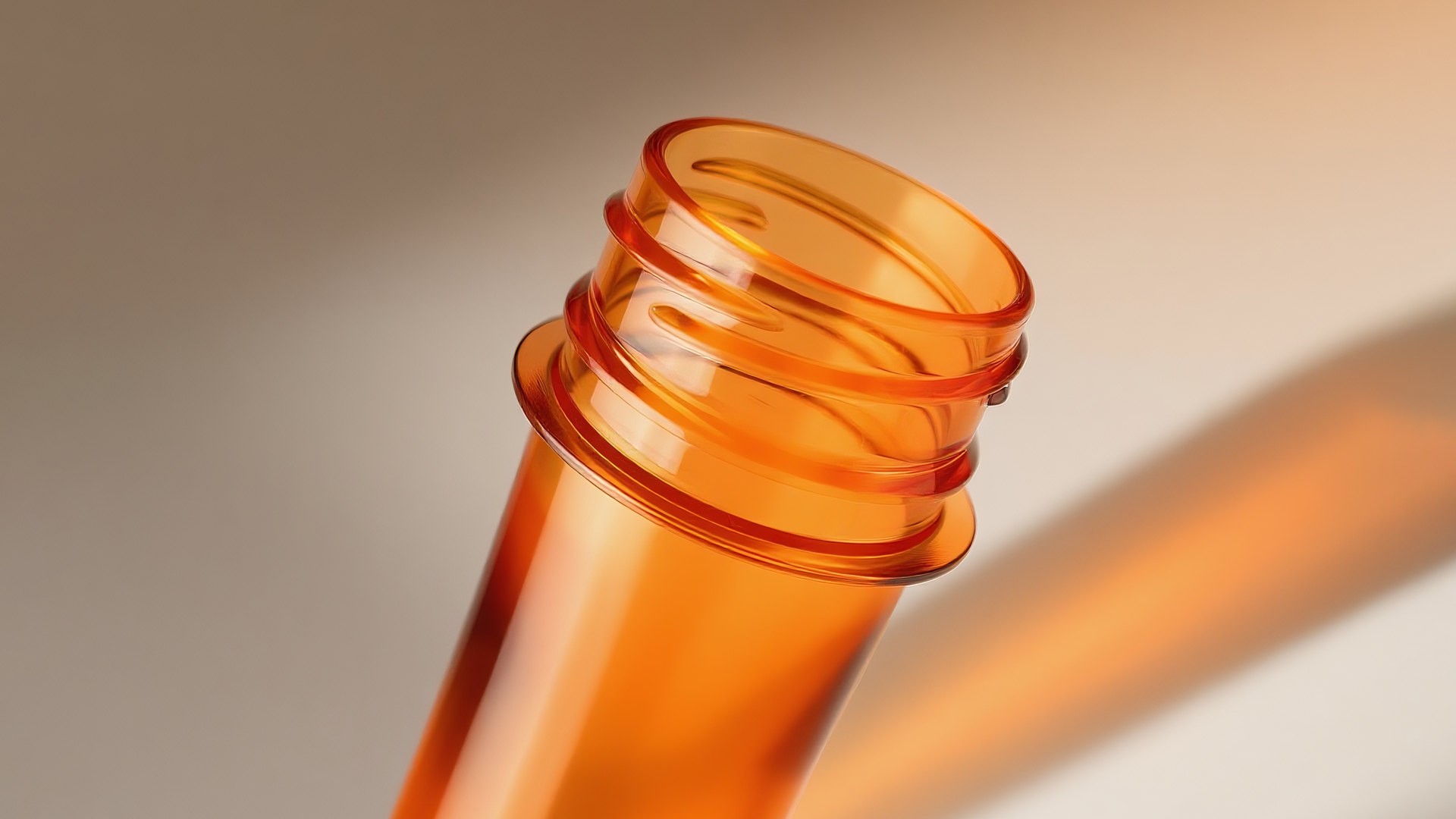
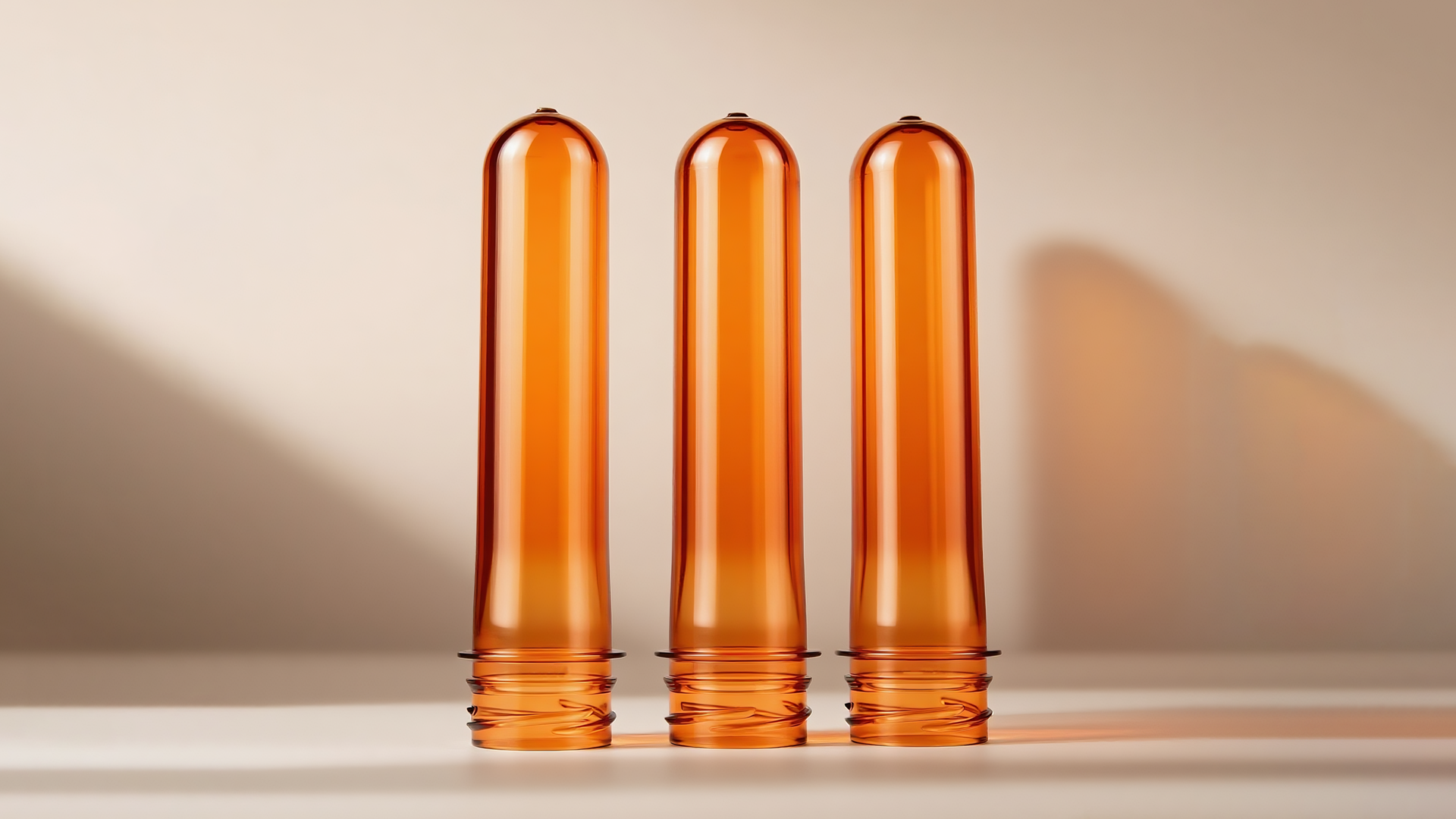
In the current market environment dominated by the visual economy, packaging has transcended its basic functionality to become the primary interface for value communication between brands and consumers. Color, as the most emotionally penetrating element of this interface, carries increasing strategic significance. Recently, we partnered with a client aiming to establish a benchmark brand in a niche market to complete a highly representative, in-depth collaboration—developing and mass-producing a proprietary 30mm3025 orange preform for their flagship product series. This case study documents not only a successful technical customization but also fully demonstrates how we integrate the client's brand strategy into the product's DNA through systematic innovative services, jointly shaping market competitiveness.
At the project's outset, the client's core request was for "an orange preform that evokes sunshine and a freshly squeezed feeling." However, we recognized that this was a tangible representation of their strategic requirements for a new product launch. Through organized joint workshops, we conducted multiple rounds of strategic alignment with the client's product, marketing, and design teams, transforming vague perceptions into clear definitions:
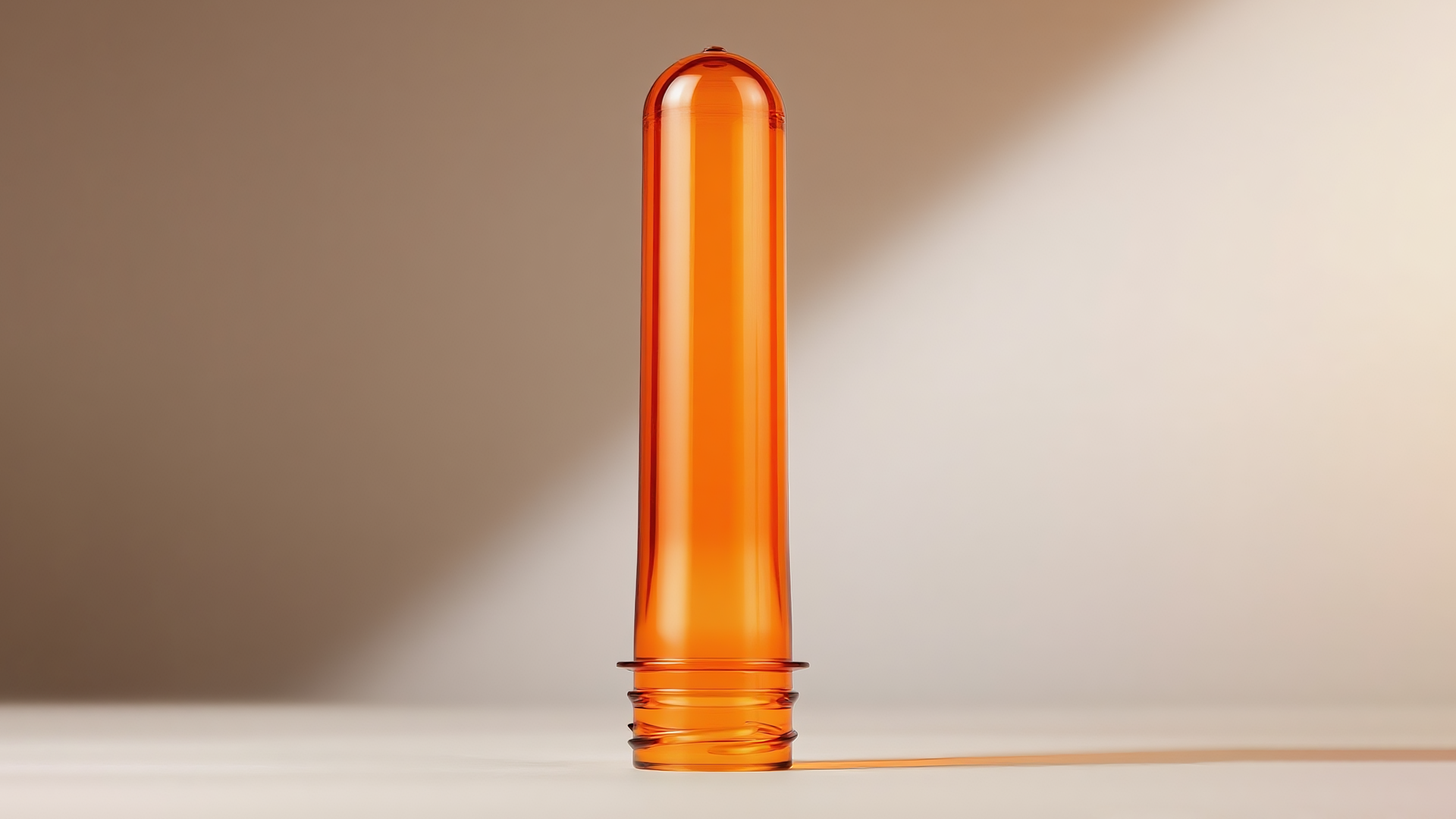
Clarification of Strategic Intent: The client aimed to launch a premium-priced juice product emphasizing an "authentic experience." The packaging color needed to directly convey three core messages: "all-natural, no additives," "a sense of abundant vitamins," and "pleasurable enjoyment," creating an emotional distinction from competitors.
Definition of User Scenarios: We jointly simulated multiple key touchpoints for the product, from convenience store coolers to family dining tables. The color had to remain appealing under various lighting conditions—cold white light, warm yellow light, and natural light—and particularly must not appear dull in refrigeration environments.
Quantification of Technical Goals:
Color Uniqueness: Needed to establish an independent color standard to prevent easy imitation in the future.
Absolute Batch Stability: For the initial million-unit order, the color difference (ΔE) between preforms across production cycles and different injection molding units had to be consistently controlled to less than 1.0 (indistinguishable to the naked eye).
Full-Chain Compatibility: The color solution had to be compatible with downstream processes including high stretch-ratio blow molding, filling processes (acid resistance), and the overall visual effect when paired with labels.
Facing complex multi-objective requirements, we initiated an "end-to-end color solution" process to ensure every step from concept to finished product was controllable and optimizable.
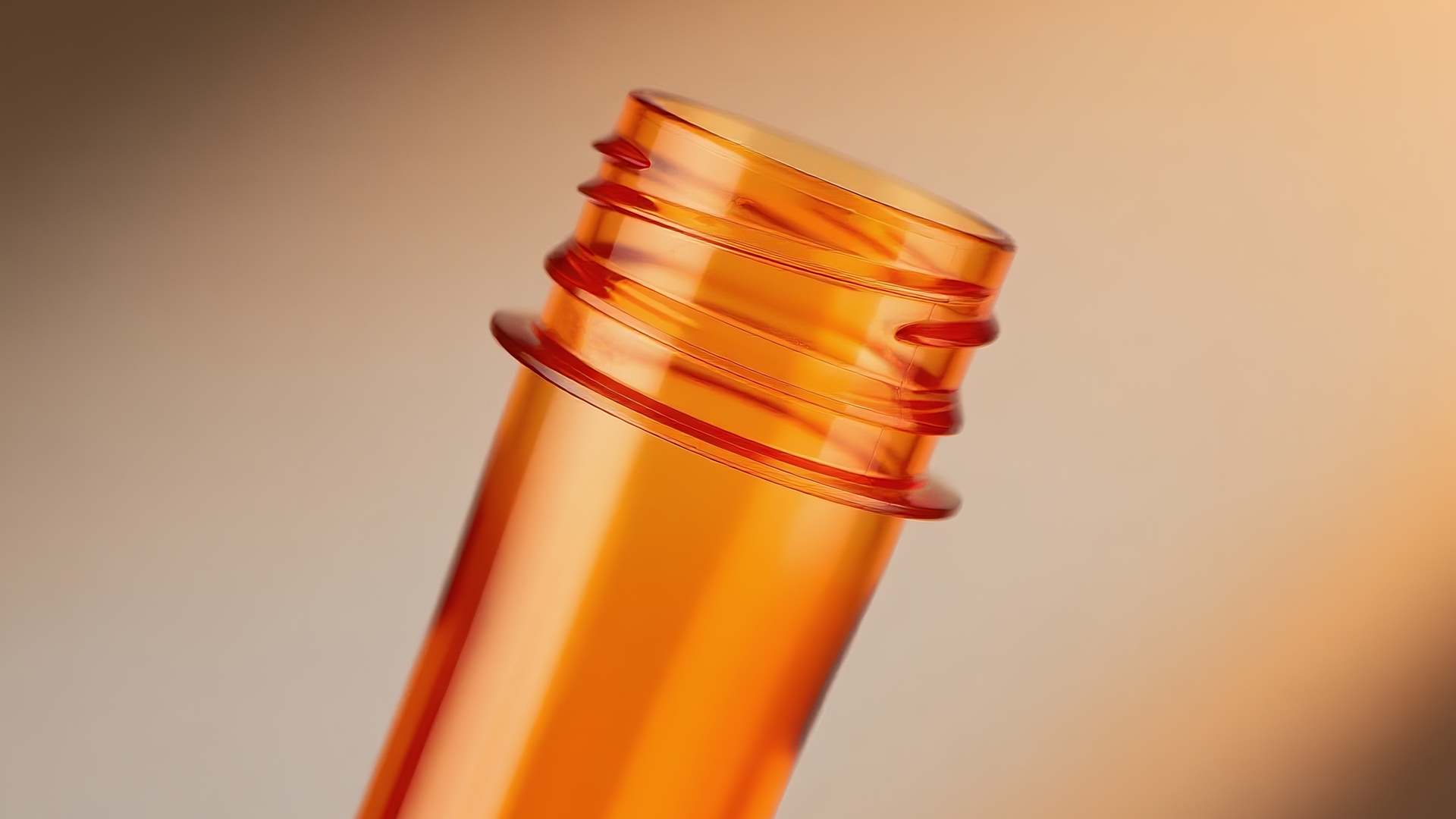
Phase 1: Color Strategy and Digital Modeling
We did not limit ourselves to providing color swatches. Using professional software, our color lab conducted a color mood board analysis based on the client's brand tone (vibrant, natural, premium), initially generating several emotion-oriented orange hues. After a joint review with the client, a direction was selected for refined digital modeling. We not only defined the Lab values for the primary color but also set its "gloss threshold" and "light transmittance range" to ensure the final physical presentation possessed the desired "juice-like texture" and "sense of vitality."
Phase 2: Material System Innovation and Formulation Engineering
To materialize the digital model, the Materials R&D Center launched a customization project:

Carrier and Pigment Innovation: We abandoned commercially available masterbatches, opting instead for food-grade high-performance copolyester as the carrier, which offers better compatibility with the PET base material. The selected composite organic pigments underwent nano-level encapsulation, enhancing coloring power and vibrancy while solving the risk of thermal migration during high-temperature processing.
Functional Synergistic Design: The formulation incorporated:
Light and Heat Stabilizers: To ensure the color does not yellow or fade during secondary processing (blow molding) and subsequent shelf life.
Optical Diffusing Agents: To precisely regulate light scattering within the bottle wall, creating the "internally glowing" translucent effect the client desired, rather than a surface-painted look.
Sustainability Considerations: While ensuring performance, the formulation design maximized the pigment concentration in the masterbatch, reducing the amount needed per unit product, and guaranteed all components complied with increasingly stringent global environmental regulations.
Phase 3: Stress Testing and Risk Front-Loading
We established a rapid "simulate-test-iterate" validation cycle:
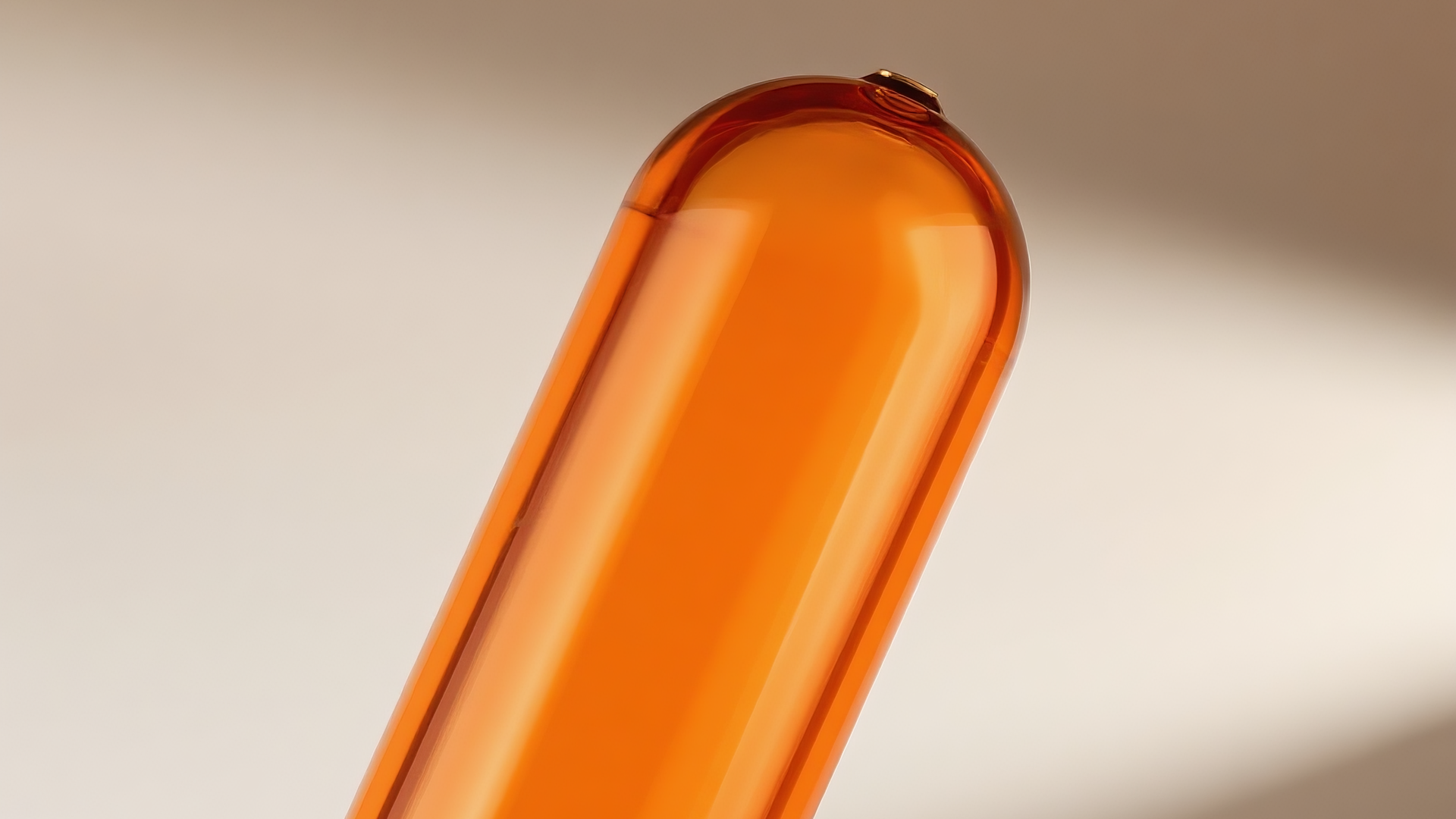
Process Boundary Testing: Conducted stress tests across the client's blow molding process parameter range (e.g., varying heating temperatures, stretch speeds) to identify the optimal and stable processing window for color performance, and delivered a process recommendation document to the client.
Life Cycle Simulation: Used accelerated aging test equipment to simulate color and physical property changes under combined factors like UV exposure, temperature/humidity variations, and content immersion for up to two years, providing data-driven predictions for shelf-life performance.
Full-System Compatibility Verification: Conducted simulated filling and storage tests using trial-produced preforms along with caps and shrink sleeve labels provided by the client, evaluating the visual integrity of the entire packaging system.
Consistency in mass production is the ultimate manifestation of customization value. We activated a "digital twin" quality control system for this project:
Intelligent Pre-processing and Precision Dosing: The custom color masterbatch and primary raw materials are conveyed via a fully automated vacuum system and dosed using gravimetric blenders during the pre-mixing stage, achieving a dosing accuracy of 0.03%, eliminating potential batch variations at the source.
Closed-Loop Intelligent Control of the Production Process:
Online spectrometers are installed at the injection molding machine nozzle to perform real-time color spectrum analysis on preforms from every shot.
Data is instantly transmitted to the MES (Manufacturing Execution System) and compared with the standard spectrum. If a trend deviates from preset parameters, the system can automatically fine-tune the injection molding machine temperature or backpressure, or alert an engineer to intervene upon warning.
This "sense-analyze-execute" closed loop shifts quality control from final product sampling to in-process regulation.
Digital Quality Archive: All key process parameters, online inspection spectrum data, and laboratory reports (including color difference, acetaldehyde content, strength, etc.) for each production batch are consolidated to generate a unique digital quality archive. Clients can trace this information through a dedicated portal, achieving complete transparency of product quality.
The success of this project delivered multi-dimensional value enhancement for the client and deepened our partnership:
Client Market Performance: According to client feedback, the new product using this custom preform received high praise from distributors and consumers for its unique packaging color upon launch in target channels, becoming a key memorable feature. The client's market research indicated that "packaging appeal" significantly contributed to purchase motivation, strongly supporting their premium pricing strategy and enabling rapid market share acquisition.
Supply Chain Efficiency Gains: Due to the high color stability and excellent processing performance of the preforms, the client's downstream production line time was reduced, and the overall efficiency of the filling line improved, achieving cost reduction and efficiency gains from packaging through to production.
Brand Asset Consolidation: This unique "client proprietary orange" has been applied for trademark registration, becoming part of the client's visual assets. The complete color data package we established for them (including spectral data, formula codes, process parameters) lays the foundation for the long-term intellectual property protection and cross-product line application of this color.
This case profoundly demonstrates that in today's era of consumption upgrade and brand fragmentation:
Packaging innovation is systemic innovation. It involves materials science, optical design, smart manufacturing, and brand strategy, requiring supply chain partners to possess interdisciplinary integrated solution capabilities.
A supplier's core value lies in "reducing the total cost and risk of innovation." Through upfront technical verification and stress testing, we minimized the potential risks of delays, rework, or even recalls that could arise from packaging issues during a client's new product launch. By ensuring consistency in mass production, we guaranteed the uniformity of the brand experience.
We are evolving from "solution executors" to "value co-creation leaders." We no longer passively respond to demands but proactively apply our forward-looking understanding of materials and processes to explore market opportunities with clients, transforming supply chain capabilities into competitive market advantages for the brand. What we provide is not just a product but a replicable, complete methodology from color strategy to mass production assurance.
We Shape Your Vision, We Guard Your Brand Essence.
From a spark of inspiration to impeccable mass production, we are your partner in creating unmissable presence.

Taizhou Huangyan Jinting Plastic Mould.,LTD is a professional PET preform manufacturer with 25+ years’ expertise. ISO9001/ISO22000 certified, custom necks (28–55mm), colors, weights & molds for water/beverage brands. Contact us today.
Puhui Industrial Zone, Toutuo Town, Huangyan District, Taizhou City, Zhejiang Province, China
Copyright © 2026 Taizhou Huangyan Jinting Plastic Mould.,LTD.All rights reserved. Privacy Policy