EN
EN

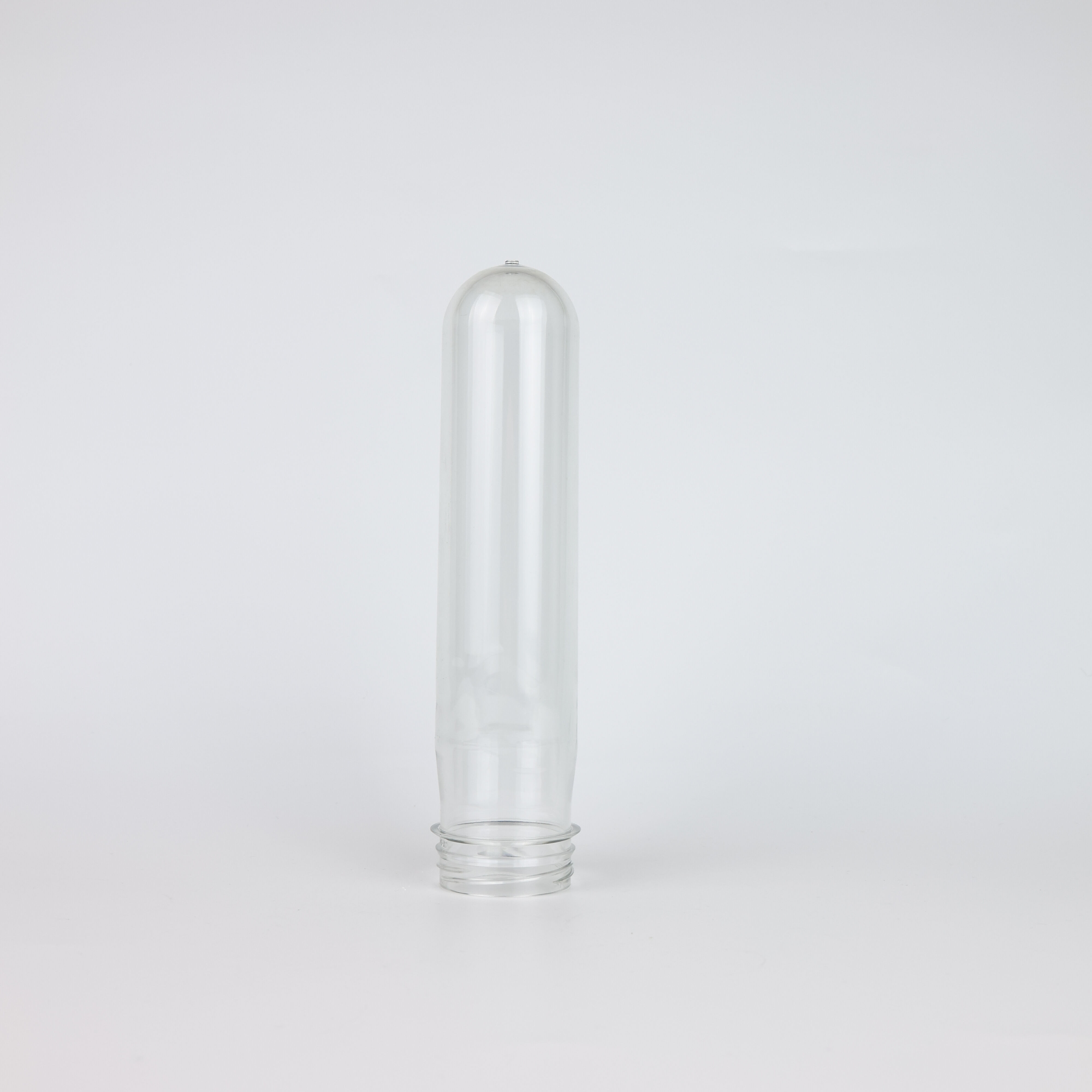
The water bottle preform industry has experienced remarkable growth as consumer demand for bottled water continues to surge globally. Understanding the intricacies of water bottle preform selection is crucial for beverage manufacturers, packaging companies, and quality control professionals. A water bottle preform serves as the foundation for creating durable, safe, and aesthetically pleasing plastic bottles that meet stringent industry standards. The manufacturing process requires precise attention to material composition, dimensional accuracy, and thermal properties to ensure optimal performance during the blow molding process.
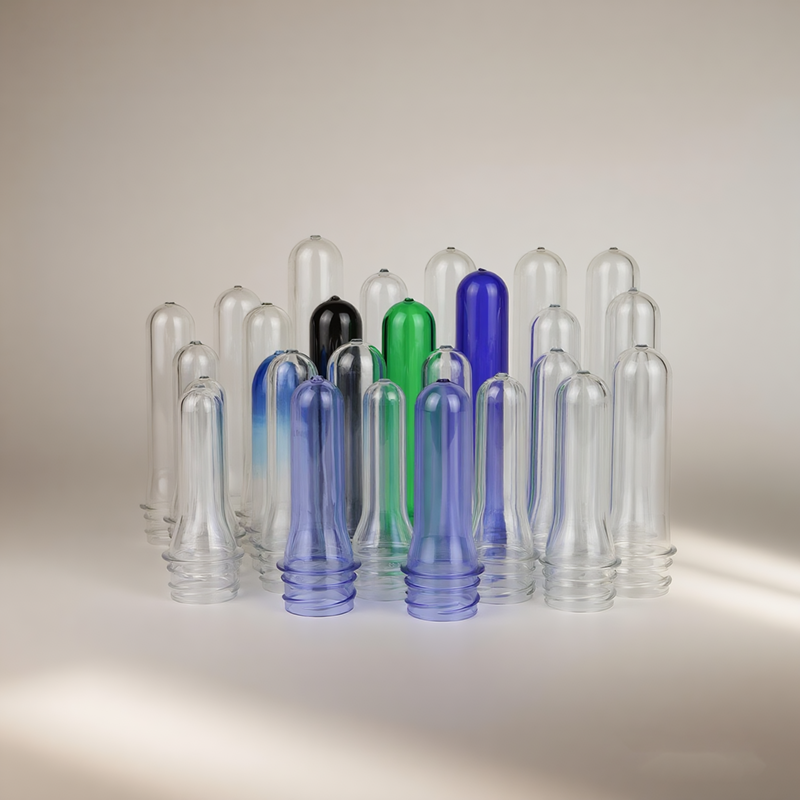
Modern water bottle preform technology incorporates advanced polymer science and engineering principles to deliver consistent results across high-volume production environments. The selection criteria extend beyond basic functionality to encompass environmental considerations, cost-effectiveness, and regulatory compliance. Professional manufacturers must evaluate multiple factors including resin type, wall thickness distribution, gate design, and thermal characteristics when specifying water bottle preform requirements for their specific applications.
Material Science and Polymer Selection
PET Resin Characteristics for Water Bottle Preform Applications
Polyethylene terephthalate represents the most widely adopted material for water bottle preform manufacturing due to its exceptional clarity, chemical resistance, and recyclability properties. The molecular structure of PET provides excellent barrier properties against oxygen and carbon dioxide, ensuring extended shelf life for bottled water products. Food-grade PET resins undergo rigorous purification processes to eliminate potential contaminants that could affect taste or safety. The intrinsic viscosity of PET resin directly influences the mechanical properties of the finished water bottle preform, affecting both processability and final bottle performance characteristics.
Virgin PET resin offers superior clarity and consistent processing characteristics compared to recycled alternatives, though environmental considerations increasingly drive adoption of post-consumer recycled content. The crystallization behavior of PET during injection molding significantly impacts the water bottle preform quality, requiring precise temperature control throughout the manufacturing process. Advanced PET formulations incorporate additives such as acetaldehyde scavengers and UV stabilizers to enhance performance in specific applications. The selection between different PET grades depends on end-use requirements, processing equipment capabilities, and economic considerations.
Alternative Polymer Options and Specialized Applications
While PET dominates the water bottle preform market, alternative polymers serve specialized applications requiring unique performance characteristics. Polypropylene offers enhanced chemical resistance and higher temperature tolerance, making it suitable for hot-fill applications and specialized beverage formulations. Polycarbonate provides exceptional impact resistance and optical clarity but faces regulatory restrictions in some markets due to concerns about bisphenol A migration. Biopolymers and plant-based materials represent emerging alternatives that address sustainability concerns while maintaining functional performance requirements.
The selection of polymer type for water bottle preform applications requires comprehensive evaluation of barrier properties, mechanical strength, thermal stability, and regulatory approval status. Multi-layer structures incorporating different polymers can optimize specific properties while maintaining cost-effectiveness. Barrier-enhanced formulations using nanocomposite technology provide superior protection against permeation while maintaining the processing advantages of conventional materials. Each polymer option presents unique advantages and limitations that must be carefully evaluated against specific application requirements and market conditions.
Design Specifications and Dimensional Control
Critical Dimensions and Tolerance Requirements
Dimensional accuracy represents a fundamental requirement for successful water bottle preform performance during blow molding operations. Wall thickness distribution affects both material usage efficiency and bottle quality, requiring precise control throughout the injection molding process. The neck finish dimensions must conform to international standards to ensure compatibility with closure systems and filling equipment. Thread specifications, including pitch, height, and profile geometry, directly impact seal integrity and consumer convenience during use.
Gate vestige height and flash control influence both aesthetic appearance and functional performance of the finished bottle. Ovality measurements ensure uniform stress distribution during blow molding, preventing weak points that could lead to premature failure. The support ring design affects handling characteristics during automated processing operations while maintaining structural integrity under various loading conditions. Advanced measurement techniques using coordinate measuring machines and optical scanning systems enable precise verification of critical dimensions throughout production runs.
Thermal Properties and Processing Parameters
The thermal characteristics of a water bottle preform significantly influence blow molding performance and final bottle properties. Glass transition temperature affects the reheating requirements and processing window during stretch blow molding operations. Crystallinity levels impact clarity, mechanical properties, and thermal behavior throughout the conversion process. Heat distribution patterns during infrared preheating must be carefully controlled to achieve uniform wall thickness and prevent localized stress concentrations.
Thermal cycling performance determines the suitability of water bottle preform designs for applications involving temperature variations during storage and distribution. The coefficient of thermal expansion affects dimensional stability across operating temperature ranges. Advanced thermal analysis techniques provide detailed characterization of material behavior under various heating and cooling cycles. Processing parameters including injection molding temperatures, cooling rates, and cycle times must be optimized to achieve desired thermal properties in the finished water bottle preform.
Quality Control and Testing Methodologies
Visual Inspection and Defect Detection Systems
Comprehensive quality control programs for water bottle preform manufacturing incorporate both automated and manual inspection procedures to identify potential defects before shipment. Visual inspection protocols evaluate clarity, color consistency, surface finish quality, and dimensional conformance using standardized lighting conditions and measurement tools. Automated vision systems provide high-speed detection of surface defects, contamination, and dimensional variations that could affect downstream processing performance. Statistical process control methodologies enable proactive identification of process variations before they result in quality issues.
Gate vestige evaluation ensures consistent appearance and functional performance across production lots. Flash measurement protocols verify conformance to specified tolerances that affect both aesthetics and processing efficiency. Neck finish inspection using specialized gauges confirms compatibility with standard closure systems and filling equipment. Advanced optical inspection systems can detect minute defects invisible to human operators while maintaining high throughput rates required for commercial production environments.
Mechanical Testing and Performance Validation
Mechanical testing programs for water bottle preform validation encompass impact resistance, tensile strength, and environmental stress crack resistance measurements. Drop testing simulates handling conditions during transportation and storage to verify structural integrity under real-world conditions. Burst pressure testing determines the maximum stress limits of blown bottles produced from each water bottle preform lot. Fatigue testing evaluates long-term performance under repeated stress cycles that may occur during normal use.
Environmental testing protocols subject water bottle preform samples to various temperature and humidity conditions to assess dimensional stability and material properties. Chemical resistance testing verifies compatibility with different beverage formulations and cleaning agents. Migration testing ensures compliance with food contact regulations and consumer safety requirements. Advanced testing methodologies using sophisticated equipment provide detailed characterization of material behavior under various operating conditions.
Manufacturing Process Optimization
Injection Molding Parameter Control
Successful water bottle preform manufacturing requires precise control of injection molding parameters to achieve consistent quality and dimensional accuracy. Barrel temperature profiles must be optimized for specific resin grades while maintaining adequate material flow and preventing thermal degradation. Injection pressure and velocity parameters affect material distribution and stress patterns within the finished water bottle preform. Cooling system design and temperature control influence cycle times, dimensional stability, and crystallization behavior.
Mold design considerations include gate location, runner system configuration, and cooling channel layout to optimize material flow and thermal management. Venting systems prevent air entrapment and ensure complete cavity filling while minimizing flash formation. Tool steel selection and surface treatments affect both durability and release characteristics during high-volume production runs. Regular maintenance protocols ensure consistent mold performance and prevent quality issues that could affect water bottle preform specifications.
Process Monitoring and Control Systems
Advanced process monitoring systems provide real-time feedback on critical parameters affecting water bottle preform quality and consistency. Temperature sensors throughout the injection molding system enable precise thermal control and early detection of process variations. Pressure monitoring systems track injection and holding pressures to ensure complete cavity filling and dimensional accuracy. Cycle time monitoring helps optimize productivity while maintaining quality standards.
Data acquisition systems collect comprehensive process information for statistical analysis and continuous improvement initiatives. Automated feedback control systems can make real-time adjustments to maintain optimal processing conditions. Predictive maintenance programs use process data to schedule equipment service before quality issues occur. Integration with enterprise resource planning systems enables comprehensive tracking of material usage, production efficiency, and quality metrics throughout the manufacturing process.
Environmental Considerations and Sustainability
Recycling and Circular Economy Initiatives
The environmental impact of water bottle preform manufacturing has driven significant innovation in recycling technologies and sustainable design practices. Post-consumer recycled content integration requires careful evaluation of material properties and processing parameters to maintain quality standards. Chemical recycling processes enable conversion of waste PET back to virgin-quality resin suitable for food contact applications. Design for recycling principles guide water bottle preform specifications to optimize end-of-life material recovery and processing efficiency.
Lightweighting initiatives reduce material usage while maintaining functional performance requirements through advanced design optimization techniques. Life cycle assessment methodologies provide comprehensive evaluation of environmental impacts throughout the product lifecycle. Closed-loop recycling systems enable direct reuse of production waste and post-consumer materials in new water bottle preform manufacturing. Industry collaboration programs promote standardization of recycling protocols and material identification systems.
Alternative Materials and Biodegradable Options
Emerging biodegradable materials offer potential alternatives to conventional petroleum-based polymers for water bottle preform applications. Plant-based PET alternatives derived from renewable feedstocks provide similar performance characteristics while reducing carbon footprint. Polylactic acid and other biopolymers present opportunities for compostable packaging solutions in specific market segments. The development of marine-degradable materials addresses concerns about ocean plastic pollution while maintaining functional performance requirements.
Barrier coating technologies enable use of alternative base materials while maintaining essential protective properties for beverage applications. Hybrid material systems combine biodegradable components with recyclable polymers to optimize both performance and environmental impact. Regulatory approval processes for new materials require extensive testing to ensure food safety and consumer protection. Economic considerations including raw material costs and processing equipment modifications influence adoption rates for alternative materials in water bottle preform manufacturing.
Market Trends and Future Developments
Technological Innovations and Smart Manufacturing
Advanced manufacturing technologies are transforming water bottle preform production through integration of Industry 4.0 principles and smart factory concepts. Artificial intelligence systems optimize process parameters in real-time based on quality feedback and production requirements. Predictive analytics enable proactive maintenance scheduling and quality issue prevention. Digital twin technology provides virtual simulation capabilities for process optimization and new product development.
Additive manufacturing techniques offer potential for rapid prototyping and small-batch production of specialized water bottle preform designs. Nanotechnology applications enhance barrier properties and functionality while maintaining processing compatibility. Advanced sensor integration throughout production equipment enables comprehensive monitoring and control of all critical parameters. Blockchain technology provides enhanced traceability and supply chain transparency for quality assurance and regulatory compliance.
Consumer Preferences and Market Dynamics
Evolving consumer preferences for sustainable packaging drive innovation in water bottle preform design and material selection. Premium bottled water segments demand enhanced aesthetic properties and functional features. Convenience packaging formats require specialized water bottle preform configurations to support unique bottle shapes and closure systems. Health and wellness trends influence material selection criteria and additive formulations.
Global market expansion creates opportunities for standardized water bottle preform platforms that serve multiple regional markets efficiently. Cost pressure from retailers and brand owners drives continuous improvement in manufacturing efficiency and material utilization. Regulatory changes in different markets require flexible design approaches and comprehensive compliance documentation. E-commerce growth patterns influence packaging requirements and distribution considerations for water bottle preform specifications.
FAQ
What factors determine the optimal wall thickness for a water bottle preform
The optimal wall thickness for a water bottle preform depends on several critical factors including the intended bottle size, blow ratio requirements, material properties, and end-use performance specifications. Thicker walls provide better material distribution during blow molding but increase material costs and cycle times. The blow ratio, which represents the expansion factor from preform to bottle, directly influences wall thickness requirements with higher ratios demanding more uniform thickness distribution. Processing parameters such as reheat temperature profiles and stretch rod timing also affect the optimal wall thickness design for achieving uniform bottle wall distribution and preventing thin spots or stress concentrations.
How does neck finish design affect closure compatibility and sealing performance
Neck finish design plays a crucial role in closure compatibility and sealing performance by determining thread engagement, sealing surface geometry, and torque transmission characteristics. Thread pitch, height, and profile must conform to international standards such as PCO (Plastic Closure Only) specifications to ensure compatibility with standard closure systems. The sealing surface finish and dimensional accuracy directly affect leak prevention and removal torque consistency. Support ring design influences the structural integrity of the neck during capping operations while providing proper positioning for automated equipment. Proper neck finish geometry ensures optimal stress distribution and prevents closure loosening or over-tightening during normal use conditions.
What quality control measures ensure consistent water bottle preform performance
Comprehensive quality control measures for water bottle preform manufacturing include dimensional inspection using precision measurement tools, visual examination for surface defects and clarity, and mechanical testing to verify strength and performance characteristics. Statistical process control protocols monitor critical parameters such as wall thickness distribution, gate vestige height, and overall length to ensure conformance with specifications. Automated vision systems detect surface contamination, color variations, and dimensional abnormalities at production speeds. Material testing includes verification of resin properties, moisture content, and additive levels to ensure consistent processing behavior and final product performance.
How do environmental regulations impact water bottle preform material selection
Environmental regulations significantly influence water bottle preform material selection through restrictions on certain additives, recycled content requirements, and end-of-life disposal considerations. Food contact regulations mandate use of approved materials and additives while establishing migration limits for various substances. Extended producer responsibility programs require consideration of recyclability and waste management costs in material selection decisions. Emerging regulations on single-use plastics drive innovation toward alternative materials and design approaches that minimize environmental impact. Compliance with international standards such as FDA, EU regulations, and regional requirements necessitates comprehensive documentation and testing protocols throughout the supply chain.
Table of Contents
- Material Science and Polymer Selection
- Design Specifications and Dimensional Control
- Quality Control and Testing Methodologies
- Manufacturing Process Optimization
- Environmental Considerations and Sustainability
- Market Trends and Future Developments
-
FAQ
- What factors determine the optimal wall thickness for a water bottle preform
- How does neck finish design affect closure compatibility and sealing performance
- What quality control measures ensure consistent water bottle preform performance
- How do environmental regulations impact water bottle preform material selection