EN
EN

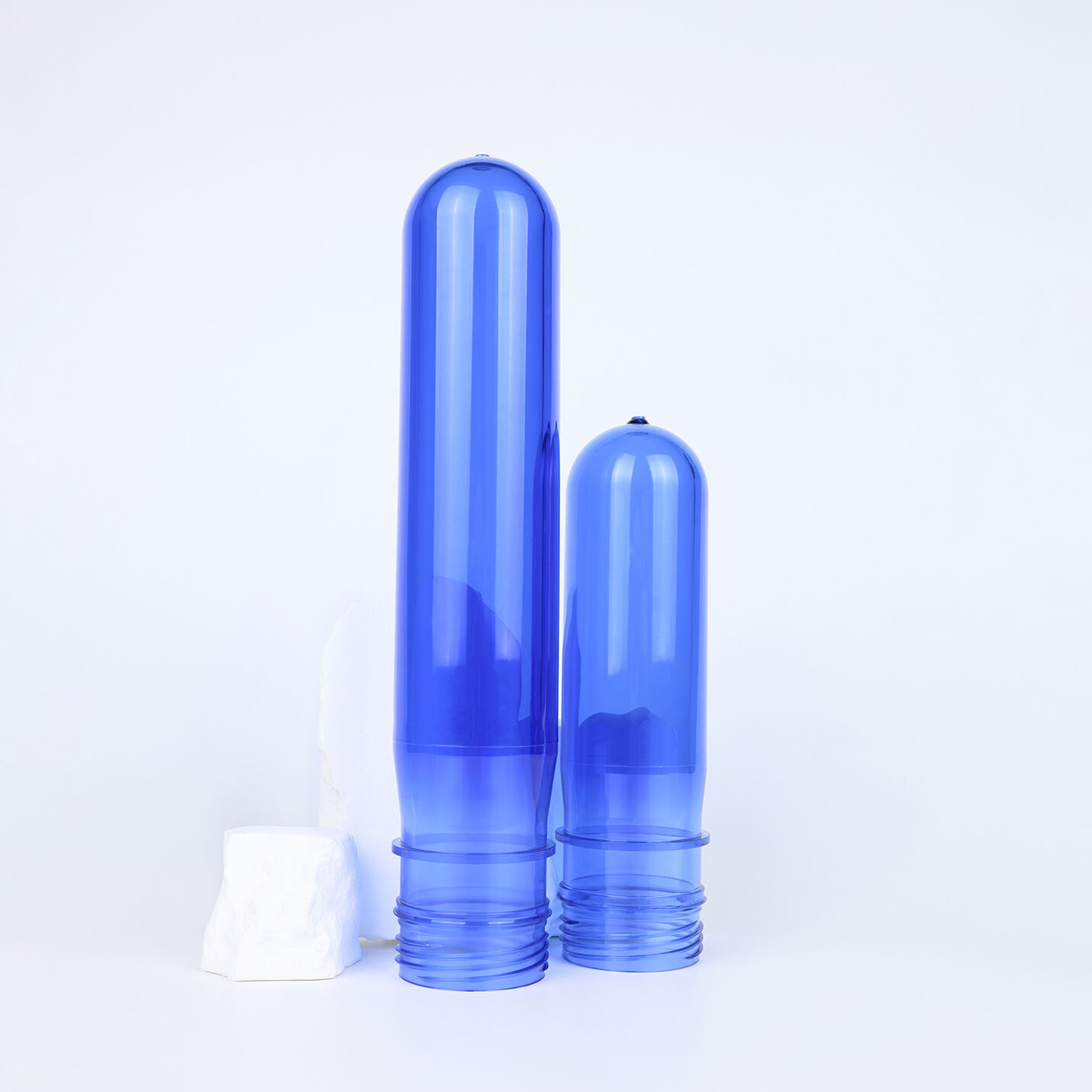
The packaging industry has witnessed remarkable evolution over the past few decades, with PET preform technology emerging as a cornerstone of modern bottle manufacturing. Understanding the fundamental differences between PET preforms and finished plastic bottles is crucial for manufacturers, distributors, and businesses involved in beverage and liquid packaging solutions. This comprehensive analysis explores the manufacturing processes, structural characteristics, and commercial advantages that distinguish these two interconnected yet distinct packaging formats.
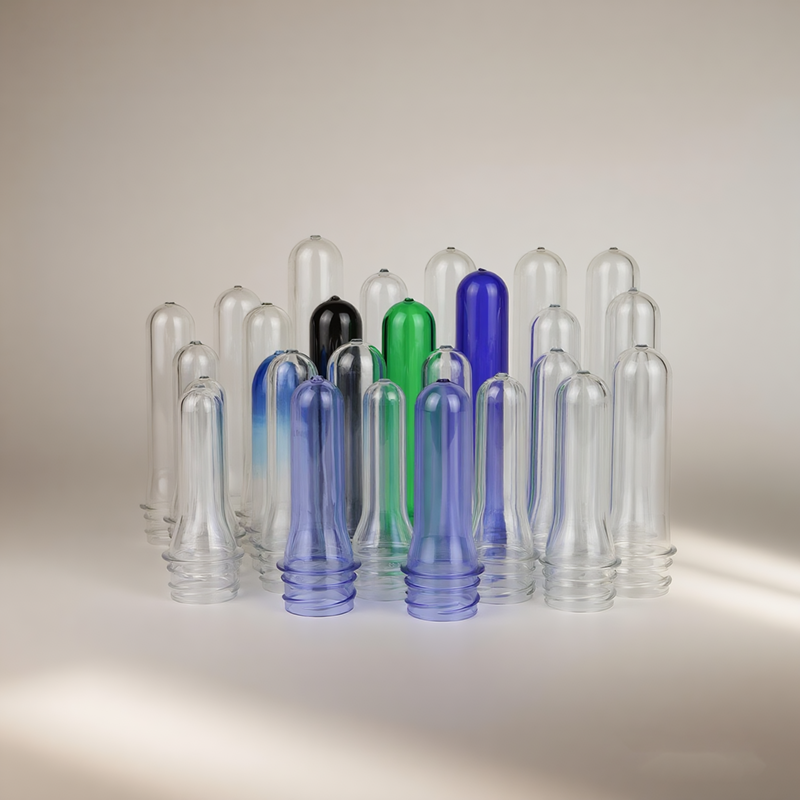
The global shift toward sustainable packaging has intensified focus on PET preform manufacturing as companies seek more efficient production methods. PET preforms serve as the intermediate stage between raw PET resin and final bottle products, offering unique advantages in terms of storage, transportation, and manufacturing flexibility. The distinction between preforms and bottles extends beyond mere physical appearance, encompassing critical factors such as production efficiency, cost optimization, and supply chain management strategies that directly impact business operations.
Manufacturing Process Fundamentals
PET Preform Production Methods
PET preform manufacturing involves injection molding processes where heated PET resin is injected into precision-engineered molds under controlled temperature and pressure conditions. The production cycle typically requires temperatures ranging from 270 to 290 degrees Celsius, with injection pressures reaching 1,200 to 1,500 bar. This manufacturing approach creates tube-like structures with threaded necks that maintain the exact specifications required for subsequent bottle formation processes.
The injection molding phase produces PET preform units with wall thickness variations designed to accommodate stretch-blow molding requirements. Modern manufacturing facilities utilize multi-cavity molds capable of producing 48 to 96 preforms per cycle, significantly enhancing production efficiency. Quality control measures during PET preform manufacturing include precise weight monitoring, wall thickness verification, and thread specification compliance to ensure optimal performance during bottle conversion processes.
Bottle Formation Through Stretch Blow Molding
The transformation from PET preform to finished bottle occurs through stretch blow molding, a two-stage process involving controlled heating and mechanical stretching. PET preforms are reheated to approximately 100 degrees Celsius before being inserted into bottle-shaped molds where compressed air pressure reaches 25 to 40 bar. This process stretches the preform both longitudinally and radially, creating the final bottle shape while maintaining material integrity and structural strength.
Stretch blow molding parameters require precise coordination between heating zones, stretching speeds, and blow pressure timing to achieve optimal bottle characteristics. The biaxial orientation achieved during this process enhances the mechanical properties of the finished bottle, including impact resistance, clarity, and barrier performance. Temperature control throughout the stretch blow molding cycle prevents material degradation while ensuring uniform wall thickness distribution across the entire bottle structure.
Structural and Physical Characteristics
PET Preform Design Features
A PET preform exhibits a compact, tube-like configuration with a fully formed threaded neck finish and a thick-walled body section designed for subsequent expansion. The neck finish dimensions remain unchanged during bottle formation, ensuring compatibility with standard closure systems. Wall thickness in PET preforms typically ranges from 3.5 to 4.5 millimeters, providing sufficient material distribution for stretch blow molding processes.
The geometric design of PET preform structures incorporates specific features such as support rings, gate areas, and thread specifications that facilitate automated handling and processing equipment compatibility. Weight considerations for PET preforms balance material usage efficiency with structural integrity requirements, typically ranging from 18 to 65 grams depending on final bottle specifications. Surface finish quality in PET preform manufacturing directly influences the optical properties and printability of finished bottles.
Finished Bottle Characteristics
Finished plastic bottles derived from PET preforms exhibit significantly different physical properties including reduced wall thickness, increased volume capacity, and enhanced transparency characteristics. The stretch blow molding process creates biaxial orientation that improves mechanical strength while reducing material thickness to approximately 0.3 to 0.8 millimeters. This transformation results in lightweight containers capable of withstanding internal pressures associated with carbonated beverages and hot-fill applications.
The final bottle structure incorporates design elements such as grip areas, label panels, and base configurations that enhance functionality and consumer appeal. Material distribution in finished bottles follows engineered patterns that optimize strength-to-weight ratios while maintaining cost-effectiveness. The crystalline structure development during stretch blow molding contributes to improved barrier properties, extending product shelf life and maintaining beverage quality standards.
Commercial and Economic Advantages
Storage and Transportation Benefits
PET preform storage and transportation offer substantial economic advantages compared to finished bottle handling systems. The compact dimensions of PET preforms enable storage densities up to 400% higher than equivalent finished bottle volumes, reducing warehouse space requirements and associated overhead costs. Transportation efficiency improvements result from the ability to ship 6 to 8 times more preforms per truck load compared to finished bottles, significantly reducing freight expenses and carbon footprint impacts.
Inventory management benefits associated with PET preform storage include reduced handling requirements, minimized damage risks, and simplified quality control procedures. The robust construction of PET preforms eliminates concerns about crushing, denting, or contamination issues commonly encountered with finished bottle storage. These characteristics enable longer storage periods and improved inventory turnover rates while maintaining product quality standards throughout the supply chain.
Production Flexibility and Customization
Manufacturing flexibility represents a key advantage of PET preform utilization, enabling bottle producers to maintain smaller inventory levels while accommodating diverse customer requirements. Single PET preform designs can generate multiple bottle configurations through variations in stretch blow molding parameters, reducing tooling costs and inventory complexity. This approach facilitates rapid response to market demands and seasonal volume fluctuations without requiring extensive production line modifications.
Customization capabilities in PET preform-based production systems extend to bottle capacity variations, neck finish specifications, and specialized design features tailored to specific applications. The ability to modify bottle characteristics through process parameter adjustments rather than tooling changes reduces lead times and development costs for new product introductions. Quality consistency across different bottle variations maintains brand integrity while accommodating diverse market segments and packaging requirements.
Technical Performance Characteristics
Material Properties and Performance
The molecular orientation achieved during PET preform conversion to bottles significantly enhances material performance characteristics including tensile strength, impact resistance, and thermal stability. Biaxial stretching creates aligned polymer chains that improve barrier properties against oxygen, carbon dioxide, and moisture transmission. These enhanced barrier characteristics extend product shelf life and maintain beverage quality throughout distribution and retail cycles.
Thermal performance improvements in stretched PET bottles enable hot-fill applications at temperatures up to 85 degrees Celsius without structural deformation. The crystalline structure development during stretch blow molding contributes to improved chemical resistance and stress crack resistance compared to unstretched PET materials. These performance enhancements make PET bottles suitable for diverse applications including carbonated beverages, juices, water, and specialized liquid products.
Quality Control and Testing Standards
Quality assurance protocols for PET preforms focus on dimensional accuracy, weight consistency, and material homogeneity to ensure optimal performance during bottle formation processes. Testing procedures include acetaldehyde content measurement, intrinsic viscosity verification, and thermal analysis to confirm material quality standards. Gate area quality assessment ensures proper material flow patterns and minimizes visual defects in finished bottles.
Finished bottle quality control encompasses pressure testing, volume verification, and stress testing to validate structural integrity and performance characteristics. Optical property measurements including haze, clarity, and color specifications ensure visual quality standards meet customer requirements. Environmental stress crack resistance testing validates long-term performance under various storage and handling conditions encountered throughout the supply chain.
Environmental and Sustainability Considerations
Recycling and Circular Economy Benefits
PET preform manufacturing supports circular economy principles through improved recycling efficiency and reduced material waste generation. The injection molding process used for PET preform production generates minimal waste compared to alternative manufacturing methods, with reground material easily incorporated back into production cycles. This approach maximizes material utilization while minimizing environmental impact throughout the manufacturing process.
The recyclability of PET bottles produced from preforms maintains material value through multiple use cycles, supporting sustainable packaging initiatives and corporate environmental responsibility goals. Collection and processing systems for PET bottles have achieved high efficiency levels in many markets, with recycled PET content increasingly incorporated into new PET preform production. This closed-loop approach reduces dependence on virgin materials while maintaining product quality and performance standards.
Carbon Footprint and Energy Efficiency
Transportation efficiency advantages associated with PET preform distribution significantly reduce carbon footprint impacts compared to finished bottle logistics. The compact design enables optimized shipping loads that minimize fuel consumption and greenhouse gas emissions throughout the supply chain. Regional PET preform production facilities can serve broader geographic markets while maintaining cost-effectiveness and environmental performance benefits.
Energy consumption patterns in PET preform-based production systems demonstrate efficiency advantages through reduced handling requirements and optimized manufacturing processes. The ability to locate bottle production closer to filling operations reduces transportation energy requirements while maintaining quality standards. These efficiency improvements contribute to overall sustainability performance while supporting cost optimization objectives across the packaging supply chain.
FAQ
What are the main structural differences between PET preforms and plastic bottles
PET preforms feature a compact, tube-like structure with thick walls ranging from 3.5 to 4.5 millimeters, while finished plastic bottles have thin walls of 0.3 to 0.8 millimeters after stretch blow molding. The preform maintains the exact neck finish specifications but requires expansion to create the final bottle volume and shape. The transformation process creates biaxial orientation in the bottle material that enhances strength and barrier properties significantly beyond the original PET preform characteristics.
How does the manufacturing cost compare between PET preforms and finished bottles
PET preform manufacturing typically costs less per unit due to simplified injection molding processes and reduced handling requirements, while finished bottle production adds stretch blow molding expenses and increased transportation costs. However, the total cost analysis must consider storage efficiency, where PET preforms offer up to 400% better storage density, and transportation advantages that can reduce logistics costs by 60-80%. The economic advantage varies based on production volume, distribution distance, and specific application requirements.
What quality control measures are essential for PET preform production
Essential quality control measures for PET preform production include precise weight monitoring within ±0.2 gram tolerances, wall thickness verification using ultrasonic measurement systems, and thread specification compliance testing to ensure closure compatibility. Additional critical controls encompass acetaldehyde content measurement, intrinsic viscosity testing, and gate area quality assessment to prevent defects during bottle formation. These measures ensure consistent performance during subsequent stretch blow molding processes and final bottle quality.
Can PET preforms be converted into different bottle sizes and shapes
Yes, PET preforms can be converted into various bottle sizes and shapes through different stretch blow molding parameters and mold configurations, though design limitations exist based on the original PET preform dimensions and material distribution. A single PET preform design can typically produce bottle volumes ranging from 200ml to 2 liters with appropriate mold tooling and process adjustments. However, extreme shape variations or specialized neck finishes may require dedicated PET preform designs to achieve optimal performance and quality standards.
Table of Contents
- Manufacturing Process Fundamentals
- Structural and Physical Characteristics
- Commercial and Economic Advantages
- Technical Performance Characteristics
- Environmental and Sustainability Considerations
-
FAQ
- What are the main structural differences between PET preforms and plastic bottles
- How does the manufacturing cost compare between PET preforms and finished bottles
- What quality control measures are essential for PET preform production
- Can PET preforms be converted into different bottle sizes and shapes