 EN
EN

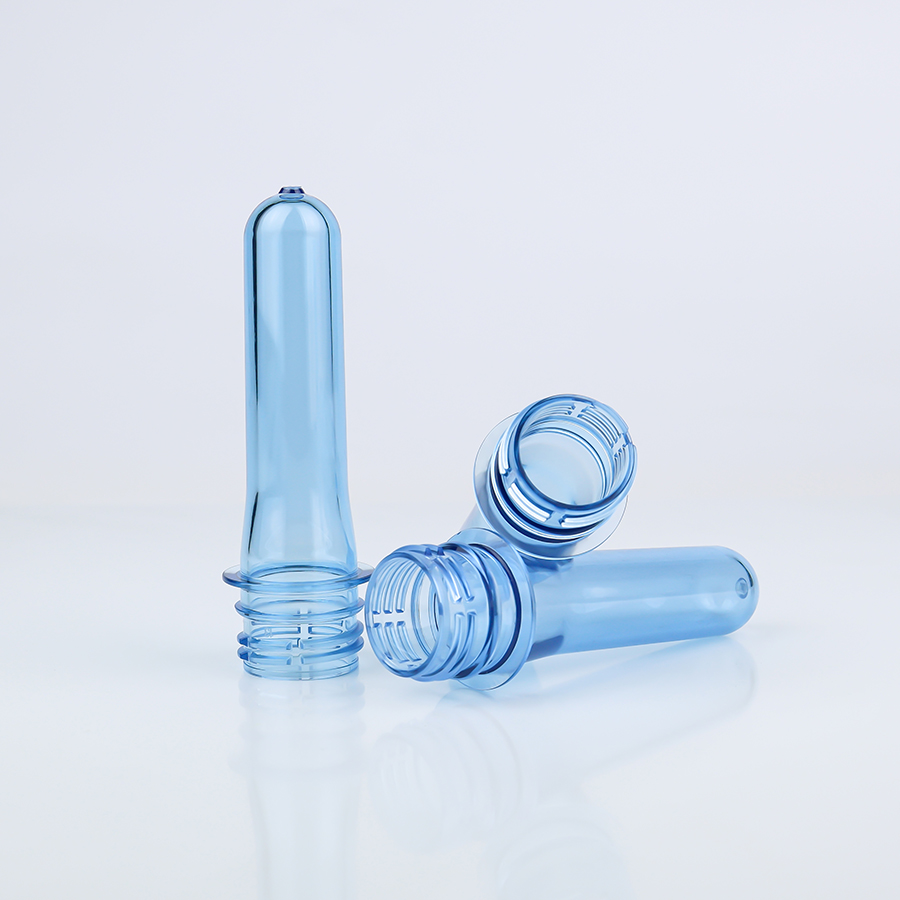
Across manufacturing sectors worldwide, packaging has evolved from a functional afterthought into a strategic business asset. bottle preform customization sits at the heart of this transformation, enabling brands to design containers that are precisely matched to their product requirements, regulatory environment, and consumer expectations. Whether you are producing edible oil, carbonated beverages, pharmaceutical liquids, or household chemicals, the ability to tailor every dimension of a preform is no longer a luxury — it is a competitive necessity.
This article explores how bottle preform customization works across different industry verticals, what parameters matter most to each sector, and how smart customization decisions influence production efficiency, shelf appeal, and compliance outcomes. Understanding these dimensions helps procurement managers, product developers, and packaging engineers make informed decisions when sourcing or specifying preforms for their operations.
The Core Principles Behind Bottle Preform Customization
What Customization Actually Means in Preform Manufacturing
Bottle preform customization refers to the process of engineering PET preforms to specific physical, mechanical, and aesthetic requirements rather than relying on generic off-the-shelf formats. This process encompasses a wide range of variables including neck finish diameter, wall thickness distribution, resin grade, gram weight, color, and overall preform geometry. Each of these parameters directly influences the final blown bottle's performance characteristics.
A preform designed without industry-specific intent may produce a bottle that technically holds liquid but fails in important ways — poor clarity in beverages, inadequate barrier properties for oxygen-sensitive products, or insufficient rigidity for high-fill-temperature applications. Bottle preform customization bridges the gap between raw material and market-ready container by aligning every design variable with the end-use scenario.
Professional customization also involves tooling decisions, cavity configurations, and blow ratio targets. These technical choices are made in coordination with the brand's blow molding capabilities and the expected production volumes. A well-customized preform reduces material waste, shortens cycle times, and improves bottle-to-bottle consistency across long production runs.
Key Parameters That Drive Industry-Specific Customization
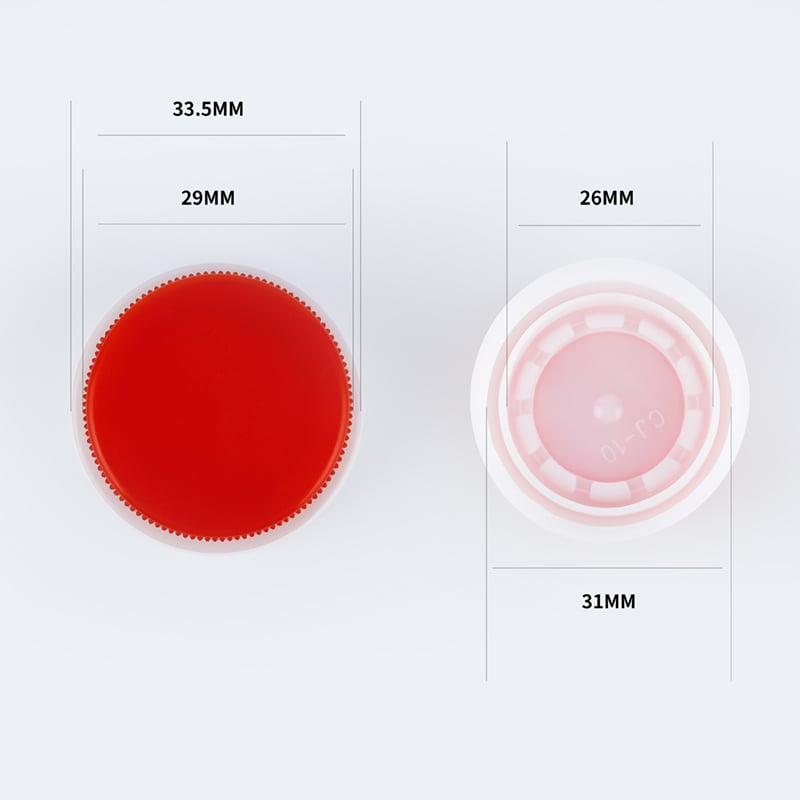
Every industry brings a distinct set of demands to bottle preform customization. Gram weight determines how much material goes into each bottle, influencing both cost and strength. Neck finish diameter, commonly ranging from 27mm to 72mm, dictates compatibility with filling equipment, closures, and dispensing accessories. Choosing the right neck finish is especially critical in industries with standardized machinery environments.
Color customization is another powerful lever. Certain industries require colorless, water-clear preforms to communicate product purity. Others benefit from amber or green tints that block UV radiation and preserve product integrity. Still others use proprietary colors as a branding differentiator on retail shelves. Bottle preform customization accommodates all of these needs through pigment blending and resin formulation control.
Resin selection is equally important. Standard PET is suitable for water and CSD applications, but specialty grades with enhanced acetaldehyde scavengers, oxygen barriers, or heat-set properties are required for sensitive product categories. The customization process must account for these material choices from the design stage onward to avoid costly reformulation later.
Bottle Preform Customization for the Food and Beverage Industry
Edible Oil and Cooking Liquid Packaging
The edible oil segment presents some of the most demanding requirements in bottle preform customization. Oil products are sensitive to light degradation, require excellent seal integrity to prevent leakage, and must often accommodate wide-mouth openings for easy pouring. Preforms for edible oil bottles are typically designed with wider neck finishes — often in the 38mm to 48mm range — to support compatible closure systems and spout fitments.
Wall thickness distribution is carefully calibrated for edible oil containers to ensure that the blown bottle can withstand the pressure of liquid filling lines and maintain structural stability on retail shelves. Additionally, bottle preform customization for oil packaging frequently involves tinted resins to reduce light transmission and protect the oil from oxidation, which directly impacts product shelf life and quality perception.
Production volumes in edible oil are typically very high, making material efficiency a priority. A customized preform that achieves the required bottle performance at the lowest gram weight possible delivers significant cost savings across millions of units annually. This balance between material reduction and performance retention is one of the defining challenges in this segment.
Carbonated Soft Drinks and Water Bottling
CSD and water applications demand bottle preform customization focused on pressure resistance, clarity, and lightweight design. Carbonated beverages create internal pressure that the blown bottle must contain without deforming or showing stress whitening. The preform's resin grade, wall geometry, and gate design are all engineered to support the required burst pressure and CO2 retention over the product's shelf life.
Water bottles place a premium on optical clarity and consumer aesthetics. The preform must blow into a transparent container free of haze, streaks, or crystallization artifacts. This requires tight control over IV (intrinsic viscosity) levels in the resin, processing temperatures, and cooling profiles during preform manufacturing. Bottle preform customization in this category often involves gram weight optimization to meet sustainability targets without compromising drop-impact performance.
Neck finishes for CSD and water preforms are typically standardized within regional markets, with common sizes like PCO 1881 dominating high-volume filling lines. However, premium or specialty water brands frequently request unique neck geometries as part of their bottle preform customization strategy to reinforce brand exclusivity.
Bottle Preform Customization for Pharmaceutical and Personal Care
Pharmaceutical Liquid Packaging Requirements
Pharmaceutical applications impose some of the strictest material and dimensional tolerances in the entire preform industry. Bottle preform customization for pharmaceutical liquids must comply with regulatory standards governing extractables and leachables, material safety, and container closure integrity. Only food-contact-grade or pharma-grade PET resins with verified additive profiles are acceptable.
Dimensional precision is critical because pharmaceutical bottles must integrate with automated filling, capping, and labeling systems that operate at high speeds with zero tolerance for size variation. Even minor deviations in neck finish dimensions or preform height can cause line stoppages or compromised sealing. Bottle preform customization for this sector requires mold tooling held to tighter tolerances than in most other industries.
Certain pharmaceutical applications also require tamper-evident or child-resistant closure compatibility, which dictates specific neck finish profiles. Customized amber-colored preforms are frequently specified for light-sensitive medications, providing UV protection that generic clear preforms cannot deliver. These unique demands make bottle preform customization an essential part of pharmaceutical packaging development programs.
Personal Care and Cosmetics Packaging
The personal care industry uses bottle preform customization primarily as a tool for brand differentiation and consumer experience enhancement. Shampoo, conditioner, body wash, and lotion bottles are expected to have distinctive shapes, appealing colors, and ergonomic profiles that stand out on crowded retail shelves. PET preforms offer the design flexibility to achieve complex bottle geometries through carefully engineered preform shapes.
Color is a dominant customization variable in this sector. Personal care brands invest heavily in proprietary color formulas that become part of their visual identity. Bottle preform customization must translate these color requirements into accurate pigment master batches that remain stable through the blow molding process and under retail lighting conditions. Color consistency across production batches is non-negotiable for brand-sensitive clients.
Neck finish customization also plays a role in personal care packaging, particularly for pump dispensers and specialized closures. The preform's neck geometry must align perfectly with the dispensing mechanism to ensure leak-free performance and smooth consumer operation. This level of integration requires close collaboration between the preform manufacturer, closure supplier, and brand owner during the bottle preform customization development phase.
Bottle Preform Customization for Industrial and Chemical Applications
Household and Industrial Cleaning Products
Chemical resistance is the primary concern when conducting bottle preform customization for household and industrial cleaning products. While standard PET handles many mild formulations, some aggressive cleaning agents require modified resin grades or alternative barrier systems to prevent chemical interaction with the container. Evaluating compatibility between the product formulation and the PET matrix is a foundational step in this sector's customization process.
For high-volume household cleaners, bottle preform customization often prioritizes structural rigidity over lightweight optimization. These bottles are squeezed during use, which means the preform must be designed to recover shape quickly without permanent deformation. Rib geometry, wall thickness distribution, and base design all contribute to the squeeze recovery performance of the final blown bottle.
Trigger sprayer and pump-compatible neck finishes are standard requirements in this category. Bottle preform customization must account for the mechanical forces applied by these dispensing systems over thousands of actuation cycles. A neck that cannot withstand repeated torque stress will fail prematurely, creating costly consumer complaints and potential liability issues for the brand owner.
Lubricants and Automotive Fluids
Lubricant and automotive fluid packaging demands bottle preform customization focused on chemical compatibility, high fill-volume capability, and robust neck designs for large-diameter closures. Preforms for motor oil or gear lubricant containers typically feature heavier gram weights and wider neck finishes — often 38mm to 72mm — to support large-bore closures and quick-pour spout systems commonly used in automotive retail environments.
The blown bottles must maintain dimensional stability under varied temperature conditions, from cold warehouse storage to hot outdoor retail displays. Bottle preform customization addresses this by selecting resins with appropriate thermal stability characteristics and by engineering preform wall profiles that resist deformation across the expected temperature range.
High-clarity PET is sometimes specified for lubricant containers to allow end users to visually inspect fluid levels and color without opening the container. This requires precise control over resin IV, processing conditions, and mold temperatures during preform production — all aspects that are managed within the bottle preform customization workflow.
The Business Case for Industry-Specific Bottle Preform Customization
Operational and Cost Efficiency Gains
Generic preforms force compromise. They may work adequately but rarely deliver optimal performance in any specific application. Industry-focused bottle preform customization eliminates those compromises by aligning every design variable with the actual production environment and end-use requirements. The result is fewer line stoppages, lower reject rates, and more consistent blown bottle quality across production campaigns.
Material efficiency is a direct financial benefit of customization. When gram weight is precisely calibrated to the required bottle strength, material usage is minimized without sacrificing performance. Across high-volume production runs, even a fraction of a gram of reduction per preform can translate into millions of dollars of annual savings for large-scale operations. Bottle preform customization makes these savings achievable through systematic engineering rather than guesswork.
Customized preforms also reduce tooling risk. When a preform is designed specifically for a brand's blow molding equipment and cavity configuration, the probability of fit issues, blow quality problems, or scrap-rate spikes is dramatically reduced. This upstream investment in proper customization protects the downstream production investment and shortens the time from new product development to full-scale commercial output.
Brand Value and Market Differentiation
Bottle preform customization is ultimately a brand investment. A uniquely shaped, distinctively colored container communicates quality, builds consumer recognition, and supports premium pricing strategies. Industries where shelf presence directly drives purchase decisions — beverages, personal care, premium foods — benefit most visibly from customization as a brand-building tool.
Custom neck finishes and bottle geometries can also be used to create proprietary closure systems that reinforce brand exclusivity and prevent easy product substitution. This kind of structural branding, enabled by precise bottle preform customization, is a powerful strategic tool in competitive consumer markets.
Even in industrial and B2B packaging contexts, a well-designed custom bottle signals professionalism and product quality to commercial buyers. Bottle preform customization thus carries business value far beyond the functional — it contributes to brand equity, customer loyalty, and long-term competitive positioning across every industry sector it serves.
FAQ
What industries benefit most from bottle preform customization?
Virtually every industry that uses PET bottles benefits from bottle preform customization to some degree. The sectors with the most complex and specific requirements include food and beverage, pharmaceuticals, personal care, edible oil, and industrial chemicals. Each of these industries has unique material, dimensional, regulatory, or aesthetic requirements that generic preforms cannot fully address. Customization ensures the preform is engineered precisely for the application rather than adapted from an approximate standard.
How does neck finish diameter affect bottle preform customization decisions?
Neck finish diameter is one of the most critical parameters in bottle preform customization because it governs compatibility with closures, filling equipment, dispensing systems, and capping machinery. Different industries rely on standardized neck sizes — for example, water bottling lines often use PCO 1881, while edible oil and lubricant applications may require wider finishes from 38mm to 72mm. Choosing the wrong neck finish can render a bottle incompatible with existing filling line infrastructure, so this decision must be made early in the customization process.
Can bottle preform customization support sustainability goals?
Yes, bottle preform customization is one of the most effective tools for meeting sustainability targets in packaging. By precisely engineering gram weight to the minimum required for structural performance, customization reduces material consumption per unit. Additionally, designing for compatibility with rPET resins, improving recyclability through optimized geometry, and eliminating unnecessary additives are all customization choices that contribute to a lower environmental footprint. Sustainability-focused customization requires close collaboration between brand owners and preform manufacturers from the earliest design stage.
What is the typical development process for a custom preform project?
A standard bottle preform customization project begins with a technical brief that defines the required bottle volume, fill product, closure type, filling method, and performance expectations. The preform manufacturer then proposes a design concept with specific gram weight, neck finish, and geometry recommendations. After design approval, tooling is commissioned and sample preforms are produced for blow trials and performance testing. Any necessary adjustments are incorporated before final tooling approval and commercial production begins. The entire process typically takes several weeks to a few months depending on complexity and tooling lead times.
Table of Contents
- The Core Principles Behind Bottle Preform Customization
- Bottle Preform Customization for the Food and Beverage Industry
- Bottle Preform Customization for Pharmaceutical and Personal Care
- Bottle Preform Customization for Industrial and Chemical Applications
- The Business Case for Industry-Specific Bottle Preform Customization
- FAQ
