 EN
EN

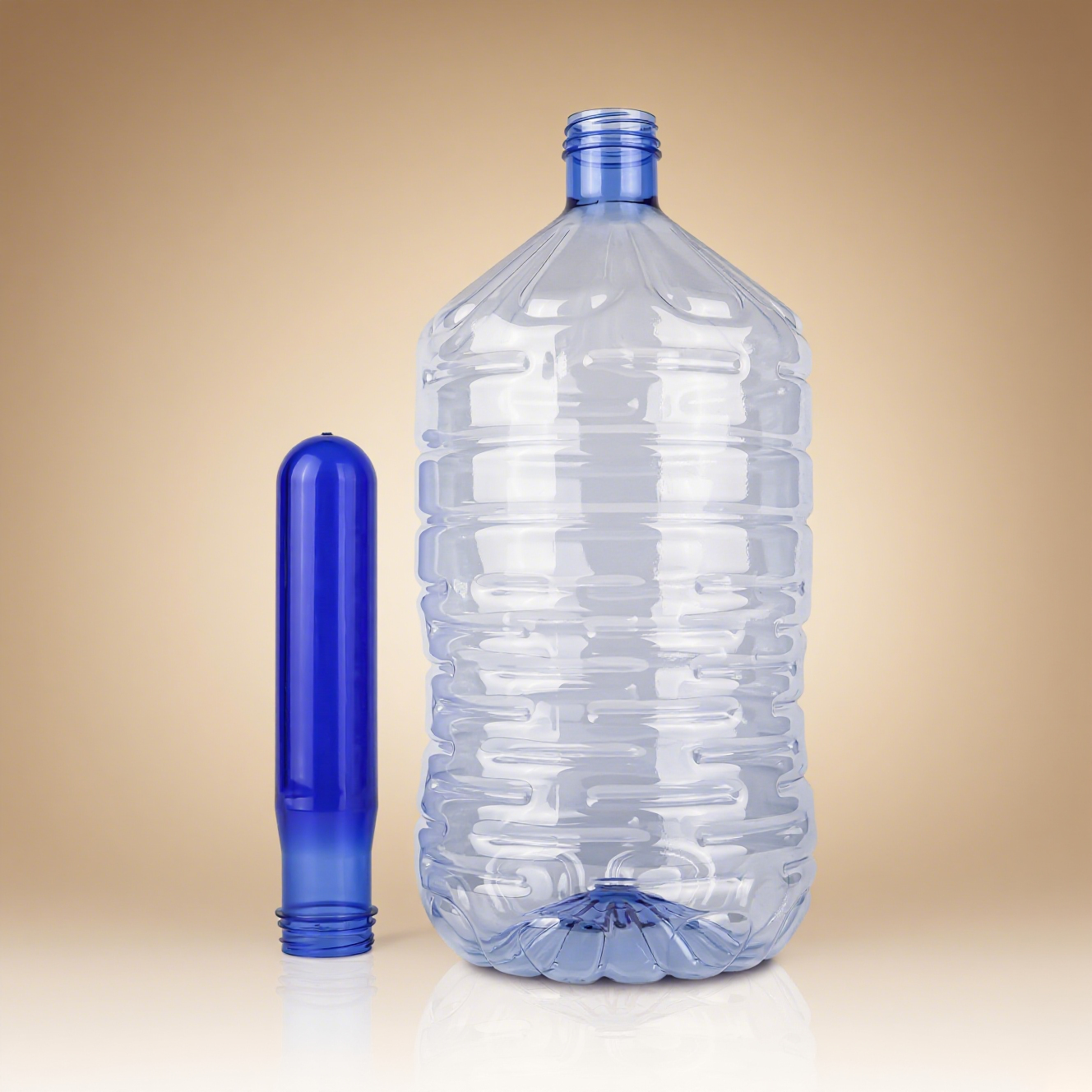
The 5 gallon water bottle design has become central to modern water delivery and storage systems across residential, commercial, and industrial applications. A well-engineered 5 gallon water bottle design directly impacts user satisfaction, operational safety, and supply chain efficiency. Understanding the essential elements of effective 5 gallon water bottle design helps businesses select containers that balance functionality with cost-effectiveness, ensuring that every bottle meets both practical and regulatory standards.
Modern 5 gallon water bottle design reflects decades of refinement in materials science, ergonomics, and manufacturing precision. The competitive water bottling market demands containers that not only hold liquid safely but also simplify logistics, reduce handling strain, and withstand repeated use cycles. A superior 5 gallon water bottle design combines structural integrity with user-centric features that streamline distribution, reduce damage rates, and enhance the overall customer experience.
Core Features of Effective 5 Gallon Water Bottle Design
Handle Integration and Grip Ergonomics
The handle is arguably the most critical component of 5 gallon water bottle design, as it directly influences user comfort and safety during transport. An effective 5 gallon water bottle design incorporates a handle that distributes weight evenly across the hand and fingers, reducing fatigue during extended carrying periods. The handle should be positioned to maintain balance when the bottle is fully loaded, with sufficient thickness to prevent grip strain and adequate spacing to accommodate different hand sizes across diverse user populations.
Quality 5 gallon water bottle design ensures handles are reinforced at stress points where they meet the bottle body, preventing premature failure and cracking. The handle surface should offer tactile grip even when wet, a feature increasingly important in high-humidity delivery environments. Modern 5 gallon water bottle design often incorporates slight ribbing or textured patterns that enhance grip security without adding excessive material cost or compromising aesthetic appeal.
Base and Stability Optimization
Stability represents another cornerstone of proven 5 gallon water bottle design, particularly in environments where bottles are stored upright for extended periods or stacked multiple units high. An optimal 5 gallon water bottle design features a broad, flat base with reinforced edges that prevent tipping even on slightly uneven surfaces. The base geometry must support the full weight of the filled container without warping, buckling, or developing stress fractures over the product lifecycle.
Strategic 5 gallon water bottle design incorporates subtle base rings or feet that elevate the bottle slightly from surfaces, improving air circulation and reducing moisture accumulation that could compromise structural integrity. This design consideration is especially important in coolers and water stations where condensation and humidity levels remain consistently high. The base area should be thoroughly stress-tested during product development to ensure it maintains dimensional stability through thousands of fill-empty cycles.
Stacking Capability and Logistics Efficiency
Nested Design Principles
Stackability is a transformative feature in modern 5 gallon water bottle design that dramatically improves transportation efficiency and warehouse utilization. An advanced 5 gallon water bottle design incorporates features that allow multiple empty bottles to nest securely within each other, reducing storage footprint and shipping volume by up to sixty percent. This nested capability in 5 gallon water bottle design directly translates to lower logistics costs and reduced carbon emissions associated with water bottle distribution networks.
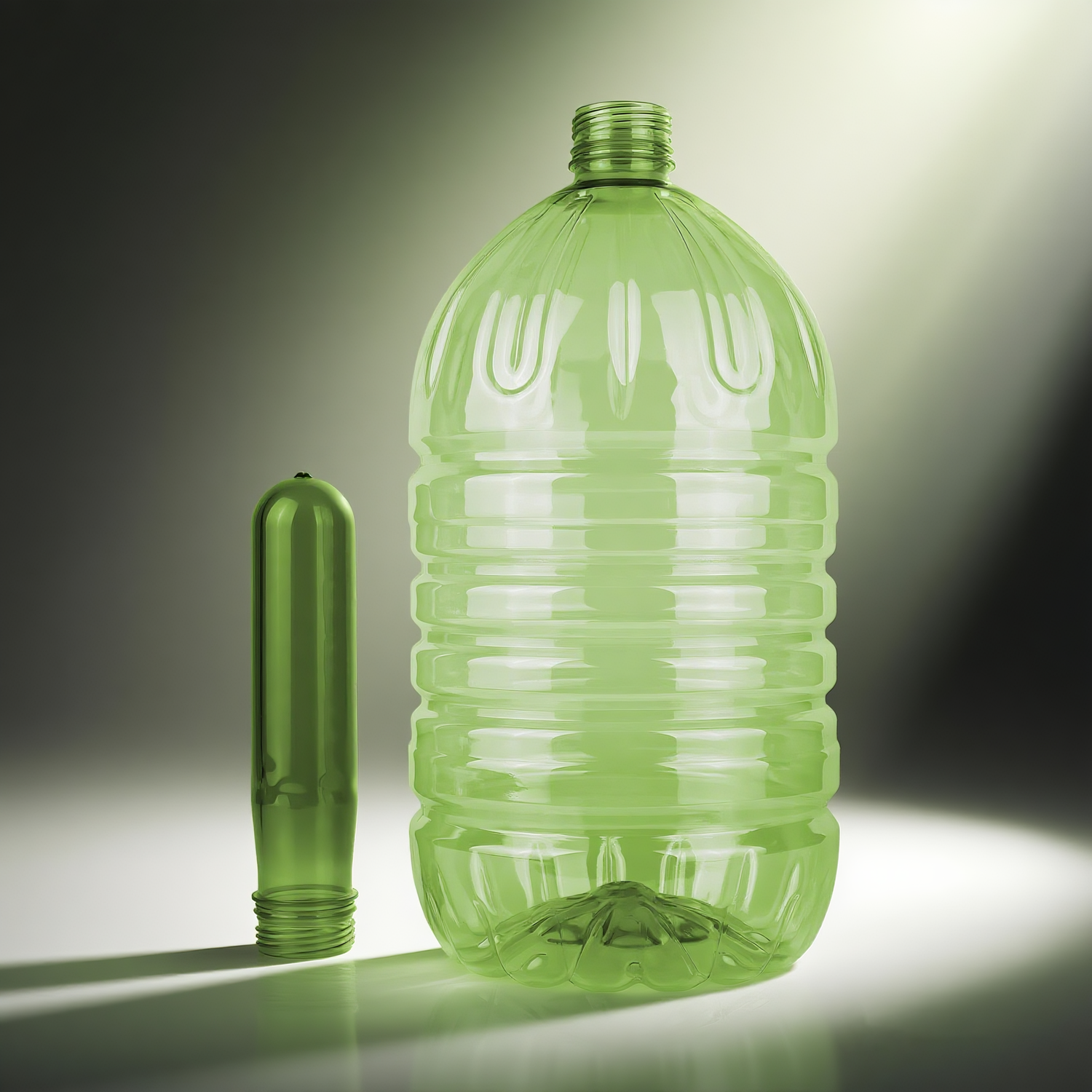
Effective 5 gallon water bottle design achieves nesting through carefully calibrated diameter transitions and complementary internal-external geometry that prevents bottles from jamming or becoming permanently stuck. The shoulder and neck dimensions in 5 gallon water bottle design must accommodate multiple nested units while maintaining sufficient clearance for easy separation without applying excessive force. Engineering teams developing 5 gallon water bottle design conduct extensive nesting trials with various bottle densities and material conditions to verify that the design performs reliably across different storage scenarios.
Filled-Unit Stacking Architecture
Beyond empty-bottle nesting, a comprehensive 5 gallon water bottle design must also accommodate stacking of filled units in warehouses, delivery vehicles, and end-user locations. The 5 gallon water bottle design must provide sufficient structural rigidity to support the cumulative weight of multiple filled bottles stacked vertically without experiencing deformation, seal compromise, or stress failure. Top-tier 5 gallon water bottle design incorporates reinforced shoulder sections and strategic wall thickness variations that distribute compressive loads effectively.
Load testing represents a critical validation step in 5 gallon water bottle design development, where manufacturers stack filled units under controlled conditions while monitoring deformation and pressure distribution. Premium 5 gallon water bottle design accommodates stacking heights of ten or more filled units, substantially improving inventory management and transportation capacity. The design must also facilitate easy removal of individual bottles from stacks without risk of damage to adjacent containers or the user's hands and fingers.
Material Selection and Durability Considerations
Polymer Composition and Performance
The polymer selected for 5 gallon water bottle design profoundly influences its performance characteristics, cost structure, and environmental profile. Advanced 5 gallon water bottle design typically employs polyethylene terephthalate (PET) or high-density polyethylene (HDPE), each offering distinct advantages that manufacturers weigh when optimizing the 5 gallon water bottle design for specific market segments. The 5 gallon water bottle design must specify material grades that balance clarity, strength, chemical resistance, and temperature stability across the product's intended operating environment.
Rigorous 5 gallon water bottle design standards require materials that withstand repeated filling and emptying cycles, UV exposure during storage and transport, and temperature fluctuations from freezing to high-heat conditions. The polymer formulation in 5 gallon water bottle design must resist degradation from chlorine and other residual chemicals used in sanitation protocols. Material selection directly impacts the 5 gallon water bottle design's ability to maintain clarity, dimensional stability, and seal integrity throughout a multi-year service life.
Wall Thickness and Stress Distribution
Precise wall thickness specification is fundamental to successful 5 gallon water bottle design, as insufficient thickness compromises structural integrity while excessive thickness increases material costs and environmental impact. Modern 5 gallon water bottle design employs variable wall thickness strategies, where stress-prone areas like the shoulders and base receive reinforcement while lower-stress regions utilize thinner material. Computer-aided finite element analysis informs contemporary 5 gallon water bottle design, enabling engineers to optimize material distribution and predict stress behavior under real-world handling scenarios.
The 5 gallon water bottle design must maintain adequate thickness to prevent stress whitening, which occurs when polymer molecules are stretched beyond their elastic limit, compromising both appearance and structural integrity. Quality assurance protocols verify that every production run maintains the 5 gallon water bottle design's specified wall thickness tolerances, ensuring consistent performance and durability. This precision manufacturing capability directly supports the long-term reliability and customer satisfaction that differentiate leading 5 gallon water bottle design implementations.
FAQ
What makes a 5 gallon water bottle design suitable for commercial water delivery operations?
A commercial-grade 5 gallon water bottle design must prioritize durability, stackability, and ergonomic handling to reduce operational costs and improve safety. The design should accommodate nested empty-bottle storage, support stacking of filled units, incorporate reinforced handles that distribute weight evenly, and utilize materials that withstand hundreds of fill-empty cycles without degradation. Additionally, the 5 gallon water bottle design should meet food-contact safety standards and resist UV damage during outdoor storage or transport.
How does 5 gallon water bottle design impact manufacturing costs and environmental sustainability?
Optimized 5 gallon water bottle design reduces material consumption through variable wall thickness and efficient nesting geometry, lowering both manufacturing costs and environmental impact. A well-engineered 5 gallon water bottle design minimizes plastic waste during production while extending product lifespan through superior durability and resistance to damage. The stackability features inherent in modern 5 gallon water bottle design also reduce transportation volume and associated carbon emissions throughout the supply chain.
What are the key regulatory requirements that influence 5 gallon water bottle design standards?
The 5 gallon water bottle design must comply with food contact regulations established by the FDA and equivalent international standards, requiring that materials be non-toxic and resistant to contamination. The 5 gallon water bottle design must also meet structural safety standards ensuring handles and seals maintain integrity under typical use conditions. Manufacturers developing 5 gallon water bottle design typically incorporate testing for chemical migration, stress crack resistance, and temperature stability to verify compliance with applicable regulations across primary markets.
